Waiting three to five minutes for a cocktail has long been accepted as part of the premium drinking experience. From measuring spirits and muddling fresh ingredients to shaking, garnishing, and presenting the final drink, craftsmanship has traditionally taken time. But the future of hospitality is redefining that expectation. Today, advancements in beverage technology, automation, and ready-to-serve innovations are making it possible to deliver bar-quality cocktails in under 30 seconds without compromising on flavour or consistency.
This shift reflects more than a desire for speed. Consumers increasingly expect premium experiences that are convenient, reliable, and personalised. Whether ordering at a luxury hotel, a rooftop bar, a wedding venue, or hosting friends at home, they want exceptional drinks without unnecessary waiting or complexity. The global beverage industry is responding with artificial intelligence, automated dispensing systems, smart inventory management, and full-strength ready-to-serve cocktails. Together, these innovations are reshaping not only how drinks are served but also how hospitality businesses operate.
Why Speed Has Become the New Luxury
Modern consumers no longer associate luxury with waiting. Instead, convenience has become an essential part of premium experiences. Across industries, from food delivery and online shopping to digital banking, friction has steadily disappeared. Hospitality is following the same path.
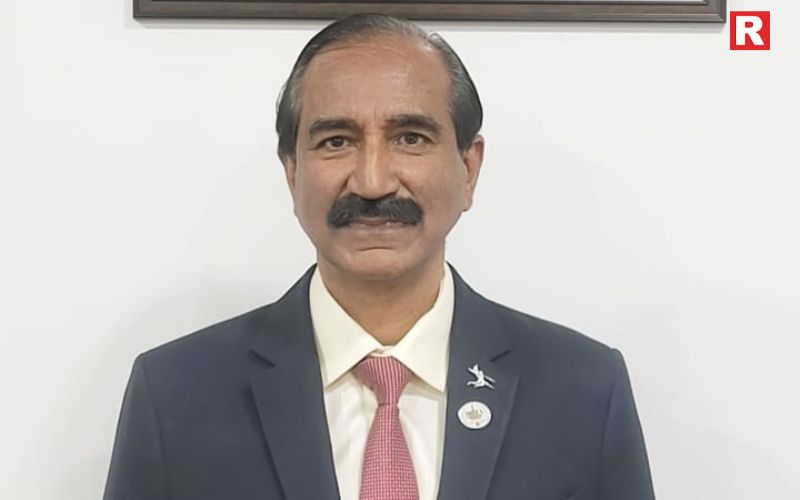
According to Nakul Banga, Co-Founder of Raise The Bar Consumer Brands, this behavioural change was one of the biggest reasons behind launching Pour'd. "Cocktails had become the default drink at bars, parties and social occasions of every kind—but the moment you tried to recreate one outside a professional setting, it fell apart. The right bottles, the right mixers, the right proportions, and even then it was a coin toss. People gave up before they began."
He believes, "Consumers had stopped accepting friction as the price of a good experience. Across food, entertainment and travel, people had stopped accepting friction as the price of a good experience. Cocktails hadn't caught up."
India's alcoholic beverage market reflects this transformation. Beverage alcohol volumes grew by around 7 percent during the first half of 2025, making India one of the world's fastest-growing alcohol markets. Industry estimates suggest the country could become the world's second-largest alcohol market by 2032, fuelled by rising disposable incomes, premiumisation, and younger consumers willing to spend more on quality experiences rather than simply consuming larger quantities.
What Makes a 30-Second Cocktail Possible?
Delivering a premium cocktail in under half a minute isn't about cutting corners. It is the result of years of innovation in beverage engineering and production. Today's ready-to-serve cocktails are created using carefully developed recipes, precision batching, and controlled production environments. Instead of relying on individual bartenders to measure ingredients each time, every bottle is prepared under strict quality controls that ensure consistency across every serving.
Pour'd, for example, offers six full-strength cocktail expressions bottled at 42.8 percent ABV, with the spirits already included. Guests simply pour the drink over ice and add water or soda if required.
Banga explains, "Early on, the interest was almost purely operational. Hospitality businesses are stretched on staffing, training and peak-hour pressure, and anything that eases that load gets attention fast.Operators now raise the guest-experience side. The damage done when a drink lands well at one table and falls short at the next is a genuine problem at premium venues. Ready-to-serve solves it in a way more training can't."
Consistency Is the Biggest Competitive Advantage
While innovation often dominates industry conversations, consistency may prove even more valuable. Guests returning to a favourite hotel or cocktail bar expect the same quality every visit. Variations in staff experience, ingredient measurements, or preparation techniques can quickly erode trust.
Having travelled extensively and experienced hospitality cultures across the world, Banga says, "The guest should never have to wonder whether tonight will be as good as last time. Speed matters, but it isn't the point. The point is that the drink is exactly what it's meant to be—every time, every venue, every occasion."
This philosophy aligns with broader trends in hospitality technology. Automated dispensing systems increasingly use calibrated flow meters, digital measurement controls, and pressure regulation to ensure identical pours every time. Many systems are now connected to cloud-based software that monitors inventory, predicts maintenance requirements, and reduces ingredient wastage. Rather than replacing craftsmanship, these technologies help standardise repetitive tasks while allowing staff to focus on customer interactions.
Automation Is Changing the Bartender's Role
One of the biggest concerns surrounding beverage automation is whether it threatens traditional bartending. Industry leaders argue the opposite.
Banga believes, "What makes a great bartender valuable—reading a room, putting guests at ease, shaping the mood of a venue—none of that can be pre-packaged. What ready-to-serve removes is the mechanical part: measuring, shaking, assembling the same drink thirty times over. That's not why anyone joined this profession."
By eliminating repetitive preparation, bartenders gain more time to engage with guests, recommend drinks, personalise experiences, and develop creative signatures.
He also sees ready-to-serve cocktails as a creative platform rather than a finished product. "Pour'd gives bartenders a consistent, full-strength base to build on—a new canvas to express themselves."
Convenience Is No Longer Separate From Craftsmanship
Premium consumers once viewed convenience with scepticism, often associating it with lower quality. That perception is changing rapidly. Consumers increasingly judge experiences based not only on quality but also on how effortlessly they fit into modern lifestyles.
Banga explains "Nobody pays more for easier. But craftsmanship buried behind unnecessary friction reaches a far smaller audience than it deserves." He believes premium experiences should become more accessible without compromising authenticity. "Making a premium experience easier to reach doesn't cheapen it. It widens it."
This changing mindset explains why premium spirits continue to outperform mass-market categories. Consumers are drinking more selectively, exploring cocktails, craft spirits, and elevated home experiences rather than simply purchasing larger quantities of alcohol. The same trend is driving growth across ready-to-serve cocktails, premium mixers, functional beverages, and alcohol-free alternatives.
Where Will 30-Second Cocktails Make the Biggest Impact?
While bars remain the natural home for cocktails, the next phase of growth is likely to come from places where speed, consistency, and scalability matter even more. Hotels, resorts, airports, corporate lounges, stadiums, cruise ships, wedding venues, and premium banquet halls all face similar operational challenges. During peak service hours, bartenders are expected to produce hundreds of drinks while maintaining consistent quality. Ready-to-serve cocktails offer a practical solution. Instead of spending several minutes preparing each drink, hospitality teams can serve premium cocktails within seconds, reducing queues while ensuring every guest receives the same experience.
Banga notes that hospitality operators increasingly recognise both the operational and customer experience benefits. "The efficiency argument and the experience argument used to come up separately. Now they arrive together."
Weddings and Banquets Are Emerging as a Major Growth Opportunity
Indian weddings have become increasingly experience-driven. Guests now expect curated food menus, immersive entertainment, personalised décor, and premium beverages regardless of whether the event is hosted at a luxury hotel or a destination venue. However, serving hundreds or even thousands of cocktails within a limited time window remains one of the biggest operational challenges.
According to Banga, this is where ready-to-serve cocktails could reshape beverage service. "At that scale, consistency stops being a preference and becomes a necessity." He explains that traditional cocktail service becomes increasingly difficult as guest numbers grow. "Serving several hundred guests over a few hours is a different operational challenge from running a bar. The margin for error is narrower and the stakes are higher. Ready-to-serve makes a proper cocktail programme possible without the operational weight that usually comes with it."
Rather than replacing bartenders, ready-to-serve formats enable banqueting teams to maintain premium quality throughout the event. As destination weddings continue to grow across India, hospitality operators are expected to adopt beverage solutions that balance luxury with efficiency.
The Home Is Becoming Hospitality's Next Big Venue
Perhaps the most significant shift isn't happening inside restaurants at all. It is happening inside people's homes. House parties, intimate celebrations, game nights, and festive gatherings have become more popular over the past few years. Consumers increasingly want to recreate premium hospitality experiences without leaving home. Consumers are investing in better food, music systems, lighting, and entertaining spaces. Yet drinks often remain the weakest part of the experience.
"A great cocktail at home is one of life's small joys—but making one is genuinely hard. The technique, the time, a shelf of esoteric ingredients you'll use once." Banga compares the opportunity to what food delivery platforms achieved for dining. "Think about what Swiggy and Zomato did. They took the peak dining experience and let you have it at home. Nobody has done that for drinking yet."
For ready-to-serve cocktails, this represents one of the largest untapped markets. Consumers can enjoy bar-quality drinks without purchasing multiple bottles, learning mixology techniques, or investing in specialised equipment.
Breaking the Biggest Misconception
Despite its rapid growth, the ready-to-serve cocktail category still faces one common misconception. Many consumers assume convenience must come at the expense of quality.
Banga points out this belief disappears quickly once people taste the product. "There's an inherent trade-off that most people assume—that removing the preparation must mean removing something from the drink. Consumers have already decided convenience and quality can coexist."
For Pour'd, maintaining authenticity starts with the liquid itself rather than elaborate storytelling. Each 750 ml bottle contains approximately 12 to 15 serves at full strength, with spirits already blended into the recipe. Consumers only need ice and, depending on the cocktail, a splash of water or soda.
Technology Will Continue Transforming Beverage Service
The future of drinking extends well beyond bottled cocktails.
Artificial intelligence is already helping beverage brands analyse flavour trends, predict consumer preferences, and optimise production planning.
Cloud-connected dispensing systems can automatically monitor stock levels, reduce wastage, and alert operators before maintenance issues occur.
Internet of Things (IoT) technology enables beverage machines to communicate with inventory systems in real time, while predictive analytics helps venues anticipate peak demand periods.
Digital ordering, QR-code menus, contactless payments, and personalised beverage recommendations are becoming standard across modern hospitality.
Combined with robotics and automated dispensing, these technologies create an ecosystem where drinks are served faster, more accurately, and more sustainably than ever before.
Rather than replacing hospitality professionals, technology is increasingly handling repetitive operational tasks while allowing teams to focus on guest engagement and memorable experiences.
The Future Has Already Arrived
For Banga, success is not measured only by sales or distribution. Instead, it is about changing consumer behaviour. "Success is ready-to-serve becoming a natural part of how consumers and operators think about drinks—a legitimate format with its own place in the category, not a novelty."
If consumers begin reaching for ready-to-serve cocktails as naturally as they currently choose wine, beer, or spirits, the category will have achieved its true breakthrough. The future of drinking is no longer defined by how long it takes to prepare a cocktail. It is defined by how consistently, intelligently, and effortlessly that cocktail reaches the guest. For restaurants, hotels, and event venues, this means faster service, lower operational complexity, and a more consistent guest experience. For consumers, it means enjoying bar-quality cocktails wherever they choose—whether at a luxury resort, a wedding celebration, or their own dining table.