How Hyper-Local Indian Cuisine Pop-Ups Are Becoming Hospitality’s Strongest Differentiator
This shift goes beyond what is served on the plate. It is rooted in identity, driven by storytelling, and reflective of a larger cultural economy taking shape.

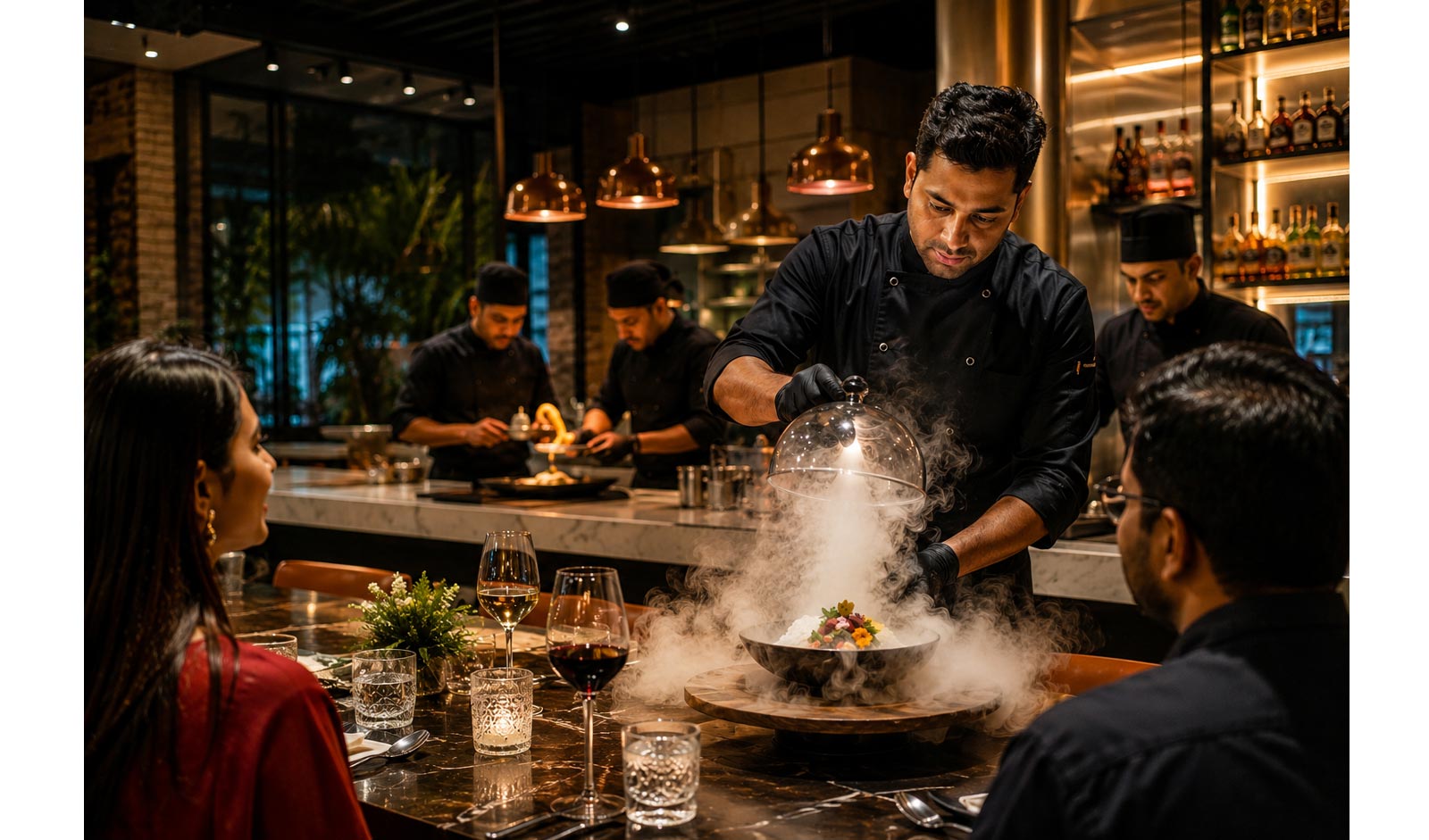
For years, India’s dining scene has been shaped by global menus and familiar formats. Across restaurants and hotels, hyper-local cuisine pop-ups once seen as niche, experimental, and short-lived are steadily transforming into sustainable business formats. What started as passion projects led by chefs are now emerging as one of the strongest differentiators in an increasingly competitive market.
This shift goes beyond what is served on the plate. It is rooted in identity, driven by storytelling, and reflective of a larger cultural economy taking shape.
What’s the Rage
Today’s guests are seeking food that feels rooted and distinctive rather than a one-size-fits-all approach. From a business perspective, this shift works powerfully where scarcity meets uniqueness, demanding premium response.
Shantanu Yadav, Founder, Atmanam said, “Brands are navigating this carefully. The smarter ones aren't chasing trends; they're building a clear point of view. At Atmanam, our identity is rooted in authenticity. We celebrate South Indian vegetarian cuisine not as a niche offering but as a proud, evolved culinary tradition. When guests resonate with that, they're not just choosing a meal; they're aligning with a value.”
Focusing on this, Mariki Sayles, Director of F&B, JW Marriot Mumbai Sahar said, “What we are most proud of is that this philosophy extends well beyond Indian cuisine for us. Our recent Michelin Chef Led Takeovers were a testament to that these weren't reinterpreted, hotel-polished versions of Italian food. These were the dishes they grew up eating, the recipes from their own kitchens and their own memories, brought to our tables with complete honesty and warmth. And our guests felt that difference immediately.”
It showed something important: that what guests deeply value, regardless of the culinary tradition, is an experience that feels considered, immersive and real.
Low-Risk Innovation Labs
Pop-ups give restaurants the freedom to experiment without the burden of long-term investment, making it easier to test lesser-known cuisines, whether from Nagaland, Kodava kitchens, Bohri traditions, or tribal Jharkhand, Sindhi, Manipuri, Manglorean cuisine or Tamilian cuisine. Increasingly, brands are treating these formats as R&D platforms, where successful ideas evolve into chef residencies, seasonal menus, or even full-fledged restaurant concepts. Around 70% of the industry is experimenting right now to create something unique.
Hyper-local cuisine does not sell on taste alone; it sells on narrative. The key shift is that earlier it was more like an ingredient-driven luxury and now it’s story-driven luxury.
Sujit Mehta, Founder of Milo (Mumbai & Nagpur) said, “Food today is as much about context as it is about taste. Storytelling helps give meaning to what’s on the plate, whether it’s the origin of a dish, the inspiration behind it, or how it’s been reinterpreted.”
“When you approach commercialisation with this level of care, it stops being a compromise. It becomes the vehicle through which a cultural narrative reaches a wider audience without losing any of its depth, integrity or soul,” shared Sayles.
The Business of Rediscovery
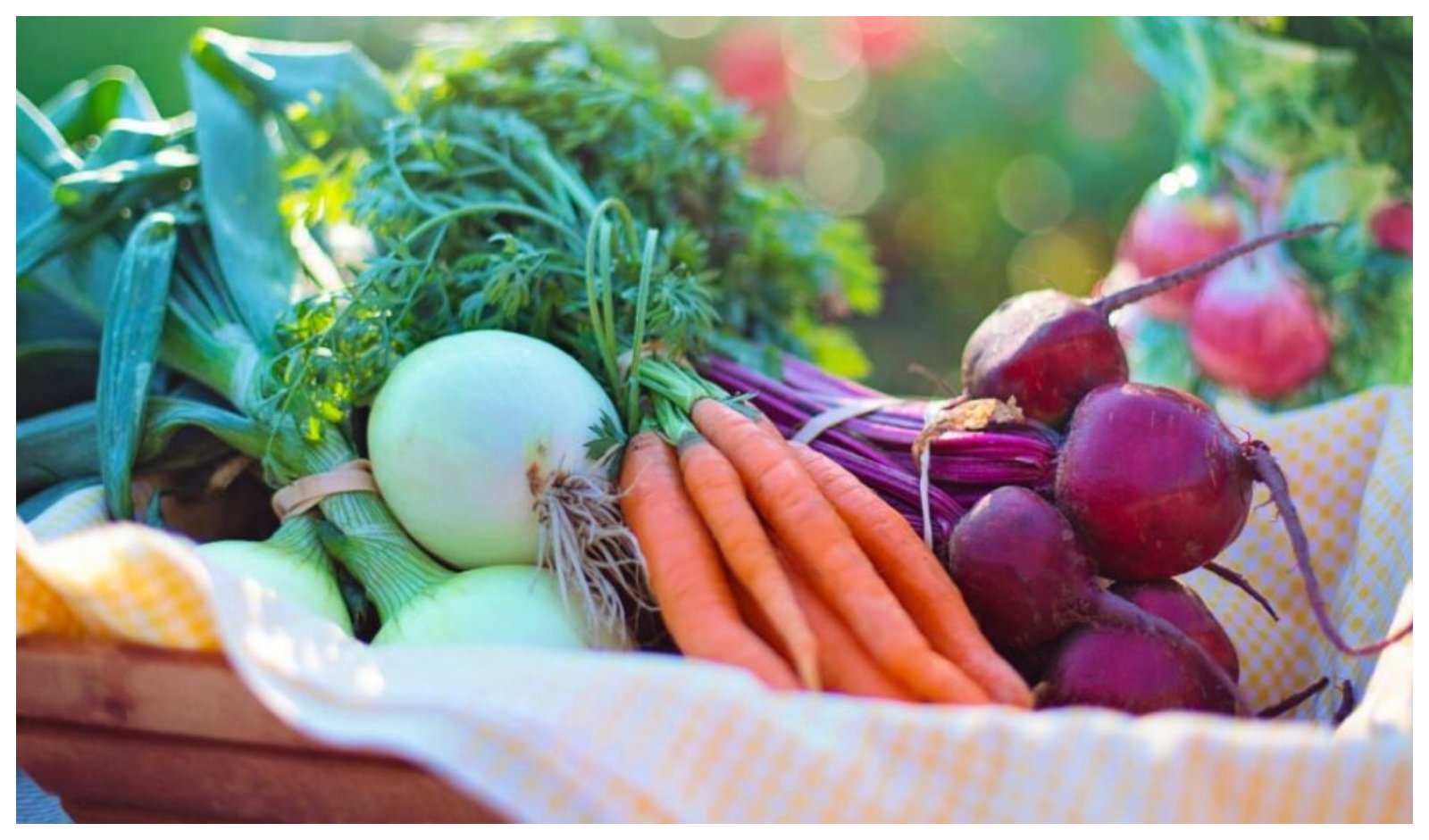
Hyper-local is not nostalgia, it is an economic opportunity. Menus are no longer static as they are focused on hyper-seasonal rotations, limited ingredient windows, and smaller, curated menus. Some restaurants are growing their own produce, building direct farm networks and designing closed-loop supply systems.
Chef Lakhan Jethani, Co-Founder of Mizu Izakaya highlighted that they are growing some key ingredients in their restaurants which they use in their kitchen and come up with something new like menu innovations or pop-ups while using these ingredients as the key differentiator of the menu. “We started off small farm in the backyard by growing the ingredients and now we are more focused in it.”
“Rediscovery is becoming a strong theme in luxury formats, where familiar dishes are being brought back with a new lens. It’s less about novelty for the sake of it and more about reworking classics in a way that feels elevated. This could mean refined presentations, better sourcing, or unexpected pairings, allowing guests to reconnect with known flavours in a more premium, experience-driven setting,” noted Mehta.
How Hotels & Restaurants Are Investing
Restaurants and Hotels are investing in farm partnerships, micro-producer networks and foraging collaborations. Restaurants can save ₹37,000–₹52,000/month by shifting just 30% orders to direct/hyperlocal channels.
Balancing authenticity with scalability comes down to simplifying without losing identity. Cuisine carries history, identity and memory and the moment you begin oversimplifying it to meet scale, drive cost efficiencies or broaden appeal, you risk losing the very essence that made it worth presenting in the first place.
The Foreseen Challenges
One of the most real challenges is the risk that comes with introducing a deeply region-specific cuisine to an entirely different crowd.
“Will they connect with it? Will the flavours feel familiar enough to draw them in, yet distinct enough to genuinely surprise them? That uncertainty never fully goes away but it's also what makes it worthwhile. Because when it lands, it really lands,” expressed Sayles.
The other challenges are more operational, maintaining authenticity while ensuring consistency, sourcing regional and seasonal ingredients within the structured environment of a large hospitality operation, and making sure that every person on the floor understands what they're serving well enough to tell its story convincingly.
Mehta added that the challenge lies in maintaining consistency, sourcing the right ingredients, and ensuring the essence of the dish isn’t diluted. Many brands address this by standardising core elements, investing in training, and adapting formats rather than flavors, so the experience evolves, but the foundation stays intact.
We can surely say that hyper-local cuisine pop-ups have evolved from experimental formats into powerful strategic tools. They offer something that global cuisine often cannot.
Vijetha Iyer
Content Editor
Working as a Content Editor with Restaurant India. I have worked in various sectors like food and beverage sector, chemicals, pharma, nutraceuticals, now specially focusing on restaurant side. But my core knowledge was always on content. Be it writing poems to verses, I always loved writing and have been exploring my career on the same. In Restaurant India, I deliver insightful stories, take interviews of various brands and update the audiences about the newest happenings in the restaurant industry.