How Hotels Can Use AI Without Losing the Human Touch
AI can handle the work guests rarely notice like forecasting demand, adjusting room rates, analyzing guest behaviour, managing energy, scheduling staff and answering routine queries. That creates a bigger opportunity. AI can take the pressure off employees, rather than replace them.

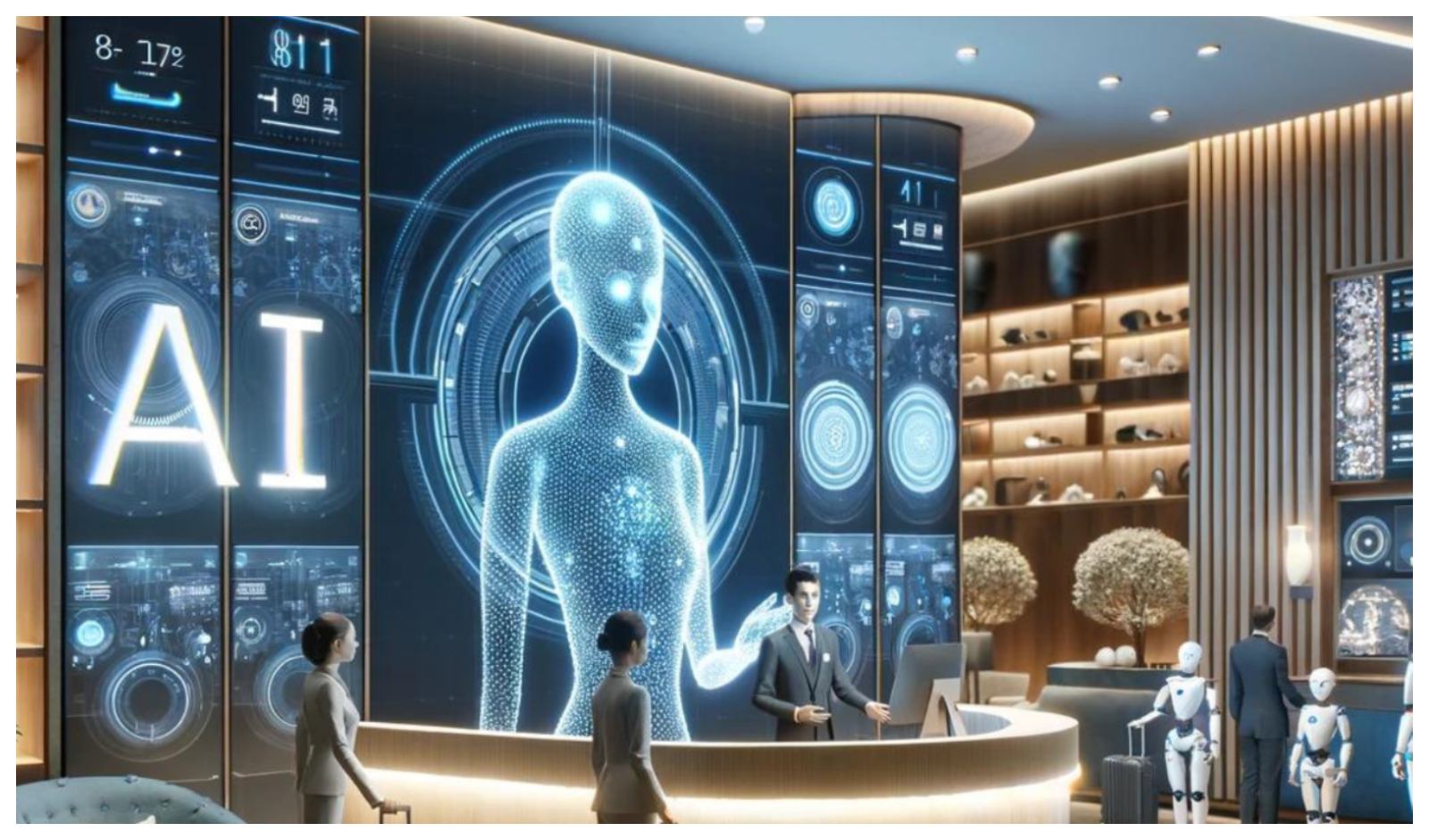
AI is no longer a futuristic idea for hotels. It is already becoming part of the daily operation. But the real question is how far should hotels automate without losing the human touch? AI can handle the work guests rarely notice like forecasting demand, adjusting room rates, analyzing guest behaviour, managing energy, scheduling staff and answering routine queries. That creates a bigger opportunity. AI can take the pressure off employees, rather than replace them.
How AI helps in Hotel Industry
Technology has become an integral part of how hotels operate today, but the level of dependence varies from property to property. AI can be a great tool for hotels, but it should never come between the guest and the people looking after them.
A chatbot can handle a late check-out, but it cannot replace the human warmth that makes a tired guest feel cared for. The smartest hotels will use AI behind the scenes, while keeping people at the centre of the guest experience.
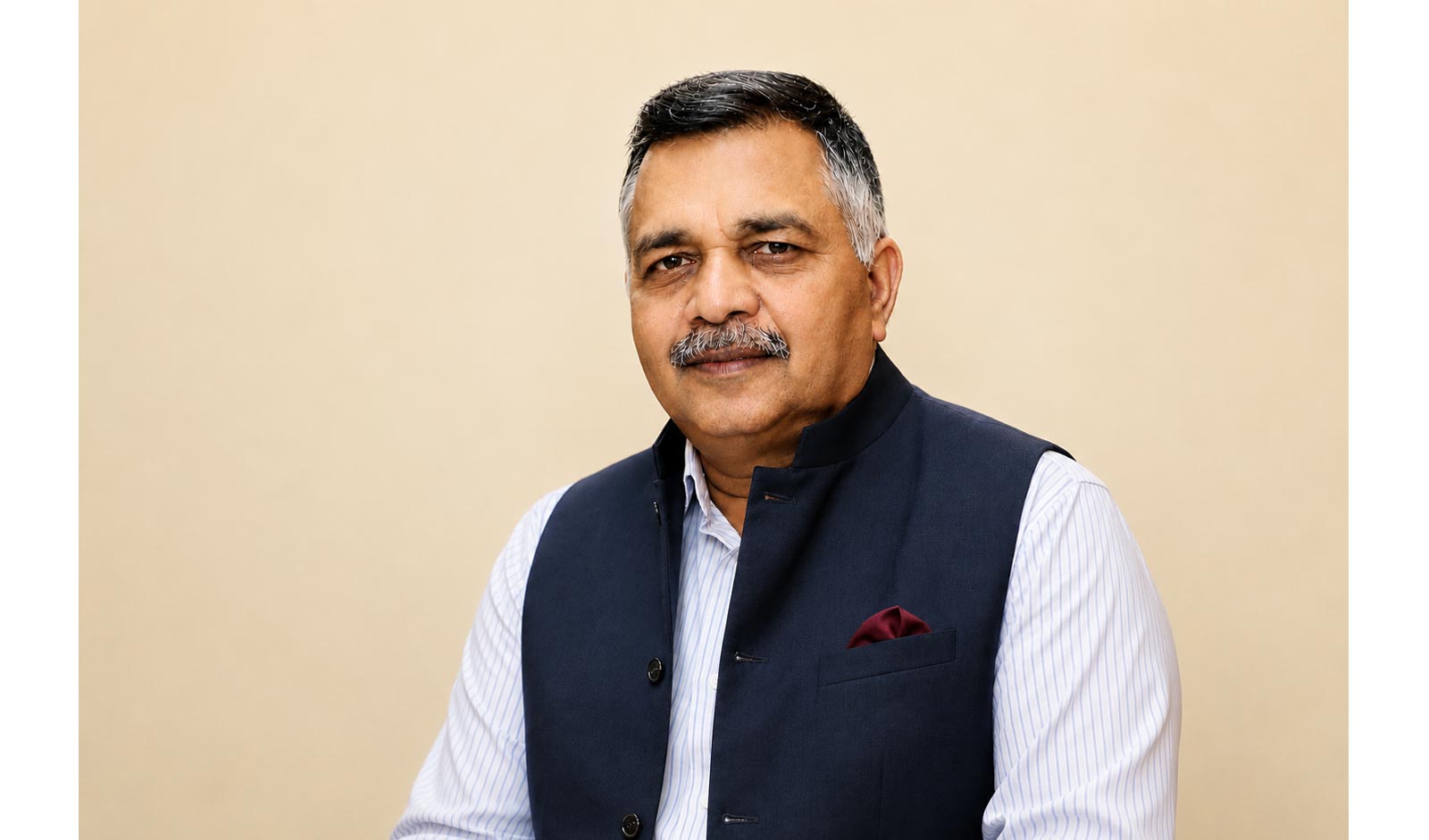
Sharing his views, Mahinder Rawat, General Manager at The Orchid Rishivan said, “Hotels are using technology across almost every part of the guest journey, from online bookings and digital check-ins to revenue management, guest communication, feedback, housekeeping and personalized offers. AI is now taking this a step further. It is being used to understand guest preferences, respond to routine queries, analyse feedback, forecast demand and help teams make faster decisions.”
“Our approach is more measured. AI is used on a smaller scale to assist teams with content ideas, booking and demand patterns, guest feedback and culinary ideation. The industry is moving towards using technology not just to automate tasks, but to support better decisions,” shared Parag Shah, General Manager at Grand Mercure Bangalore.
The important part is finding the right balance between technology and human interaction. In fact, industry data shows that AI and automation are among the key areas hotels are prioritising for investment in 2026.
Without Losing the Human Touch
The idea is to use AI behind the scenes, while keeping the guest experience personal. When technology handles the routine work, teams get more time to focus on what really matters — listening to guests, understanding what they need and making them feel at home. That balance between technology and genuine human connection is what will define the future of hospitality.
While, Anant Leekha, General Manager of Novotel Pune, Nagar Road feels that AI is still evolving and hotels are finding practical ways to use it.
“I don't see it as complete dependence, but rather as an additional tool that helps teams make quicker and better decisions. A lot of our teams spend time on reports, repetitive queries and routine processes. If technology can simplify some of this, our people can spend more time where they are most valuable — with the guest. The best hospitality happens when technology works quietly in the background and the guest simply feels well taken care of,” he shared.
“For us, AI is a support tool, not a replacement for people. It can help teams analyse information, identify patterns and refine ideas, while the final decisions and guest interactions remain with our people,” added Shah.
Industry reports suggest that 90–95% of hotels now use technology in some form. Many are also increasing their technology spending, with a growing focus on AI to simplify operations, improve efficiency and support employees. AI currently accounts for an estimated 10–15% of their technology investment, reflecting its growing role in hotel operations.
AI Making Revenue Management Smarter
Hotels work with large amounts of information around bookings, demand, market trends and pricing. AI can assist revenue teams in analysing this information and identifying patterns that can support better decisions.
Shah noted, “These insights can provide our revenue team with another perspective on booking and demand patterns, while the final decisions continue to rely on human experience and judgement.”
For employees, AI can assist with organising and analysing information, giving them more time to focus on strategy, problem solving and guests.
“We see AI as a tool that supports our teams rather than replaces them. It can help analyse guest feedback, identify patterns in preferences and make every day decision-making more efficient. It also reduces the time employees spend on repetitive or administrative tasks, allowing them to focus more on guests and their experience,” commented Rawat who also added that for us, the real value of AI lies in giving our people better information and more time to do what hospitality is really about.
The Foreseen Challenges
The first challenge knows where AI genuinely adds value. Not every process needs it. Data quality, privacy and employee adoption are also important. Teams need to understand both the capabilities and limitations of the technology, and there needs to be clarity on where human judgement remains essential.
Shah noted, “Starting small and using AI where it can genuinely assist an existing process makes adoption more practical and meaningful. The industry is also learning that technology works best when it is introduced to solve a real problem, rather than simply because it is available.”
“Training, data privacy and choosing technology that fits existing operations are also important. We need to adopt AI thoughtfully rather than simply adopting it because it is the latest trend,” added Leekha.
The impact can be seen in better efficiency, smarter decision-making, improved revenues and more personalised guest experiences. The future of hospitality will be a balance between technology and people. AI can give us better information and efficiency, but it is still our people who create the feeling, warmth and memories that guests take back with them.
Vijetha Iyer
Content Editor
Working as a Content Editor with Restaurant India. I have worked in various sectors like food and beverage sector, chemicals, pharma, nutraceuticals, now specially focusing on restaurant side. But my core knowledge was always on content. Be it writing poems to verses, I always loved writing and have been exploring my career on the same. In Restaurant India, I deliver insightful stories, take interviews of various brands and update the audiences about the newest happenings in the restaurant industry.