
How Guest Experience & Brand Identity is Crafting the Future of Dining
Dining is no longer about just good food, it’s about emotion, memory, and trust. Today’s guests want more than well-cooked dishes; they want an experience that resonates.

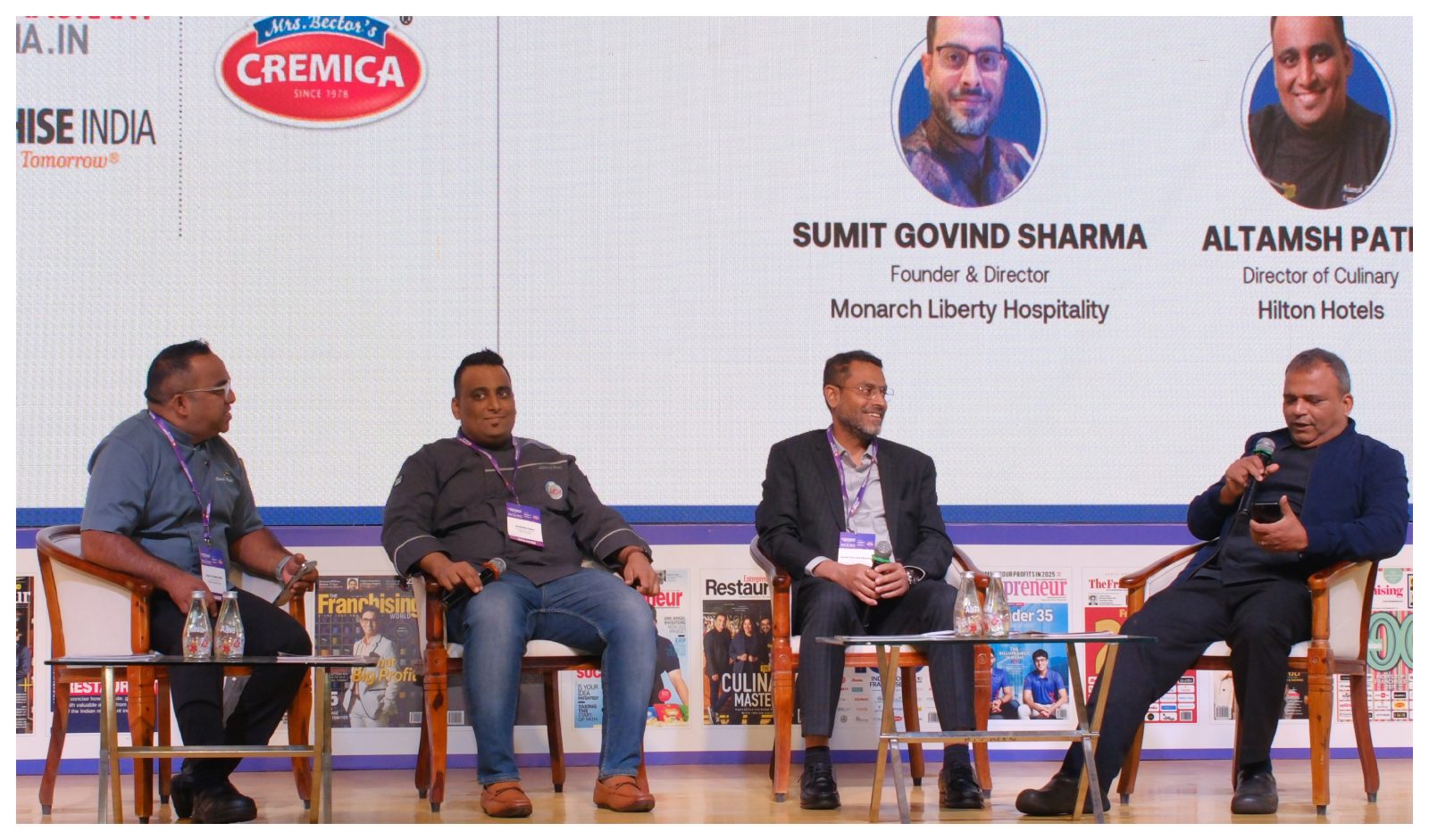
With India’s fast-changing restaurant landscape, guest experience and brand identity are emerging as the real drivers of success. Dining is no longer about just good food, it’s about emotion, memory, and trust. Today’s guests want more than well-cooked dishes; they want an experience that resonates. While great service wins hearts, a strong brand identity secures long-term loyalty.
Local Ingredients as the Heartbeat of Brand Identity
For Chef Vividh Patil, Executive Chef at Sofitel Mumbai BKC, culinary identity is deeply rooted in a sense of place. “We promote local food and keep evolving our menus with global trends. At Sofitel Mumbai BKC, menus are not just collections of dishes, they are narratives that celebrate India’s micro-regions through seasonal produce and meticulous technique.”
This approach allows the brand to stay contemporary without losing cultural depth. Guests recognise authenticity in flavour, yet appreciate the global finesse in presentation and method, a duality that brands like Sofitel have mastered.
Chef Altamash Patel, Director of Culinary at Hilton Mumbai expanded this philosophy, framing sustainability not as an optional element but as a brand commitment. “We use cage-free eggs, sustainable seafood, and have substituted charcoal tandoors with electric ones.”
When Sustainability Becomes Culture, Not Campaign
For Sumit Govind Sharma, Founder-Director at Monarch Liberty Hospitality, sustainability is not a marketing slogan but a daily operational discipline. He pointed a series of initiatives within his restaurants that are small in action but transformational in outcome. From the replacement of paper and plastic with rice straws, the conversion of used oil into biofuel, and channeling of wet waste into fertilizer.
He emphasized a shift toward “almost zero-waste cooking”, a concept that demands creativity and accountability from chefs and managers alike. The practice is not merely cost-efficient as it defines the character of a brand.
Chef Paul Noronha, Executive Chef at ITC Maratha added a valuable perspective, noting that ITC Hotels have eliminated plastic entirely, demonstrating how institutional decisions can reinforce both brand values and guest expectations.
Making Meal an Emotional Journey
While food is undeniably the centerpiece of dining, but its memorable experiences are based on how guests are made to feel rather than what they are served.
Sharma illustrated this with a meaningful moment from Eve Powai. He said, “A guest was visibly unhappy with a dish, and before the situation could escalate, a server replaced the dish without hesitation with a complimentary dessert. Guest experience is everything. People remember how you made them feel. This philosophy reveals the power of frontline employees and how the smallest gestures can create lasting brand recall.”
Signature Dishes and Family Traditions
Food also binds people emotionally, and for Chef Patel, this connection runs deep, “Any celebration in my family includes ITC’s dal makhani. The dish serves not only as a culinary symbol but as an emotional anchor across generations.”
“For us, it’s not just a meal served, it’s a memory served. It’s all about storytelling. Sofitel’s signature dishes such as the Nalli Nihari, Dal Makhani, and his own Kolhapuri Mutton have remained unchanged for 13 years, because consistency itself can be a tradition. These dishes become a promise guests rely upon, a culinary time capsule that never disappoints,” commented Chef Patil.
Human Connection is a Brand Asset
Chef Patel offered a striking insight into loyalty, “When a chef moves hotels, regular banquet clients often move with them. The statement underscored the irreplaceable value of personal connection in hospitality like a business built as much on relationships as on recipes.”
Chef Noronha added that ITC ensures servers participate in daily tastings, empowering them to confidently recommend dishes they have personally tasted. This strengthens both guest trust and staff ownership.
Hence, we can say that Sustainability is no longer a differentiator; it is a requirement for relevance.In an era where trends come and go, this timeless philosophy may very well define the next generation of dining in India.
Vijetha Iyer
Content Editor
Working as a Content Editor with Restaurant India. I have worked in various sectors like food and beverage sector, chemicals, pharma, nutraceuticals, now specially focusing on restaurant side. But my core knowledge was always on content. Be it writing poems to verses, I always loved writing and have been exploring my career on the same. In Restaurant India, I deliver insightful stories, take interviews of various brands and update the audiences about the newest happenings in the restaurant industry.









































