
How Gen Z is Reshaping the Way Restaurants Operate
About 61% of today’s consumer see dining out as something special, reserved for occasions rather than everyday routines. While more than 60% still go out to eat at least once a week, their choices are increasingly driven by unique, experience-focused concepts.

Gen-Z is no longer an emerging consumer group; it is actively reshaping restaurant formats, economics, and design philosophy. With an estimated $12 trillion in global spending power by 2030, Gen Z is arguably the most structurally disruptive force the restaurant industry has seen in decades.
Eat + Experience
For Gen Z, restaurants aren’t just places to eat, they are destinations for socializing and sharing experiences. About 61% of today’s consumer see dining out as something special, reserved for occasions rather than everyday routines. While more than 60% still go out to eat at least once a week, their choices are increasingly driven by unique, experience-focused concepts. Notably, 40% are spending more on restaurants year over year, the highest increase across any generation.
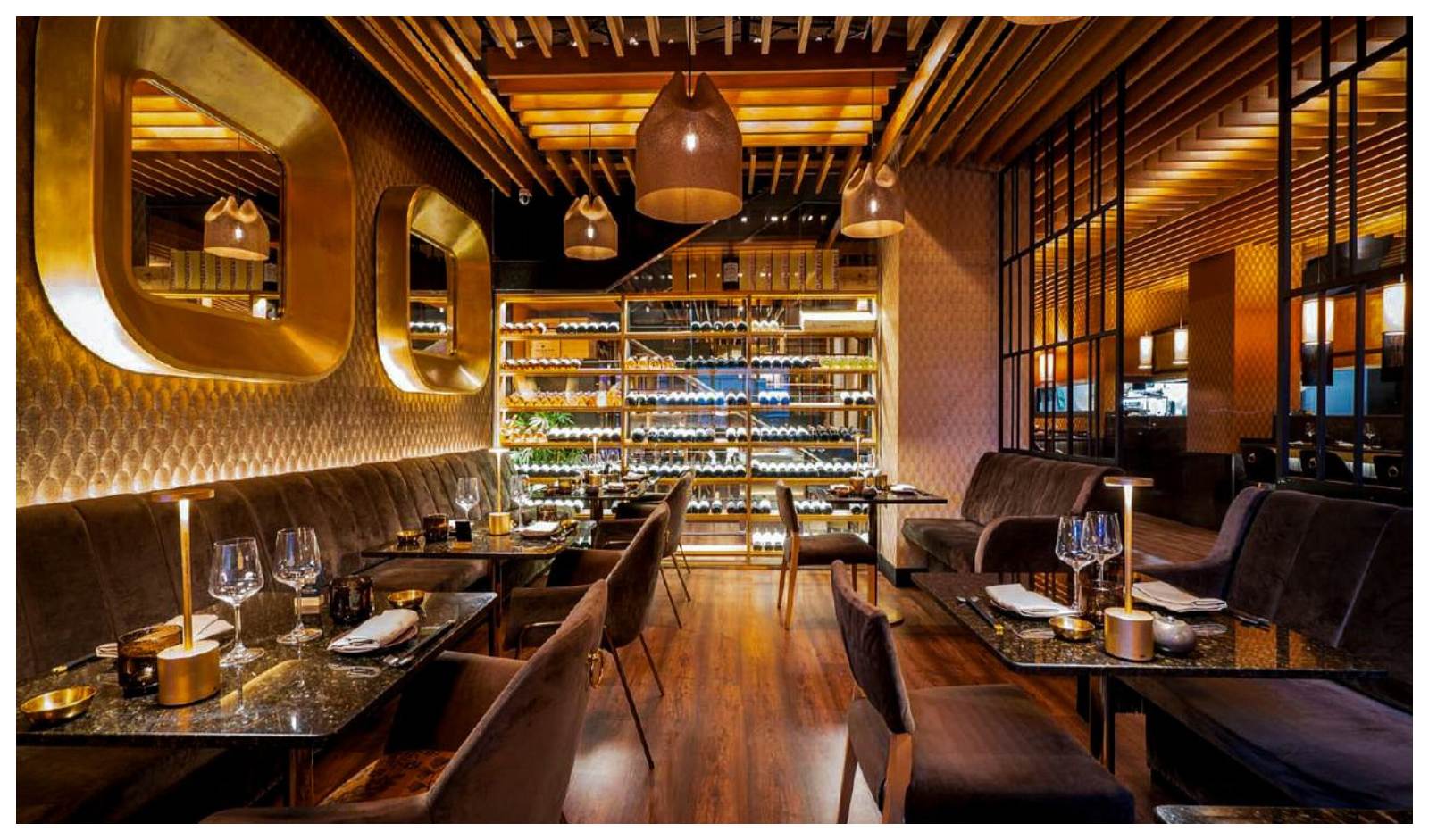
There’s a clear shift toward experiential dining, with growing interest in formats like chef’s tables, themed cafés, and immersive environments. This has fueled the rise of occasion-first venues over purely functional, everyday dining spots.
Manik Kapoor, Director, Gola Sizzlers said, “Gen Z has really changed how we think about restaurants today. Dining is no longer just about food; it’s about the overall experience. People want spaces that look good, feel immersive, and are worth sharing.”
The “Instagrammable Economy” → Design-Led Formats
Gen Z is the first truly social-media-native dining audience and is reshaping restaurants from the ground up. Discovery now begins on screens, not streets, with 72% turning to social media for food inspiration. Gen Z balances two priorities, price and a good experience.
Rohit Malviy, Founder of Benne Reserve said, “The influence of Gen Z is clearly visible in how restaurant formats are evolving. There’s a strong shift towards experience first dining spaces which are aesthetic, casual and highly shareable, while menus blend nostalgia with novelty.”
Community-Centric Dining & Shared Spaces
90% of Gen-Z customer enjoy communal formats like group seating and shared plates. They also show a strong inclination toward supporting local, with 58% choosing independent restaurants. As a result, restaurants are evolving into social hubs where connection matters as much as the food.
Sumer Sethi, CEO, Moe’s India said, “Food isn’t secondary in quality, it’s secondary in what drives the visit. Guests choose restaurants that reflect who they are, and these days consumers are adventurous and open to try something new.”
“Another big shift is awareness. Guests are more conscious about health, sustainability, and where their food comes from. They still want to indulge, but they also want transparency from brands,” mentioned Kapoor.
Impact on Menu Fluidity
Gen Z has little interest in fixed, predictable menus; they want constant change and discovery. Around 73% actively look for new cuisines, driving demand for global flavours and personalised choices.
Malviy noted, “Benne Reserve also reflects how restaurants are expanding into micro-markets with smaller, high-energy formats that are easier to scale. This highlights a broader move from rigid standardization to fluid formats where menus evolve and spaces adapt quickly.”
This shift is pushing restaurants toward menu dynamism from limited time drops and seasonal rotations to collaborations with brands, influencers, and pop culture.
Health, Sustainability & Ethical Dining
Gen-Z is making dining decisions based on values, not just what’s on the menu. Around 18% actively seek organic options, higher than older generations, while 31% prefer locally sourced food.
In India, this mindset is also influencing where restaurants grow. They are helping push expansion beyond metros, with Tier-II cities emerging as high-growth markets, driven by their evolving lifestyles and dining habits. We can say that the future restaurant cannot be static. It must evolve continuously with adapting menus, formats, and experiences in real time.
Vijetha Iyer
Content Editor
Working as a Content Editor with Restaurant India. I have worked in various sectors like food and beverage sector, chemicals, pharma, nutraceuticals, now specially focusing on restaurant side. But my core knowledge was always on content. Be it writing poems to verses, I always loved writing and have been exploring my career on the same. In Restaurant India, I deliver insightful stories, take interviews of various brands and update the audiences about the newest happenings in the restaurant industry.









































