
How Food Festivals Are Driving the Rise of Culinary Tourism in India
Food festivals are transforming the way people experience travel in India. They turn simple meals into cultural journeys that connect visitors with local traditions and communities.

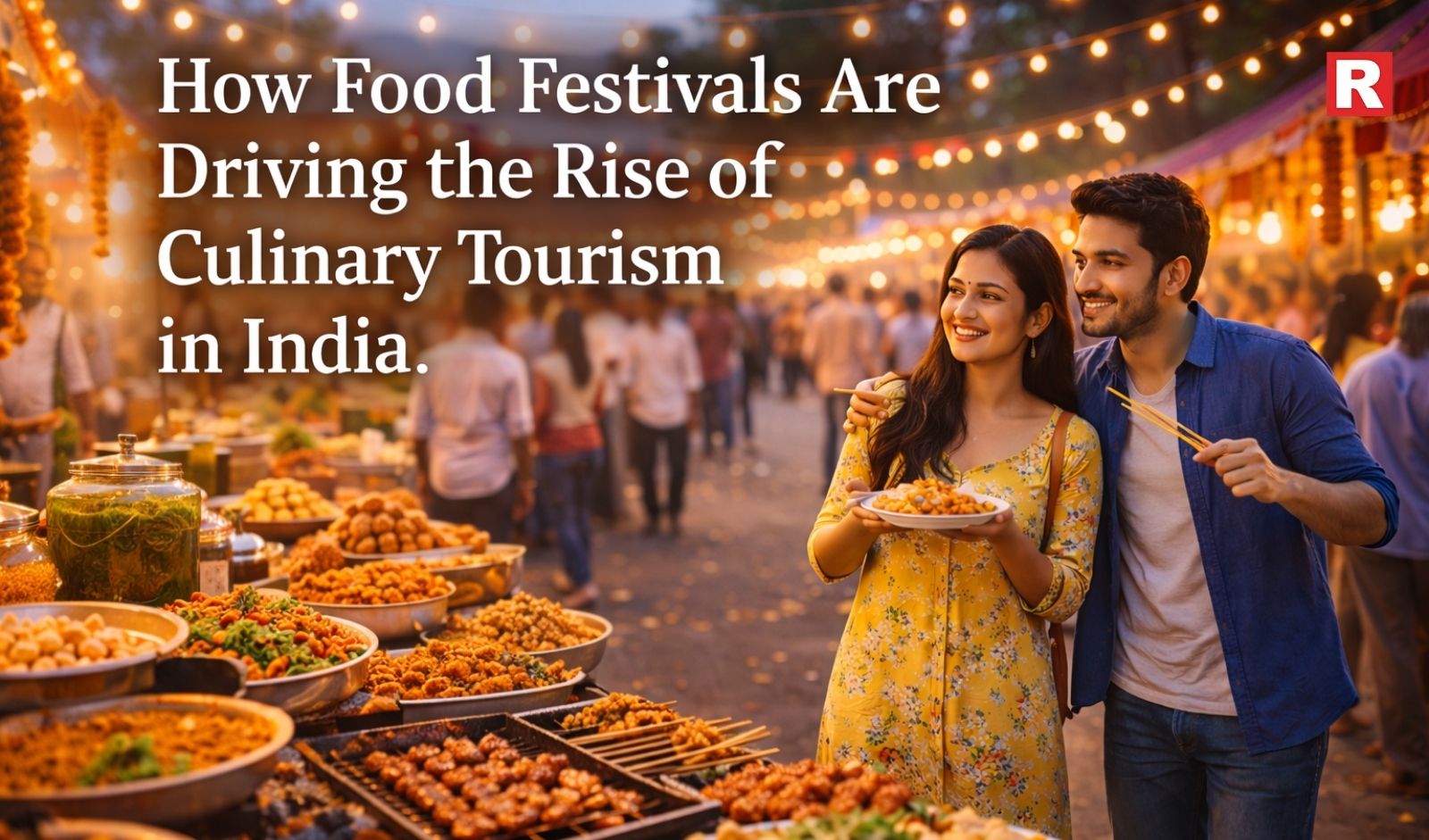
India has always been known for its rich food culture. Every region has its own spices, cooking styles, and traditional dishes. From street food in Delhi to coastal seafood in Goa and royal Awadhi cuisine in Lucknow, food reflects the history and culture of the country. Today, food is becoming one of the strongest reasons why people travel across India. This shift has led to the rapid growth of culinary tourism, and food festivals are playing a major role in this transformation.
Travelers are no longer satisfied with simply visiting monuments or shopping markets. Many now want immersive experiences that allow them to explore the culture of a place. Food festivals provide exactly that. They combine regional cuisine, local traditions, live cooking demonstrations, and cultural performances in one vibrant setting. For tourists, these festivals offer an easy way to taste multiple regional dishes and learn about the stories behind them.
The Growing Popularity of Culinary Tourism
Culinary tourism refers to travel experiences centered around food and local cuisine. It includes food festivals, street food tours, cooking classes, farm visits, and regional food trails. In recent years, this form of tourism has gained strong momentum in India as travelers increasingly look for authentic and memorable experiences.
Industry reports show that India’s culinary tourism market was valued at more than USD 300 million in 2023 and is expected to grow significantly in the coming years. A growing number of domestic and international tourists now plan their trips around food experiences. Studies also suggest that more than one-third of leisure travelers participate in food-related activities during their journeys. Food festivals play a crucial role in this trend because they bring together a wide variety of dishes and culinary traditions in a single location. Instead of traveling to multiple states, visitors can sample foods from different regions within a few hours.
Showcasing India’s Regional Culinary Identity
One of the biggest strengths of Indian cuisine is its diversity. Each state has developed its own flavors based on geography, climate, and cultural influences. Food festivals help highlight this diversity by presenting regional specialties to a wider audience. At many large festivals, visitors can find dishes representing all parts of India. North Indian kebabs, South Indian dosas, northeastern smoked meats, coastal seafood, and traditional desserts are often available side by side. This variety allows people to discover new flavors they may not have encountered before.
Food festivals also provide a platform for traditional cooks, small food vendors, and regional chefs to showcase their culinary heritage. Many of these recipes have been passed down through generations and represent local traditions that may not always be visible in modern restaurant menus.
Read more: How Restaurants Are Designing Instagram-Friendly Food Experiences
Top Cold Soups & Chilled Starters to Beat the Indian Summer Heat
Attracting Tourists and Increasing Footfall
Large food festivals attract thousands of visitors every year. Some events have become major tourism attractions that draw travelers from across the country and even from overseas. The National Street Food Festival held annually in Delhi is one of the most popular examples. The event features hundreds of dishes prepared by street vendors from different states. In several editions, the festival has attracted tens of thousands of visitors over just a few days.
Such events often encourage tourists to extend their trips. Visitors who come for the festival may also explore nearby attractions, local markets, and cultural landmarks. As a result, food festivals create wider tourism activity beyond the event itself. International travelers are also showing growing interest in India’s culinary experiences. Many travel companies now include food festivals and food trails in their travel packages. For global visitors, these festivals provide an authentic introduction to India’s diverse food culture.
Boosting Local Economies and Small Businesses
Food festivals do more than entertain visitors. They also generate economic opportunities for local communities. When a food festival takes place, several industries benefit simultaneously. Restaurants and food vendors receive direct sales from visitors. Farmers and ingredient suppliers gain visibility for their produce. Local artisans, performers, and cultural groups also participate in these events. Hotels, transport services, and travel agencies see increased bookings during festival periods.
In many destinations, food festivals are carefully designed to promote regional ingredients and traditional cooking techniques. This approach helps preserve local food heritage while creating new income opportunities for small businesses. States with strong tourism industries have already recognized the economic value of culinary tourism. For example, regions known for their distinctive cuisines often organize seasonal festivals to attract visitors during peak travel periods.
Turning Cities into Culinary Destinations
Many Indian cities are using food festivals as part of their destination branding strategy. Instead of being known only for historical monuments or beaches, these cities are positioning themselves as culinary hubs.
Goa regularly hosts food and cultural festivals that celebrate its seafood dishes and Indo-Portuguese culinary traditions. Visitors attending these festivals also explore local markets, beach shacks, and traditional bakeries.
Lucknow has gained recognition for events that highlight its famous Awadhi cuisine, known for rich gravies, kebabs, and slow-cooked dishes. These festivals give travelers an opportunity to experience royal recipes that date back to the Mughal era.
Ahmedabad has hosted vegetarian food festivals that promote traditional plant-based dishes and regional cooking styles. Such events also align with the growing global interest in vegetarian and sustainable diets.
By promoting these festivals, cities create a unique identity that attracts both domestic tourists and international food enthusiasts.
Know more: Menu Engineering: How Restaurants Decide Pricing (And Why It Matters More
The Role of Social Media in Promoting Food Festivals
Digital platforms have become a key marketing channel for food festivals in India. They help organizers reach a wider audience in a short time.
Social media platforms like Instagram, YouTube, and Facebook allow travelers to discover new food events and destinations easily.
Food bloggers and travel creators regularly attend food festivals and document their experiences. Their posts include short videos, food reviews, and live tasting sessions.
These posts often reach thousands or even millions of viewers. This creates strong interest among young travelers and food enthusiasts.
Many visitors decide to attend festivals after watching digital content or viral food videos online.
Festival organizers now design events with digital visibility in mind. Food stalls focus on colorful plating, unique serving styles, and visually appealing dishes.
Live cooking demonstrations and chef interactions are also added to create engaging content for social media.
Themed food zones and curated tasting menus encourage visitors to explore multiple stalls.
Visitors actively share photos, reels, and reviews during the event. This creates organic promotion for the festival.
As a result, digital platforms have become powerful tools for attracting tourists and strengthening the visibility of India’s culinary events.
Government Support and Tourism Initiatives
Government tourism boards and cultural organizations are increasingly supporting food festivals as part of broader tourism strategies. Food is recognized as a powerful cultural asset that can attract visitors and promote regional identity.
Several tourism campaigns now highlight culinary experiences alongside traditional attractions. Food trails, chef collaborations, and cultural food fairs are becoming common components of tourism promotion. These initiatives also contribute to culinary diplomacy by introducing international audiences to Indian flavors and traditions. When global tourists attend food festivals, they gain deeper insight into the country’s cultural diversity.
Emerging Trends in Food Festival Experiences
Food festivals in India are evolving to meet changing traveler expectations. Visitors today look for experiences that go beyond simply tasting dishes. Many festivals now include live cooking demonstrations by celebrity chefs and local culinary experts. Interactive workshops allow visitors to learn traditional recipes and cooking techniques. Another growing trend is the focus on regional ingredients such as millets, spices, and indigenous grains. These ingredients are gaining popularity because of their nutritional benefits and cultural significance.
Sustainability is also becoming an important theme. Several events now encourage eco-friendly practices such as biodegradable serving materials and locally sourced ingredients. Digital tools are also improving the visitor experience. Mobile ticketing, digital maps, and online festival guides help visitors explore stalls and plan their visits more efficiently.
Also check: Low-Foam & Nitrogenated Beers: Why Texture Is the New Luxury in Beer
12 Delicious High-Protein Foods to Eat Daily for a Healthier You
The Future
Food festivals are transforming the way people experience travel in India. They turn simple meals into cultural journeys that connect visitors with local traditions and communities. As travelers continue to seek authentic and immersive experiences, the role of food festivals in tourism will likely grow even stronger. These events highlight the incredible diversity of Indian cuisine while supporting local economies and preserving culinary heritage. For travelers who want to truly understand a destination, food offers one of the most memorable and meaningful entry points. Through vibrant food festivals, India is inviting the world not just to see its culture, but to taste it.
Saptopriya Ghosal
Feature Writer
I am a dedicated media professional with a bachelor's degree in mass communication from the State University of Calcutta and a postgraduate degree from Amity University. My academic journey has equipped me with a profound understanding of storytelling and communication. Passionate about the dynamic world of media, I continually strive to explore new ways to engage and inform through compelling narratives.



































































































































































