
How Conscious Consumers Are Redefining the Beverage Industry
Around 80% of the restaurants focus on zero sugar, low sugar beverages and that is boosting their sales by 40% annually.

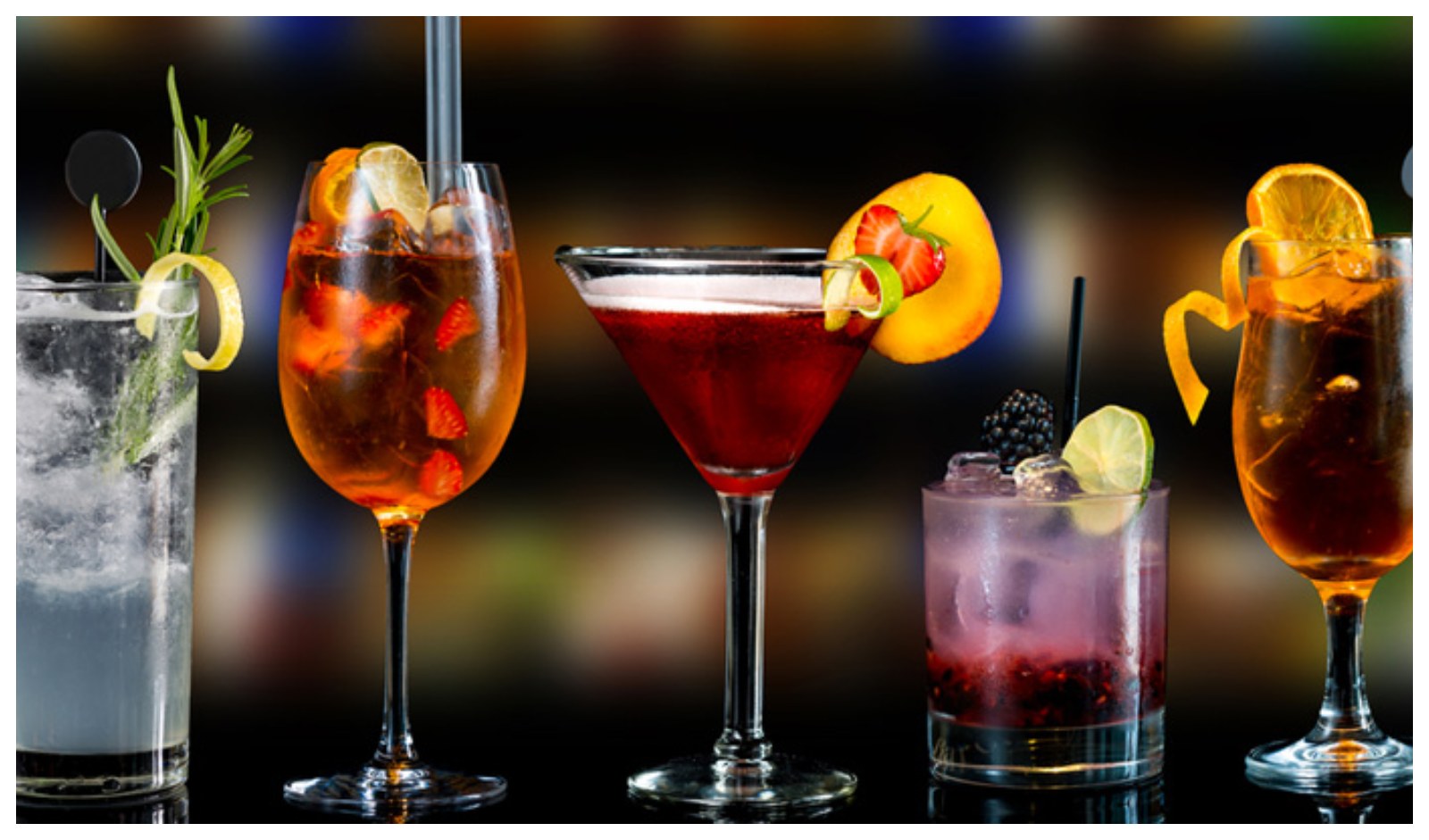
A new wave is reshaping the way people drink. From morning coffee to evening cocktails, consumers today are more conscious of what goes into their glass and why. Health, sustainability, and authenticity now matter as much as flavour and buzz. This change is driving beverage brands to innovate, rethink packaging, and craft experiences that align with a generation that wants its drinks to do more, and it tells a story. So, let’s focus on how restaurants are adapting to this shift:
What’s driving change?
Consumers today are cutting back on alcohol and sugar, seeking beverages that offer functional benefits like calm, energy, and gut health over just a buzz. This wellness-driven, “sober-curious” movement is reshaping demand. Ethical values like fair pay, local sourcing, and traceability also influence choices. At the same time, they crave flavour and sophistication making premium mocktails, zero-proof spirits, and adult soft drinks the new favourites.
Akshay Anand, Co-Founder, Ophelia said, “Today, consumers are far more thoughtful about what they drink—calorie counts, sugar content and functional benefits matter just as much as flavour. That shift is pushing us to rethink traditional bar menus and build a beverage portfolio that mirrors their healthier choices.”
How the beverage industry is responding
Producers are quickly adapting to changing tastes with innovations like low- and no-alcohol drinks, functional tonics with adaptogens or probiotics, and premium adult soft beverages. Non-alcoholic options are now treated as full product lines, not afterthoughts.
Pointing his views, Ganesh Ranganath, Partner, Bier Loft Brewing Co said, “The modern beverage consumer is increasingly conscious about health, sustainability, and ingredient transparency. At Bier Loft Brewing Company, we have observed a growing demand for zero-sugar, low-calorie, and naturally crafted beverages that align with a balanced lifestyle to morning raves for the fitness group etc.”
Conscious consumption has shifted from niche to mainstream. “Across India, guests today read labels, count sugar, and question sourcing. The global zero sugar, low calorie wave is now being localized here with natural alternatives, kokum, tender coconut, kombucha, and cold pressed juices replacing synthetic syrups,” added Anirudh Kheny, Managing Partner, SuzyQ.
How Restaurants are Adapting
Restaurants are bringing these trends to life, reshaping menus, operations, and revenue models in the process. Many are introducing dedicated non-alcoholic sections and “zero-proof” cocktails that rival their boozy counterparts in flavour and creativity. Several outlets have reported strong sales growth after launching thoughtfully curated alcohol-free menus.
“In response, our brewers are developing cleaner, lighter beers, experimenting with low-ABV formulations, and incorporating organic and locally sourced ingredients to meet evolving preferences,” shared Ranganath.
Around 80% of the restaurants focus on zero sugar, low sugar beverages and that is boosting their sales by 40% annually.
For Kheny the beverage program must balance flavor with integrity. There is a clear increase in guests choosing craft sodas and no alcohol cocktails, reflecting a move toward mindful drinking without compromise on experience.
Operations & training
This change requires bartender upskilling like tasting, balancing complex non-alcoholic cocktails, and understanding functional ingredients. New stock keeping units (SKUs) for plant milks, cold storage for probiotics/fermented tonics and different cleaning/filtration needs for concentrated syrups.
Anand shared, “For restaurants, the move to low-calorie, zero-sugar cocktails and mindful mocktails isn’t just about reformulating drinks—it’s an opportunity to innovate, differentiate and engage new guest segments. Of course, the challenge lies in balancing taste, cost and consistency, but the demand is clear and growing.”
Impact on restaurant business
Non-alcoholic drinks often deliver strong margins made with low-cost ingredients like syrups, tonics, and fresh juices yet priced at a premium. However, using plant-based milks and specialty ingredients can raise costs if not sourced wisely.
Offering quality alcohol-free options also boosts inclusivity, attracting non-drinkers, sober-curious guests, and designated drivers, ultimately increasing footfall and loyalty.
The Key challenges
Higher ingredient and sourcing costs with speciality plant milks, small-batch zero-proof spirits and certified sustainable ingredients often cost more.
Bulk buy for stable SKUs, rotate limited-time non-alcoholic specials to test price elasticity, co-op purchasing with local restaurants, and negotiate volume deals with smaller suppliers.
The primary challenge lies in maintaining flavor depth and authenticity. Ranganath noted, “This requires continuous innovation, precise brewing techniques, and consumer education and consumption patterns. However, the shift has created this business impact, attracting a broader and who value mindful indulgence.”
The challenge lies in maintaining excitement when sugar and fizz are reduced. Chefs and mixologists must innovate with texture, acidity, and presentation rather than rely on sweetness.
“Cost of quality ingredients and consumer education remain barriers, but the long-term payoff is loyalty and higher perceived value. Conscious consumers are not spending less; they are spending smarter. The brands that align with that mindset does not resist it, will define the next decade of Indian beverage evolution,’’ highlighted Kheny. Today’s conscious consumers are not just redefining what they drink, they are inspiring us to brew and consume with greater purpose.
Vijetha Iyer
Content Editor
Working as a Content Editor with Restaurant India. I have worked in various sectors like food and beverage sector, chemicals, pharma, nutraceuticals, now specially focusing on restaurant side. But my core knowledge was always on content. Be it writing poems to verses, I always loved writing and have been exploring my career on the same. In Restaurant India, I deliver insightful stories, take interviews of various brands and update the audiences about the newest happenings in the restaurant industry.









































