How Cafés Are Winning the War on Waste
As cafés continue to adopt standardised operating procedures, reducing beverage waste is becoming as much an operational discipline as it is a sustainability initiative.

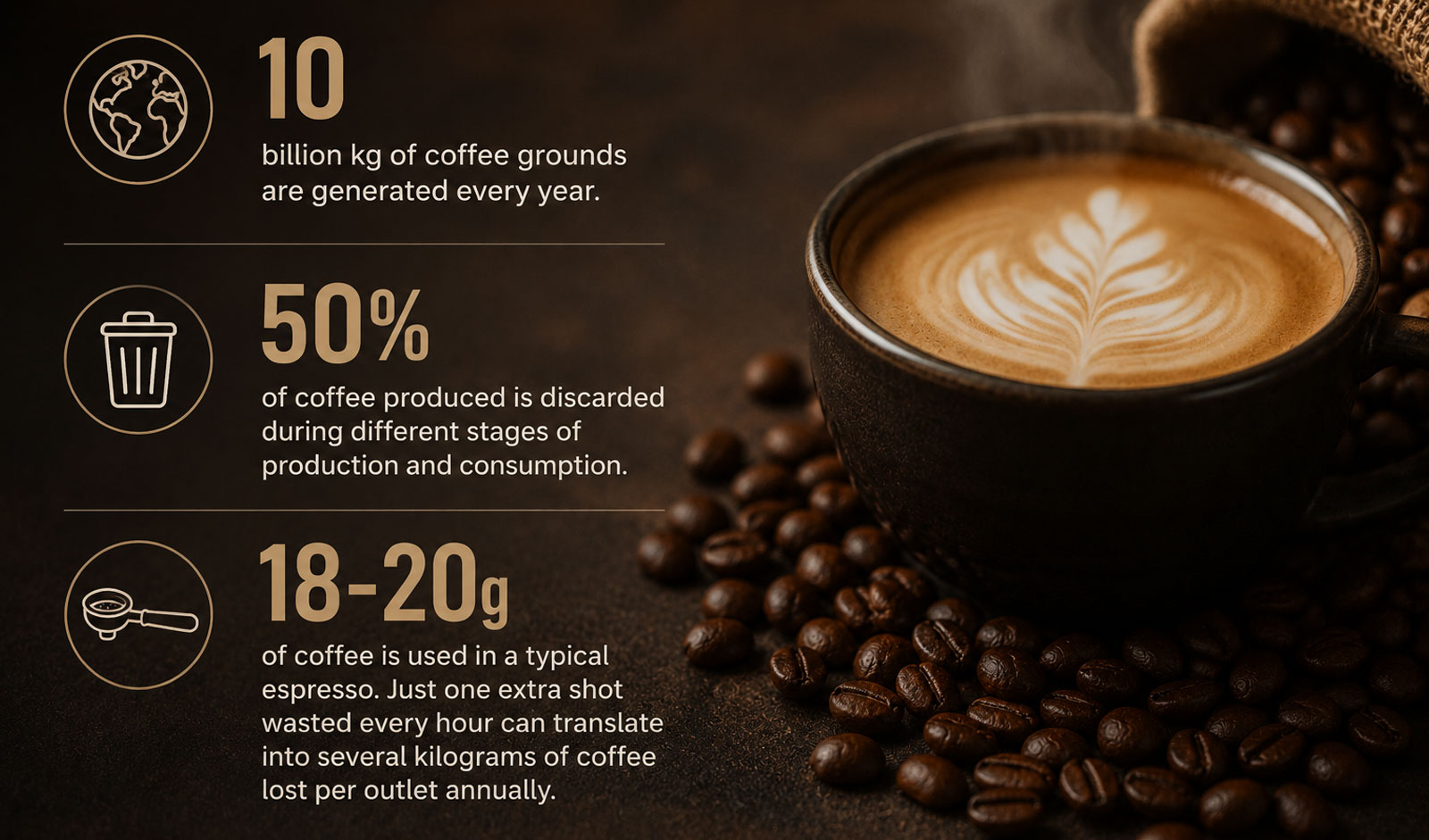
Tea and coffee power cafés and restaurants worldwide but they also account for substantial operational waste. Every stage of beverage preparation from excess coffee beans and used tea leaves to wasted milk, unsold brewed coffee, disposable packaging, and remade drinks adds to costs. As raw material prices continue to rise and supply uncertainties persist, businesses are increasingly treating waste reduction as a profitability imperative, not just an environmental responsibility.
Why Beverage Waste is Becoming a Business Priority
Beverage waste is no longer just a sustainability concern—it has become a profitability challenge for cafés. In cafés, small losses from every cup quickly add up, affecting margins and operational efficiency.
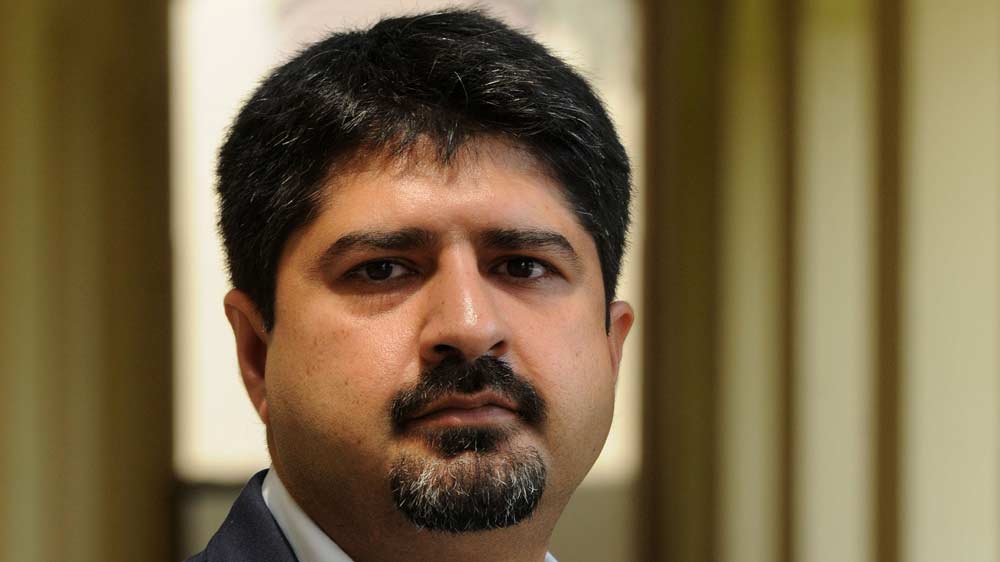
"We look at waste differently. Every wasted cup is not just a sustainability issue, it is a business decision that was made somewhere in the operation. Reducing coffee and tea waste starts with getting the fundamentals right, forecasting, portion control, brewing discipline, inventory management and, most importantly, people," shared Dushyant Singh, Founder, Coffee Sutra.
Industry estimates suggest 3–8% of beverage ingredients can be lost due to inefficient operations. And, hence cafés are increasingly adopting single-cup brewing, brew-on-demand systems, smart brewers, digital scales, and timed extraction.
Better Espresso Extraction & Beyond
With specialty coffee prices rising, cafés are focusing on precision to minimise bean wastage. Regular grinder calibration, optimised extraction times, humidity-based grind adjustments and better barista training improve consistency while reducing unnecessary coffee loss. Modern low-retention grinders also help minimise bean retention, ensuring that more coffee ends up in the cup rather than being wasted.
"Nothing here is outsourced. From our coffee to our croffles, every product reflects years of learning what it takes to deliver quality without shortcuts," said Ashima Gupta, Founder, AFETO Cafe, emphasising the role of operational discipline in delivering consistency while reducing waste.
For many cafés, however, reducing waste extends beyond better brewing practices. Singh believes that while achieving a completely zero-waste café may not happen overnight, every serious operator should work towards near-zero waste through continuous improvement rather than perfection.
Once coffee has been brewed, cafés are increasingly finding ways to give spent coffee grounds a second life. Instead of sending them to landfills, many are supplying them for composting, organic fertilisers, mushroom cultivation, natural deodorisers, skincare products and even biofuel research. Some cafés have also partnered with urban farms that collect used coffee grounds for agricultural use.
Tea waste is also being managed more efficiently. Used tea leaves are being repurposed into compost, organic manure, plant nutrients, natural cleaning products and fragrance sachets, while many cafés are switching to loose-leaf tea to reduce packaging waste.
"Matcha is treated very differently in cafés compared to other teas. It generates virtually no waste because it doesn't require steeping, brewing and discarding loose leaves like traditional teas. The entire matcha powder is whisked with water and consumed. Coffee and specialty lattes, however, are a different ballgame altogether, producing a significant amount of coffee ground waste," added Meher Kohli, Co-Founder, Tokyo Matcha Bar.
Repurposing Leftover Coffee
Rather than letting unsold brewed coffee go to waste, cafés are increasingly transforming it into value-added products such as cold brew concentrates, coffee ice cubes, syrups, desserts, tiramisu and bakery items. This not only extends the life of brewed coffee but also helps operators recover value from ingredients that would otherwise be discarded.
"For consumers, sustainability is increasingly becoming part of brand trust. People may come to us for the coffee, but they stay with brands whose values they believe in. For us, responsible operations are not a marketing campaign; they are part of how we build Coffee Sutra," said Singh.
Beyond repurposing ingredients, cafés are strengthening their operations to prevent waste at the source. "We try to solve wastage from both an operational and sustainability standpoint through better forecasting, accurate portioning, proper storage and staff training. We have an inventory ordering system that teaches baristas, including new hires, to follow FIFO, understand minimum stock thresholds and reorder quantities based on daily sales, helping prevent both over-ordering and stock-outs," explained Kohli.
Well-trained baristas remain central to every waste-reduction strategy. From precise measurements and milk steaming to espresso calibration, tea brewing, portion control and waste tracking, consistent preparation practices help cafés minimise ingredient losses while delivering the same quality in every cup. As cafés continue to adopt standardised operating procedures, reducing beverage waste is becoming as much an operational discipline as it is a sustainability initiative.
Vijetha Iyer
Content Editor
Working as a Content Editor with Restaurant India. I have worked in various sectors like food and beverage sector, chemicals, pharma, nutraceuticals, now specially focusing on restaurant side. But my core knowledge was always on content. Be it writing poems to verses, I always loved writing and have been exploring my career on the same. In Restaurant India, I deliver insightful stories, take interviews of various brands and update the audiences about the newest happenings in the restaurant industry.