
From Vibrant to Verified: Why Restaurants Are Rethinking Food Colours
With the global natural food-colours market valued at US$2.38 billion in 2025 and projected to reach US$4.11 billion by 2033, colour is becoming a business decision driven by safety, cost, consistency and consumer trust.

Food colour is shifting from a presentation tool to a compliance and business concern for restaurants. Stricter safety checks and scrutiny of synthetic colours are pushing restaurants to rethink ingredients and recipes. Across India, the demand for safer and traceable alternatives is growing. With the global natural food-colours market valued at US$2.38 billion in 2025 and projected to reach US$4.11 billion by 2033, colour is becoming a business decision driven by safety, cost, consistency and consumer trust.
From Vibrant Colors to Safer Choices
Colour has long been used to make restaurant food more appealing, but tighter food-safety checks are shifting the focus from “How bright is it?” to “Is it safe, permitted and traceable?”
In India, FSSAI is strengthening inspections and compliance. Synthetic colours are not banned outright, but permitted colours must be used within prescribed limits, pushing restaurants to pay closer attention to ingredients, dosage, labelling and sourcing.
Highlighting his viewpoints, Timanshu Mokal, Co-founder of Amelia BKC said, “The recent FSSAI action is a reminder that the restaurant industry is moving towards greater transparency and accountability. While the immediate focus is on synthetic food colours, the larger shift is about ingredient quality and consumer trust.”
“Colour is a big part of our identity — we’re a fun, vibrant brand and we don’t believe that needs to change simply because the industry is moving towards stricter compliance around food colours. We consciously use ingredients that bring their own colour and character to our products,” added Gaurav Kanwar, Founder of Harajuku Tokyo Cafe & Bakehouse.
Why FSSAI Checks are Changing Recipes
Stricter food-safety checks are pushing restaurants to rethink ingredients that affect colour, taste, cost and consistency. Multi-outlet brands are responding with tighter controls on approved ingredients, suppliers and batches, driving a shift towards verified sourcing and better traceability.
Adding to this, Priyank Singh Chouhan, Culinary Director, JSM Corporation stated that food colour is becoming a business issue as lot of vendors often use excessive artificial colours, due to lack of knowledge and assuming vibrancy attracts customers.
Manoj Pandey, Partner Chef, The Piano Man stated, “The recent regulatory focus on food colours is therefore an important moment for the restaurant industry. It goes beyond compliance; it is about reassessing the entire supply chain, from sourcing and ingredient transparency to how products are developed specifically for professional kitchens. Guests today are increasingly interested in what is on their plate, and “clean label” can become a meaningful differentiator for restaurants.”
“Consumers have also been conditioned to expect bright food, sometimes rejecting natural colours and textures. Restaurants must therefore educate guests while re-examining suppliers, ingredient quality, sourcing, consistency and responsible use of food colour,” added Chouhan.
Restaurants are Turning to Ingredient-Based Colour
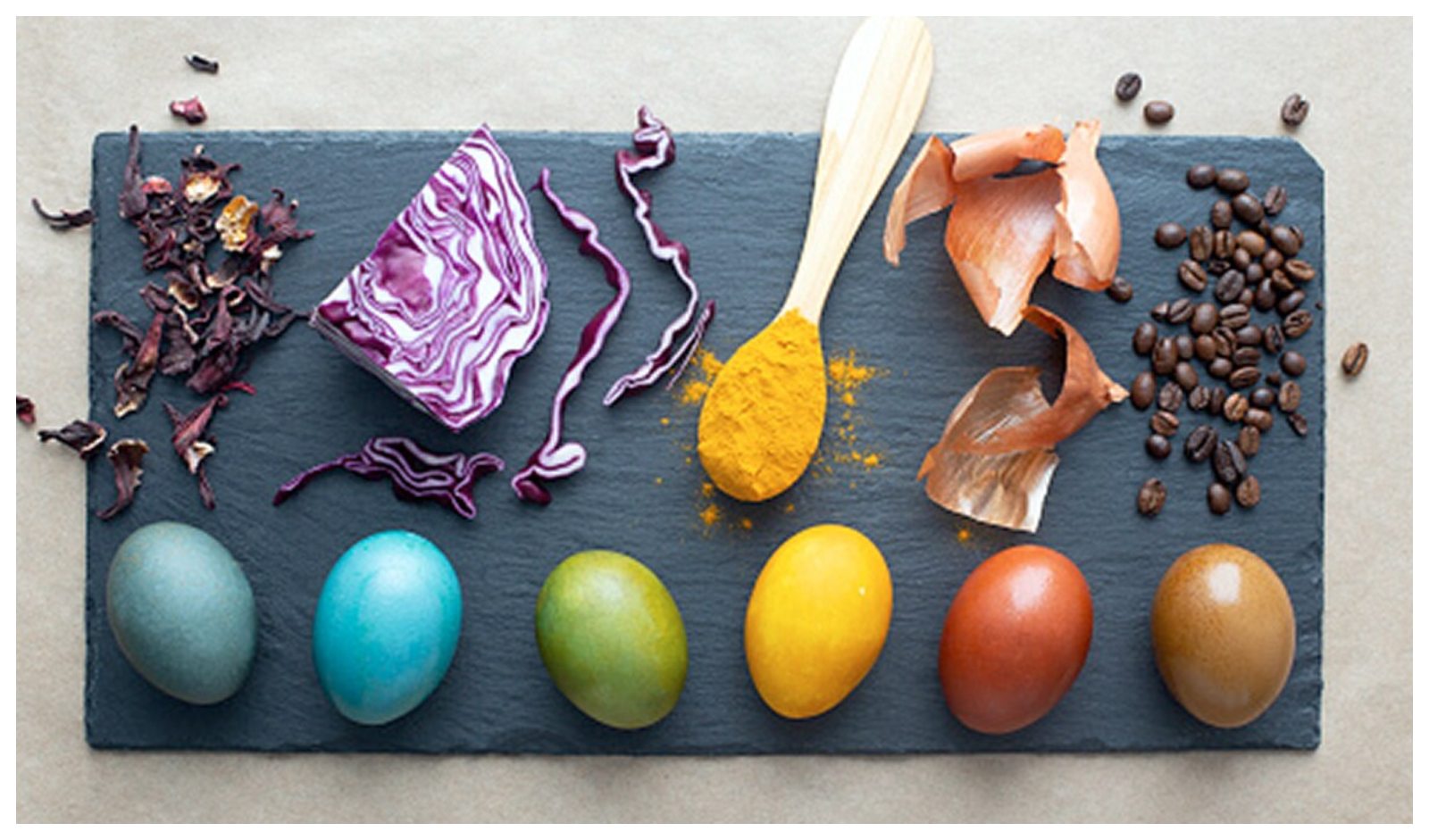
Restaurants are increasingly using ingredients such as turmeric, chilli, beetroot, tomato, spinach, saffron and butterfly pea to create natural colour. But natural pigments can react to heat, light and pH, so replacing synthetic colours is not always straightforward.
“Natural colours have a strong commercial opportunity as restaurants move toward cleaner labels and more authentic ingredients,” pointed Chouhan.
Kanwar added, “Ube gives us its naturally vivid purple, matcha and hojicha bring their distinctive greens and earthy tones, while ingredients like spirulina add a naturally vibrant element to some of our wellness beverages. These ingredients don’t just make a product look good; they contribute flavour, texture and a sense of discovery.”
Restaurants can enhance presentation through plating, garnishes and ingredient contrast, creating demand for natural colour solutions suited to Indian cooking.
Tech Could Make Colour Compliance Easier
Digital recipe tools can track approved colours, suppliers, quantities, batches and expiry dates, while QR systems can improve ingredient traceability. FSSAI regulates permitted food colours and their use, while the US FDA requires approved colour additives and batch certification for certain colours.
AI could add another layer through computer vision, helping restaurants compare dish colours across outlets and spot recipe variations. The goal is simple: better colour consistency, stronger compliance and tighter cost control.
“AI and digital tools can support ingredient traceability, supplier management, compliance tracking, and recipe analysis, making it easier for restaurants to stay ahead of evolving regulations while maintaining consistency across menus,” shared Mokal.
Pandey added, "There is also a significant commercial opportunity for the food industry to develop natural colour solutions that are consistent, heat-stable and practical for restaurant operations. The biggest challenges are cost, availability, standardisation and maintaining colour through different cooking processes."
The Business Case for Natural Colours
Natural colours may raise upfront costs, but they can support better compliance, consistency and waste control. This is also opening opportunities for natural-colour suppliers, testing services and food-tech solutions.
Kanwar noted, “There is, of course, a cost implication when natural ingredients are more expensive, but we see that as part of building a better product.”
As per reports, 50–55% of restaurants, hotels and cafés use food colours, with around 20–25% opting for natural colours. Among street-food vendors, colour use is estimated to be significantly higher at 80–90%, largely to enhance visual appeal. As natural pigments can vary with heat and pH, proper formulation remains essential.
The biggest challenges are cost, consistency, shelf life, and supplier capability and consumer expectations. Restaurants can overcome these through better sourcing, chef-supplier collaboration, staff training and educating guests about natural colours, textures and authenticity.
Thus, food colour is increasingly becoming an operational and compliance issue, not just a presentation choice. The future lies in kitchen-specific natural colour solutions designed for heat, acidity, freezing and shelf-life stability.
Vijetha Iyer
Content Editor
Working as a Content Editor with Restaurant India. I have worked in various sectors like food and beverage sector, chemicals, pharma, nutraceuticals, now specially focusing on restaurant side. But my core knowledge was always on content. Be it writing poems to verses, I always loved writing and have been exploring my career on the same. In Restaurant India, I deliver insightful stories, take interviews of various brands and update the audiences about the newest happenings in the restaurant industry.









































