From Gut Feeling to Algorithms: How Data is Redefining India’s Food Choices
In a 5.5–6 lakh crore market growing at 10–12% annually, survival and scale increasingly depend on how well restaurants use data.

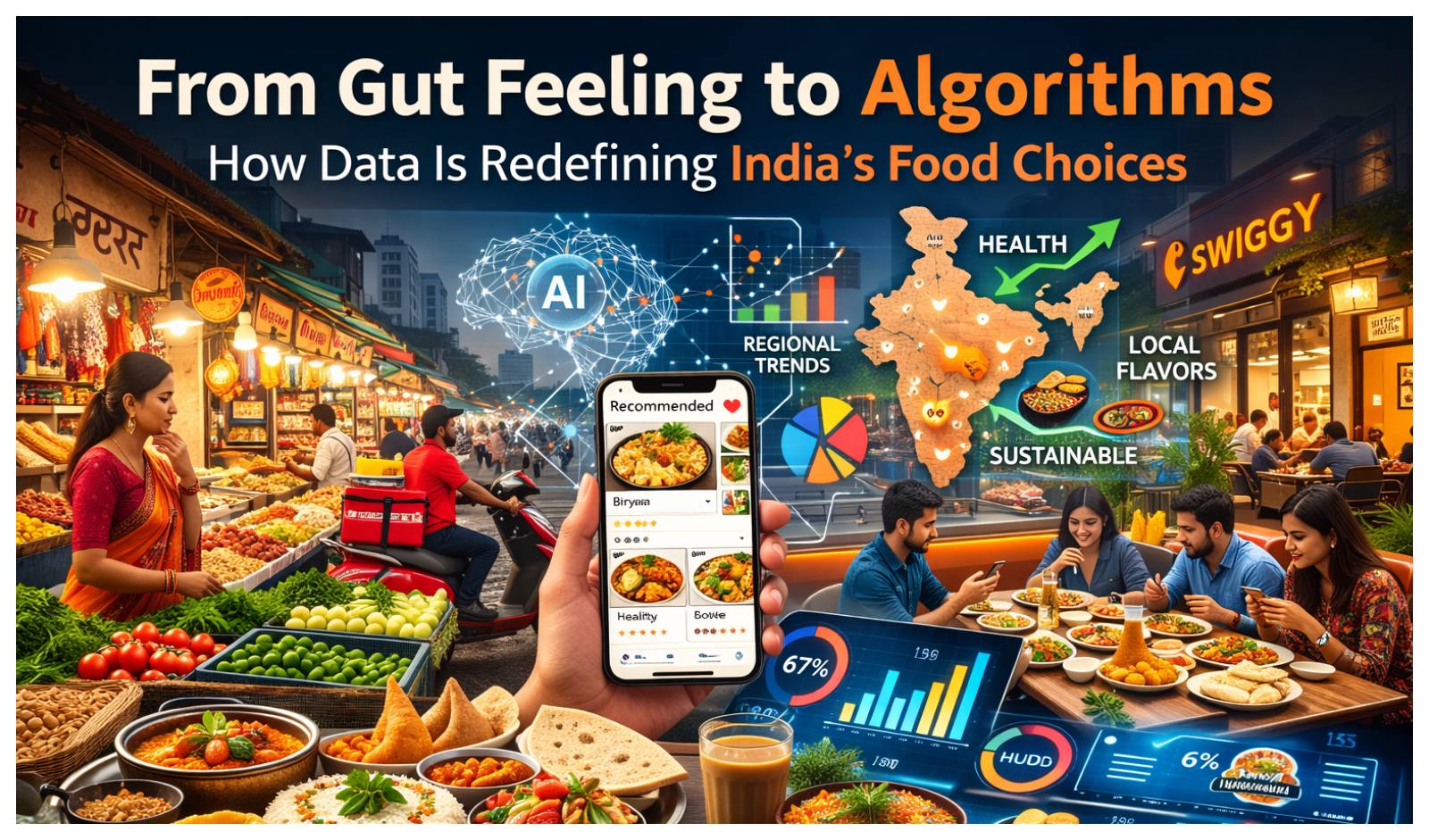
In the last decade, India’s dining industry has shifted from instinct-led cooking to data-driven menu strategy. With the rise of digital ordering, reservations, apps, and delivery platforms, restaurants now generate massive data and those using it are redesigning menus, pricing, and promotions smarter than ever.
Data is no longer just numbers; it is a key business ingredient driving customer satisfaction, efficiency, and revenue growth. In a 5.5–6 lakh crore market growing at 10–12% annually, survival and scale increasingly depend on how well restaurants use data.
Why Data Matters?
India’s restaurant industry is increasingly shifting toward analytics-driven menus, accelerating alongside the rapid growth of delivery platforms like Zomato and Swiggy.
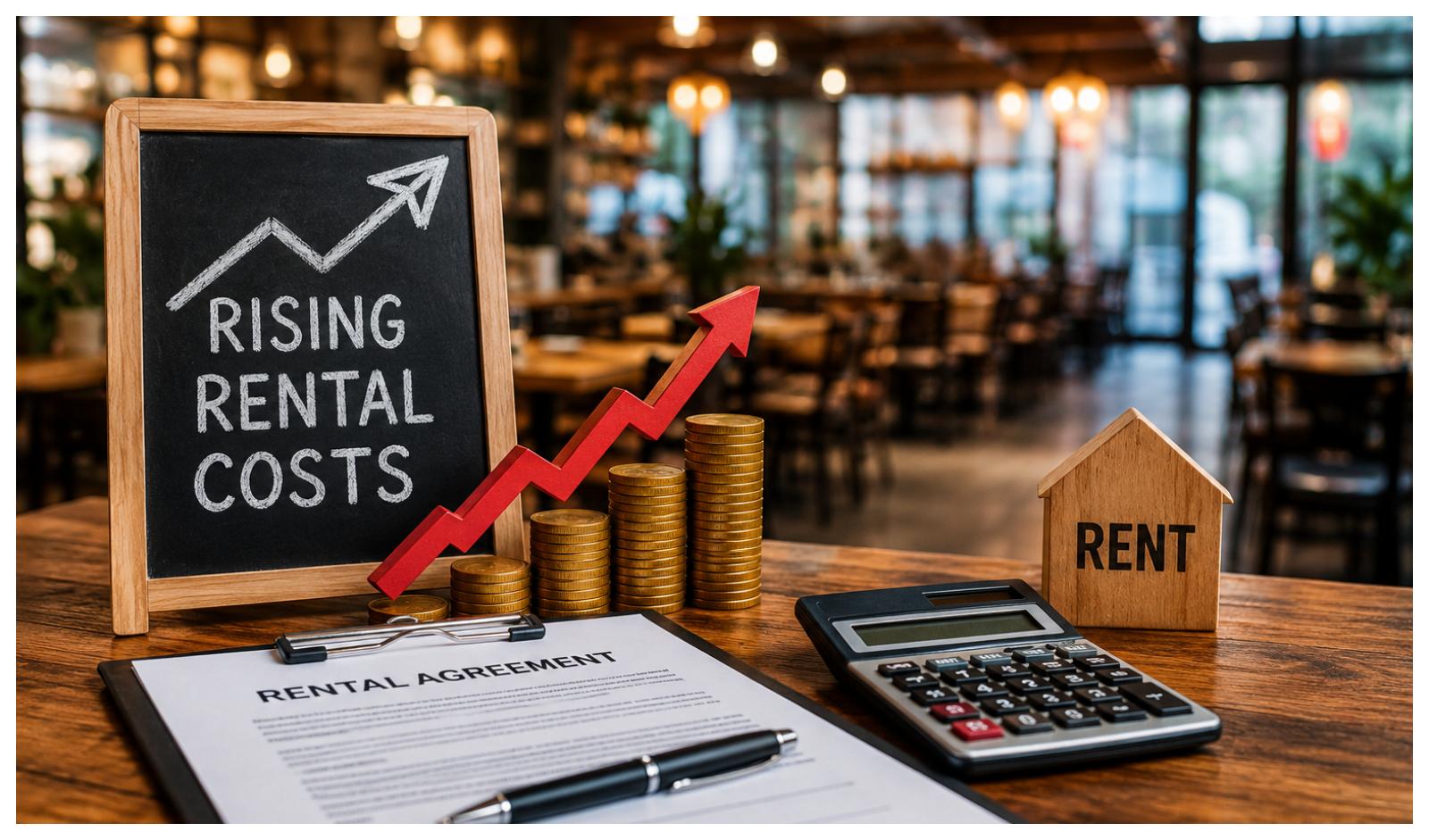
With food inflation fluctuating between 6–8%, metro rentals consuming 12–20% of revenue in prime locations and frontline F&B attrition rates touching 70–100% annually, margins remain tight. With organised dining EBITDA margins at just 10–18%, even small menu inefficiencies can impact profits making data-driven decisions essential to minimize risk.
Broad Data Streams: Internal & External
Menu decisions are increasingly fed by two broad data streams: internal operational data and external market signals. Internal data includes sales velocity, food cost percentages, wastage levels, preparation time, staff efficiency, and inventory turnover. If a dish sells well but slows kitchen throughput, it may be reformulated or removed.
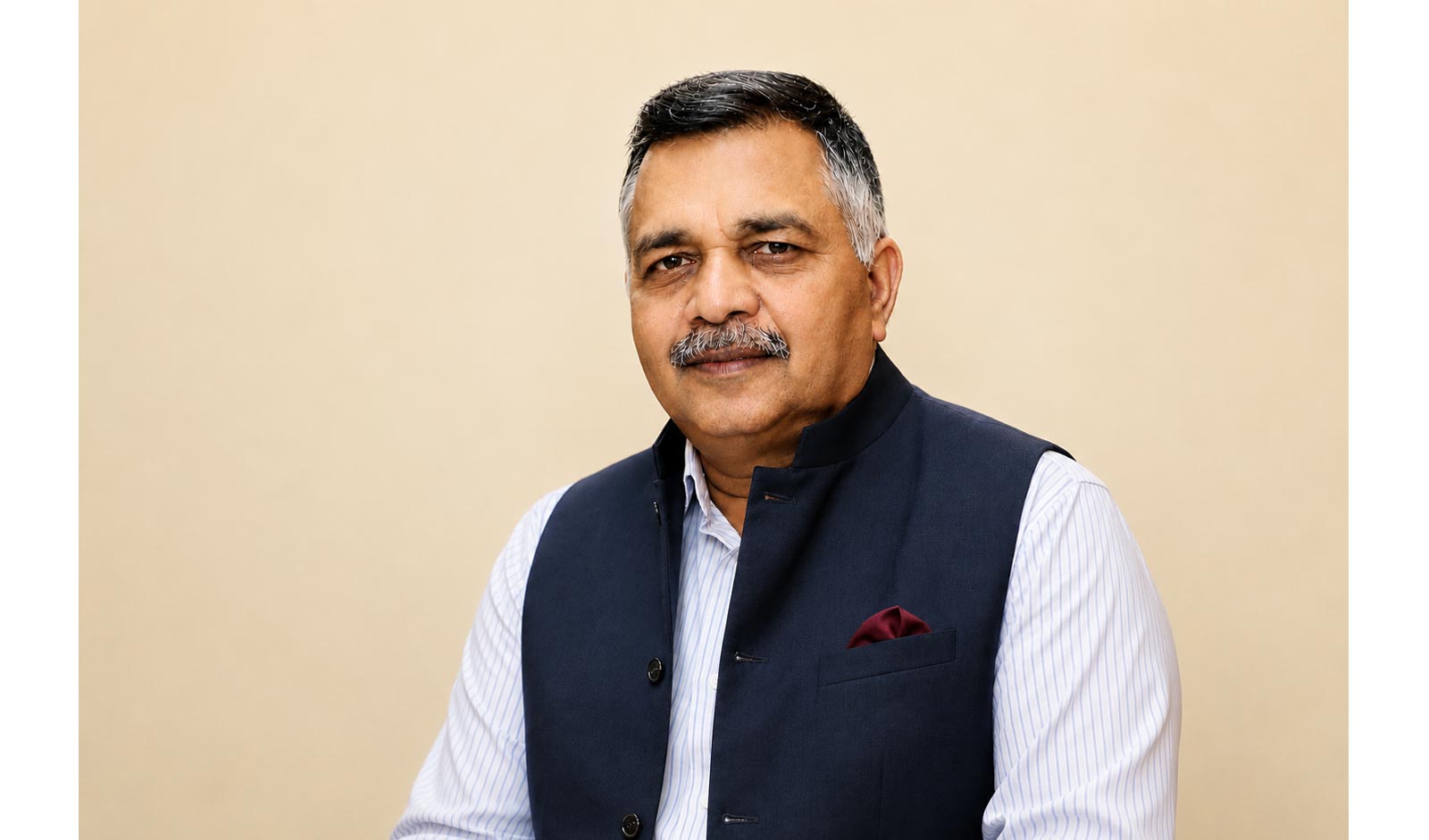
Kashish Dang, Director of Maya at 787 said, “External data includes consumer behaviour shifts, search trends on delivery platforms, social media engagement, competitive benchmarking, and regional taste preferences. For instance, delivery analytics may reveal growing demand for comfort bowls or regional flavours in urban markets.”
Many mid-sized Indian chains report 5–12% improvement in gross margins after structured menu engineering, primarily by eliminating low-performing SKUs.
Performance Metrics
Performance metrics such as contribution margin, menu mix, repeat order frequency, and customer ratings now shape menu strategy. Underperforming items are rotated into seasonal specials instead of permanent fixtures.
“We rely on structured metrics such as contribution margin, popularity index, repeat purchase rate, and menu mix analysis. A dish that is popular but low in margin is optimized. A high-margin dish with low demand is repositioned or redesigned. Strategy is guided by measurable performance, not assumption,” mentioned Zorawar Kalra, Managing Director, Massive Restaurants Pvt Ltd.
Dang noted that real-world data-backed results reduce guesswork, improve consistency, and support faster decision-making in high-attrition environments.
What Feeds Menu Decisions?
Menu decisions are informed by a combination of guest feedback; sales performance, kitchen inputs, and plate return analysis.
For Vikrant Batra, Director & Co-Founder, Batra Bros Food & Beverage Pvt. Ltd what’s equally important is on-ground observation. Direct engagement with guests and teams often reveals nuances that numbers alone cannot capture. “Floor feedback and human interaction still provide context that analytics alone cannot. The strongest decisions come from combining digital intelligence with real-world observation,” he said.
“Ultimately, predictive demand forecasting based on historical trends and real-time data helps optimise procurement, reduce waste, control food costs, and improve sustainability, making data central to both profitability and operational resilience in India’s evolving restaurant ecosystem,” shared Dang.
In cities like Ahmedabad, vegetarian dishes can make up over 60% of total sales. In Hyderabad, non-vegetarian items generate the majority of restaurant revenue. Restaurants localise their menus based on detailed city-wise sales data.
Kalra stressed that the biggest trap is "Analysis Paralysis." If you over-standardize, you kill the chef’s creativity. My philosophy is to use data as a guardrail, not a cage. We give our chefs the absolute freedom to innovate and dream, but we use data to validate those dreams before we take them global.
Power of Digital Menus
Digital menus and QR-based ordering systems further enhance insight collection by tracking dwell time, clicks, modifications, and upsell acceptance rates.
Dang said that this behavioural data allows restaurants to refine descriptions, pricing psychology, and bundling strategies. Indian restaurants have reported a 10–20% increase in average bill value after adopting digital or QR menus.
Batra believes that digital ordering has become dominant in India, offering real-time insights into browsing behavior, customization patterns, drop-offs, and repeat purchases. “It helps us understand guest preferences at scale and optimize menu design, pricing, and placement with precision.”
With UPI payments at restaurants growing by around 34%, billing is faster and table turnover has improved. It has to be noted that digital data cannot capture emotions, hesitation, or nuanced guest reactions.
Importance of Real-world data
The Indian palate isn't a monolith; it evolves every 100 kilometers. Real-world data removes bias and emotional attachment from decisions. Restaurants using historical POS + weather trend data have seen 15–25% reduction in stock-outs, 8–18% drop in food wastage and 10–20% increase in festive campaign revenue.
“Data helps us decode "geo-demand"—it’s why a Farzi Café in London leans into warming spices while Dubai stays light and zesty. We use predictive analytics to respect nature’s clock, shifting our menus before the guest even realizes their cravings have changed,” pointed Kalra who further added that it’s about being leaner, greener, and more relevant.
Batra said, “Data validates ideas through measurable outcomes and ensures long-term sustainability. In a competitive market, disciplined decision-making is critical.”
The Power of Personalization
In 2026, "one-size-fits-all" is a relic. Knowing a guest’s favourite corner table or their preferred spice level transforms a meal into a memory.
Addressing his views further, Kalra said, “Personalisation is the ultimate loyalty tool; when a server suggests your favourite cocktail before you ask, and it builds an emotional bond. Technology should be the invisible force that makes the guest feels like the only person in the room.”
Impact on the Bottom Line
The results are immediate. Smart menu engineering can boost margins by 15–20%. Sharing further, Kalra said, “This helps us spot "menu fatigue" early—if repeat orders dip, we refresh. It also empowers our staff to make intuitive recommendations, naturally driving up the Average Per Cover (APC) by pairing the right dish with the right guest.”
With this, we can surely see a cultural shift in the kitchens where chefs work alongside with the data analysts, supplychain managers and tech partners to understand the change menu review meetings now includes sales dashboards, heat maps and cost trend graphs.
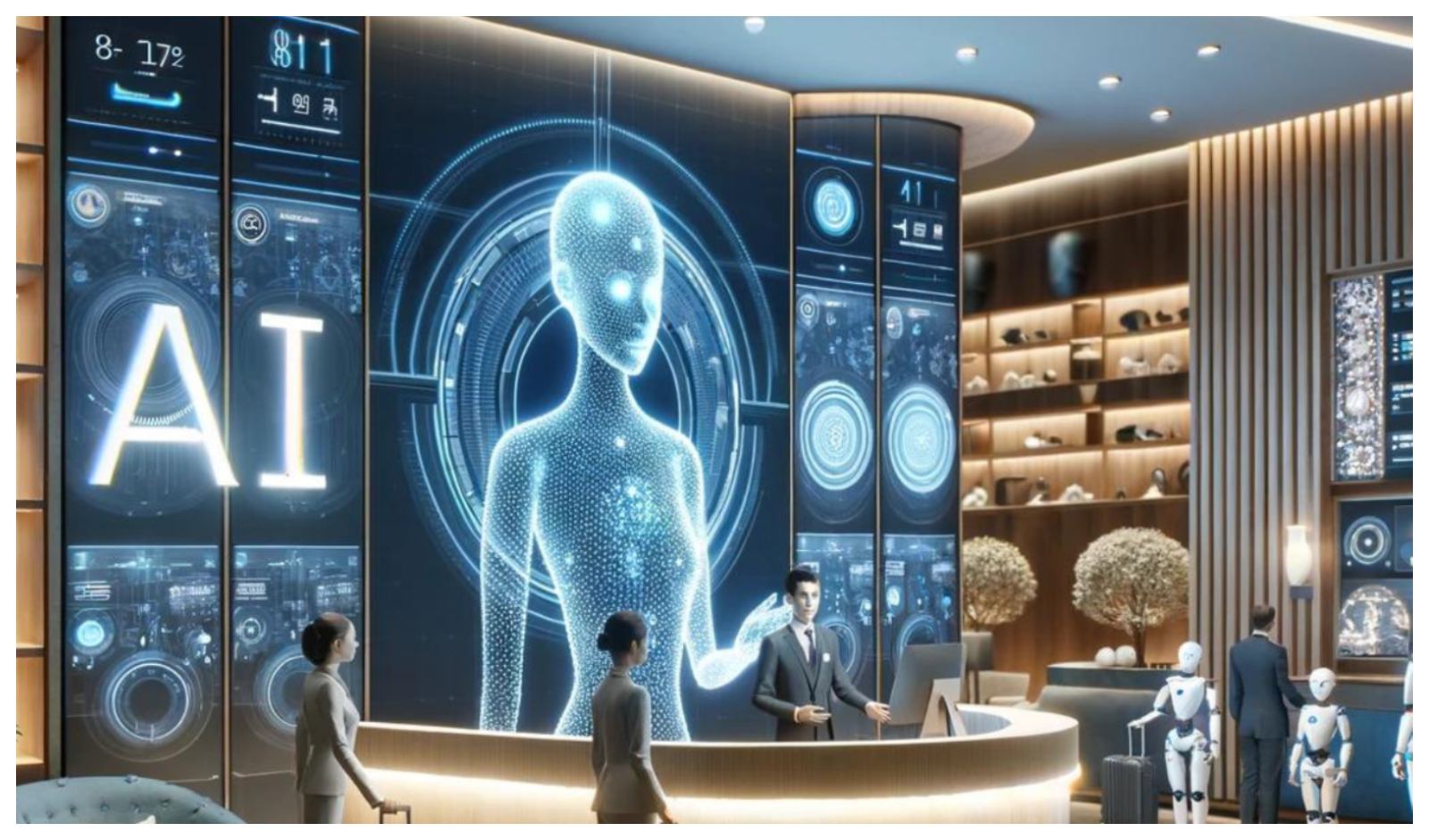
As AI becomes more deeply embedded in POS systems and CRM platforms, Indian restaurants will increasingly adopt predictive demand forecasting, dynamic pricing optimization, highly personalised menu suggestions, and real-time menu updates linked directly to inventory availability.
Vijetha Iyer
Content Editor
Working as a Content Editor with Restaurant India. I have worked in various sectors like food and beverage sector, chemicals, pharma, nutraceuticals, now specially focusing on restaurant side. But my core knowledge was always on content. Be it writing poems to verses, I always loved writing and have been exploring my career on the same. In Restaurant India, I deliver insightful stories, take interviews of various brands and update the audiences about the newest happenings in the restaurant industry.