From Goa to Pune: Dishant Pritamani’s Slow, Soulful Revolution in Indian Dining
He founded The Daily Bar & Kitchen in Mumbai in 2013, creating a space that blurred the line between neighbourhood bar and cultural hub.

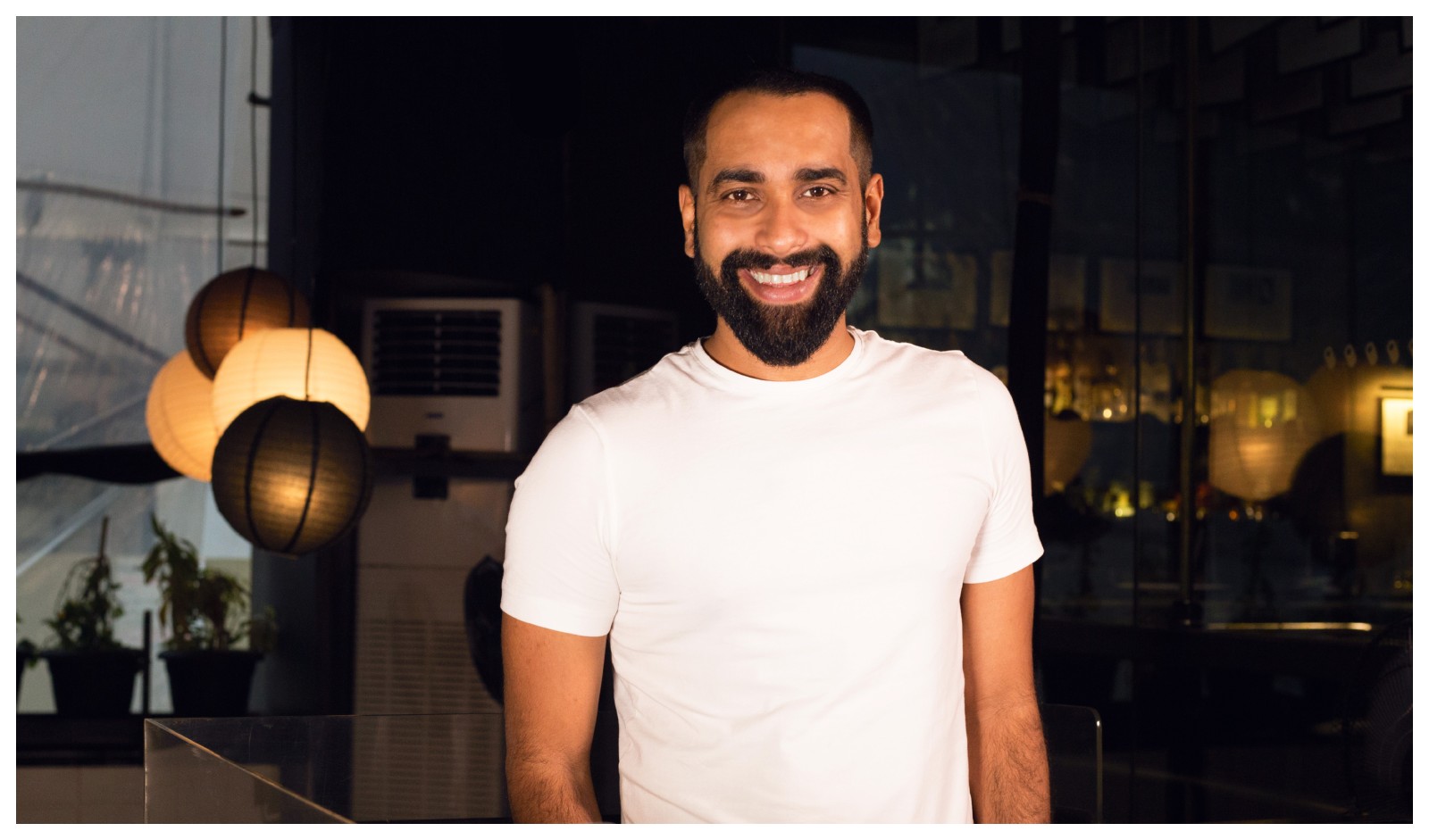
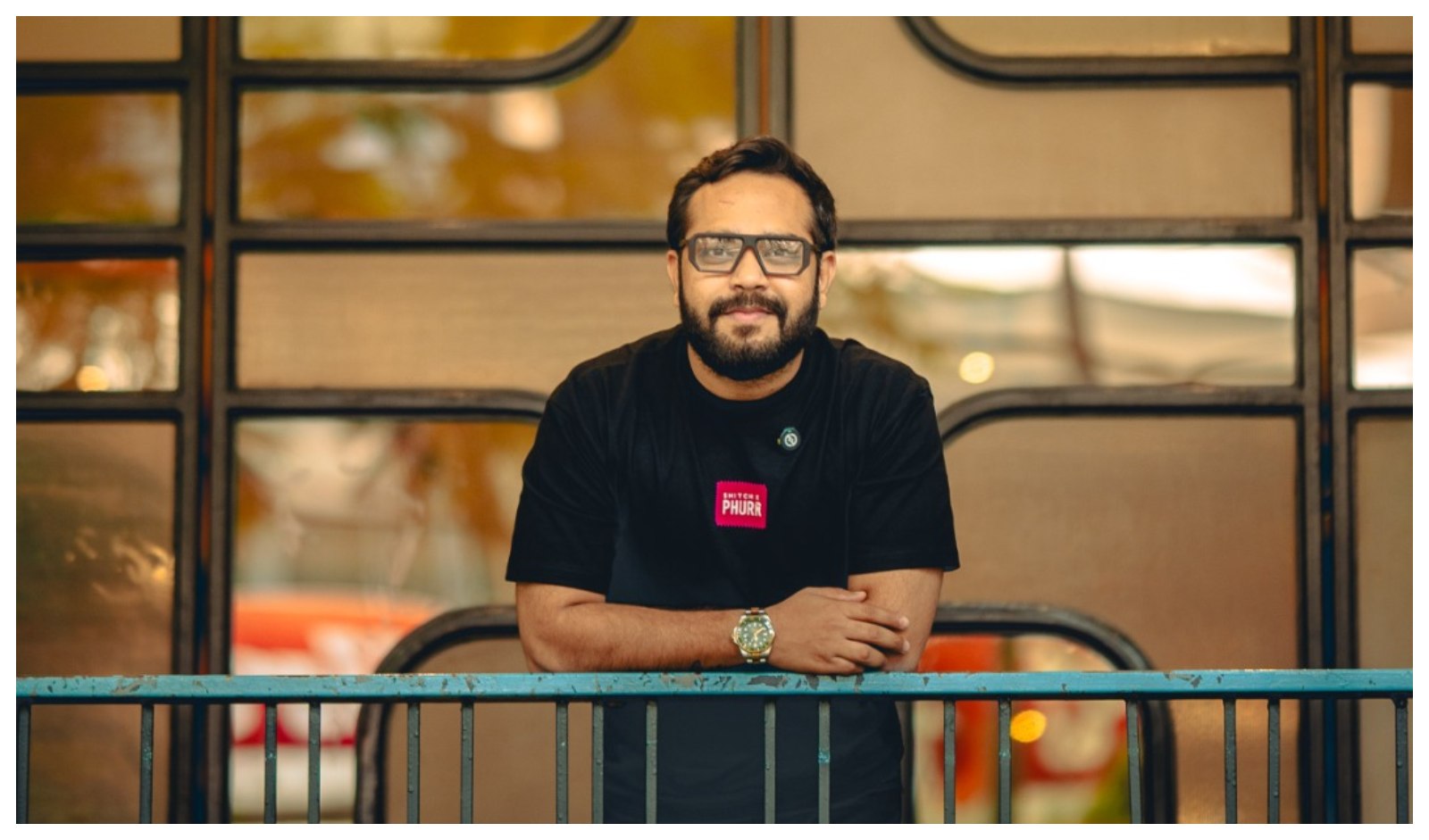
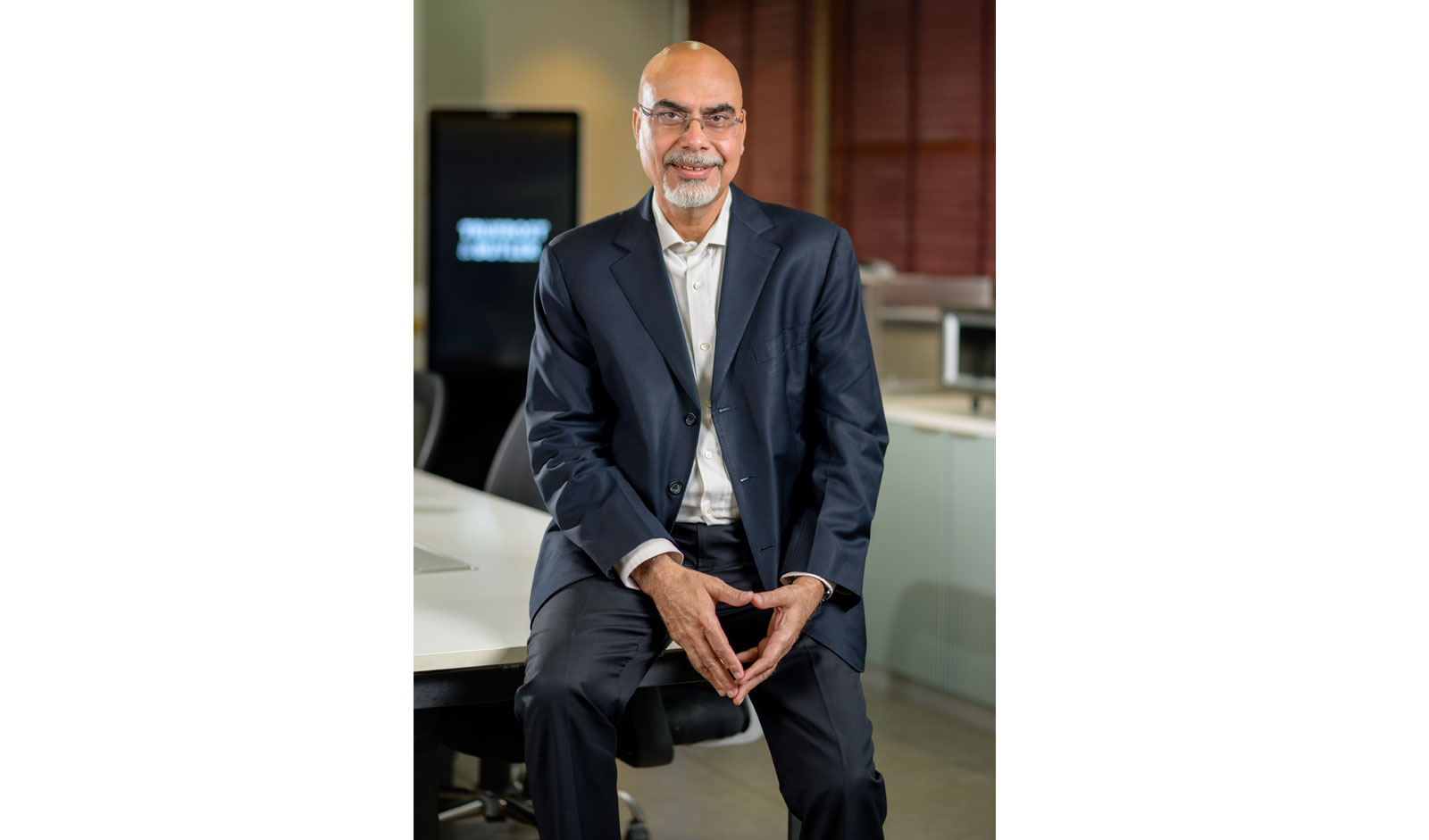
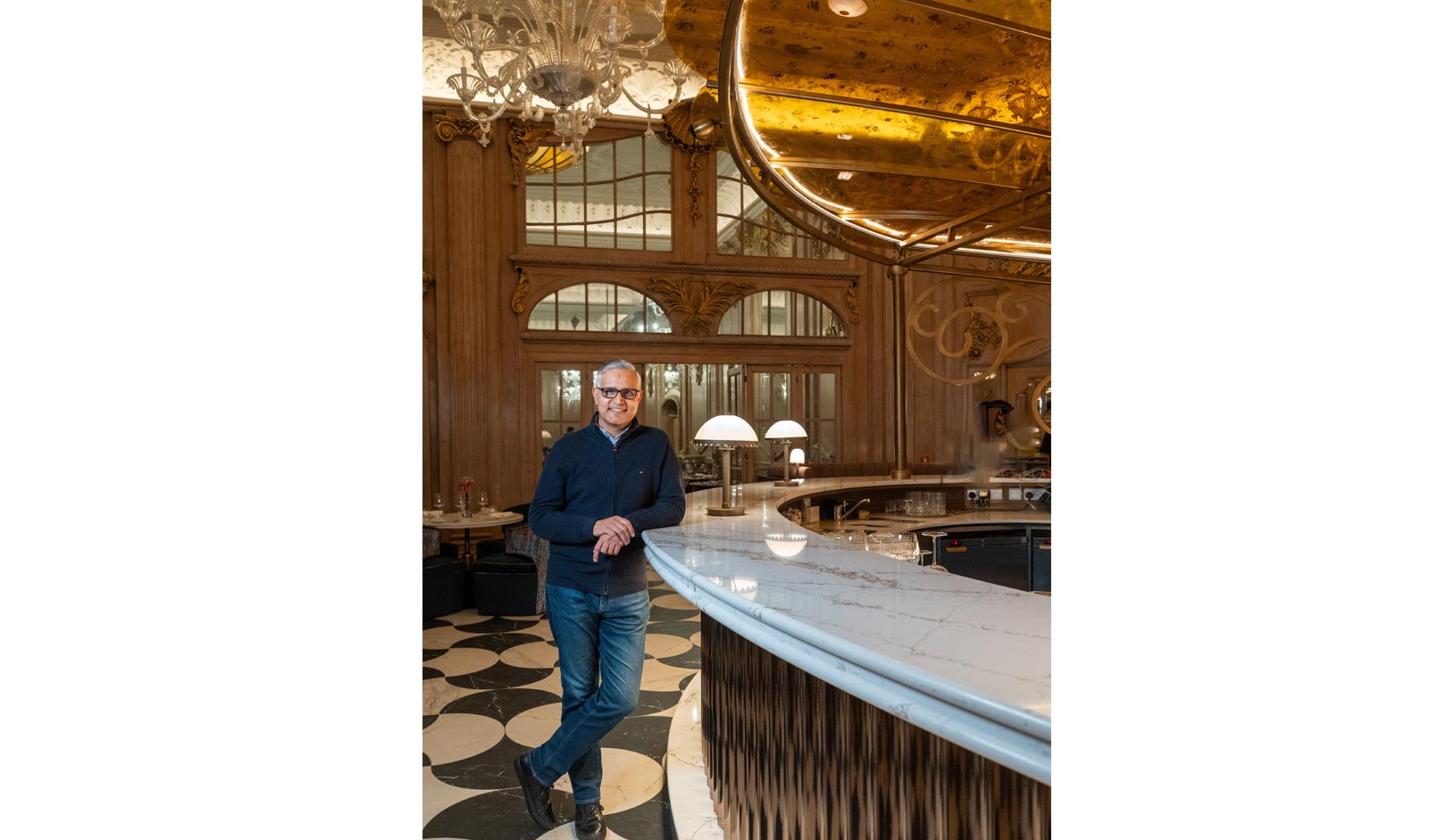
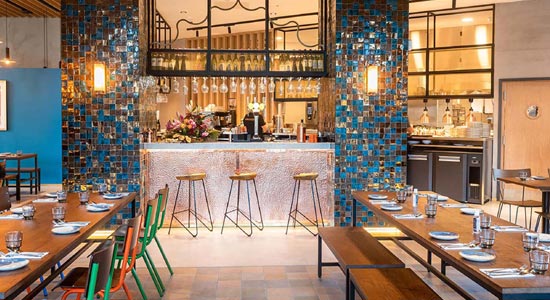
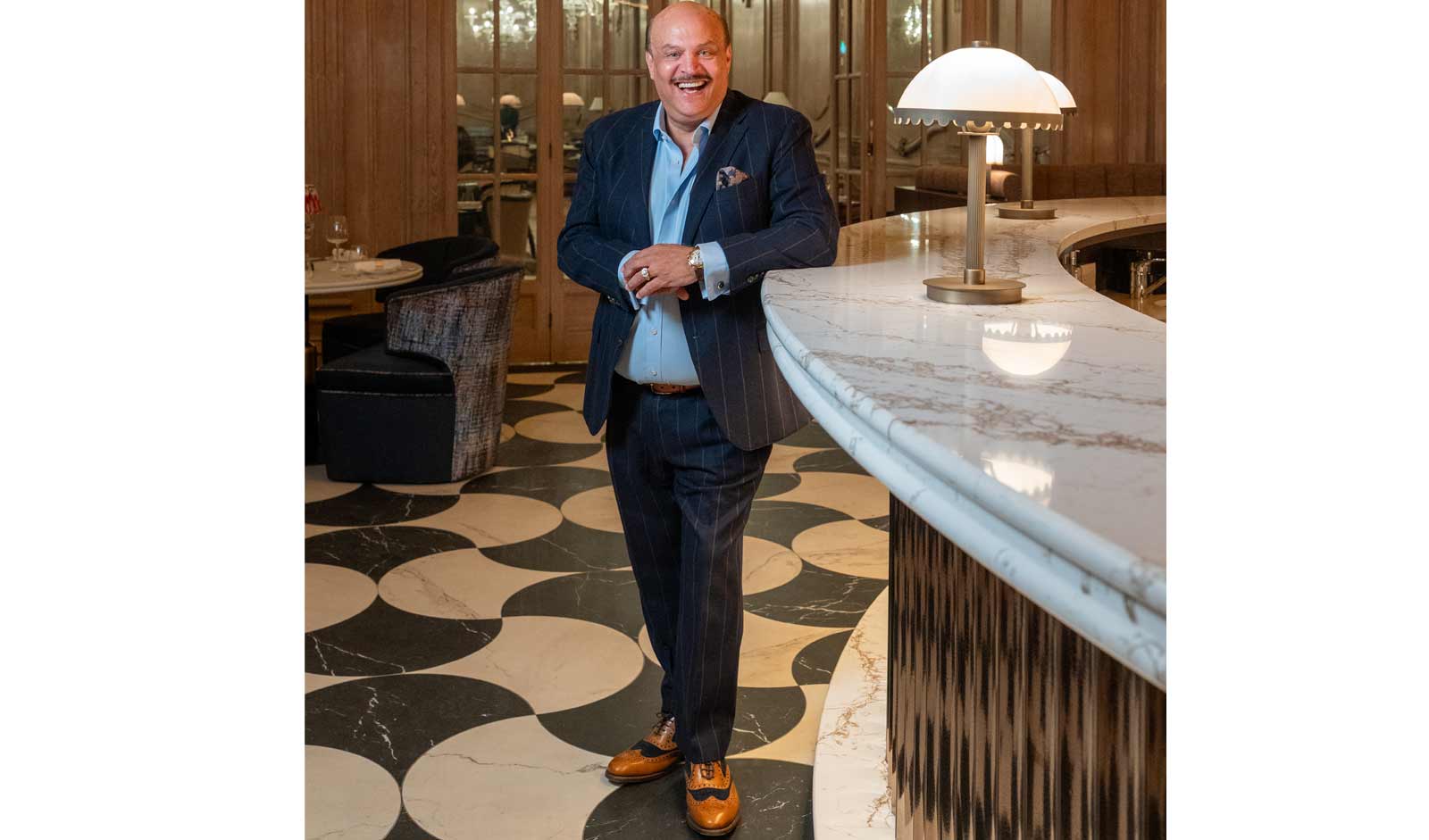
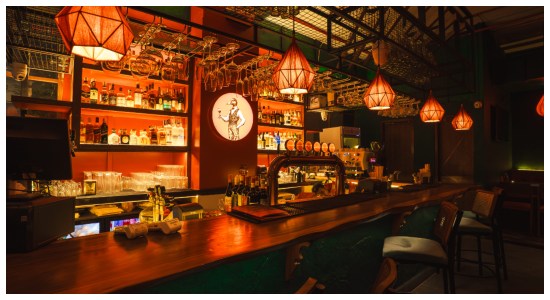
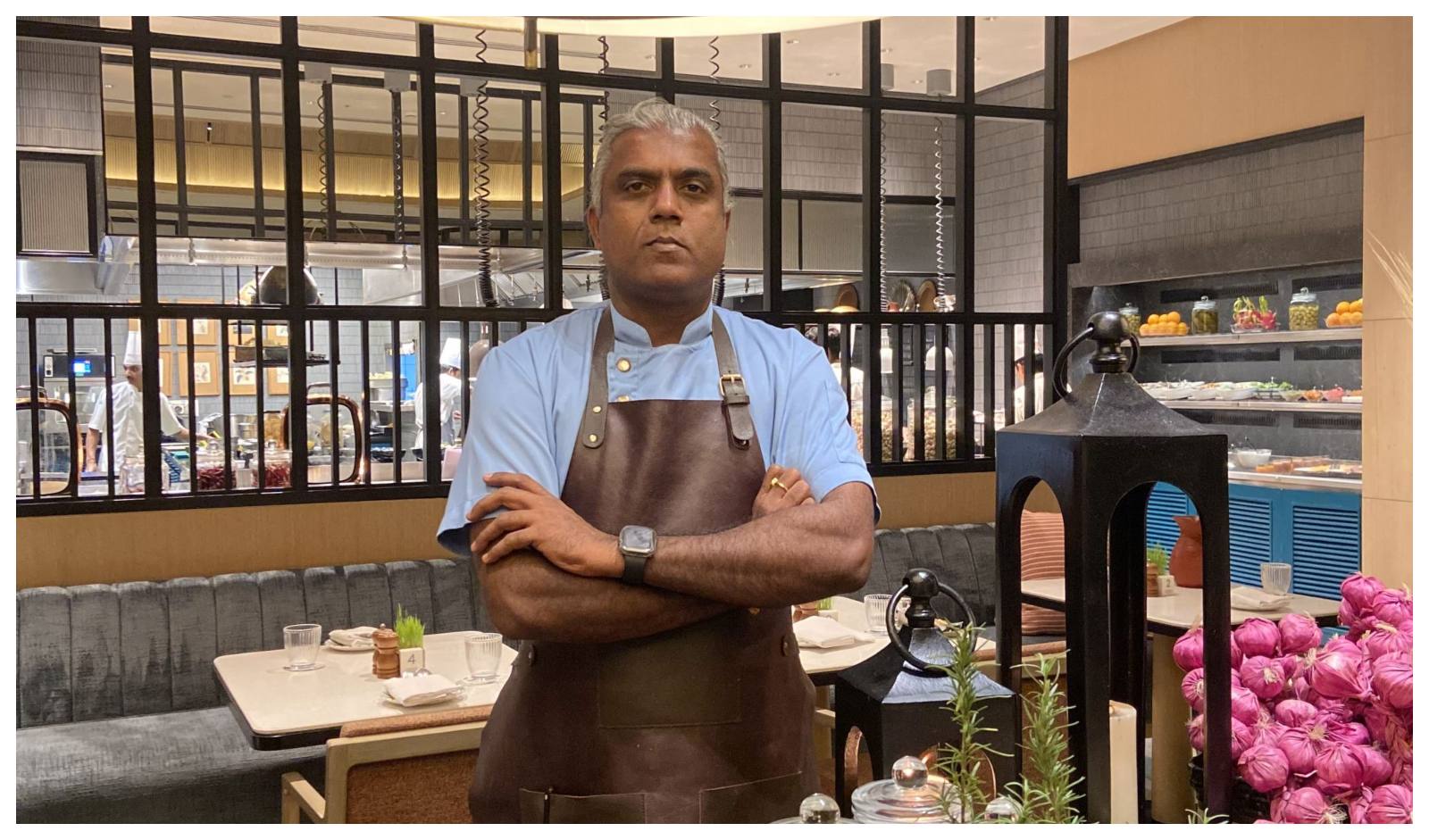
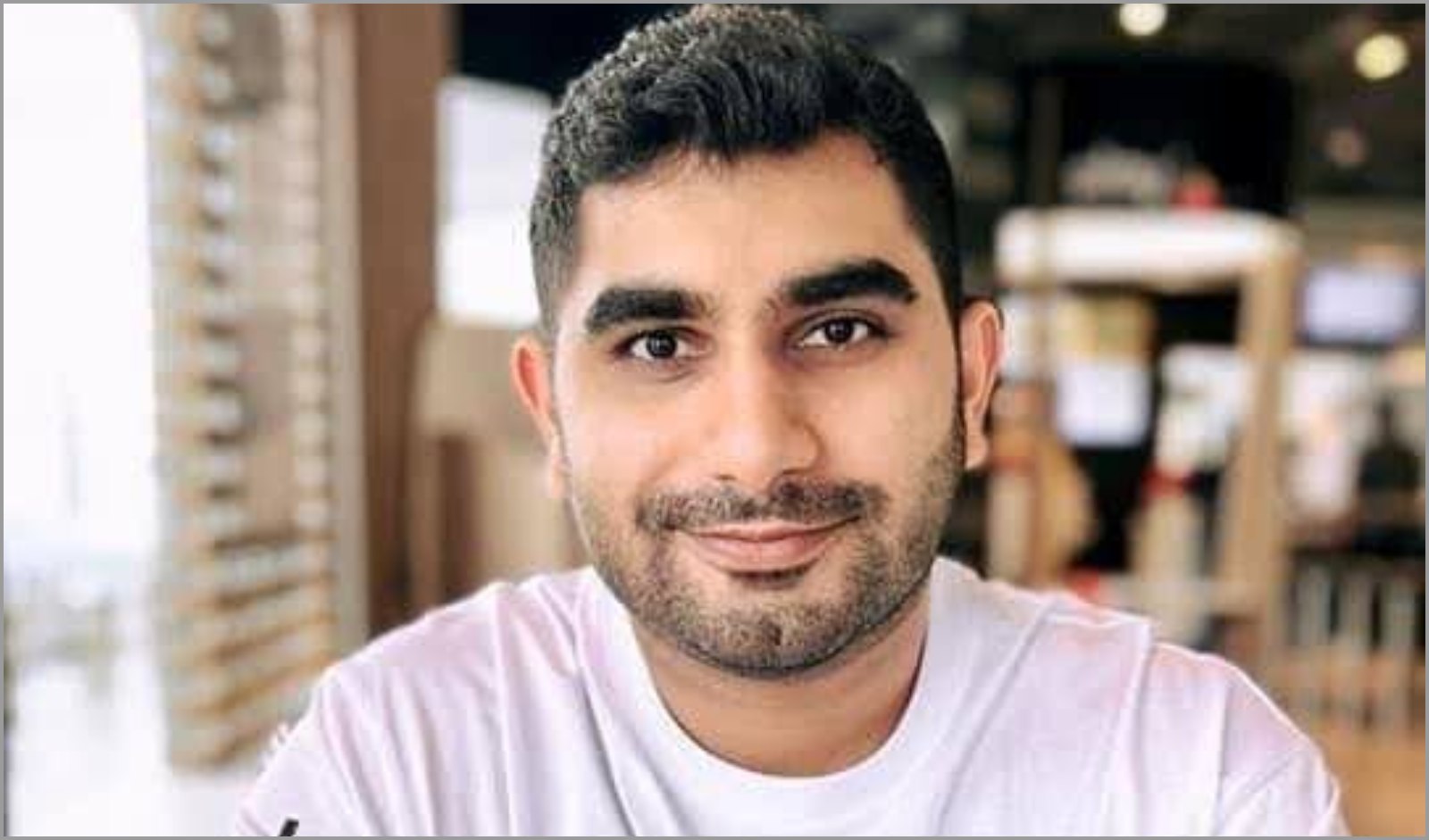
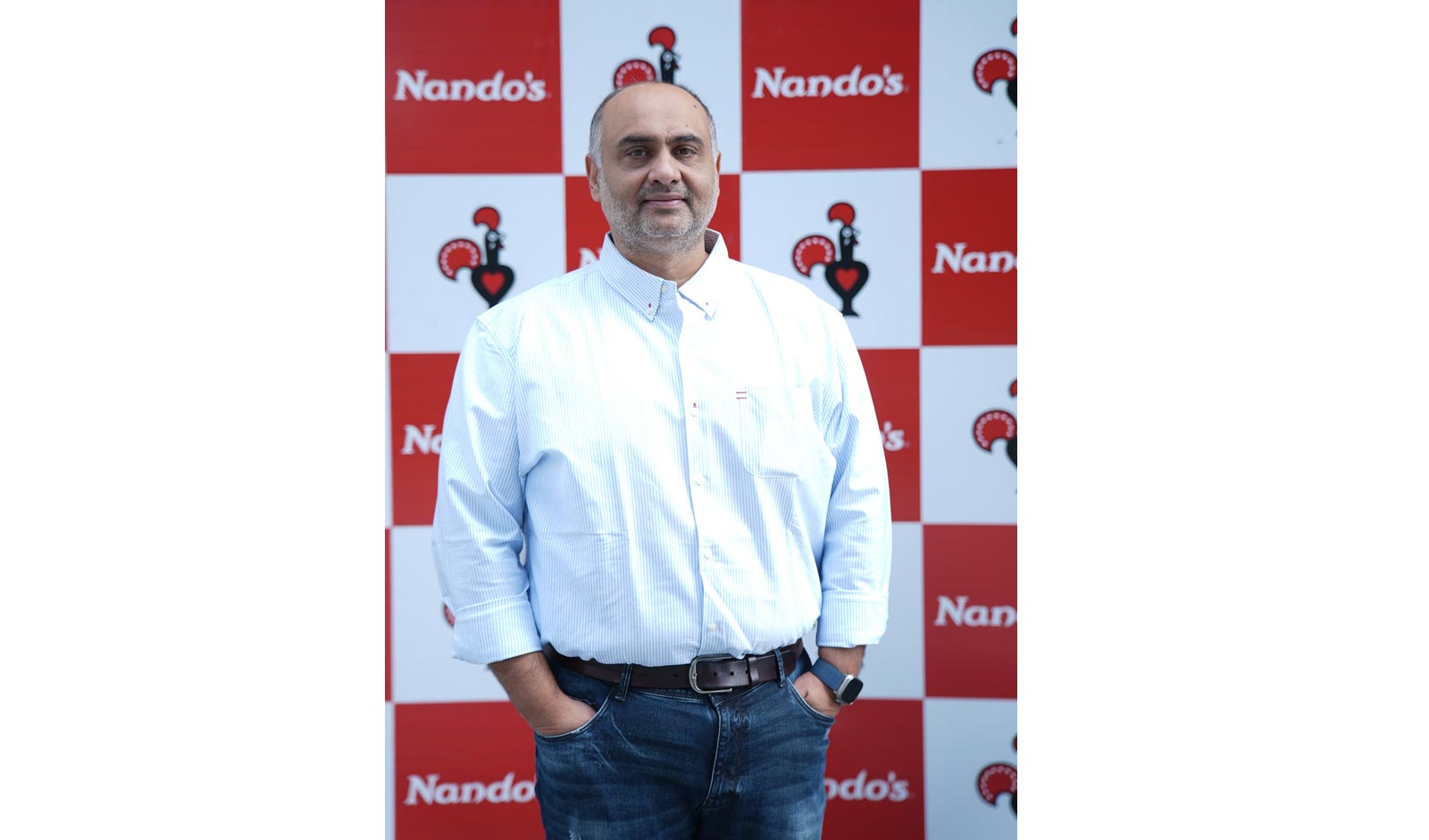
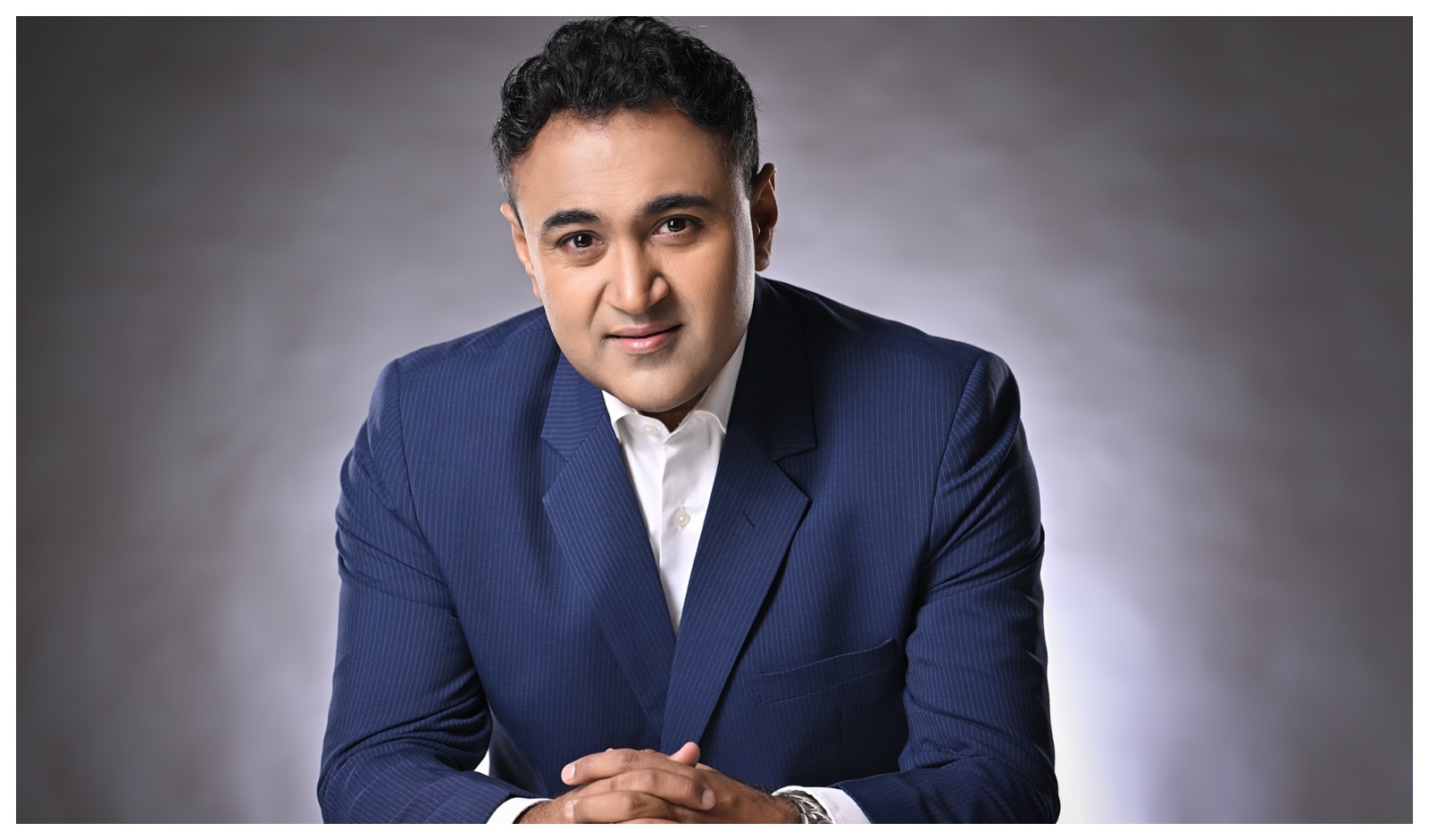
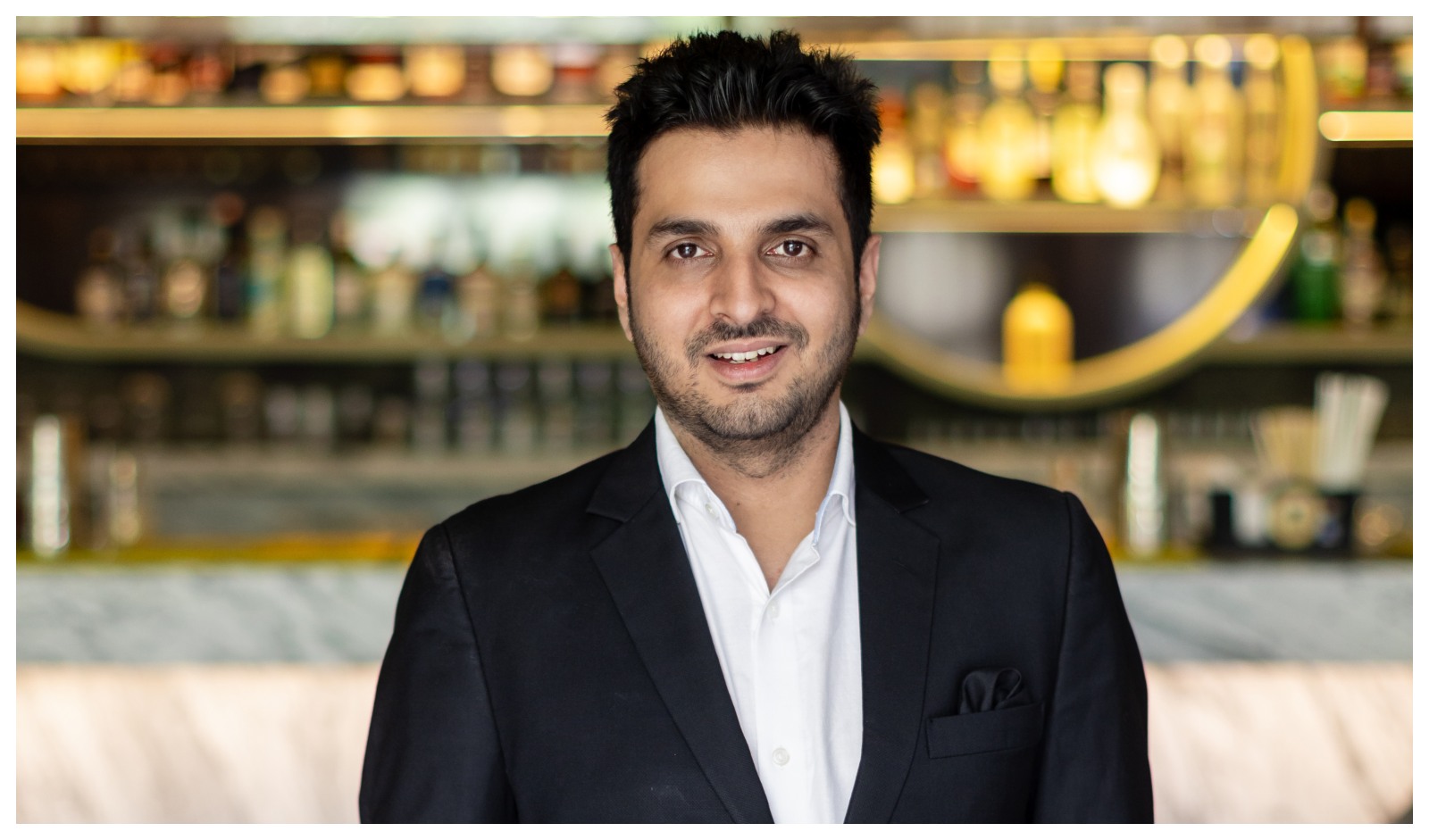
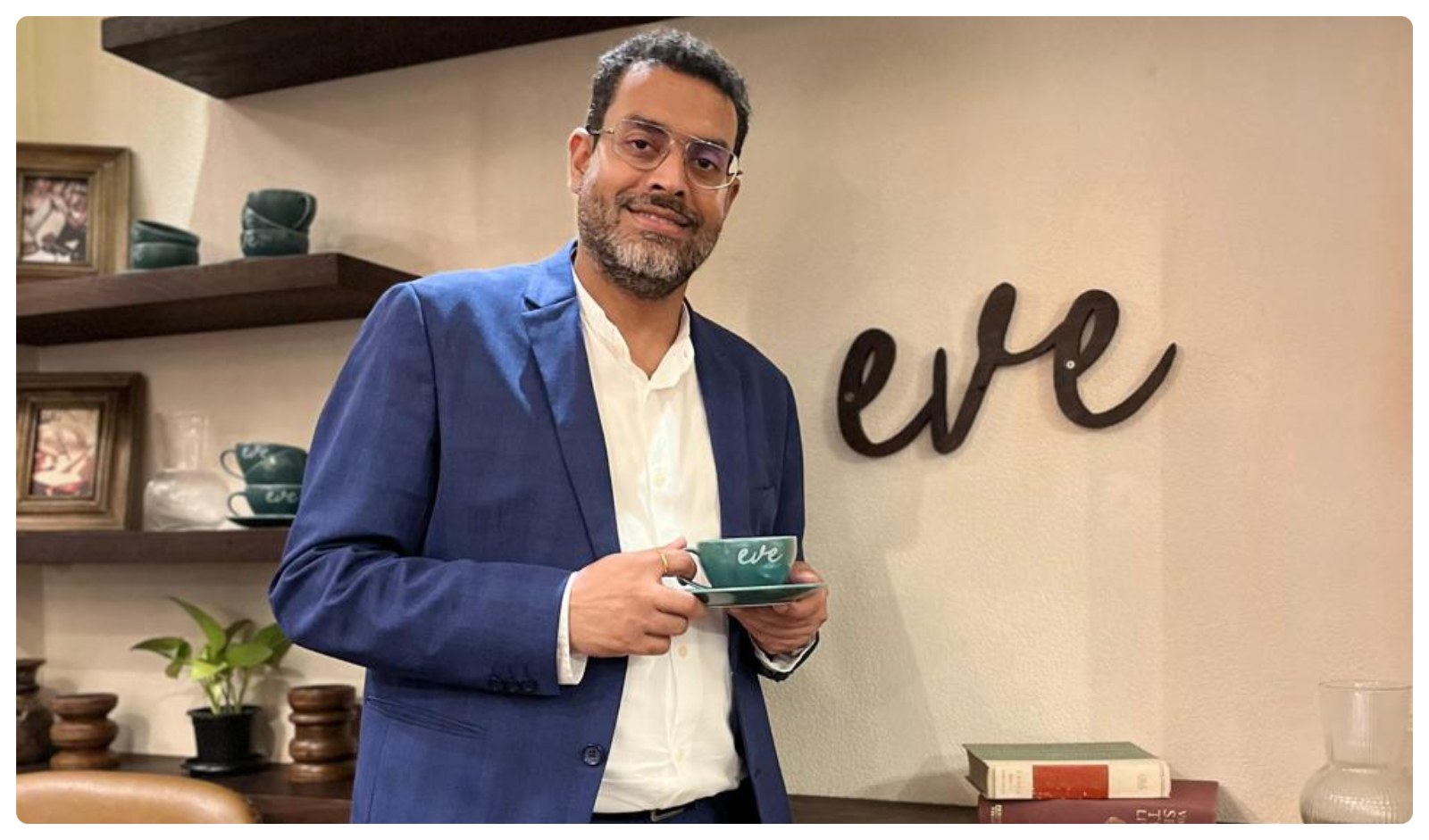
Dishant Pritamani is a restaurateur driven by instinct and purpose, not convention. He founded The Daily Bar & Kitchen in Mumbai in 2013, creating a space that blurred the line between neighbourhood bar and cultural hub. Since then, he’s built a portfolio of distinct, experience-led venues from The Daily All Day and Tsuki in Pune to The Second House and Café Lento in Goa, each rooted in creativity, community, and conscious design. He plans to open Café Lento in Mumbai and Pune.
In an exclusive interview with RestaurantIndia, Dishant Pritamani, Founder of Luna Hospitality talks about his journey, AI-based restaurant, customer loyalty, sustainability and much more. Excerpts:
Handling Multi-Brand Venture
I believe work should bring joy and you can’t fake passion,” said Pritamani. “Each brand I’ve created reflects who I was at that point in my life. The goal is to stay authentic to myself and to the guests.”
When launching a new restaurant, he immerses himself in the process by spending over a year on-site to understand operations, team dynamics, and customer expectations. “I work alongside my team to ensure everything runs smoothly. Once they have been part of the journey from day one, they know how to carry it forward.”
While his brother oversees the Pune outlets, Pritamani continues to guide and visit each brand personally. “Being in the restaurants, facing a guest that’s where I find my happiness. If you empower people, you will be shocked to know what they can hold on.”
The Foreseen Challenges
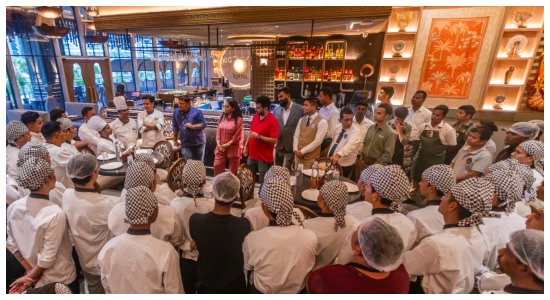
We started with 12 core team members who’ve been with me since the beginning. When we expanded The Daily to Pune, six of them moved there - a decision that made all the difference.
While many chase rapid growth, I focused on growing steadily, which helped us build a stronger brand with a stable, committed team. Most of my senior and middle management have been with us for years, and that continuity shows in everything we do.
Identifying Locations
For me, it’s all about understanding the consumers, their preferences, spending habits and what concept fits the location. Before opening The Second House in Goa, I spent nearly a year living there and researching every detail.
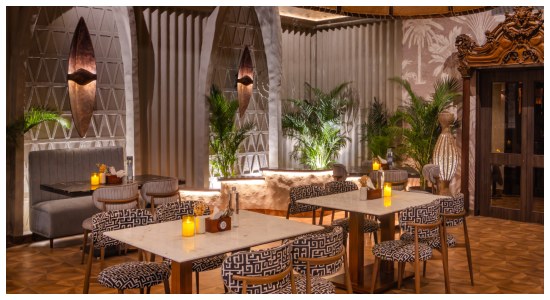
The site we chose was offbeat, and many advised against it, but we saw its potential. The lower rent allowed us to invest more in design and technology, turning the space into a unique strength rather than a challenge. I believe every restaurant should have its own distinct identity, shaped by its surroundings and audience.
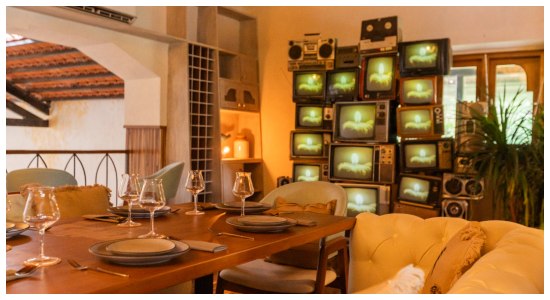
The AI Designed Restaurant
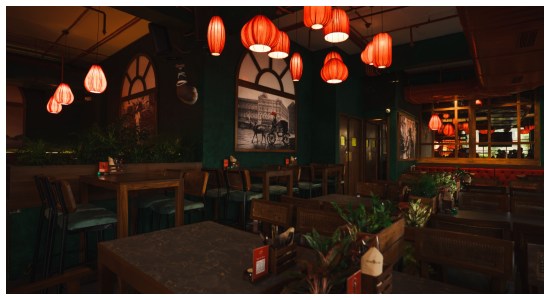
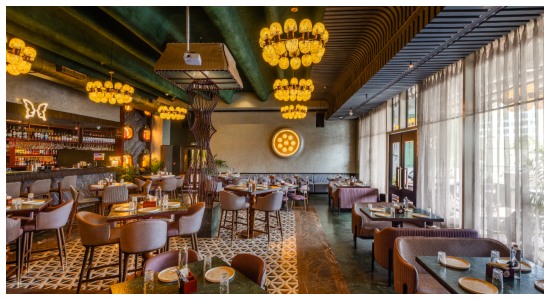
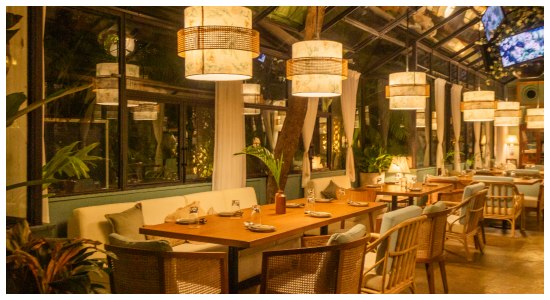
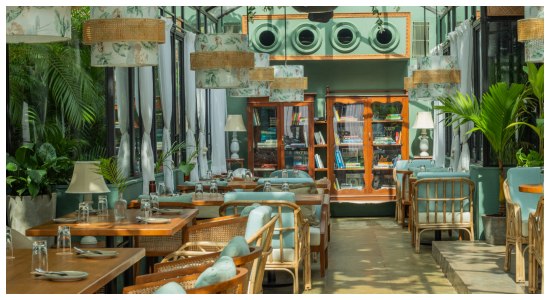
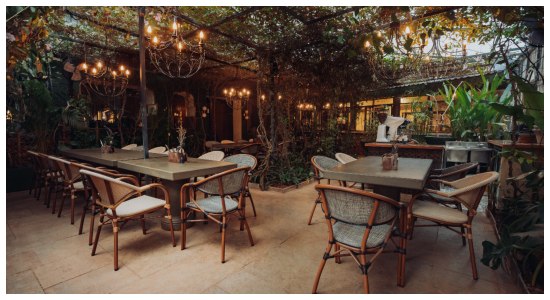
For The Second House, Pritamani reunited with Ayaz Basrai of Busride Design Studio, who had earlier designed The Daily All Day in Mumbai, a decade ago.
Basrai, who has designed and teaches “AI Meets Design” across colleges, turned this project into a real-world example of how artificial intelligence can reshape architecture. The team researched the property’s history by studying who lived there and poring over vintage photo albums from 60–80 years ago. Using AI, they extracted architectural details from old images to precisely recreate elements like pillars and facades from the 1940s.
Even the lighting at The Second House was custom designed through AI, refined with multiple prompts to achieve the perfect look. The team is now developing a light-and-smoke installation, set to launch by January 2026, where warm air will suspend smoke at chest level - an experimental fusion of design, technology, and science that defines The Second House’s futuristic spirit.
Interiors & Ambience
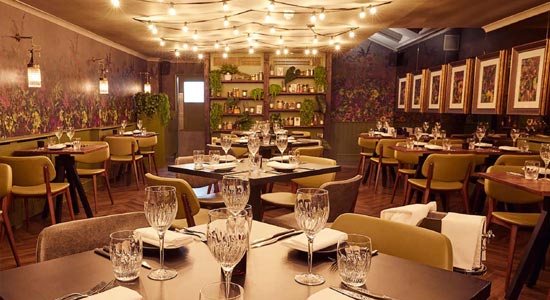
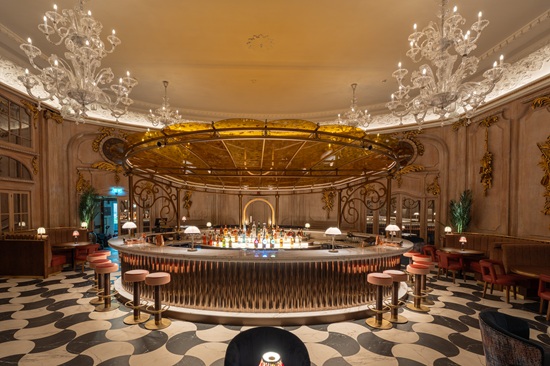
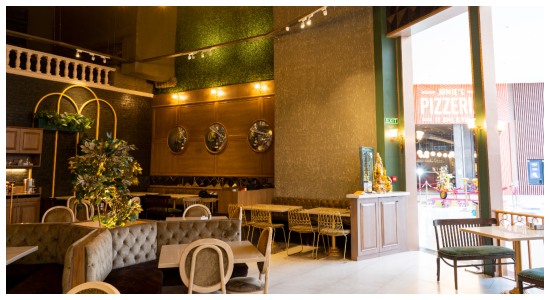
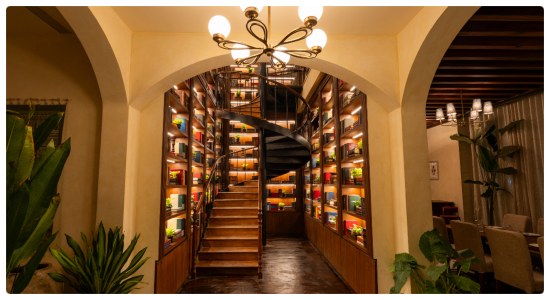
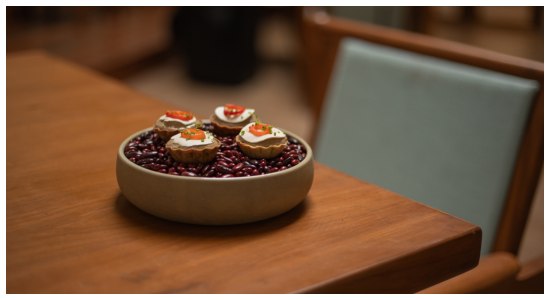
When launching a restaurant or café, it’s crucial to have a clear concept that ties together the brand name, menu, interiors, and consumer experience. A well-defined vision ensures long-term relevance, with interiors playing a key role in drawing audiences.
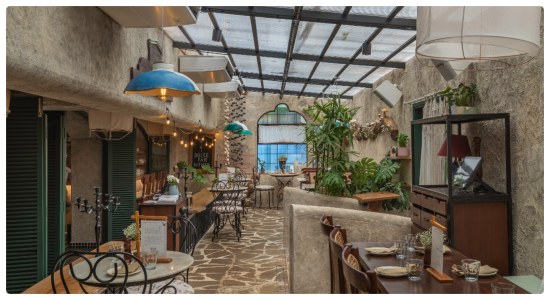
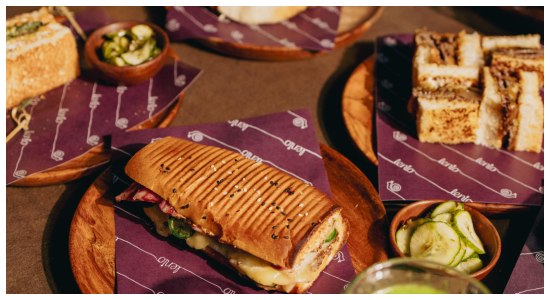
For example, at Café Lento Goa, the design celebrates nature as we are growing trees inside the space instead of cutting them down. The name Lento, meaning “slow” in Portuguese, reflects the idea of slowing down with nature. The next Café Lento will open in Koregaon Park, Pune, where each outlet will have a unique design interpretation by the designer.
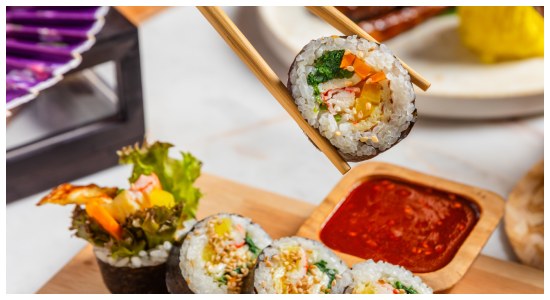
Meanwhile, Tsuki, our Pan-Asian Japanese restaurant in Pune, operates on a solar-powered, self-sustained terrace. Rather than following trends, our goal is to set examples combining creativity, sustainability, and thoughtful design.
Nurture Creativity & Innovation in Staff
Allow them to make mistakes, as long as the mistake is new, correct it. If the mistake happens again, be stern and not mean. Involve them in processes so they will understand about the work. Be open to learning from everyone. Appreciating staffs works.
The Sustainability Factor
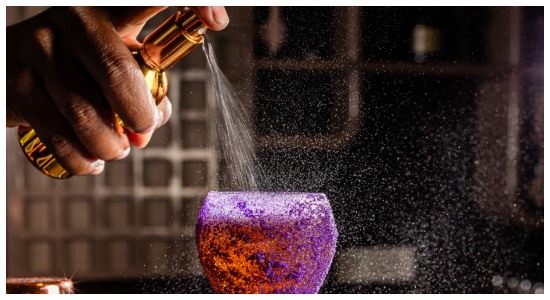
Chef Jyoti, Culinary Director tells the team to use the skin of fruits and veggies in various items. For Eg: We are using watermelon skin in cocktails/mocktails. We have a small farm outside The Second House, Goa from where we use veggies and fruits for cooking.
In Goa, where water scarcity is common, we have built small but meaningful water conservation systems at The Second House. We recharge our onsite well with rainwater, use purification processes to ensure sustainability and even created a glasshouse water tank that stores purified rainwater. During shortages, this stored water supports our operations making the restaurant both eco-conscious and self-sufficient.
Dining is Growing
Experiential dining is increasing a lot and that people are shifting more towards dine-in.
“We are more focused on dine-in than deliveries. After Covid, people are coming back to experience the dining, and restaurants are making their mark by ensuring that customers keep coming back. It’s all about giving the customers unique lasting experiences which stays for long run.”
Menu Development for Each Brands
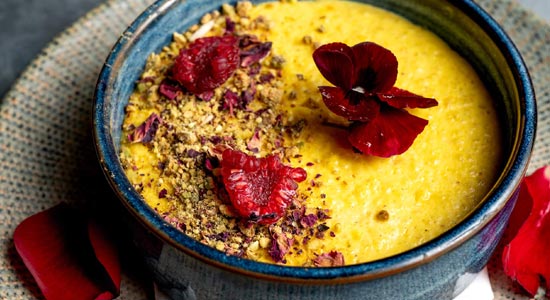
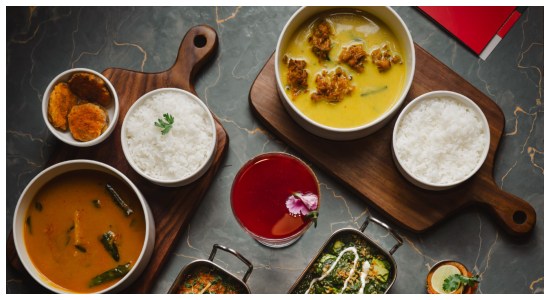
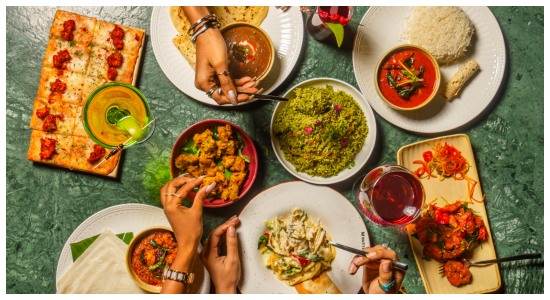
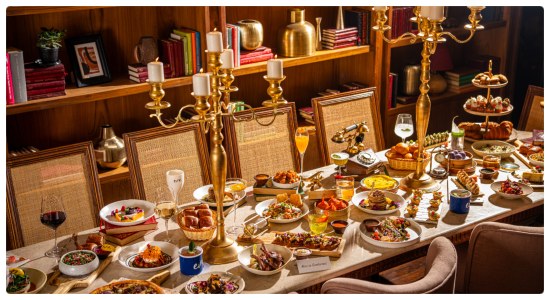
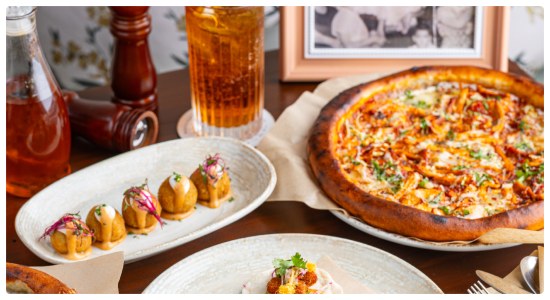
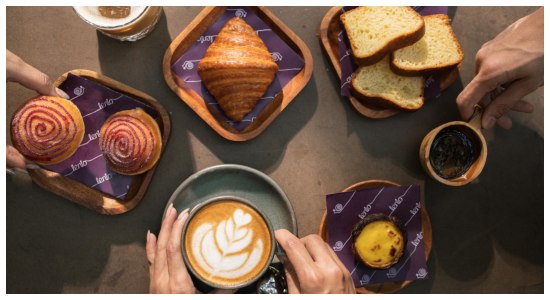
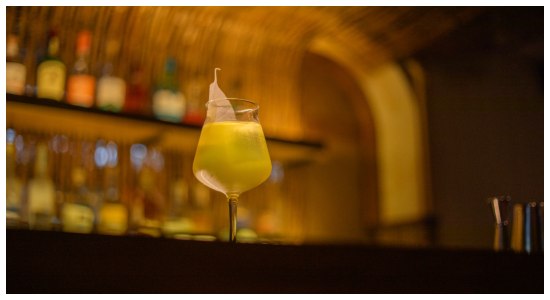
New menu is not trending base for us. At Lento, Chef is planning to re-image Besan Chilla. “We are working on things that give us nostalgia. We want people to enjoy the comfort food in a unique way. We are using AI to push flavor combination that doesn’t come to the Indian minds. And we are trying the combinations to ensure which flavor-combos work."
Customer Loyalty
Don’t let your staff keep changing. If a person feels welcome, they will keep coming and be your regular customer or a loyal customer. Customer retention comes from employee retention.
Message for New Restauranteurs
Do for right reasons. It’s not easy if you aren’t crazy. If you don’t take risk, so you will never know.
Vijetha Iyer
Content Editor
Working as a Content Editor with Restaurant India. I have worked in various sectors like food and beverage sector, chemicals, pharma, nutraceuticals, now specially focusing on restaurant side. But my core knowledge was always on content. Be it writing poems to verses, I always loved writing and have been exploring my career on the same. In Restaurant India, I deliver insightful stories, take interviews of various brands and update the audiences about the newest happenings in the restaurant industry.