
From Crowd-Puller to Premium Experience: How Buffets Are Evolving in India
As per reports, India has roughly 1,800–2,300 buffet restaurants. Maharashtra has the highest number with around 258 outlets, followed by 232 in Karnataka and 184 in Tamil Nadu.

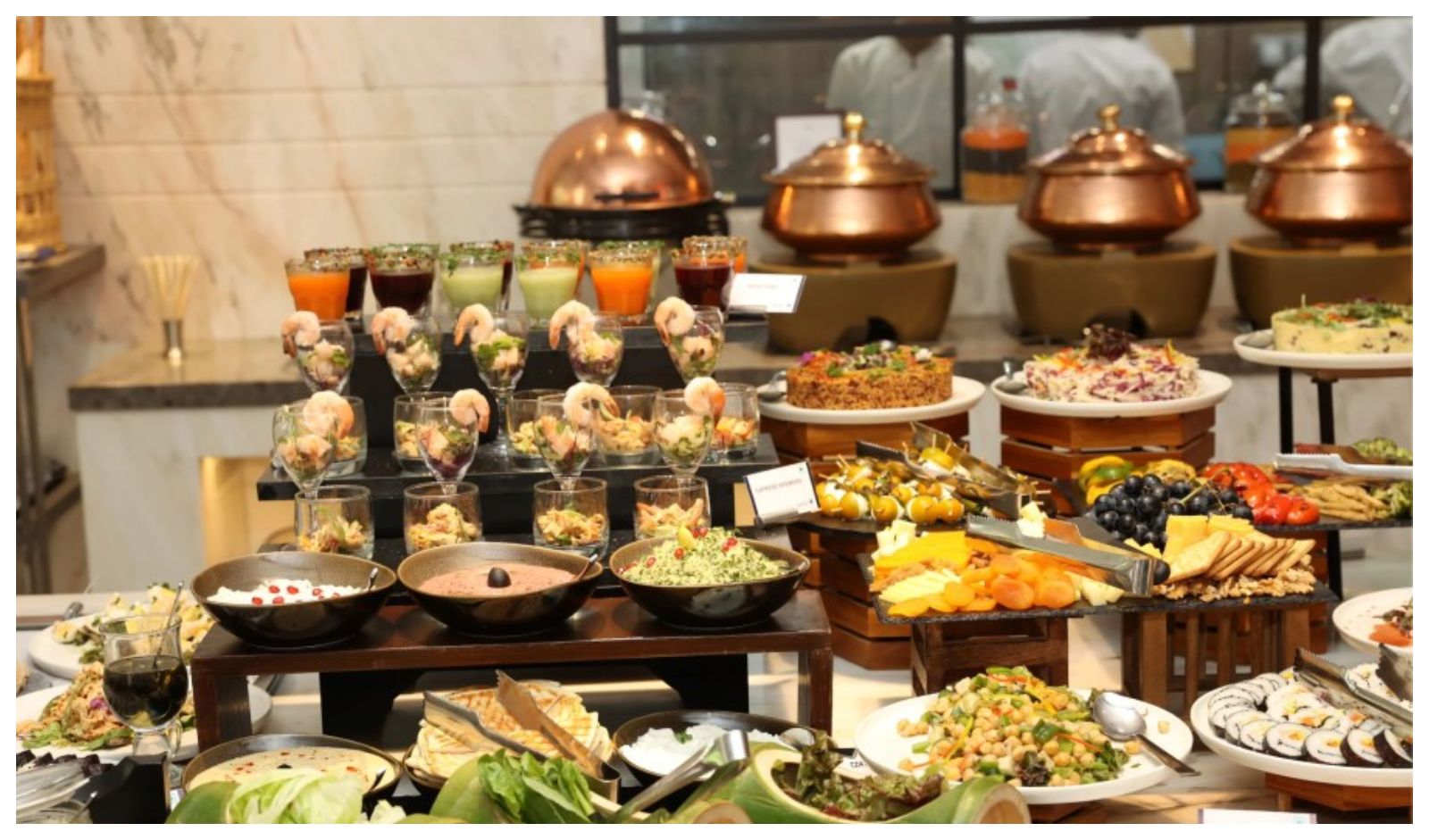
Buffets were once a major part of India’s casual dining scene. In the early 2010s, unlimited dining became very popular, with chains like Barbeque Nation and many standalone restaurants offering fixed-price meals with a wide variety of dishes. Over the years, this trend has started to change. Buffets are slowly declining in standalone restaurants but are growing in hotels and premium hospitality spaces. This shift is mainly driven by changing consumer preferences, rising operational costs, and evolving dining habits.
Changing Consumer Preferences
Modern diners are moving away from “all-you-can-eat” formats and focusing more on experience-driven dining where quality and authenticity matter more than quantity. Rising health awareness is also encouraging consumers to choose portion-controlled meals instead of unlimited buffets.
Chef Vividh Patil, Executive Chef at Sofitel Mumbai BKC said, “Buffets also create value perception, variety, and experiential dining for guests. Operationally, hotels absorb costs through overall revenue streams, making buffets economically viable while supporting brand experience and culinary showcase.”
As per reports, India has roughly 1,800–2,300 buffet restaurants. Maharashtra has the highest number with around 258 outlets, followed by 232 in Karnataka and 184 in Tamil Nadu. About 83% of these outlets are independently operated rather than part of chains. And most of them have buffets thrice a month or so as per parties, orders and special occasions.
Why Buffets Are Growing in Hotels
While buffet demand is declining in standalone restaurants, hotels are witnessing steady growth, especially through brunches, festive dining, and corporate events. For hotels, buffets are not just about revenue but also about enhancing guest experience through multi-cuisine spreads, live cooking stations, themed nights, and elaborate dessert counters.
“We see buffet dining as an experience that brings people together over a diverse culinary journey. At Sesame, our buffet offerings are designed to reflect both global flavours and locally inspired dishes, allowing guests to explore a wide variety of cuisines in one sitting. This format is particularly appealing for families, groups, and social gatherings as it offers choice, flexibility, and a vibrant dining atmosphere,” added Xenia Jamshyd Lam, General Manager at Hyatt Centric Juhu.
A typical full-service hotel may host 400–500 buffet services annually when breakfast, brunch and special events are combined. Demand is also more predictable through breakfast packages, conferences, and weekend brunches.
What Restaurants Are Doing Instead
Running a buffet restaurant is capital-intensive and volume-driven, which makes profitability difficult when demand fluctuates. It often demandlarge kitchens, live cooking stations, refrigeration, and bigger dining spaces, leading to high upfront and operational costs. Food costs alone typically account for 30–50% of revenue, while labour can take 25–35%, making the model expensive to operate.
Ashish Reddy, Co-Founder at AnTeRa Kitchen and Bar said, “The model works best with high daily footfall, usually around 120–200 diners per day to break even. Without consistent traffic, maintaining profitability becomes challenging, especially with rising rents in metro cities."
Commenting on this, Arpitha Rai, Co-Founder, The Bombay Chapter 003 said, “The buffet hasn’t disappeared at all; it has simply evolved. What diners once chased across a counter is now being thoughtfully brought to the table.”
Reducing Food Wastage
In today’s restaurant environment, reducing buffet waste is not only about cost control but also about sustainability. By combining better planning, real-time monitoring, and guest awareness, restaurants can maintain the abundance associated with buffets while minimising unnecessary food loss.
“Sustainability is also a key focus for us. At Sesame, we actively work towards reducing food wastage through careful demand forecasting, smaller batch preparation, and interactive live stations where dishes are prepared fresh,” stated Lam who also further highlighted that they focus on seasonal ingredients and responsible sourcing wherever possible, aligning with the growing guest preference for more mindful dining.
Buffet restaurants generate around 100–120 grams of food waste per diner, mainly due to overproduction and uneaten food left on plates. Standalone restaurants, however, operate very differently. “When dozens of dishes must sit ready for hours, consistency and quality often suffer. What restaurants are doing today is not abandoning the buffet but quietly refining its spirit,” said Rai.
Impact on business
From a business perspective, buffet experiences play an important role in driving food and beverage revenues while also increasing guest engagement within the hotel. Guests often spend more time exploring the spread and interacting with chefs at live stations, which enhances the overall dining experience and encourages repeat visits. Rather than disappearing, buffets are evolving from a mass-market format into a more premium, experience-driven dining offering, combining variety with greater focus on quality and culinary creativity.
Vijetha Iyer
Content Editor
Working as a Content Editor with Restaurant India. I have worked in various sectors like food and beverage sector, chemicals, pharma, nutraceuticals, now specially focusing on restaurant side. But my core knowledge was always on content. Be it writing poems to verses, I always loved writing and have been exploring my career on the same. In Restaurant India, I deliver insightful stories, take interviews of various brands and update the audiences about the newest happenings in the restaurant industry.









































