
From Citrus to Kombucha: The Next Wave of Cafe Flavours in 2026
While comfort-led profiles such as cocoa, brown sugar, vanilla and caramel remain popular, but with reduced sweetness and simpler taste profiles

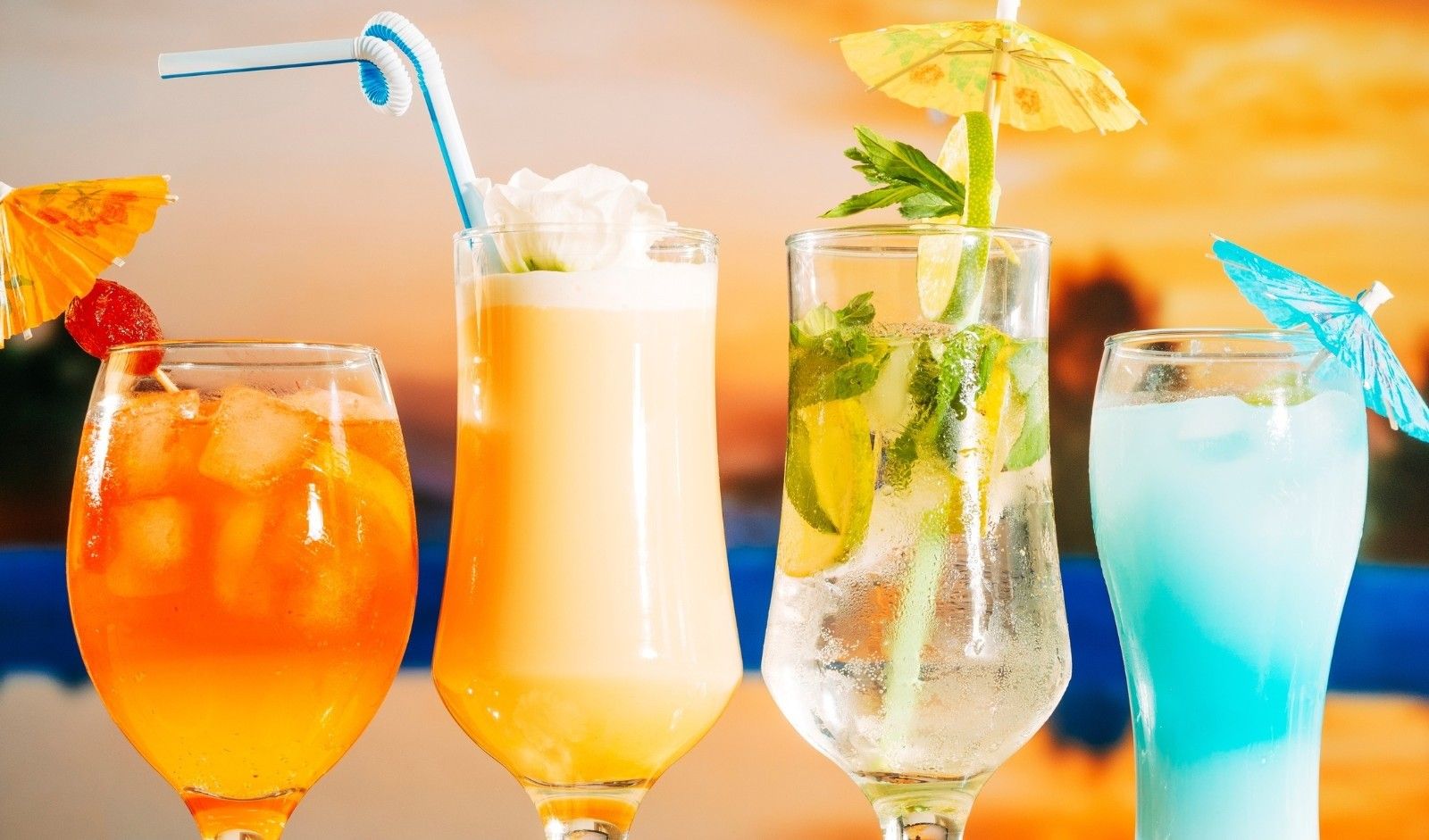
If 2025 was defined by matcha, boba tea, and visually striking cafe beverages, 2026 is shaping up to be far more restrained. Across cafes and specialty coffee spaces, consumer demand is moving away from sweet, indulgent flavours toward simpler, more functional beverages that prioritise balance, drinkability, and repeat consumption.
This change is reflected in the numbers. Functional beverages globally are expected to cross USD 215–220 billion by 2025, with mushroom- and adaptogen-based drinks growing steadily. In India, kombucha is gaining traction, with the market valued at USD 102.6 million in 2024 and expanding at 16–17 per cent CAGR, a sign of consumers moving toward more purposeful, less spectacle-driven choices.
Matcha Grows Up
Matcha’s dominance in 2025 was driven by both social media trends and increasingly health-driven consumption habits. Search data shows matcha searches in India have grown nearly four times over five years, largely powered by Gen Z and social media virality. But cafe operators now believe matcha’s next phase will be far more grounded.
“Matcha resonated strongly in 2025 because it sat at the intersection of wellness, visual appeal, and versatility,” said Ayush Saxena of Caracoco Roasters and Sukoon Cafe in Delhi, adding, “Going forward, I see matcha evolving beyond being a ‘trend drink’ into a core alternative caffeine category, closer to specialty coffee than novelty.”
At the cafe level, this means fewer flavoured matcha concoctions and greater focus on ceremonial-grade quality, unsweetened profiles and subtle botanical pairings. The shift mirrors how specialty coffee itself matured from flavoured syrups to origin, process and craft.
Hanumanth Rao Naineni, Founder of Roast CCX, Hyderabad, echoed this sentiment. “Matcha didn’t try too hard. People only connected with the sense of ritual it brings. Now the curiosity is moving toward quality, origin and preparation rather than constant flavour additions,” he added.
Sweetness Dials Down
Across cities, cafes report that customers are returning more often to clean, familiar flavours. Comfort-led profiles such as cocoa, brown sugar, vanilla and caramel remain popular, but with reduced sweetness and simpler taste profiles.
“At Sukoon Cafe, customers are increasingly returning to beverages where the base ingredient shines. Over the past couple of years, there’s been a clear move away from artificially flavoured syrups toward natural sweetness and subtle complexity. In non-coffee beverages, flavours that feel fresh, herbal, or lightly spiced are performing well, especially when they’re positioned as refreshing or functional,” explained Saxena.
At Roast CCX, this maturity is also visible in how guests approach experimental coffees. “Process-led coffees, particularly anaerobic and fruit-fermented profiles, are seeing strong repeat response but only when they’re clean and well-executed,” shared Naineni, adding, “People want to taste intention, not just indulgence.”
This shift aligns with broader global data. Around 64 per cent of consumers say they look forward to trying new food and beverage trends, but flavour forecasters note that experimentation today is more about balance than excess, with sweet flavours no longer driving choices.
Function Becomes Baseline
Functional beverages are no longer positioned as niche wellness add-ons. From adaptogen blends to digestive and low-acidity options, they are increasingly being built into core menus and everyday drinking habits.
Low- and no-caffeine beverages are becoming central to this shift as caffeine fatigue grows. Cafes are expanding menus to support all-day consumption, with coffee substitutes and caffeine alternatives now a multi-billion-dollar global category.
“Non-coffee beverages that feel fresh, herbal or lightly spiced are performing well,” Saxena pointed, particularly when positioned as refreshing or functional rather than dessert-like.
Alongside this, Indian-origin beverages such as buttermilk and sharbat are expanding at four to six times the overall beverage category, prompting cafes to reinterpret these traditional formats with modern flavours, textures and formats on their menus.
The Next Trending Flavours
India’s cafe menus are also becoming more globally fluent. Flavour houses point to growing adoption of yuzu, elderflower, lavender, black sesame and tart berry profiles, with black currant identified as a key flavour for 2026. These are no longer niche experiments but increasingly accepted as everyday options.
“We’re seeing a rise in demand for umami-forward flavours and fermented beverages across categories,” added Harika Ganeshni Bommana, Founder of Grumpy Girl Coffee. “Think matcha, sesame, yuzu, and even kombucha culture influencing cafe menus. India is getting more adventurous,” she added.
Fermentation, in particular, is shedding its alternative image. With kombucha and related formats growing rapidly, sour and complex flavour profiles are finding a wider audience, not as health tonics, but as sophisticated beverages in their own right.
Beverage Innovation in 2026
Despite the talk of new flavours, operators agree that 2026 will not be about endless invention. Instead, it will be defined by better execution of familiar ideas like cleaner fermentations, lighter sweetness, improved texture and stronger narratives around origin and process.
“The ingredient sets the rules. Sweetness is always the final step, never the starting point. The goal is not to mask flavours but to let them land the way they’re meant to. Citrus will continue to show up, but more as a supporting note than a headline flavour,” explained Naineni.
Texture, too, is emerging as a key differentiator. From creamy iced coffees to foamy cold drinks and light emulsions, mouthfeel is becoming as important as flavour. According to Saxena, cafés that succeed will be those that combine layered but restrained flavour experiences with storytelling and authenticity.
Beyond changing tastes, this move toward grounded, grown-up beverages also makes commercial sense. Functional, fermented and low-sugar drinks offer more stable input costs, stronger margins and higher repeat consumption, allowing cafés to expand menus and drinking occasions without relying on discounting or constant limited-time launches.
Saumyangi Yadav
Senior Correspondent
Saumyangi is a Senior Reporter with over three years of experience in journalism and a strong passion for writing and storytelling. She covers D2C and consumer brands for Entrepreneur India and contributes to Restaurant India, where she writes about restaurants, cafés, and whatever is new and exciting in the F&B world. She has previously covered education, social, and civic issues, and continues to enjoy exploring new stories in Bengaluru and beyond.









































