
From Budget to Boutique: How Hospitality Is Evolving for Today’s Guests
The other major trend in hospitality currently is that travellers are looking for ways to experience cultures, food, lifestyles, and the environment of the place they are visiting, as opposed to just going to a tourist destination.

Published by — Mehardeep Singh
General Manager, Corporate Affairs, Rubystone Hospitality
Views: 1145 9 MIN READ
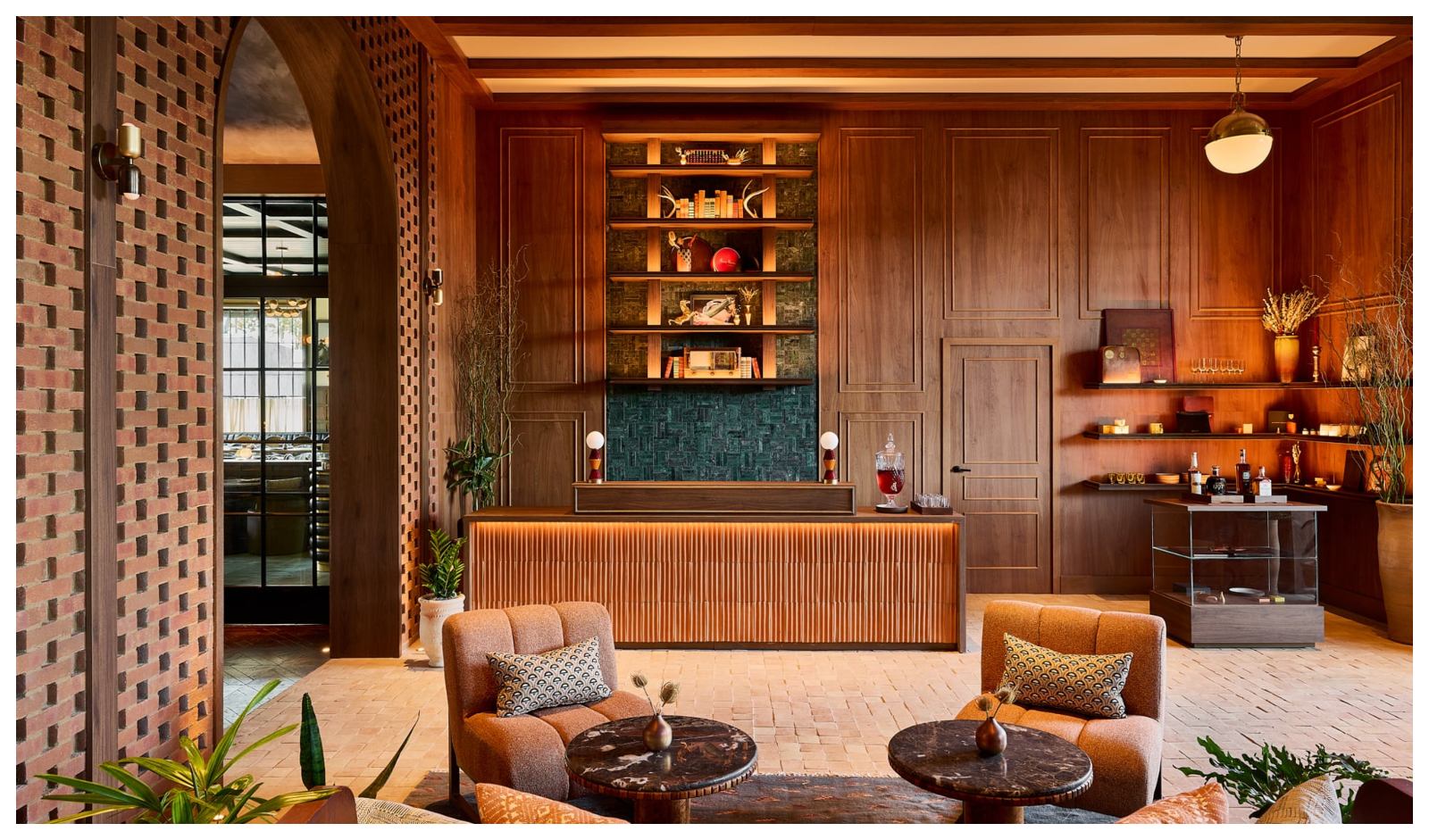
There have been various changes to the hospitality sector in recent years compared to historically. In the past, tourists tended to choose hotels/resorts based primarily on price and basic amenities; as long as there were a clean room and a good location, they were usually satisfied with their stay. This has changed today with the gaming patron, who expects much more than just somewhere to sleep.
The other major trend in hospitality currently is that travellers are looking for ways to experience cultures, food, lifestyles, and the environment of the place they are visiting, as opposed to just going to a tourist destination. Travellers are more likely to choose to visit a destination that offers a relaxing environment and allows for an experience that has meaning, as opposed to travelling to a large, busy, commercial area.
More and more people camp out in hill stations, wellness retreats, and spiritual destinations because of the slower pace of travel associated with spending time there. The result is that an increasing number of people are now escaping busy urban environments by travelling to nature-focused destinations like Mussoorie and Lansdowne. In a similar way, many travellers are now visiting spiritual places like Vrindavan to have a peaceful experience along with cultural and religious experiences. As today's travellers place greater emphasis on emotional comfort and relaxation, this is causing the hospitality industry to pay more attention to these kinds of destinations.
The meaning of luxury has changed over time as well. Traditionally, luxury in hospitality was associated with high-priced rooms, elaborate decor, and high-priced food and beverage. Today’s guests have their own definition of luxury. Initially, personalisation, cleanliness, comfort, privacy, and a tranquil atmosphere were considered luxuries for many. Today, mid-range and low-cost lodging options have also begun to improve their quality and services in an effort to keep up with consumer expectations and compete with higher-end lodging options by providing stylish and modern interiors, quality food and beverages, and high quantity and quality of services offered to guests.
The hospitality industry has seen an increase in technology being incorporated to enhance customer experiences. Today’s savvy travellers are looking for convenience at all touchpoints from the time they book a trip to the time they complete their journey; they want it to be as easy as possible. Features such as online booking systems, digital payment options, contactless check-in, smart appliance controls/features in a hotel room, and high-speed Internet connections are all considered to be an expectation rather than a luxury to today’s travellers. Younger travellers, in particular, are looking for greater flexibility, greater speed, and more seamless digital experiences when planning and travelling on their vacations.
Social media continues to have a major influence on how travellers decide which hotels and resorts to book with. The very nature of social media has influenced the way a traveller makes their decision on where to stay, which is based in large part on visually attractive properties: things that will create an interesting venue for them to share their travel experiences through social media, such as breathtaking views from a mountaintop or city skylines from a rooftop restaurant, beautifully decorated interior spaces, cosy places to spend a night or day, funky outdoor areas to relax, etc. These types of properties are very appealing to the younger generations, and as a result, hospitality operators are placing a higher value on their properties' design, ambiance, and overall guest experience.
There is also a strong trend towards wellness tourism, meaning that busy work schedules and high levels of stress have caused many people to travel for the purpose of relaxation & mental well-being. As such, many travellers elect to go to destinations where they can relax, disconnect from everyday stress, reconnect with nature, and recharge their batteries. Resorts and boutique hotels located in relaxed and peaceful environments are taking advantage of this growing trend by providing quiet environments, providing outdoor activities, and providing wellness types of services (i.e., yoga classes, meditation, etc.) in addition to having the ability for guests to have a nature-based vacation.
The rise of the workation has dramatically transformed the hospitality business. As a result of many workers being able to work from anywhere, many workers can find flexible and remote job opportunities, which enable them to travel while working. This has increased demand for accommodations with comfortable workspaces, fast/high-speed internet, quiet areas to work from, and places where they can stay for extended periods of time.
The modern business traveller also wants to work productively whilst enjoying time away from their office, leisure activities, and relaxation. This increase in flexible work arrangements and the rise in remote work have also increased the number of people who are seeking out sustainable lodging options. Many hotels and resorts have developed environmentally friendly policies, such as using less energy, reducing plastic usage, supporting local communities, and promoting environmentally friendly tourism. As a result, guests feel more comfortable at hotels or resorts that use eco-friendly practices and therefore are likely to choose to stay there when on vacation or when travelling for business.
Additionally, the hospitality industry is changing to provide a more flexible service according to the needs of its customers. For example, some customers may prefer to stay at low-cost, short-term places, while others may enjoy luxury and wellness retreats, taking vacations with their families, or travelling for adventure. Because of this trend, hotels and resorts will create spaces and offer services specific to those varying preferences, rather than offering every customer the same type of experience.
The future of the hospitality industry will also be dependent on customers' changing travel preferences. Today's customers are increasingly looking for fulfilling experiences of leisure time away from their homes, which includes locating accommodations that are comfortable, authentic, accessible, and emotionally rewarding.
With travel continuing to change the way we live, the hospitality sector will also need to rapidly develop new services and products to remain relevant in today's travel world as travellers increasingly seek meaningful experiences as well as affordable and comfortable options when choosing to stay away from home.
Mehardeep Singh
General Manager, Corporate Affairs, Rubystone Hospitality









































