From Bar Menus to Shopping Carts: 10 Drinks Entering the Retail Era
The bar may remain the place where new flavours are discovered. But the supermarket could become where those flavours achieve scale.

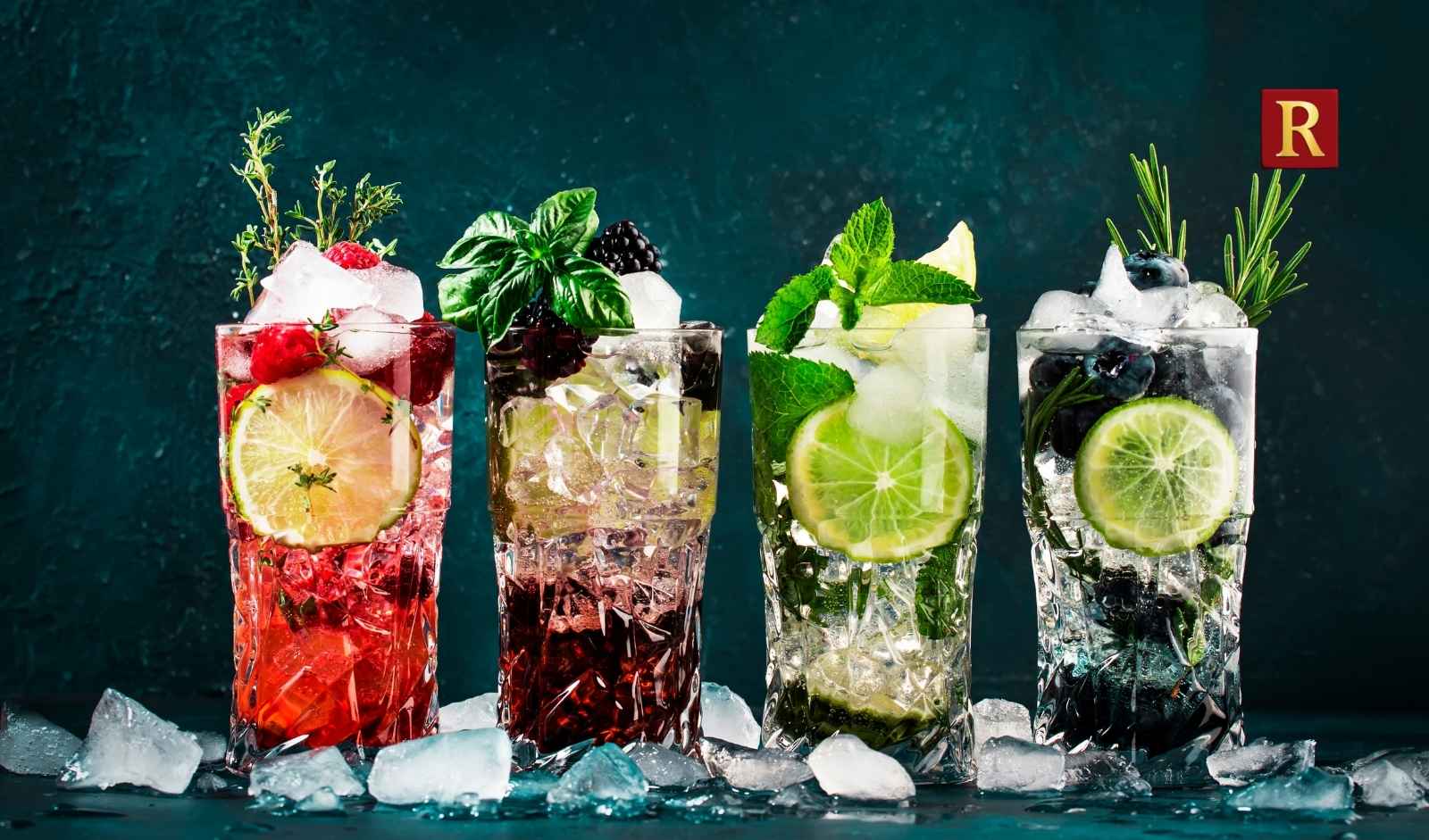
The supermarket beverage aisle is beginning to look different. Alongside soft drinks, juices and traditional alcoholic beverages, consumers are finding products designed to deliver something that was once largely associated with a bar: the cocktail experience. India's ready-to-drink cocktail market is estimated $324.9 million by 2033, growing at a 17.9% CAGR between 2026 and 2033. Liquor stores currently dominate distribution, but online is expected to be the fastest-growing channel.
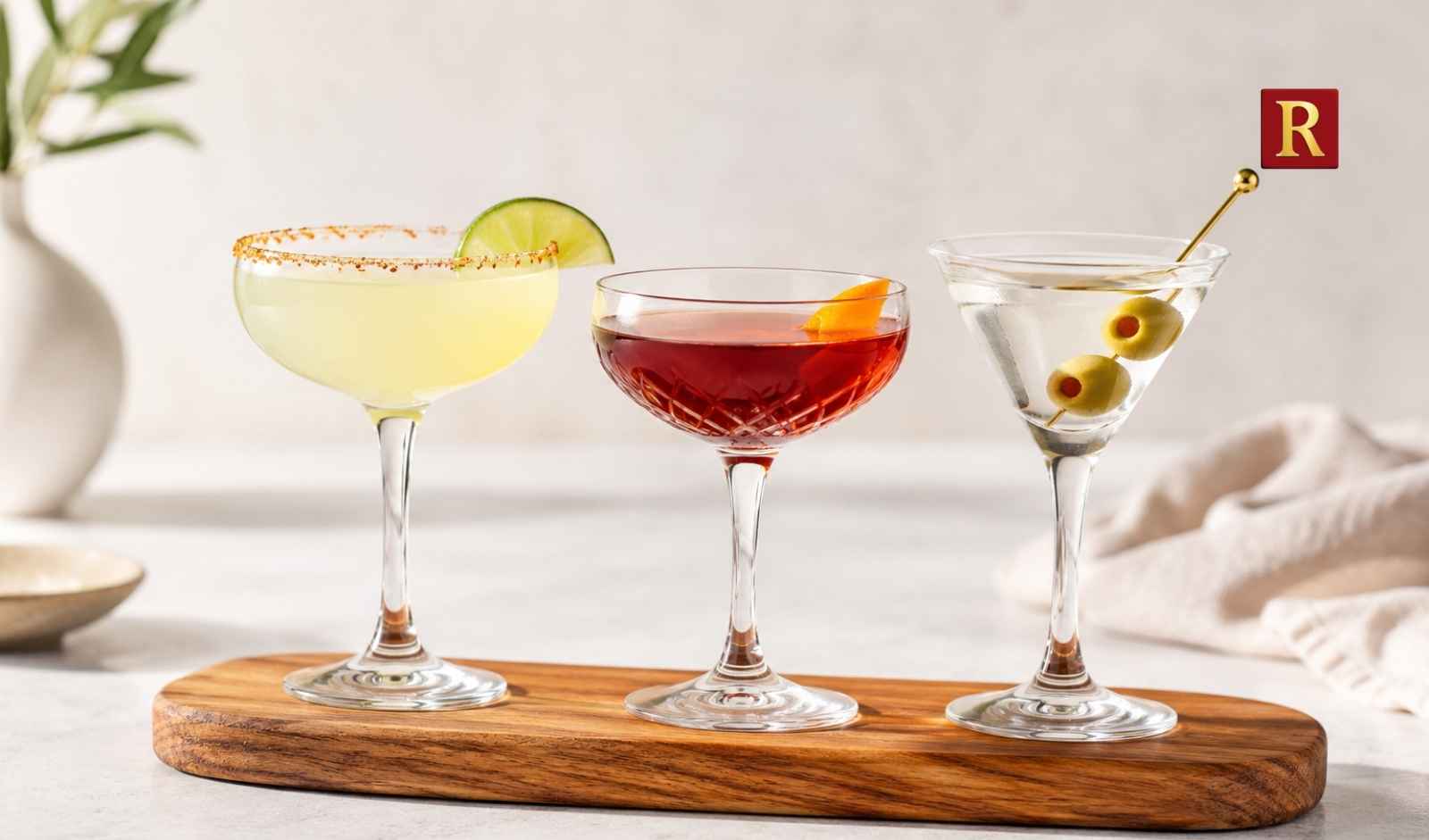
The shift is not only about convenience. Bar culture is influencing what beverage companies develop, how they flavour products and even how consumers drink at home. In 2026, Picante, Negroni and Espresso Martini were among the leading cocktails identified in a national survey of premium Indian bars. These drinks are interesting not simply because they are popular, but because their flavour profiles can potentially be translated into packaged formats.
Why the Bar Is Becoming a Beverage Laboratory
A cocktail served at a bar has a short life. A packaged beverage has to remain stable for months. That difference changes everything. A bartender can use fresh lime, herbs, coffee, spices and ice within minutes. A beverage company has to consider oxidation, carbonation, separation, shelf life, packaging and consistency.
India's bottled RTD cocktail market alone was estimated at US$42.6 million by 2030. Spirit-based products accounted for 76.07% of the segment's revenue in 2024. This creates an interesting bridge between bars and retail. A drink can first become popular because consumers encounter it at a cocktail bar. Brands can then simplify its flavour profile and packaging for home consumption.
10 Drinks Entering the Retail Era
1. Negroni: The Bitter Classic Finds a Bottle
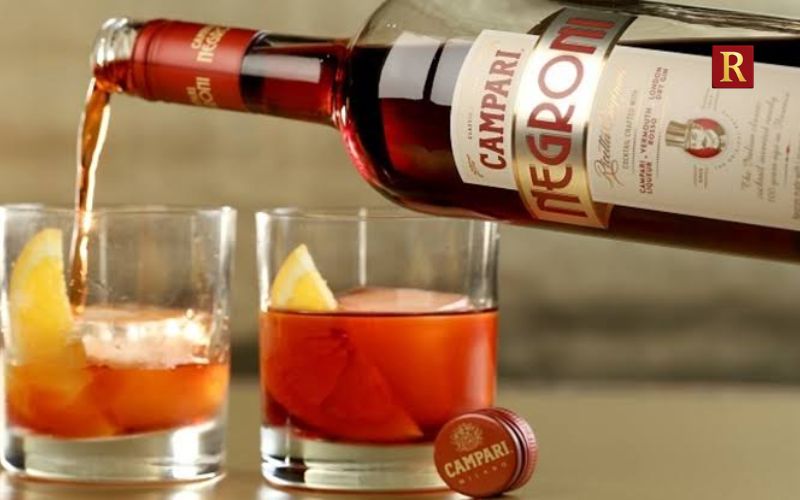
The Negroni has moved from specialist cocktail menus into mainstream cocktail conversations. Its structure is simple but difficult to balance. Gin, bitter aperitivo and vermouth have to work together without allowing bitterness or sweetness to dominate. That makes it an interesting RTD candidate. A packaged Negroni can be sold as a premium, pour-and-serve cocktail. The opportunity is especially strong for consumers who understand the drink but do not want to stock three separate bottles at home. The challenge is preserving the balance of botanicals, bitterness and alcohol after packaging.
2. Espresso Martini: Coffee Meets Convenience
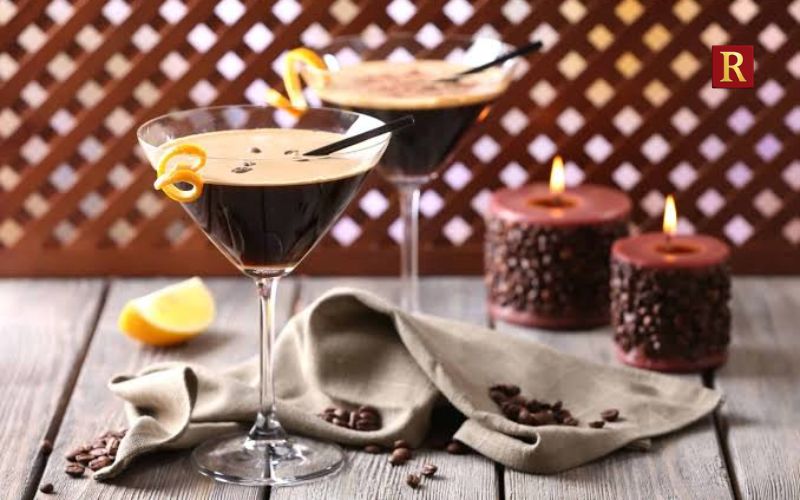
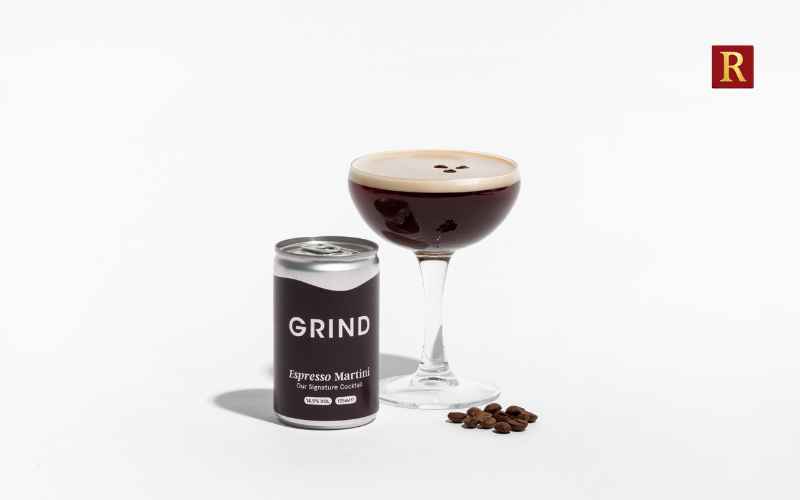
Espresso Martini has one advantage over many cocktails. Consumers already understand its two major flavour cues: coffee and alcohol. But packaging it is technically more complicated than it appears. Fresh espresso changes quickly. Coffee aromas can fade. Foam is also difficult to reproduce in a shelf-stable product. This makes Espresso Martini an interesting test of how far beverage technology can reproduce a bar experience. Its appeal also fits India's growing café and cocktail culture, where coffee is increasingly being used beyond traditional hot beverages.
3. Spritz: The Easy-Drinking Cocktail
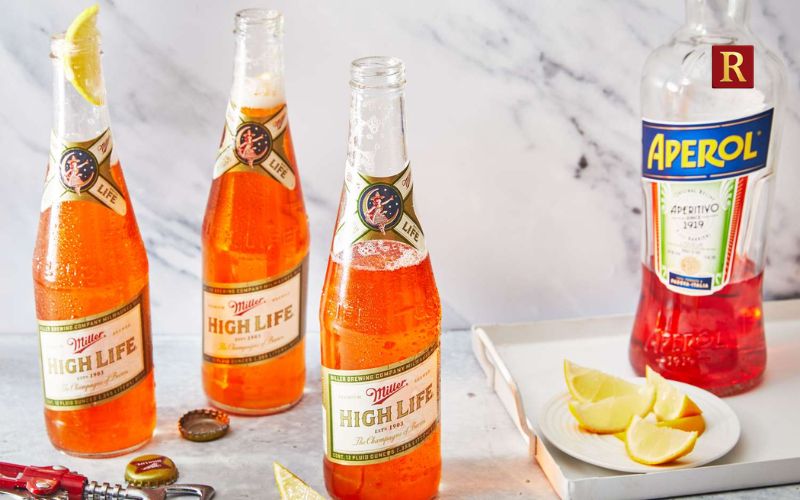
The Spritz has the structure that packaged beverages love. It is refreshing, sparkling and relatively simple to communicate. A retail version can use citrus, bitter aperitivo or botanical notes and be sold in a can or bottle. The format also fits social occasions where consumers want something lighter and easy to drink. India's RTD market is already seeing product development across spirit-based and other formats, although taxation and state-level regulations remain important challenges for the category.
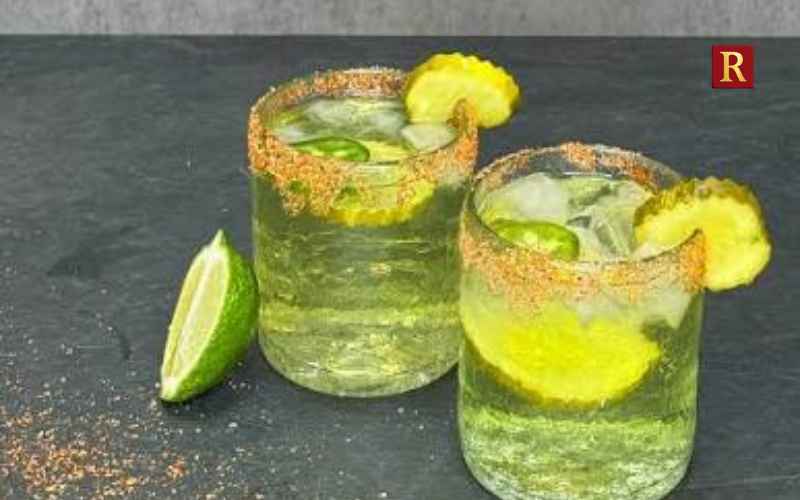
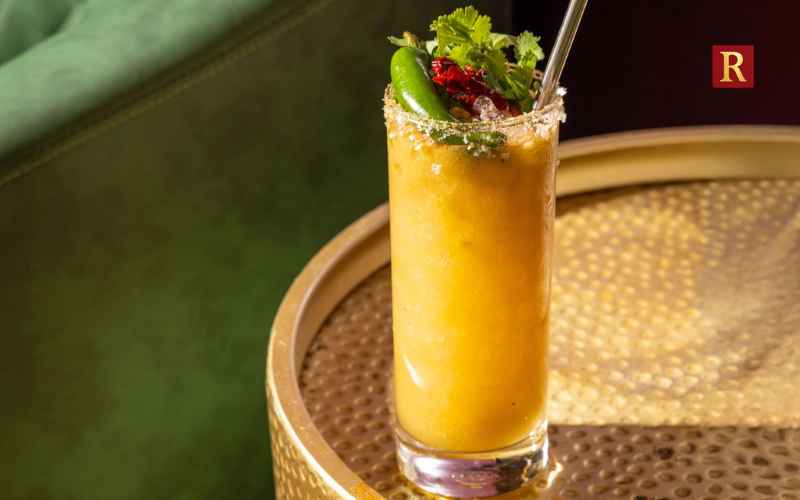
4. Picante: When Spice Becomes a Beverage Format
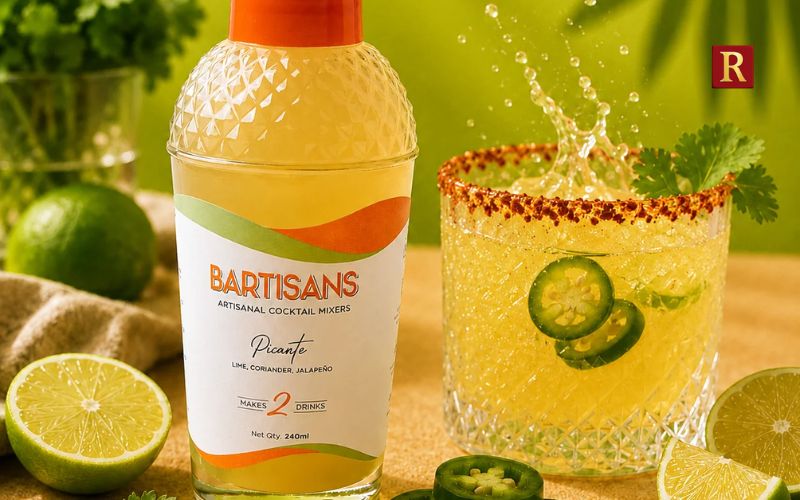
Picante is particularly interesting for India. In 2026, it ranked as the most popular cocktail in the 30BestBarsIndia survey, ahead of Negroni and Espresso Martini. Its appeal comes from a combination of spirit, citrus and chilli. The flavour also feels familiar to Indian consumers who are comfortable with sour, salty and spicy combinations. The format can extend beyond one cocktail. Mango, tamarind, pineapple and different chilli varieties can create multiple variations. This could turn the Picante from a cocktail into a broader flavour platform.
5. Paloma: A Highball Ready for the Shelf
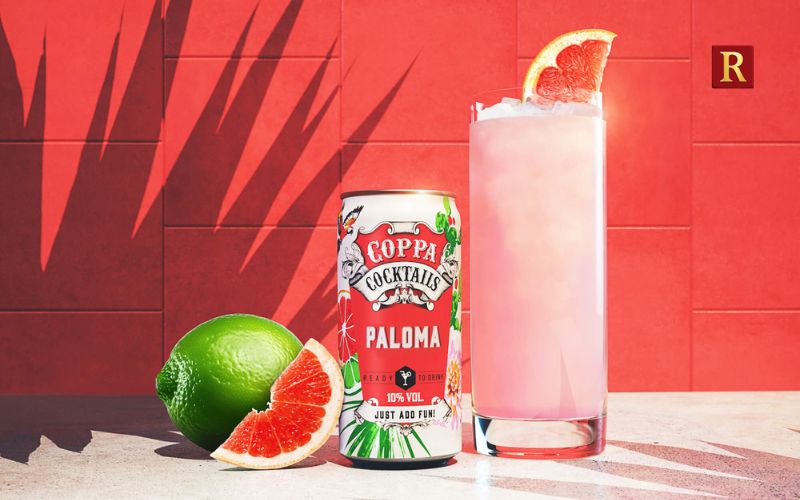
Paloma combines tequila, grapefruit and carbonation. That makes it naturally suited to a can. Its flavour is also easier to understand than more complicated cocktails. It is citrusy, sparkling and refreshing. For Indian beverage companies, there is another opportunity here. Grapefruit could be replaced or complemented by familiar citrus and fruit flavours, creating regional variations while retaining the highball structure.
6. Nimbu Highball: India's Familiar Drink Gets a Bar Upgrade
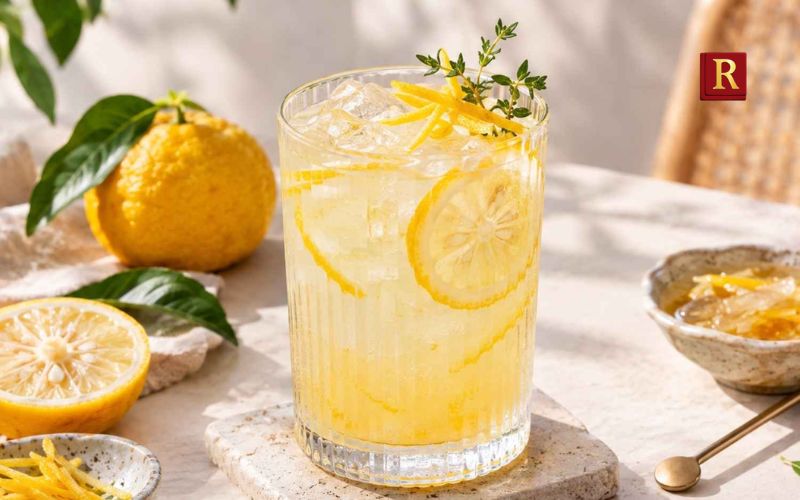
India does not need to copy every global cocktail trend. Nimbu soda already has many qualities that work in modern packaged beverages: citrus, sweetness, salt and carbonation. Add a botanical spirit or another alcohol base and it can become a distinctly Indian highball. The idea is commercially interesting because the consumer does not need to learn an unfamiliar flavour from scratch. The drink starts with something familiar and adds a premium layer.
7. Kokum Spritz: Regional Ingredients Enter Modern Drinking
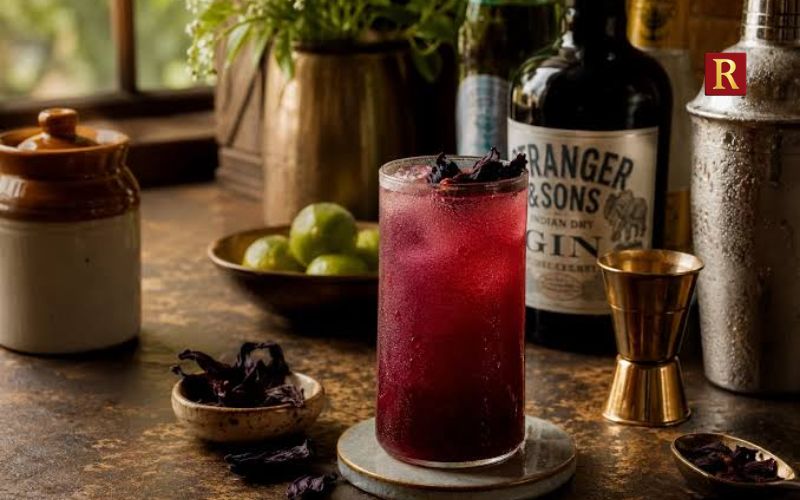
Kokum has a naturally sharp and fruity character. It also has strong regional associations, particularly in western and southern India. Indian bartenders are increasingly experimenting with local ingredients and seasonal produce. Current cocktail menus feature ingredients such as curry leaf, tamarind and other regional flavours. A kokum-based spritz could take that bar experimentation into a packaged format. The opportunity is bigger than kokum itself. It represents a new retail language built around Indian ingredients rather than imported flavour references.
8. Clarified Cocktails: When Bar Technique Becomes the Product
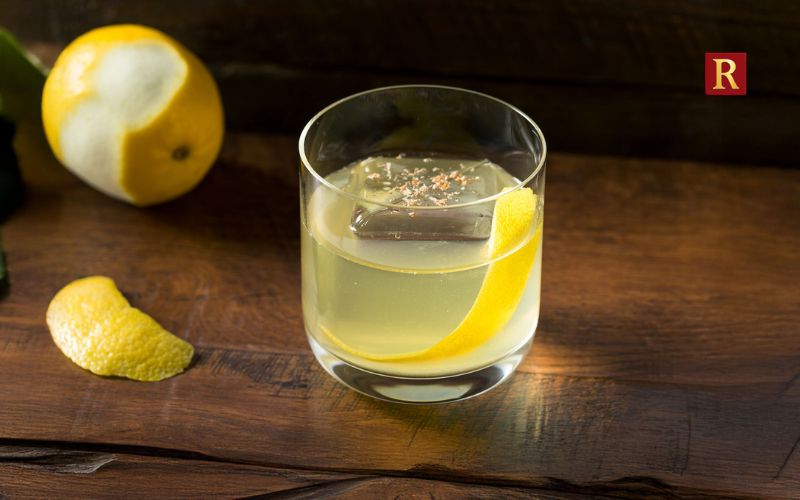
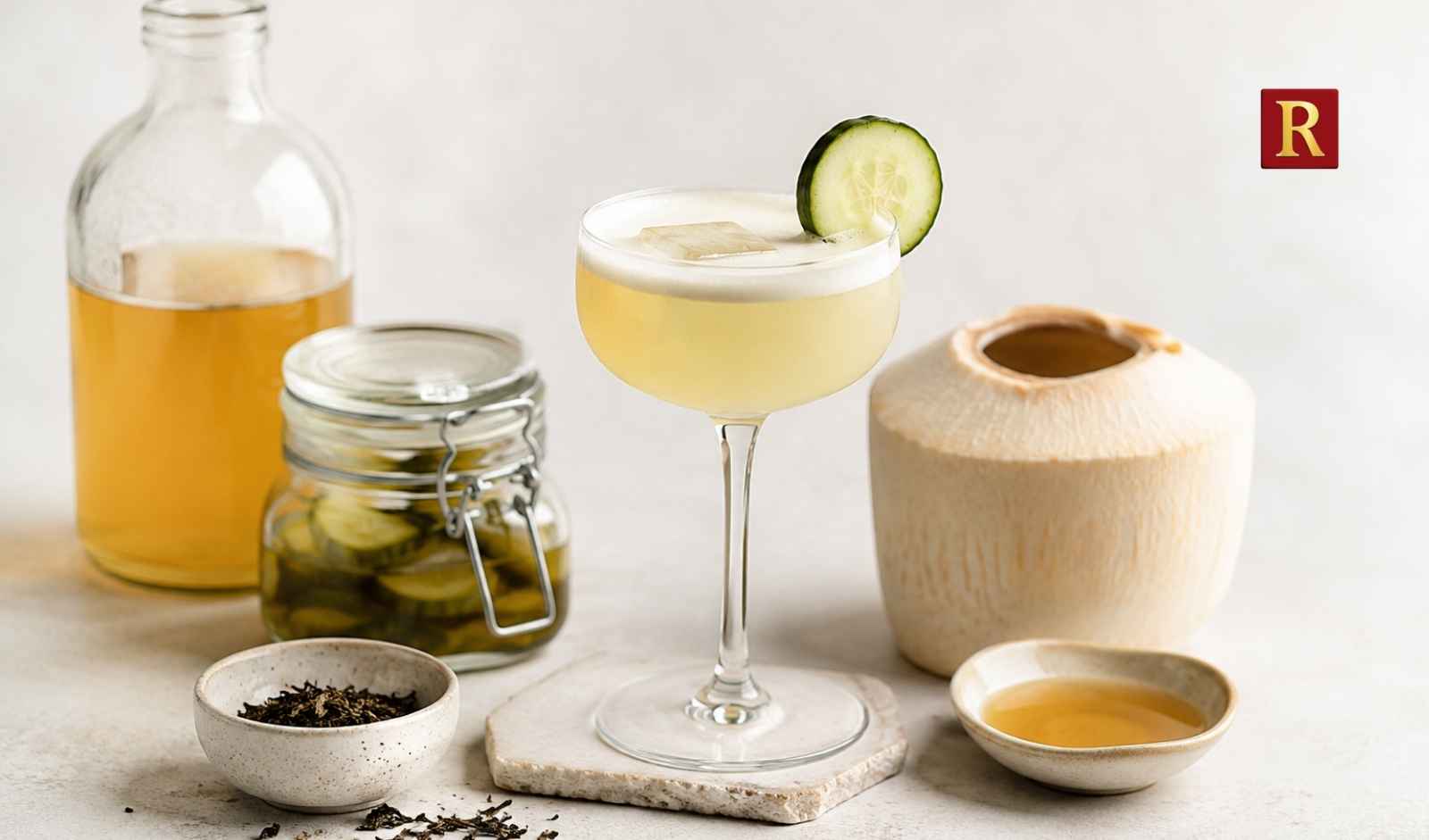
Clarification is one of the more technical developments in modern mixology. A clarified cocktail can appear clear while retaining complex flavours from fruit, milk, spices or other ingredients. Indian cocktail bars are increasingly discussing extraction, clarification and other techniques rather than simply reproducing old cocktail recipes. The challenge is scaling these techniques. A clarified cocktail in a bottle could therefore become a strong premium proposition. The transparent appearance itself becomes part of the product experience.
9. Zero-Proof Cocktails: The Bar Without the Alcohol
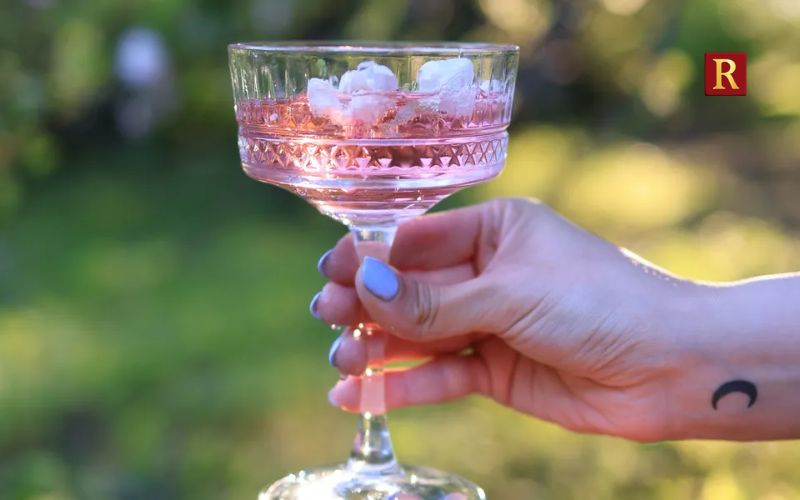
The movement from bars to retail is not limited to alcoholic drinks. Zero-proof cocktails are becoming more sophisticated. Indian bars are moving beyond sugary mocktails and experimenting with the same ingredients and techniques used in alcoholic cocktails. That creates opportunities for packaged botanical drinks, bitter aperitivo-style beverages, tamarind sours and spiced highballs. For retailers, this also expands the potential customer base beyond alcohol consumers.
10. Indian Regional Cocktails: The Bigger Opportunity
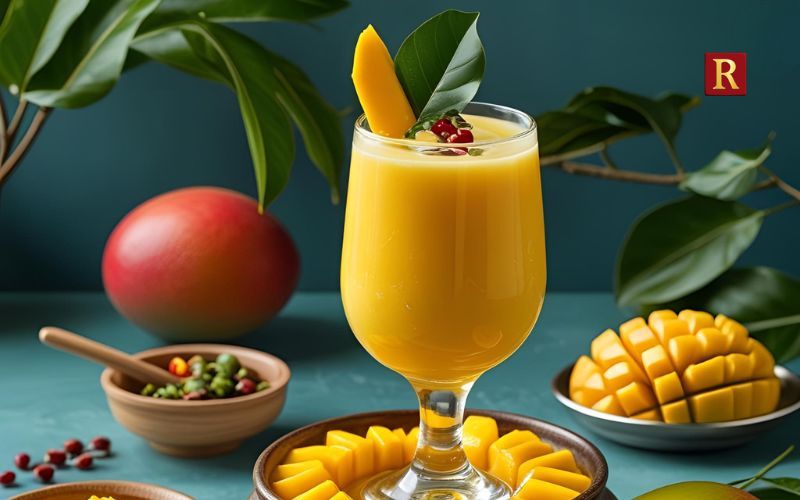
The most interesting development may not be one particular cocktail. It could be the creation of an entirely Indian packaged cocktail vocabulary. Think jamun and mint, raw mango and chilli, tamarind and ginger, gondhoraj lime, nannari, curry leaf or kokum. Indian brands are already experimenting with local flavour cues. Diageo India, for example, has introduced flavoured variants using profiles such as Minty Jamun, Mirchi Mango and Zesty Lime. At the bar level, regional ingredients are also becoming more prominent as mixologists look at local produce and Indian flavour traditions. The next step is taking these ideas into scalable retail formats.
The Shelf Is Selling an Occasion, Not Just a Drink
The biggest change is perhaps not the bottle or can. It is the occasion. A packaged cocktail can be positioned for a house party, dinner, brunch, weekend gathering or a simple drink after work. The consumer no longer needs a fully stocked home bar or knowledge of cocktail recipes. But the industry still has a technical problem to solve. A great cocktail depends on freshness, dilution, temperature and balance. A packaged beverage has to reproduce enough of that experience while remaining stable through transportation and storage. That is where the next phase of India's beverage innovation will happen.
The bar may remain the place where new flavours are discovered. But the supermarket could become where those flavours achieve scale. The most successful products will probably not be those that simply put a famous cocktail name on a can. They will be the ones that understand why people like the drink in the first place, and then translate that experience into a format that works outside the bar. For India, that could mean something even more interesting: a retail beverage market where the inspiration comes not only from Negroni, Paloma or Espresso Martini, but also from kokum, nimbu, jamun, tamarind, chilli and other flavours that already belong to the country's food culture.
Saptopriya Ghosal
Feature Writer
I am a dedicated media professional with a bachelor's degree in mass communication from the State University of Calcutta and a postgraduate degree from Amity University. My academic journey has equipped me with a profound understanding of storytelling and communication. Passionate about the dynamic world of media, I continually strive to explore new ways to engage and inform through compelling narratives.