From AI to Hyperlocal Kitchens: 4 Trends Reshaping Hotel Kitchens
The path forward is clear, adaptability. As kitchens embrace new technologies and energy sources, the essence of cooking remains intact, driven by skill, innovation, and the willingness to evolve.

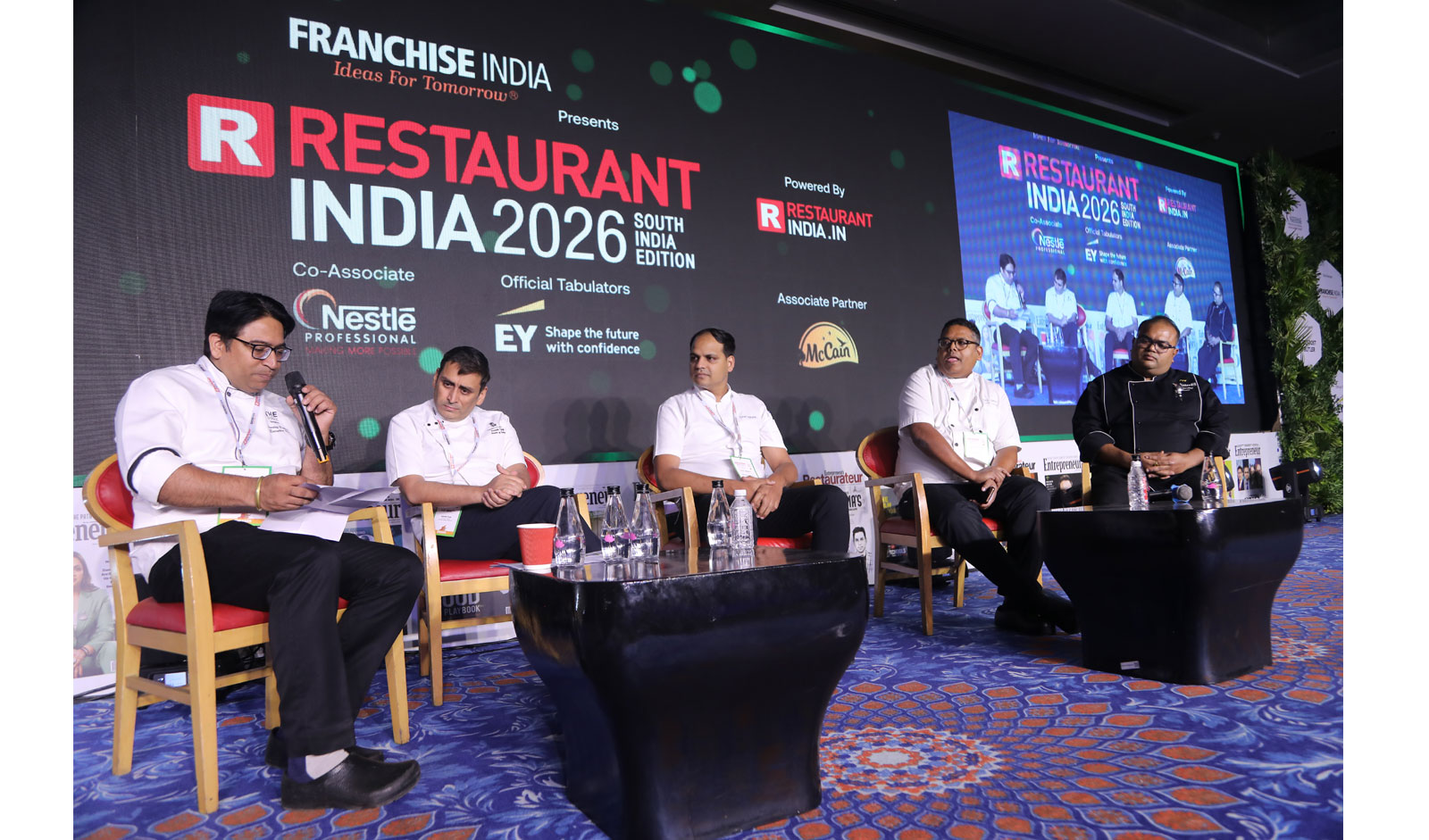
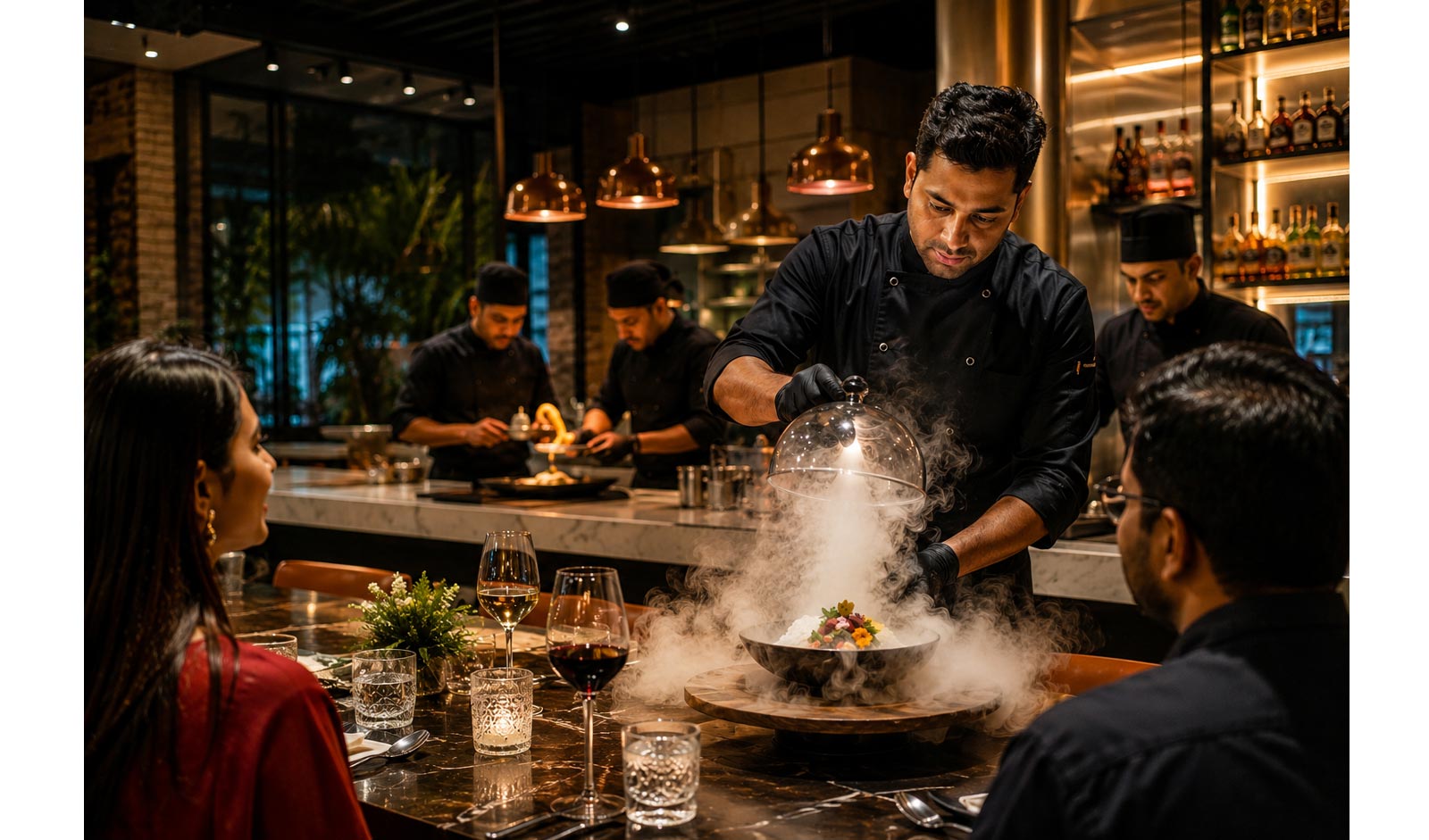
The modern kitchen is no longer just about fire, flavour, and finesse, it is rapidly becoming a space where technology, data, and human intuition intersect. As the culinary world evolves, chefs are not only mastering ingredients but also learning to navigate AI, robotics, and intelligent systems that are reshaping how food is prepared and experienced.
Where AI Meets the Art of Cooking
After nearly 18 years in the culinary industry, Chef Mohammed Eliyaz, Executive Chef, Conrad Bengaluru, reflects on the evolution of kitchen operations, from deeply manual, hands-on processes to today’s increasingly tech-driven environments. “We come from a classical way of working where we are constantly checking the team, the product, the quality, and the processes to ensure everything stays aligned in a hotel operation,” he shared.
Today, that approach is being transformed by AI. At Conrad Bengaluru, Chef Eliyaz has implemented an AI-enabled food waste management system across key production areas, including events and all-day dining. The result is access to real-time data, even at the end of a long day, offering precise insights into kitchen operations, trends, and inefficiencies.
“Gone are the days of only manual checks. Technology now helps us track patterns, whether it’s overproduction, fluctuations in demand like Sunday brunch trends, or even pinpointing specific incidents,” he added by mentioning that beyond monitoring, AI is also reducing time spent on administrative tasks, allowing chefs to focus on more strategic and creative aspects.
While automation and advanced machinery are steadily entering the kitchen ecosystem, he believed the essence of hospitality remains unchanged. “In F&B, the human element will always make the difference. The warmth and hospitality we bring is something technology can never replace.”
Rooted in Freshness
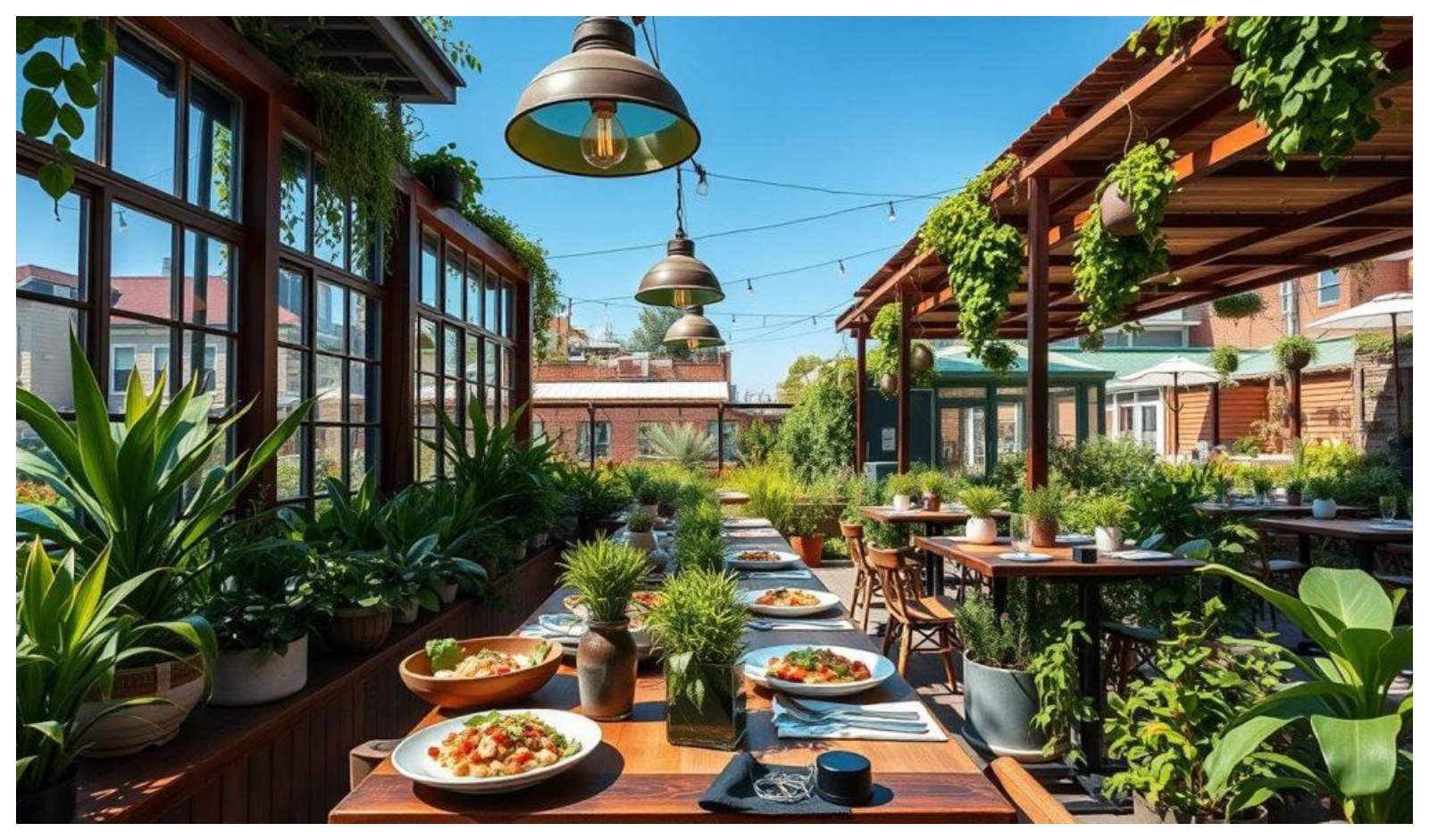
At JW Marriott Bengaluru Prestige Golfshire Resort & Spa, Chef Neeraj Rawoot, Director of Culinary is redefining luxury dining by bringing it closer to the source. “We’re fortunate to have space and with that comes the ability to grow,” he pointed, referring to the brand’s signature JW Garden concept, where herbs, vegetables, and fruits are cultivated within the property.
From a dedicated herb and vegetable garden to an expansive farm that recently yielded 10,000 kilos of potatoes, the focus is clear—fresh, local, and meaningful. These elements are thoughtfully woven into the guest journey, beginning with welcome drinks and extending into curated dining experiences.
Rather than centering menus around cuisine, the hotel champions ingredients and produce. Intimate, farm-led dining events often limited to 30–50 guests create immersive, story-driven experiences that consistently sell out.
Beyond in-house cultivation, the team actively collaborates with local farmers, sourcing fresh produce while giving them due recognition on menus. “It’s about creating a connection. Not just with the food, but with the people behind it,” he shared proudly as this approach not only strengthens sustainability but also builds a deeper narrative where guests can taste, experience, and take pride in.
The Rise of Hyperlocal Dining
Mayur Ramachandran, Executive Chef, Radisson Blu Bengaluru Outer Ring Road, believed the era of uniform hotel menus is fading fast. “With globalisation, menus began to look similar across the board. But today, diners are seeking something unique, something rooted,” he explained.
The shift is toward rediscovering indigenous ingredients and age-old culinary practices. Across the country, restaurants are moving beyond cuisine labels and instead focusing on hyperlocal produce, celebrating authenticity while presenting it with modern finesse.
“Guests are no longer excited by what was once standard. They want to explore, to rediscover,” he added as this has led to a growing pride in serving food that stays true to its origins, even when enhanced with contemporary techniques.
At the same time, global exposure continues to influence kitchens. Chefs are selectively adopting international methods and trends, blending them seamlessly with local flavours. “It’s about striking that balance and bringing together the hyperlocal and the global to create something truly distinctive,” commented Mayur.
Evolving Kitchens
Saurabh Tyagi, Director of Culinary, The Ritz-Carlton- Bangalore, highlighted a quiet but significant shift underway in professional kitchens, the move from traditional fuel sources to more efficient, future-ready alternatives. “We’ve always cooked in certain ways like using charcoal tandoors but the reality is we have to evolve with time,” he shared on the ongoing LPG crises.
Rising costs, safety considerations, and the need for greater control are pushing kitchens toward gas and increasingly, electric equipment. “Gas once felt economical, but going forward, electricity will dominate. It’s safer, more controllable, and clearly where the future is headed.”
Drawing from his experience at Etihad Airways in 2014, Chef Saurabh recalled working in a fully electrified kitchen—without LPG.
“Everything ran on electric hobs and hot plates, yet the food delivered exactly as expected. It’s not about limitation, it’s about adapting your technique.”
Even traditionally fire-dependent methods like tandoor cooking are evolving, with electric alternatives offering new possibilities. “You find ways to recreate flavours, it’s about changing how you cook, not what you cook.”
The path forward is clear, adaptability. As kitchens embrace new technologies and energy sources, the essence of cooking remains intact, driven by skill, innovation, and the willingness to evolve.
Nusra
Consultant Associate Editor
A seasoned journalist with more than a decade experience in restaurant and retail business. I eat, drink, breathe and sense food as a source of my living and lifestyle. A foodie by birth and a journalist by choice. I started my career with Hindustan Times doing hard news, moving into features and finally landing myself in a food coma. Love to talk, hear and publish all food stories that makes anyone happy and hearty for more than a decade now. Apart from food, I love reading fiction, helping others and finding joy in little things...