
Food on Train and Train Delays: What to Expect
Train delays are often unavoidable, but going hungry doesn't have to be part of the experience. Understanding how food services operate during disruptions empowers passengers to make smarter choices.

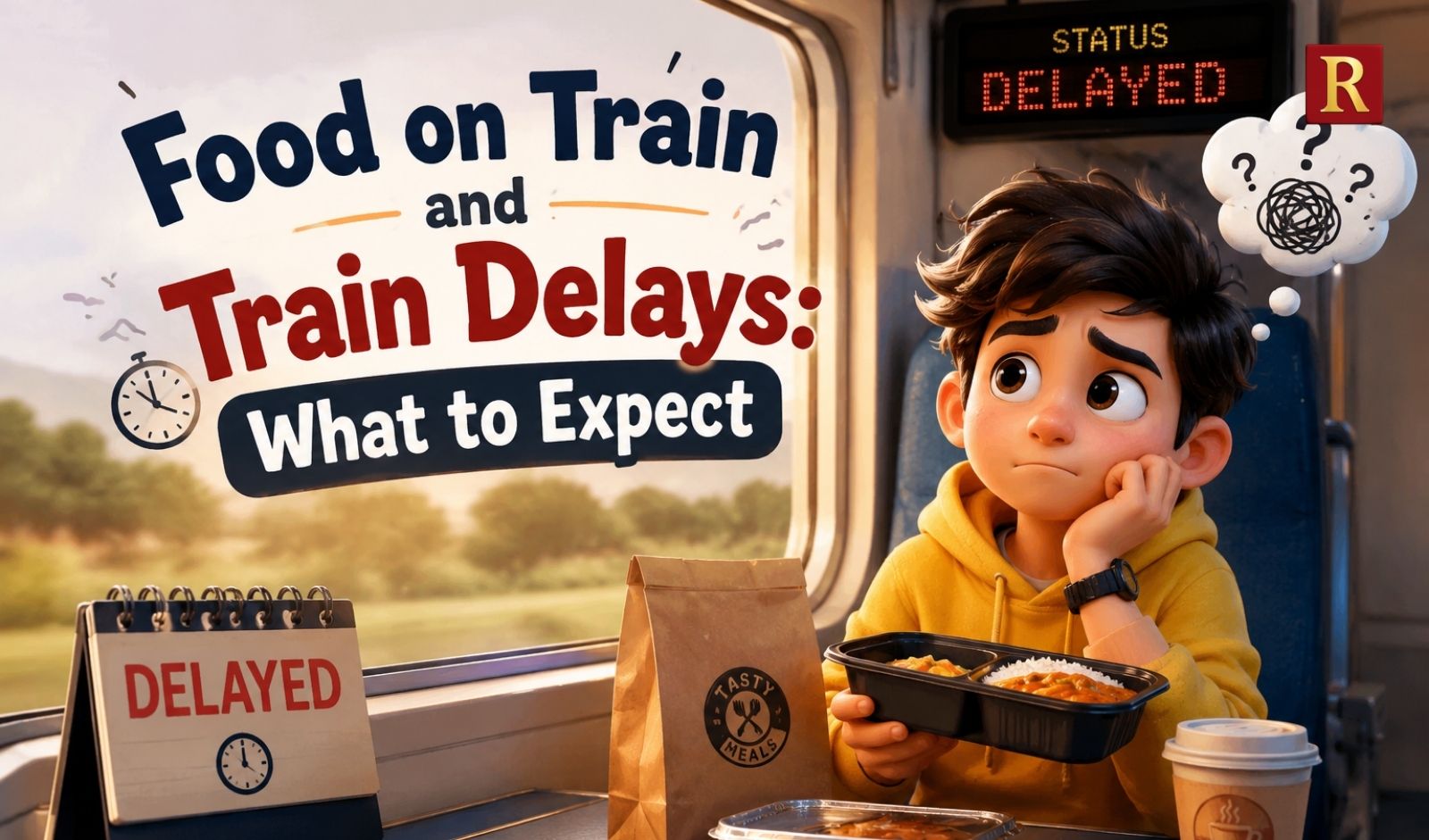
Train journeys are more than just travelling from one city to another. They are filled with conversations, scenic views, chai breaks, and memorable meals shared with family and friends. However, one thing that can quickly disrupt these experiences is a delayed train. Imagine travelling overnight with children or elderly parents, only to realise that your expected dinner time has passed because the train is running late. In such situations, knowing what to expect regarding food availability can make your journey much smoother.
With Indian Railways increasingly relying on technology-driven catering services, passengers today have more food choices than ever before. Understanding how these systems work during train delays can help you stay prepared and avoid unnecessary stress.
How Train Delays Affect Your Schedule
When a train gets delayed, it doesn't just impact arrival times. It can disrupt meal schedules, medication timings, sleep routines, and overall passenger comfort. Families travelling with young children often struggle when food becomes unavailable at expected times. Senior citizens may require timely meals due to health conditions. Business travellers who rely on fixed schedules may find themselves searching for alternatives. Long-distance routes are particularly challenging. A two-hour delay around lunchtime or dinner can leave passengers uncertain about where their next meal will come from. Being aware of available food options during such situations allows travellers to make informed decisions before hunger becomes a problem.
Food Options Available During Train Journeys
Passengers travelling by train generally have multiple ways to access food during their journey.
Pantry Car Services: Many long-distance trains are equipped with pantry cars that prepare and serve meals onboard. These typically include vegetarian and non-vegetarian dishes, snacks, tea, coffee, and packaged beverages. The biggest advantage of pantry services is convenience. Food comes directly to your seat. However, pantry cars may have limited menu options. During extended delays, certain items can run out faster than expected due to increased demand.
IRCTC E-Catering Services: E-catering has transformed the railway dining experience. Passengers can place food orders through the IRCTC e-catering platform using their PNR number. The system identifies stations along the route where meals can be delivered. Travellers can choose from various cuisines, including North Indian, South Indian, Chinese, regional delicacies, and quick-service meals from partner restaurants. This option has become increasingly popular because it provides greater variety and allows passengers to enjoy restaurant-style food during their journey.
Food Packed from Home: Many experienced travellers still prefer carrying homemade meals. Parathas, sandwiches, poha, idlis, fruits, and dry snacks remain reliable choices, especially for shorter journeys. Homemade food offers familiarity and greater control over ingredients. It is also useful as a backup during unexpected delays.
What Happens to Food Orders During Train Delays?
One of the most common concerns among passengers is whether their food order will still arrive if the train is running behind schedule.
The answer depends on the extent of the delay.
Minor Delays: If the train is delayed by less than an hour, food deliveries generally continue as planned. Since delivery partners track train movements, vendors often adjust preparation times accordingly. Passengers may experience slight delays in receiving meals, but orders are usually fulfilled successfully.
Moderate Delays: Delays ranging from two to four hours can complicate logistics. In such cases, vendors may revise delivery schedules based on updated train arrival estimates. Passengers may receive notifications regarding revised delivery timings. Flexibility becomes important during these situations.
Major Delays: Significant delays may affect food availability at the originally selected station. If operationally feasible, alternative arrangements may be explored. However, in some cases, cancellations may occur. This is why monitoring train status and keeping backup snacks is always advisable.
Food Delivery Platforms on Trains
Passengers today have access to more than just pantry car meals. Through railway food delivery partnerships and station-based services, several well-known brands are bringing greater convenience to train travel.
Zomato: Zomato's food-on-train service enables travellers to order from a wide range of restaurants across multiple railway stations. From biryanis to regional thalis, passengers can choose meals that suit their preferences and budgets.
Swiggy: Swiggy has expanded its presence into the railway ecosystem, offering food delivery services on select train routes and stations. This provides travellers with access to restaurant-quality meals even during long journeys.
Domino's Pizza: For those craving familiar comfort food, Domino's offers pizzas, garlic bread, and meal combos through authorised train food delivery channels at selected stations. It remains one of the most popular branded dining choices among train passengers.
How Technology Supports Food Delivery During Delays
Modern railway catering systems rely heavily on real-time information. When passengers enter their PNR details while ordering food, the system gains access to journey-related information. This helps determine suitable delivery stations. In many ways, train food delivery functions similarly to urban food delivery platforms, except that the customer is moving across states. As digital infrastructure improves, passengers can expect better coordination and more accurate delivery experiences.
Several elements work together behind the scenes:
- Live train tracking,
- Estimated arrival calculations,
- Vendor preparation schedules,
- Delivery staff coordination,
- Passenger verification through PNR data.
Challenges Passengers May Face
Although railway food services have improved considerably, certain challenges still exist.
- Limited Connectivity: Internet connectivity can fluctuate, particularly in remote areas.
- Short Station Stops: Some trains halt for only a few minutes.
- Increased Demand During Delays: When trains run late, more passengers may decide to order food simultaneously.
Food Safety Should Remain a Priority
Regardless of where the meal comes from, food safety should never be overlooked. Passengers should inspect packaging before consuming meals. Proper sealing and hygienic presentation are important indicators. Avoid accepting food from unauthorised individuals claiming to deliver orders. Retaining receipts or order confirmations can also be helpful if concerns arise later. Simple precautions contribute significantly to a safer travel experience.
Tips for Travellers
Seasoned train travellers often follow a few habits that make delays easier to manage.
Carry Emergency Snacks: Dry fruits, biscuits, protein bars, roasted snacks, and packaged juices can provide immediate relief during unexpected situations.
Keep Water Available: Hydration becomes especially important during summer travel. Always carry sufficient drinking water, even if additional supplies can be purchased later.
Place Orders Early: Ordering meals well before reaching the selected station provides vendors with adequate preparation time. It also reduces last-minute stress.
Monitor Train Status Regularly: Checking train updates helps passengers anticipate revised meal timings. Awareness allows for better planning.
Consider the Needs of Fellow Travellers: Families travelling with children or elderly members should be extra cautious. Having additional snacks and familiar food items can provide comfort during prolonged delays.
Looking Ahead!
Passenger expectations continue to evolve. Travellers today seek convenience, quality, variety, and timely communication. The future of railway catering may include more accurate delay prediction systems, stronger partnerships with local food brands, improved digital notifications, and enhanced vendor management. As technology advances, food delivery during train journeys is likely to become increasingly efficient and personalised.
However, preparedness will always remain valuable. Train delays are often unavoidable, but going hungry doesn't have to be part of the experience. Understanding how food services operate during disruptions empowers passengers to make smarter choices. Whether you prefer pantry meals, restaurant deliveries through e-catering platforms, or food packed from home, having a plan can significantly improve your journey. The next time you board a train, think beyond tickets and luggage. Consider your meal strategy as well. Because a comfortable journey isn't just about reaching your destination on time. It's also about ensuring that even when plans change, you remain well-fed, informed, and ready to enjoy the ride.
Saptopriya Ghosal
Feature Writer
I am a dedicated media professional with a bachelor's degree in mass communication from the State University of Calcutta and a postgraduate degree from Amity University. My academic journey has equipped me with a profound understanding of storytelling and communication. Passionate about the dynamic world of media, I continually strive to explore new ways to engage and inform through compelling narratives.



































































































































































