
Focused Flavors: How Single-Cuisine Restaurants are Redefining Dining Scenes
Single-cuisine concepts can contribute approximately 50 to 65% of dine-in revenue in metro portfolios where specialists dominate new openings.

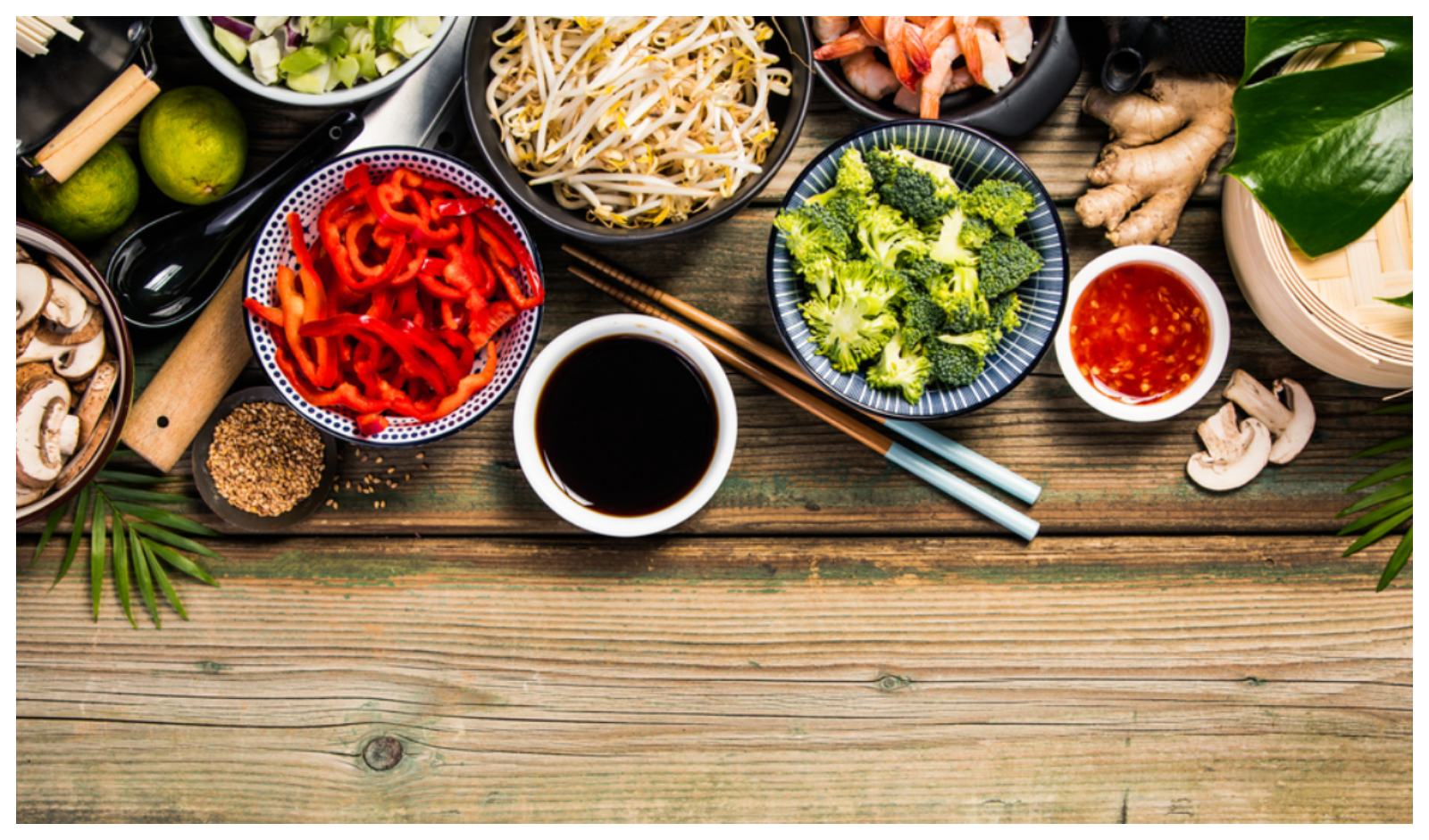
As we continue to navigate the evolving landscape of the foodservice industry, it is clear that consumer demands are becoming more dynamic and nuanced. Young Indian diners and families prefer specialty restaurants that focus on doing one thing really well. People want authenticity, storytelling, and the feeling of being transported somewhere new.
It’s a Trend
Customers are increasingly willing to invest in unique, high-quality dining experiences, with a strong preference for exclusivity whether it’s around a specific dish or regional specialty.
Pointing his views, Bhupender Nath, Founder and Managing Director of Passion F&B, India & Dubai said, “The demand for exclusivity, combined with a willingness to pay a premium, aligns perfectly with our long-term strategic vision of positioning ourselves as a destination for innovative, world-class dining.”
Commenting on the same, Abhisheik Bindal, COO, Aditya Birla New Age Hospitality explained, “Discovery platforms also favour this clarity, as a clear identity like being "the sushi place" or "the regional Thai spot" that improves visibility and customer conversion. This trend is clearly visible even within our establishments like Supa San for Japanese cuisine, Waarsa for authentic Awadhi food, Hakkasan and Yauatcha for their distinct Cantonese cuisine, Nara Thai for its Thai dishes and CinCin for Italian cuisine.”
Similarly, for The Coconut Boy, the brand focuses on Goan cuisine in Bandra, offering, lunch thalis and choris pav & feni cocktails, everything is designed to capture the soul of Goa.
Creating Unique Experiences
Every brand is trying to give immersive and unique dining experiences to their customers. Two distinct diner segments are emerging i.e. Experiential Dining and Conscious Dining.
Adding his perspective, Nath said, “The former segment is all about creating immersive, theatrical experiences that go beyond just food as they are about creating memories. The latter, on the other hand, focuses on authenticity, sustainability, and the farm-to-fork movement, with diners increasingly gravitating toward meals that are rooted in transparency and sustainability.”
How they Stand Out
The strength lies in curated menus and immersive experiences. Sourcing true regional ingredients and use provenance-led storytelling is important to connect with the guests.
Commenting on this, Bindal said, “We focus on tighter menus, introduce "hero dishes," and adopt a "seasonal drop" approach to ensure exceptional quality and consistency. Our beverage offerings, including low- and no-alcohol pairings, tea programmes and craft cocktails, that are carefully designed to complement the specific cuisine.”
Restaurants also use data from weekly sales analysis to introduce day-part bundles and curate better guest experiences. Also, implementing sustainable practices like using whole ingredients and centralizing prep for stocks and sauces to minimize waste really helps.
“The challenge is keeping things fresh while staying true to tradition. At The Coconut Boy, we do this through seasonal specials, cultural tie-ins like the Bandra Fair, and community-driven events,” shared Hitesh Keswani, Managing Director, Aspect Hospitality. Multi-course tasting menus are quickly becoming a popular choice. These menus not only showcase the chef’s culinary skill but also allow for deeper storytelling through food and presentation.
“Reinterpreting traditional dishes with modern twists offers a chance to surprise and delight our guests while maintaining a sense of cultural reverence,” commented Nath who further added that culinary storytelling adds depth to each dish, creating an emotional connection with our patrons, which we believe is crucial in this highly competitive market.
Challenges Involved
While single-cuisine restaurants offer many advantages, they also present specific challenges. Maintaining consistency in experiential and high-concept offerings is paramount.
“These dishes require precision, and balancing creativity with consistency. Additionally, as we focus on delivering exceptional experiences, we face higher CapEx and Opex per cover, which is inherently tied to premium pricing. As such, we must be mindful of how we manage these costs while continuing to offer value to our customers,” noted Nath who stressed that a larger marketing budget will also be necessary to ensure discoverability and to effectively position the brand in a crowded marketplace.
Elaborating this, Bindal said, “Sourcing specialized ingredients, such as spices for Waarsa from Lucknow or white truffles from Italy, can be a challenge. We address this by locking in supplier agreements and building domestic alternatives. We overcome this with strong neighbourhood branding, CRM-driven loyalty programmes, and quarterly menu updates to keep the offerings fresh and engaging. We strategically use platforms to offer dine-in incentives and specialized lunch menus to attract customers and increase awareness.”
Boosting Margins
Single-cuisine concepts can contribute approximately 50 to 65% of dine-in revenue in metro portfolios where specialists dominate new openings. Bindal pointed, “Focused menus and tighter labour often translate to 2–4 points better kitchen margin versus broad multi-cuisine peers, assuming disciplined engineering. Delivery Specialists can drive 20 to 35% revenue from off-premise in the right catchments with travel-worthy items.”
While Keswani said that in metro cities, focused concepts like ours can contribute nearly 25–30% of standalone dining revenues, thanks to loyal repeat guests and strong word-of-mouth.
What Lies Ahead
India’s organized foodservice market represents a multi-billion-dollar opportunity with a steady growth rate of 8-10% CAGR. “This growth creates significant room for premium; single-cuisine concepts to capture a substantial share of the high-ticket dining spend. We are excited about the opportunities that lie ahead and are committed to staying ahead of these trends while ensuring our offerings meet the ever-evolving expectations of our discerning customers,” highlighted Nath.
The future of dining will be on experience-led and authenticity-driven. It will be more focused on polarization, tech driven and own retail lines. Ultimately, specialists will continue to win in the market because focus leads to a compound advantage in quality, storytelling and operations.
Vijetha Iyer
Content Editor
Working as a Content Editor with Restaurant India. I have worked in various sectors like food and beverage sector, chemicals, pharma, nutraceuticals, now specially focusing on restaurant side. But my core knowledge was always on content. Be it writing poems to verses, I always loved writing and have been exploring my career on the same. In Restaurant India, I deliver insightful stories, take interviews of various brands and update the audiences about the newest happenings in the restaurant industry.









































