
Fine Dining Goes Local
Market data also backs the trend, with foodservice market touching USD 77.5 billion in 2024, and as diners become more experiential, close to three-fourths of industry experts expect a surge in immersive, multi-course Indian tasting menus, as per a report by Godrej Food Trends Report 2025.

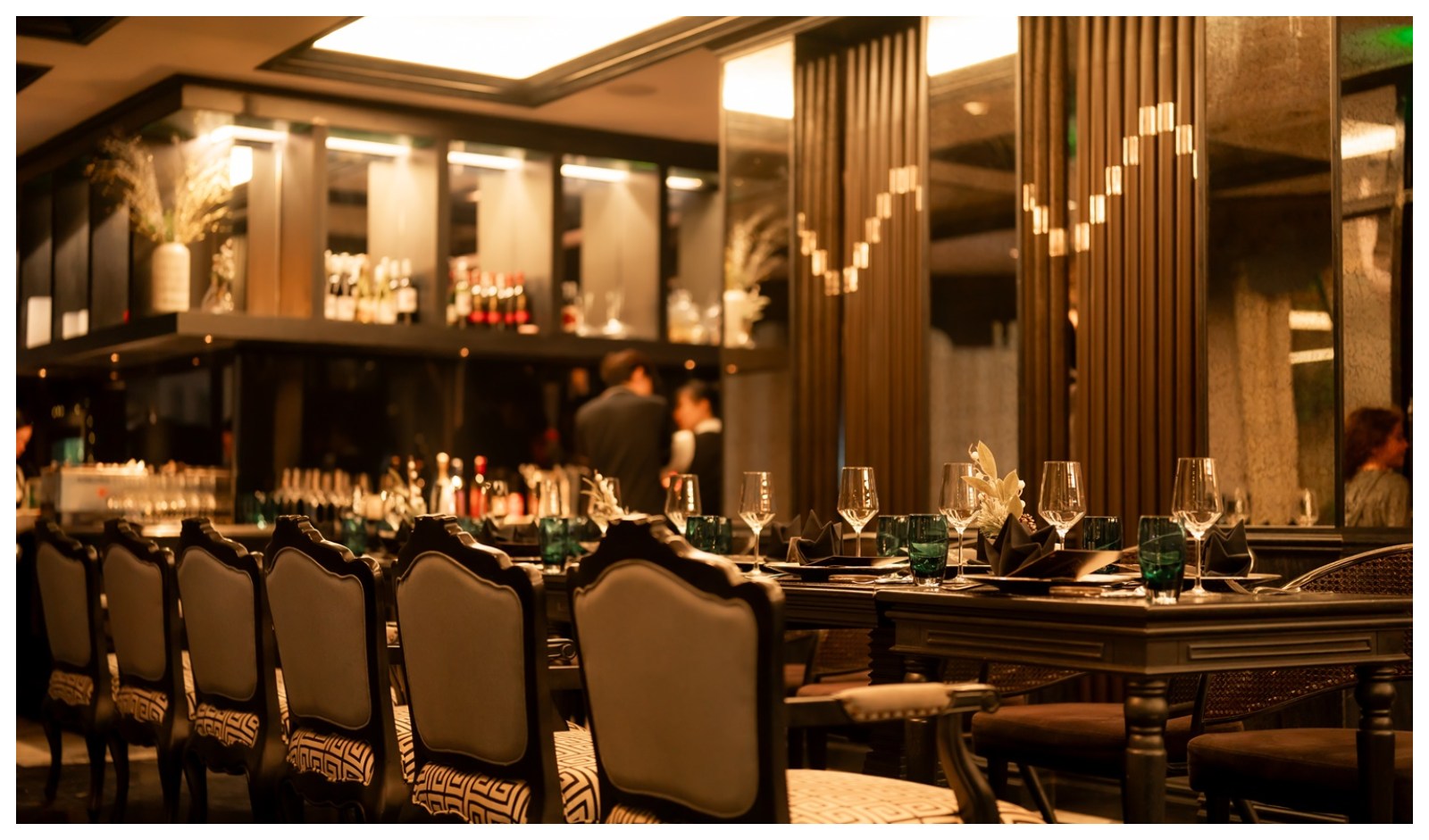
Fine dining in India is changing. For years, upscale restaurants leaned heavily on global flavours or familiar North Indian classics. But now, chefs across the country are turning inwards, exploring the depth of Indian regional cuisines and bringing hyper-local flavours into refined, modern formats. From Mangalorean seafood and Chettinad pepper to Northeastern spices and Kodava-style meats, deeply rooted dishes are finding a new home on tasting menus.
Market data also backs the trend, with foodservice market touching USD 77.5 billion in 2024, and as diners become more experiential, close to three-fourths of industry experts expect a surge in immersive, multi-course Indian tasting menus, as per a report by Godrej Food Trends Report 2025.
This shift is coming from chefs who want to restore depth, integrity, and storytelling to Indian cuisine.
“Earlier, Indian food meant biryani and butter chicken. Now people want authenticity,” said Chef Rohit Yadav, Executive Chef at Madras Kitchen (UB City) who believed that this change has been long overdue. “North Indian food was mostly popular. But slowly, things have shifted towards regional foods. In Delhi, for instance, a lot of areas are now serving Northeastern food, South Indian food, and Coastal Food.”
He also added that cuisines have remained closer to their roots because they were never over-commercialized.
“I feel these cuisines are not as diluted as North Indian food. Once a cuisine becomes famous, somewhere the authenticity gets lost. But with coastal food and South Indian food, because they are not as widely replicated, they have retained their authenticity in terms of flavours and ingredients,” he explained.
Now, fine-dining restaurants and high-end spaces are redefining these regional cuisines, not through fusion, but through “contextual elevation,”.
Elevated Classics
“These days, a lot of restaurants are doing fusion food. But what we wanted to do was keep the flavours absolutely authentic. All the dishes we make are authentic, but we have tried to elevate how they are served. We are not doing fusion, we call it modern Indian,” explained Chef Rohit.
This balance is shaping many new Indian tasting menus, from Mumbai to Chennai to Bengaluru.
Anupam Dasgupta, Senior Vice President – Operations (North) at The Leela Hotels, said the turn toward regionality is both strong and intentional.
“Across our hotels, we are witnessing a clear shift; discerning diners are gravitating towards flavours that feel rooted, intimate, and deeply reflective of place,” he said.
He explained that hyper-regionality isn’t new for The Leela; it’s part of their culinary philosophy. “From our signature restaurants to our wellness-driven offerings, we have always celebrated India’s richness through a modern, elevated lens,” he said.
The challenge, he said, lies in preserving meaning while refining presentation. “We do not seek to reinvent classics, but to reveal their inherent sophistication,” he added.
As diners embrace regional stories and provenance, he believes hyper-regional food will shape the next chapter of luxury dining.
“In the coming few years, I see a lot of Hyderabadi and Telangana food coming up… Regional cuisines from Karnataka and Kerala, including Calicut, Madurai, have incredible food people don’t know about,” said Chef Rohit.
He believes Indian diners themselves have barely explored India’s full culinary map, and that makes the next decade exciting. “In the next four to ten years, I see South Indian food coming out in a very strong way… The future is definitely South Indian food,” he said.
Saumyangi Yadav
Senior Correspondent
Saumyangi is a Senior Reporter with over three years of experience in journalism and a strong passion for writing and storytelling. She covers D2C and consumer brands for Entrepreneur India and contributes to Restaurant India, where she writes about restaurants, cafés, and whatever is new and exciting in the F&B world. She has previously covered education, social, and civic issues, and continues to enjoy exploring new stories in Bengaluru and beyond.









































