Festival Food Safety: 10 Things to Check Before Buying Sweets This Festive Season
Choosing mithai is not only about its colour, price or the popularity of the shop. Before buying, take a moment to check how the sweets are stored, whether they look fresh, and how staff handle them.

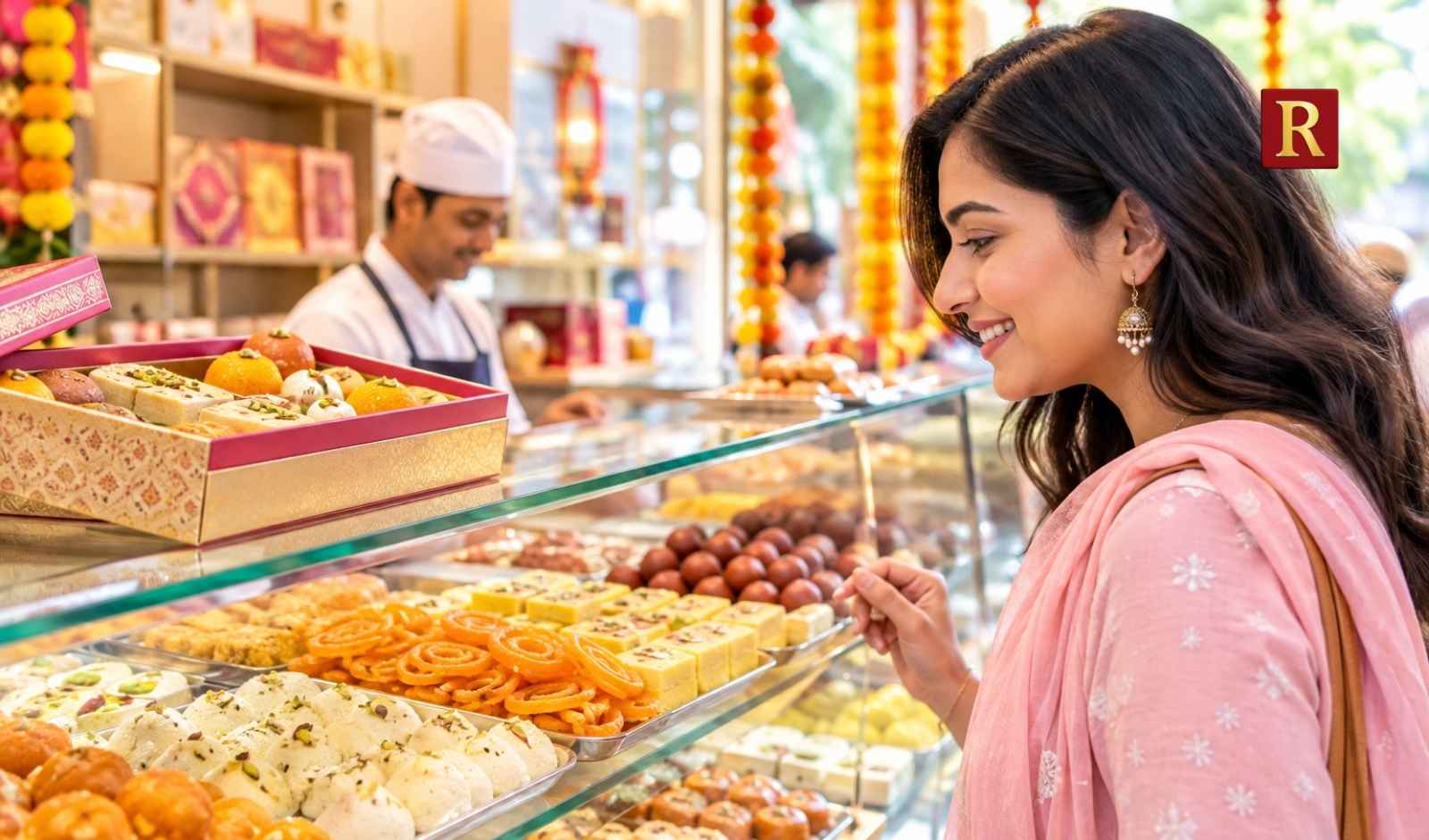
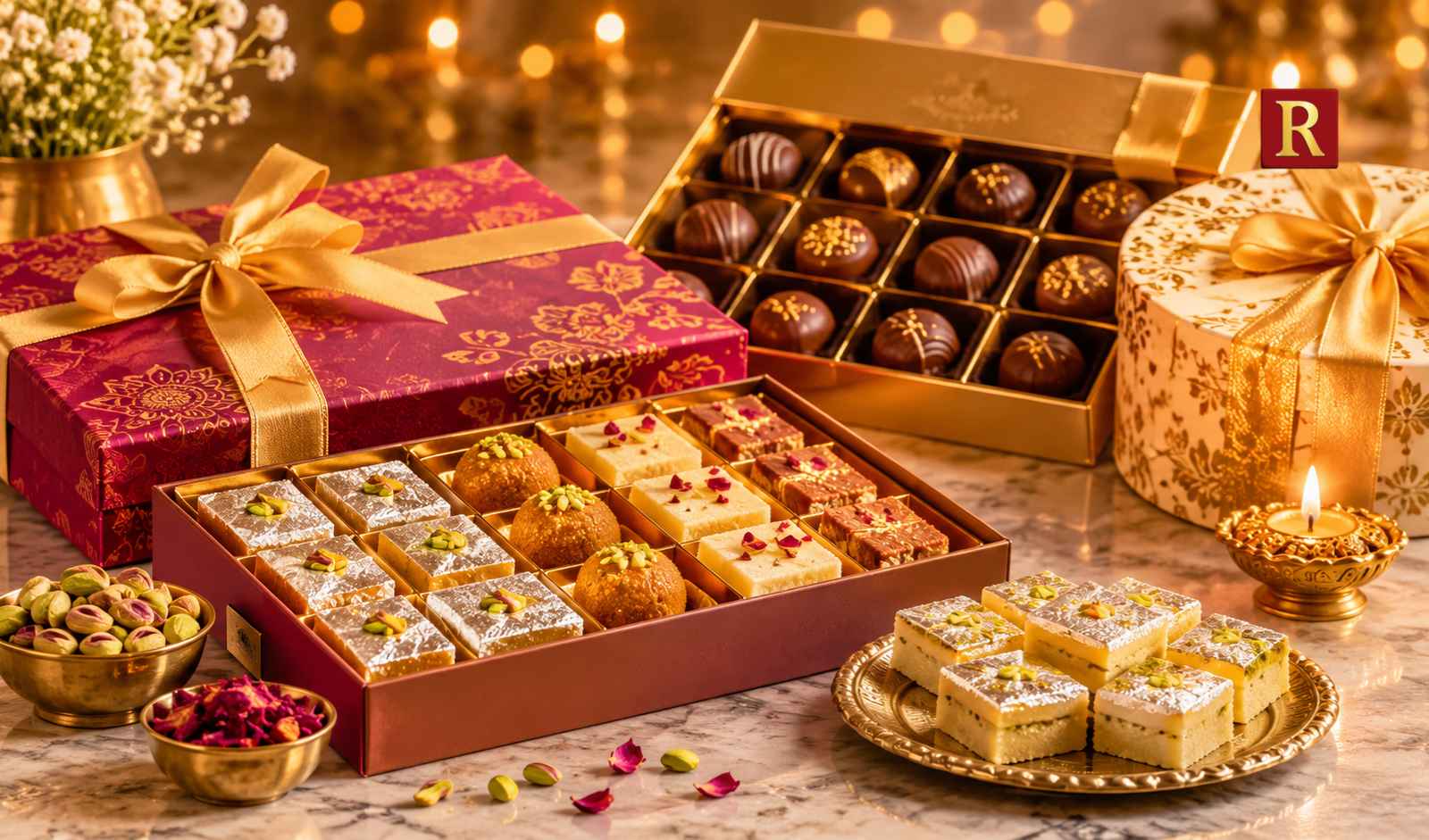
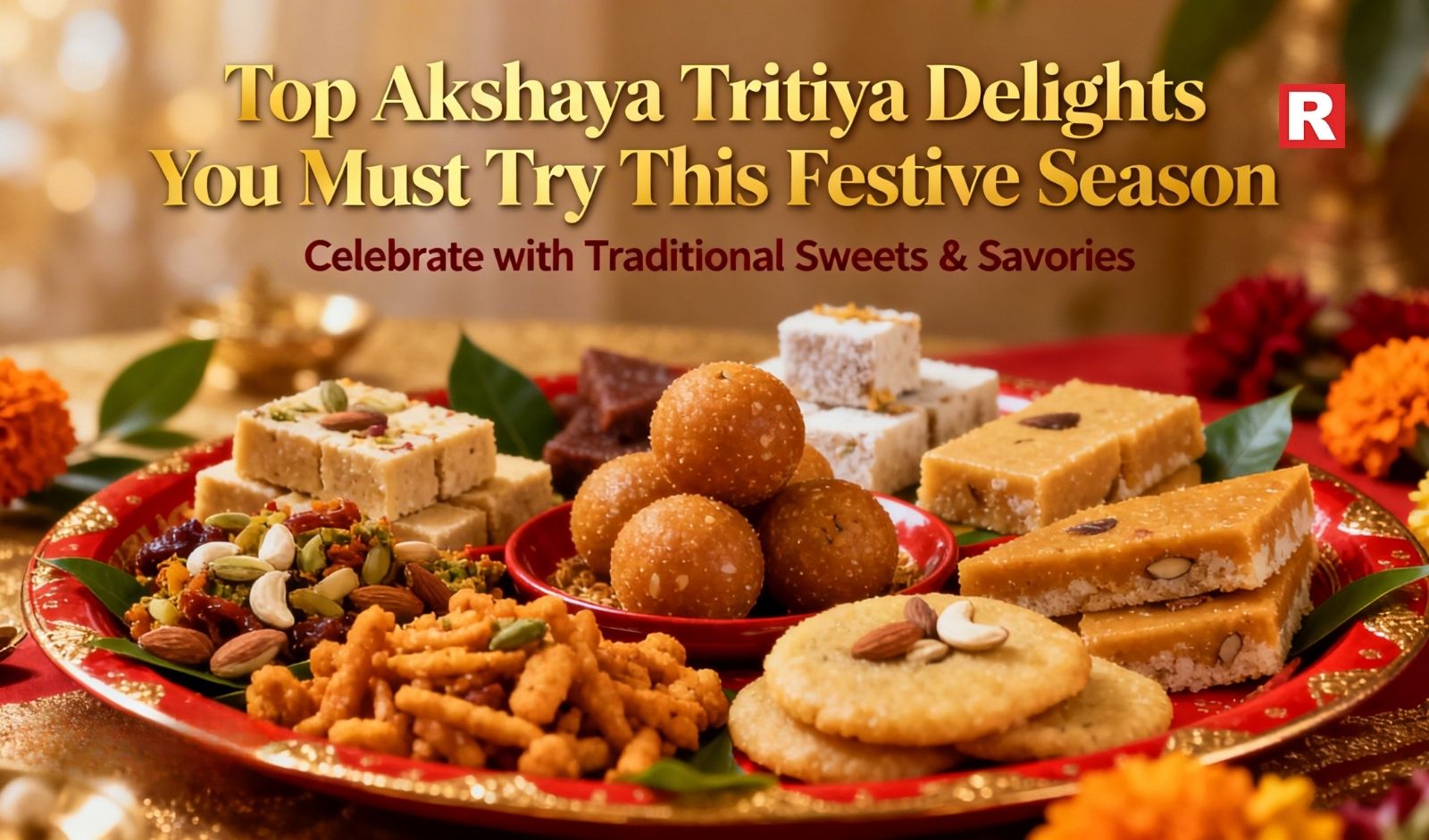
Buying sweets during the festive season is often a quick decision. A colourful display, a familiar shop and a long queue can be enough to make a purchase. But food safety depends on more than how attractive a sweet looks. Freshness, storage, handling, ingredients, packaging and hygiene all matter. This is especially important for milk-based sweets. FSSAI notes that traditional milk-based sweets can have a shelf life of only 1–4 days and are more prone to microbial growth. So, before picking up that box of barfi, peda, rasmalai or laddoo, there are a few simple checks worth making.
10 Things to Check Before Buying Sweets This Festive Season
1. Look at How the Sweets Are Stored
Start with the display counter, not the sweet itself. Are the sweets protected from dust and insects? Are trays covered where needed? Does the counter look clean? Are products kept in an orderly way? Temperature also matters. Some sweets need refrigeration because of their ingredients and moisture content. FSSAI's hygiene checklist includes adequate facilities for cooling and refrigeration, as well as storage according to the food's temperature requirements. A premium-looking shop does not automatically mean better food handling. The storage area can tell you much more.
2. Ask How Fresh the Sweet Is
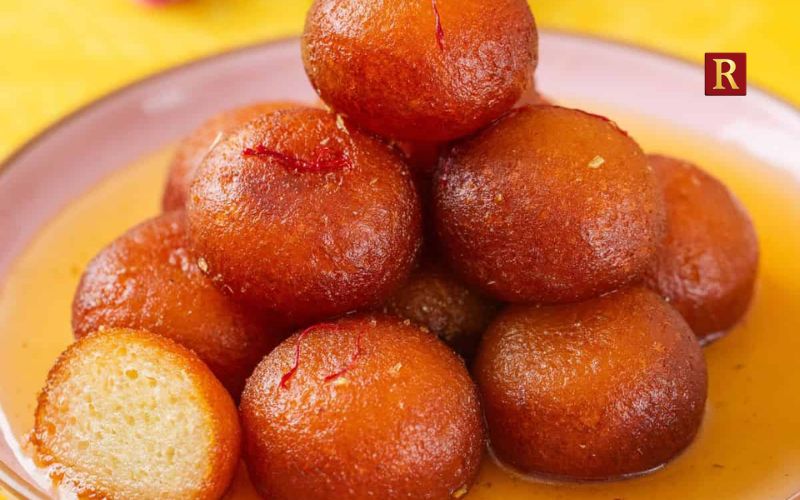
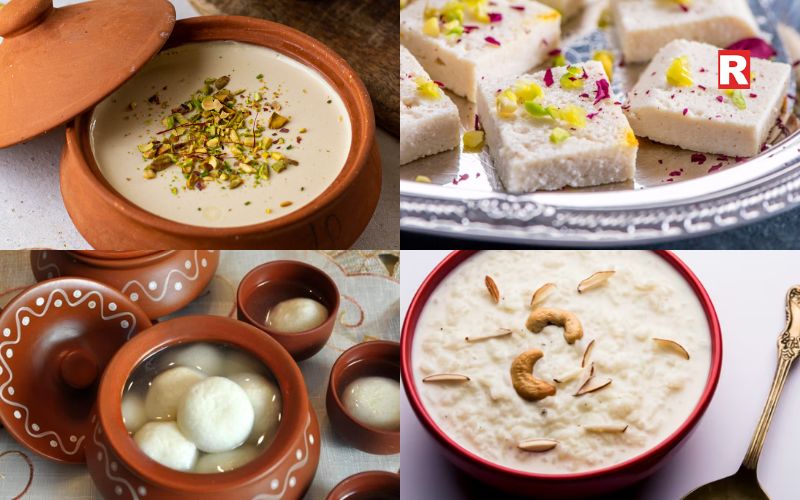
Not all mithai has the same shelf life. Milk-based products such as peda, barfi, milk cake, rasmalai and some types of gulab jamun need more attention because of their ingredients and moisture. FSSAI's guidance says traditional milk-based sweets generally have a shorter shelf life, with some products lasting only 1–4 days. If you are buying a large quantity, ask the seller how soon it should be consumed. This is particularly useful when buying sweets for gifting. A box that will be delivered two days later needs different consideration from one that will be eaten the same evening.
3. Do Not Judge Safety by Colour Alone
Brightly coloured sweets often stand out in a festive display. But colour by itself cannot prove that a sweet is adulterated. The more useful question is whether the shop follows proper food-safety practices and uses permitted ingredients. FSSAI's sweet-shop hygiene requirements specifically cover the use of permitted colours and flavours. An unusually intense colour can be a reason to ask questions, but it should not be treated as laboratory evidence. The same rule applies to appearance in general. A shiny or perfectly shaped sweet is not automatically safer than a plain-looking one.
4. Pay Extra Attention to Khoya and Mawa Sweets
Khoya and mawa are important ingredients in many Indian sweets. They are used in products such as peda, barfi, milk cake and several types of laddoo. FSSAI has repeatedly included khoya, paneer, ghee, milk and sweets in festive-season surveillance. In a 2024 direction, the food regulator asked states and Union Territories to conduct special surveillance and enforcement drives because demand for these products rises during the festive season. That does not mean every khoya sweet is unsafe. Instead, buyers should pay closer attention to freshness, storage and the reputation of the seller.
5. Look Carefully at Silver Leaf and Decorations
Varak is a familiar part of Indian mithai. It gives sweets their distinctive festive appearance. However, consumers should avoid making food-safety decisions based only on viral videos or home “tests”. A visual inspection cannot establish the composition of a decorative ingredient with certainty. The better approach is to buy from an established food business and look for proper food-safety information where applicable. The same principle applies to other decorative ingredients. Attractive presentation should add to the experience, not replace basic food-safety checks.
6. Check the Box Before Buying
Packaged sweets give consumers more information to work with. Check the product name, ingredient information, date details, storage instructions and other required information on the package. FSSAI's guidance for pre-packaged milk products says ingredient information and relevant date information should be provided as prescribed under food-labelling requirements. For loose sweets, FSSAI's guidance also specifies information that should be displayed at the outlet. A premium box is not a guarantee of quality. Read what is actually written on it.
7. Watch How Staff Handle the Sweets
Sometimes the most useful food-safety clue is not inside the box. It is behind the counter. Watch how employees pick up sweets and prepare boxes. Are clean utensils or tongs being used? Are the trays protected? Does the handling area appear clean? FSSAI's hygiene framework considers personnel hygiene, food-contact equipment, storage and safe handling practices as part of food-business hygiene. A busy shop can still maintain good hygiene. The issue is not how crowded the shop is. It is how well the food is being handled.
8. Do Not Let a Huge Discount Make the Decision
Festival offers can be attractive, especially when buying several kilograms of sweets. But price alone cannot tell you whether a product is safe or unsafe. If a product is heavily discounted, ask about its shelf life and storage requirements. Check whether the packaging is intact and whether the product has been stored properly. Cheap does not automatically mean adulterated. Expensive does not automatically mean safe. The smarter approach is to use price as one piece of information, not the deciding factor.
9. Know How to Store the Sweets at Home
Food safety does not end when the payment is made. Ask the seller how the sweets should be stored and how quickly they should be consumed. This matters particularly for milk-based and high-moisture sweets. Do not leave perishable sweets sitting for long periods in a warm car or at room temperature when refrigeration is required. If you are carrying sweets to another city or sending them as a gift, consider the travel time as well. A product with a short shelf life needs more careful planning than a dry sweet.
10. Look at the Shop's Overall Hygiene
Before buying, take 30 seconds to look around. Is the shop reasonably clean? Are food areas protected from dust and pests? Are raw materials stored properly? Is there enough space for safe handling? Are employees maintaining basic hygiene? FSSAI's Hygiene Rating Scheme covers sweet shops and assesses food-hygiene conditions found during inspection. The scheme uses a 1-to-5-star scale, with 5 stars representing excellent hygiene and 1 star indicating urgent improvement. If a shop displays an official hygiene rating, it can provide another useful signal. It should still be considered alongside what you observe on the day.
A 30-Second Mithai Check
Before paying, remember five simple words:
- Look. Ask. Check. Observe. Store.
- Look at the display and storage.
- Ask about freshness and shelf life.
- Check the packaging and product information.
- Observe how staff handle the sweets.
- Store the product correctly after bringing it home.
These checks cannot prove that a food is completely free from adulteration. Consumers cannot reliably identify every food-safety problem just by looking at a sweet. If you genuinely suspect adulteration or another food-safety issue, FSSAI's Food Safety Connect system allows consumers to submit complaints about food premises and packaged food. FSSAI also states that consumers can have products tested through notified laboratories.
The Bottom Line
Festive sweets are meant to be shared, gifted and enjoyed, but food safety should be part of that experience too. Choosing mithai is not only about its colour, price or the popularity of the shop. Before buying, take a moment to check how the sweets are stored, whether they look fresh, and how staff handle them. For milk-based sweets, ask about preparation and shelf life, especially if you are buying larger quantities. Check the packaging and any information provided before taking the box home. At the counter, look for clean display areas, proper handling and suitable storage conditions. These checks take only a few seconds but can help you make a more informed and safer choice during the festive season.
Saptopriya Ghosal
Feature Writer
I am a dedicated media professional with a bachelor's degree in mass communication from the State University of Calcutta and a postgraduate degree from Amity University. My academic journey has equipped me with a profound understanding of storytelling and communication. Passionate about the dynamic world of media, I continually strive to explore new ways to engage and inform through compelling narratives.