
Fermented Foods Making a Comeback in Modern Indian Kitchens
The modern Indian kitchen is not creating fermentation anew. It is approaching it with clearer knowledge and sharper intent. What was once routine is now deliberate.

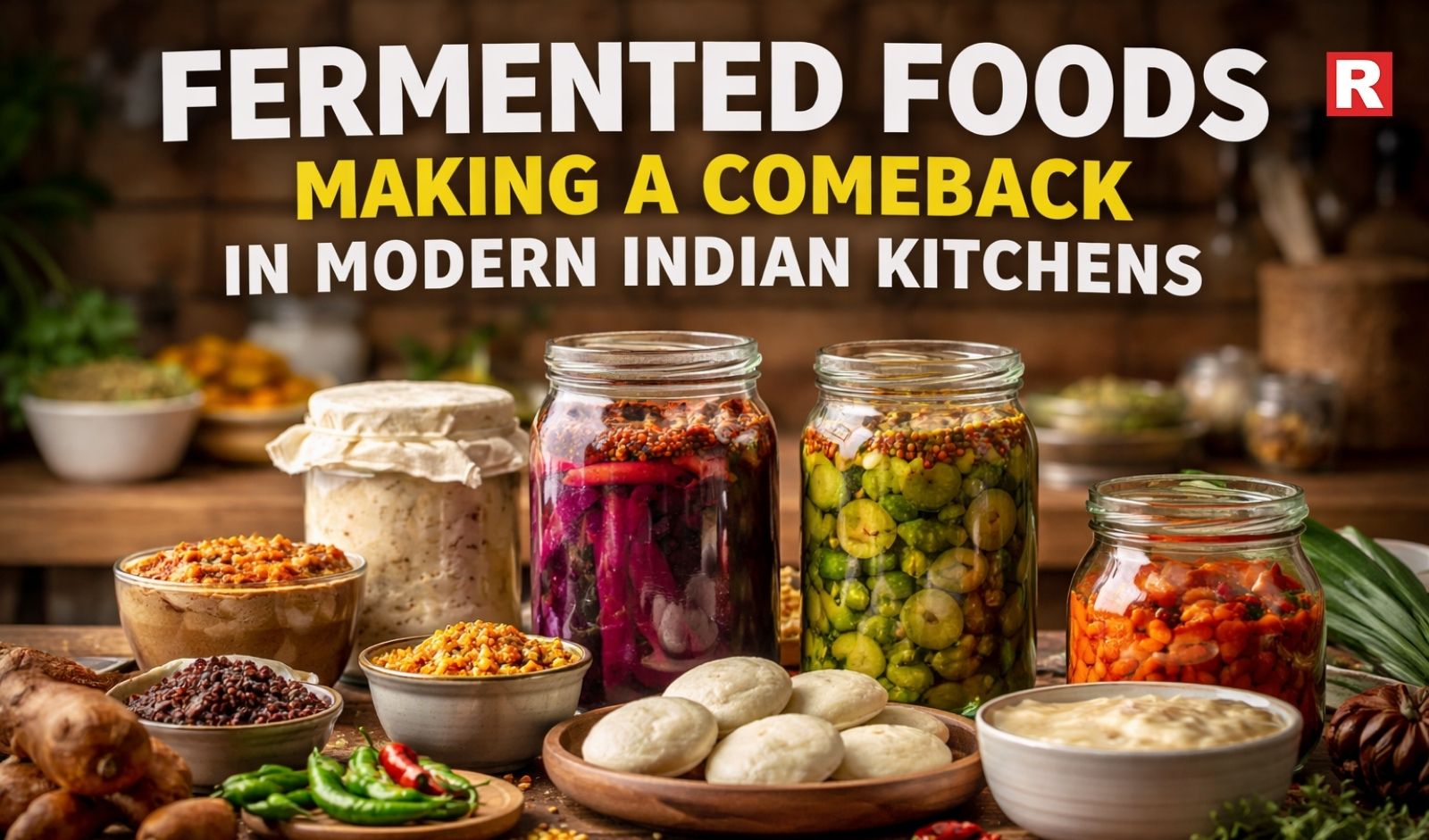
Fermentation has never been new to India. It shaped daily cooking, storage, and preservation for generations. From soaking grains for idli batter to curing vegetables in salt, households relied on natural microbial activity long before refrigeration. What has changed is the level of awareness. Urban kitchens are now revisiting these methods with scientific understanding. Young professionals are reading about gut health and the role of lactic acid bacteria in supporting digestion. Restaurants are developing in-house ferments to add depth, acidity, and complexity to menus. Wellness brands are launching small-batch kombucha, raw pickles, and probiotic drinks with a focus on live cultures and clean labels. Home cooks are measuring salt percentages, monitoring temperature, and using glass jars to create safe anaerobic environments.
Fermentation is being treated as both craft and science. It improves bioavailability of nutrients. It enhances flavour naturally. It extends shelf life without synthetic preservatives. India did not abandon fermentation. It simply modernised around it. Now, with stronger knowledge and consumer intent, fermentation is visible again, valued not just for taste but for measurable health and culinary benefits.
India Has Always Fermented
Long before refrigeration, fermentation was a survival skill. It helped preserve food. It improved taste. It made grains and lentils easier to digest. Take idli and dosa batter. The soft texture of idlis comes from natural wild fermentation. Rice and urad dal soak, grind, and rest. Naturally present bacteria and yeast begin to work. They break down starches. They produce lactic acid. The batter rises. It becomes lighter and more digestible.
In Gujarat, dhokla depends on fermentation to achieve its airy texture. In North India, winter kanji made with black carrots and mustard seeds ferments naturally over a few days, turning slightly sour and rich in beneficial bacteria. In the Himalayan belt, gundruk and sinki preserve leafy greens through fermentation. Across tribal regions, rice-based fermented beverages reflect deep-rooted food science knowledge. Even traditional pickles were once naturally fermented with salt and time before vinegar became common in commercial versions. Fermentation was not fashionable. It was practical. It was local. It was scientific without being labeled as science.
What Fermentation Actually Means
Fermentation is a natural metabolic process. Microorganisms such as bacteria and yeast convert carbohydrates into acids, gases, or alcohol. This usually happens in low-oxygen conditions.
There are different types of fermentation that matter in Indian kitchens:
Lacto-fermentation produces lactic acid. This method is common in curd, kanji, and traditional pickles. Lactic acid bacteria create an acidic environment that prevents harmful microbes from growing.
Alcoholic fermentation uses yeast to convert sugars into alcohol. Traditional rice beers and toddy follow this method.
Acetic fermentation produces vinegar when alcohol is converted into acetic acid by bacteria.
From a nutritional perspective, fermentation does more than preserve food. It breaks down anti-nutrients like phytates found in grains and legumes. This improves mineral absorption. It enhances B-vitamin levels in some foods. It reduces lactose in fermented dairy, making it easier to digest for some people.
Most importantly, certain fermented foods contain live beneficial bacteria. These support gut microbiota diversity. A diverse gut microbiome is linked to better digestion and immune health.
However, not every fermented food is probiotic. If a product is pasteurized after fermentation, the live cultures may no longer be active. This distinction matters.
Read more: What is Kimchi? Top Veg Kimchi You Can Try at Home
12 Delicious High-Protein Foods to Eat Daily for a Healthier You
Why Fermented Foods Are Trending Again
The renewed interest in fermented foods is not random. It is driven by clear shifts in consumer behavior.
First, gut health awareness has grown sharply. Many urban consumers now understand the link between digestion and overall well-being. The pandemic increased focus on immunity. Functional foods gained attention.
Second, clean-label preferences are rising. People are reading ingredient lists. They prefer natural preservation over artificial additives. Fermentation fits this demand.
Third, restaurant innovation is pushing boundaries. Chefs in Mumbai, Delhi, and Bengaluru are experimenting with fermented chilli pastes, house-made kombucha, koji-infused sauces, and long-fermented pickles. Fermentation is becoming a signature technique in modern Indian kitchens. It adds depth, complexity, and differentiation.
Fourth, social media has played a major role. Short videos of bubbling jars, sourdough scoring, and homemade kimchi have normalized the idea of fermentation at home. What once seemed complex now looks approachable.
Finally, sustainability conversations are influencing food choices. Fermentation extends shelf life. It reduces food waste. It allows seasonal produce to be used more efficiently.
Top Fermented Foods
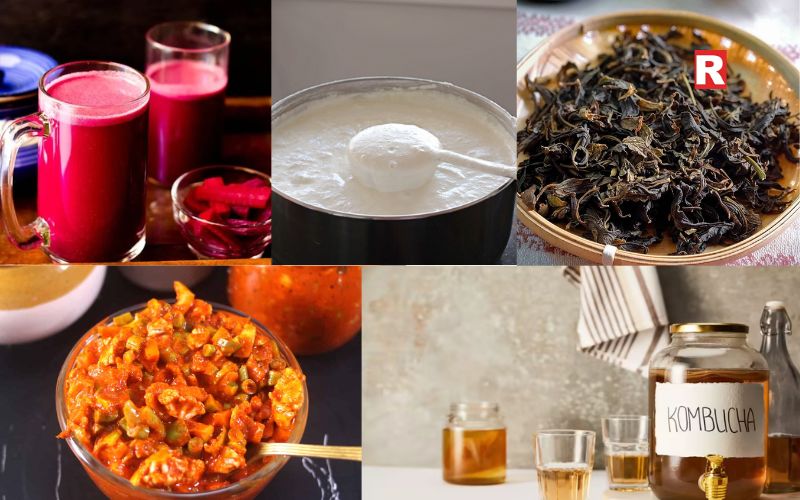
Kanji – A traditional drink made with black carrots, mustard seeds, salt, and water. It undergoes natural lacto-fermentation, where lactic acid bacteria develop over 3–5 days. The result is a tangy, mildly sour beverage that supports gut health and improves digestion. Best prepared in glass jars under controlled room temperature for safe fermentation.
Idli & Dosa Batter – Rice and urad dal are soaked, ground, and left to ferment overnight. Wild yeast and lactic acid bacteria break down starches and proteins, making the batter light and easy to digest. Fermentation also enhances B-vitamin content and improves mineral absorption.
Gundruk – Leafy greens are wilted, tightly packed, and naturally fermented. This process increases shelf life and develops a deep, earthy flavour. It is rich in beneficial microbes and often used in soups and stews.
Homemade Achar – Before vinegar became common, Indian pickles relied on salt-driven fermentation. Proper salt concentration (around 2–2.5%) prevents spoilage and promotes good bacteria growth.
Kombucha – Sweetened tea fermented using a SCOBY (Symbiotic Culture of Bacteria and Yeast). It produces organic acids, mild carbonation, and potential probiotic benefits. Popular among urban, health-conscious consumers.
From Tradition to Contemporary Innovation
The revival is not limited to traditional dishes. It has expanded into new categories. Kombucha brands have emerged in metro cities. Sourdough bakeries have built loyal followings. Fermented hot sauces and craft vinegars are appearing in premium grocery stores. Plant-based yogurt alternatives are using fermentation to achieve better texture and flavor.
Fine-dining restaurants are exploring koji, a fermentation culture used in Japanese cuisine, to develop deeper umami flavors in vegetables and sauces. Indian chefs are blending global fermentation techniques with local ingredients. This is not imitation. It is adaptation. Ancient processes are meeting modern culinary creativity.
Know more: Top 5 States With the Spiciest Food in India
The Science Behind the Benefits
Fermented foods are often associated with probiotics. Probiotics are live microorganisms that provide health benefits when consumed in adequate amounts. They help maintain balance in the gut microbiome. Prebiotics are different. They are fibers that feed beneficial bacteria. Many fermented foods contain both helpful microbes and nutrients that support gut health. During fermentation, bacteria produce compounds such as short-chain fatty acids. These compounds play a role in maintaining gut lining integrity and reducing inflammation.
Fermentation can also improve protein digestibility in legumes. It can lower glycemic response in certain grains. These benefits depend on the food, method, and duration of fermentation. It is important to maintain proper hygiene and correct salt ratios. For safe lacto-fermentation, salt is usually added at 2 to 2.5 percent by weight of vegetables. This concentration discourages harmful bacteria while supporting beneficial ones. Clean glass or ceramic containers are ideal. Oxygen exposure should be limited. An ambient temperature between 18 to 24 degrees Celsius supports stable fermentation for many recipes. Fermentation is natural. But it is not careless. It requires attention.
Market Opportunity and Business Impact
The return of fermented foods is also a business story.
Functional beverages are growing in India. Probiotic drinks, kombucha, and fermented tonics are gaining shelf space in modern retail and online platforms. Direct-to-consumer brands are building identities around gut health and natural fermentation.
For restaurants, fermentation offers more than flavor. It reduces ingredient waste. Vegetable trims can become fermented condiments. Seasonal produce can be preserved for extended use. Unique house-fermented elements create signature dishes that are difficult to replicate.
For home cooks, fermentation provides control. It allows personalization of flavor, salt, and spice levels. It reconnects people with slow food practices in a fast-paced world.
Also check: 5 Ways to Use Garden Cress Seeds (Halim) for Stronger Hair and Bones
7 Desi Alternatives to Oatmeal for Weight Loss
Top Regional Indian Cuisines Gaining Popularity Outside India
A Quiet Return to Roots
The modern Indian kitchen is not creating fermentation anew. It is approaching it with clearer knowledge and sharper intent. What was once routine is now deliberate. Urban consumers are reading about gut microbiota and understanding how lactic acid bacteria support digestion. Chefs are refining techniques such as controlled lacto-fermentation and temperature-managed aging to build deeper flavours. Food brands are developing small-batch kombucha, raw pickles, and naturally fermented batters with clean labels and live cultures. There is stronger attention to salt ratios, hygiene, and anaerobic conditions to ensure safety and consistency. This revival blends culinary memory with microbiology. Time is treated as an ingredient. Acidity is measured, not guessed. Fermentation is being used to enhance nutrient absorption, improve digestibility, and reduce waste. For health-conscious families, experimental home cooks, and forward-looking restaurateurs, it offers both functional value and creative scope. Tradition is no longer nostalgic. It is practical, data-aware, and commercially relevant.
Saptopriya Ghosal
Feature Writer
I am a dedicated media professional with a bachelor's degree in mass communication from the State University of Calcutta and a postgraduate degree from Amity University. My academic journey has equipped me with a profound understanding of storytelling and communication. Passionate about the dynamic world of media, I continually strive to explore new ways to engage and inform through compelling narratives.



































































































































































