
Feel-Good Drinking: How Wellness-Led Beverages Are Changing Restaurant Menus
What was once considered a niche mocktail trend has now become a mainstream and profitable category, driven largely by Gen Z and health-conscious consumers.

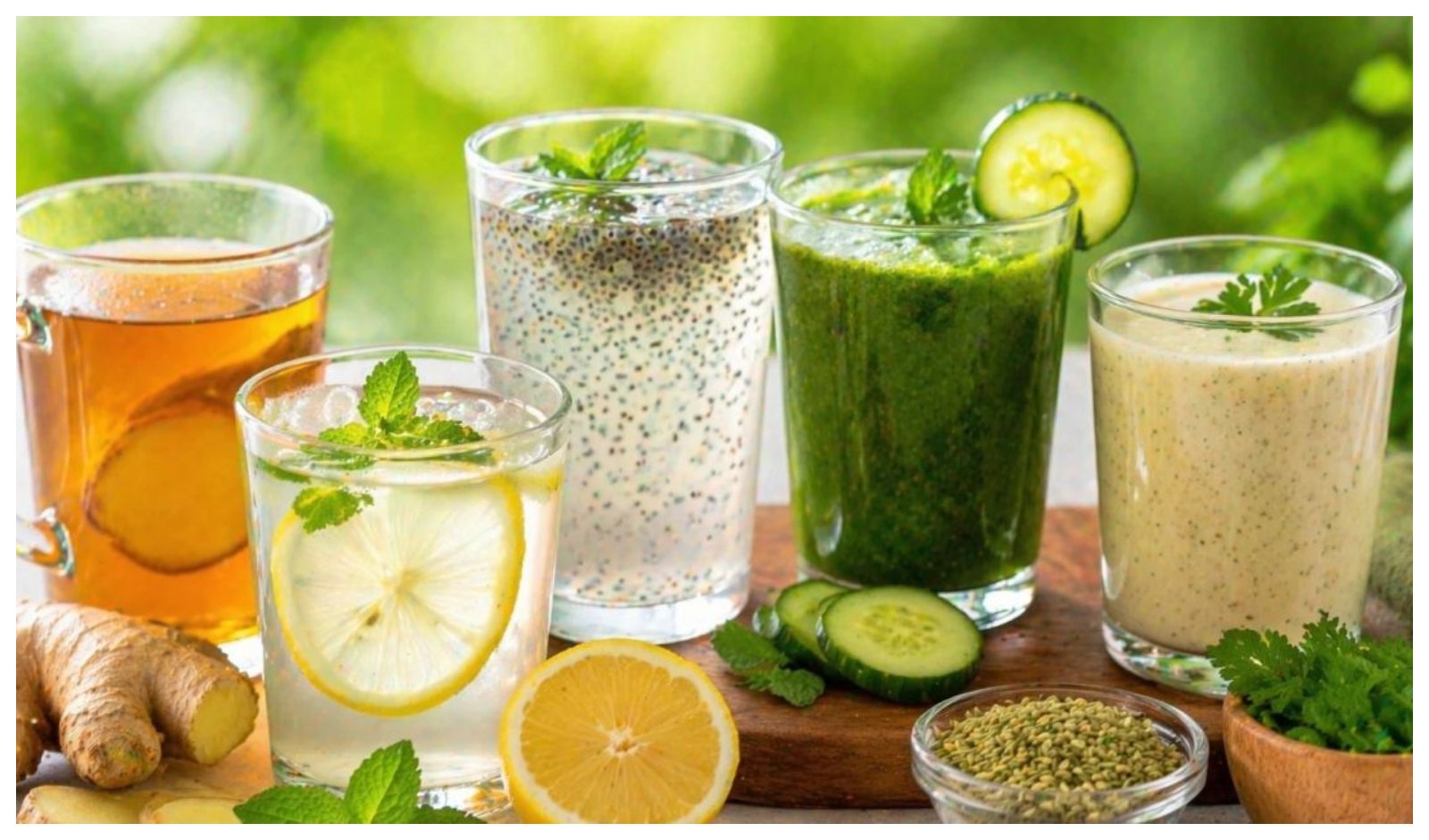
The way people drink is changing rapidly, reshaping restaurant beverage programs worldwide. Consumers today are not just choosing drinks for taste, they are increasingly focused on wellness, moderation, and how beverages make them feel afterward. From kombuchas and probiotic sodas to adaptogenic mocktails and low-ABV cocktails, restaurants are embracing functional and “feel-good” drinking experiences. What was once considered a niche mocktail trend has now become a mainstream and profitable category, driven largely by Gen Z and health-conscious consumers.
Wellness-Focused Drinking
A decade ago, wellness beverages were largely limited to niche health cafés and specialty juice bars. Today, they have become a major part of mainstream restaurant and bar culture.
The growth of functional beverages is being driven by consumers seeking drinks that offer more than flavour or intoxication. Modern diners increasingly want beverages that support relaxation, hydration, gut health, stress reduction, mental focus, and energy. Industry data shows the global functional beverage market is now valued at over US$150 billion and is projected to cross US$260 billion by 2031.
Narmada Kumari, Sous Chef, Soul Pantry at Andaz Delhi by Hyatt said, “We are witnessing a clear shift towards mindful and wellness-led consumption, especially among younger diners who are looking for balanced and feel-good experiences. While the conversation around low or no-alcohol beverages is growing globally, our focus has always been centred on nourishment, functional ingredients, and conscious dining.”
“There is a visible shift from indulgence-led consumption towards guilt-conscious and gut-conscious choices, especially driven by younger audiences and social media awareness around wellness, digestion, ingredients, and functional beverages,” added Chef Chetna Chopra, Culinary Director at OMO.
Gen Z are Redefining Drinking Culture
Younger consumers are increasingly opting for lighter drinks, skipping multiple rounds, or choosing non-alcoholic alternatives altogether. According to industry estimates, Gen Z drinks nearly 20 percent less alcohol than millennials, while more than 60 percent prefer non-alcoholic beverages in social settings. In India as well, consumption of low- and no-alcohol beers is steadily rising among Gen Z and millennials. This shift is closely tied to changing lifestyle priorities. However, Gen Z is not rejecting social drinking entirely. Instead, they are becoming more intentional about what, when, and how they consume.
“We are also seeing guests consciously choose experiences that support healthier lifestyles without compromising on flavour, indulgence, or social connection,” mentioned Kumari.
What Restaurants are Doing
Mocktails are no longer basic sugary substitutes; they now feature premium ingredients such as kombucha, probiotics, adaptogens, herbs, fresh juices, and botanical infusions. Functional drinks like smoothies, wellness shots, and zero-proof spritzers are becoming mainstream menu staples, often positioned alongside alcoholic beverages to normalize mindful drinking.
Deepender Thapa, Head of Brand, Pour Over Coffee Roasters said, “Functional beverages offer strong profit margins because they use relatively low-cost ingredients while commanding premium prices. For restaurants, these drinks help offset declining alcohol consumption while attracting health-conscious diners and younger audiences.”
“Our beverage offerings are designed to support this evolving lifestyle through wellness-forward drinks such as kombucha, cold brews, matcha-based beverages, and nutrient-rich smoothies crafted with ingredients like kale, flax seeds, chia seeds, beetroot, ginger, seaweed, and jaggery,” commented Kumari.
Commenting further, Ginny Kohli, Founder, Neighbors Goa said, “For restaurants, this trend is not just cultural - it is economic. Alcohol has traditionally been one of the highest-margin categories in hospitality and so operators are now using premium mocktails and functional drinks to protect profitability while catering to changing consumer behaviour.”
As per reports, independent restaurants increased non-alcoholic beverage additions by 47 percent in 2026.
The Business Impact
Mocktails served in bars and lounges can generate profit margins ranging between 80 and 90 percent. In fine-dining restaurants, premium non-alcoholic beverages often deliver margins of 75 to 85 percent. Many upscale mocktails are priced at nearly 60 to 70 percent of standard cocktail rates, despite having considerably lower ingredient and alcohol-related costs.
“Ultimately, the rise of gut-conscious and guilt-conscious drinking reflects a broader lifestyle movement where consumers prioritize wellness, balance, and enjoyable social experiences without relying on alcohol,’ noted Thapa.
Adding further, Kohli said, “At Neighbors, we have seen this shift firsthand, with consumers actively seeking refreshing, wellness-led beverages like our coconut cold brews and fruit-forward drinks that deliver both flavour and functionality, proving that today’s consumers want experiences that make them feel good, not just indulgent.
At the same time, one of the biggest challenges is making wellness beverages approachable and flavour-forward rather than overly functional or intimidating. Education, consistency, sourcing quality ingredients, and creating drinks that people genuinely enjoy are key to overcoming this gap. The future of hospitality will be deeply rooted in conscious, ingredient-led experiences that still feel exciting and indulgent.
Vijetha Iyer
Content Editor
Working as a Content Editor with Restaurant India. I have worked in various sectors like food and beverage sector, chemicals, pharma, nutraceuticals, now specially focusing on restaurant side. But my core knowledge was always on content. Be it writing poems to verses, I always loved writing and have been exploring my career on the same. In Restaurant India, I deliver insightful stories, take interviews of various brands and update the audiences about the newest happenings in the restaurant industry.









































