
Exploring India's Most Loved Mango Varieties: Types of Mangoes You Must Try
The best mango depends on your personal preference. If you enjoy rich and creamy flavors, Alphonso and Imam Pasand are excellent choices.

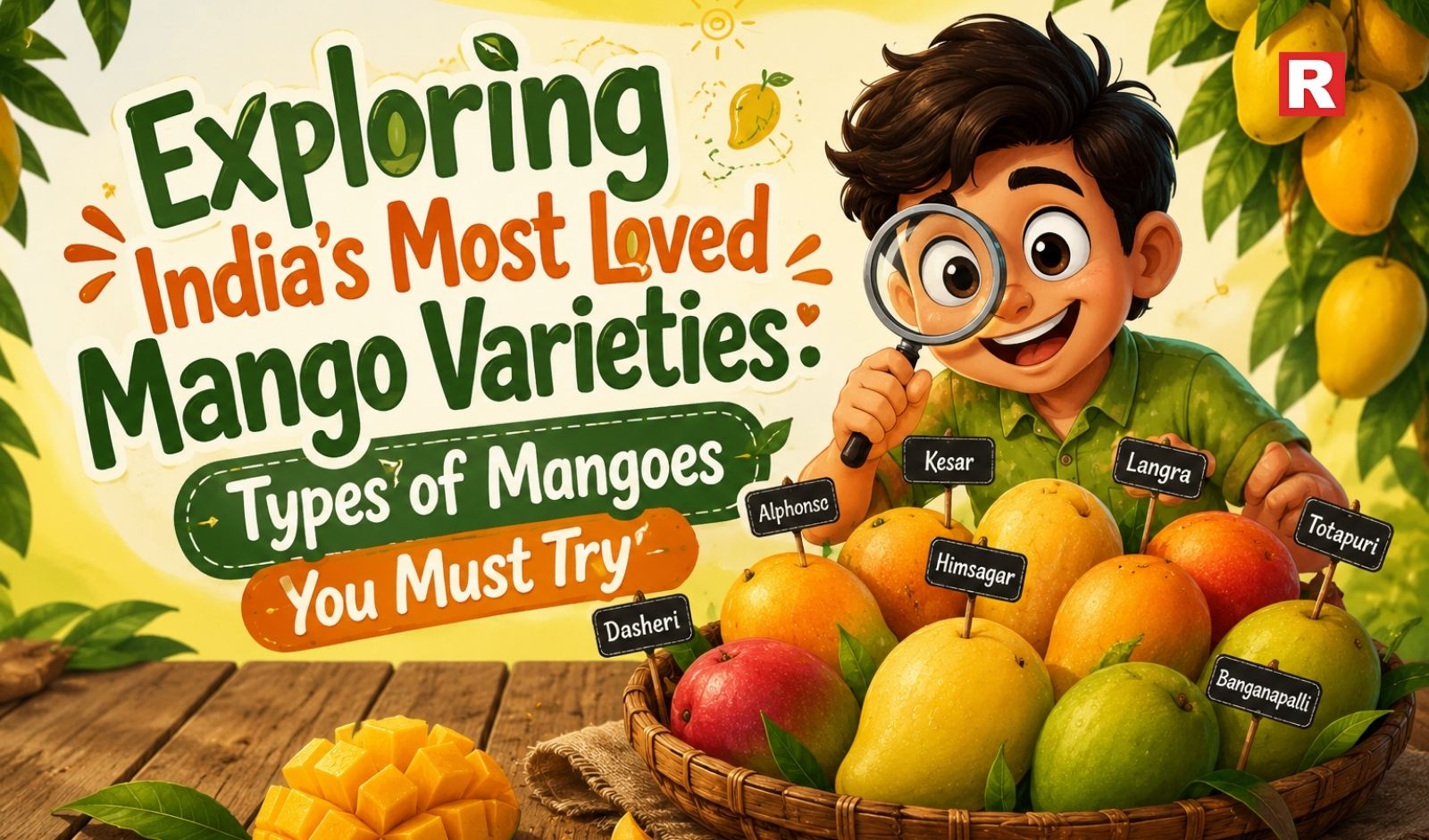
Summer in India brings one thing that millions of people eagerly wait for every year—mangoes. Known as the "King of Fruits," mangoes are deeply connected to Indian culture, traditions, and food habits. Whether enjoyed fresh, blended into milkshakes, or served as aamras, mangoes are a favorite across all age groups.
What makes India truly special is its incredible mango diversity. The country is home to more than 1,000 varieties of mangoes, each with its own taste, aroma, texture, and regional identity. From the rich Alphonso of Maharashtra to the juicy Himsagar of West Bengal, every variety offers a unique experience. If you are a mango lover, here are some of the most popular types of mangoes you must try at least once.
Why Indian Mangoes Are Famous Worldwide
India is the largest producer of mangoes in the world. The country's diverse climate and soil conditions help cultivate hundreds of mango varieties across different states. Many Indian mangoes are exported globally because of their exceptional flavor, aroma, and quality. Some varieties even carry Geographical Indication (GI) tags, which protect their regional identity and highlight their uniqueness.
Explore Types of Mangoes
1. Alphonso Mango – The King of Mangoes
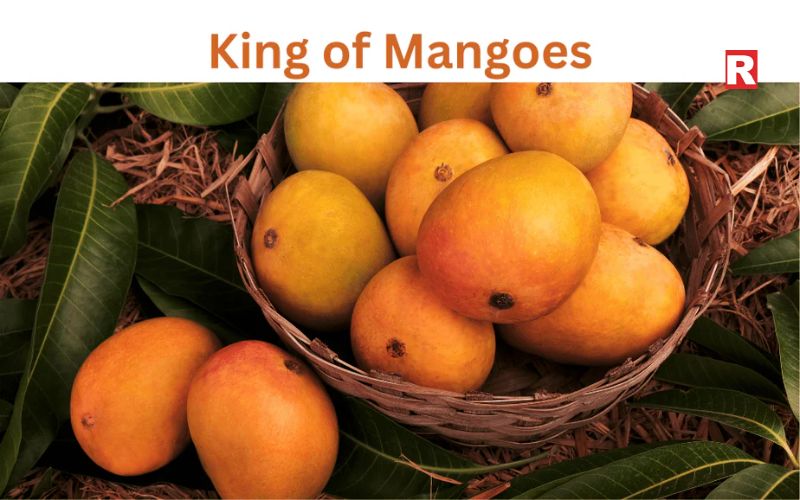
When people talk about premium mangoes, Alphonso is often the first name that comes to mind. Primarily grown in Maharashtra's Ratnagiri, Devgad, and Sindhudurg regions, it is known for its rich flavor, smooth texture, and vibrant golden-yellow pulp. The fruit contains very little fiber, making every bite creamy and buttery. Alphonso mangoes have a distinctive sweet aroma and a perfect balance of sweetness and acidity. Their premium quality has made them highly popular in international markets. Whether enjoyed fresh or used in desserts, Alphonso remains the first choice for many mango lovers worldwide.
Best For:
- Eating fresh
- Milkshakes
- Ice creams
- Desserts
2. Kesar Mango – Gujarat's Sweet Treasure
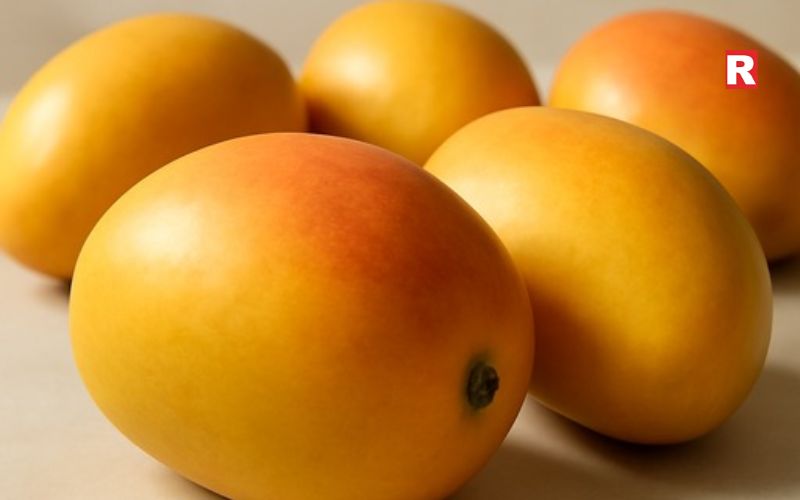
Kesar mango is one of Gujarat's most famous agricultural treasures and is mainly cultivated in the Gir region. Named after the saffron-colored pulp it contains, this variety is loved for its juicy texture and naturally sweet flavor. Unlike some mangoes that are overwhelmingly sweet, Kesar offers a pleasant balance between sweetness and mild tanginess. Its rich aroma and vibrant color make it highly appealing for both consumption and cooking. The mango is particularly popular for preparing aamras, a traditional summer delicacy. Its smooth pulp also makes it an excellent ingredient for smoothies, desserts, ice creams, and various mango-based sweets.
Best For:
- Aamras
- Smoothies
- Desserts
3. Dasheri Mango – North India's Favorite
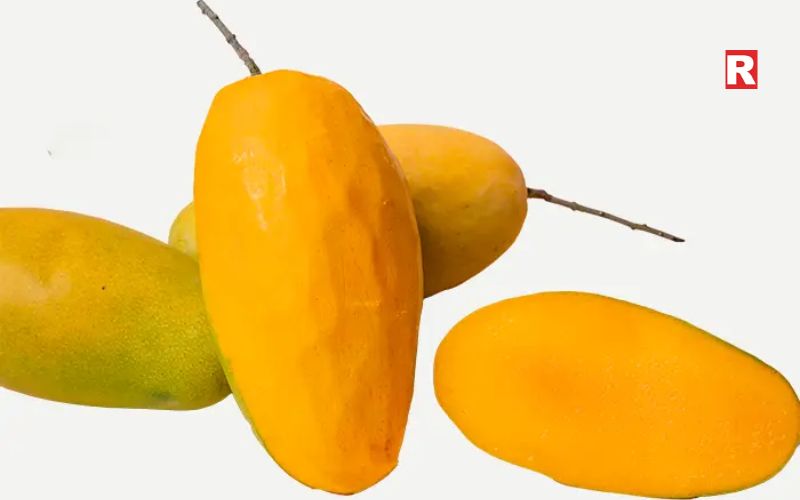
Dasheri mango is among the most popular mango varieties in North India and originates from Malihabad in Uttar Pradesh. Known for its elongated shape and thin skin, this mango is highly valued for its naturally sweet taste and smooth, fiberless flesh. The fruit releases a pleasant floral fragrance when ripe, making it instantly recognizable. Dasheri mangoes are easy to eat and offer a juicy, melt-in-the-mouth experience that appeals to both children and adults. Their balanced sweetness makes them perfect for fresh consumption. They are also commonly used in milkshakes, fruit salads, desserts, and homemade summer beverages.
Best For:
- Fresh consumption
- Fruit salads
- Shakes
4. Langra Mango – The Green Beauty
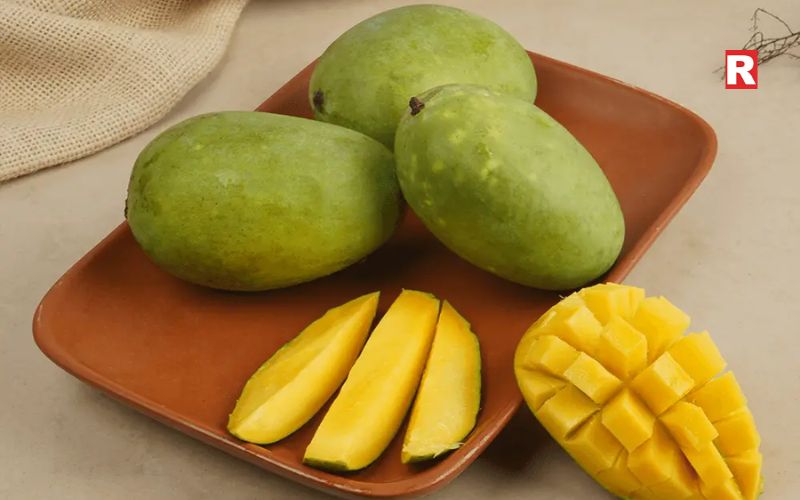
Langra mango is a distinctive variety that remains green even after it has fully ripened. Originating from Varanasi in Uttar Pradesh, it has been a favorite among mango enthusiasts for generations. While its appearance may seem unusual compared to bright yellow mangoes, the flavor more than makes up for it. Langra offers a unique combination of sweetness and slight tartness, creating a refreshing taste profile. The flesh is juicy, aromatic, and moderately fiberless, making it enjoyable to eat fresh. Many people appreciate its strong flavor and use it in traditional desserts, shakes, and seasonal fruit preparations.
Best For:
- Fresh eating
- Traditional desserts
5. Banganapalli Mango – Andhra Pradesh's Pride
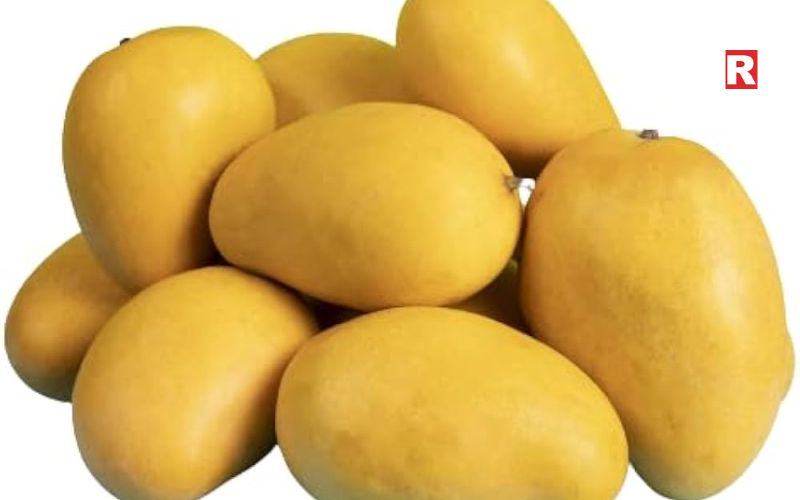
Banganapalli mango, also known as Safeda, is one of the most widely cultivated mango varieties in South India. It originates from Andhra Pradesh and is recognized by its large size, oval shape, and bright yellow skin. The fruit contains soft, juicy flesh that is nearly fiberless, making it easy and enjoyable to eat. Banganapalli mangoes are known for their mild sweetness and subtle flavor, which appeal to those who prefer less intense mango varieties. Their attractive appearance and long shelf life have made them popular in domestic and international markets. They are ideal for slicing, fruit platters, and fresh consumption.
Best For:
- Slicing
- Fruit platters
- Fresh consumption
6. Himsagar Mango – Bengal's Sweet Delight
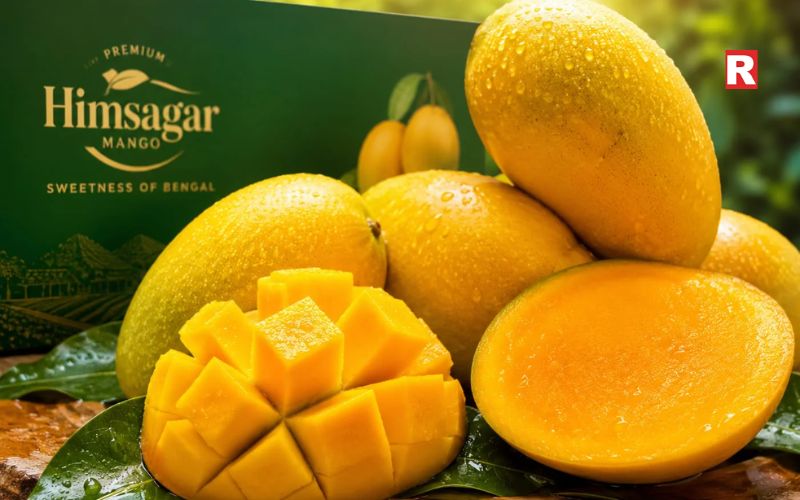
Himsagar mango is one of the most prized mango varieties from West Bengal and is often considered among the sweetest mangoes in India. The fruit is famous for its rich aroma, smooth texture, and exceptionally high pulp content. Himsagar contains very little fiber, allowing for a luxurious eating experience with every bite. The flesh is deep orange and packed with natural sweetness, making it highly sought after during the summer season. Due to its premium quality and limited availability, it is often gifted during special occasions. Mango enthusiasts across India eagerly wait for the short Himsagar season every year.
Best For:
- Fresh eating
- Premium gifting
7. Chausa Mango – A Burst of Sweetness
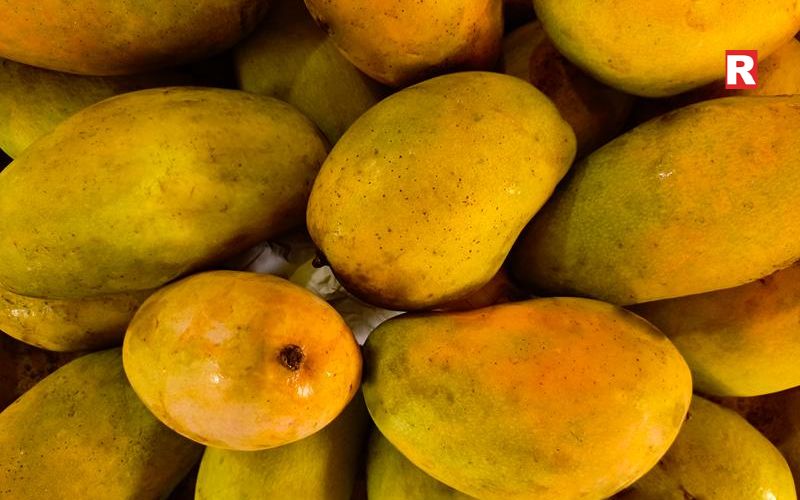
Chausa mango is celebrated for its extraordinary sweetness and juicy texture. Grown mainly in Bihar and Uttar Pradesh, this variety has earned a loyal following among mango lovers across the country. When fully ripe, Chausa becomes soft and filled with rich, aromatic pulp that is often described as honey-like in flavor. Its intense sweetness makes it one of the most enjoyable mangoes for fresh eating. The fruit is also highly suitable for juices and pulp production due to its high juice content. Chausa mangoes are a favorite summer treat and are often enjoyed chilled during hot weather.
Best For:
- Juices
- Eating fresh
- Mango pulp
8. Totapuri Mango – The Tangy Favorite
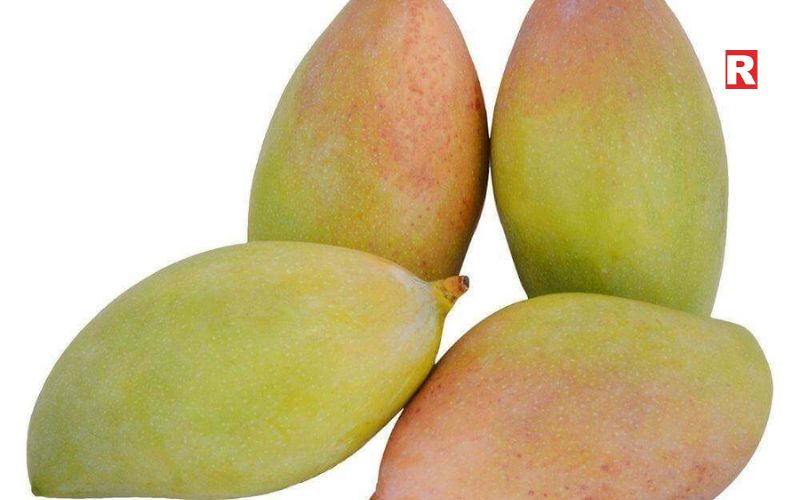
Totapuri mango is easily recognized by its distinctive pointed tip, which resembles a parrot's beak. Cultivated extensively in Karnataka, Andhra Pradesh, and Tamil Nadu, this mango differs from sweeter varieties because of its mildly tangy flavor. The flesh is firm and contains moderate fiber, making it ideal for processing rather than direct consumption. Totapuri is widely used in the food industry for producing juices, concentrates, purees, and packaged mango products. Its refreshing taste also makes it a preferred choice for pickles and chutneys. The variety plays a significant role in India's mango processing sector due to its high yield and versatility.
Best For:
- Juices
- Pickles
- Mango concentrates
9. Neelam Mango – The Late-Season Star
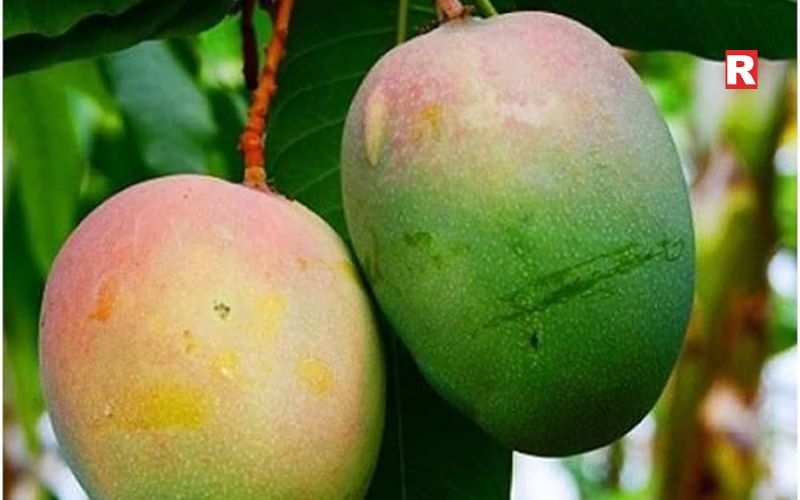
Neelam mango is one of the last mango varieties to arrive during the summer season, making it a favorite among mango lovers who want to enjoy the fruit for a longer period. Primarily grown in Tamil Nadu, Andhra Pradesh, and Karnataka, this mango is known for its small to medium size and strong fragrance. The flesh is juicy, sweet, and smooth, offering a pleasant eating experience. Unlike some varieties that lose quality during transportation, Neelam mangoes have a good shelf life, making them popular in both domestic and export markets. Their rich aroma makes them ideal for desserts and fruit-based dishes.
Best For:
- Fresh consumption
- Homemade desserts
10. Malgova Mango – A Southern Classic
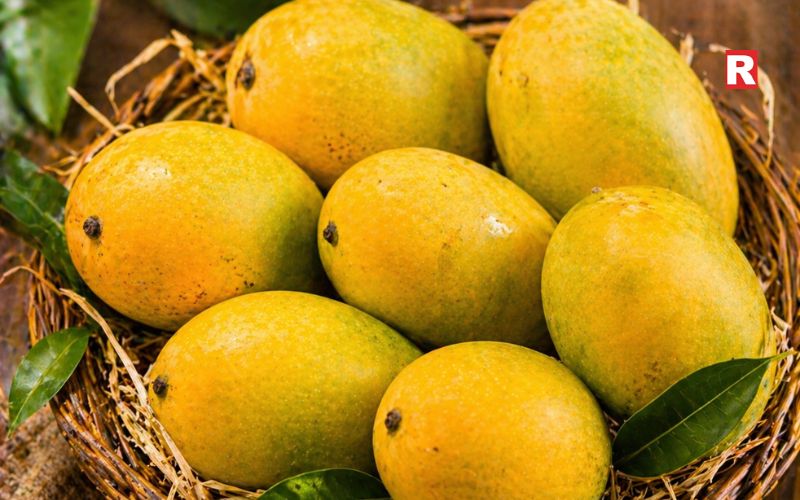
Malgova, also known as Mulgoba, is one of the oldest and most celebrated mango varieties from South India. Native to Tamil Nadu, this mango is easily recognized by its large, round shape and thick skin. Inside, it contains juicy, fiberless flesh with a rich sweetness and delightful aroma. Malgova mangoes are prized for their exceptional flavor and are often considered a premium variety. The fruit has a long history in Indian agriculture and remains popular among mango enthusiasts. Its rich pulp makes it suitable for both fresh consumption and traditional recipes prepared during the summer season.
Best For:
- Eating fresh
- Traditional recipes
11. Raspuri Mango – Karnataka's Juicy Gem
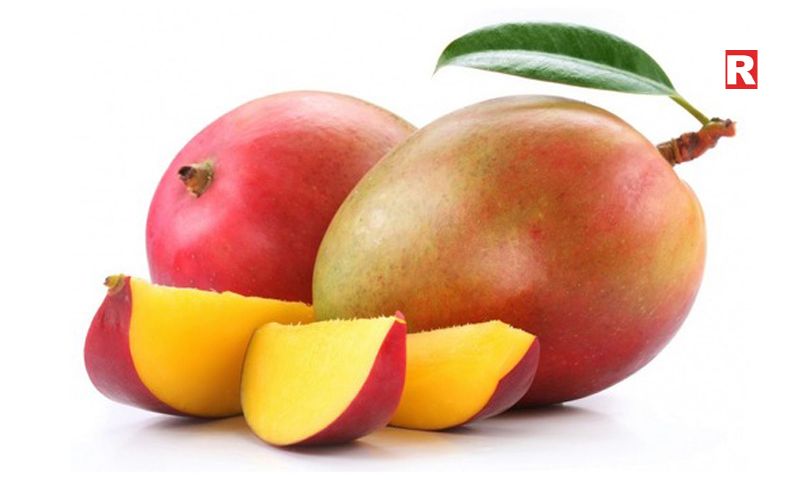
Raspuri mango is one of Karnataka's most popular mango varieties and is often called the "Queen of Mangoes" in the state. It is famous for its vibrant flavor, intense aroma, and juicy texture. The fruit has a thin skin and soft flesh, making it ideal for preparing juices, smoothies, jams, and desserts. Raspuri mangoes are especially loved for their refreshing taste, which balances sweetness with subtle tanginess. During the mango season, they are widely used in homemade recipes and commercial food products. Their rich flavor profile makes them a favorite among people who enjoy mango-based beverages and sweets.
Best For:
- Smoothies
- Jams
- Yogurt-based desserts
12. Badami Mango – Karnataka's Alphonso
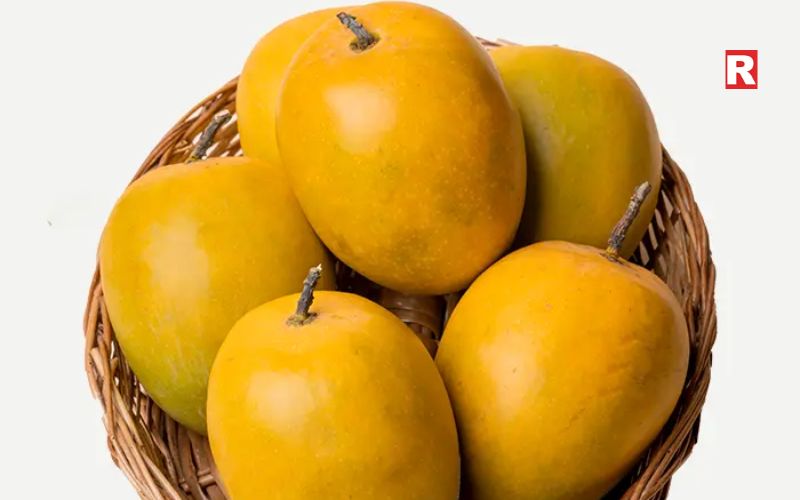
Badami mango is often referred to as the Alphonso of Karnataka because of its similar taste, texture, and appearance. Grown mainly in the northern regions of Karnataka, this mango features smooth, fiberless flesh and a rich buttery flavor. It offers excellent sweetness and a pleasant aroma, making it highly enjoyable when eaten fresh. Compared to Alphonso, Badami mangoes are generally more affordable, which adds to their popularity among consumers. The fruit is versatile and can be used in milkshakes, desserts, and fruit salads. Its premium taste and accessibility make it one of Karnataka's most cherished mango varieties.
Best For:
- Fresh consumption
- Milkshakes
13. Fazli Mango – The Giant Mango
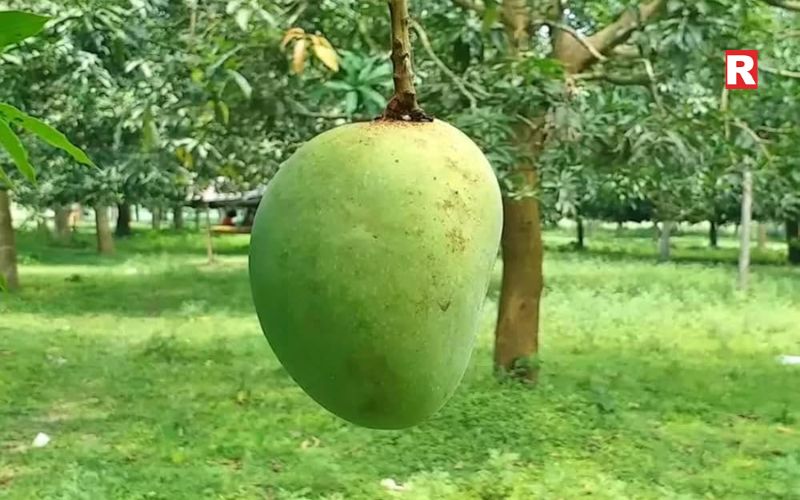
Fazli mango is famous for its enormous size, making it one of the largest mango varieties cultivated in India. Primarily grown in West Bengal and parts of Bihar, this mango can weigh significantly more than most other varieties. Despite its large size, Fazli offers a mild sweetness and a pleasant fruity flavor. The fruit contains abundant pulp, which makes it highly suitable for processing into jams, pickles, chutneys, and mango pulp products. Fazli mangoes also have a relatively long shelf life, which benefits both farmers and traders. Their unique size and versatility make them stand out in India's mango landscape.
Best For:
- Pickles
- Chutneys
- Processing
14. Imam Pasand Mango – A Hidden Luxury
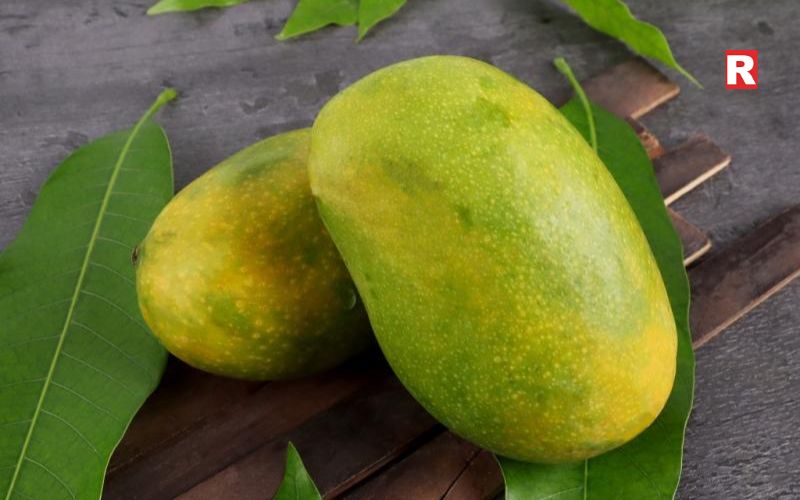
Imam Pasand, also known as Himayat, is regarded as one of India's most luxurious mango varieties. Grown mainly in Andhra Pradesh, Telangana, and Tamil Nadu, it is highly prized for its exceptional taste and elegant aroma. The fruit features soft, fiberless flesh with a rich sweetness complemented by delicate floral notes. Unlike many commercial varieties, Imam Pasand is often sought after by mango connoisseurs who appreciate premium-quality fruit. Its smooth texture and complex flavor profile make it a favorite for gourmet dining and gifting. Although less commonly available, those who taste it often consider it unforgettable.
Best For:
- Gourmet dining
- Premium fruit gifting
15. Amrapali Mango – The Modern Hybrid
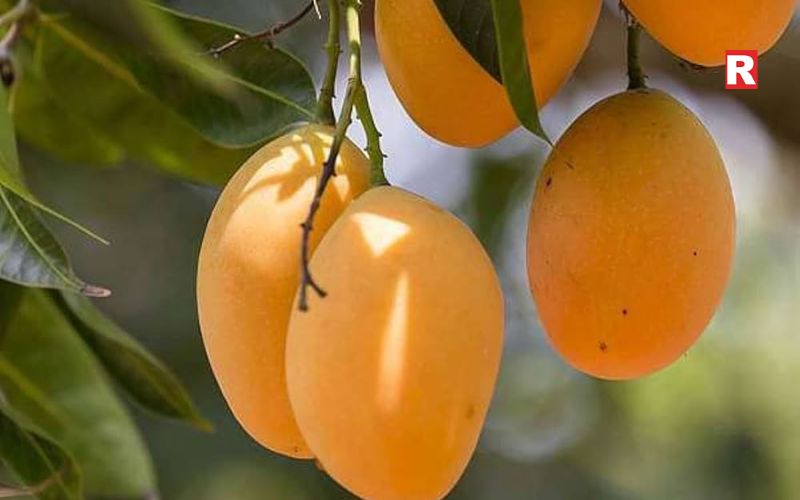
Amrapali mango is a successful hybrid variety developed by crossing Dasheri and Neelam mangoes. Created by agricultural scientists in India, it combines the sweetness of Dasheri with the productivity and adaptability of Neelam. The fruit is medium-sized with deep orange-red flesh that is exceptionally sweet and rich in pulp. Amrapali trees are compact and produce high yields, making them popular among farmers and home gardeners. The mango is widely used for juices, purees, desserts, and fresh consumption. Its excellent flavor, high nutritional value, and reliable production have made Amrapali one of India's most important hybrid mango varieties.
Best For:
- Juices
- Pulp production
- Fresh eating
Which Mango Should You Choose?
The best mango depends on your personal preference. If you enjoy rich and creamy flavors, Alphonso and Imam Pasand are excellent choices. Those who prefer extra sweetness should try Himsagar, Chausa, or Kesar. If you want a fiberless eating experience, Dasheri and Banganapalli are ideal options. For juices and smoothies, Totapuri and Raspuri remain top picks due to their flavor intensity and pulp quality.
Final Thoughts
India's mango heritage is as diverse as its culture. Every region has developed varieties that reflect local climate, soil, and farming traditions. While Alphonso often steals the spotlight, many other mangoes offer equally memorable experiences. Exploring different mango varieties is one of the best ways to appreciate India's rich agricultural diversity. From the creamy Alphonso to the fragrant Himsagar and the luxurious Imam Pasand, each mango tells a story of its region and tradition. The next time mango season arrives, go beyond your usual choice and discover a new favorite. You may find that the sweetest surprise is a variety you have never tried before.
Saptopriya Ghosal
Feature Writer
I am a dedicated media professional with a bachelor's degree in mass communication from the State University of Calcutta and a postgraduate degree from Amity University. My academic journey has equipped me with a profound understanding of storytelling and communication. Passionate about the dynamic world of media, I continually strive to explore new ways to engage and inform through compelling narratives.



































































































































































