
Explore 15 Famous Vegetarian Kerala Dishes for an Authentic Taste
Kerala’s vegetarian food shows how simple ingredients can create rich and lasting flavours. The cooking does not rely on heavy spices or complex methods.

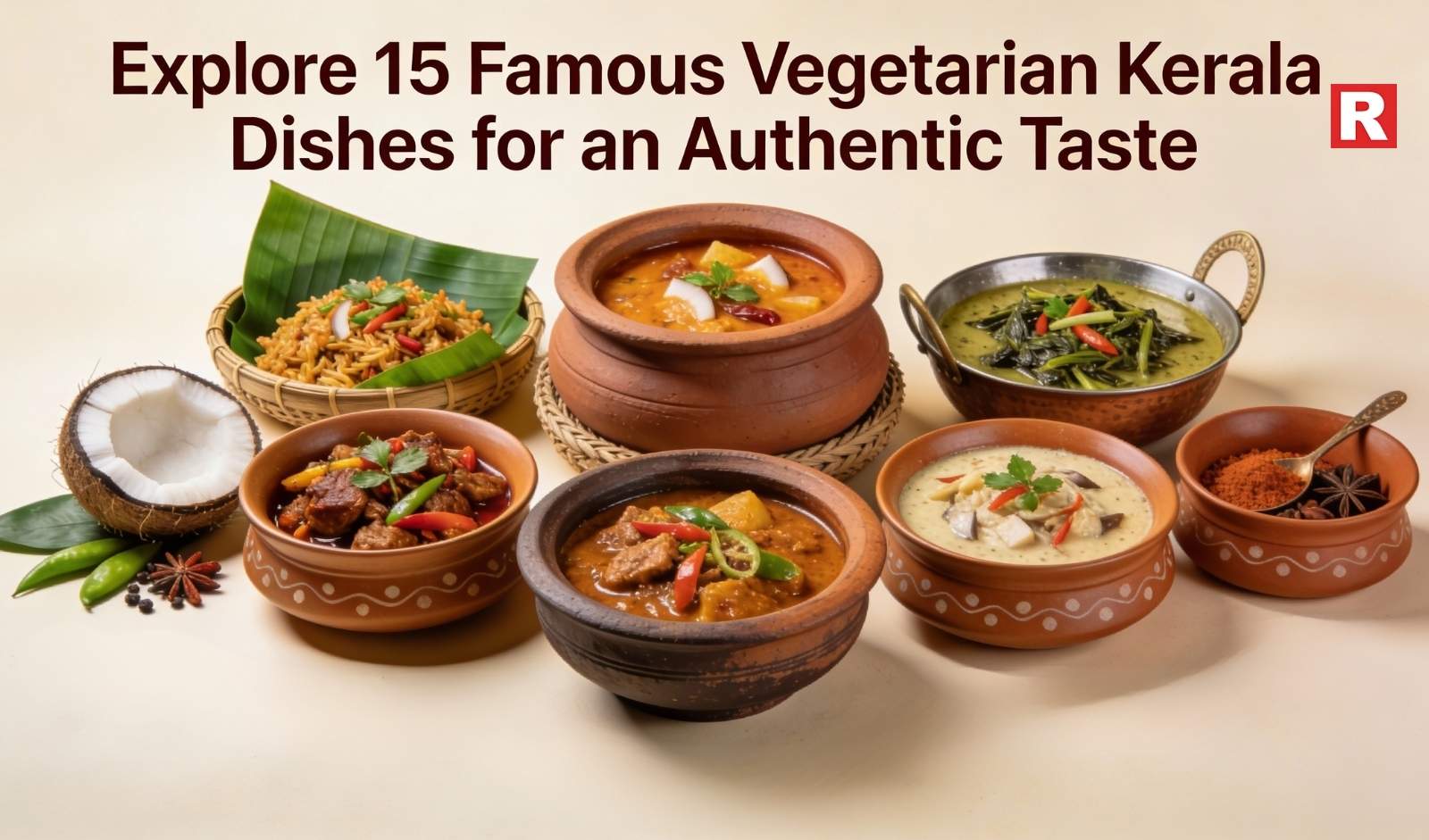
Kerala is often called God’s Own Country. The state is famous for its backwaters, green landscapes, ancient temples, and slow-paced lifestyle. Life here feels calm and rooted in tradition. Beyond its natural beauty, Kerala is also known for its rich vegetarian food culture. The cuisine reflects the land, the climate, and the beliefs of the people. Vegetarian food in Kerala is simple and seasonal. It depends heavily on local produce. Rice is the main staple. Coconut is used in many forms, from fresh coconut to coconut milk and oil. Curry leaves, black pepper, cumin, and mustard seeds add gentle flavour. The food focuses on balance rather than strong heat. Most dishes are light, comforting, and easy to digest.
Many vegetarian dishes are linked to temples and religious customs. Festivals like Onam and Vishu celebrate food as a form of offering and togetherness. Family meals are given great importance. Recipes are often passed down through generations. Cooking is done with care and patience. Kerala’s vegetarian cuisine shows how simple ingredients can create deep taste. It reflects respect for nature, tradition, and mindful eating. For anyone seeking authentic South Indian vegetarian food, Kerala stands out as a true culinary destination.
Explore 15 Famous Vegetarian Kerala Dishes
1. Sadya
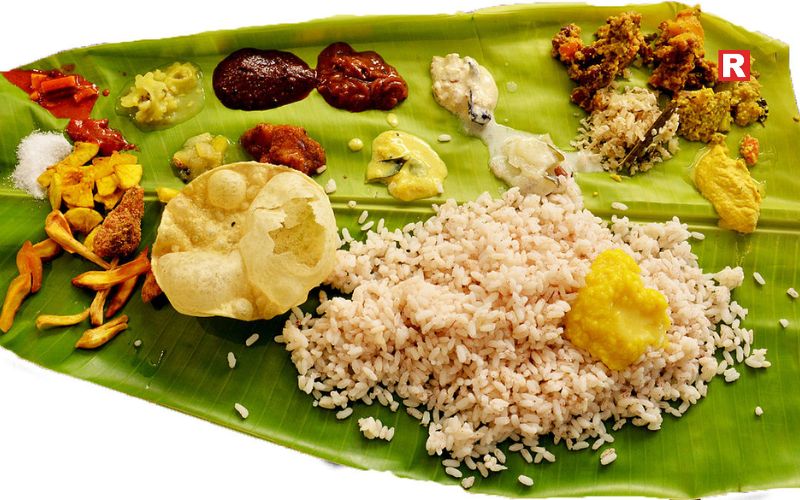
Sadya is the heart of Kerala’s vegetarian food tradition. It is a grand meal served on a fresh banana leaf. Sadya is usually prepared during festivals like Onam and Vishu. It is also served during weddings and temple events. The meal includes rice and many side dishes. These include sambar, avial, thoran, olan, kalan, pachadi, rasam, and payasam. Each dish is placed in a fixed order on the leaf. The meal is eaten in a sequence. Mild flavours come first. Stronger tastes follow. Sweet dishes are served at the end. Sadya brings people together. Everyone eats the same food. It reflects equality and respect. More than a meal, Sadya represents tradition, care, and Kerala’s warm sense of hospitality.
2. Avial
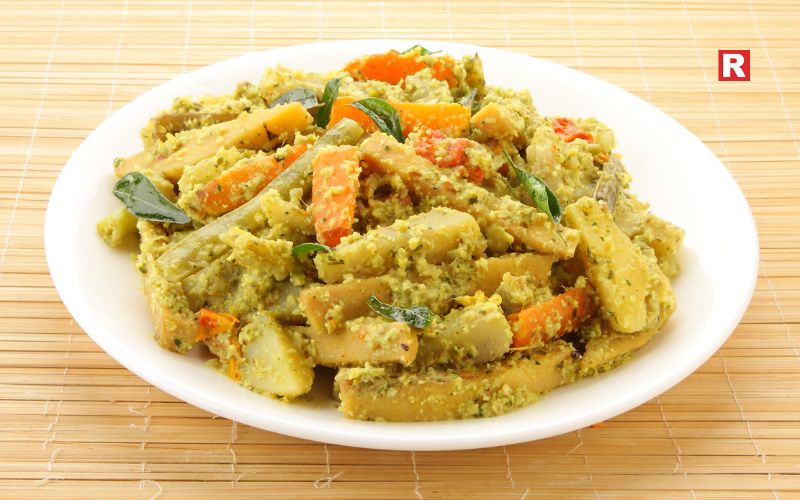
Avial is one of the most traditional dishes from Kerala. It is made using a mix of vegetables. Common choices include carrot, beans, drumstick, and raw banana. The vegetables are cut long and cooked carefully. They should stay soft but not mushy. Grated coconut, cumin, and green chillies are ground into a paste. Curd is added at the end. Coconut oil and curry leaves give a gentle aroma. Avial is mild in taste. It is not spicy or oily. The dish feels balanced and comforting. Avial is a key part of Sadya. It is also cooked in homes for daily meals. This dish shows how Kerala cooking values freshness and simple methods.
Read more: 8 Famous Vegetarian Dishes of Uttar Pradesh and Their Timeless Legacy
5 Cities That Serve the Best Non-Vegetarian Street Food
3. Kerala Style Sambar
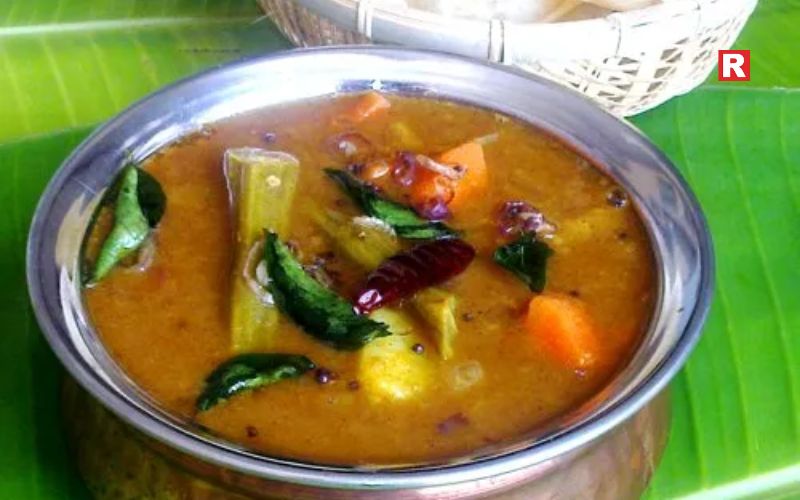
Kerala style sambar is light and easy to digest. It is different from other South Indian sambars. It uses fewer lentils and more vegetables. Vegetables like pumpkin, drumstick, okra, and ash gourd are common. The flavour comes from coconut oil and curry leaves. Local spices are used in small amounts. The sambar is thin and aromatic. It is usually eaten with rice during lunch. In many homes, sambar is prepared every morning. It forms the base of a proper meal. The taste is comforting and familiar. Kerala sambar does not feel heavy. It suits the climate and daily food habits. It reflects balance rather than strong spice.
4. Olan
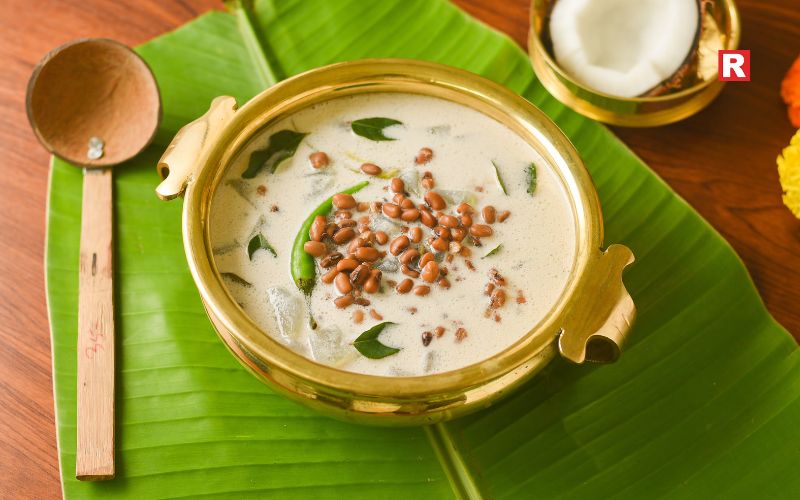
Olan is a gentle and soothing Kerala dish. It is made using ash gourd and red cowpeas. Green chillies add mild heat. Coconut milk gives a soft and creamy taste. No strong spices are used in this dish. That is what makes it special. Coconut oil is added on top before serving. Olan is usually prepared for Sadya meals. It is served with rice. The dish feels light and cooling. It suits warm weather and simple diets. Olan highlights the natural taste of vegetables. It shows that less spice can still create good flavour. This dish reflects Kerala’s love for clean food and seasonal cooking.
5. Thoran
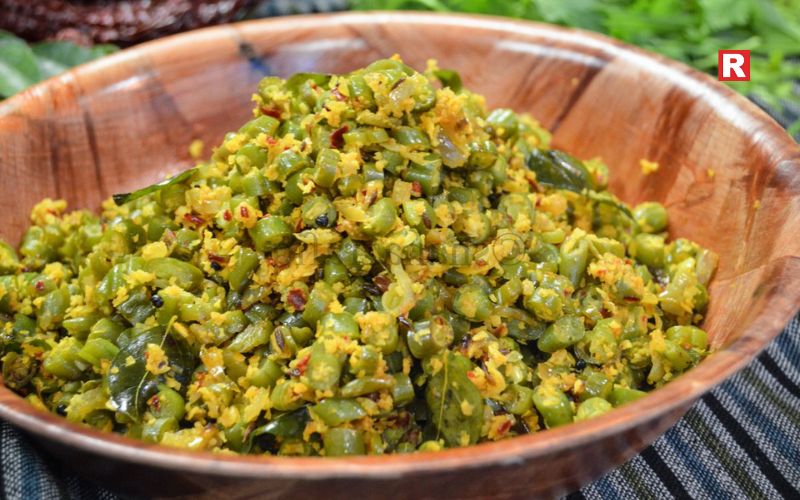
Thoran is a common everyday dish in Kerala homes. It is a dry vegetable preparation. Vegetables like cabbage, beans, carrot, beetroot, or spinach are used. The vegetables are finely chopped. They are cooked with grated coconut. Mustard seeds and curry leaves are added for flavour. Coconut oil is always used. Thoran is quick to make and easy to eat. It is served with rice and curry. The dish adds texture and colour to the meal. Each vegetable gives a different taste. Thoran is light but filling. It is rich in fibre and nutrients. This dish shows how Kerala food keeps daily meals simple, healthy, and full of flavour.
6. Kalan
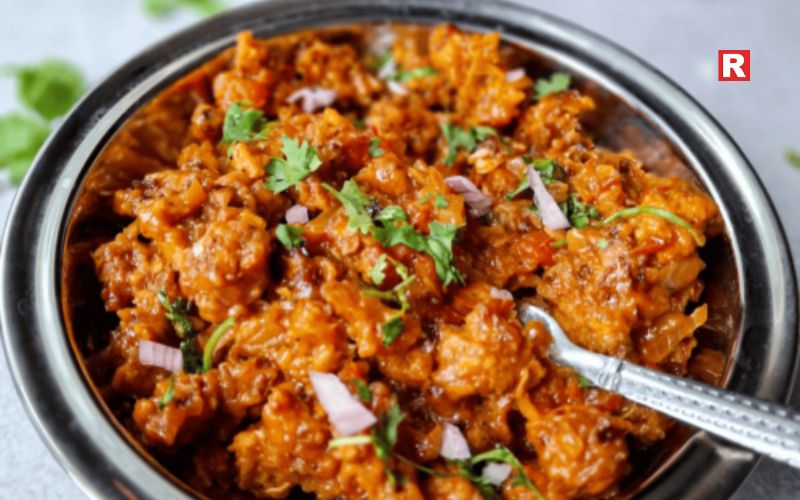
Kalan is a rich and traditional curry from Kerala. It is made using thick curd, raw banana, and yam. The vegetables are cooked slowly until soft. Black pepper and cumin give the dish a strong and earthy flavour. The curry is thick and slightly sour. Coconut oil and curry leaves are added at the end. Kalan is not cooked every day. It is mostly prepared during festivals and special occasions. It is an important part of Sadya. One reason it is valued is its long shelf life. It stays fresh for many hours without losing taste. Kalan balances mild dishes in the meal. It reflects careful cooking and the use of curd in Kerala’s food tradition.
7. Erissery
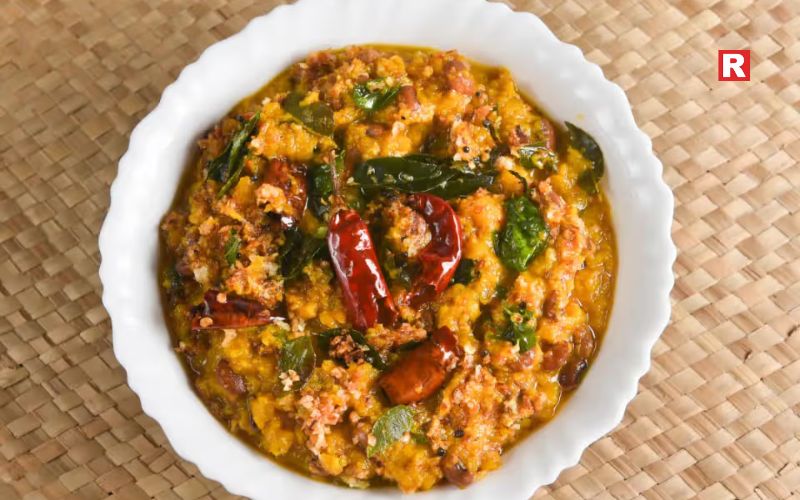
Erissery is a classic Kerala dish made with pumpkin and cowpeas. The pumpkin adds natural sweetness. Cowpeas make the dish filling. Coconut paste and cumin are mixed into the curry. This gives a soft and rounded flavour. The highlight of erissery is the topping. Grated coconut is roasted until golden and added on top. This adds a nutty taste and aroma. The dish is mildly sweet with a touch of spice. Erissery is often prepared during Onam. It is also served at family feasts and temple meals. The dish looks bright and inviting. It shows Kerala’s skill in balancing flavours using simple ingredients and traditional methods.
Know more: Top 10 Vegan Street Foods in India Every Indian Loves
8. Rasam (Kerala Style)
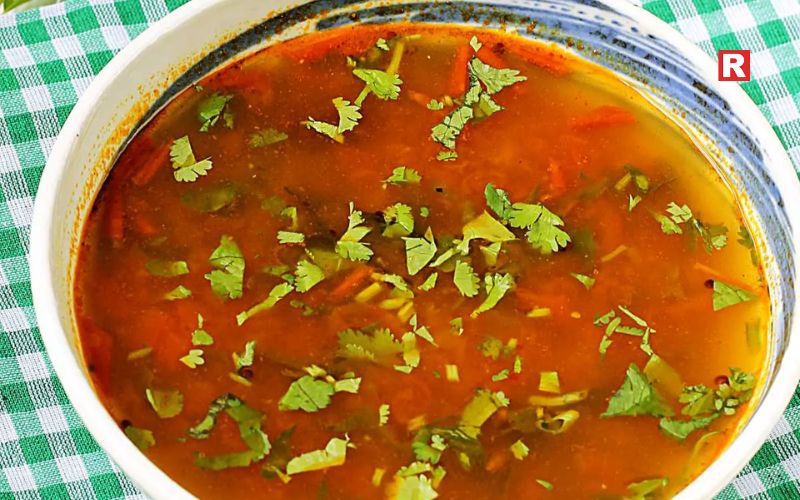
Kerala style rasam is light and comforting. It is thin in texture and easy to digest. Tamarind water forms the base. Black pepper, garlic, and cumin add warmth. Curry leaves give aroma. Rasam is not thick or spicy. It is served towards the end of a meal. Many people drink it like soup. It helps settle the stomach after a heavy meal. During the monsoon season, rasam is prepared more often. It gives comfort and warmth. In many homes, rasam is considered healing food. It is simple but full of flavour. Kerala rasam shows how everyday ingredients can create food that feels both soothing and satisfying.
9. Pachadi
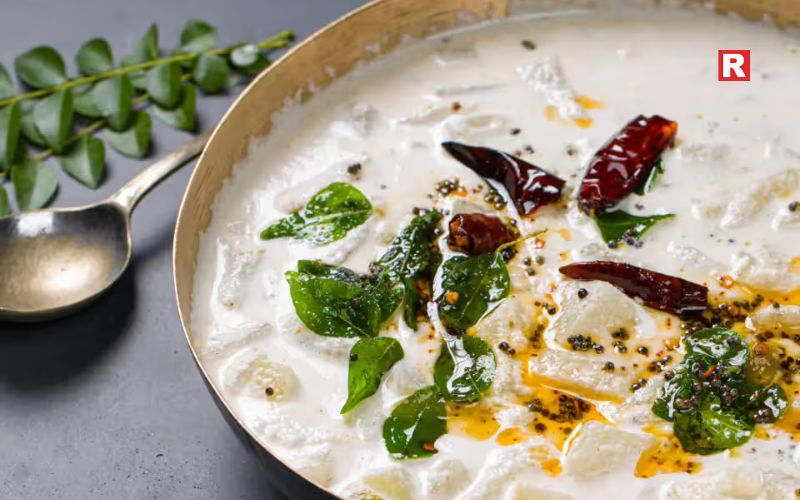
Pachadi is a yoghurt-based dish from Kerala. It is made using fruits or vegetables. Pineapple, cucumber, beetroot, and mango are common choices. The main taste is sweet and slightly sour. Coconut paste adds thickness. Mustard seeds are ground and mixed in small quantity. The dish is finished with mustard seeds and curry leaves fried in coconut oil. Pachadi adds freshness to the meal. It balances spicy and salty dishes. It is an important part of Sadya. Pachadi also adds colour to the banana leaf. Each version has a different taste. The dish feels light and refreshing. Pachadi reflects Kerala’s love for balanced meals and gentle flavours.
10. Kootu Curry
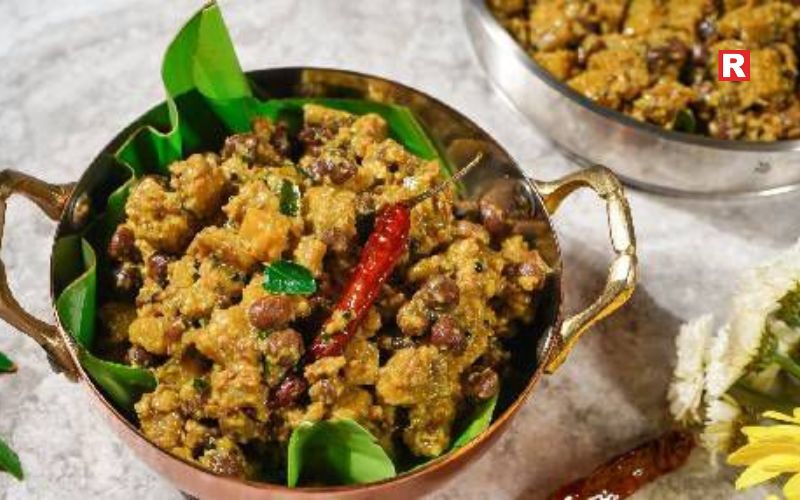
Kootu curry is a festive dish from Kerala. It is prepared mainly during Onam and special occasions. Black chana, yam, and raw banana are the main ingredients. These are cooked until soft. Coconut paste and spices are added for flavour. Jaggery is used to give mild sweetness. This sweetness balances the spice in the dish. Roasted coconut is added at the end for texture. Kootu curry is thick and filling. It is served with rice as part of Sadya. The dish has a rich taste and firm texture. It reflects Kerala’s tradition of combining sweet and spicy elements in one well-balanced dish.
Also check: Try These Veg Soups in These Freezing Winters
11. Puttu
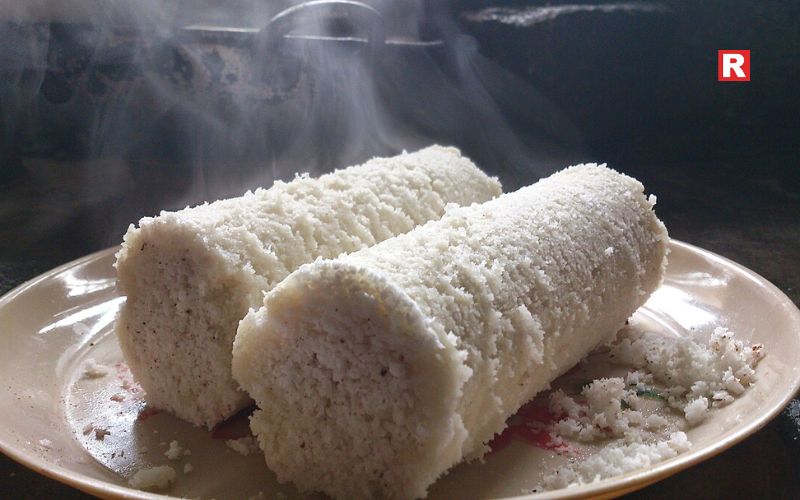
Puttu is a traditional breakfast dish from Kerala. It is made by steaming rice flour and grated coconut in layers. The mixture is placed in a tall mould and cooked using steam. Puttu turns soft and crumbly when done right. It has a clean and mild taste. Coconut gives it moisture and aroma. Puttu is usually eaten in the morning. It is commonly paired with kadala curry or ripe banana. Some people also enjoy it with sugar and coconut milk. Puttu is filling but light on the stomach. It suits daily eating. This dish shows how rice and coconut form the base of Kerala food habits. Puttu is simple, nourishing, and deeply connected to home cooking.
12. Appam
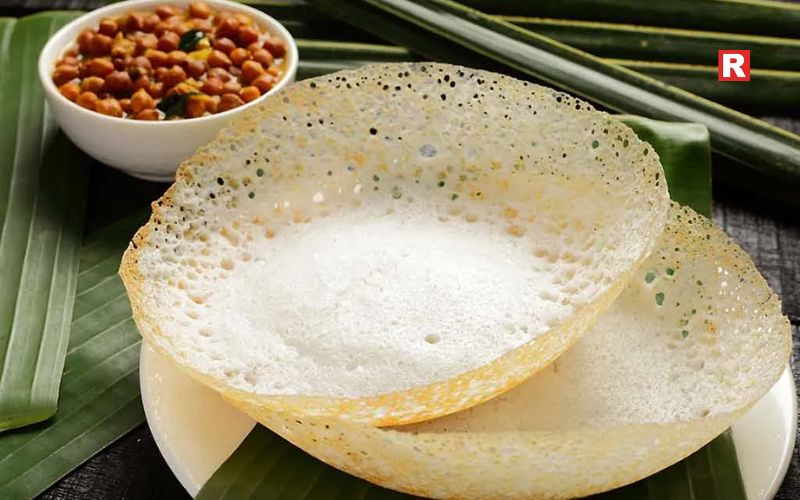
Appam is a soft rice pancake with thin, crispy edges. The centre remains fluffy and light. It is made using fermented rice batter mixed with coconut milk. Fermentation gives appam a gentle sour note. The taste is mildly sweet and pleasant. Appam is cooked in a deep pan without much oil. It is usually served hot. Vegetable stew is the most common side dish. Appam is eaten for breakfast or dinner. It is popular among all age groups. Appam is found in homes, small eateries, and restaurants. It feels light and easy to digest. This dish reflects Kerala’s skill in using fermentation to create soft and balanced food.
13. Idiyappam
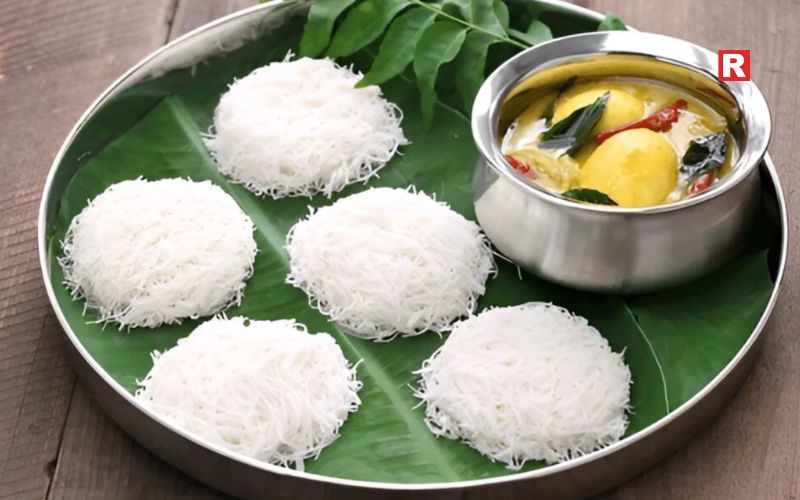
Idiyappam is also known as string hoppers. It is made from rice flour dough. The dough is pressed into thin strands and steamed. Idiyappam turns soft and delicate after cooking. It has no strong taste on its own. This makes it perfect to pair with curries. It is commonly served with vegetable stew or coconut milk. Idiyappam is eaten for breakfast and dinner. It is easy to digest and feels light. Many homes prepare it fresh in the morning. The process needs care and patience. Idiyappam shows how Kerala food values texture and balance. It is simple, filling, and deeply rooted in traditional cooking methods.
14. Vegetable Stew
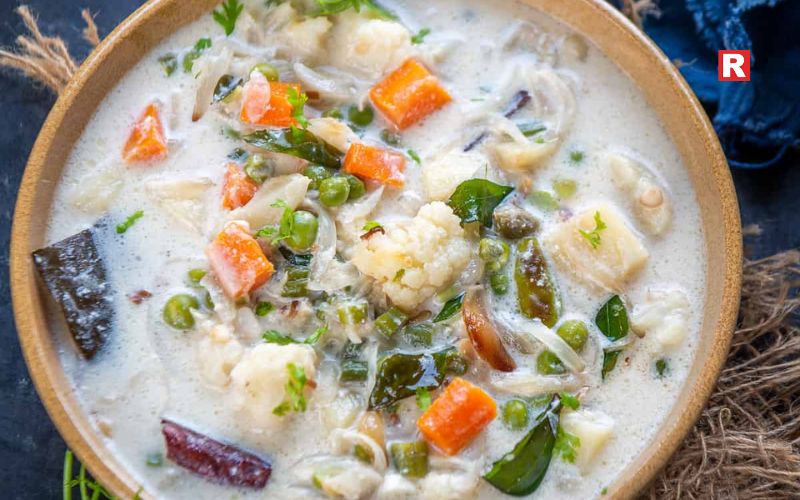
Kerala vegetable stew is a mild and creamy dish. It is made using mixed vegetables and coconut milk. Whole spices like cinnamon, cloves, and pepper are added. Coconut oil gives the stew its signature aroma. No chilli powder or heavy masala is used. The colour remains white or pale. The taste is gentle and comforting. Vegetable stew is usually served with appam or idiyappam. It is eaten during breakfast or dinner. The dish feels soothing and warm. It suits all age groups. Vegetable stew highlights Kerala’s love for subtle flavours. It shows how coconut milk can create richness without making food heavy.
15. Payasam
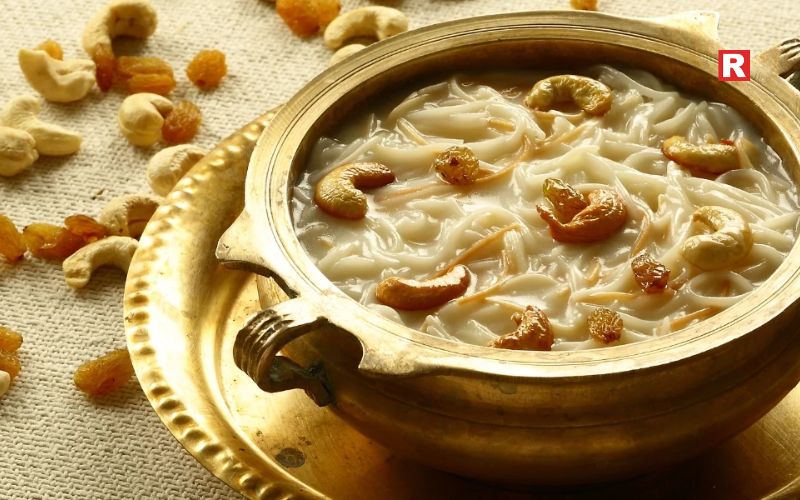
Payasam is the traditional dessert of Kerala. It is an important part of Sadya. Payasam is prepared using rice, vermicelli, lentils, or milk. Jaggery or sugar is used for sweetness. Coconut milk adds thickness and rich flavour. Cashews and raisins are often fried in ghee and added on top. Payasam is served warm or at room temperature. It is eaten at the end of the meal. No festival or special occasion feels complete without it. Each family has its own version. Payasam represents celebration and comfort. It brings a sweet ending to a balanced meal and reflects Kerala’s deep-rooted food traditions.
Check more: Top Famous Veg Street Foods in Kolkata That You Must Try Once in Your Life
Top Places to Explore for Authentic Bihar Food
Top Places to Visit for Authentic Gujarat Food
Why Kerala Vegetarian Food Feels So Authentic
Kerala vegetarian food is closely tied to tradition and daily life. The cooking style follows old customs passed down through families. Meals are often served on fresh banana leaves. This practice adds aroma and reduces waste. Coconut oil is widely used instead of refined oils. It suits the climate and enhances flavour. Fresh vegetables are bought and cooked every day. Packaged food is used less in traditional homes. Many dishes are prepared for temple offerings and religious events. Food is treated with respect and care. Seasonal vegetables guide daily cooking. This keeps meals light and balanced. Spices are used in small amounts. The focus stays on natural taste. Kerala veg food supports digestion and overall wellness. It feels comforting and clean. The cuisine reflects harmony between food, nature, and culture.
- Banana leaf meal tradition
- Daily use of fresh ingredients
- Preference for coconut oil
- Strong link with temples and rituals
- Seasonal and balanced cooking
Happy Eating!
Kerala’s vegetarian food shows how simple ingredients can create rich and lasting flavours. The cooking does not rely on heavy spices or complex methods. Rice, coconut, vegetables, and local spices do most of the work. Each dish carries a story from the land and the people. Many recipes come from temple kitchens and family homes. Meals are planned with care and balance. A proper meal feels complete and satisfying. Nothing feels extra or missing. For travellers, Kerala’s veg food offers a true local experience. For home cooks, it opens a window into regional Indian cuisine. These dishes are easy to understand and full of comfort. They suit daily eating and special occasions alike. Together, these fifteen dishes form a strong introduction to Kerala’s food culture. They reflect warmth, patience, and tradition. Through these meals, one can taste Kerala’s respect for nature, culture, and mindful eating.
Saptopriya Ghosal
Feature Writer
I am a dedicated media professional with a bachelor's degree in mass communication from the State University of Calcutta and a postgraduate degree from Amity University. My academic journey has equipped me with a profound understanding of storytelling and communication. Passionate about the dynamic world of media, I continually strive to explore new ways to engage and inform through compelling narratives.



































































































































































