
Discover Different Types of Whisky to Know: A Guide for Curious Drinkers and Enthusiasts
Exploring these styles allows drinkers to understand how ingredients, distillation, and aging influence the final spirit. With so many variations available, the world of whisky continues to offer new discoveries for both beginners and seasoned enthusiasts.


Whisky is one of the most respected and widely enjoyed spirits in the world. It is made by fermenting grain mash, distilling it, and aging the spirit in wooden barrels. Over time, this process creates complex flavors, aromas, and textures that whisky lovers appreciate. What many people do not realize is that whisky is not just one style of drink. It exists in several forms, each shaped by ingredients, production techniques, and regional traditions.
From smoky Scottish whiskies to sweet American bourbons and elegant Japanese expressions, every type has its own identity. Learning about these styles can help drinkers understand flavor differences, choose the right bottle, and appreciate the craftsmanship behind every dram.
Key Differences Between Major Whisky Types
Whisky Type | Main Grain Used | Region of Origi | Flavor Profile | Distillation Style | Aging Requirement |
|---|---|---|---|---|---|
Scotch Whisky | Malted barley or grains | Scotland | Smoky, peaty, complex | Usually double distilled | Minimum 3 years |
Irish Whiskey | Barley and grains | Ireland | Smooth, light, slightly fruity | Usually triple distilled | Minimum 3 years |
Bourbon Whiskey | At least 51% corn | United States | Sweet, vanilla, caramel | Distilled in column stills | Aged in new charred oak barrels |
Rye Whiskey | At least 51% rye | United States or Canada | Spicy, peppery, dry | Column or pot still | Typically aged in oak barrels |
Tennessee Whiskey | At least 51% corn | Tennessee, United States | Smooth, caramel, slightly smoky | Charcoal filtered before aging | Aged in new charred oak barrels |
Japanese Whisky | Malted barley | Japan | Elegant, balanced, delicate | Similar to Scotch methods | Varies depending on producer |
Canadian Whisky | Corn, rye, wheat | Canada | Light, smooth, mild spice | Often blended spirits | Usually aged at least 3 years |
Indian Whisky | Barley or molasses blends | India | Rich, fruity, bold | Pot and column stills | Varies depending on style |
Explore Different Types of Whisky to Know
1. Scotch Whisky
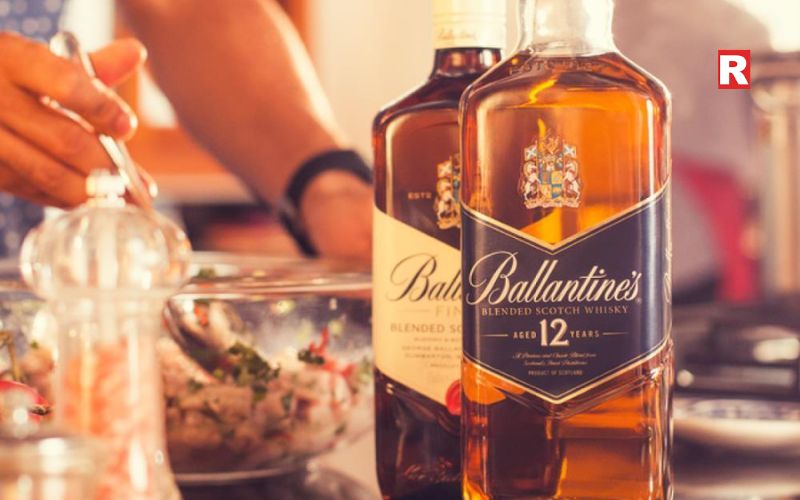
Scotch whisky is produced in Scotland and follows strict production regulations. By law, it must be aged for a minimum of three years in oak casks. It is typically made using malted barley, although some styles use other grains. One of the most well-known categories is single malt Scotch. This whisky is produced from malted barley at a single distillery. It is appreciated for its depth and regional character. Depending on where it is produced in Scotland, the flavor may range from fruity and delicate to smoky and peaty. Blended Scotch whisky is another major category. It combines malt whisky with grain whisky to achieve a consistent and balanced flavor. Many entry-level Scotch whiskies fall into this category because they are smooth and approachable. Peat is an important part of Scotch production in some regions. During the drying of barley, peat smoke may be used, which gives the whisky its famous smoky aroma and earthy taste.
Read more: Top Scotch Whisky Brands in India: The Ultimate Guide for Whisky Lovers
Best Deluxe Blended Scotch Whisky Brands in India
2. Irish Whiskey
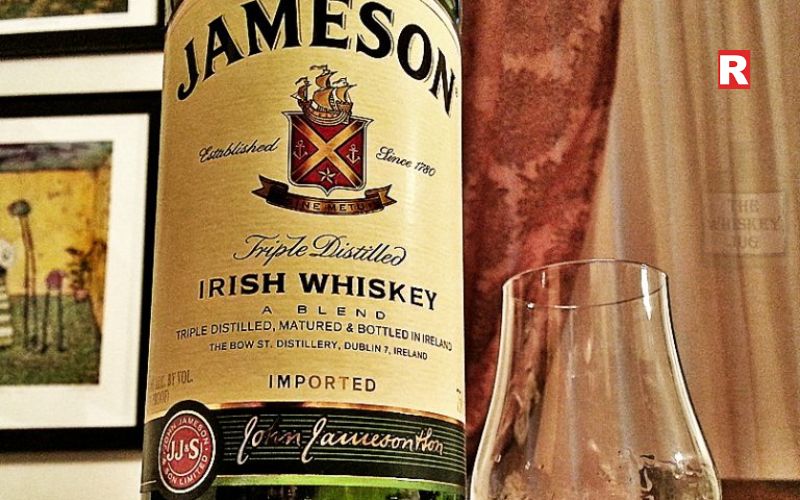
Irish whiskey is widely recognized for its smooth and approachable character. It is typically triple distilled, which results in a lighter and cleaner spirit. Irish whiskey must be produced and aged in Ireland for at least three years. The style includes several subcategories. Single malt Irish whiskey is made entirely from malted barley. Single pot still whiskey is another traditional style that uses both malted and unmalted barley. Blended Irish whiskey is the most common variety available in global markets. It combines multiple whiskey styles to produce a smooth and balanced drink. Historically, Irish whiskey dominated the global whisky market during the nineteenth century. Today, it continues to grow in popularity among drinkers who prefer a softer and more refined spirit.
3. Bourbon Whiskey

Bourbon whiskey is one of the most iconic American spirits. To qualify as bourbon, the whiskey must be produced in the United States and made from a grain mixture containing at least 51 percent corn. Bourbon is aged in new charred oak barrels. This requirement gives the spirit its signature amber color and rich flavors. As the whiskey matures, it absorbs compounds from the wood that produce notes of caramel, vanilla, and toasted oak. Many people associate bourbon with Kentucky, where a large percentage of the world’s bourbon is produced. However, bourbon can technically be made anywhere in the United States. Its naturally sweet profile makes bourbon popular for sipping as well as for cocktails.
Know more: Top Premium Whisky Brands in India: Finest Indian Whiskies Worth Trying
4. Rye Whiskey
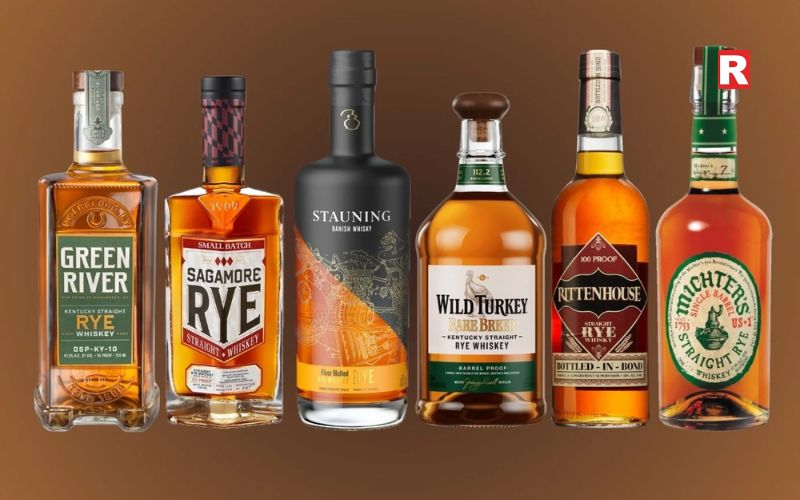
Rye whiskey is known for its bold and spicy flavor. In the United States, rye whiskey must contain at least 51 percent rye grain in the mash bill. This grain gives the whiskey a sharper and drier taste compared to bourbon. Drinkers often notice flavors such as pepper, spice, herbs, and dry grain. Rye whiskey was extremely popular in the United States before Prohibition. In recent years, the style has experienced a strong revival as bartenders and enthusiasts rediscover its complexity. Because of its bold character, rye whiskey is commonly used in classic cocktails like the Manhattan and the Old Fashioned.
5. Tennessee Whiskey

Tennessee whiskey is a distinctive American whiskey style that closely resembles bourbon but includes an additional step known as the Lincoln County Process. This process involves filtering the whiskey through charcoal before it is aged in barrels. Tennessee whiskey must be produced in the state of Tennessee in the United States. Like bourbon, it is made from a mash bill that contains at least 51 percent corn and is aged in new charred oak barrels. However, the charcoal filtering process gives the whiskey a smoother and slightly mellower character. The flavor profile often includes notes of caramel, toasted oak, vanilla, and subtle smokiness. The charcoal mellowing also softens the spirit, which is why Tennessee whiskey is often described as smooth and well-balanced. Because of its refined sweetness and gentle smokiness, Tennessee whiskey works well both as a sipping spirit and in classic cocktails.
6. Japanese Whisky

Japanese whisky has gained global recognition for its precision and craftsmanship. Japanese distillers were originally inspired by Scottish whisky-making traditions, but they have developed their own refined style over time. Japanese whisky is often known for balance and subtlety. The flavor profile typically includes delicate fruit notes, honey, soft smoke, and floral aromas. Some Japanese whiskies are aged in barrels made from Mizunara oak, a rare type of Japanese wood. This wood adds distinctive aromas such as sandalwood, coconut, and spice. In the past two decades, Japanese whisky has won several international awards, increasing its reputation among collectors and connoisseurs.
7. Canadian Whisky
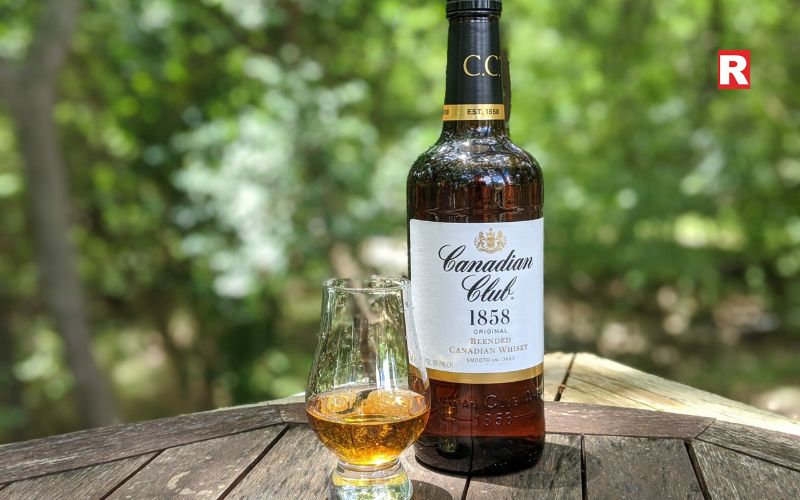
Canadian whisky is famous for its smooth and easy-drinking style. Most Canadian whiskies are blends that combine spirits made from different grains. Rye grain is often used in production, which is why Canadian whiskies are sometimes referred to as rye whisky even when rye is not the dominant ingredient. The flavor profile is typically lighter compared to American and Scottish styles. Many Canadian whiskies display mild sweetness, subtle spice, and a clean finish. This makes them versatile for both sipping and cocktails. Canadian whisky has played a major role in North American whisky culture and continues to be widely enjoyed across the world.
8. Indian Whisky

Indian whisky has become increasingly important in the global spirits industry. India is one of the largest whisky-consuming markets in the world. Some Indian whiskies are made using molasses-based spirits blended with grain whisky. However, the country has also developed a strong reputation for producing premium single malt whiskies. These single malts are made using malted barley and traditional distillation techniques. India’s warm climate accelerates the maturation process. As a result, whisky interacts with the oak barrels more quickly, producing rich and intense flavors even after shorter aging periods. Indian distilleries are now exporting their whiskies globally and receiving recognition in international whisky competitions.
How Grains Shape Whisky Flavor
The type of grain used in whisky production plays a major role in determining its flavor and texture. Barley is commonly used in single malt whiskies and produces a rich, malty taste. Corn contributes sweetness and a fuller body, which is why it is the primary grain in bourbon.
Rye adds spice and dryness to the whisky, giving rye whiskey its bold character. Wheat, when used in the mash bill, creates a softer and smoother mouthfeel. The balance between these grains shapes the whisky’s personality even before the aging process begins.
Also check: Top 20 Trendy Whiskeys You Must Try Once
Best Imported Whisky Brands in India: A Detailed Guide for Every Whisky
12 Affordable Spirits That Taste Like They Cost a Fortune
The Influence of Aging and Barrels
After distillation, whisky is placed in oak barrels where it matures over time. During this period, the spirit extracts compounds from the wood that create flavor, color, and aroma. Common notes developed during aging include vanilla, caramel, toasted spice, and dried fruit. Climate also plays an important role. In warmer regions, whisky matures faster because the liquid expands and contracts within the barrel more frequently. Different types of barrels can also add unique flavors. Some distilleries age whisky in barrels that previously held wine, sherry, or other spirits, which enhances complexity.
Final Sip!
Whisky offers an incredible range of flavors and traditions. Each style reflects the culture and craftsmanship of its region. Scotch delivers smoky depth, Irish whiskey offers smooth elegance, bourbon provides sweetness, and rye brings bold spice. Japanese whisky focuses on balance and refinement, while Canadian whisky emphasizes smoothness. Indian whisky is emerging as a strong global contender with rich and expressive profiles. Exploring these styles allows drinkers to understand how ingredients, distillation, and aging influence the final spirit. With so many variations available, the world of whisky continues to offer new discoveries for both beginners and seasoned enthusiasts.
Saptopriya Ghosal
Feature Writer
I am a dedicated media professional with a bachelor's degree in mass communication from the State University of Calcutta and a postgraduate degree from Amity University. My academic journey has equipped me with a profound understanding of storytelling and communication. Passionate about the dynamic world of media, I continually strive to explore new ways to engage and inform through compelling narratives.






















































































































































