
Dining Reinvented: The 2025 Restaurant Revolution
By 2025, the restaurant industry hasn’t just bounced back—it’s transformed.

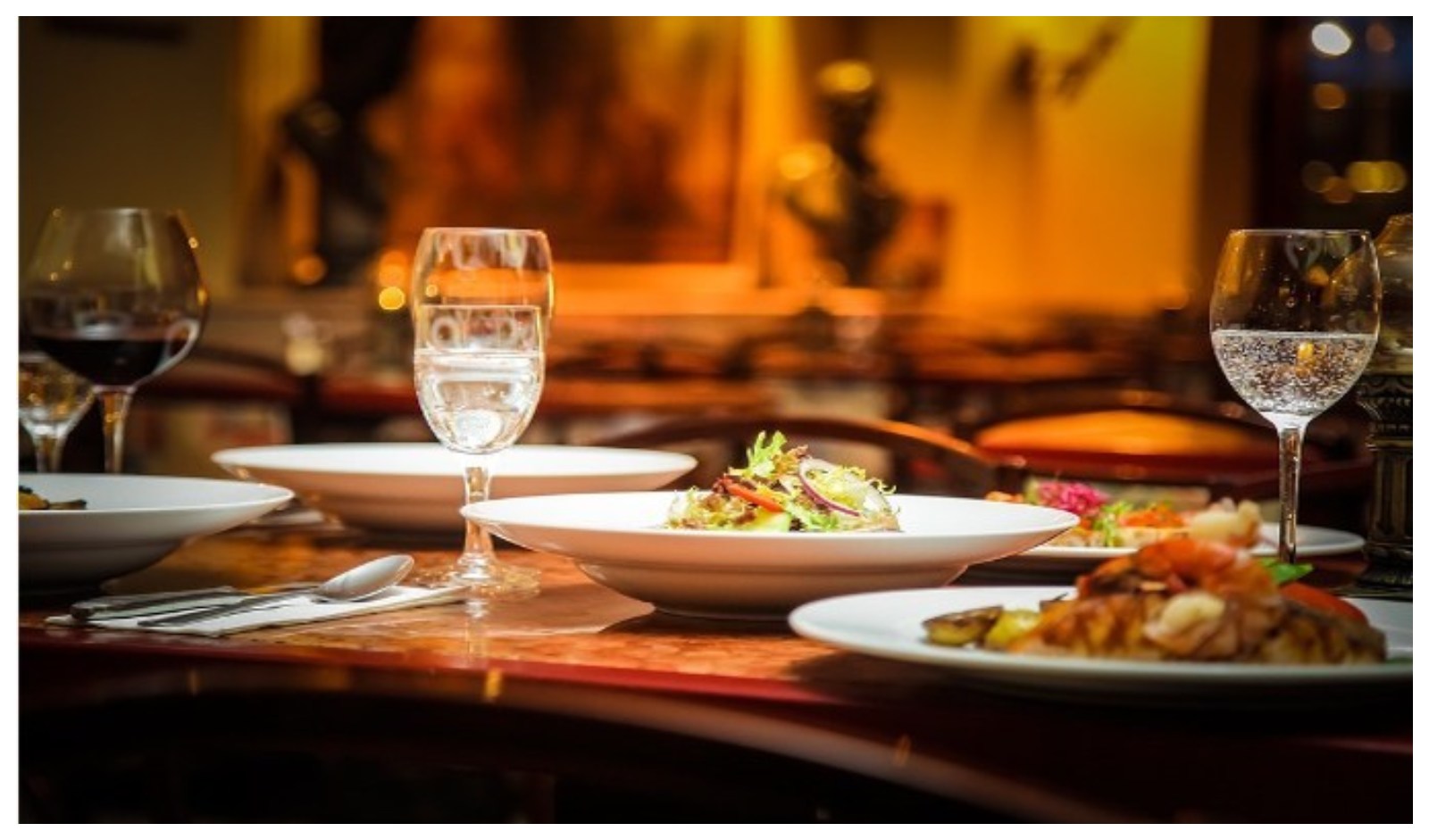
As diners crave deeper connection and meaning, forward-thinking brands are redefining hospitality itself, creating experiences that extend far beyond the plate.
A Year of Growth and Transformation
After years of inflation and shifting habits, 2025 marks a phase of steady recovery and reinvention for the global restaurant industry. The global foodservice market is projected to reach USD 4.03 trillion, up from USD 3.48 trillion in 2024, with online food delivery alone valued at USD 173.6 billion.
In India, the sector has rebounded to USD 85–90 billion, driven by growth in both organized dining and delivery-led models. Tier-II and Tier-III cities are now powering expansion, fuelled by rising aspirations and digital reach. Dining is thriving it’s just in new ways.
From Functional to Experiential Dining
Dining today isn’t just about food; it’s about look and feel. Post-pandemic, consumers are craving authenticity, atmosphere, and emotional connection. That has led to a decisive shift from functional eating to experiential dining.
As per reports, experiential dining is projected to grow multi-fold by 2030, as consumers, especially millennials and Gen Z, prioritize experiences over possessions.
Expressing his views, Rishi Chona, CEO of Cream Centre & Director at Ice Cream Works shares, “At Cream Centre, we’ve been proud to be part of this evolution since 1958. This year has been especially exciting for us, with the successful launch of our Bengaluru outlet at Mall of Asia and plans to open 50 Cream centre outlets in the coming year including expansion in Dubai.”
“India’s food-services market has continued to grow this year, with most trackers pointing to high-single-digit momentum and a continued shift to organized formats; sector outlooks peg 2024–28 CAGR around 8% and rising QSR share even as casual dining remains large,” mentions Gaurav Kanwar, Founder & CEO of Harajuku Tokyo Café.
Dining today is about emotion. Commenting on this, Pawan Shahri, Co-Founder and CEO of Chrome Asia Hospitality says, “Guests don’t come just to eat, they come to feel. They want a place that has character, that keeps evolving, and that tells a story every time they walk in. “
Rising Costs and Rising Expectations in Dine-in
For dine-in operators, inflation, rent, and staffing continue to squeeze margins, even as guests expect seamless service, personalisation, and purpose.
“Dining has evolved from “food + seat” to “experience + community”: healthier menus, wellness cues, and theatrical, Instagrammable spaces now anchor demand,” adds Kanwar. Training and technology are being used to improve service efficiency, while menu engineering helps balance food cost with perceived value.
“Dining today is far more experiential and health conscious. Guests look for variety, freshness, and balance and we have responded with new menu additions like healthy brown rice protein bowl with 42 grams protein, wholesome Salad Bowls, and light global-inspired dishes that complement our signature classics while keeping authenticity intact,” points Chona.
Delivery vs Dine-in: The 2025 Reality Check
While experiential dine-in is on the rise, delivery continues to anchor restaurant profitability. Industry splits vary by format and city but dine-in still leads nationally while delivery is the growth engine; a practical working range many chains report is roughly 60:40 dine-in to delivery for casual/QSR, with dine-in the leading “service type” and delivery expanding at double-digit rates.
“For Roll Baby Roll, this has helped in increasing retail and deliveries. Currently, we have 55% deliveries and 45% retail; we have maintained this for quite some time now. As we are expanding, we would like to increase the ratio by 60:40 for retail and deliveries,” shares Gandharv Dhingra, Founder, Roll Baby Roll.
While, at Cream Centre the dine-in experience contributes to nearly 80% of their total sales while the remaining 20% comes from delivery.
Challenges in dine-in
Maintaining consistency and high service standards across locations is the biggest challenge. Dine-in challenges are occupancy costs, staffing, and sustained footfall, delivery fights unit economics, platform dependence, and rider attrition.
“The challenge for dine-in concepts like ours isn’t scale — it’s staying relevant. You have to reinvent yourself every month. Guests today are curious and exposed to the best of the world through social media,” comments Shahri.
As 2025 unfolds, dining is becoming a form of self-expression where food, design, and digital touchpoints converge to create moments of connection. The next era of restaurants won’t just serve meals they’ll serve meaning.
Vijetha Iyer
Content Editor
Working as a Content Editor with Restaurant India. I have worked in various sectors like food and beverage sector, chemicals, pharma, nutraceuticals, now specially focusing on restaurant side. But my core knowledge was always on content. Be it writing poems to verses, I always loved writing and have been exploring my career on the same. In Restaurant India, I deliver insightful stories, take interviews of various brands and update the audiences about the newest happenings in the restaurant industry.









































