Dark vs White Rum: Key Differences & Uses
Rather than choosing one over the other, keeping both in your home bar gives you the flexibility to create a wider range of drinks and dishes while appreciating the craftsmanship behind every bottle.

Rum is one of the world's oldest and most versatile spirits. It is enjoyed in tropical cocktails, classic mixed drinks, rich desserts, and even as a neat sipping spirit. While shopping for rum, you will often find two popular styles on the shelf—white rum and dark rum. At first glance, the difference seems obvious because of their colour. However, the real differences go far beyond appearance.
Every rum starts out as a clear liquid after distillation. The colour develops later through ageing in wooden barrels, filtration, or blending. That means a dark rum is not always older, and a white rum is not always unaged. Understanding how each style is made can help you choose the right bottle for cocktails, cooking, or enjoying on its own.
What Is Rum?
Rum is a distilled alcoholic drink made from sugarcane by-products such as molasses, fresh sugarcane juice, or cane syrup. After fermentation and distillation, the spirit may be aged in wooden barrels before bottling. Most commercial rums contain around 40 percent alcohol by volume (ABV), although premium and overproof varieties can range from 37.5 percent to over 75 percent ABV. Rum production is concentrated in tropical regions where sugarcane grows in abundance. Countries such as Jamaica, Barbados, Cuba, Puerto Rico, Guyana, Martinique, and India are among the world's well-known rum producers. India is also one of the largest consumers of rum, with demand increasing for premium and craft varieties in recent years.
How Rum Is Made
The production process has a major influence on the flavour and character of rum.
Sugar Source: Rum begins with either molasses, sugarcane juice, or cane syrup. Molasses produces richer, sweeter flavours with notes of caramel and toffee. Fresh sugarcane juice creates lighter, grassy, and floral rums, while cane syrup offers a balance between the two.
Fermentation: Yeast converts sugars into alcohol during fermentation. This stage can last anywhere from 24 hours to several days. Longer fermentation produces more esters, which create fruity aromas such as banana, pineapple, and tropical fruits. Jamaican rums are particularly famous for their high ester content and bold flavours.
Distillation: The fermented liquid is distilled using either pot stills or column stills. Pot stills produce richer and more aromatic spirits with greater complexity. Column stills create lighter, cleaner rums that work especially well in cocktails.
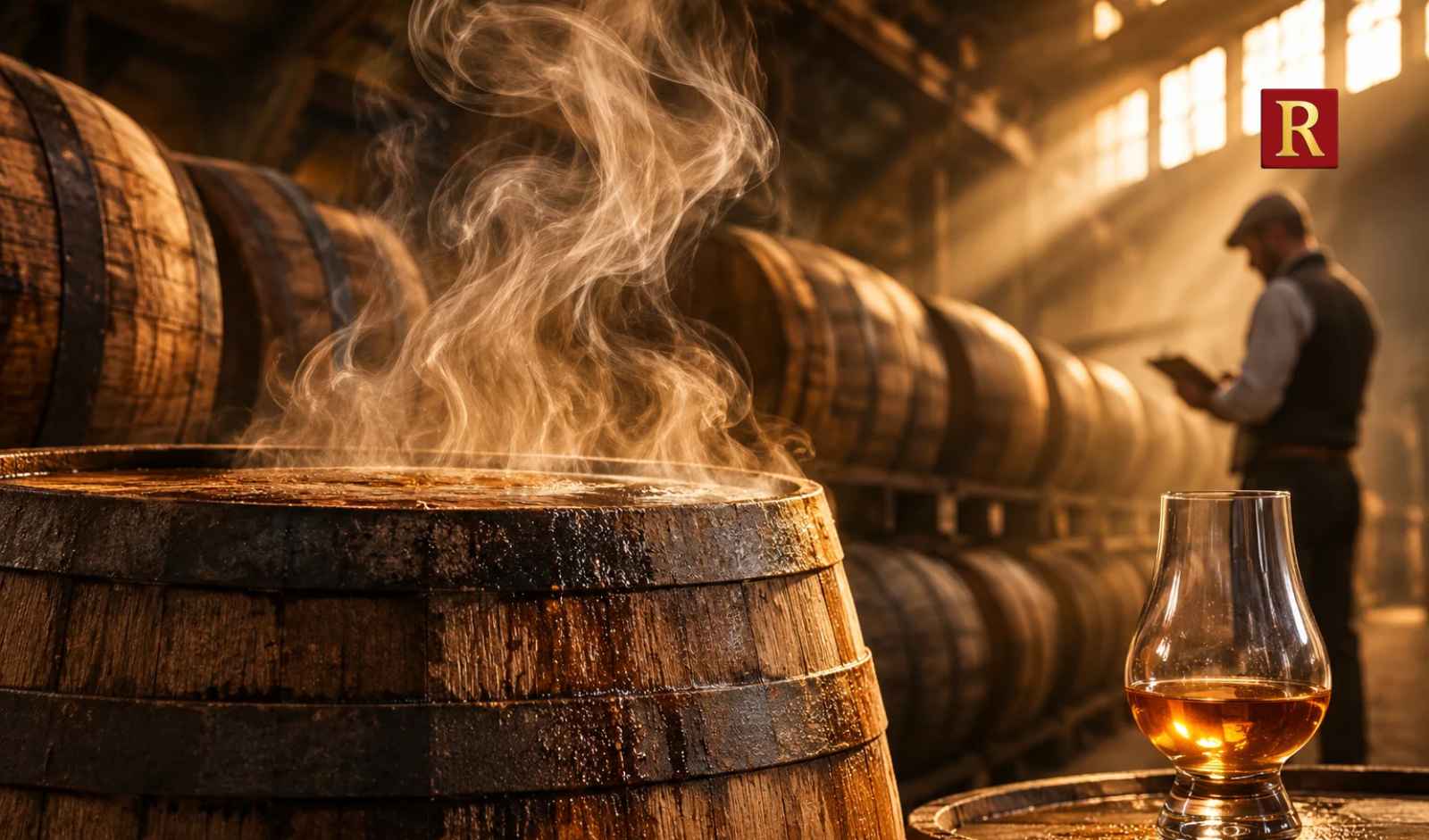
Ageing: Many rums are matured in American oak or ex-bourbon barrels. During ageing, the spirit slowly absorbs compounds from the wood, including vanillin, tannins, and oak lactones. These compounds contribute flavours of vanilla, spice, caramel, toasted nuts, and dried fruits. The barrels also allow slow oxidation, which softens the spirit over time.
Filtration: Some white rums are aged before undergoing charcoal filtration. This process removes most of the colour while preserving some of the smoothness and subtle oak flavours gained during maturation.
What Is White Rum?
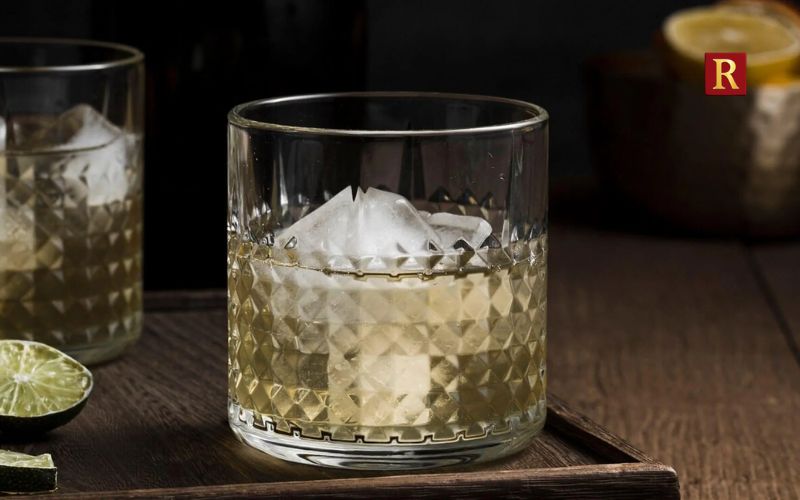
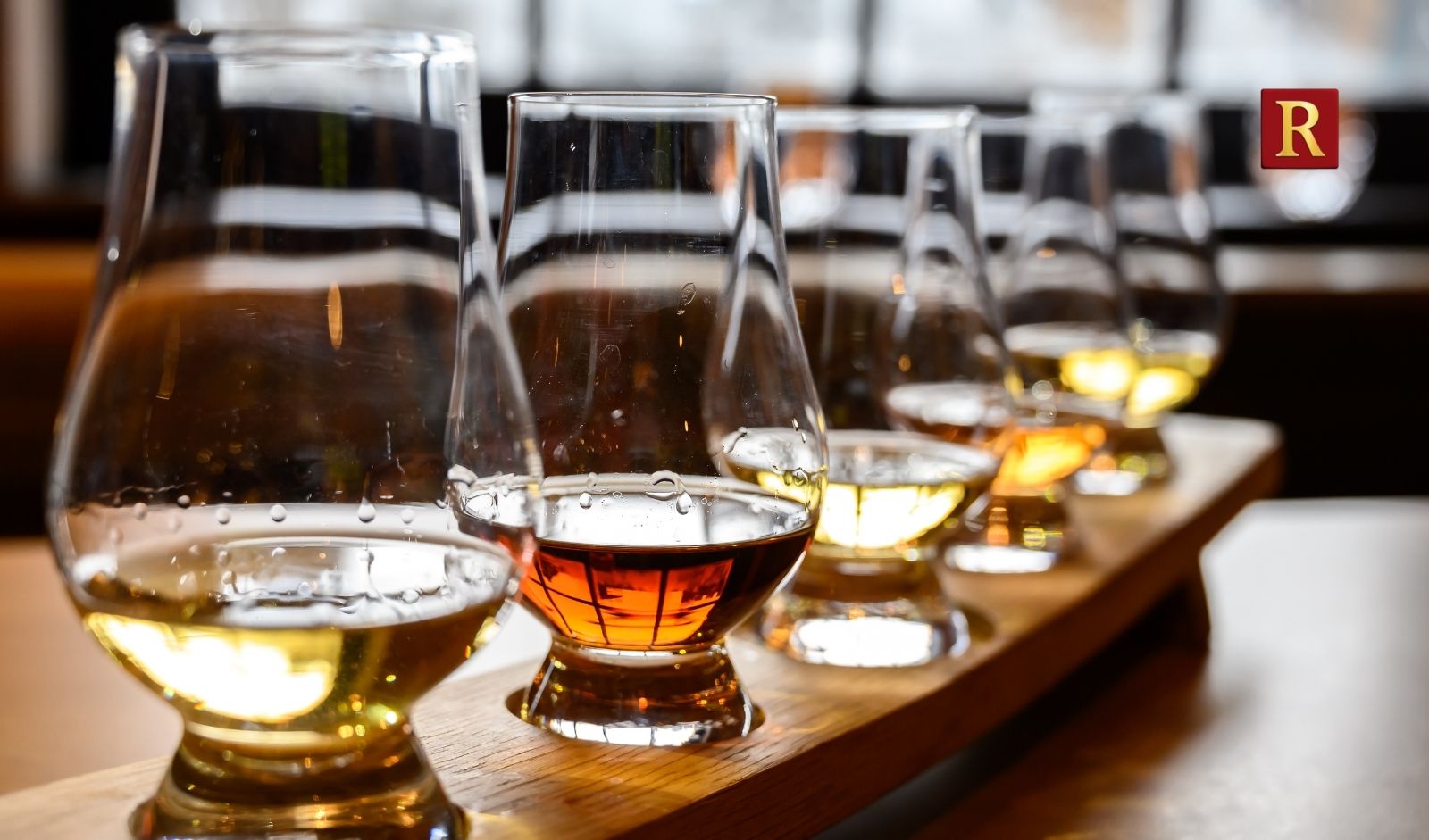
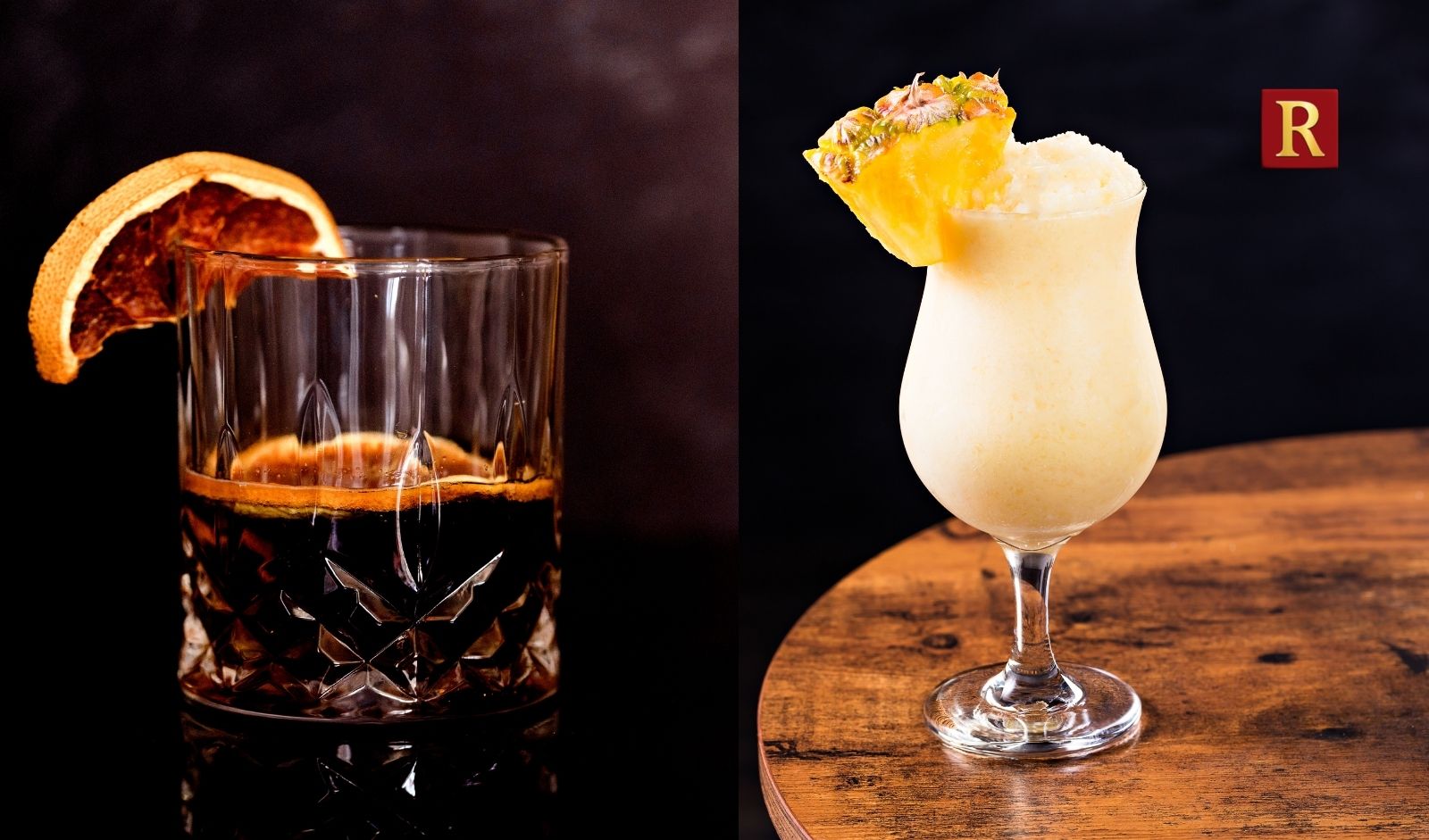
White rum, also called light or silver rum, is usually clear, crisp, and light-bodied. It is known for its clean flavour and refreshing character. Most white rums are either unaged or aged briefly before filtration. The charcoal filtration process removes colour, making the spirit transparent.
Typical tasting notes include:
- Citrus
- Coconut
- Vanilla
- Fresh sugarcane
- Banana
- Green apple
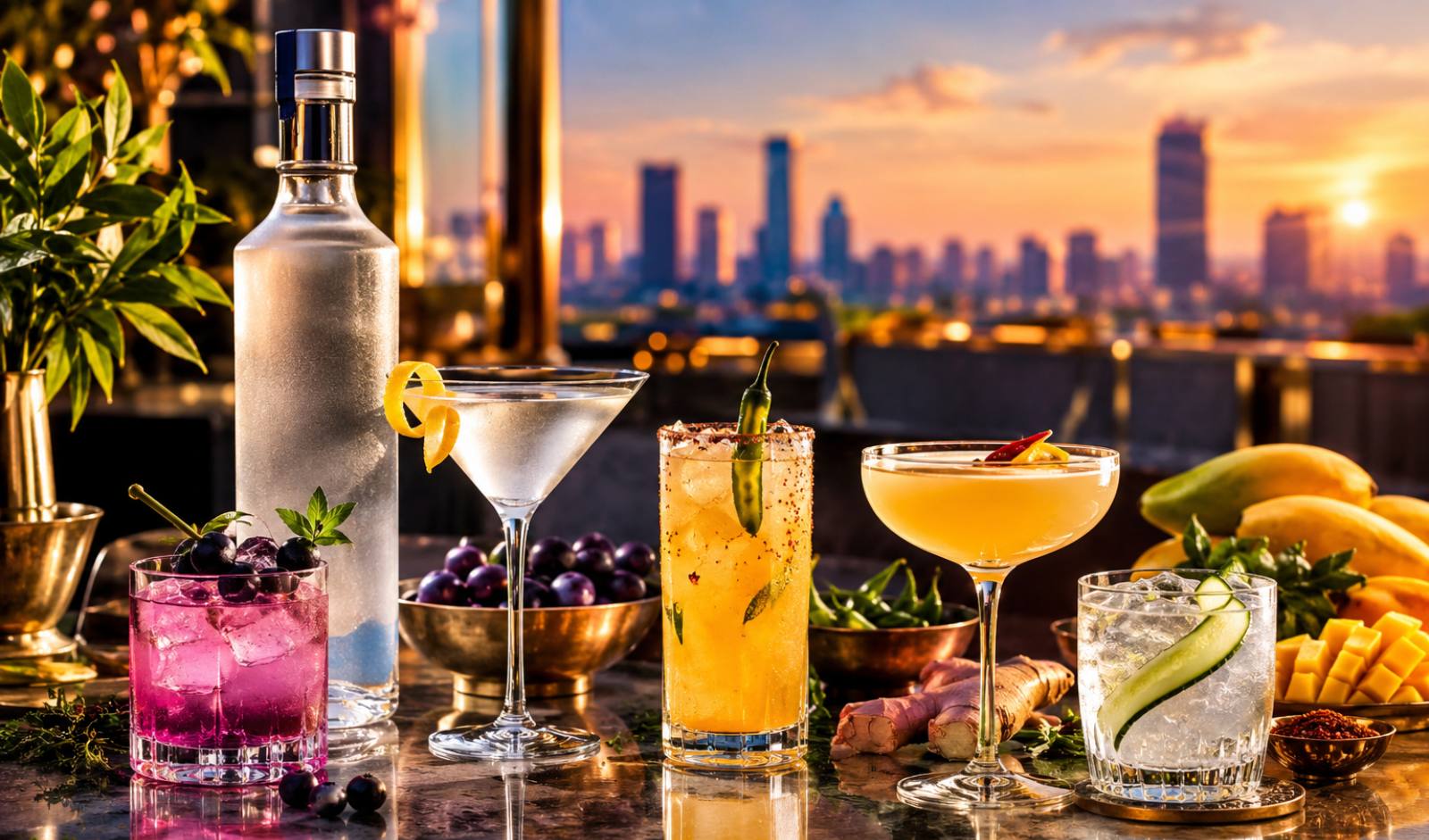
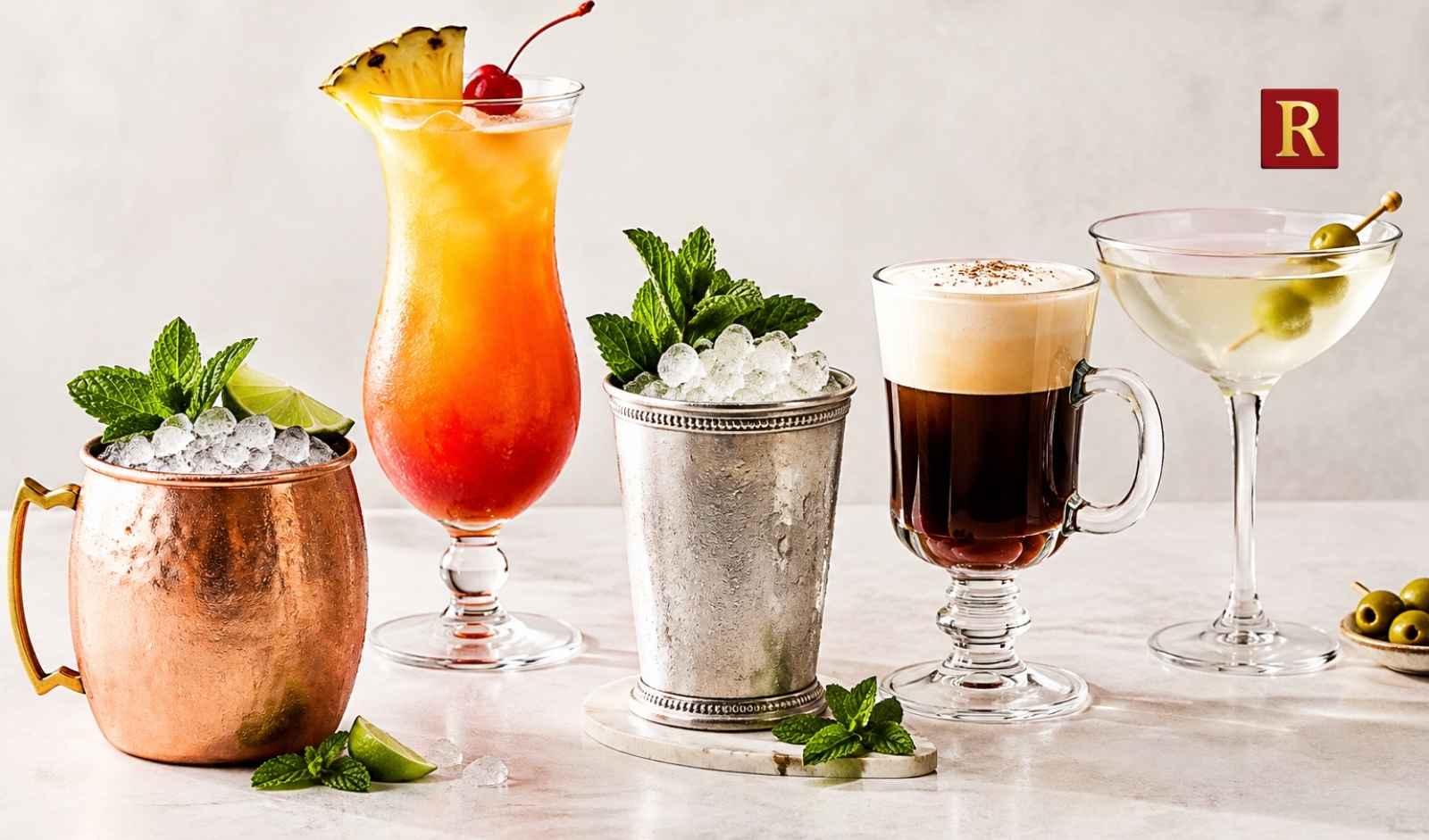
Its mild flavour allows mixers such as lime, mint, soda, and fruit juices to shine without being overpowered.
What Is Dark Rum?
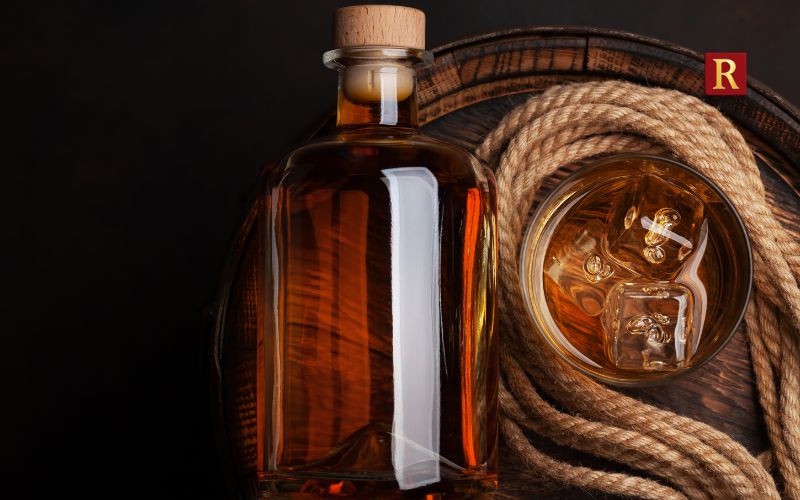
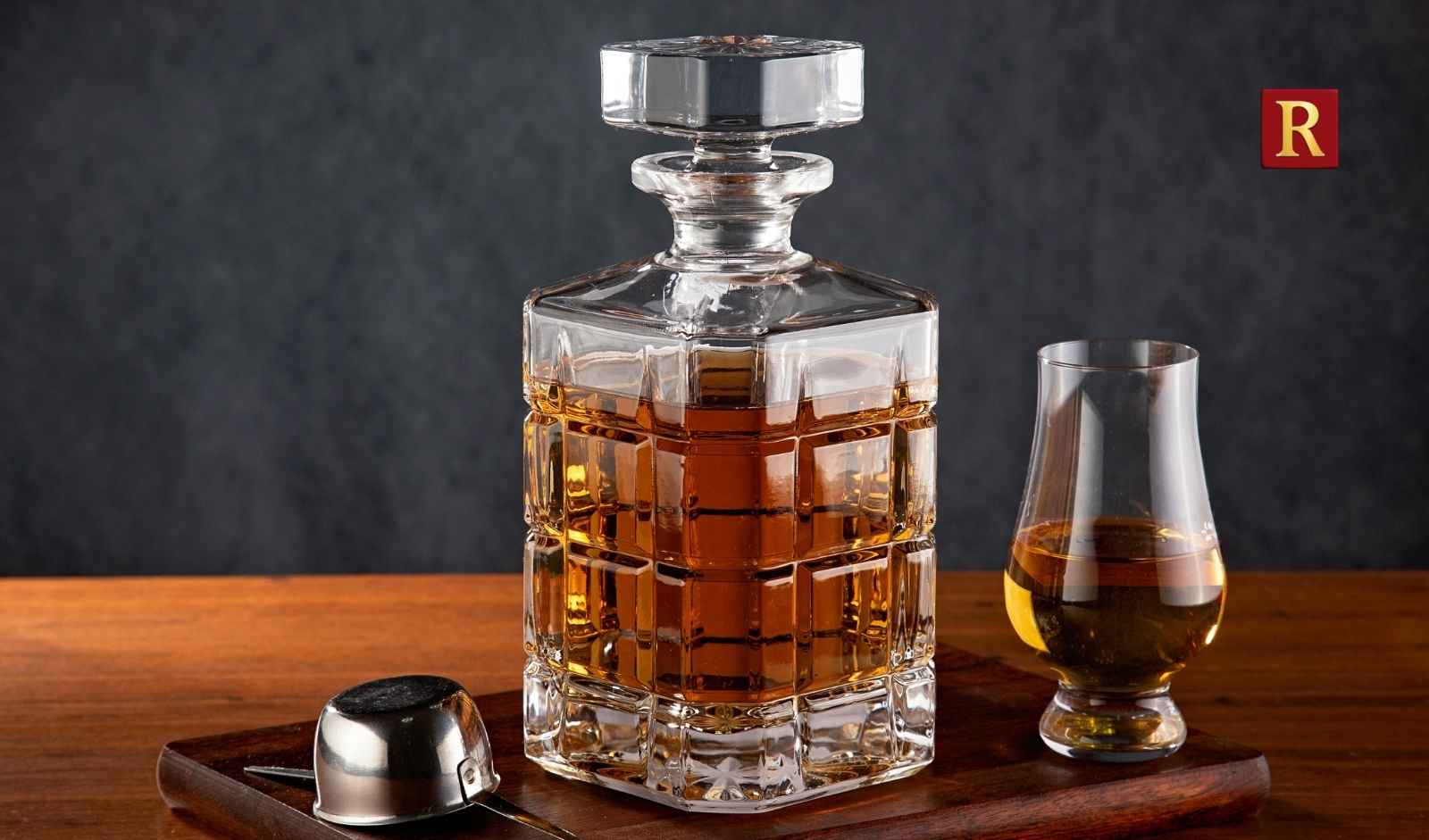
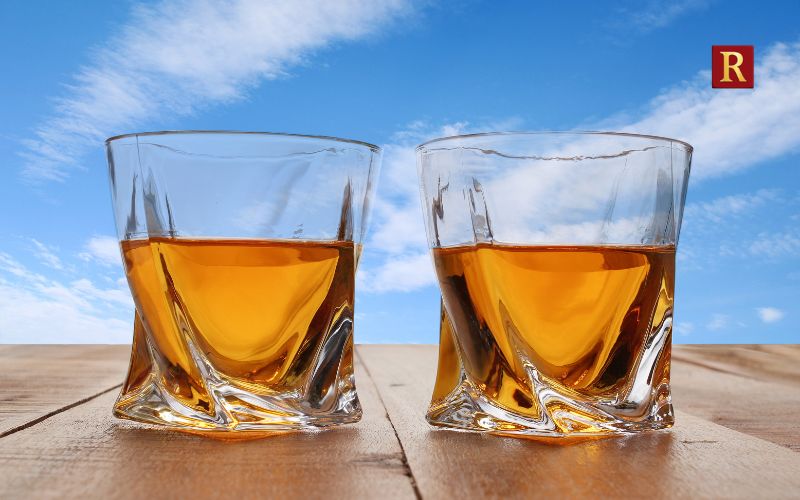
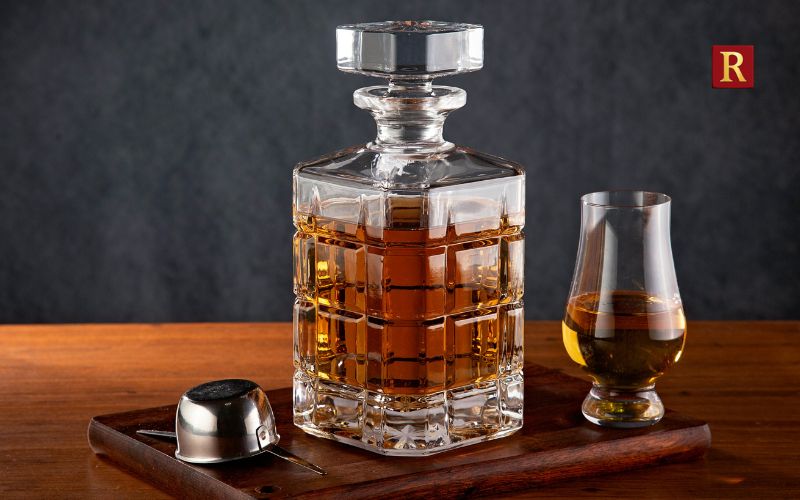
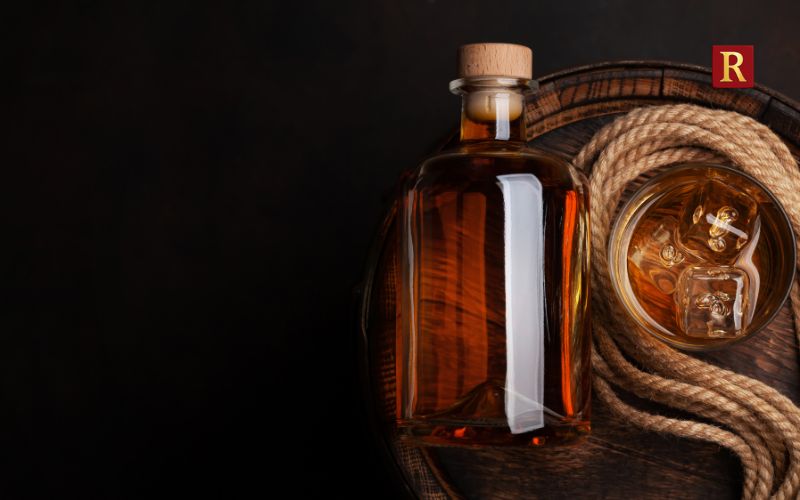
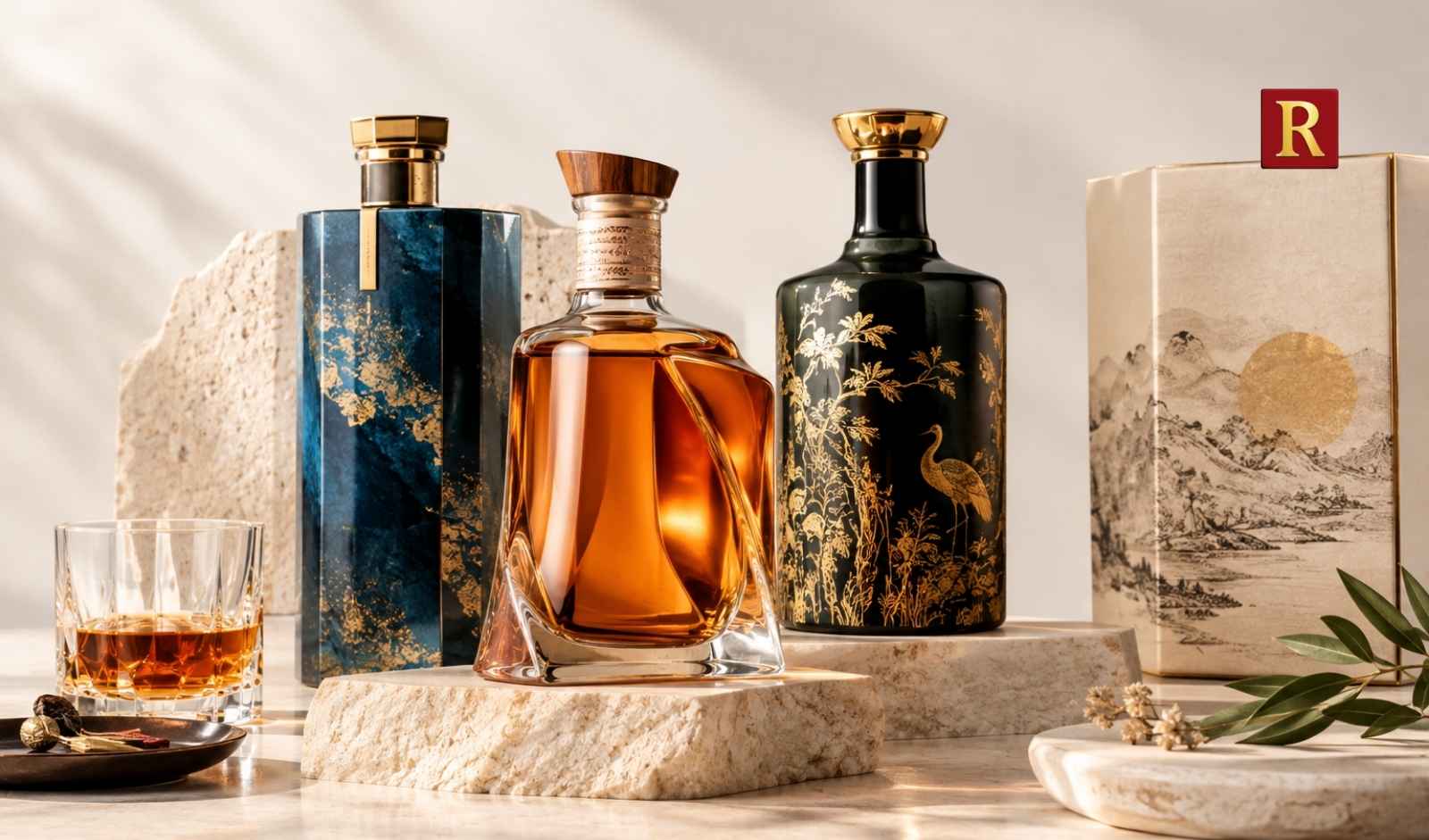
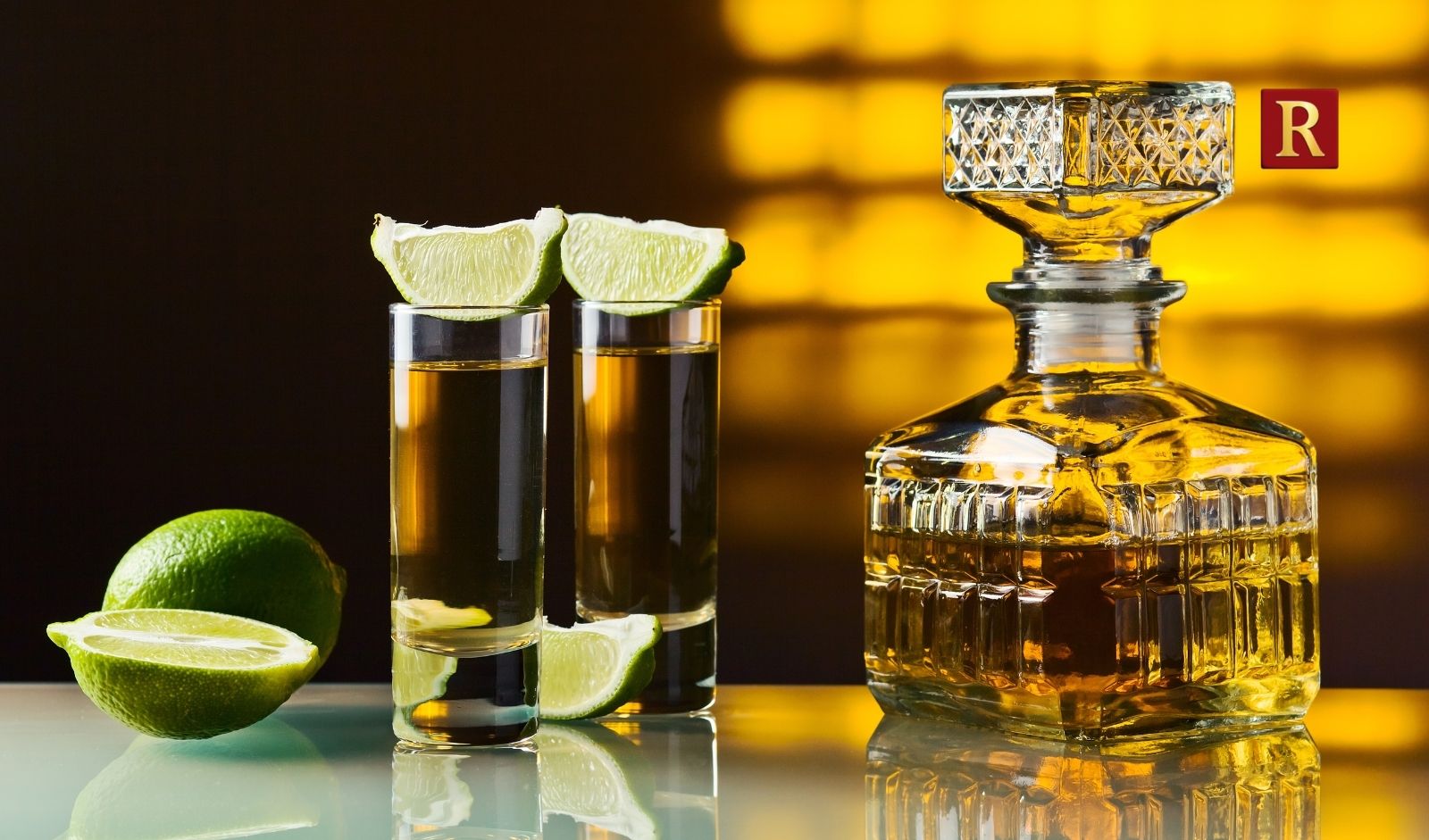
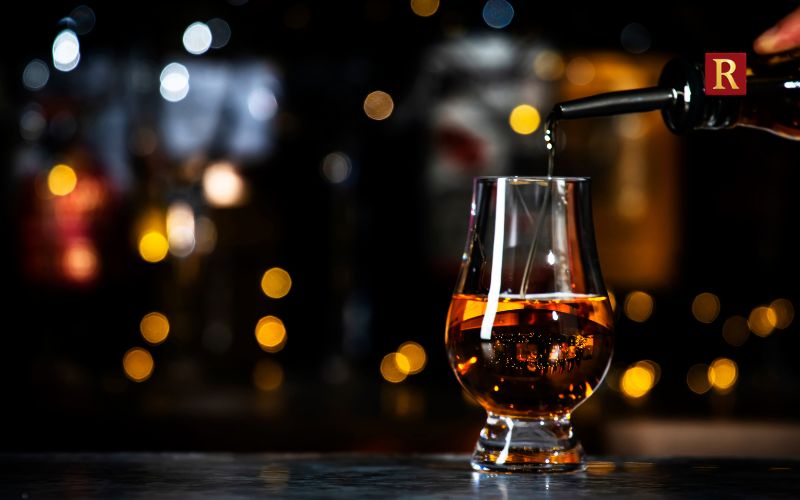
Dark rum ranges in colour from golden amber to deep brown. It is generally fuller-bodied with richer aromas and a more complex taste. Dark rum usually spends more time ageing in charred oak barrels. During this process, it develops deeper flavours from the wood. Some producers also add caramel colouring to achieve a consistent appearance, which is why colour alone does not indicate age.
Common flavour notes include:
- Caramel
- Toffee
- Molasses
- Coffee
- Chocolate
- Cinnamon
- Clove
- Dried fruits
- Oak
Dark rum is often enjoyed neat, over ice, or in spirit-forward cocktails.
Dark Rum vs White Rum: Key Differences
Feature | White Rum | Dark Rum |
|---|---|---|
Colour | Clear | Amber to dark brown |
Ageing | Little or filtered after ageing | Longer barrel ageing |
Body | Light | Medium to full |
Flavour | Fresh and fruity | Rich and spicy |
Oak Influence | Minimal | Strong |
Best For | Cocktails | Sipping, cocktails, cooking |
Aroma | Floral and citrus | Vanilla, caramel and spice |
The biggest difference lies in flavour rather than alcohol strength. While both styles may contain the same ABV, ageing gives dark rum more depth and complexity.
Why Does Dark Rum Taste Richer?
The transformation happens inside the barrel. Wood naturally contains compounds such as lignin, tannins, cellulose, and oak lactones. As rum ages, these compounds dissolve slowly into the spirit. Lignin breaks down into vanillin, creating vanilla aromas. Oak lactones add coconut and woody notes. Tannins contribute structure and slight bitterness, while the barrel's charred interior develops caramelised and smoky flavours. Another important process is oxidation. Tiny amounts of oxygen enter the barrel over several years, softening harsh alcohol notes and allowing flavours to blend together. This combination creates the warm, layered taste associated with aged dark rum.
Is Dark Rum Stronger Than White Rum?
Many people assume darker colour means higher alcohol content, but this is not true. Most white and dark rums sold worldwide are bottled at around 40 percent ABV. Some premium and overproof versions exceed 50 percent ABV, but these are available in both white and dark styles. Strength depends on the bottling proof, not the colour.
Which Rum Is Better for Cooking?
Rum is not limited to drinks. It is also widely used in baking and savoury recipes.
White rum works well in:
- Fruit salads
- Sorbets
- Tropical cakes
- Coconut desserts
- Citrus sauces
Dark rum is better suited for:
- Christmas cakes
- Rum balls
- Bread pudding
- Sticky toffee pudding
- Banana desserts
- BBQ sauces
- Meat marinades
Its caramel and spice notes remain noticeable even after cooking.
Can You Replace One with the Other?
In some recipes, yes. In others, the flavour difference is significant. For cocktails like a Mojito or Daiquiri, replacing white rum with dark rum changes the drink's fresh and crisp character. In baking or marinades, substitution is usually acceptable because other ingredients soften the flavour differences. Whenever rum plays the leading role, using the recommended style delivers the intended taste.
Common Myths About Dark and White Rum
One of the biggest myths is that darker rum is always older. In reality, some producers add caramel colouring, while certain white rums are aged before filtration removes their colour.
Another misconception is that white rum has little flavour. High-quality white rums can display complex notes of sugarcane, citrus, tropical fruit, herbs, and flowers.
Many people also believe dark rum contains more sugar. The richer taste mainly comes from barrel ageing rather than extra sweetness.
Finally, colour does not determine alcohol strength. Always check the ABV on the label instead.
How to Choose the Right Rum
The best rum depends on how you plan to use it.
- Choose white rum if you enjoy refreshing cocktails, light flavours, or drinks with fresh fruit and citrus.
- Choose dark rum if you prefer sipping spirits, richer cocktails, or desserts with caramel and spice notes.
When buying rum, do not judge the bottle by colour alone. Look at the production method, ageing information, country of origin, and whether the spirit was made in pot stills or column stills. These details often reveal much more about quality and flavour than appearance alone.
Final Sip!
Dark rum and white rum may come from the same sugarcane plant, but their journey after distillation creates two completely different drinking experiences. White rum offers a clean, fresh, and versatile profile that suits tropical cocktails and light recipes. Dark rum develops layers of vanilla, caramel, oak, and spice through barrel ageing, making it ideal for sipping, rich cocktails, and baking. Understanding the science behind fermentation, distillation, filtration, and ageing helps explain why these two styles taste so different. Rather than choosing one over the other, keeping both in your home bar gives you the flexibility to create a wider range of drinks and dishes while appreciating the craftsmanship behind every bottle.
Saptopriya Ghosal
Feature Writer
I am a dedicated media professional with a bachelor's degree in mass communication from the State University of Calcutta and a postgraduate degree from Amity University. My academic journey has equipped me with a profound understanding of storytelling and communication. Passionate about the dynamic world of media, I continually strive to explore new ways to engage and inform through compelling narratives.