
Crunch Without the Guilt: How to Make Healthy Potato Chips at Home
Healthy potato chips are more than just a recipe. They reflect a simple shift in everyday eating habits. In many Indian homes, snacking is part of the daily routine, especially during tea time or late evenings.

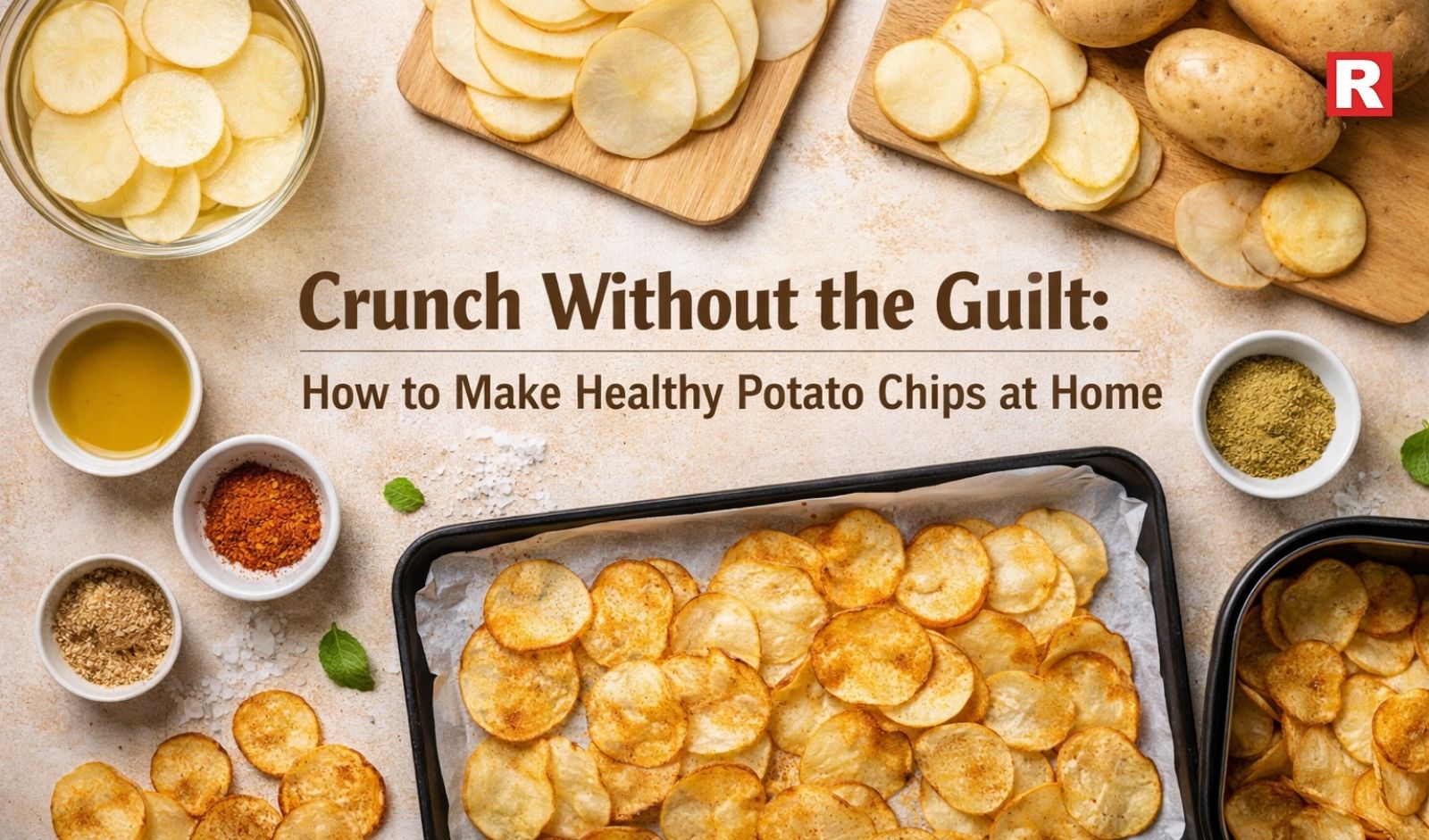
Snacking habits in India are slowly changing. People still enjoy their evening chai with something crunchy on the side. It remains a daily habit in many homes. At the same time, there is a clear shift towards lighter and cleaner food choices. Many are paying more attention to what goes into their snacks. Packaged chips may be convenient, but they often contain high amounts of oil, added salt, and preservatives.
According to general nutrition guidelines, frequent intake of such foods can increase overall calorie consumption without offering much nutritional value. This is where homemade options are gaining attention. Preparing potato chips at home allows better control over ingredients and cooking methods. Less oil can be used, and there is no need for artificial additives. The taste can also be adjusted to suit personal preference. Fresh spices and simple seasonings make a noticeable difference. Healthy potato chips, when made the right way, do not feel like a compromise. They offer the same crunch and satisfaction, but with better balance. It becomes an easy and practical way to snack smarter without giving up on flavour.
Why Potato Chips Get a Bad Reputation
Potatoes are often blamed for being unhealthy. But the truth is different. A plain potato is rich in carbohydrates, potassium, and fibre. The problem starts with how it is cooked. Traditional deep frying changes everything. When potato slices are submerged in hot oil, they absorb a large amount of fat. In some cases, chips can contain up to 30–35% oil. This increases calorie count and reduces nutritional value. High heat frying can also form compounds like acrylamide. This happens when starchy foods are cooked at very high temperatures. So, it is not the potato. It is the process.
The Smarter Way to Make Chips
Healthy potato chips focus on one simple idea. Use less oil. Control heat. Retain crunch.
There are two methods that work best:
- Baking
- Air frying
Both methods use hot air circulation instead of deep oil immersion. This reduces fat content by up to 70–80%. At the same time, it still gives you that crisp texture. The science behind it is simple. When thin potato slices lose moisture during cooking, they turn crispy. This process is called moisture evaporation. A small amount of oil helps with texture and flavour, but excess oil is not needed.
Choosing the Right Ingredients
Good chips start with good basics. You do not need fancy ingredients.
Here is what works best:
- Fresh potatoes (starchy varieties work better for crispiness)
- Cold water
- A small amount of oil (olive oil or rice bran oil)
- Basic seasonings
For Indian kitchens, you can easily add flavours like:
- Chaat masala
- Black pepper
- Red chilli powder
- Dried mint powder
- Paprika
This makes your chips more exciting without adding unhealthy elements.
Read more: What is Kimchi? Top Veg Kimchi You Can Try at Home
Why Sattu Is Emerging as India’s Ultimate Summer Superfood
Step-by-Step: Baked Potato Chips
Baking is a simple and healthier way to make potato chips at home. It uses less oil and still gives a good crunch. This method works best when the steps are followed carefully, as each stage affects the final texture.
Wash, Peel, and Slice Thinly: The potatoes are washed, peeled, and cut into very thin slices, around 1–2 mm thick. Thin and even slices help the chips cook properly and turn crisp.
Soak to Remove Excess Starch: The slices are soaked in cold water for 20–30 minutes. This helps remove extra starch, which improves crispiness and prevents sticking.
Dry the Slices Completely: After soaking, the slices are drained and dried well using a cloth or paper towel. This step is important because moisture can create steam and make the chips soft.
Lightly Coat with Oil: A small amount of oil is added and mixed gently. The slices should be lightly coated, not soaked, to keep them healthy and help with browning.
Preheat the Oven: The oven is preheated to 180°C. This ensures even cooking and proper crisping.
Arrange on Baking Tray: The slices are placed in a single layer on a lined tray without overlapping, allowing even heat circulation.
Bake and Flip for Even Cooking: The chips are baked for 15–20 minutes and flipped halfway for uniform texture.
Cool to Achieve Final Crispiness: Once baked, the chips are cooled. This helps them become crispier before serving.
Step-by-Step: Air Fryer Potato Chips
Baking is not the only healthy option. Air frying is another method that has become common in Indian kitchens. It is quick, uses very little oil, and works well for small portions. The process is simple, but each step matters for the right texture.
Slice, Soak, and Dry Properly: The potatoes are sliced into thin rounds, around 1–2 mm thick. They are then soaked in cold water for 20–30 minutes to remove excess starch. After soaking, the slices are dried completely. Proper drying is important, as moisture can affect crispiness during air frying.
Preheat the Air Fryer: The air fryer is preheated to 160–180°C. This helps maintain a consistent temperature and ensures even cooking from the start.
Arrange in a Single Layer: The slices are placed inside the air fryer basket in a single layer. Overcrowding should be avoided, as it blocks airflow and leads to uneven cooking.
Cook and Shake for Even Results: The chips are cooked for 10–15 minutes. The basket is shaken every few minutes to ensure all slices cook evenly and turn crisp on all sides.
Rest and Season After Cooking: Once done, the chips are removed and allowed to rest for a minute or two. Seasoning is added after cooking, as this helps retain flavour and keeps the texture intact.
Know more: 12 Delicious High-Protein Foods to Eat Daily for a Healthier You
Tips That Make a Real Difference
Small details can change the result completely.
- Always dry the potato slices properly. Moisture is the biggest enemy of crispiness.
- Do not rush the process. Thin and even slicing ensures that all chips cook at the same rate.
- Avoid adding too much oil. More oil does not mean better taste. It only adds unnecessary calories.
- Season at the right time. Adding spices after cooking helps retain their flavour and aroma.
- Use parchment paper while baking. It prevents sticking and makes cleanup easier.
How Healthy Are Homemade Chips?
There is a clear difference between homemade and store-bought chips.
- Deep-fried chips are high in fat and calories. They can go up to 530–550 kcal per 100 grams.
- Baked chips are much lighter. They usually range between 350–400 kcal.
- Air-fried chips are even lower. They can be around 300–350 kcal, depending on oil usage.
The biggest advantage is control. You decide the oil, the salt, and the ingredients. There are no hidden additives.
Storage and Freshness
Homemade potato chips do not contain preservatives or stabilisers, so their shelf life is naturally shorter than packaged chips. They are best eaten fresh, when the texture is crisp and the flavour is at its peak. If there are leftovers, they can be stored in an airtight container to limit exposure to air. The container should be kept in a cool and dry place, away from direct sunlight and moisture. According to basic food storage principles, humidity is the main reason chips lose their crunch, as moisture gets absorbed quickly. When stored properly, homemade chips usually stay crisp for up to 2–3 days. After that, they may turn soft and lose their texture, even if they are still safe to eat.
Also check: Top 5 States With the Spiciest Food in India
Sattu vs Paneer vs Soyabean: Know the Real Difference
Top Cooling Herbs & Spices for Summer: Stay Naturally Cool This Season
Healthy Snacking
Healthy potato chips are more than just a recipe. They reflect a simple shift in everyday eating habits. In many Indian homes, snacking is part of the daily routine, especially during tea time or late evenings. Choosing a better option can make a real difference over time. When chips are made at home, there is full control over the amount of oil, salt, and ingredients used. This helps reduce excess fat intake, which is often linked to packaged snacks, as noted in general dietary guidelines. Freshly made chips also retain natural taste, without added preservatives or artificial flavours. The process itself is simple and familiar, bringing back basic cooking practices. The next time there is a craving for something crunchy, reaching for a fresh potato instead of a packet can be a smarter choice. It offers both taste and better balance in everyday eating.
Saptopriya Ghosal
Feature Writer
I am a dedicated media professional with a bachelor's degree in mass communication from the State University of Calcutta and a postgraduate degree from Amity University. My academic journey has equipped me with a profound understanding of storytelling and communication. Passionate about the dynamic world of media, I continually strive to explore new ways to engage and inform through compelling narratives.



































































































































































