Cold Brew Culture and the Evolution of Summer Coffee Trends
Cold brew’s smooth taste, convenience, and lifestyle appeal have helped it become more than just a summer beverage. It now reflects changing consumer preferences centered around wellness, experience, and modern drinking habits.

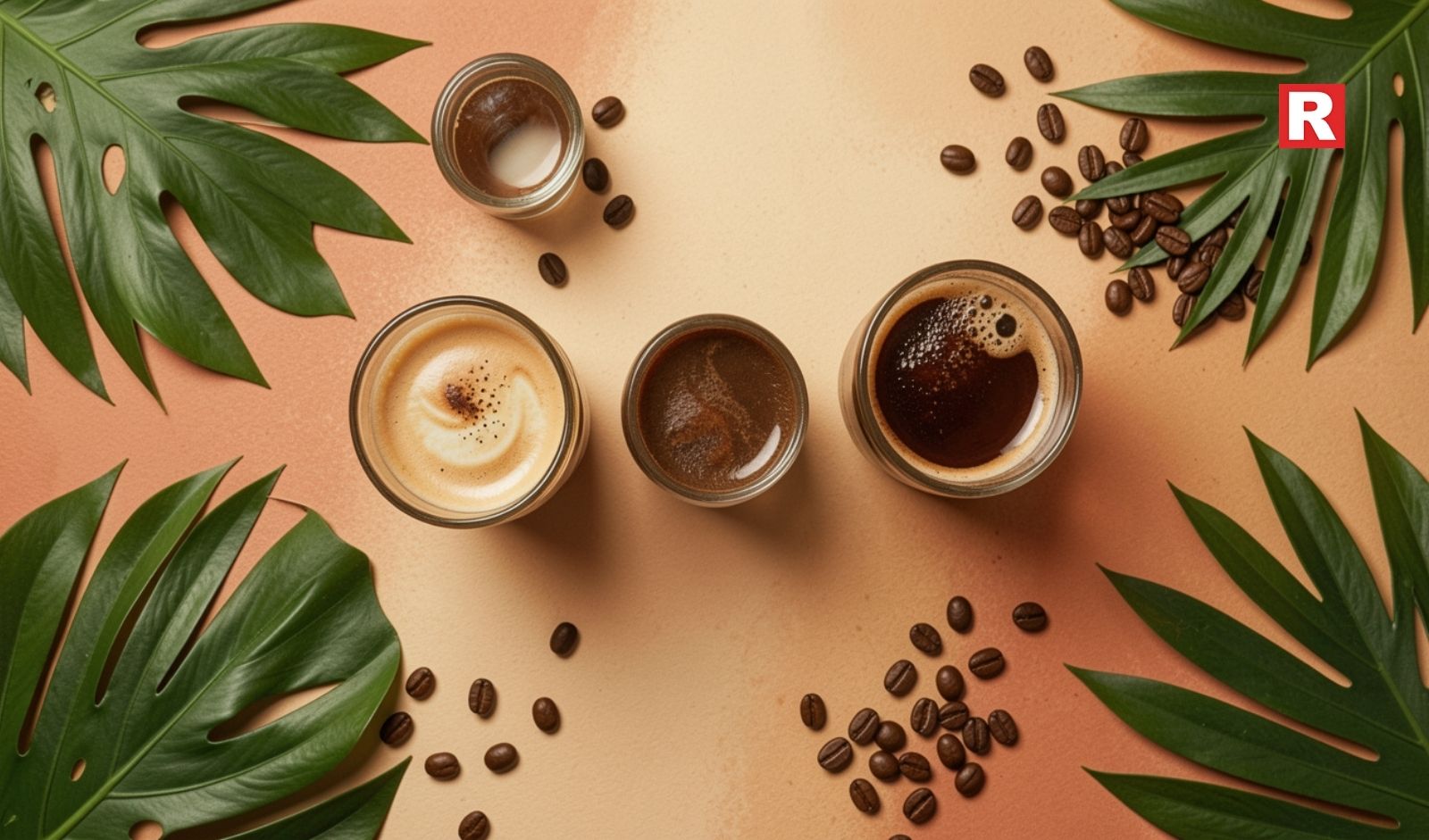
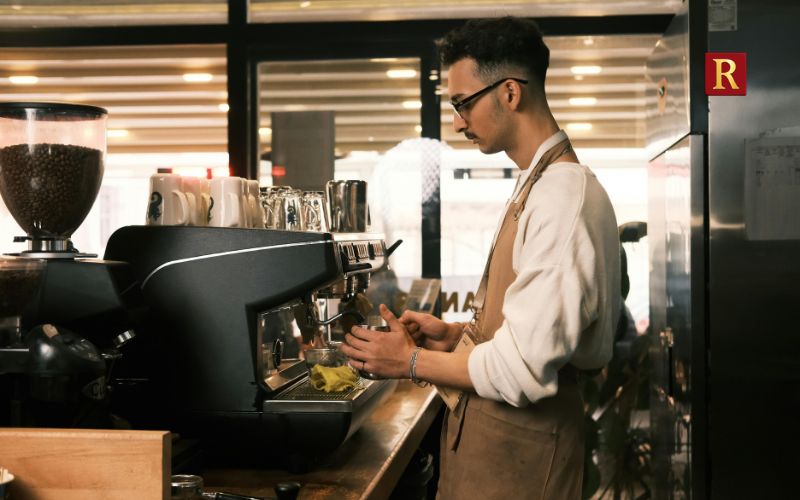
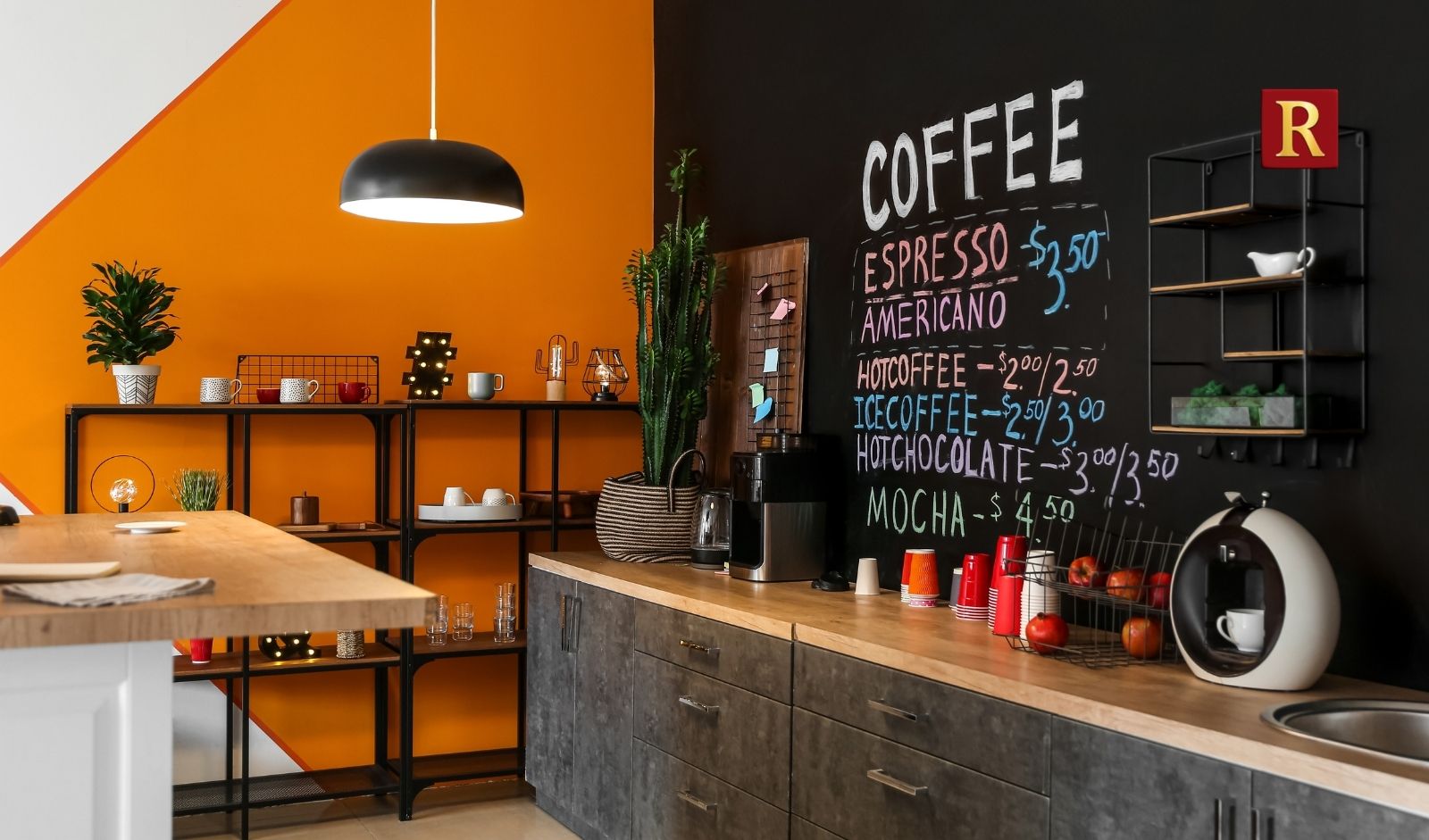
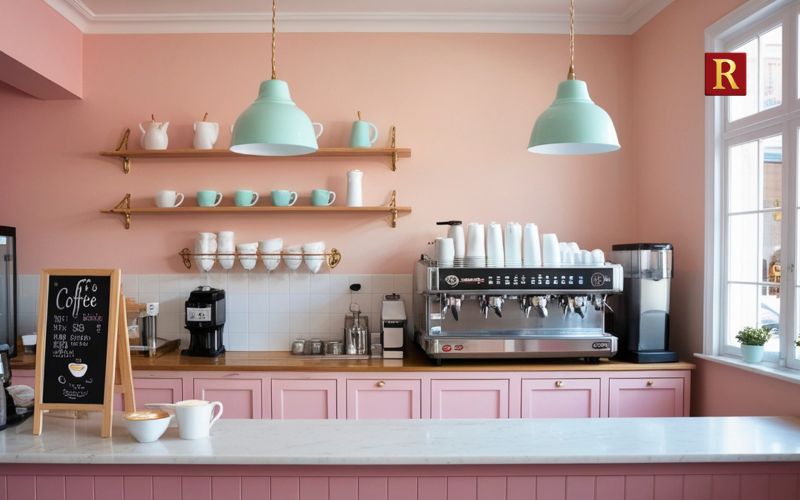
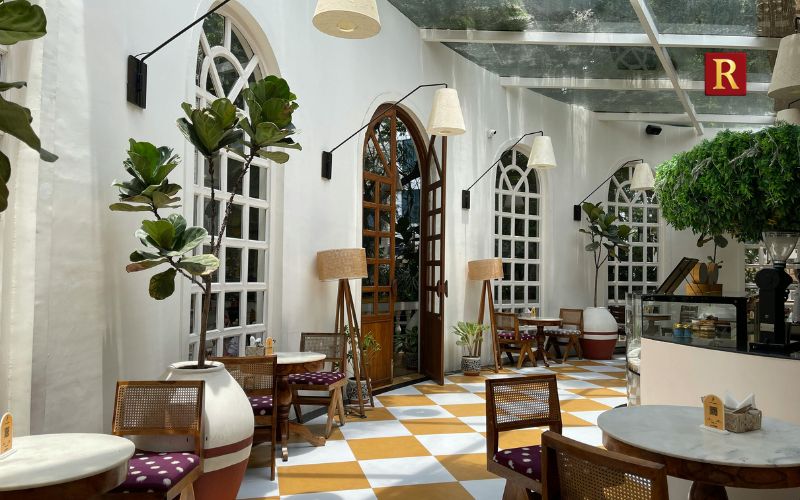
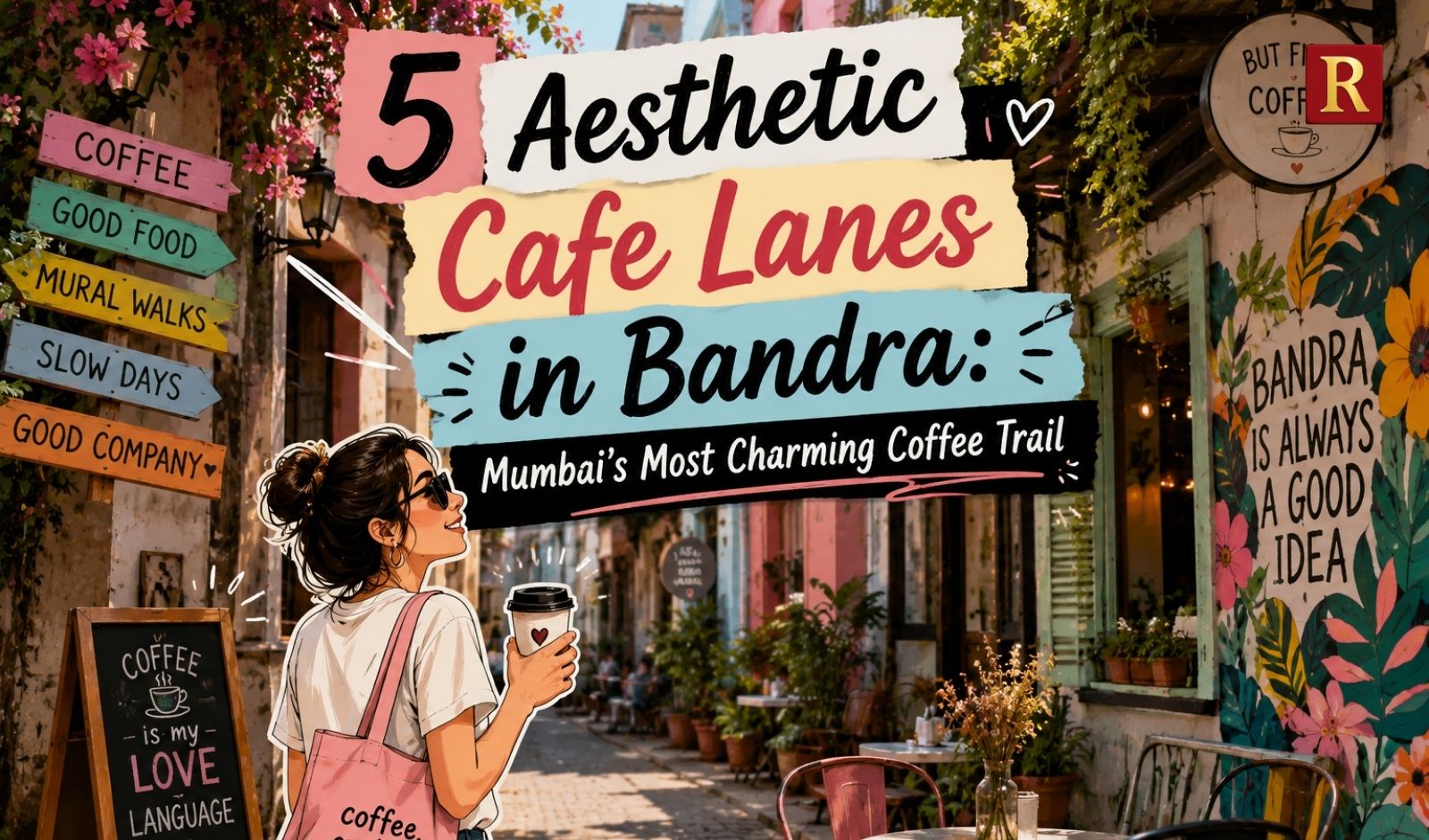
Coffee is no longer just a morning habit. It has become part of modern lifestyle culture. From aesthetic café visits to quick-commerce coffee cans, consumers today want coffee that feels refreshing, convenient, and experience-driven. This shift is one of the biggest reasons cold brew has become the face of summer coffee culture.
Across India, cafés, beverage startups, and global coffee brands are investing heavily in cold coffee formats. Young consumers are moving away from heavy, sugary drinks and choosing smoother, lighter coffee experiences instead. Cold brew sits perfectly in that space. It feels premium, refreshing, and easy to consume during hot weather. At the same time, it matches the fast-paced lifestyles of Gen Z and millennials.
The Growing Popularity of Cold Brew Coffee
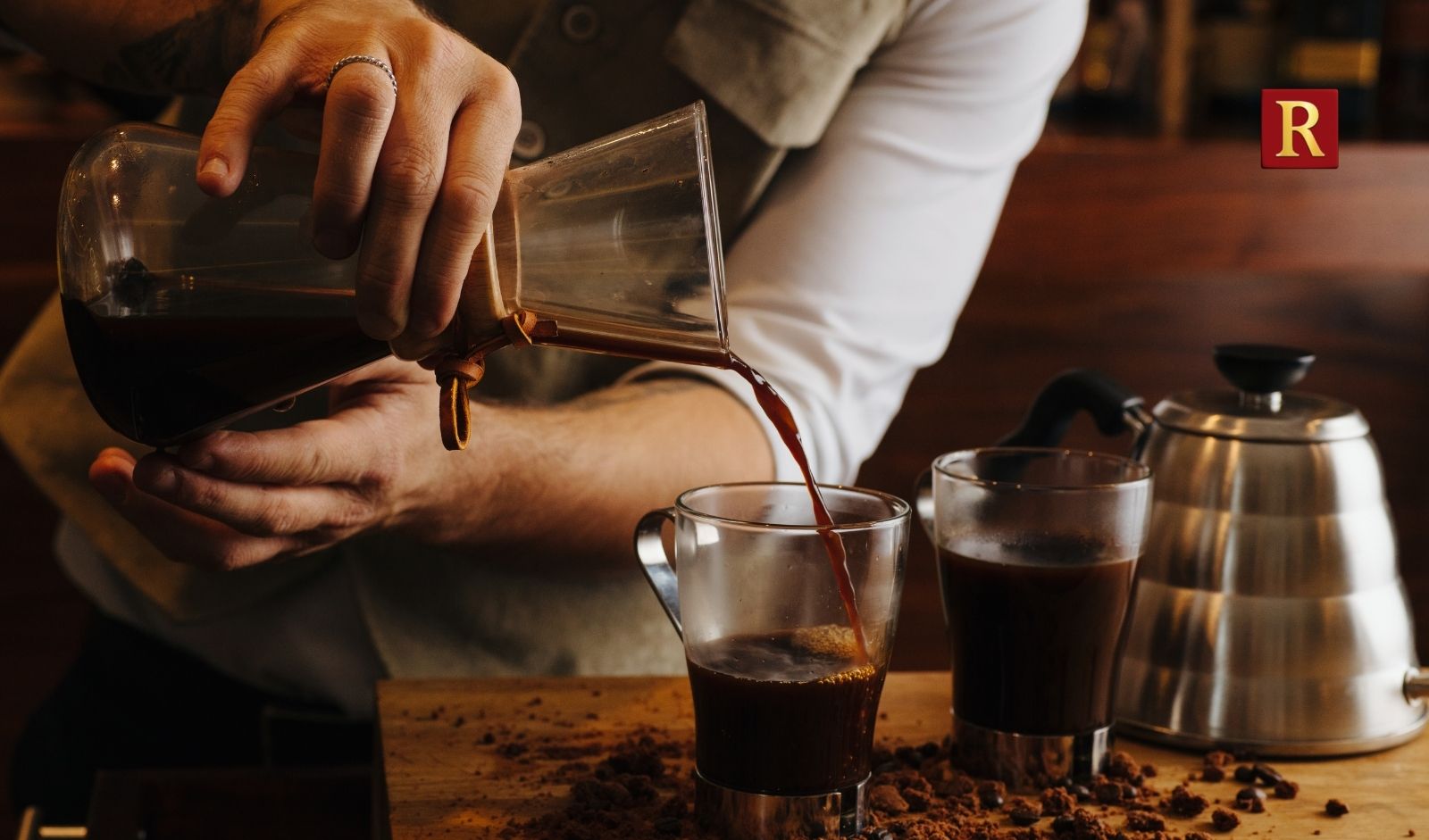
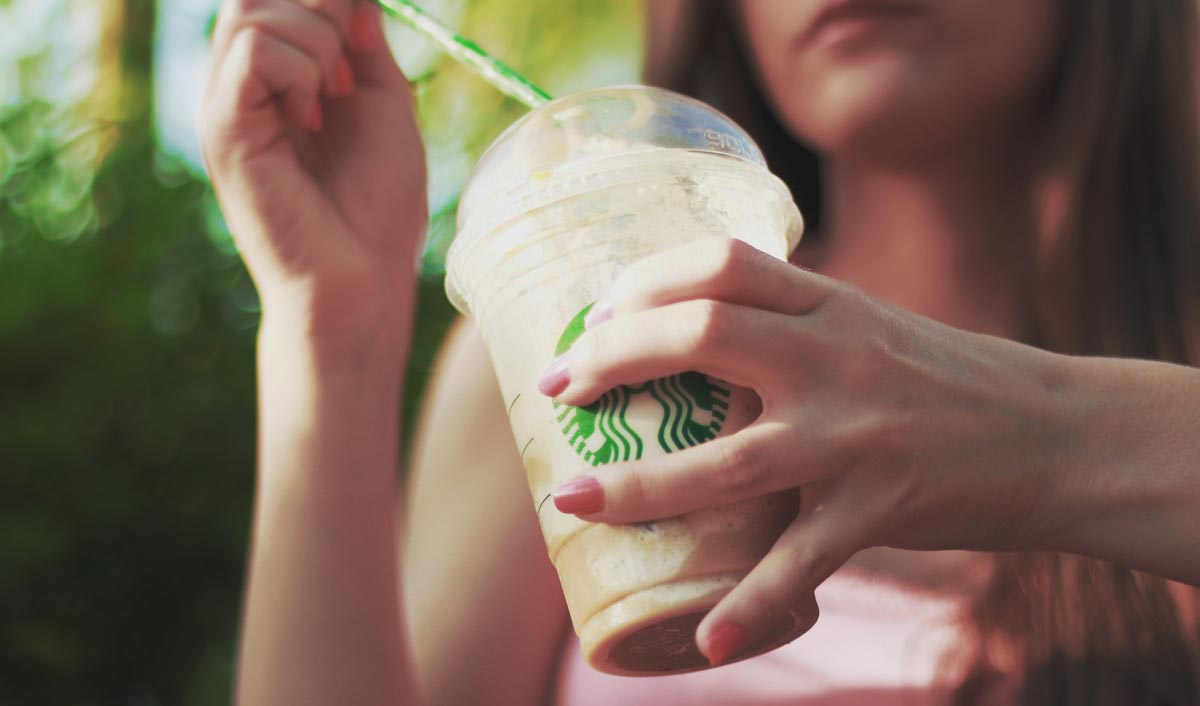
Cold brew is different from traditional iced coffee. Regular iced coffee is brewed hot and then cooled down with ice. Cold brew, however, is made by steeping coffee grounds in cold water for nearly 12 to 24 hours. This slow extraction process changes the flavor completely. The result is smoother coffee with lower acidity and less bitterness. Many consumers say cold brew feels easier on the stomach and tastes naturally sweeter even without extra sugar. That is one of the biggest reasons younger consumers are switching toward it.
India’s climate also plays a huge role. In cities where temperatures remain high for most of the year, cold beverages naturally perform better. Consumers want drinks that feel refreshing but still provide caffeine and energy. Cold brew delivers both. The category has also become more accessible. A few years ago, cold brew was limited to specialty cafés. Today, it is available through supermarkets, quick-commerce apps, office vending setups, and ready-to-drink bottles.
The Rise of Ready-to-Drink Coffee
Ready-to-drink coffee, often called RTD coffee, has become one of the fastest-growing beverage categories globally. Convenience is driving this growth. Consumers no longer want to wait in long café lines every day. Many now prefer bottled or canned coffee they can carry to work, gyms, college campuses, or while traveling. RTD cold brew fits perfectly into modern urban lifestyles. India’s RTD coffee market is also expanding rapidly. According to industry reports, the Indian RTD coffee market was valued at nearly USD 185 million in 2025 and is expected to grow strongly in the coming years. Younger consumers and quick-commerce platforms are accelerating this demand.
Brands are also becoming more experimental. Consumers now have access to:
- black cold brew
- oat milk cold brew
- flavored coffee cans
- protein coffee
- low-sugar coffee drinks
- nitro cold brew
Indian coffee startups have understood that younger buyers are not just purchasing caffeine. They are buying convenience, packaging, branding, and lifestyle appeal.
Gen Z Is Changing Coffee Culture
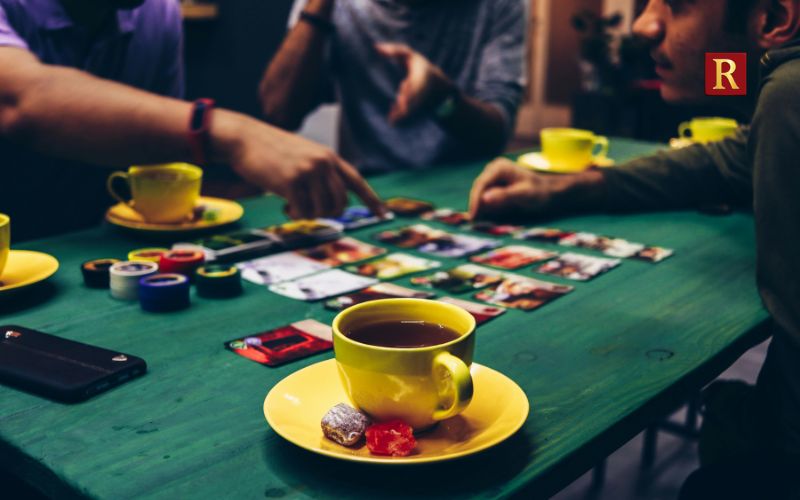
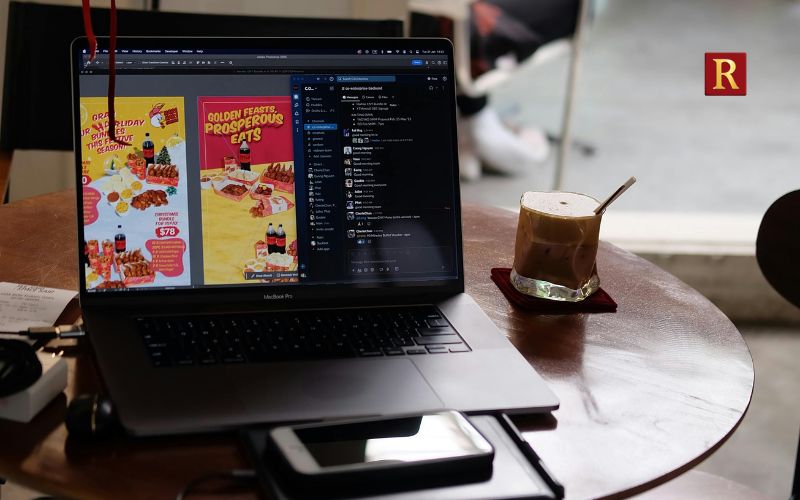
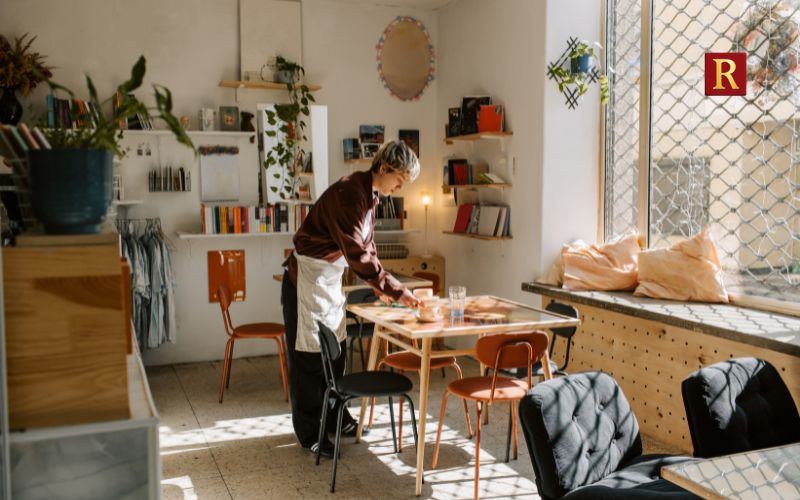
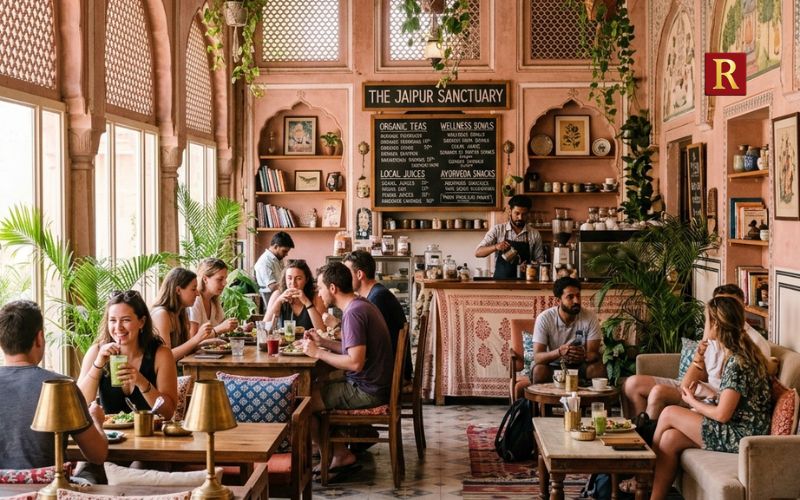
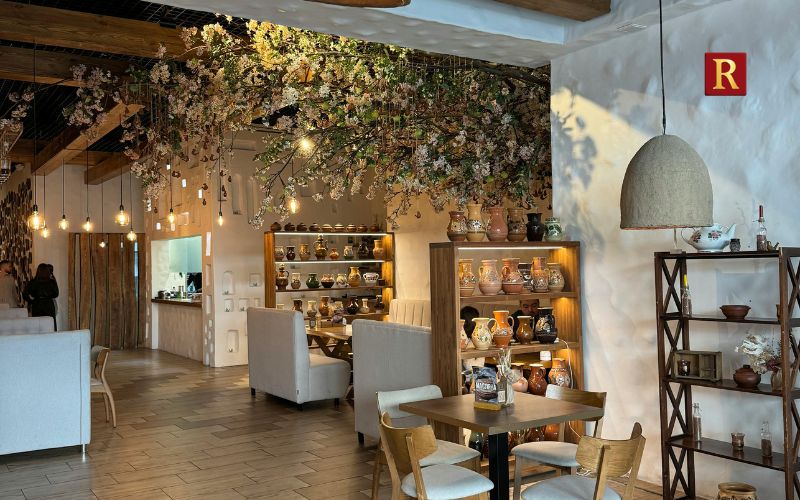
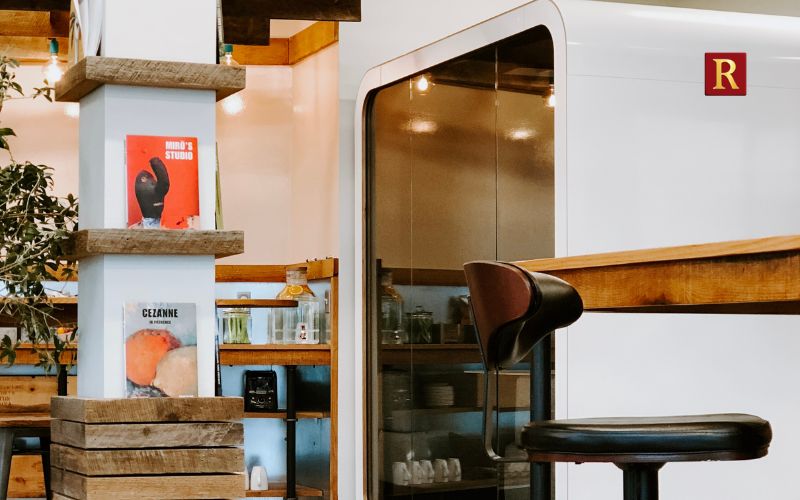
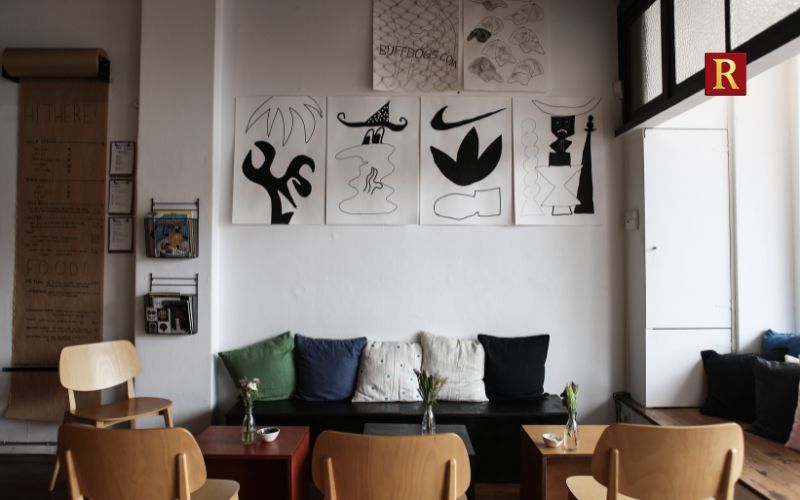
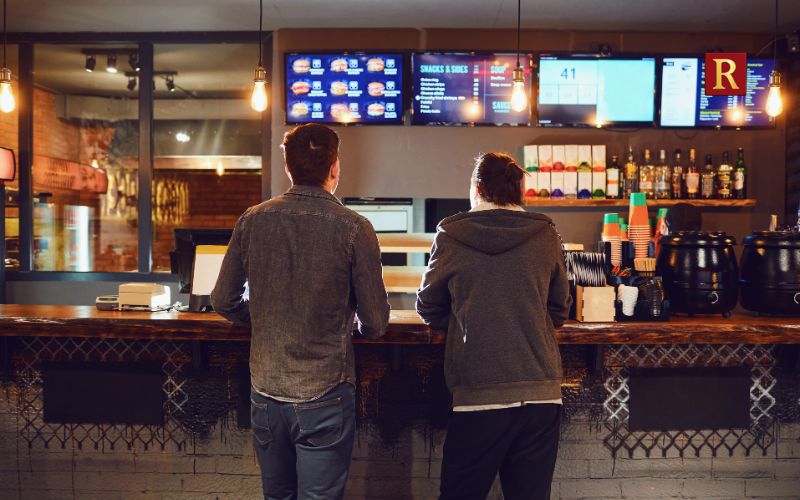
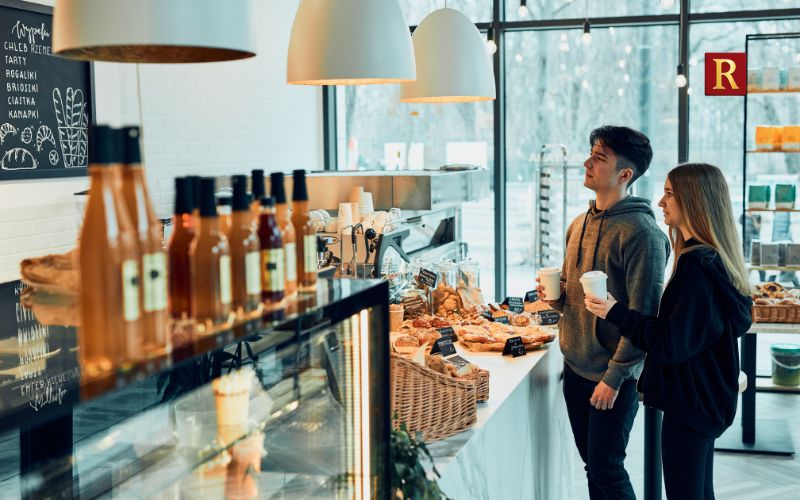
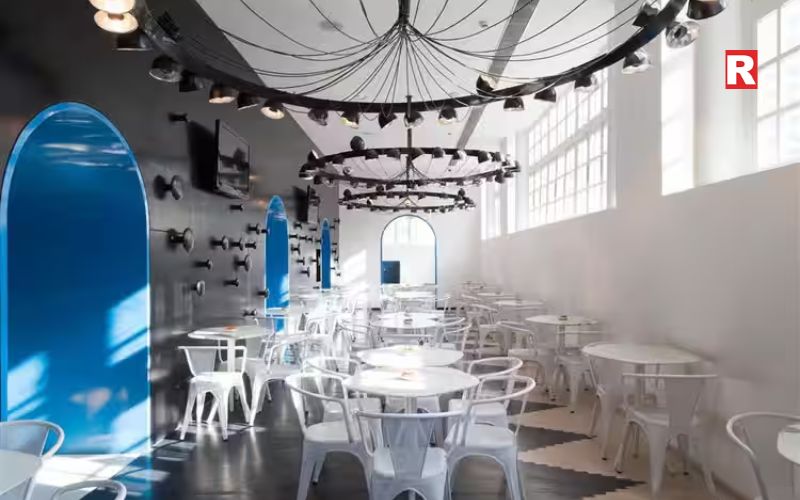
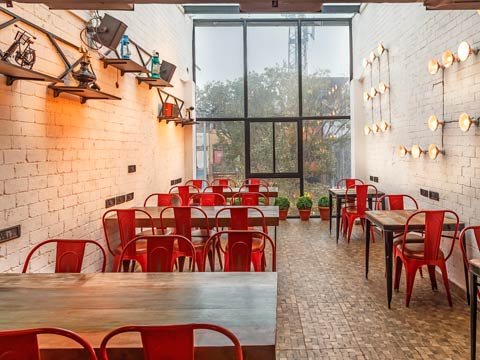
One of the biggest reasons behind the rise of cold brew is Gen Z consumer behavior. For younger audiences, coffee is not simply a beverage. It has become part of identity and social culture. Coffee shops now act as hangout spaces, work zones, and content creation spots. Social media has transformed coffee into a visual experience.
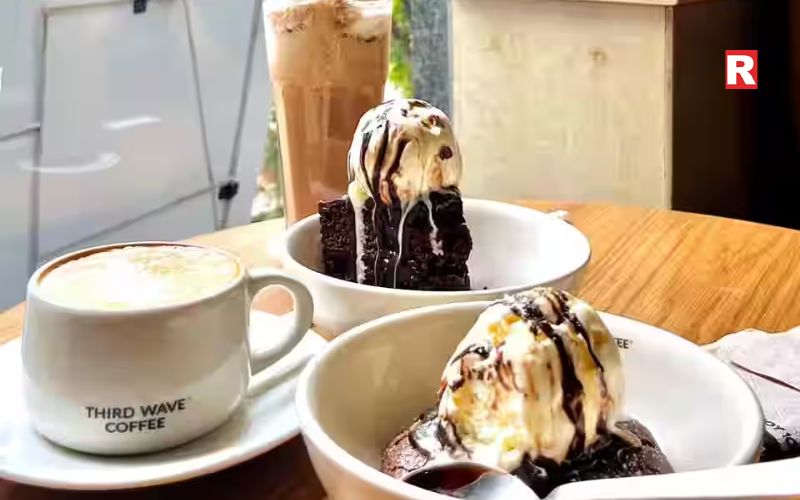
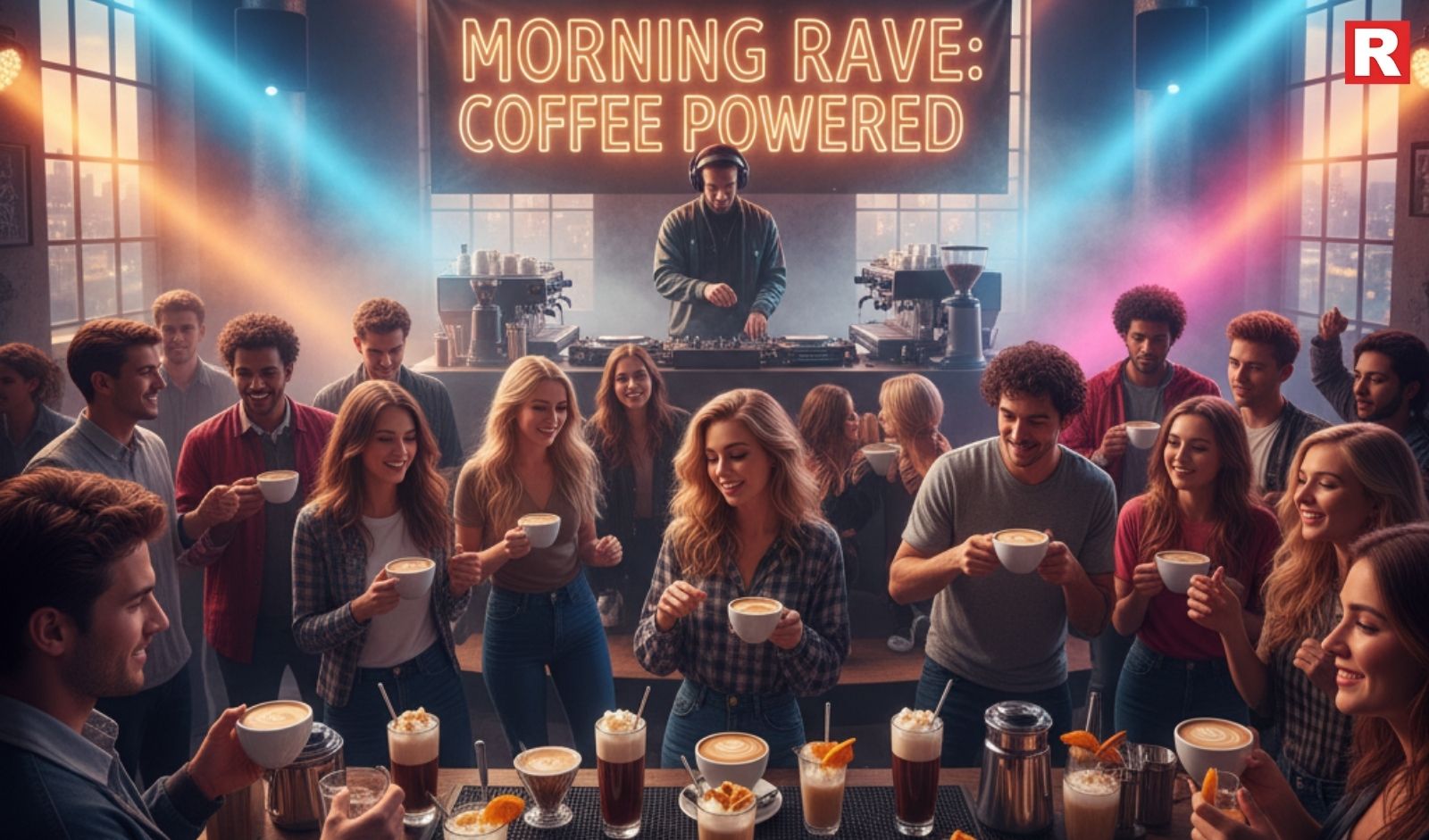
Cold brew fits perfectly into this culture because it photographs well, looks modern, and feels customizable. Transparent bottles, layered textures, minimal packaging, and aesthetic café presentations make cold brew highly social-media-friendly. At the same time, drinking habits are changing. Many young consumers are becoming “sober curious.” Instead of alcohol-heavy socializing, they are attending coffee raves, wellness events, and caffeine-led social gatherings. Coffee is becoming part of daytime social culture rather than only work culture. This shift is pushing cafés and beverage brands to create more lifestyle-focused coffee experiences.
Flavor Innovation Is Driving Summer Coffee Trends
Cold brew is no longer limited to basic black coffee. Flavor innovation has become one of the strongest growth drivers in the category. Consumers now want drinks that feel seasonal, exciting, and customizable. Cafés are introducing flavors like:
- vanilla cream
- coconut cold brew
- citrus coffee
- caramel cold foam
- chocolate hazelnut
- tropical fruit infusions
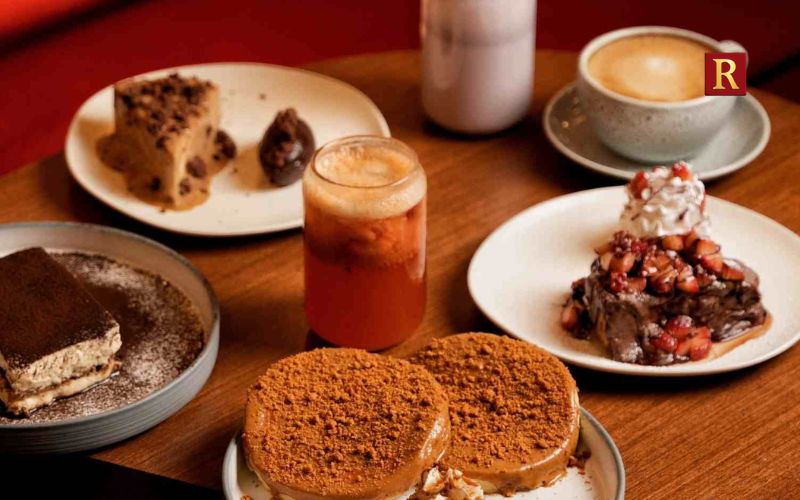
In India, brands are also experimenting with localized flavors. Mango-inspired cold brew, jaggery-based sweeteners, and botanical infusions are slowly becoming more common. Cold brew works well with flavors because its smoother profile allows ingredients to stand out without excessive bitterness. This makes it easier for brands to create dessert-inspired or wellness-focused drinks. Seasonal menus have also become important for cafés. Limited-edition summer drinks help attract younger consumers who constantly look for new experiences.
Functional Coffee Is the Next Big Trend
The coffee industry is now entering its “functional beverage” phase. Consumers want drinks that offer more than caffeine. This is where protein coffee and wellness-focused cold brew are gaining attention. Many consumers today want:
- higher protein intake
- low sugar
- clean ingredients
- plant-based milk options
- sustained energy
This demand is pushing coffee brands toward healthier formulations. Protein cold brew, adaptogen coffee, and nootropic coffee are becoming increasingly popular globally. The “proffee” trend, which combines protein and coffee, has especially gained popularity among fitness-focused consumers. Younger buyers now see coffee as part of their wellness routine rather than simply an energy drink. This shift is also changing café menus. Oat milk pairings, sugar-free syrups, protein cold foam, and functional ingredients are becoming common additions.
Cafés Are Reinventing Their Summer Menus
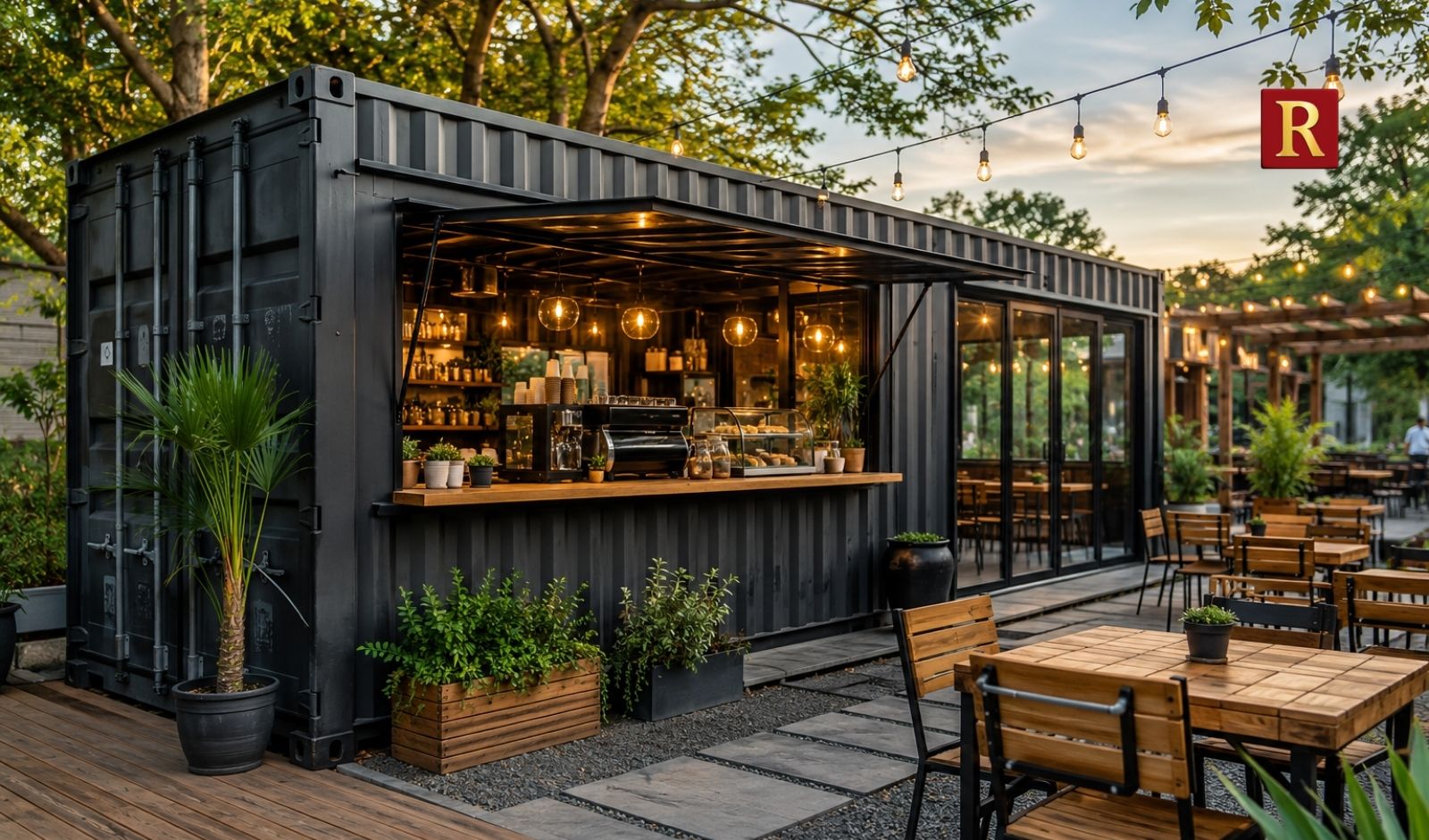
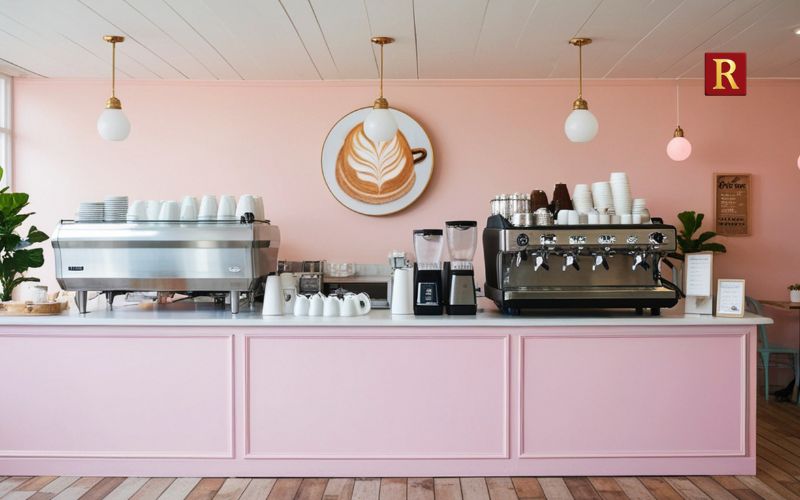
Cold brew has changed the way cafés approach summer beverages. Instead of offering only iced lattes and frappes, cafés are now creating dedicated cold brew programs. Nitro cold brew, sparkling coffee, and specialty summer brews are helping cafés stand out in a highly competitive market. For café operators, cold brew also makes business sense. It can be prepared in batches, stored efficiently, and served quickly during rush hours. This improves operational efficiency while also allowing premium pricing. Many cafés are also designing coffee experiences around storytelling. Consumers now care about:
- bean origins
- brewing techniques
- sustainability
- roasting methods
- artisanal preparation
This has made specialty coffee culture more mainstream in India.
Cold Brew in India
India’s coffee culture is witnessing a major transformation as cold brew moves from a niche café offering to a mainstream beverage choice. Rising disposable incomes, expanding specialty café chains, and the influence of digital-first consumers are driving this shift across urban India. Quick-commerce platforms have further accelerated demand by making bottled and canned cold brew available within minutes, encouraging more everyday consumption beyond cafés. Consumers today are actively looking for healthier coffee options with lower sugar, clean ingredients, plant-based milk alternatives, and functional benefits like added protein or sustained energy. Brands are also focusing on premium ready-to-drink formats, sustainable packaging, and regional flavor innovation to attract younger audiences. Cold brew’s smooth taste, convenience, and lifestyle appeal have helped it become more than just a summer beverage. It now reflects changing consumer preferences centered around wellness, experience, and modern drinking habits.
Saptopriya Ghosal
Feature Writer
I am a dedicated media professional with a bachelor's degree in mass communication from the State University of Calcutta and a postgraduate degree from Amity University. My academic journey has equipped me with a profound understanding of storytelling and communication. Passionate about the dynamic world of media, I continually strive to explore new ways to engage and inform through compelling narratives.