
Chef-Led Restaurants vs. Influencer-Owned Cafés: Who Builds More Trust in India?
In a market where diners research before reserving and review before recommending, credibility must be earned daily. The restaurants that master both expertise and engagement will not just trend. They will endure.

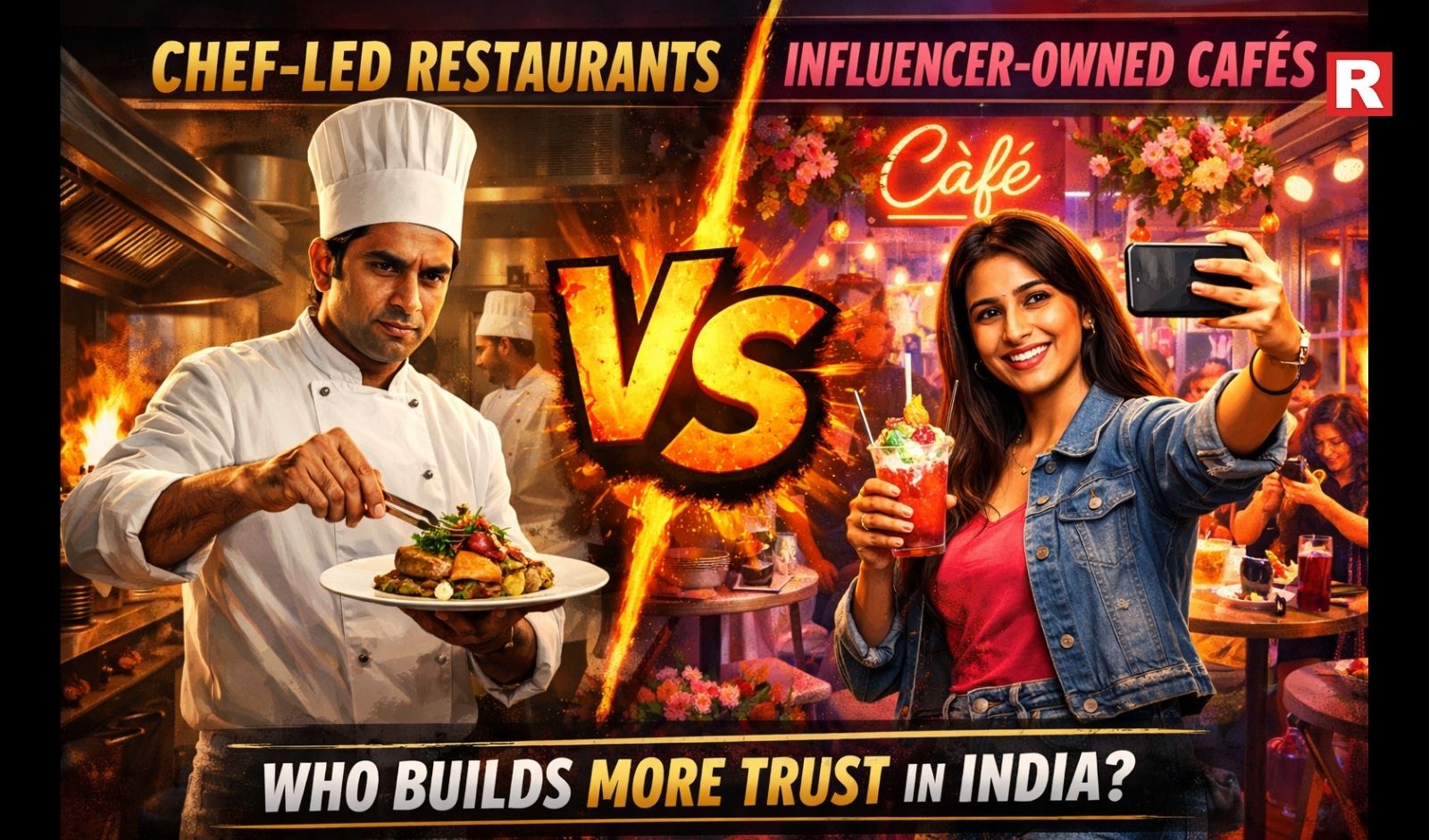
India’s dining culture is changing at speed. Ten years ago, diners relied on family recommendations and newspaper critics. Today, discovery starts on Instagram and often ends on platforms like Zomato and Swiggy. A professionally trained chef may launch a fine-dining restaurant built on technique, sourcing discipline, and kitchen systems. An influencer may open a stylish café backed by a strong digital community and sharp branding.
Both formats attract crowds. But crowds do not guarantee credibility. Urban consumers in Mumbai, Delhi, and Bengaluru now look beyond aesthetics. They check ratings. They read reviews. They observe consistency. Structured recipes, trained staff, hygiene compliance, and supplier standards influence repeat visits. At the same time, relatability and storytelling shape first impressions. Investors study unit economics. Young diners value experience. Families prioritise reliability. In 2026, the debate is not about visibility. It is about sustainability. The question facing India’s food entrepreneurs is clear. Who creates lasting trust in a market where attention is easy, but consistency is rare?
What Does Trust Mean in Hospitality?
Trust in restaurants is practical. It is not emotional alone. It includes:
- Consistent taste
- Clean kitchens
- Transparent sourcing
- Safe food handling
- Honest pricing
- Reliable service
In India, food safety compliance falls under the framework of the Food Safety and Standards Authority of India. Restaurants that follow licensing norms, hygiene audits, and food safety protocols earn structural credibility. But customers rarely see this backend work. They experience it indirectly through quality and consistency. Online platforms have also reshaped trust. Ratings on Zomato and Swiggy influence decisions instantly. A 4.5 rating often matters more than a newspaper feature. Reviews now act as social validation. Trust today is built at two levels. Operational reliability and public perception.
The Strength of Chef-Led Restaurants
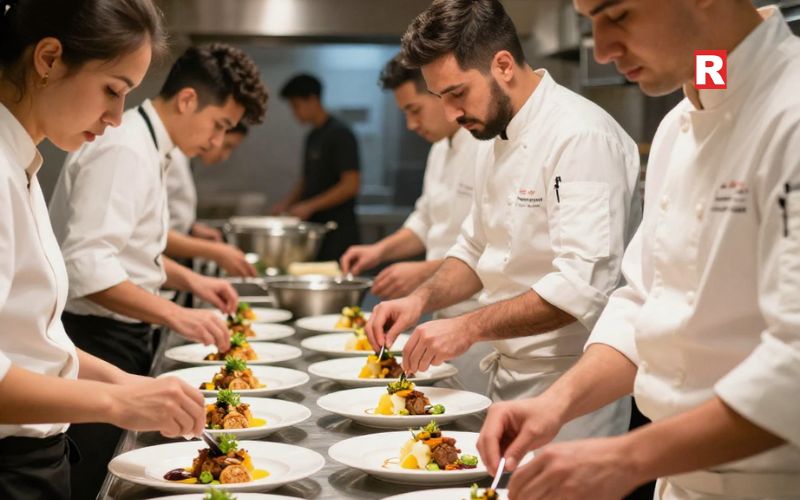
Chef-led restaurants are built around culinary authority. The founder is usually trained, experienced, and deeply involved in menu creation. Names such as Vikas Khanna, Manish Mehrotra, and Ranveer Brar represent this model. Their restaurants are extensions of their skill and philosophy.
1. Technical Competency
Chef-led establishments operate on structured systems:
- Standard Operating Procedures for recipes
- Defined kitchen brigade hierarchy
- Food cost management systems
- Vendor audits and sourcing protocols
- Regular menu research and development
- Training modules for kitchen staff
Many follow HACCP-based food safety processes. Quality control is measurable. Recipes are documented. Ingredients are weighed. Portions are standardised. This structure reduces variation. When customers return, they expect the same flavour profile. That consistency builds repeat trust.
2. Brand Authority
A chef’s background adds credibility. Awards, media features, and culinary training create perception of expertise. Diners feel confident that the food reflects skill rather than trend. Chef-led brands usually invest more in ingredient quality than décor gimmicks. The focus stays on technique. Even if marketing is moderate, reputation grows through reviews and word of mouth.
3. Limitations
This model often requires higher capital. Premium ingredients increase pricing. Growth is slower because maintaining quality across outlets is complex. Scaling a chef’s personal involvement is not easy. Yet, the trust curve is steady. It grows over time.
Read more: The Rise of Tasting Menus in Tier-2 Indian Cities
Top Gourmet Desserts with Indian Ingredients Are Going Global
The Rise of Influencer-Owned Cafés
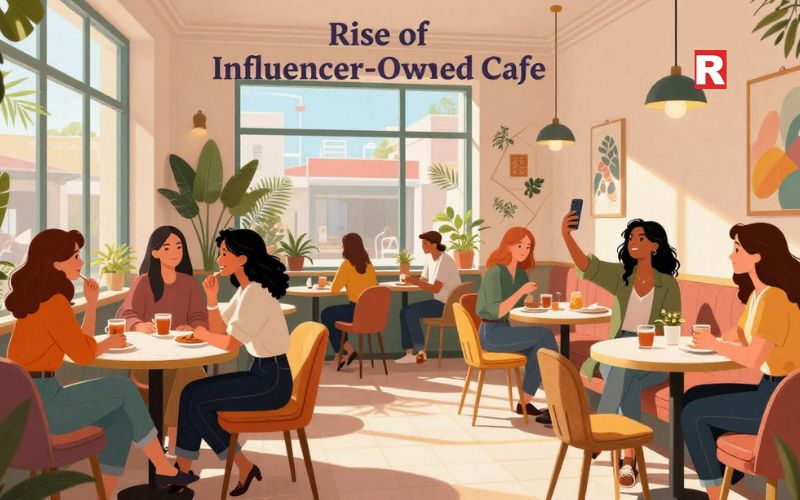
Influencer-led cafés represent a different playbook. Social media personalities with strong digital communities enter the F&B space. Figures such as Kusha Kapila and Prajakta Koli show how personal brands can expand into businesses.
Built-In Marketing Power
Influencers bring something chefs usually do not. Instant reach.
- Millions of followers
- High engagement rates
- Viral reels
- Community loyalty
A single launch announcement can guarantee footfall. Social media creates curiosity. Aesthetic interiors and photogenic dishes amplify visibility. This model reduces customer acquisition cost initially. The founder’s personality becomes the marketing engine.
Operational Structure
However, influencer-owned cafés often depend on hired chefs and consultants for backend operations. The founder may focus on branding, events, and collaborations. The strength lies in storytelling and relatability. Customers feel connected to the personality behind the café. That emotional bond drives first visits.
Risks
Trust here is more volatile. If quality drops, online backlash is fast. If the influencer’s reputation faces controversy, the business may suffer. Trends change quickly. Viral menus may not sustain long-term demand. Consistency depends heavily on operational teams rather than the founder’s culinary skill.
Know more: The Ultimate Guide to Getting Your Cloud Kitchen on Zomato
Comparing the Two Models
Let break this down practically.
Culinary Authority: Chef-led restaurants rank high. Influencer cafés depend on hired expertise.
Operational Depth: Chef models run on structured SOPs. Influencer models prioritise brand experience and ambience.
Marketing Intensity: Chef-led outlets rely on reputation and reviews. Influencer cafés leverage digital reach aggressively.
Repeat Value: Chef-led brands build loyalty through taste and consistency. Influencer cafés rely on novelty and social appeal.
Scalability: Influencer brands can expand faster due to marketing leverage. Chef-led brands scale slowly but focus on stability.
Crisis Management: Chef-driven systems handle operational issues through structure. Influencer brands often rely on public statements and personal communication.
Neither model is universally superior. They serve different strengths.
Indian Market Dynamics
India’s organised food service sector continues to expand in urban markets. Young consumers experiment more. Dining out is social currency. Cafés are content spaces.
Discovery is digital-first. Instagram drives awareness. Ratings drive decisions. Hygiene awareness has increased post-pandemic. Customers ask about sourcing and safety more than before. Urban diners between 22 and 35 often prioritise experience and aesthetics. Older professionals value taste, hygiene, and service consistency. Families look for reliability over trend. Trust therefore varies by audience segment.
Consumer Behaviour Insight
Customers return for predictable satisfaction. A viral dessert may attract them once. Consistent flavour and service bring them back. Trust is cumulative. It grows with each positive experience. It declines quickly with inconsistency. Chef-led restaurants typically build slower but deeper loyalty. Influencer cafés build faster but need operational maturity to sustain credibility.
Also check: How to Start a Cloud Kitchen in India: A Step-by-Step Guide
How to Start a Cloud Kitchen on Swiggy for Your Restaurant (2025 Guide)
Plant-Based Seafood: The Next Big Thing After Vegan Meat
The Future
The most interesting shift in India is the rise of hybrid models. Chefs are becoming content creators. Influencers are investing in culinary consultants. The lines are blurring. Chef-entrepreneurs now share behind-the-scenes processes on social media. Influencer founders are learning about kitchen systems and compliance. In 2026, trust is no longer built by skill alone or visibility alone. It requires both. Authority without communication limits growth. Popularity without structure limits longevity. If trust is defined as long-term reliability and culinary credibility, chef-led restaurants hold an advantage. Their technical competency and structured processes reduce risk and build consistency. If trust is defined as emotional connection and community-driven loyalty, influencer-owned cafés perform strongly in early stages. However, sustainable trust in India’s evolving F&B industry depends on balance. The brands that will dominate are those that combine culinary depth with transparent communication, digital presence with operational discipline, and personality with process. In a market where diners research before reserving and review before recommending, credibility must be earned daily. The restaurants that master both expertise and engagement will not just trend. They will endure.
Saptopriya Ghosal
Feature Writer
I am a dedicated media professional with a bachelor's degree in mass communication from the State University of Calcutta and a postgraduate degree from Amity University. My academic journey has equipped me with a profound understanding of storytelling and communication. Passionate about the dynamic world of media, I continually strive to explore new ways to engage and inform through compelling narratives.



































































































































































