Can Low- and No-Alcohol Drinks Become a Serious Business for Indian Bars?
The bigger business opportunity may not be selling fewer alcoholic drinks. It may be giving customers more reasons to order another drink, regardless of whether it contains alcohol.


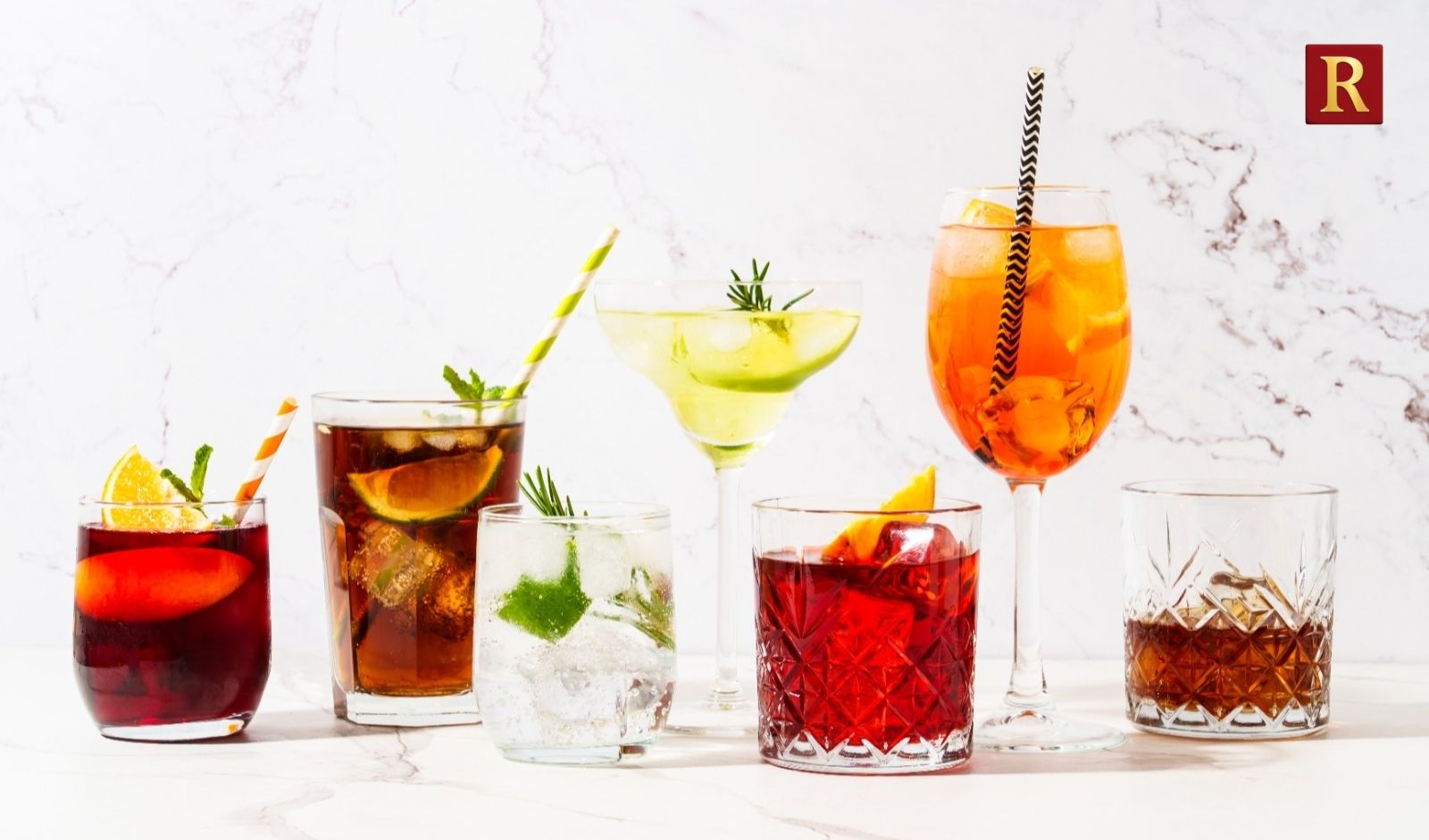
The next big opportunity for India's bar industry may not come from another premium whisky, craft beer or signature cocktail. It could come from a drink that contains little or no alcohol. Low- and no-alcohol beverages are gradually finding space in India's hospitality industry. What was once limited to basic mocktails, fruit juices and soft drinks is now expanding into botanical spirits, alcohol-free beer, fermented beverages, zero-proof cocktails and premium drink alternatives. For bars and restaurants, this shift presents an interesting business opportunity. Consumers are increasingly exploring different drinking experiences, and not everyone wants alcohol every time they visit a bar. Some want sophisticated flavours without alcohol, while others prefer to alternate between alcoholic and non-alcoholic beverages during social occasions.
This creates a new question for hospitality businesses: Can bars earn serious money by selling drinks without alcohol?
The opportunity goes beyond adding a few mocktails to the menu. It involves creating a premium beverage category with its own pricing strategy, ingredients, preparation techniques and customer base.
India's Growing Interest in Low- and No-Alcohol Beverages
India's beverage market continues to evolve as consumers explore alternatives to conventional alcoholic drinks. The interest in moderation, premium experiences and different beverage formats is creating opportunities for non-alcoholic brands and hospitality businesses. According to industry estimates reported by Mint in July 2026, zero-proof beverages account for less than 1 percent of India's alcoholic beverage market by value. Alcohol-free beer contributes approximately 80 percent of the category's volume.
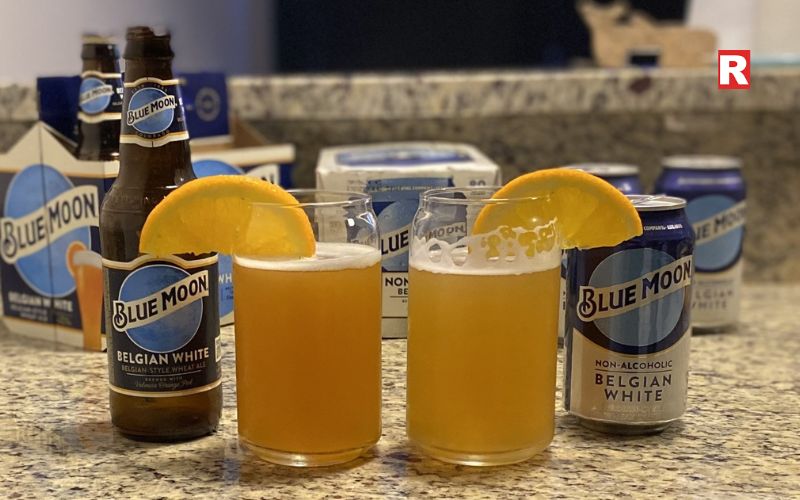
The Economic Times also reported that India's no-alcohol beer volumes grew by 25 percent during January-June 2026, citing IWSR data. These figures indicate that the category is developing, although it remains relatively small compared with conventional alcoholic beverages. For bars, the opportunity lies in moving beyond packaged alcohol-free beer and introducing drinks that offer the craftsmanship and presentation associated with premium cocktails.
From Traditional Mocktails to Premium Zero-Proof Cocktails
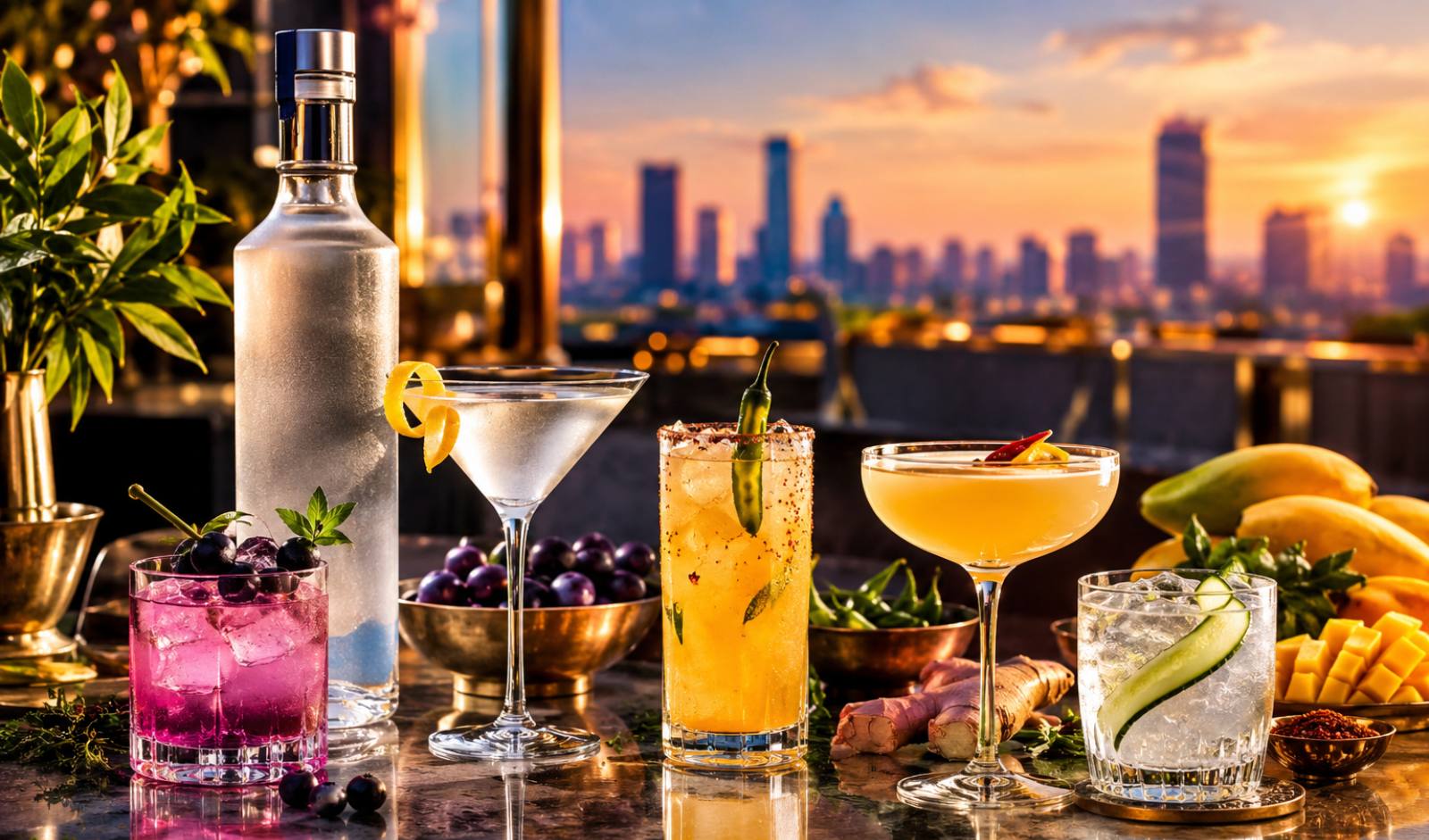
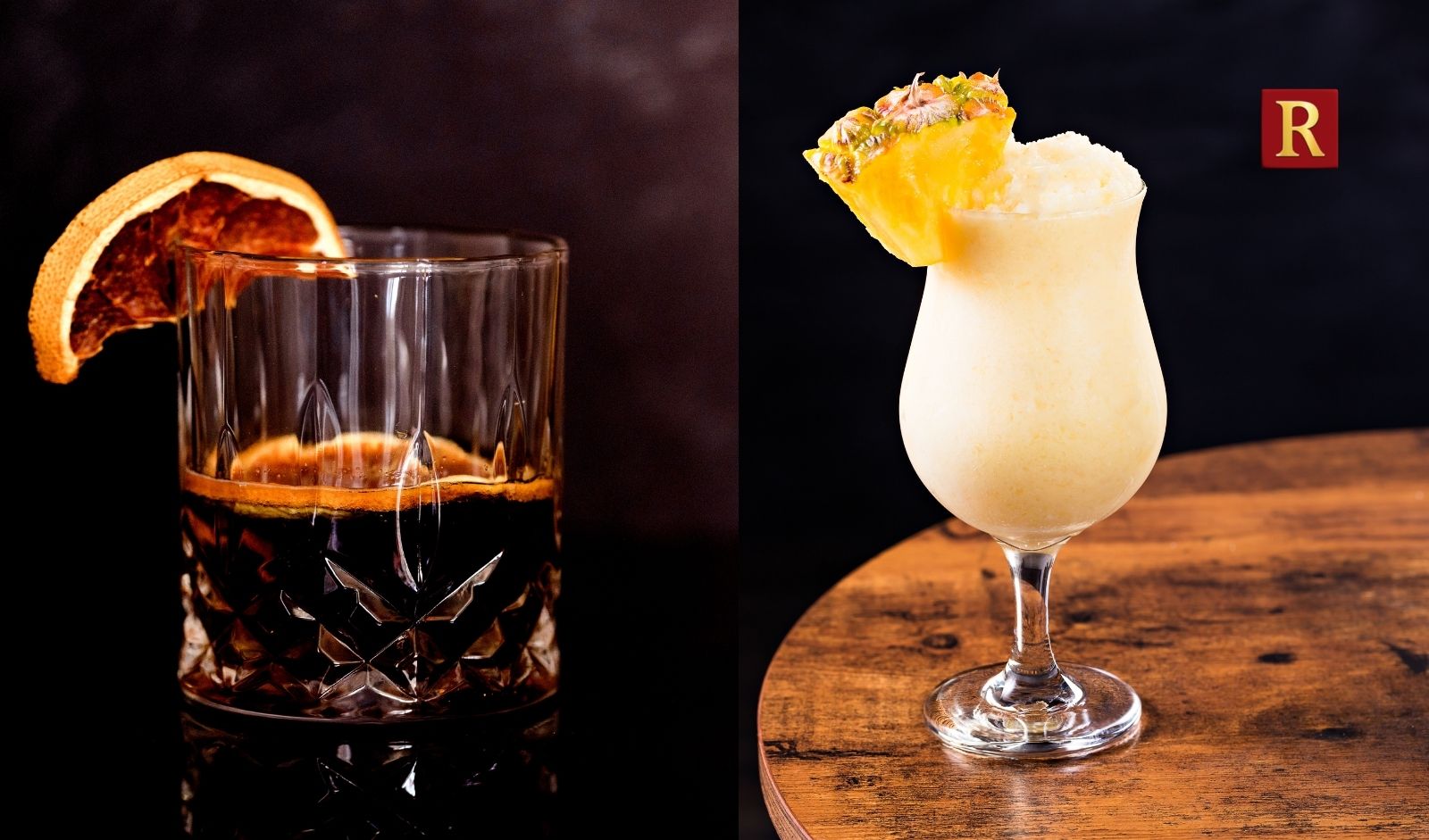
For years, mocktails occupied a limited position on restaurant and bar menus. They were often made using fruit juices, flavoured syrups, soda and simple garnishes. However, the new generation of zero-proof beverages is changing this perception. Bartenders are experimenting with ingredients and techniques traditionally associated with cocktail-making. These include botanical distillates, fermented ingredients, clarified juices, house-made syrups, bitters and complex flavour combinations. The objective is to create a drink that delivers an experience rather than simply replacing alcohol with juice.
What Is Driving This Change?
Changing consumption occasions: Customers want beverage options for different social situations.
Premiumisation: Consumers are exploring drinks with distinctive ingredients and preparation techniques.
Menu diversification: Bars want to offer more choices to customers who do not consume alcohol.
New beverage brands: Alcohol-free spirits and ready-to-drink alternatives are expanding product choices.
Experiential drinking: Presentation, flavour and preparation are becoming important parts of the beverage experience.
Understanding the Difference Between Low- and No-Alcohol Drinks
Although these categories are often discussed together, they serve different purposes and have different commercial applications.
Beverage category | Alcohol content | Business positioning |
Zero-proof cocktails | 0 percent by formulation | Premium cocktail alternatives |
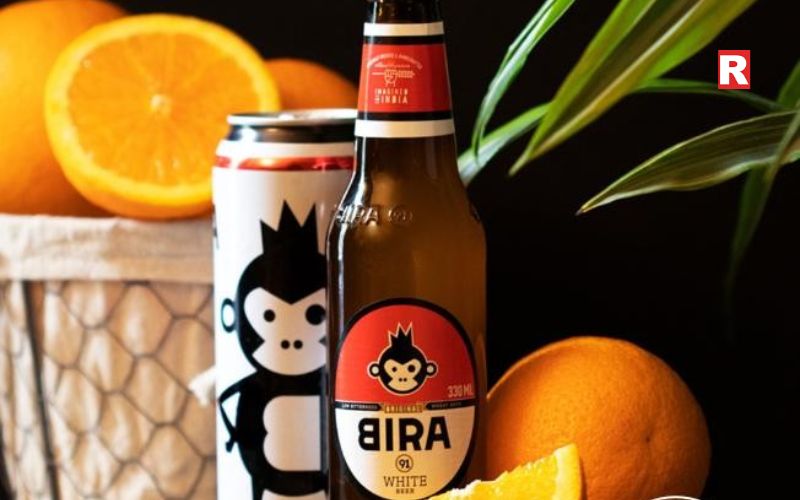
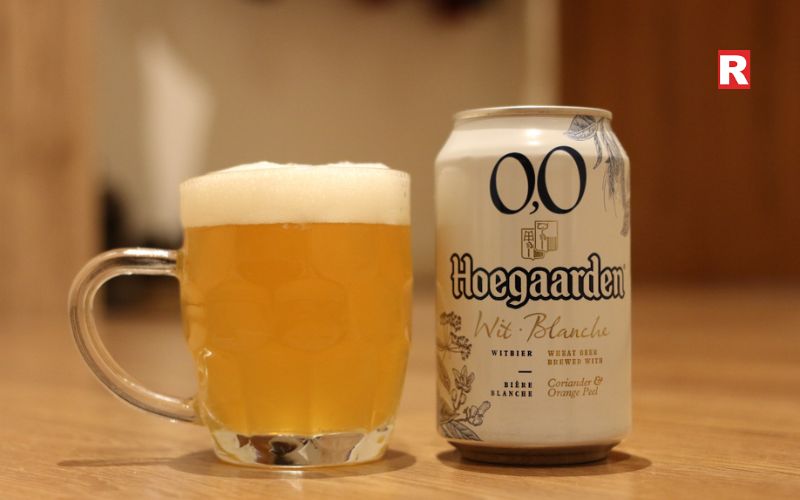
Alcohol-free beer | Usually 0.0 percent or negligible alcohol, depending on product | Beer alternative |
Non-alcoholic spirits | Generally formulated without alcohol | Replacement for conventional spirits |
Low-ABV cocktails | Contains a reduced amount of alcohol | Lighter alcoholic drinking experience |
Kombucha | Varies depending on fermentation and product | Fermented functional-style beverage |
De-alcoholised wine | Alcohol removed or substantially reduced | Wine alternative |
Bars need to understand these differences before developing their beverage menus. Product labelling, actual ABV and applicable regulatory requirements should be considered rather than treating every alternative as alcohol-free.
Can a Zero-Proof Cocktail Sell for Rs 500?
One of the biggest commercial questions is whether consumers are willing to pay premium prices for beverages without alcohol. A conventional cocktail can command a higher price because of its spirit base, brand association, preparation and overall experience. Zero-proof beverages need to establish similar perceived value. A drink made with fresh citrus, botanical extracts, house-made fermentation, premium mixers and carefully selected garnishes can offer a distinctive experience. However, the selling price must be supported by quality, consistency and presentation.
What Makes a Zero-Proof Drink Premium?
Speciality ingredients: Botanical extracts, premium teas and fermented fruits.
Preparation techniques: Clarification, infusion, fermentation and carbonation.
Presentation: Appropriate glassware, garnishes and serving temperature.
Flavour complexity: A balance of sweetness, acidity, bitterness and aroma.
Originality: Signature recipes that customers cannot easily recreate at home.
The real opportunity is to position these drinks as independent premium products rather than cheaper alternatives to alcoholic cocktails.
The Business Economics Behind Zero-Proof Beverages
For bar owners, introducing alcohol-free drinks is not simply a menu decision. It requires evaluating ingredient costs, selling prices, labour, wastage and customer demand. One advantage is that bars can develop drinks around ingredients that do not require expensive alcoholic spirits. However, premium botanical extracts, specialised mixers and fermentation processes can also increase production costs. The economics depend on how efficiently the beverage is prepared and how much customers are willing to pay.
Key Factors That Influence Profitability
Ingredient costs: Fresh fruits, herbs, spices, botanical extracts and premium mixers influence the cost of every serving.
Preparation time: Some zero-proof drinks require fermentation, clarification or multiple preparation stages. These processes increase labour requirements.
Inventory management: Fresh ingredients have limited shelf lives. Bars need to manage purchasing and preparation to avoid wastage.
Selling price: Premium pricing must reflect the ingredients, craftsmanship and overall customer experience.
Repeat purchases: A drink may attract attention initially, but repeat orders determine whether it can become a sustainable menu category.
Zero-Proof Cocktails vs Traditional Cocktails: Business Comparison
Business factor | Traditional cocktails | Zero-proof cocktails |
Main ingredients | Alcoholic spirits, mixers and garnishes | Botanicals, fruits, teas, syrups and mixers |
Alcohol cost | Depends on the spirit used | No conventional alcoholic spirit required |
Preparation | Mixing, shaking, stirring and garnishing | Mixing, infusion, fermentation and other techniques |
Target customers | Alcohol-consuming customers | Non-drinkers, moderation-focused consumers and other guests |
Pricing opportunity | Premium spirit and cocktail pricing | Premium ingredient and experience-based pricing |
Inventory concerns | Spirit stock, mixers and garnishes | Fresh ingredients, extracts and specialised mixers |
Revenue opportunity | Established cocktail sales | Additional beverage occasions and customer segments |
Importantly, zero-proof drinks are not automatically more profitable. Bars must calculate actual recipe costs and selling prices before comparing margins.
Indian Ingredients Could Give Zero-Proof Drinks a Distinct Identity
One of the most interesting opportunities for Indian bars is the use of indigenous ingredients. Instead of depending entirely on imported non-alcoholic spirits, bartenders can develop signature beverages using regional fruits, herbs, spices and traditional preparations. India has a wide range of ingredients that can create complex flavour profiles.
Ingredients That Can Shape India's Zero-Proof Menus
Kokum: Adds acidity, colour and a distinctive fruity character.
Jamun: Offers tartness and deep fruit flavours.
Vetiver: Provides an earthy and aromatic profile.
Tulsi: Adds herbal notes to refreshing beverages.
Amla: Brings sharp acidity and a distinctive flavour.
Kaffir lime and lemongrass: Introduce fresh citrus and aromatic notes.
Indian teas: Can provide bitterness, body and complexity.
Spices: Cardamom, black pepper, cinnamon and clove can add depth.
These ingredients can help bars create beverages that reflect regional Indian flavours rather than simply replicating international cocktail recipes.
Fermentation Is Giving Bartenders More Creative Possibilities
Fermentation is becoming an interesting technique in modern beverage development. Kombucha, fermented fruit preparations and other cultured ingredients can introduce acidity, complexity and carbonation into drinks. For bartenders, fermentation provides another way to build flavour without relying on conventional alcoholic spirits.
How Fermented Ingredients Can Improve a Beverage Menu
Kombucha: Adds acidity and natural carbonation.
Fruit fermentation: Creates complex flavour profiles.
Shrubs: Combine fruit, sugar and vinegar to create sharp, concentrated mixers.
Water kefir: Offers a fermented and lightly sparkling base.
Fermented syrups: Introduce distinctive flavours into signature recipes.
However, fermentation needs careful control. Alcohol content can develop during fermentation, so bars must monitor ABV, hygiene, storage and product consistency before marketing these drinks as alcohol-free.
Can Alcohol-Free Drinks Increase Bar Footfall?
The opportunity is not restricted to customers who have stopped drinking alcohol. A well-designed zero-proof menu can make bars more accessible to mixed groups where some guests consume alcohol and others prefer alternatives. This is particularly relevant for social gatherings, corporate events, business lunches, celebrations and group dining. Consider a group of six people visiting a bar. If two guests do not consume alcohol and the venue offers only basic soft drinks, their beverage choices remain limited. A premium zero-proof menu gives these customers more reasons to participate in the experience.
New Consumption Opportunities for Bars
Business meetings and corporate lunches.
Afternoon social gatherings.
Early-evening dining occasions.
Weddings and private celebrations.
Designated-driver customers.
Customers alternating between alcoholic and non-alcoholic drinks.
The commercial benefit could extend beyond beverage sales by making the venue more attractive to a wider customer base. However, bars will need actual booking and sales data to establish whether these menus generate additional visits rather than simply replacing existing beverage orders.
Beverage Brands Are Building a New Supply Opportunity
The expansion of non-alcoholic beverages also creates opportunities for brands supplying the hospitality industry. Indian consumers can increasingly explore products such as alcohol-free beer, non-alcoholic spirits and specialised beverage alternatives.
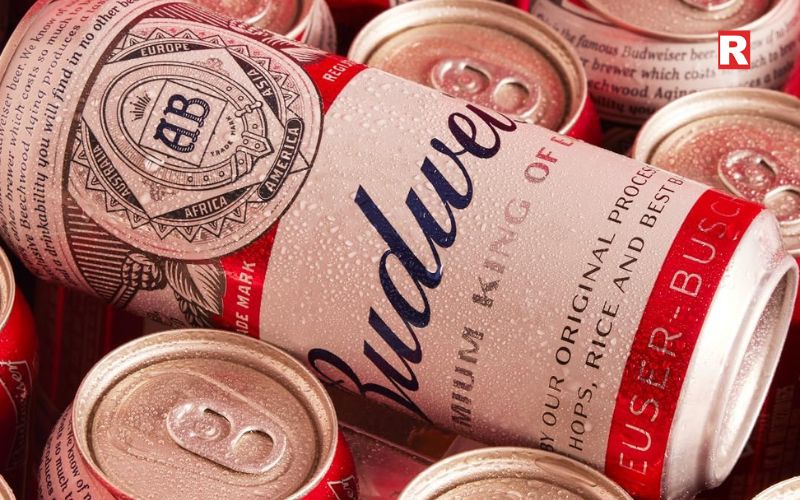
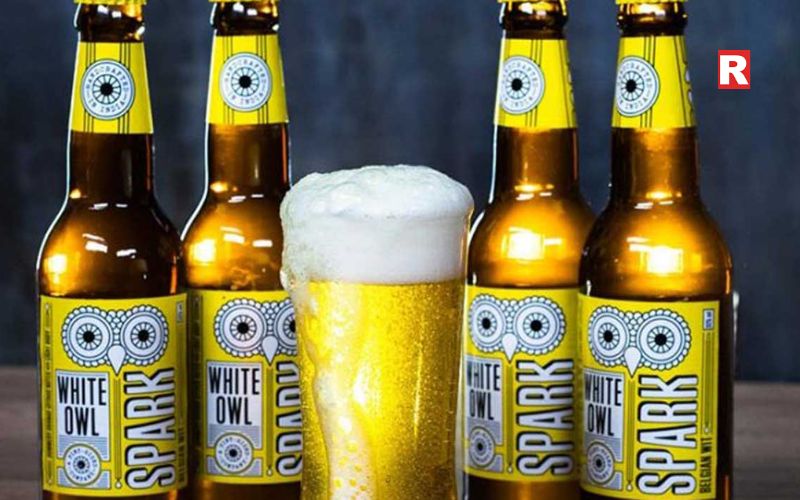
Brands such as Sober and Catwalk are among the names associated with India's emerging non-alcoholic beverage space. International products such as Heineken 0.0, Budweiser Zero and Corona Cero also demonstrate how established beverage companies are participating in the category. For bars, these products can offer ready-made alternatives while allowing bartenders to develop their own signature drinks using specialised ingredients.
What Bars Need From Beverage Suppliers
Consistent product quality.
Reliable distribution.
Competitive institutional pricing.
Clear ABV and ingredient information.
Appropriate shelf-life and storage guidance.
Training and product knowledge for bartenders.
Reliable supply will be important if bars want to move from occasional experimentation to regular menu offerings.
The Challenges That Could Slow Down the Business
Despite the opportunity, low- and no-alcohol beverages face several commercial challenges in India.
Consumer Price Sensitivity: Customers may question why a drink without alcohol costs as much as a conventional cocktail. Bars need to communicate the quality of ingredients and preparation.
Limited Consumer Awareness: Many consumers still associate non-alcoholic beverages with basic mocktails and sugary drinks. Changing this perception will take time.
Ingredient Availability: Specialised botanical ingredients and non-alcoholic spirits may not be easily available across all markets.
Operational Complexity: Fermentation, preparation time and fresh ingredient management can increase operational pressure.
Competition From Existing Beverage Options: Soft drinks, juices, packaged beverages and conventional cocktails already occupy established positions on bar menus.
Regulatory Considerations: India's FSSAI regulations distinguish between different beverage categories. Its 2023 regulatory amendment introduced a category for ready-to-drink/low-alcohol beverages containing more than 0.5 percent and up to 8 percent alcohol by volume.
Bars and beverage brands must also consider applicable labelling requirements and state-specific excise rules when dealing with alcoholic and low-ABV products.
Dedicated Zero-Proof Menus Could Become the Next Hospitality Experiment
One potential development is the introduction of separate zero-proof beverage menus. Instead of placing two or three mocktails at the bottom of a cocktail list, bars could develop an independent section featuring signature alcohol-free creations.
This could include:
Botanical cocktail collections.
Indian ingredient-based signature drinks.
Fermented beverage selections.
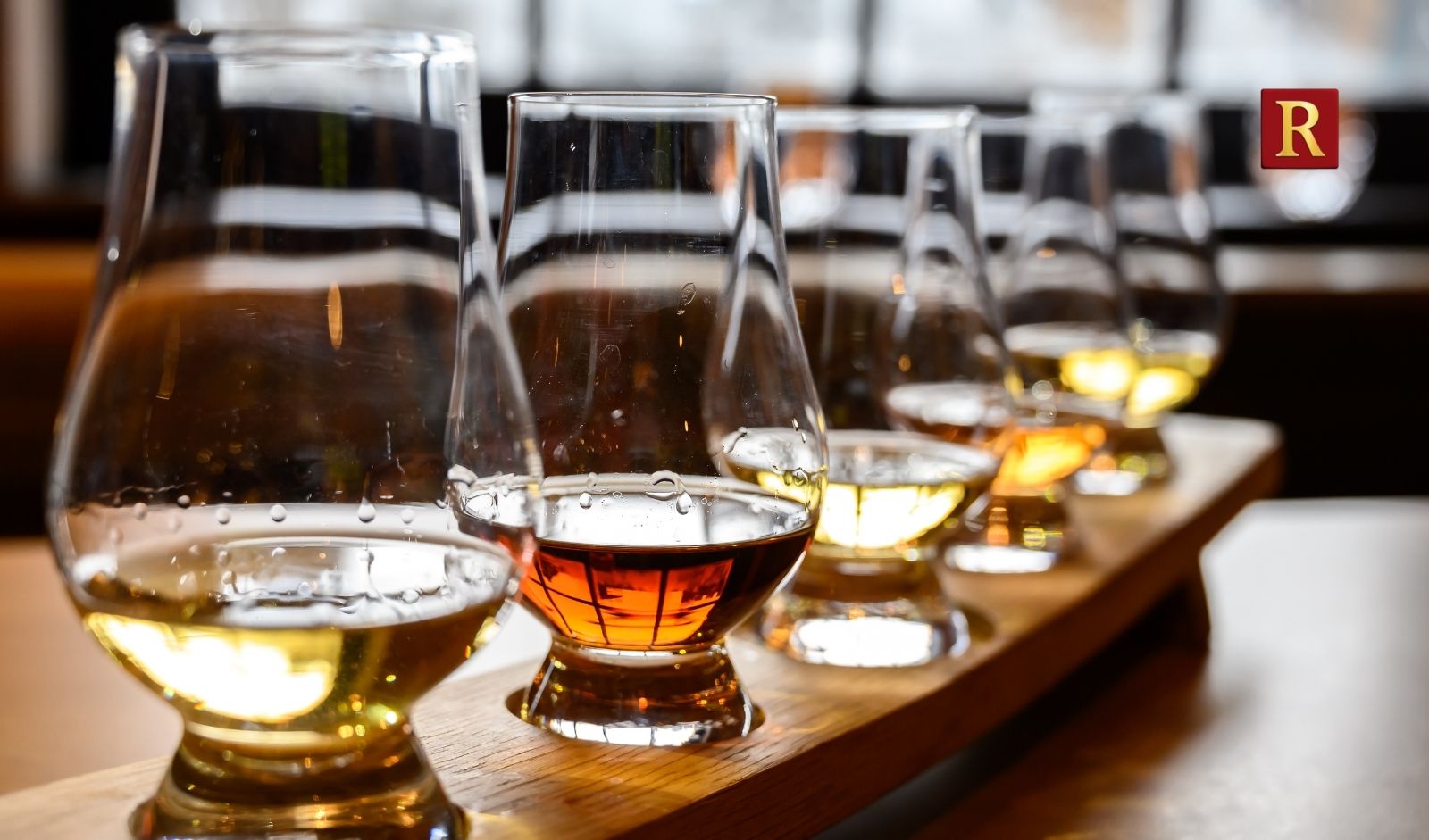
Alcohol-free tasting flights.
Premium alcohol-free beer pairings.
Seasonal zero-proof specials.
A curated tasting experience could also become an additional revenue opportunity. Customers could explore several small servings featuring different botanical, fermented and fruit-based profiles. For premium bars and hotels, this approach could create a more complete beverage experience.
The Future
Low- and no-alcohol beverages are unlikely to replace conventional alcoholic drinks in Indian bars. However, they do not necessarily need to. Their opportunity lies in becoming a separate category that serves customers with different preferences and consumption occasions. For bar owners, the next step will be to understand whether these beverages can generate repeat orders, attractive margins and additional customer visits. The category will also depend on better product availability, bartender training, flavour innovation and consumer awareness. India's regional ingredients and beverage traditions offer an opportunity to create a distinctive identity for zero-proof drinks. If bars can combine these ingredients with premium preparation and commercially sensible pricing, alcohol-free beverages could become more than a small section of the menu. The bigger business opportunity may not be selling fewer alcoholic drinks. It may be giving customers more reasons to order another drink, regardless of whether it contains alcohol.
Saptopriya Ghosal
Feature Writer
I am a dedicated media professional with a bachelor's degree in mass communication from the State University of Calcutta and a postgraduate degree from Amity University. My academic journey has equipped me with a profound understanding of storytelling and communication. Passionate about the dynamic world of media, I continually strive to explore new ways to engage and inform through compelling narratives.