Can India's Tea and Coffee Chains Crack the Profitability Code?
At the same time, premiumisation cannot come at the cost of consumer trust.

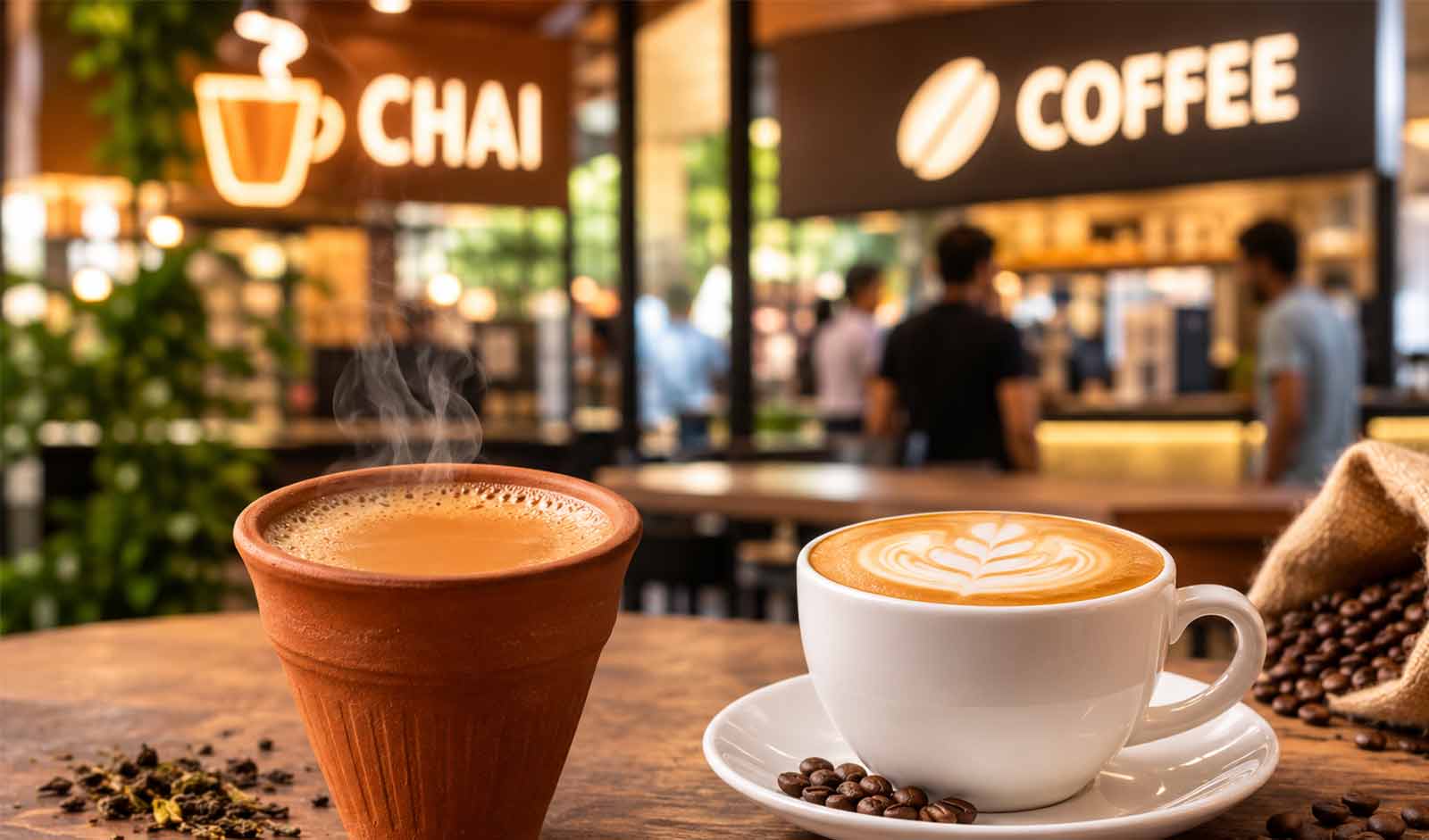
India's tea and coffee market is evolving, with speciality cafés, premium coffee chains and organised tea outlets expanding across cities. From affordable chai formats to speciality brews, both beverages are finding new consumers, particularly among younger audiences and urban professionals.
Brands are also looking beyond in-store sales, exploring packaged tea and coffee, ready-to-drink beverages and merchandise to build additional revenue streams.
According to World Coffee Portal's Project Café India 2025, India's branded coffee shop market grew 12.7% in the preceding year, adding around 600 outlets to reach 5,339 stores.
However, expansion does not guarantee profitability. High rentals, staffing costs, raw material prices and growing competition continue to put pressure on margins. For tea and coffee chains, the real challenge is to expand while building a sustainable and profitable business.
Profitability Remains a Challenge
Coffee chains are stepping up expansion. Tata Starbucks had 502 stores across 80 cities in March 2026 and plans to add 50–100 outlets annually. Blue Tokai aims to grow from around 240 outlets to 800 by FY30, while Third Wave Coffee plans 100 new cafés in FY27.
Growth, however, has not guaranteed profitability. Tata Starbucks reported FY26 revenue of Rs 1,367 crore, up 7%, while its net loss narrowed to Rs 98.95 crore. Blue Tokai's revenue rose 59.4% to Rs 518 crore, but its loss widened to Rs 83 crore. Third Wave Coffee reported FY25 revenue of Rs 268.6 crore, up 11%, while its loss narrowed to Rs 94.4 crore.
For brands such as Adhira & Appa, profitability also varies by location. “Entering a new city is a task and making the brand identity is another challenge. For this, consistency plays an important role,” shared Karan Mendon, Co-Founder.
Similarly, for global chain Coffee Island, bringing together its Greek coffee heritage, diverse menu and café experience helps create a distinctive proposition. “As the market grows, brands that balance customer experience with strong business fundamentals will be better placed to scale sustainably,” added Amitabh Negi, CEO, Coffee Island India.
The challenge is clear as expanding the network is easier than making every outlet profitable.
Volatile Coffee Prices and Store Economics
Global coffee prices, weather conditions and supply disruptions affect raw material costs. Speciality coffee brands also need to invest in quality beans, roasting, storage and sourcing to maintain consistency.
Brands need working capital to sustain operations until new outlets build a steady customer base. Rapid expansion puts further pressure on cash flow.
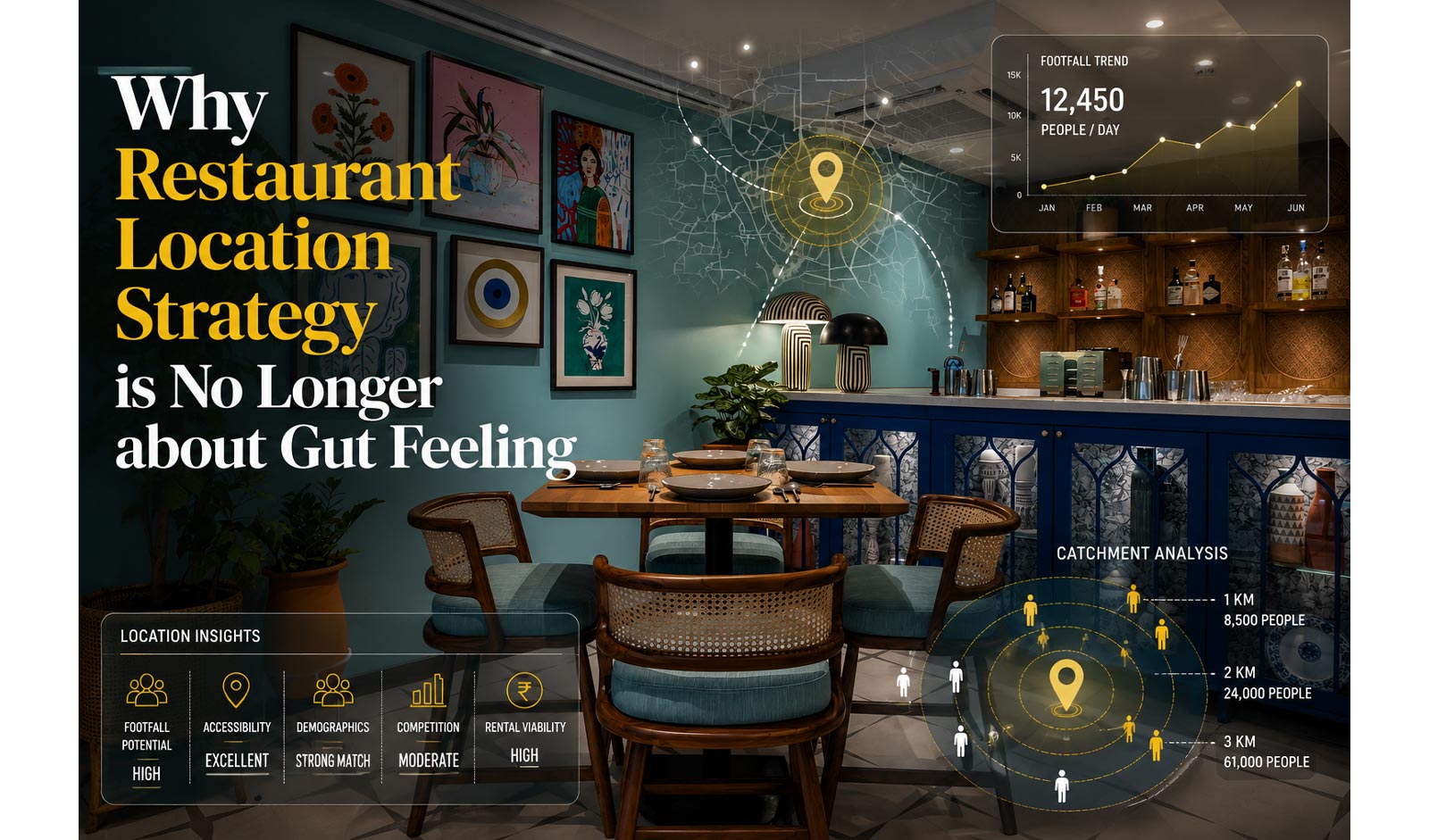
“Store economics will play a significant role in determining how the cafe industry expands. Choosing the right location is important, but it is equally important to understand the catchment, customer preferences, rental costs, expected footfalls and the kind of experience the outlet is designed to offer. Each location needs to be evaluated on its own potential rather than following a one-size-fits-all approach,” shared Negi.
Coffee chains compete not just with one another but also with affordable chai stalls, local cafés and quick-service outlets. Premium pricing can limit repeat visits, making it difficult to balance customer frequency with margins.
While beverages may be the starting point, there is an opportunity for cafés to build a more complete offering through food, retail and experiences. Negi added, “Our menu brings together specialty coffee, signature beverages, Greek-inspired dishes and familiar cafe favourites. We continue to explore new flavours and offerings while keeping local consumer preferences in mind. Beyond the menu, there is also an opportunity to rethink how cafe spaces can be used.”
Building a wider café experience gives consumers more reasons to visit and allows brands to create stronger connections with them beyond their everyday coffee purchase.
Can Tea Offer a More Scalable Business Model?
Unlike coffee, tea already has a strong daily consumption base in India. This gives organised brands room to grow through affordable pricing, smaller outlets and franchise-led models.
Brands such as Chaayos, Chai Point and Chai Sutta Bar are tapping into this opportunity. Chaayos reported FY25 revenue of Rs 310.6 crore, up 25%, while its net loss fell 53% to Rs 25.4 crore. Chai Point combines cafés with corporate beverage solutions, while Chai Sutta Bar has expanded to over 650 outlets through franchising.
For established packaged tea players, the opportunity lies in taking the beverage beyond the traditional household consumption format. Society Tea, a fourth-generation business, is expanding into newer beverage categories while retaining its core tea identity.
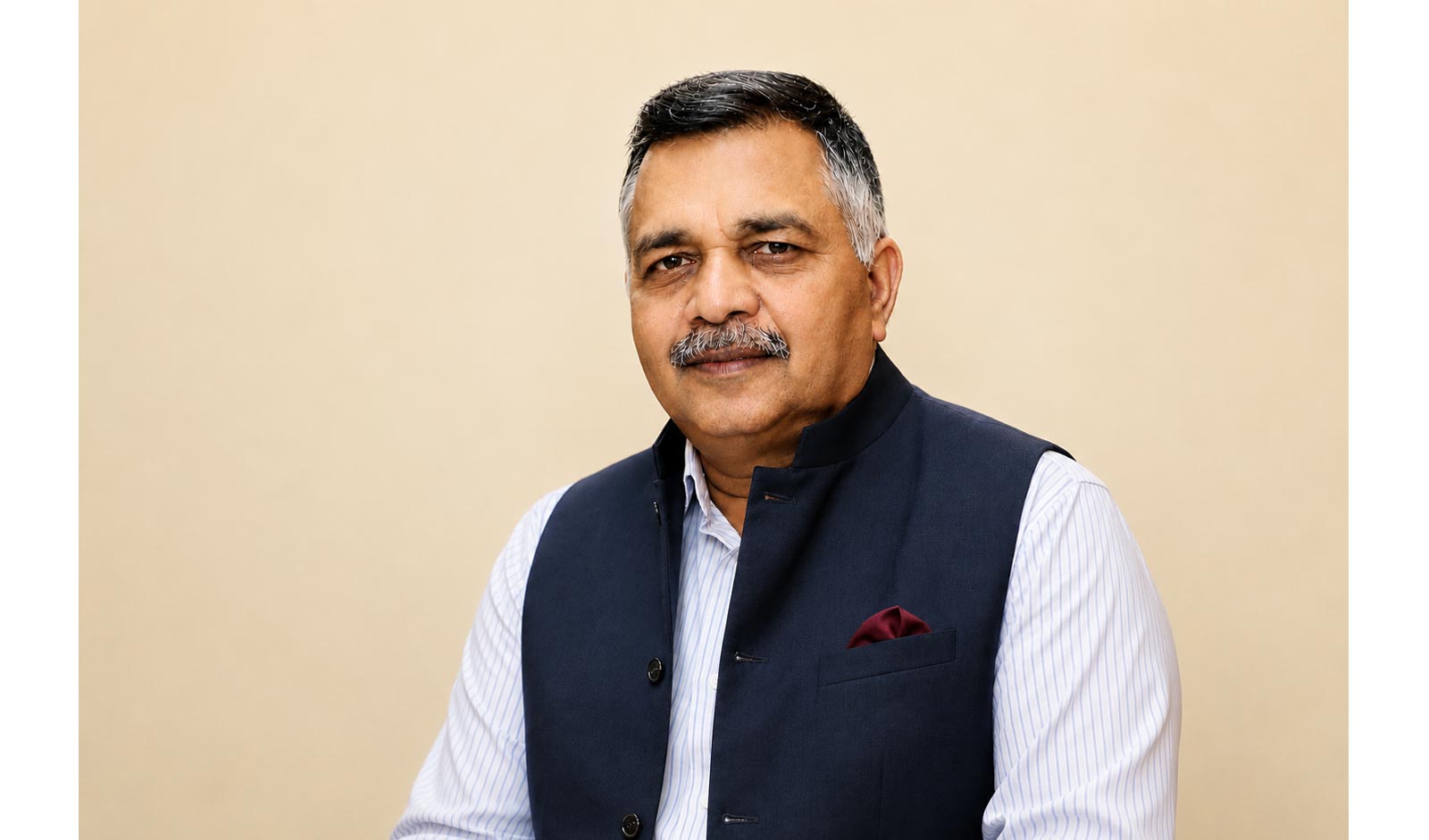
Dhaval Shah, Director, Society Tea, believes that changing consumption habits are creating opportunities across multiple formats.
“Tea has been our business for four generations, and that is not going to change. What is changing is how people want to consume it. Some still prefer their regular cup of chai at home, while others want something quick at work or a refreshing drink when they are out. We have to cater to all of them.”
The brand has moved beyond packaged tea into green teas, instant premixes, iced teas, coffee and dairy products. According to Shah, the larger ambition is to evolve into a broader beverage solutions company while building on categories the brand understands.
Convenience is also emerging as an important growth driver. Society Tea's One Minute Tea premixes and ready-to-drink iced teas address consumers looking for quicker beverage options across different occasions. The brand is also exploring lower-sugar and nutrition-focused offerings.
“I think the biggest opportunity is convenience without compromising on taste. Younger consumers are not necessarily moving away from tea. They just have different routines and expectations. They want something that is easy to prepare, tastes good and fits into their day,” Shah added.
However, innovation needs to translate into repeat purchases. Shah believes that brands must understand consumer behaviour and test new ideas rather than simply follow trends. He also emphasises that regional preferences play an important role in expansion.
“One thing we have learnt over the years is that India is not one tea market. Even within Maharashtra, preferences change. Consumers in Mumbai may prefer a different blend from those in other parts of the state,” he explained.
For tea brands looking to expand nationally, adapting blends, pricing and distribution to local markets will be essential.
Digital channels are adding another dimension to this growth. Society Tea is strengthening its presence across quick commerce and e-commerce platforms while continuing to rely on traditional retail. This combination allows brands to reach consumers through both emerging and established distribution channels.
At the same time, premiumisation cannot come at the cost of consumer trust. Shah pointed out, “Simply putting a product in attractive packaging and charging more will not build loyalty. In this business, the consumer decides whether your product is worth buying again, and that is something brands cannot afford to forget.”
The opportunity for India's tea and coffee businesses is expanding, but so are the challenges. Coffee chains need to improve store-level profitability, manage real estate costs and build stronger customer retention. Tea brands, meanwhile, have the advantage of an established consumption habit but must innovate across formats, pricing and distribution to remain relevant.
Diversification into packaged beverages, premixes, ready-to-drink products and food can create additional revenue opportunities. However, these categories also require investment in product development, supply chains and marketing.
Ultimately, the next phase of growth will not be determined by the number of outlets a brand opens or the number of products it launches. It will depend on how effectively businesses convert consumer demand into repeat purchases, manage costs and build profitable operations. From chai counters to speciality coffee cafés, the winners will be those that make growth sustainable.
Vijetha Iyer
Content Editor
Working as a Content Editor with Restaurant India. I have worked in various sectors like food and beverage sector, chemicals, pharma, nutraceuticals, now specially focusing on restaurant side. But my core knowledge was always on content. Be it writing poems to verses, I always loved writing and have been exploring my career on the same. In Restaurant India, I deliver insightful stories, take interviews of various brands and update the audiences about the newest happenings in the restaurant industry.