Cafe Profit Margin in India: What to Realistically Expect
A realistic expectation for most independent cafés is a 5% to 15% net profit margin, with higher profits achievable through efficient operations, strong customer retention, and disciplined cost management.


Opening a café in India has become a popular business idea. Coffee culture is growing in metro cities as well as Tier 2 and Tier 3 markets. More people now use cafés for work meetings, casual catch-ups, studying, and remote work. However, many aspiring entrepreneurs assume that selling a Rs 200 cup of coffee means earning huge profits. The reality is more complex.
While beverages often offer strong gross margins, the final profit depends on rent, staff salaries, food costs, electricity, marketing, and daily customer footfall. Understanding these numbers before investing can help owners build a more sustainable business. This guide explains realistic café profit margins in India, the biggest expenses, and the strategies that successful operators use to improve profitability.
Why Cafés Continue to Grow in India
India's café market has expanded steadily over the past decade. Rising disposable incomes, urban lifestyles, increasing demand for specialty coffee, and changing consumer habits have all contributed to this growth. According to industry estimates, India's café and coffee retail market is expected to continue growing as younger consumers spend more on premium food and beverage experiences. Unlike traditional restaurants, cafés generate revenue throughout the day. Morning coffee, afternoon snacks, evening meetings, and weekend brunches create multiple earning opportunities. Many cafés also earn through online deliveries, retail coffee beans, desserts, merchandise, and event hosting. Still, higher sales do not always mean higher profits. Every successful café carefully manages costs while maintaining quality and customer experience.
Gross Profit vs Net Profit: Know the Difference
One of the biggest mistakes first-time café owners make is confusing gross profit with net profit. Gross profit is the money left after subtracting the direct cost of ingredients. Since coffee beans, milk, sugar, and syrups usually account for a small portion of the selling price, beverages often have high gross margins. Net profit is what remains after paying every business expense, including rent, salaries, electricity, internet, maintenance, taxes, software subscriptions, packaging, and marketing. This is the figure that determines whether the business is truly profitable.
For example, a cappuccino sold for Rs 220 may cost only Rs 50–Rs 60 in ingredients, creating an attractive gross margin. However, once all operating expenses are allocated, the actual profit from that cup is much lower.
What Is the Average Café Profit Margin in India?
Profit margins vary depending on location, business model, and operational efficiency.
Most independent cafés in India typically achieve:
- Gross profit margin: 65%–75%
- Net profit margin: 5%–15%
- Well-managed cafés with strong customer traffic: 15%–20% net profit
- Poorly managed cafés: Below 5%, with some operating at a loss
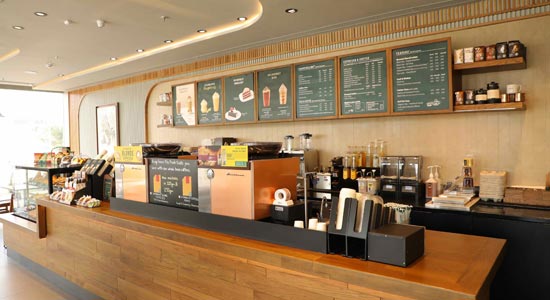
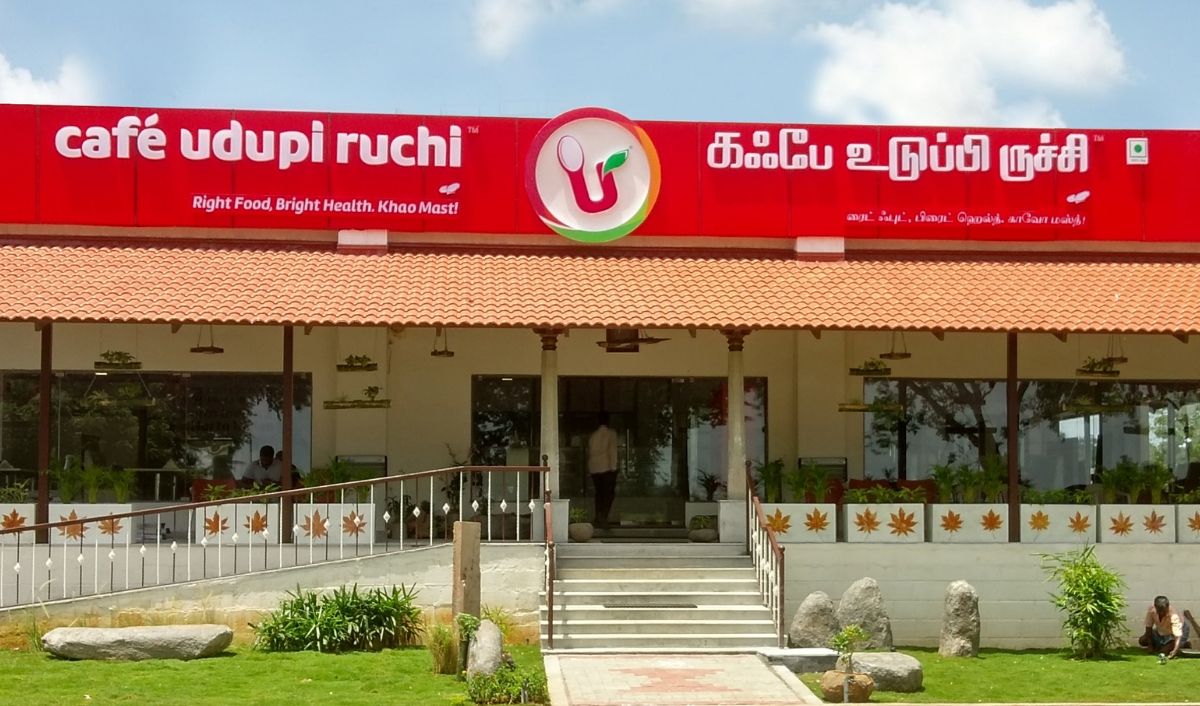
Franchise cafés may generate higher revenues because of brand recognition but often pay royalty fees and have stricter operational costs, which can affect final profits. The goal should not simply be increasing sales but improving operational efficiency.
Where Does a Café Earn Its Revenue?
Many people assume coffee is the only source of income. In reality, successful cafés build multiple revenue streams.
Typical income sources include:
- Hot coffee beverages
- Cold coffees and frappes
- Tea and specialty beverages
- Fresh juices and mocktails
- Sandwiches and wraps
- Bakery products
- Desserts
- Breakfast menus
- Meal combos
- Retail coffee beans and brewing equipment
- Corporate catering
- Delivery orders through food aggregators
- Workshops and community events
Diversified revenue helps cafés remain profitable even during slower seasons.
The Biggest Costs That Reduce Café Profit
Understanding expenses is just as important as increasing revenue.
1. Food and Beverage Costs
Food and beverage costs usually account for 25%–35% of revenue. Rising dairy prices, imported coffee beans, chocolates, syrups, and fresh ingredients can quickly increase expenses. Poor inventory management and food wastage also reduce profits. Standardised recipes, portion control, and supplier negotiations help control these costs.
2. Labour Costs
Employee salaries are another major expense. Labour generally represents 25%–30% of total revenue and includes:
- Baristas
- Kitchen staff
- Cashiers
- Cleaning staff
- Supervisors
- Café managers
Regular staff training improves productivity and reduces costly mistakes.
3. Rent
Location plays a major role in profitability. Premium high-street locations attract more customers but also come with higher rental costs. Ideally, rent should remain below 20% of monthly revenue, although cafés in prime commercial areas may exceed this level. Choosing a location with balanced rental costs and consistent footfall is often more profitable than simply selecting the busiest street.
4. Utilities
Running commercial coffee machines, refrigerators, ovens, air conditioners, lighting, and internet connections results in significant monthly utility bills. Energy-efficient equipment can reduce operating expenses over time.
5. Marketing
Digital marketing has become essential for cafés. Typical marketing expenses include:
- Instagram advertising
- Google Business Profile management
- Influencer collaborations
- Photography
- Loyalty programmes
- Local promotions
These investments help increase repeat customers and improve customer acquisition.
6. Delivery Platform Charges
Online food delivery creates additional revenue but also reduces margins through commissions and packaging costs. Many café owners encourage direct ordering through their own websites or loyalty programmes to improve profitability.
A Sample Monthly Profit Calculation Illustration
Consider a neighbourhood café generating Rs 10 lakh in monthly sales.
Expense | Percentage | Amount |
Revenue | 100% | Rs 10,00,000 |
Food & beverage cost | 30% | Rs 3,00,000 |
Labour | 28% | Rs 2,80,000 |
Rent | 15% | Rs 1,50,000 |
Utilities | 5% | Rs 50,000 |
Marketing | 4% | Rs 40,000 |
Packaging & delivery | 3% | Rs 30,000 |
Maintenance & miscellaneous | 5% | Rs 50,000 |
After all expenses, the café retains approximately Rs 1 lakh, resulting in a 10% net profit margin. This example shows why high sales alone do not guarantee high profits.
The Numbers Every Café Owner Should Track
Successful café operators rely on data rather than assumptions.
Some of the most important performance indicators include:
- Average Order Value (AOV)
- Daily customer count
- Revenue per seat
- Food cost percentage
- Beverage cost percentage
- Labour cost percentage
- Repeat customer rate
- Table turnover
- Daily break-even sales
- Gross profit margin
- Net profit margin
Tracking these numbers helps identify problems before they affect the business.
Why Some Cafés Struggle Despite Premium Pricing
Several cafés fail even after attracting customers.
Common reasons include:
- High rental costs
- Large menus with slow-moving items
- Excess inventory
- Poor staff scheduling
- Low weekday footfall
- Heavy discounting
- Weak financial planning
- Overinvestment in interiors
- Inconsistent customer experience
Many owners focus on décor while overlooking operational efficiency. In the long run, disciplined cost control has a much greater impact on profitability.
Practical Ways to Improve Cafe Profit Margins
Increasing prices is not always the best solution. Many successful cafés improve profits through smarter operations.
They focus on:
- Designing menus that highlight high-margin beverages.
- Bundling coffee with bakery items to increase average order value.
- Introducing seasonal drinks that encourage repeat visits.
- Reducing food waste through better inventory planning.
- Building loyalty programmes that reward frequent customers.
- Selling retail coffee beans and branded merchandise.
- Hosting workshops, book clubs, or live music evenings during off-peak hours.
- Using customer data to personalise offers and improve repeat business.
Even small improvements in average spending per customer can significantly increase monthly profits.
What New Café Owners Should Expect
Opening a café is both a creative and financial commitment. While social media often highlights stylish interiors and premium beverages, long-term success depends on consistent execution behind the scenes. A realistic expectation for most independent cafés is a 5% to 15% net profit margin, with higher profits achievable through efficient operations, strong customer retention, and disciplined cost management. Owners who regularly monitor expenses, optimise their menu, and build multiple revenue streams are better positioned to withstand rising ingredient costs and changing consumer behaviour. The café business in India continues to offer opportunities as coffee culture expands across the country. However, sustainable profitability comes from understanding the numbers, making informed decisions, and delivering an experience that encourages customers to return—not just once, but again and again.
Saptopriya Ghosal
Feature Writer
I am a dedicated media professional with a bachelor's degree in mass communication from the State University of Calcutta and a postgraduate degree from Amity University. My academic journey has equipped me with a profound understanding of storytelling and communication. Passionate about the dynamic world of media, I continually strive to explore new ways to engage and inform through compelling narratives.