Cafe Business in India: Setup Cost, Profit Margins & What Nobody Tells You
Industry experts believe cafes that balance hospitality with disciplined financial management are more likely to survive long term. In today’s competitive market, sustainability and operational planning matter just as much as ambience and branding.

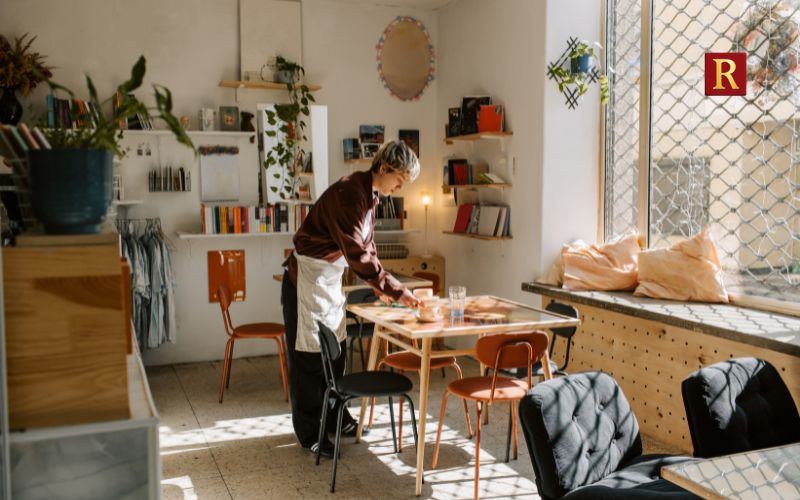
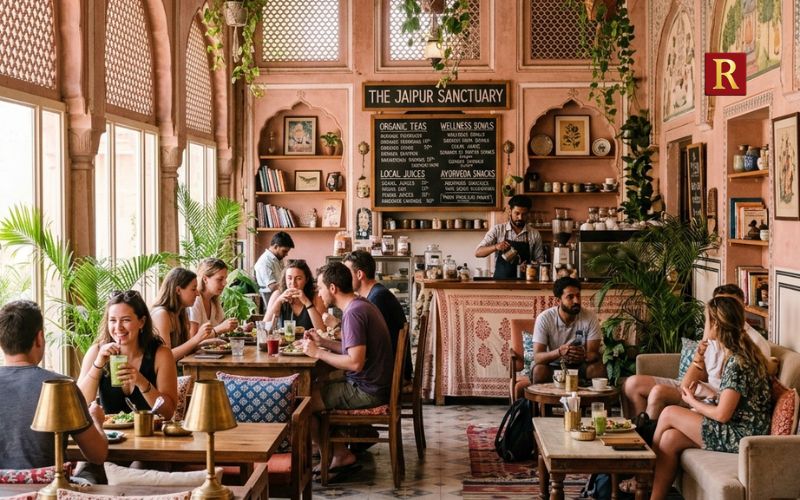
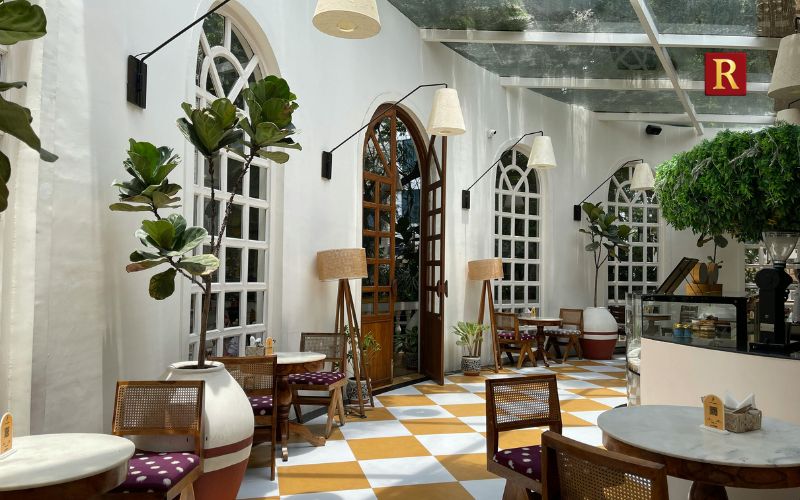
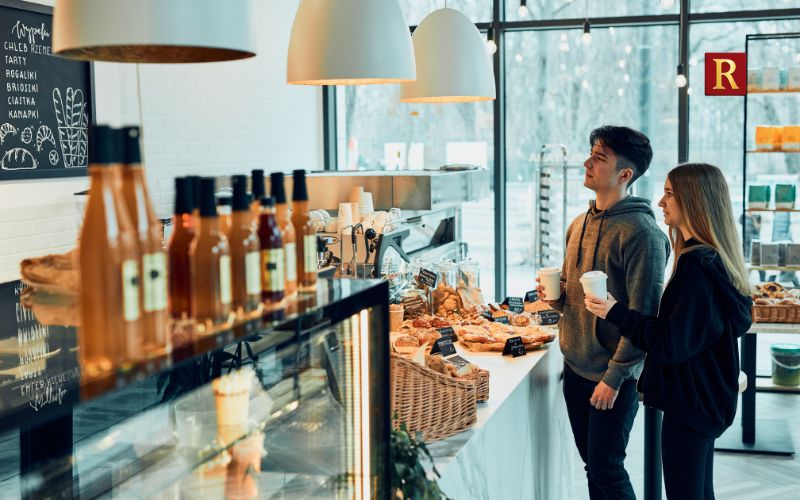
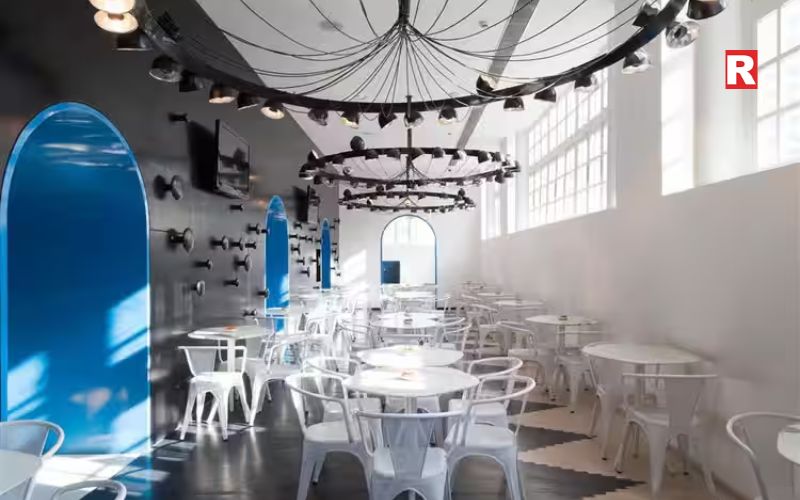
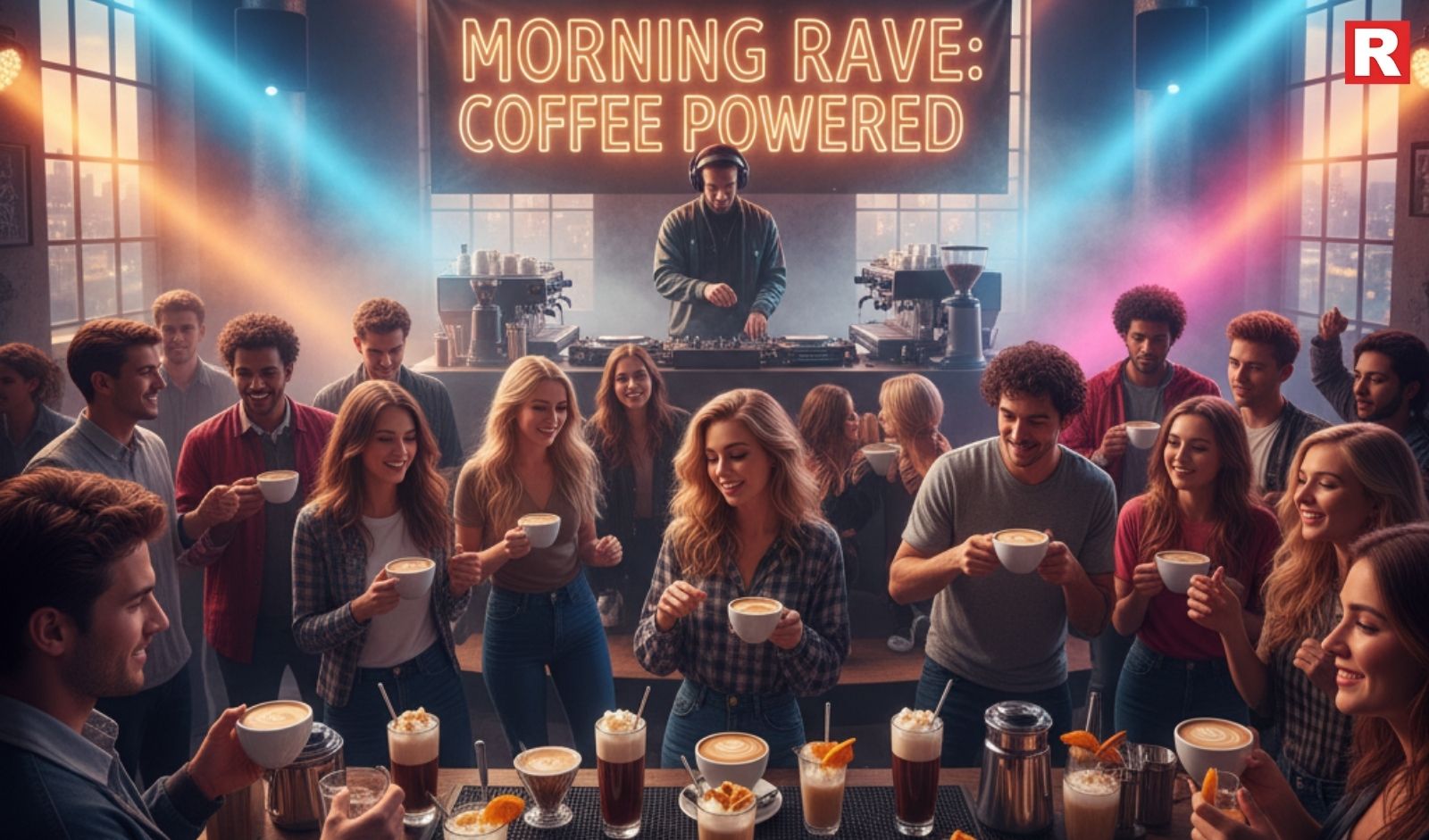
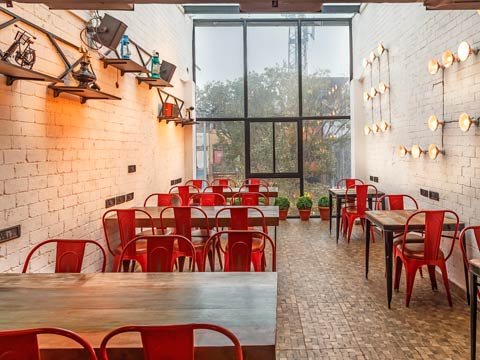
India’s cafe culture has changed rapidly over the last few years. Cafes are no longer just places to grab coffee. They have become workspaces, social hubs, date spots, creator studios, and lifestyle destinations. From Bengaluru and Mumbai to Jaipur, Indore, Kochi, and Chandigarh, cafes are opening across metros and Tier-2 cities at an incredible pace. Young consumers are spending more on experiences, premium beverages, and aesthetically designed spaces. The rise of remote work and social media has also pushed demand for cafes that offer comfort, ambience, and community.
But behind every beautiful cafe interior is a business that runs on numbers, operations, and survival. Many people enter the cafe industry thinking it is glamorous. The reality is far more demanding. Opening a cafe in India today can cost anywhere between Rs 8 lakh and Rs 1 crore depending on the size, city, and concept.
The Growing Cafe Business
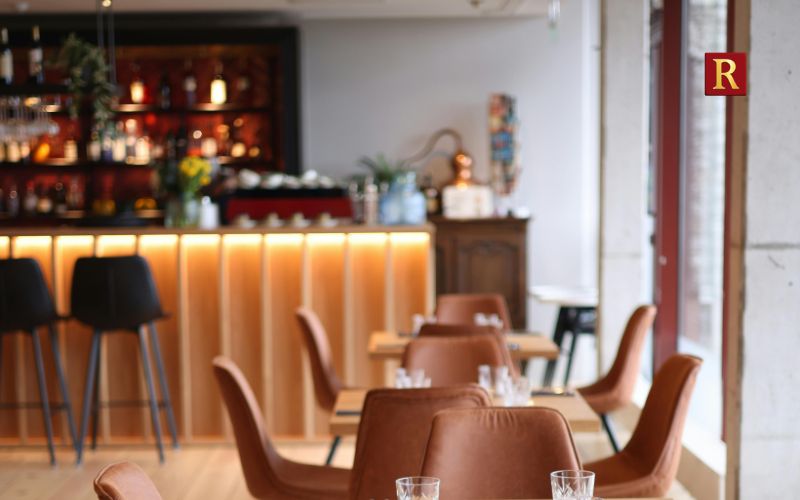
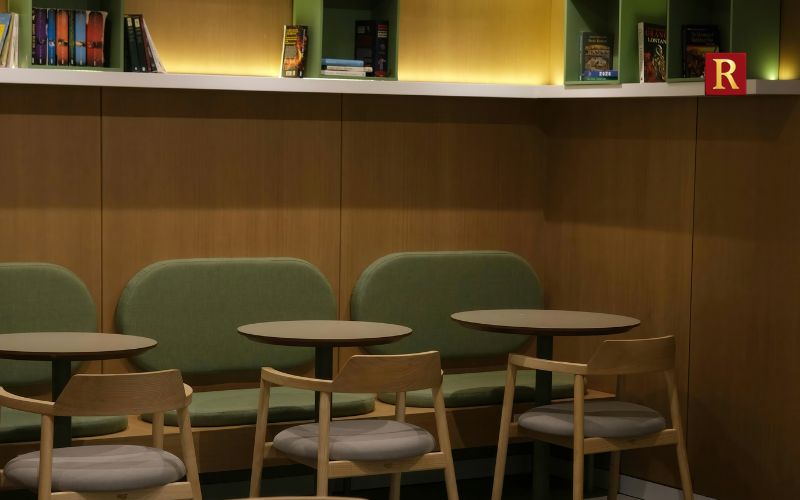
The Indian cafe industry is growing rapidly because consumer behavior is changing across urban and Tier-2 cities. Younger consumers are increasingly choosing cafes over traditional restaurants as these spaces offer more than just food and beverages. Cafes now function as social hubs, remote workspaces, meeting spots, and content-friendly locations for social media users. Aesthetic interiors, specialty coffee, live music, and curated experiences are helping cafes attract customers who value ambience and lifestyle. The rise of food delivery platforms has also expanded revenue opportunities, allowing cafes to earn through dine-ins, takeaway orders, and online deliveries at the same time. Smaller cities are witnessing strong cafe growth due to lower rentals and increasing spending power among young consumers. Modern cafes are selling convenience, community, and identity alongside coffee. This is why successful cafe brands are investing heavily in branding, lighting, customer engagement, and personalized experiences to build loyal customer communities.
Real Setup Cost of a Cafe in India
One of the biggest mistakes first-time cafe owners make is underestimating costs. Many people believe they can open a proper urban cafe with Rs 5–10 lakh. In reality, even a small cafe requires serious capital if done professionally.
Here is a realistic cost breakdown for a standard cafe setup in India:
Expense | Estimated Cost |
|---|---|
Rent deposit | Rs 2 lakh – Rs 10 lakh |
Interiors & furniture | Rs 5 lakh – Rs 25 lakh |
Coffee machines & grinders | Rs 2 lakh – Rs 15 lakh |
Kitchen setup | Rs 1 lakh – Rs 5 lakh |
Licenses & legal approvals | Rs 50,000 – Rs 2 lakh |
Branding & launch marketing | Rs 1 lakh – Rs 5 lakh |
POS system & billing software | Rs 30,000 – Rs 1 lakh |
Initial inventory | Rs 50,000 – Rs 2 lakh |
Working capital reserve | Rs 3 lakh – Rs 10 lakh |
Industry estimates suggest:
- Small Tier-2 city cafes may start around Rs 8–15 lakh
- Mid-sized cafes can cost Rs 20–50 lakh
- Premium metro cafes often cross Rs 50 lakh easily
The biggest expense is usually interiors and rent. Many entrepreneurs overspend on aesthetics before understanding operational costs.
The Hidden Costs Most Cafe Owners Ignore
This is where the business becomes difficult. Many cafes look crowded but still struggle financially because fixed expenses remain extremely high.
Some hidden costs include:
- electricity bills from ACs and coffee equipment
- espresso machine servicing
- staff attrition
- food wastage
- delivery platform commissions
- digital marketing expenses
- seasonal drop in footfall
- music licensing
- interior maintenance
Imported coffee machines have also become more expensive due to rising import duties in India, increasing operational pressure for cafes and coffee chains.
A cafe owner must constantly monitor financial metrics. The most important ones are:
- Food cost percentage
- Labour cost ratio
- Occupancy cost
- Average order value
- Daily breakeven sales
- Revenue per square foot
According to industry operators, food and beverage cost should ideally stay below 35 percent of revenue, labour below 30 percent, and occupancy cost below 20 percent for sustainable profitability.
Profit Margins in the Cafe Business
This is the part that attracts most entrepreneurs. Cafe beverages have very strong gross margins. A cappuccino that costs Rs 20–25 to make can sell for Rs 150–180 in urban markets.
Typical gross margins look like this:
Product Category | Gross Margin |
|---|---|
Coffee beverages | 70–80% |
Cold beverages | 65–75% |
Bakery items | 50–65% |
Full meals | 30–45% |
But gross margin and net profit are very different things. Once rent, salaries, commissions, electricity, and maintenance are deducted, actual net margins become much smaller.
In reality:
- Small cafes often operate at 5–12% net margins
- Well-managed cafes may reach 15–20%
- Poorly optimized cafes can run at losses for years
This is why operational efficiency matters more than just footfall. A busy cafe does not automatically mean a profitable cafe.
Franchise Cafe vs Independent Cafe
Many entrepreneurs struggle between choosing a franchise or starting independently.
Franchise cafes offer:
- established branding
- training support
- operational systems
- easier customer trust
But they also involve:
- high franchise fees
- royalty payments
- less creative freedom
Franchise investments can range from Rs 10 lakh to Rs 50 lakh or even higher depending on the brand and location. Independent cafes provide more flexibility and higher long-term profit retention. However, they require strong branding, marketing, and customer acquisition strategies. For many first-time owners, independent cafes become difficult because building repeat customers takes time.
How Cafes Make Money Beyond Coffee
The smartest cafes today do not depend only on beverage sales.
Modern revenue streams include:
- food delivery
- merchandise
- packaged coffee beans
- subscription coffee models
- workshops
- live events
- creator collaborations
- co-working memberships
- barista training
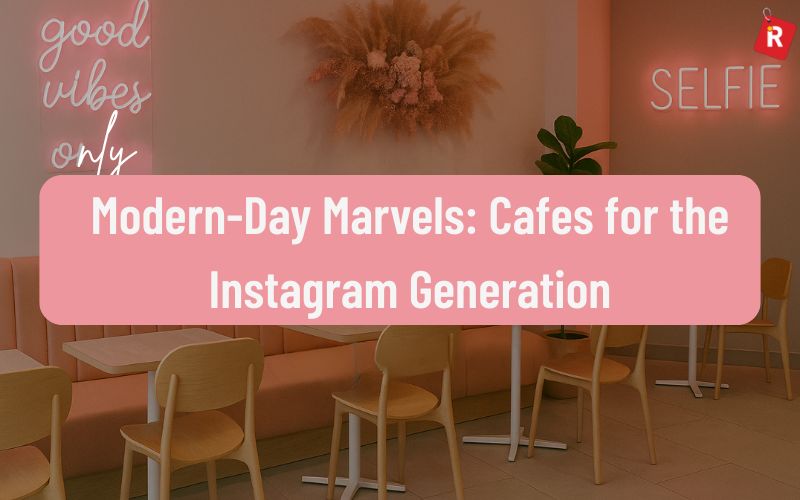
Some cafe owners are even monetizing cafe aesthetics and content creation opportunities. Social-media-driven interiors are now influencing footfall significantly. Small specialty cafes are also becoming more popular because they reduce operational complexity while maintaining premium positioning.
Why Many Cafes Fail in India
The cafe business may look exciting from outside, but survival is difficult.
The biggest reasons cafes fail include:
- poor location selection
- weak pricing strategy
- overinvestment in interiors
- lack of repeat customers
- oversized menus
- high rentals
- weak operational management
- poor financial planning
Many owners focus heavily on aesthetics but ignore numbers. Industry experts repeatedly warn that cafes should be treated as serious operational businesses, not passion projects alone.
Is Opening a Cafe in India Still Worth It?
India’s cafe industry continues to show strong growth as coffee culture expands beyond metro cities into Tier-2 markets like Jaipur, Indore, and Chandigarh. Consumers today are willing to spend more on premium beverages, aesthetic spaces, and experience-driven dining. However, running a profitable cafe now requires much more than good coffee and attractive interiors. Successful cafes are focusing on operational efficiency, smaller and smarter store formats, high-margin menu items, and strong digital visibility through social media and delivery apps. Many brands are also investing in loyalty programs, community events, and personalized customer experiences to increase repeat visits. Rising rentals, staff costs, and food inflation have made cost control extremely important. Industry experts believe cafes that balance hospitality with disciplined financial management are more likely to survive long term. In today’s competitive market, sustainability and operational planning matter just as much as ambience and branding.
Saptopriya Ghosal
Feature Writer
I am a dedicated media professional with a bachelor's degree in mass communication from the State University of Calcutta and a postgraduate degree from Amity University. My academic journey has equipped me with a profound understanding of storytelling and communication. Passionate about the dynamic world of media, I continually strive to explore new ways to engage and inform through compelling narratives.