Cafe Business Ideas: Niche Concepts That Are Trending in India
The most successful café businesses of the future may not be the ones with the largest menus. They will be the ones that understand a specific audience and create experiences worth returning for.

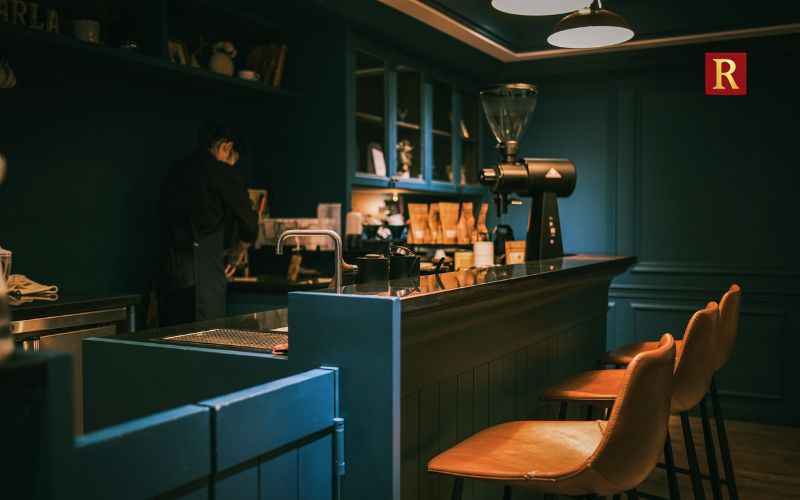
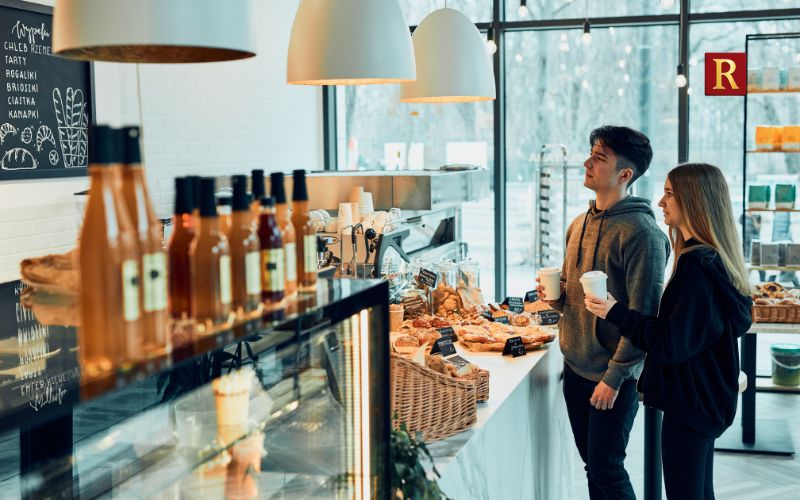
Walk into a cafe today and you will notice something interesting. Many customers are not just there for coffee. Some are working remotely. Others are attending workshops, meeting like-minded people, playing games, or exploring specialty beverages.
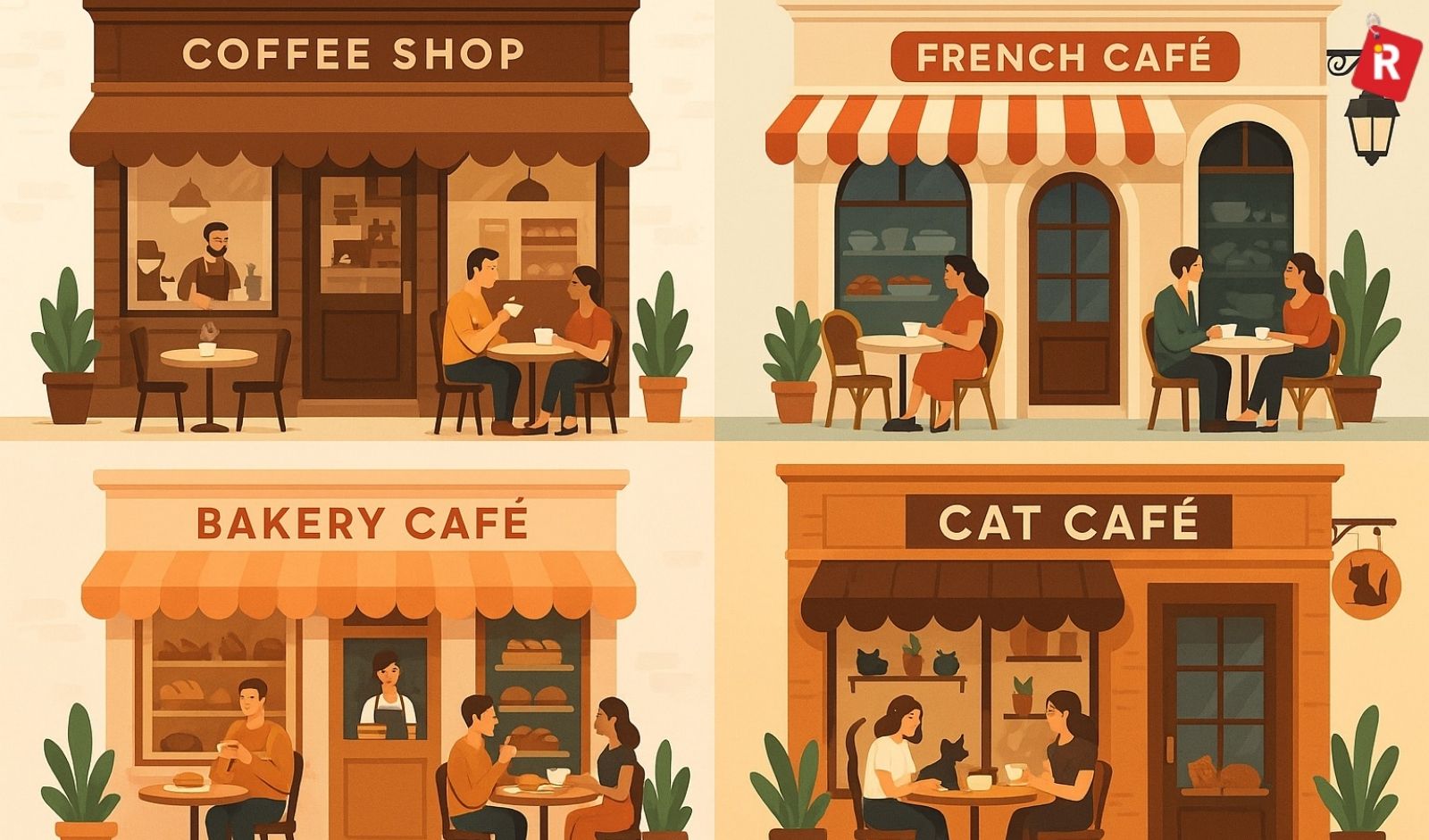
This shift is creating new opportunities for entrepreneurs. Instead of opening a traditional coffee shop, many founders are building niche cafés that serve a specific audience or offer a unique experience. In a competitive market, specialization can help a café stand out and build a loyal customer base. India's café culture has grown rapidly over the past decade. Rising disposable incomes, changing lifestyles, and the influence of Gen Z and millennials have transformed cafés into lifestyle destinations. The result is a growing demand for concepts that go beyond coffee and snacks. Here are some of the most promising café business ideas gaining attention across India.
Why Niche Cafés Are Becoming Popular
The modern café customer wants more than a place to grab a beverage. They are looking for experiences, communities, and spaces that fit their interests.
Several factors are driving this trend:
- Growth of remote and hybrid work
- Rising demand for premium experiences
- Increased spending by Gen Z consumers
- Social media-driven discovery
- Growing interest in wellness and specialty products
- Expansion of café culture in Tier 2 and Tier 3 cities
For café owners, this means differentiation is becoming more important than ever.
Explore Cafe Business Ideas
1. Specialty Coffee Cafés
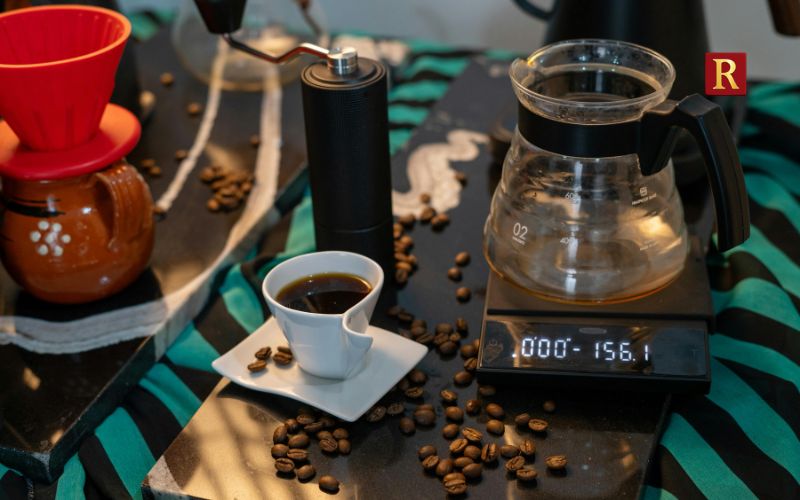
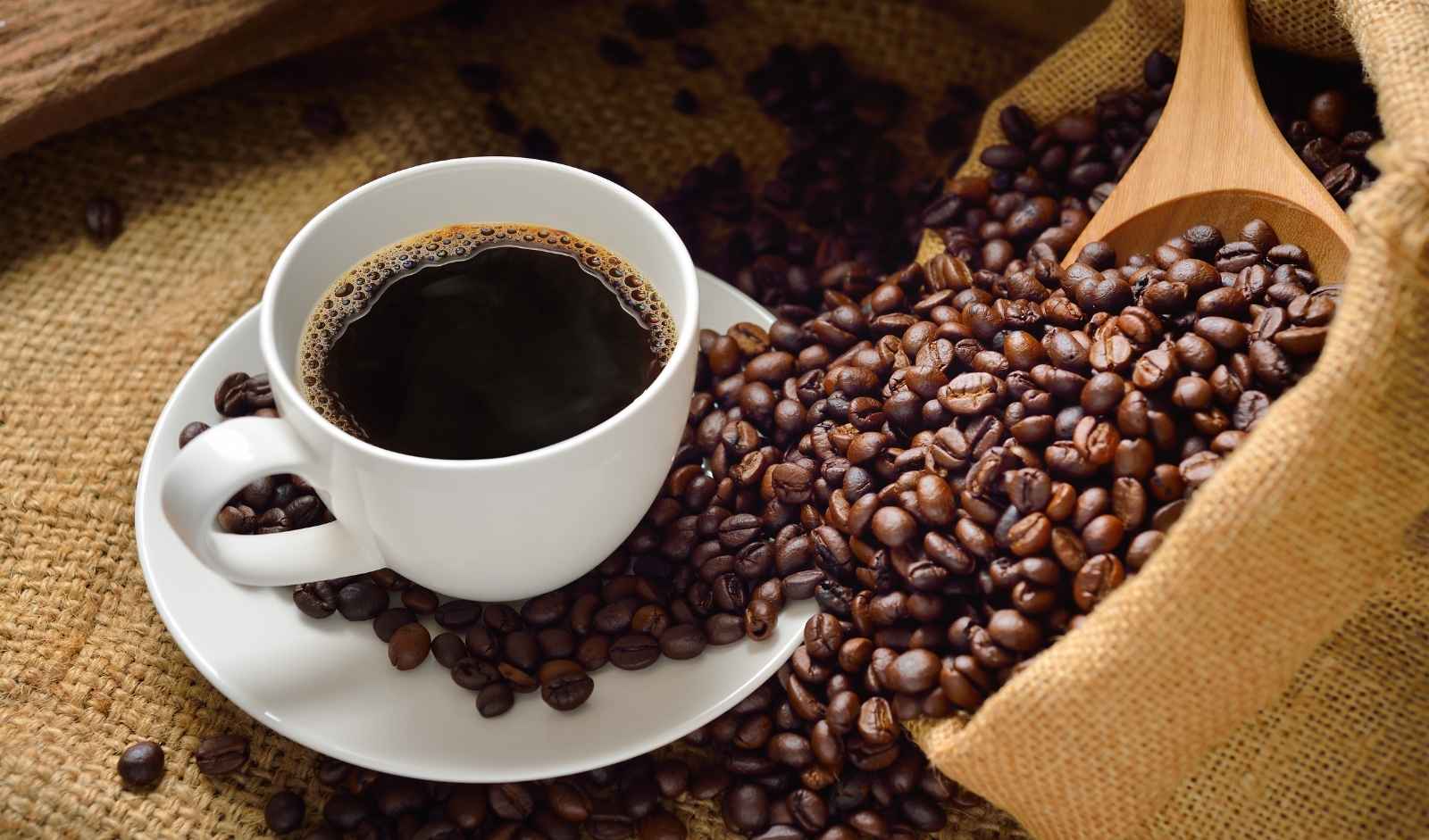
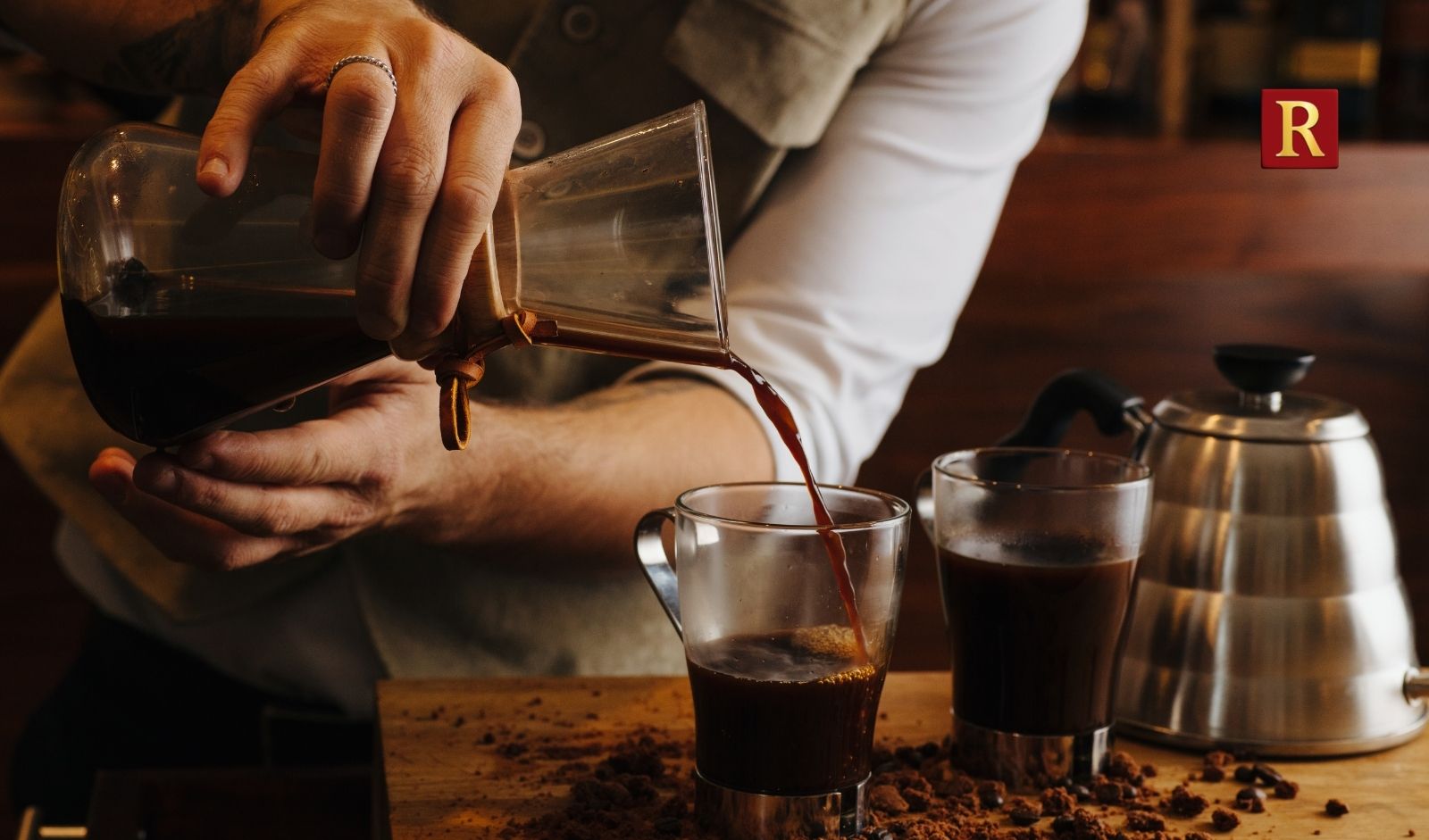
Specialty coffee cafés are becoming one of the most popular café formats in India. Unlike traditional coffee shops that focus on serving standard beverages, these cafés emphasize the quality and origin of coffee beans. Many source single-origin beans directly from coffee estates and offer brewing methods such as pour-over, AeroPress, siphon brewing, and cold brew. Customers are increasingly interested in learning about flavor profiles, roasting techniques, and coffee-growing regions. Karnataka, which produces nearly 70% of India's coffee, plays a major role in supporting this trend. Specialty cafés often generate additional revenue through packaged coffee sales, brewing equipment, subscriptions, workshops, and coffee-tasting experiences.
2. Wellness Cafés

As health awareness grows across India, wellness cafés are attracting consumers who want healthier beverage and food options. These cafés focus on functional ingredients that support fitness, nutrition, and overall well-being. Popular menu items include matcha lattes, kombucha, protein smoothies, herbal teas, cold-pressed juices, plant-based snacks, and sugar-free desserts. Many customers visiting these cafés are young professionals, fitness enthusiasts, and individuals seeking alternatives to sugary beverages. Wellness cafés can also expand their business model by offering nutrition consultations, fitness collaborations, wellness workshops, and health-focused retail products. This concept aligns with the growing demand for preventive health and conscious eating habits.
3. Board Game Cafés
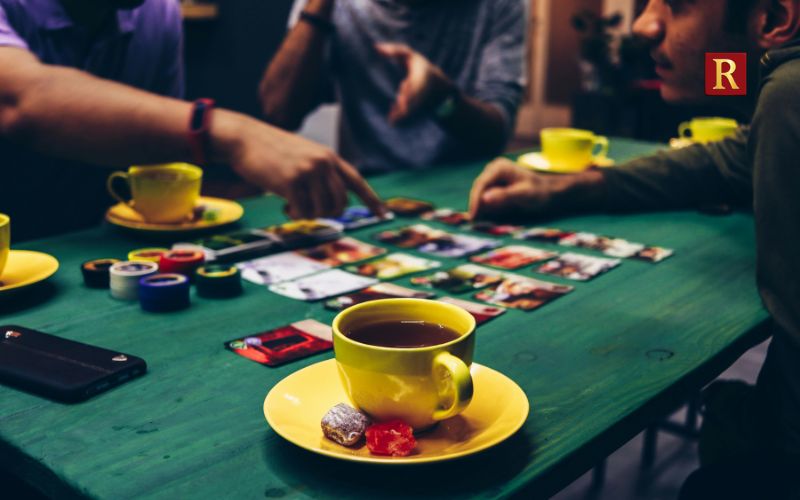
Board game cafés combine food, beverages, and entertainment under one roof. These cafés offer customers an opportunity to spend quality time with friends and family while playing a wide range of games. Many successful outlets maintain collections of more than 200 board games and regularly organize tournaments, themed game nights, and community events. Unlike traditional cafés where customers may leave after a short visit, board game café guests often stay for two to four hours, increasing spending per table. This model works particularly well near colleges, residential neighborhoods, and urban social hubs where people actively seek engaging offline experiences.
4. Pet-Friendly and Cat Cafés

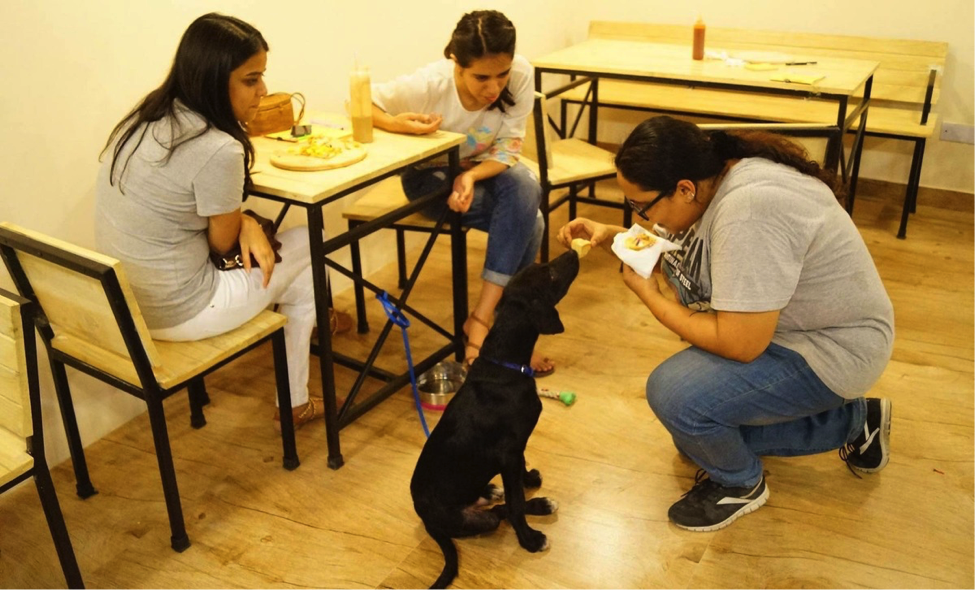
Pet-friendly and cat cafés are emerging as attractive niche concepts in India's growing pet care ecosystem. Pet-friendly cafés welcome customers with their pets, while cat cafés feature resident cats that visitors can interact with during their visit. These cafés appeal to pet owners, animal lovers, families, and young urban consumers looking for unique experiences. Beyond food and beverage sales, operators can generate income through pet merchandise, grooming partnerships, adoption drives, and pet-focused events. The emotional connection that customers develop with animals often encourages repeat visits. As pet ownership continues to increase in Indian cities, these cafés offer significant long-term potential.
5. Work Cafés for Remote Professionals
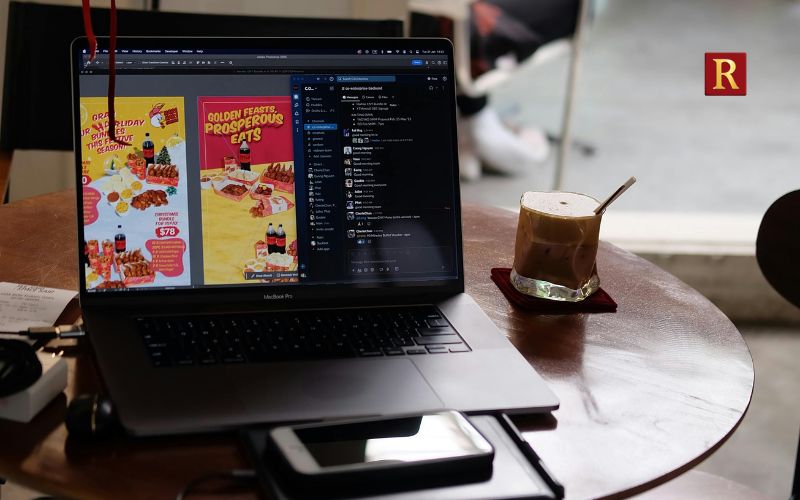
The rise of remote and hybrid work has created demand for cafés designed specifically for productivity. Work cafés provide an environment where professionals can comfortably spend several hours working, attending meetings, or collaborating with teams. Key features often include high-speed Wi-Fi, ergonomic seating, charging stations, meeting rooms, quiet zones, and dedicated workspaces. Many operators also introduce subscription plans and day passes to create predictable revenue streams. These cafés are particularly effective near IT parks, startup hubs, and business districts. By combining workspace solutions with food and beverage offerings, work cafés serve a growing segment of India's modern workforce.
6. Regional Beverage Cafés
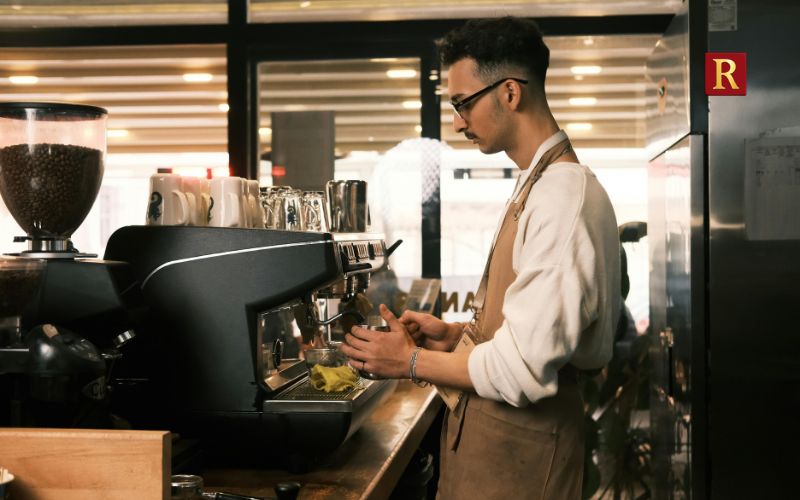
Regional beverage cafés focus on celebrating India's diverse drink culture rather than following global coffee trends. These cafés showcase traditional beverages from different regions, introducing customers to authentic flavors and culinary heritage. Popular offerings may include South Indian filter coffee, Kashmiri kahwa, sattu drinks from Bihar, sol kadhi from the Konkan region, kanji from North India, and various herbal infusions. Consumers today are increasingly interested in local ingredients and cultural storytelling. By highlighting regional recipes and traditions, these cafés can create a unique identity while educating customers about India's rich beverage history. This concept faces relatively lower competition in many markets.
7. Creative Studio Cafés
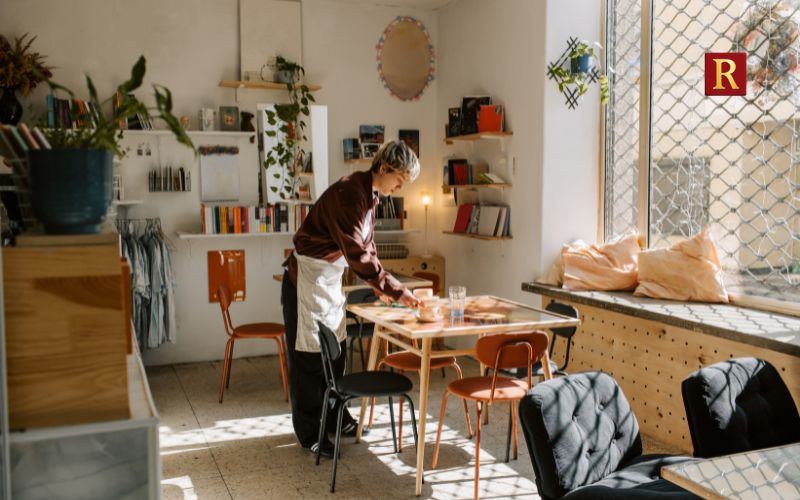
Creative studio cafés combine dining with artistic and educational experiences. Instead of simply serving food and beverages, these cafés provide customers with opportunities to participate in workshops and creative activities. Popular offerings include pottery classes, painting sessions, sketching workshops, photography meetups, calligraphy lessons, and DIY craft projects. This model helps generate multiple revenue streams through workshop fees, event bookings, and merchandise sales. Customers often return regularly to participate in new activities, creating strong repeat business. Creative studio cafés are especially popular among younger consumers in metropolitan cities who increasingly prioritize experiences and skill-building activities over conventional dining outings.
8. Dessert-Focused Cafés
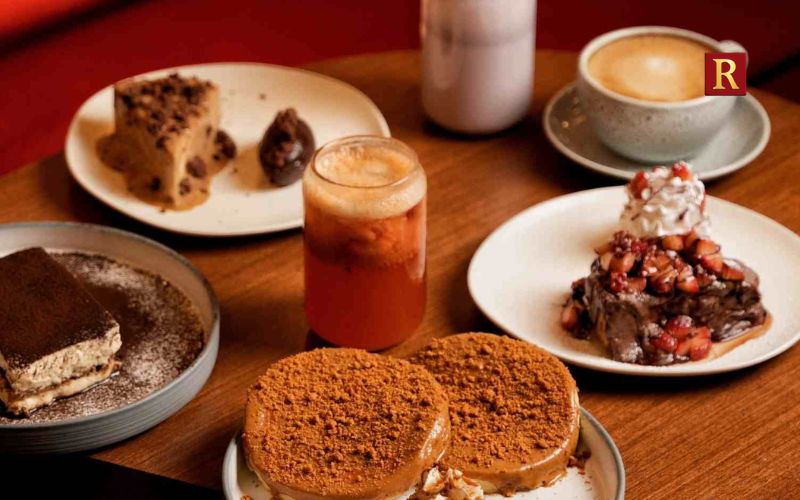
Dessert-focused cafés concentrate on a specific sweet category rather than offering an extensive food menu. This specialization allows businesses to establish a strong brand identity and become known for a signature product. Examples include cheesecake cafés, cookie bars, brownie cafés, tiramisu-focused outlets, ice cream parlors, and matcha dessert concepts. By narrowing their menu, operators can improve consistency, reduce inventory complexity, and minimize food waste. Customers are often drawn to these cafés when looking for a specific indulgence rather than a full meal. The concept also benefits from social media appeal, as visually attractive desserts are frequently shared online.
9. Book and Reading Cafés

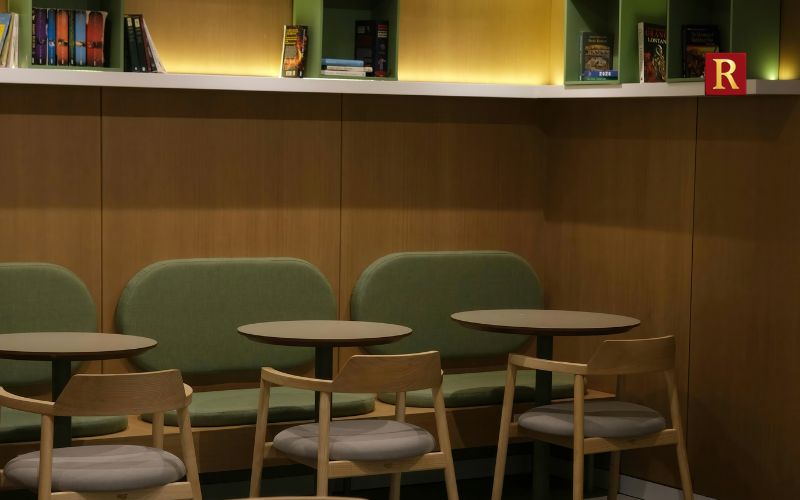
Book and reading cafés provide a peaceful environment for customers who enjoy literature, learning, and quiet conversations. These spaces typically feature bookshelves, reading corners, magazines, and comfortable seating arrangements designed for longer visits. Many operators organize book exchanges, author interactions, poetry readings, writing workshops, and reading clubs to build a loyal community. Students, freelancers, professionals, and avid readers often prefer these cafés because they offer a calm alternative to louder social venues. The combination of food, beverages, and intellectual engagement creates a distinctive customer experience. Strong community involvement can help maintain consistent footfall throughout the year.
10. Hobby-Based Community Cafés
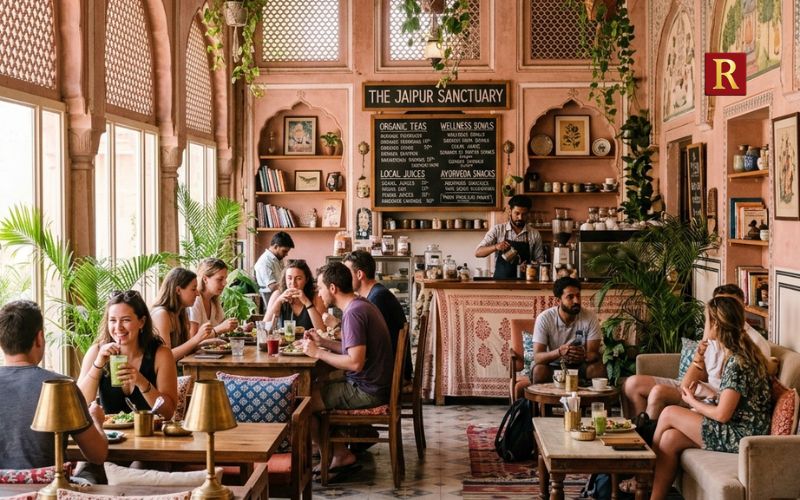
Hobby-based community cafés are built around shared interests rather than a specific food or beverage category. These cafés create spaces where people with similar passions can meet, interact, and participate in activities together. Examples include gaming cafés, cycling cafés, music-themed cafés, startup networking cafés, photography cafés, and artist communities. The primary attraction is the sense of belonging and community that customers experience. Events, workshops, networking sessions, and collaborative projects often become key drivers of engagement. Customers tend to visit repeatedly because of the relationships they build within the community, leading to stronger customer loyalty and valuable word-of-mouth promotion.
What Skills Are Needed
A unique concept alone does not guarantee success. Strong operational skills are equally important.
Menu Engineering: Every menu item should be analyzed based on food cost percentage, selling price, contribution margin, and popularity. This helps café owners identify high-performing products, optimize pricing strategies, and improve overall profitability.
Inventory Management: Effective inventory management reduces food waste and controls costs. Modern systems track ingredient usage, stock levels, purchase schedules, and supplier performance, helping cafés maintain operational efficiency and minimize losses.
Technology Integration: Successful cafés use POS software, QR code ordering, CRM tools, loyalty programs, and online ordering platforms. These technologies streamline operations, improve customer convenience, and support better business decision-making.
Financial Planning: Before opening a café, entrepreneurs should calculate startup investment, monthly expenses, break-even point, and sales targets. Strong financial planning improves cash flow management and supports sustainable business growth.
The Future of Cafe
The next phase of India's café industry will likely be shaped by experiences, communities, and personalization. Consumers are becoming more selective about where they spend their time and money. They are looking for places that align with their interests, values, and lifestyles. Whether it is specialty coffee, wellness beverages, board games, pets, regional drinks, or creative workshops, niche cafés offer entrepreneurs an opportunity to build stronger customer relationships and stand out in a crowded market. The most successful café businesses of the future may not be the ones with the largest menus. They will be the ones that understand a specific audience and create experiences worth returning for.
Saptopriya Ghosal
Feature Writer
I am a dedicated media professional with a bachelor's degree in mass communication from the State University of Calcutta and a postgraduate degree from Amity University. My academic journey has equipped me with a profound understanding of storytelling and communication. Passionate about the dynamic world of media, I continually strive to explore new ways to engage and inform through compelling narratives.