Building a Legacy: What's Made 'Bikaneravala' a Customer's Favourite
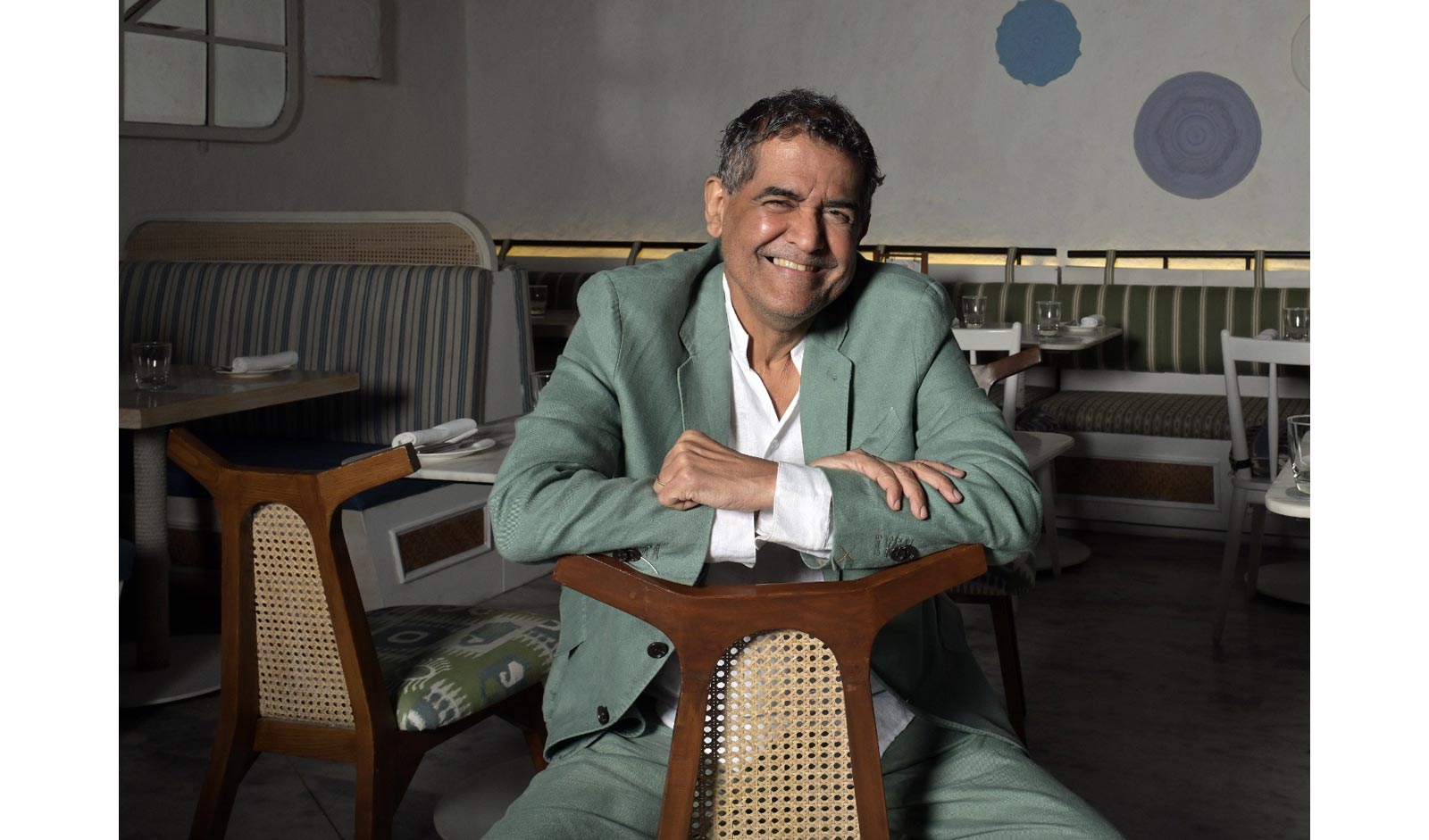
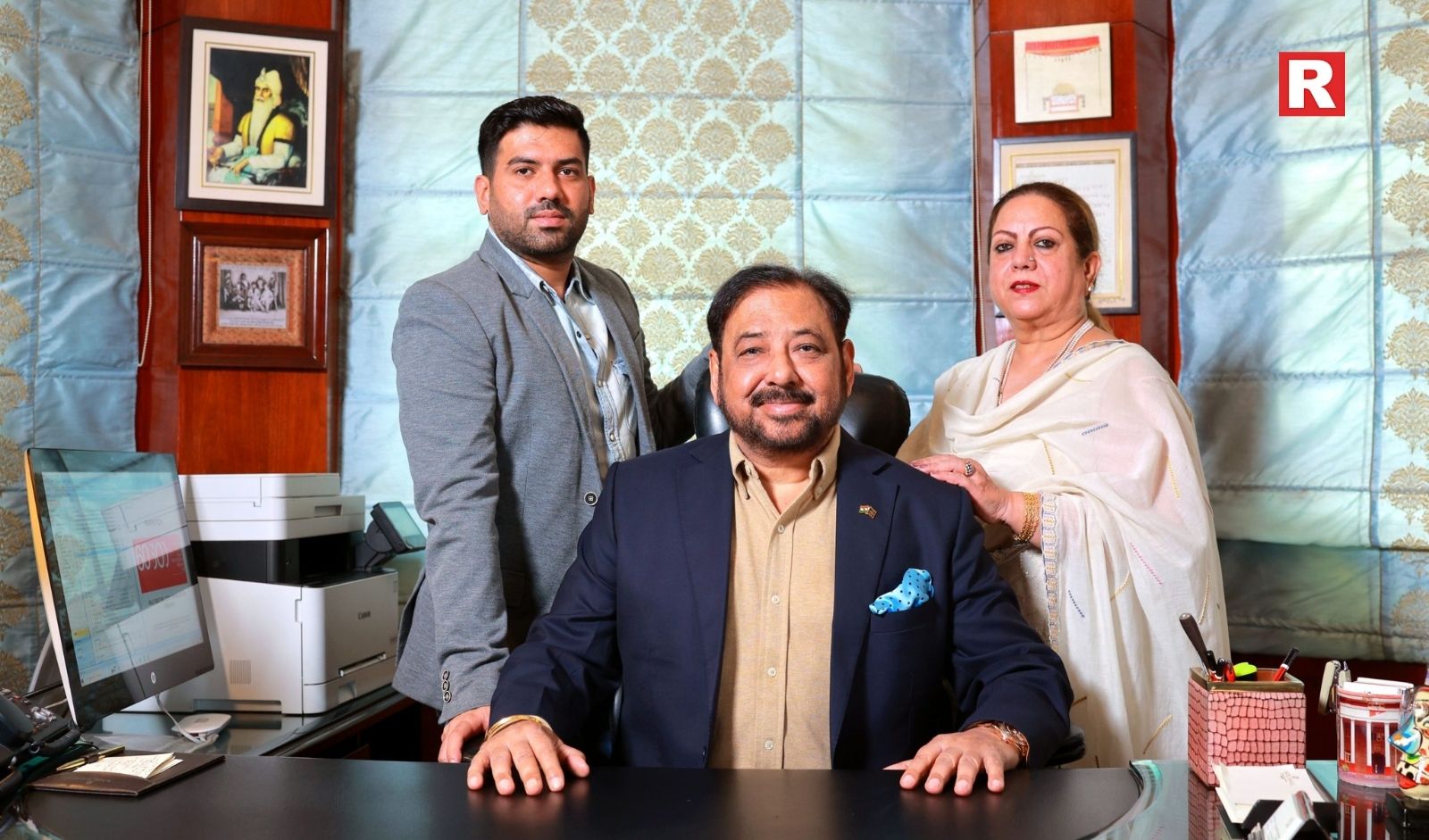
In an exclusive interview with Restaurant India, Shyamsunder Aggarwal, MD, Bikaneravala Foods Pvt Ltd talks about expanding the brand in India and in global market.


Bikanervala, which is now widely associated with Indian snacks and sweets, had modest origins in 1905 when Shri Lal Chand Agarwal opened Bikaner Namkeen Bhandar, a tiny confectionery, in the Kote Gate neighborhood of Bikaner's ancient city. Post that, the two brothers entered Delhi by setting shop in Delhi's Chandini Chowk, selling sweets and namkeen.
The shop called Bikaner Namkeen Bhandar soon became famous amongst the population for its Moong Dal Halwa, Bikaneri Bhujia and Kaju Katli amongst others. The brothers and the shop soon began to be known as Bikanervala by the people of Delhi. That's how the name Bikanervala was born.
More stores and outlets were opened in response to this growing demand. During this era, Bikanervala changed from being a store that sold simply sweet to one that also sold freshly made hot vegetarian meals. Today, Bikanervala has more than 190 outlets in India and has presence outside of India in countries like Canada, USA, New Zealand, Singapore, Nepal, Qatar and the UAE.
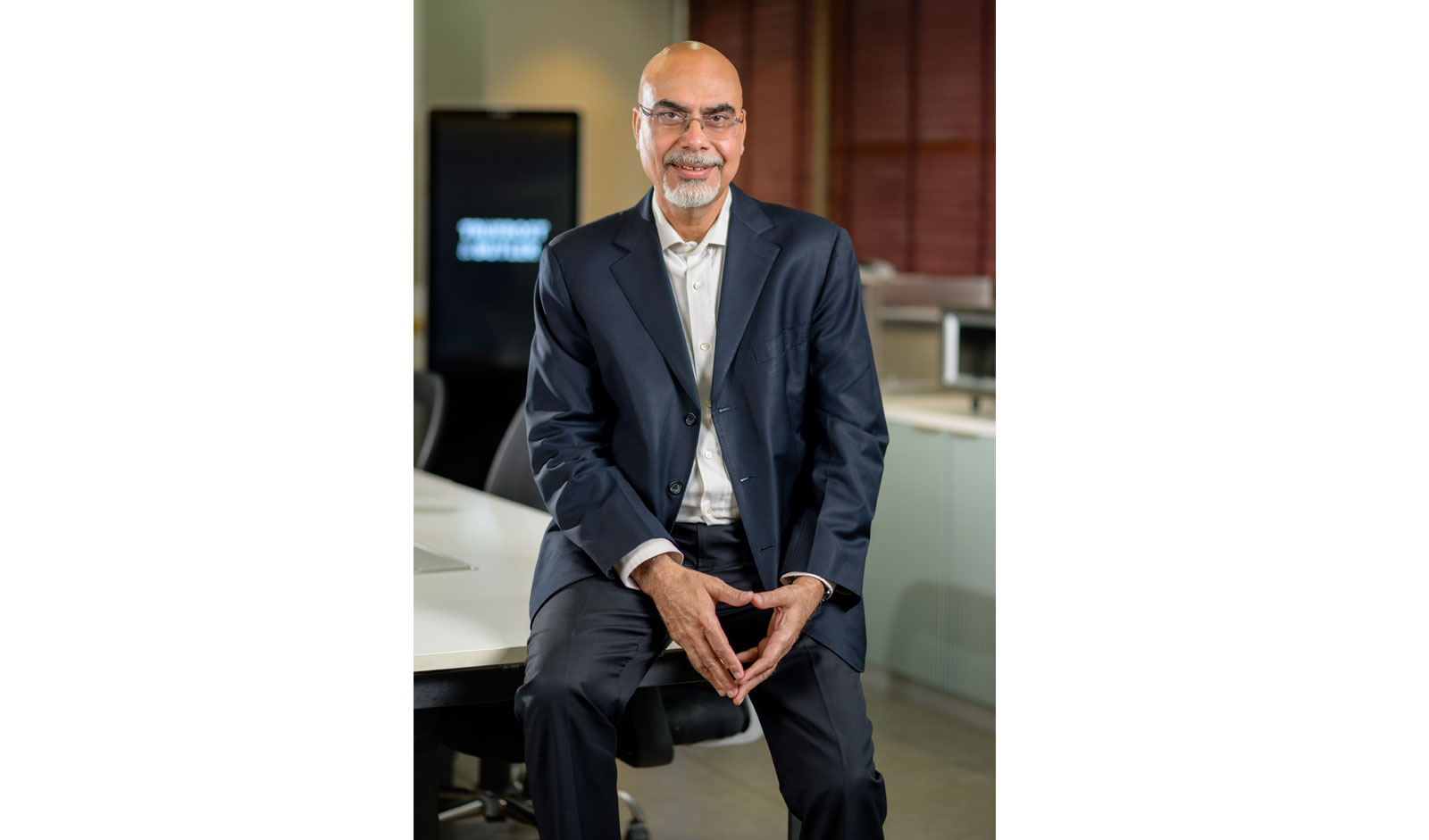
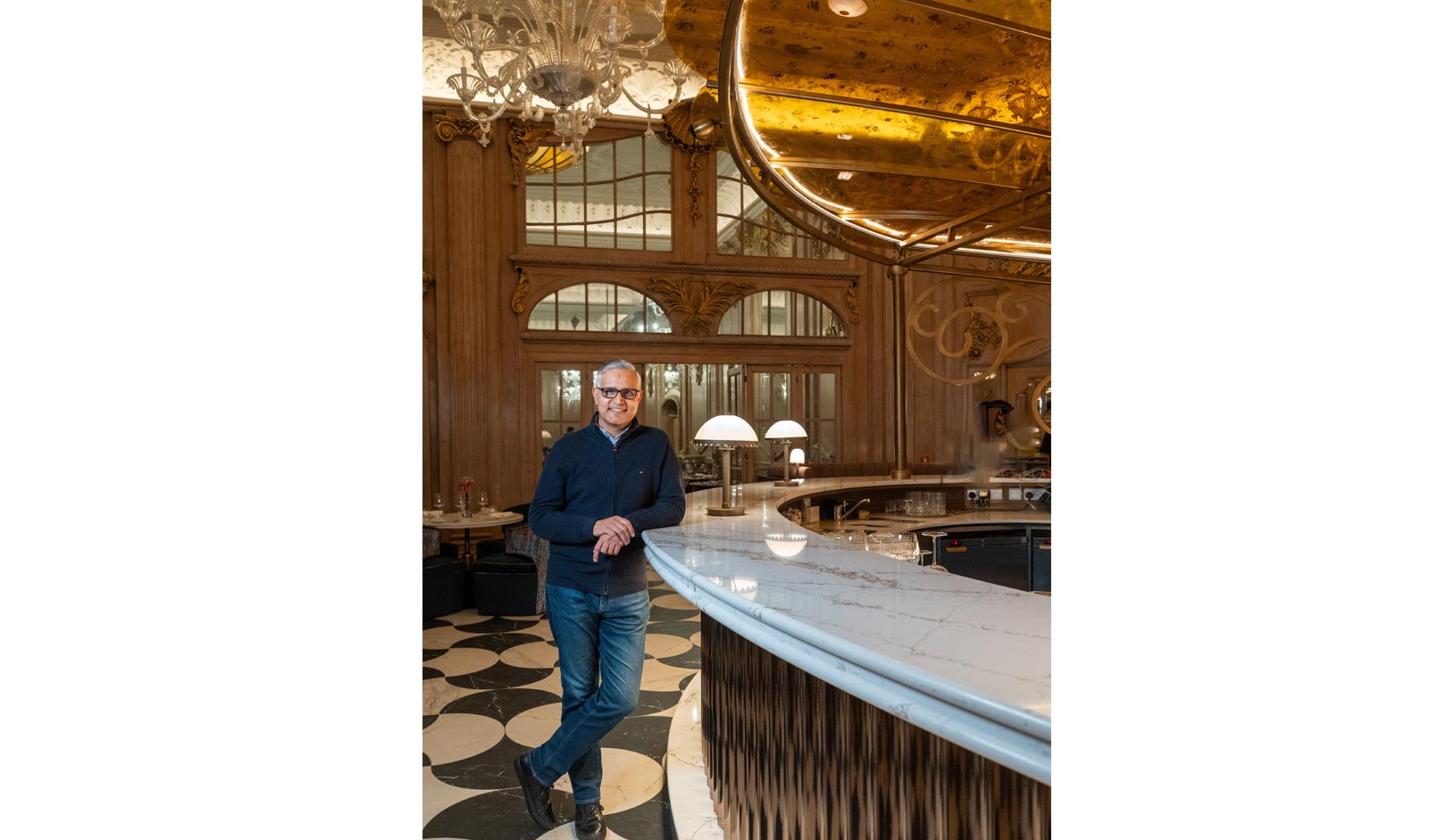
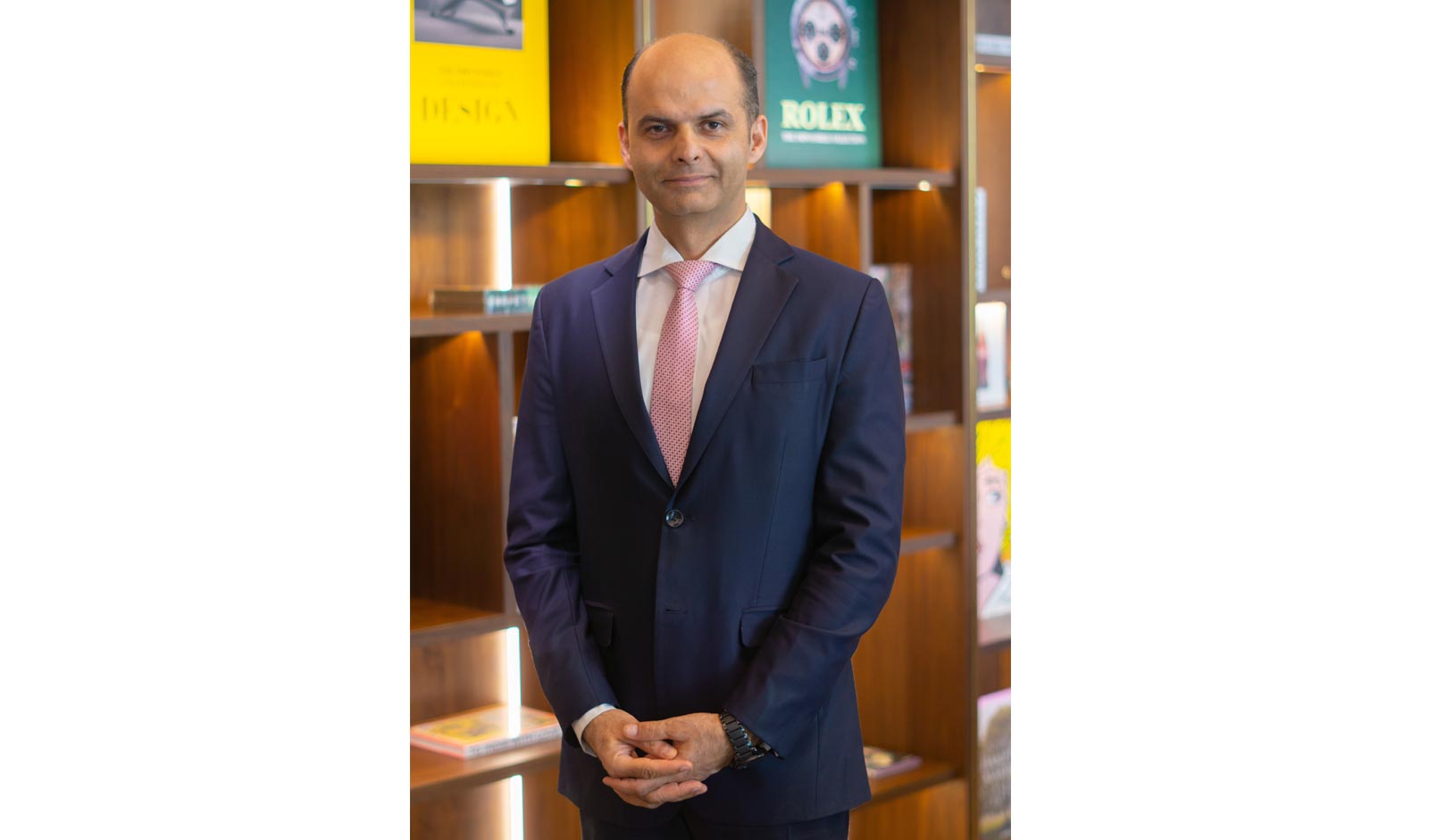
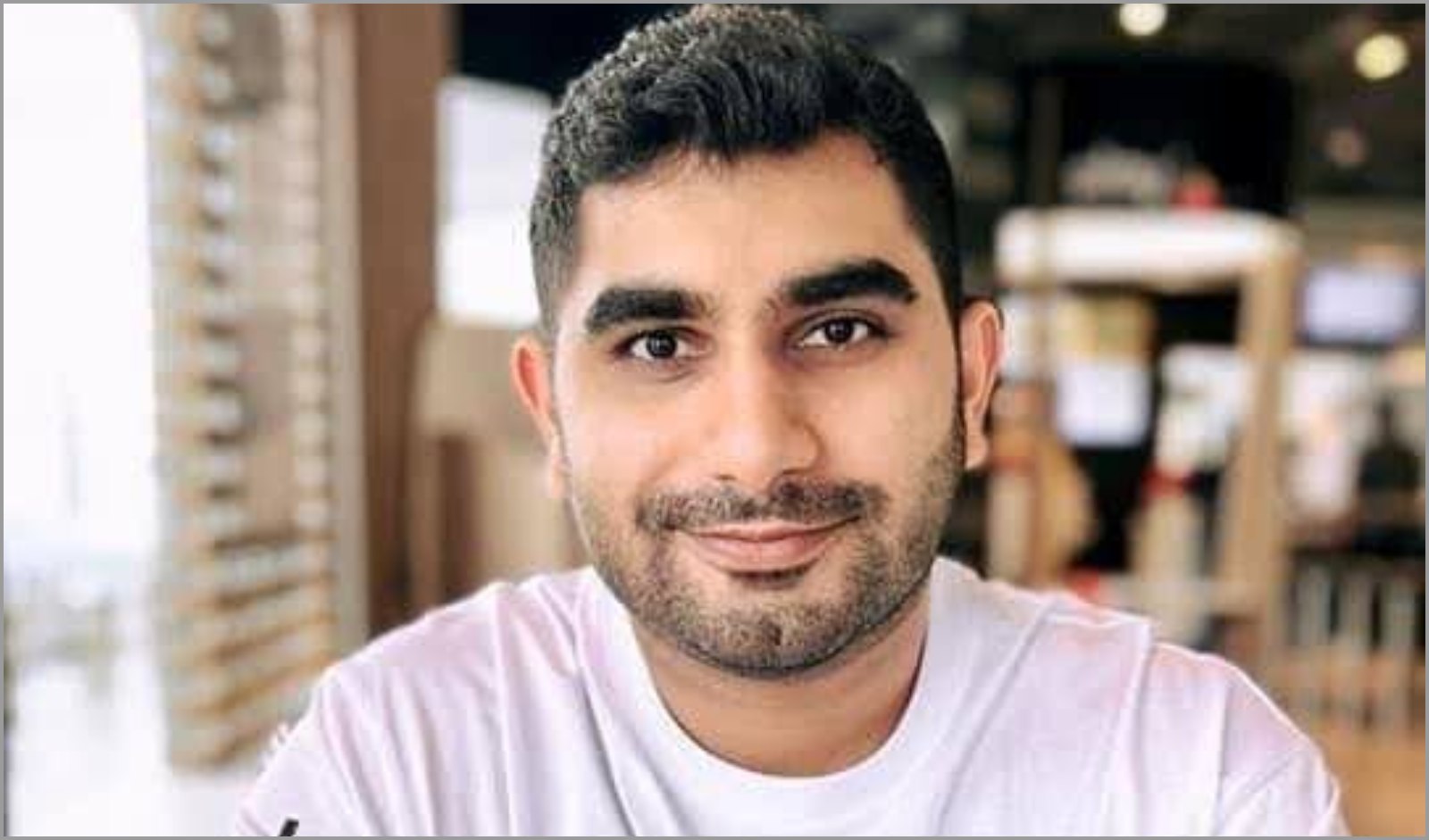
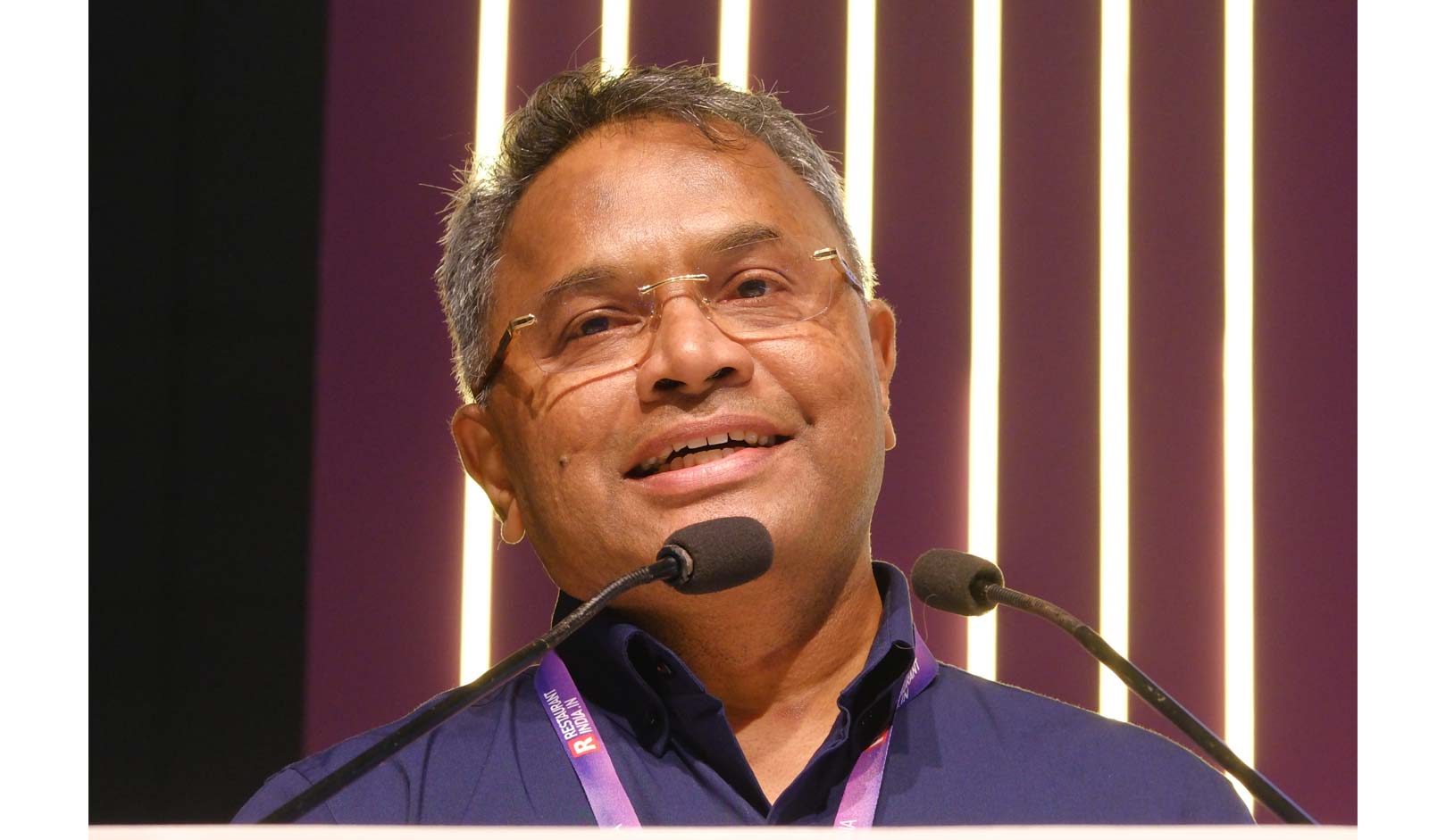
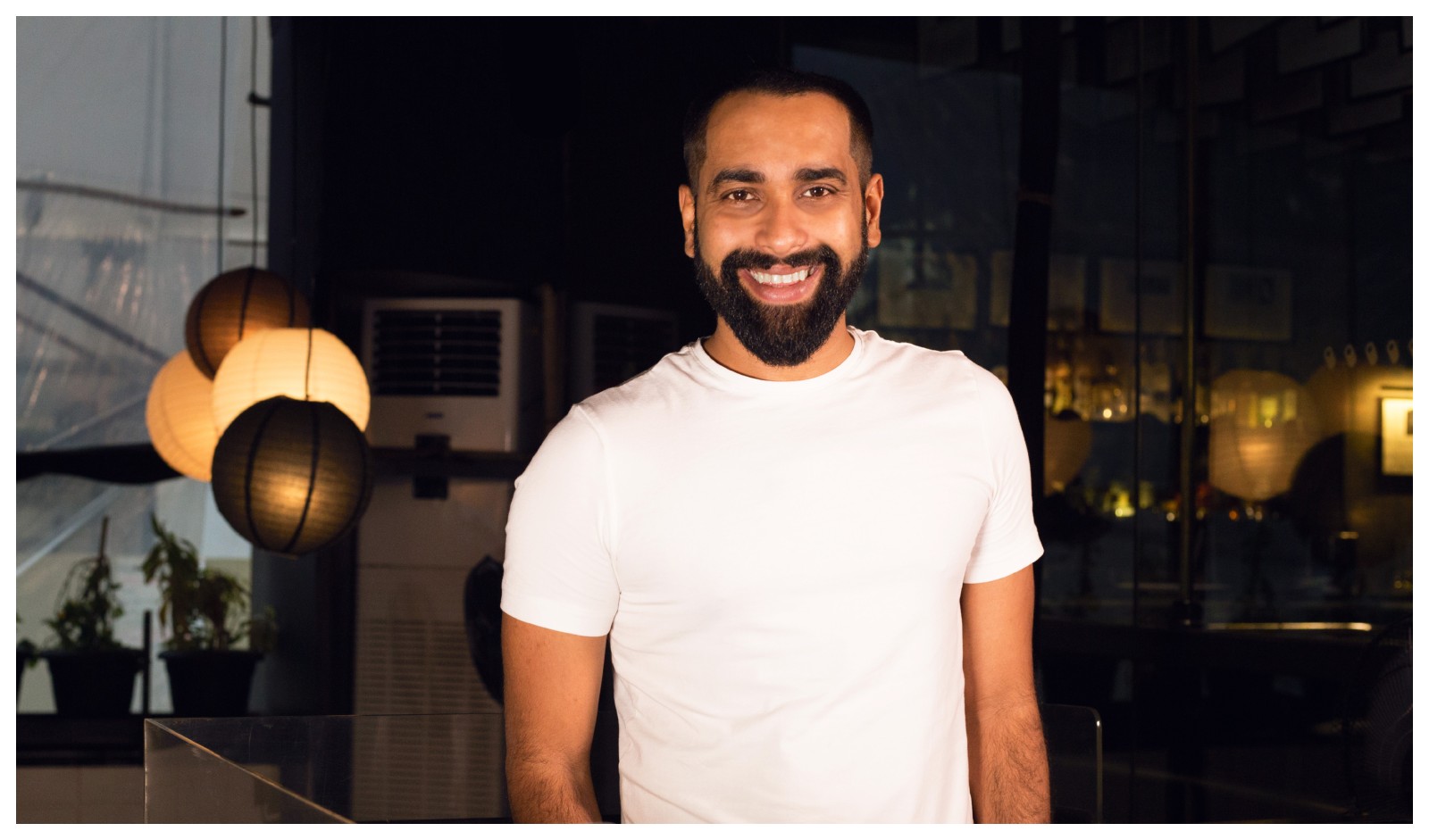
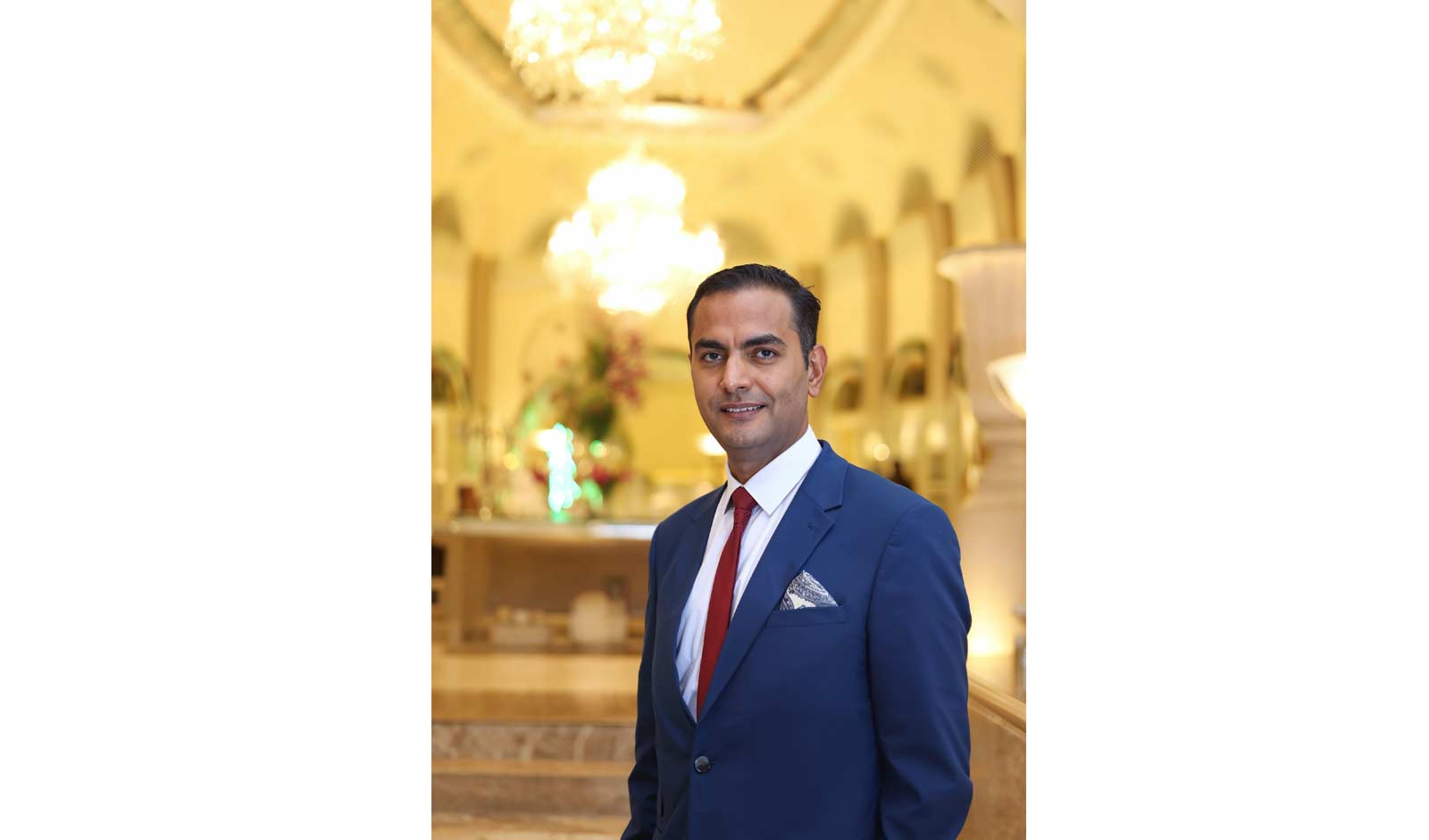
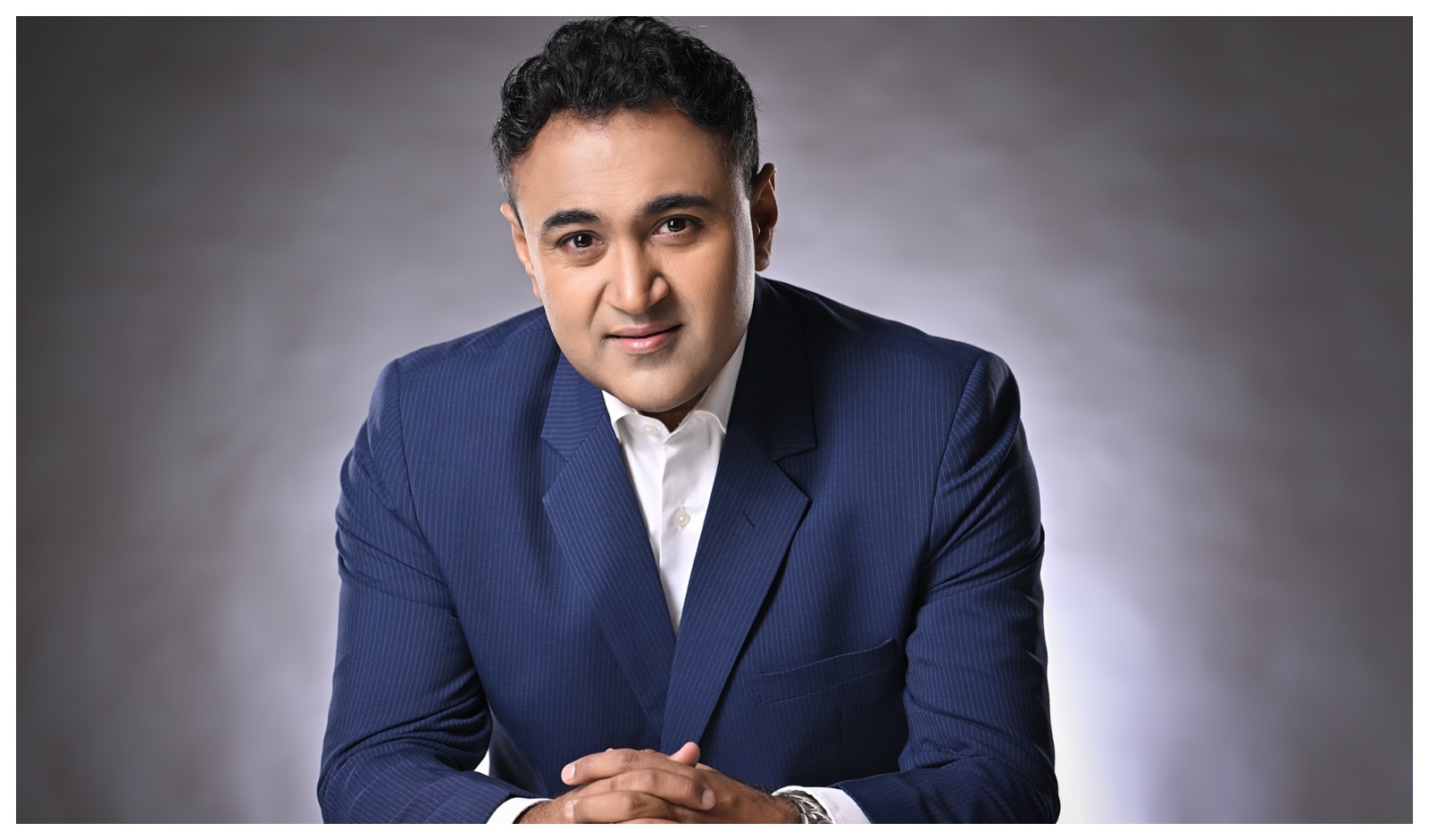
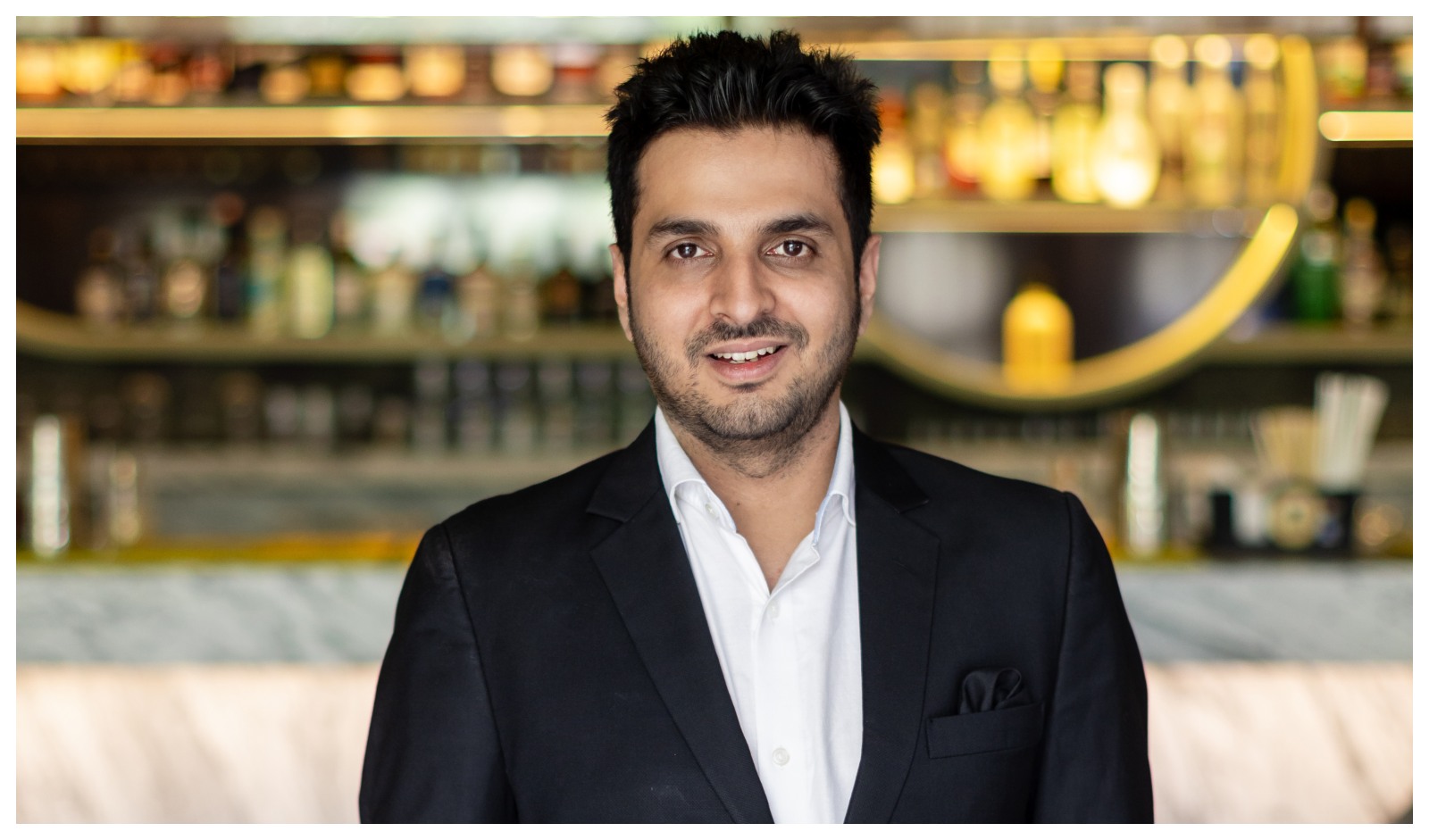
Shyam Sundar Aggarwal, Managing Director, Bikanervala shares some insights on his journey, global presence, expansion plans and many more. Excerpts from the interview:
Tell us about your India as well as Global presence.
Bikanervala began as a modest sweet shop in Bikaner, Rajasthan, in 1905. Over the years, it has diversified its offerings to include restaurants and snack businesses. Today, Bikanervala operates 195+ restaurant outlets across India and international markets, including the USA, Canada, UAE, Qatar, New Zealand, Singapore & Nepal.
What legalities did you go through while expanding globally? Why franchising when expanding beyond geographies?
When expanding globally, the company navigated through various legalities crucial for successful international operations. Initially, thorough research was conducted on the regulatory environments of target countries, ensuring compliance with local business laws, import-export regulations, and food safety standards. Intellectual property rights were addressed to protect the brand, and trade agreements were negotiated to facilitate smooth operations. Setting up legal entities in each country was essential to streamline operations and ensure adherence to taxation policies and employment laws specific to each region.
Joint venture was chosen as the expansion model due to its effectiveness in scaling operations across different geographies. This approach allowed the company to leverage local expertise and market knowledge, ensuring better cultural alignment and customer engagement. This also minimized risks and capital investment while maintaining brand consistency. By partnering with local entrepreneurs, the company could rapidly penetrate new markets, ensuring the brand's global footprint grew sustainably and effectively.
What’s your expansion plan?
Recently, the company launched two new stores along the Delhi-Mumbai Expressway and plans to open at least 50 more outlets in 2024. We are also expanding our overseas footprints in the United Kingdom and strengthening our base overseas.
What is the USP of your brand?
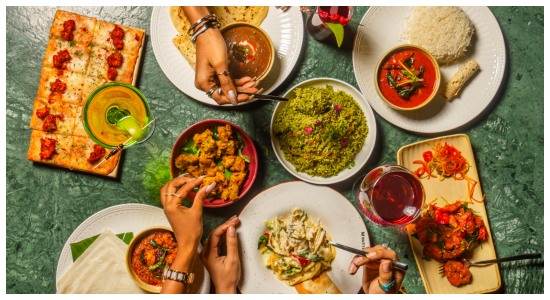
Bikanervala stands out with several unique selling points. First, its extensive menu variety includes a wide range of sweets, namkeens, chaat items, gift items, and other delectable food options. This variety caters to diverse tastes, ensuring that every customer can find something they love. The brand is also renowned for its authentic traditional sweets and savoury items, maintaining a commitment to quality and authenticity that ensures customers experience the true taste of traditional Indian cuisine. Bikanervala has over 80 years of market experience, contributing to its growing success and expanding network of outlets. The brand prioritizes customer satisfaction by offering high-quality food items at affordable prices, earning a loyal customer base that frequently visits its stores.
How did you decide on the menu when expanding globally?
Global expansion involves a careful balance between maintaining the authenticity of traditional offerings and adapting to local tastes. Bikanervala undertook extensive market research to understand the preferences and dietary habits of customers in different regions. This research helped identify which traditional sweets and savory items would resonate well with international audiences and what adjustments might be necessary to cater to local palates.
In addition to their core offerings of authentic Indian sweets and snacks, the menu was diversified to include items that could appeal to a broader audience. The brand also considered factors such as ingredient availability, local food regulations, and the potential for fusion dishes that blend Indian flavours with regional cuisines. By maintaining a flexible yet consistent approach, Bikanervala ensured that the menu reflected its rich culinary heritage while also appealing to the diverse tastes of global customers.
How can we reduce labour cost while running a brand like yours?
Reducing labour costs in a brand involves several strategies aimed at optimizing efficiency and productivity while maintaining quality and customer satisfaction. One approach is leveraging technology to automate routine tasks, such as using POS systems for streamlined order processing or implementing automated inventory management systems. Cross-training employees to handle multiple roles can also enhance flexibility and minimize the need for additional staffing during peak times.
Additionally, optimizing scheduling practices based on demand patterns and leveraging data analytics to forecast labour needs can help in efficiently allocating resources. Implementing employee incentive programs to boost morale and productivity can lead to higher retention rates and reduce turnover costs. Moreover, ongoing training and development programs can empower employees to perform tasks more effectively, contributing to overall operational efficiency and cost-effectiveness.
Vijetha Iyer
Content Editor
Working as a Content Editor with Restaurant India. I have worked in various sectors like food and beverage sector, chemicals, pharma, nutraceuticals, now specially focusing on restaurant side. But my core knowledge was always on content. Be it writing poems to verses, I always loved writing and have been exploring my career on the same. In Restaurant India, I deliver insightful stories, take interviews of various brands and update the audiences about the newest happenings in the restaurant industry.