
Brewing Value: Why Fermented Coffee Is the Next Big Opportunity for Farmers and Cafés
With the global specialty coffee market exceeding US$100 billion and growing at 10–12% annually, fermented coffees command 20–100% price premiums, making fermentation a powerful tool for differentiation and higher profitability.

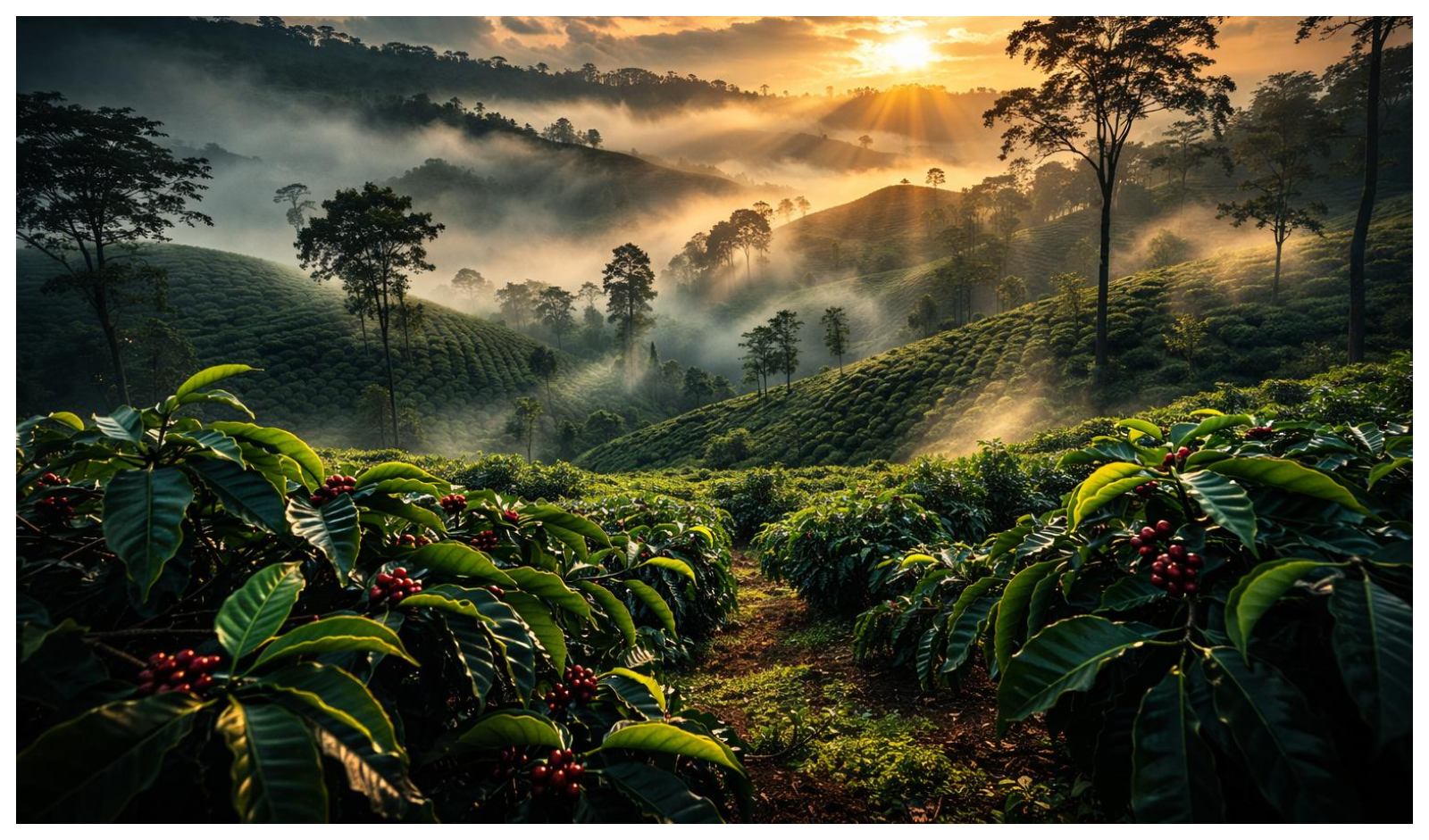
For decades, coffee farmers competed on yield, altitude and bean quality. Today, fermentation is emerging as coffee's biggest value creator. Estates across Karnataka, Kerala and Tamil Nadu are using advanced techniques such as anaerobic, carbonic, yeast and lactic fermentation to produce distinctive flavour profiles, from tropical fruits and berries to chocolate, citrus and floral notes. This innovation is turning coffee into a premium specialty product.
With the global specialty coffee market exceeding US$100 billion and growing at 10–12% annually, fermented coffees command 20–100% price premiums, making fermentation a powerful tool for differentiation and higher profitability.
Why Farmers are Investing in Fermentation
Coffee fermentation has become a high-value strategy, enabling farmers to earn premium prices by producing distinctive specialty coffees. It helps differentiate similar coffee varieties, enhances flavour despite changing climatic conditions and caters to rising demand for traceable and experimental coffees.
However, fermentation requires precision, as even minor errors can affect flavour and reduce the coffee's premium value. India produces around 350,000–380,000 tonnes of coffee annually, ranking among the world's leading coffee producers, with more than two-thirds of its output exported.
“Fermentation has rapidly evolved from an experimental processing technique into one of the defining innovations in specialty coffee. Farmers are embracing controlled fermentation because it enhances flavor complexity, consistency, and market value while elevating already exceptional coffee cherries into truly premium products,” shared Aditya Sharma, Founder, Pour Over Coffee Roasters.
Commenting on the same, Ashish D’abreao, Co-founder & Partner at Maverick & Farmer mentioned, “Fermentation requires precision. If poorly managed, it can produce overripe, spoiled or undesirable flavours. When done correctly, it creates distinctive flavour profiles that command premium prices.”
Why Fermentation Changes Coffee Flavour
During fermentation, naturally occurring or added microorganisms consume the sugar in coffee cherries and produce aromatic compounds that transform the bean's flavour.
“Fermented coffee was once considered a processing defect because its unusual flavours were seen as undesirable. Today, fermentation is recognised as an essential step in coffee processing that can be carefully controlled to develop specific flavour profiles. By managing factors such as time, temperature and microbial activity, producers create distinctive fruity, floral and complex notes,” pointed D’abreao.
As demand for unique specialty coffees grows, controlled fermentation has become a key tool for producing premium coffees.
Creating a New Premium Economy for Coffee
Controlled fermentation is redefining coffee as a premium, value-added product, enabling farmers to compete on flavour, processing expertise and traceability rather than just yield or bean quality.
“This is creating a new premium economy for coffee. A well-executed fermented lot can command higher value as farmers move beyond commodity pricing and offer differentiated, traceable microlots defined by processing and craftsmanship. Coffee competitions have further accelerated this innovation, encouraging techniques such as anaerobic fermentation, yeast inoculation, extended fermentation and carbonic maceration,” mentioned Gaurav Narang, Founder, Unseen and Coffee Culture.
One of the most exciting developments is the increasing collaboration between producer communities across the world.
Sharma noted, “We're actively working to connect Indian coffee producers with international farming communities to encourage the exchange of processing knowledge, fermentation techniques, and best practices. Every coffee-growing region brings unique environmental conditions and cultural approaches to processing, and sharing that knowledge benefits everyone. We believe these collaborations will continue to inspire innovative fermentations and create distinctive coffees.”
By shifting the focus from volume to quality, controlled fermentation is creating a new premium economy that rewards innovation, consistency and craftsmanship while helping farmer’s access high-value global specialty markets.
The Business Impact
The business opportunity extends across the value chain—from farmers and roasters to cafés. As per the reports, around 20-30% of the cafes are focused on fermentation.
“We see growing curiosity among specialty-coffee drinkers. While fermented coffee remains niche in India, it drives strong engagement and premium interest through tasting flights, manual brews, retail and experiential formats such as coffee omakase,” added Narang.
The Foreseen Challenges
The biggest challenge in controlled fermentation is maintaining the right balance. While precise fermentation can enhance flavour and create premium coffees, even small deviations can produce flavours that overshadow the coffee's natural character.
D’abreao mentioned that when done carefully, co-fermentation introduces beneficial microorganisms that create subtle complexity. However, excessive use can result in overpowering fruit flavours, masking the coffee itself.
As co-fermentation gains popularity, maintaining authenticity and balance remains the industry's biggest challenge. With this, we can say fermented coffee is no longer a passing trend. It reflects the industry's pursuit of innovation, greater value for producers, and increasingly memorable coffee experiences.
Vijetha Iyer
Content Editor
Working as a Content Editor with Restaurant India. I have worked in various sectors like food and beverage sector, chemicals, pharma, nutraceuticals, now specially focusing on restaurant side. But my core knowledge was always on content. Be it writing poems to verses, I always loved writing and have been exploring my career on the same. In Restaurant India, I deliver insightful stories, take interviews of various brands and update the audiences about the newest happenings in the restaurant industry.









































