
Brewing Change: How Cafés Are Re-Shaping India’s Culinary Future
The café market is subjected to grow by USD 26 Billion by 2029 with a CAGR of 8.3%.

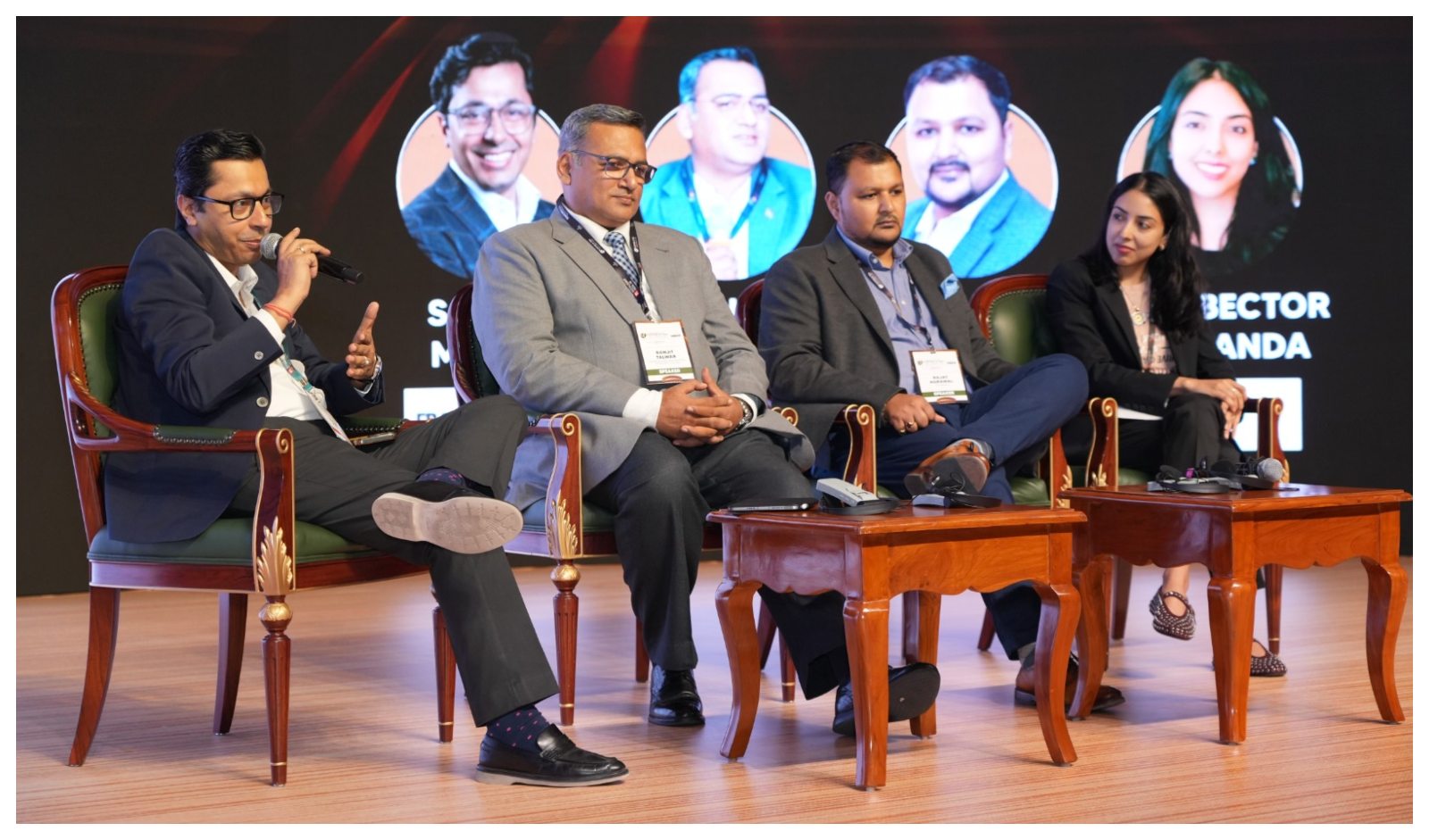
In 2002, India’s per capita coffee consumption was just eight grams—most of it instant. Two decades later, the picture looks very different. Cafés are thriving, consumers are more discerning, and both coffee and tea chains are reshaping how Indians socialize, work, and unwind. The café market is subjected to grow by USD 26 Billion by 2029 with a CAGR of 8.3%.
“It’s been a sea of change,” said Ranjit Talwar, Commercial Director and India Head, Coffee Bean and Tea Leafby recalling his early days. “Back then, we had to explain to customers what an espresso was. Today, people walk in knowing exactly whether they want a cappuccino, cold brew, or even a nitro infusion.”
Smaller Town: Bigger Consumption
The café market is now thriving with competition. Rajat Agrawal, CEO, Barista, who leads one of India’s largest homegrown chains added, “We started in 2000, and today we operate 480 stores across 160 cities, even beyond India. But what excites me most is that nearly 60% of our growth in the last five years has come from Tier 2 and Tier 3 towns.”
Consumers outside metros are equally well-traveled and digitally savvy these days. They exactly know what they want, whether it’s about burger with a perfect patty or the finest brew to knowing the origin of the coffee, customers are well travelled.
Food goes hand-in-hand
If coffee is the hero of a café, food is fast becoming the co-star. Talwar explained, "Think Batman and Robin. Coffee will always be Batman. But without Robin, without food, the experience feels incomplete.”
Food contributes 25–30% of revenues, with the share rising wherever fresh, healthier options are integrated. Agrawal added, “We’ve made conscious efforts to introduce fresh food and zero-sugar beverages. Gen Z especially is looking for healthier choices, and that’s where the opportunity lies.”
Dessert Culture Meets Café Culture
Dessert and bakery brands are finding their sweet spot in this café boom. Highlighting her views, Sana Bector Parwanda, Co-Founder & Director, Zoet said, “We started organically when international chains approached us. Today, we supply everything from croissants to sourdough breads. The Indian customer is discerning—they want desserts without preservatives, as fresh and high-quality as the coffee they’re drinking.”
Creating Differentiation
In a competitive market, differentiation often comes from signature offerings. Parwanda shared, “We launched a family recipe as a signature cake for a global brand. I wasn’t sure if people would take to it, but it ended up outselling croissants in their coffee shops. That’s the power of creating something memorable.”
Consistency is Key
Scaling up isn’t just about more outlets—it’s about delivering the same experience everywhere. “Consistency of supply is the biggest speed breaker. That’s where partners like Sana play a role; ensuring cafés can grow without compromising on quality,” pointed Talwar by adding that while coffee cafés continue to expand rapidly, tea is quietly scripting its own growth story.
“It’s not only coffee chains; individual tea formats are mushrooming everywhere. It’s a phenomenal time to be part of this industry of stimulation,” he mentioned.
Collaborations as Catalysts
Partnerships are driving excitement in the café space. Putting up his views, Agrawal said, “We recently collaborated with Yuvraj Singh’s Toodles brand for health bars and trail mixes. Celebrity associations bring footfalls, but more importantly, they add credibility and recall value. Other than that, we’ve done collaborations with U.S. Pistachio and Cranberry councils, creating seasonal desserts and beverages. These collabs bring innovation and connect us to global trends.”
What started as a handful of coffeehouses has grown into a multi-billion-dollar café ecosystem of bakeries, suppliers, and investors. The future belongs to brands that balance authenticity with scalability - offering signature products, strong supply chains, and digital-first engagement.
Vijetha Iyer
Content Editor
Working as a Content Editor with Restaurant India. I have worked in various sectors like food and beverage sector, chemicals, pharma, nutraceuticals, now specially focusing on restaurant side. But my core knowledge was always on content. Be it writing poems to verses, I always loved writing and have been exploring my career on the same. In Restaurant India, I deliver insightful stories, take interviews of various brands and update the audiences about the newest happenings in the restaurant industry.









































