
Beyond Toast: Best Meals You Can Create with Sourdough Bread
Sourdough bread is valued for more than its taste. It brings together tradition, nutrition, and flexibility in daily meals. Many Indian kitchens now use it in simple and creative ways. A slice of avocado toast offers healthy fats and fibre.

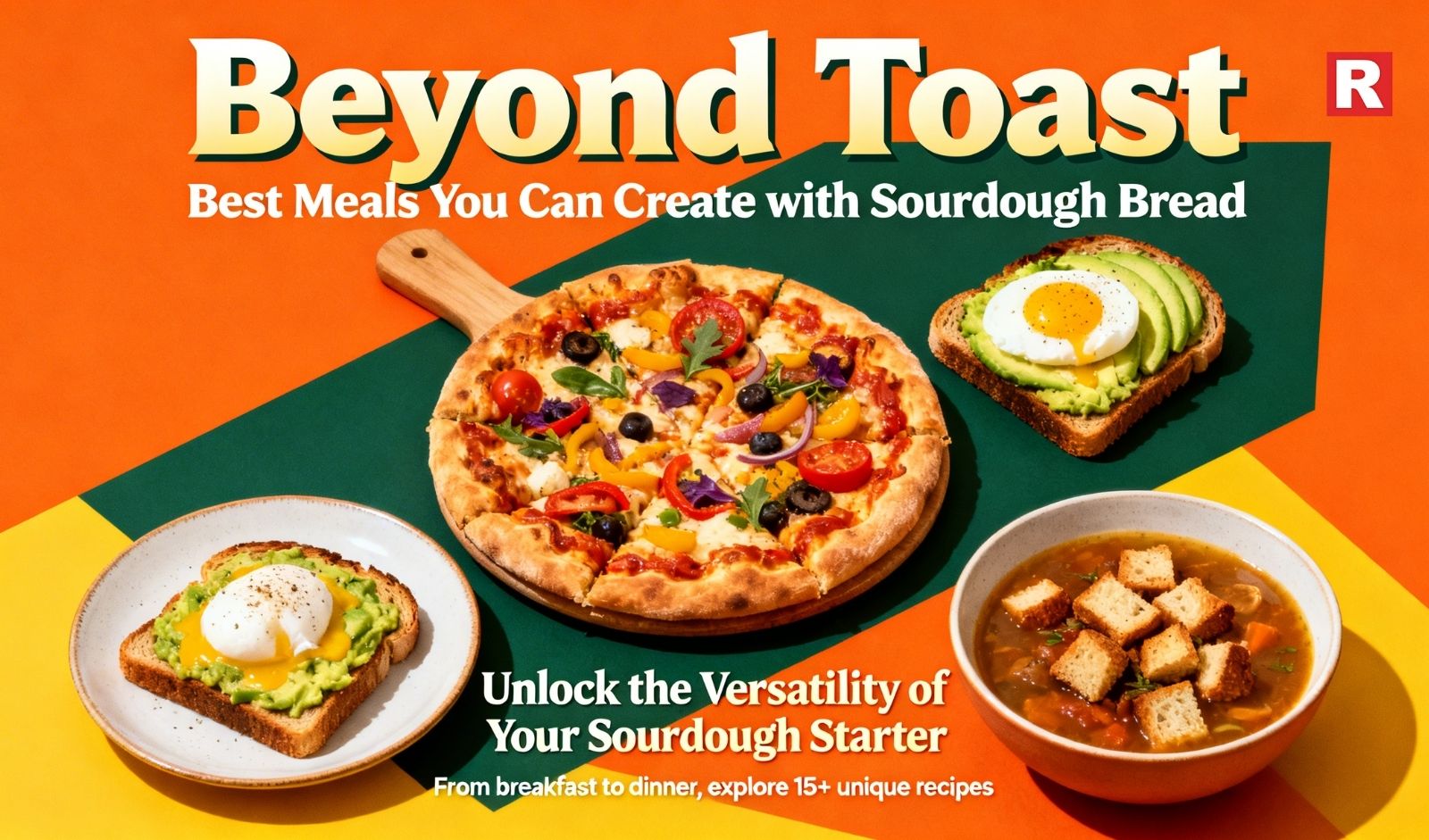
Sourdough bread is no longer limited to niche bakeries or luxury cafés. Across Indian cities, it is slowly becoming part of everyday kitchens. From Delhi to Mumbai and Bengaluru, people are choosing sourdough for its taste, texture, and health benefits. What was once seen as a Western trend is now blending well with Indian flavours and cooking styles.
At its core, sourdough is simple. It is made using flour, water, and time. But what makes it special is the natural fermentation process. This gives it a slightly tangy flavour, a chewy texture, and a crisp crust. More importantly, it makes the bread easier to digest compared to regular white bread. Today, sourdough is not just for toast. It can be turned into complete meals. From breakfast to dinner, it offers endless possibilities.
What Makes Sourdough Different
Sourdough stands apart because of how it is made. Instead of commercial yeast, it uses wild yeast and good bacteria present in the environment. This process is slow but effective.
The result is a bread that:
- Is easier on the gut
- Has a lower glycaemic impact
- Contains better nutrient absorption
- Stays fresh longer without preservatives
Its structure also plays a key role. The open crumb allows it to absorb flavours better. The firm crust gives a satisfying bite. This balance makes it ideal for both simple and rich meals.
Explore Best Meals to Make with Sourdough Bread
1. Avocado Sourdough Toast
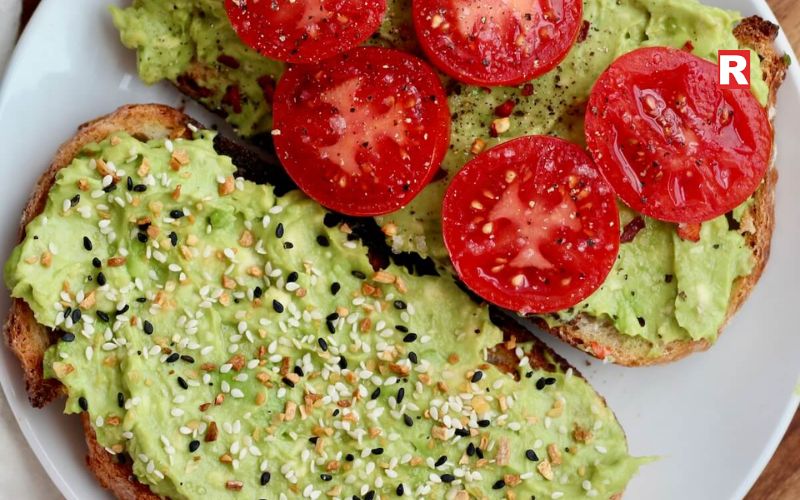
Avocado sourdough toast is a simple and filling meal. The creamy avocado balances the tangy taste of sourdough bread. It is often topped with salt, pepper, and olive oil. Some add eggs or grilled chicken for extra protein. In Indian kitchens, masala avocado or chaat masala is also used. This dish provides healthy fats, fibre, and essential vitamins like potassium and vitamin E. The sourdough base supports better digestion due to fermentation. It works well for breakfast or a light snack. However, people with Celiac disease or gluten sensitivity should avoid it. Those watching calorie intake may also limit avocado due to its high fat content.
Read more: How Many Flavours of Honey Have You Tried? Here Are 3 You Must Taste
Breakfast Rush to Midnight Snack – Why Bread Deserves a Spotlight This World Bread Day
2. Sourdough Grilled Cheese Sandwich
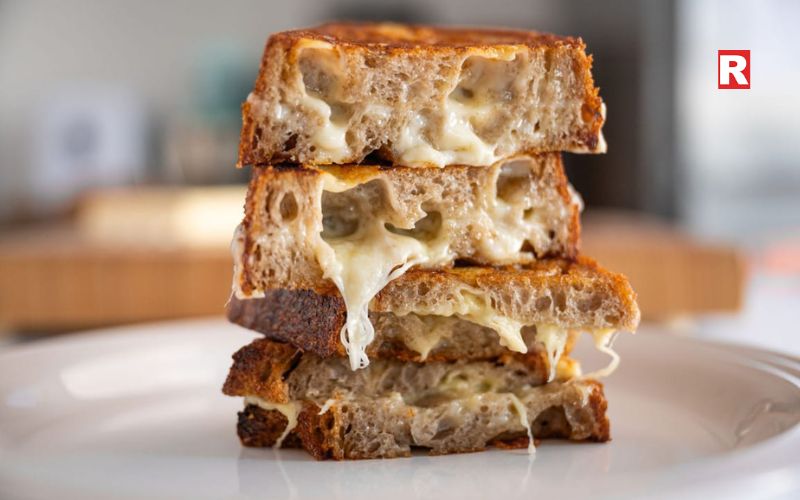
A sourdough grilled cheese sandwich is crisp on the outside and soft inside. The bread holds melted cheese well without turning soggy. Cheddar and mozzarella are common choices. Some add caramelised onions or green chutney for extra flavour. This dish is rich in protein and calcium from the cheese. It also provides energy through carbohydrates. The fermentation in sourdough helps improve digestion. It is a comforting meal for lunch or evening hunger. However, people with lactose intolerance may face issues due to cheese. Those with Celiac disease should avoid sourdough. It may also not suit people on low-fat diets.
3. Open Sourdough Sandwiches
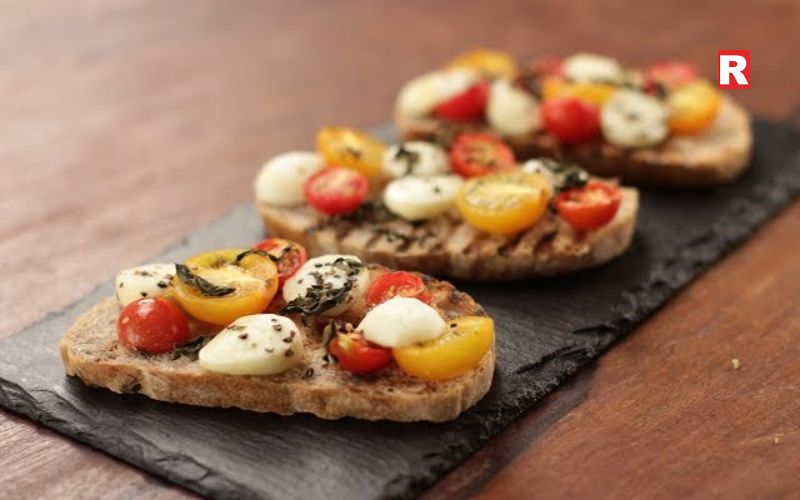
Open sourdough sandwiches are light yet satisfying. A single slice can create a complete meal. Toppings like mushrooms, smoked chicken, or paneer tikka add variety. Fresh greens and sauces improve taste and balance. These sandwiches are rich in protein, fibre, and vitamins depending on the toppings used. They are easy to customise based on diet needs. The sourdough base supports gut health due to natural fermentation. It is a good option for brunch or a quick meal. However, people with Celiac disease should avoid it. Those with high sodium concerns should also watch processed toppings like smoked meats.
4. Sourdough Pizza Base

Sourdough pizza offers a different taste and texture. The base has a slight tang and is easier to digest. It feels lighter than regular pizza dough. Toppings can include vegetables, cheese, or meats like tandoori chicken. Paneer is also a popular choice in Indian kitchens. This meal provides carbohydrates, protein, and some vitamins from toppings. The fermentation process helps in better nutrient absorption. It is a good option for weekend meals or gatherings. However, people with Celiac disease should avoid it. Those managing weight or cholesterol should limit cheese-heavy versions.
5. Sourdough French Toast

Sourdough French toast is soft inside and slightly crisp outside. The bread absorbs the batter well without breaking. It can be made sweet or savoury. Sweet versions include honey, fruits, or syrup. Savoury ones use cheese, herbs, and spices. In India, a masala version with chillies and coriander is common. This dish offers carbohydrates, protein, and some vitamins depending on ingredients. Eggs add protein, while fruits add fibre and antioxidants. It is a good way to use leftover bread. However, people with Celiac disease should avoid sourdough. Those with diabetes should limit sweet toppings.
6. Sourdough Bread Bowl Meals
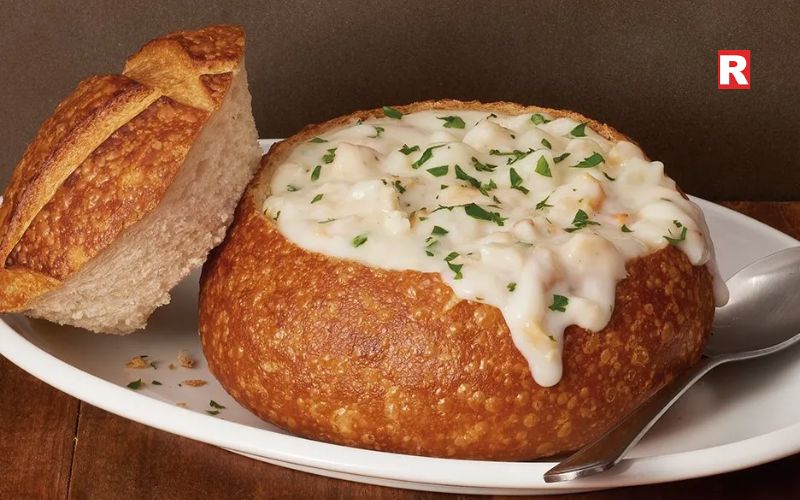
Sourdough bread bowls are both filling and appealing. A hollow loaf is used to hold soups or light curries. Tomato basil and mushroom soup are common choices. The bread slowly soaks the liquid and adds more flavour. Each bite feels rich and warm. This dish provides carbohydrates from the bread and vitamins from the soup. If made with cream, it also gives fats and some protein. The fermentation in sourdough supports better digestion. It is often served to guests or for special meals at home. However, people with Celiac disease should avoid it. Those with lactose intolerance should be careful with creamy soups.
Know more: 21 Different Types of Indian Breads and Their Benefits
7. Sourdough Bruschetta
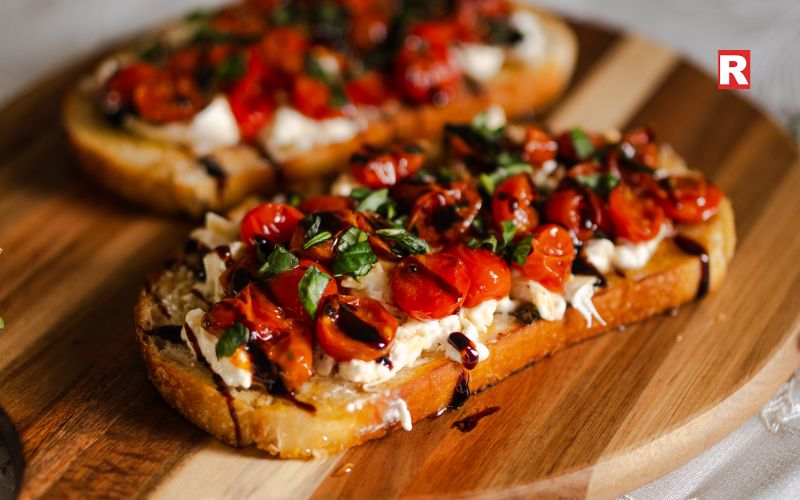
Sourdough bruschetta is light and easy to prepare. Toasted slices are topped with fresh ingredients. The classic version uses tomatoes, garlic, and olive oil. Many also try corn chaat or spicy toppings for an Indian touch. The crisp bread and fresh topping create a good balance. This dish provides fibre, vitamins, and healthy fats. Olive oil adds good fats, while vegetables add nutrients. It is a good option for snacks or starters. The sourdough base also helps in digestion. However, people with Celiac disease should avoid it. Those with acidity issues may limit raw garlic and tomatoes.
8. Sourdough Breakfast Sandwich
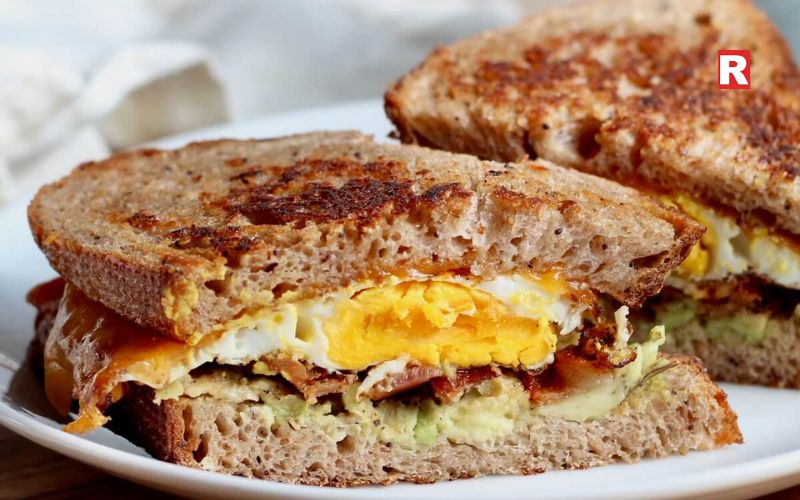
A sourdough breakfast sandwich is filling and balanced. It combines protein, carbs, and fats in one meal. Common fillings include eggs, chicken, or paneer. Vegetables and spreads add more flavour and nutrients. The bread holds the ingredients well and does not feel heavy. This meal provides protein for energy and fibre for digestion. It is a good choice for busy mornings. The fermentation in sourdough supports gut health. It keeps one full for longer hours. However, people with Celiac disease should avoid it. Those with high cholesterol should limit heavy fillings like cheese or processed meats.
9. Sourdough Croutons and Salads

Sourdough croutons add crunch to simple salads. Small cubes of bread are toasted until crisp. They are added to Caesar or vegetable salads. The slight tang of sourdough improves the overall taste. This dish provides fibre, vitamins, and some carbohydrates. Fresh vegetables offer antioxidants and minerals. The bread adds texture and makes the meal more filling. It is also a smart way to use leftover bread. The fermentation helps in easier digestion compared to regular bread. However, people with Celiac disease should avoid it. Those on low-carb diets may also limit croutons.
10. Sourdough Dessert Ideas

Sourdough can also be used in desserts. Bread pudding is a common and comforting option. Toasted slices can be served with chocolate spread, fruits, or jaggery syrup. The slight tang of the bread balances the sweetness well. This dish provides carbohydrates for energy and some fibre. Fruits add vitamins and antioxidants. If milk or eggs are used, it also gives protein and calcium. It is a simple way to turn bread into a sweet dish. However, people with Celiac disease should avoid it. Those with diabetes should limit sugar and sweet toppings.
Also check: A Guide to Different Breads and Their Nutritional Value
Best White Bread Brands in India
10 Healthy Spreads Ideas That Turn Bread Into a Better Snack
Happy Eating!
Sourdough bread is valued for more than its taste. It brings together tradition, nutrition, and flexibility in daily meals. Many Indian kitchens now use it in simple and creative ways. A slice of avocado toast offers healthy fats and fibre. Grilled cheese made with sourdough gives protein and calcium. Open sandwiches with paneer or chicken add protein and vitamins. Sourdough pizza provides energy with better digestion due to fermentation. French toast can offer carbs and protein, depending on ingredients. Even salads with sourdough croutons add fibre and texture. The natural fermentation helps improve gut health and nutrient absorption. However, people with gluten intolerance or Celiac disease should avoid sourdough. Those with severe wheat allergies should also be careful. When used wisely, sourdough supports balanced eating and fits well into modern Indian diets.
Saptopriya Ghosal
Feature Writer
I am a dedicated media professional with a bachelor's degree in mass communication from the State University of Calcutta and a postgraduate degree from Amity University. My academic journey has equipped me with a profound understanding of storytelling and communication. Passionate about the dynamic world of media, I continually strive to explore new ways to engage and inform through compelling narratives.



































































































































































