Beyond the Room: How Luxury Hotels Are Redefining Hospitality Through Experiences
From business travellers extending work trips into leisure escapes to families and younger guests seeking immersive experiences, expectations have shifted towards flexibility, authenticity and meaningful engagement.

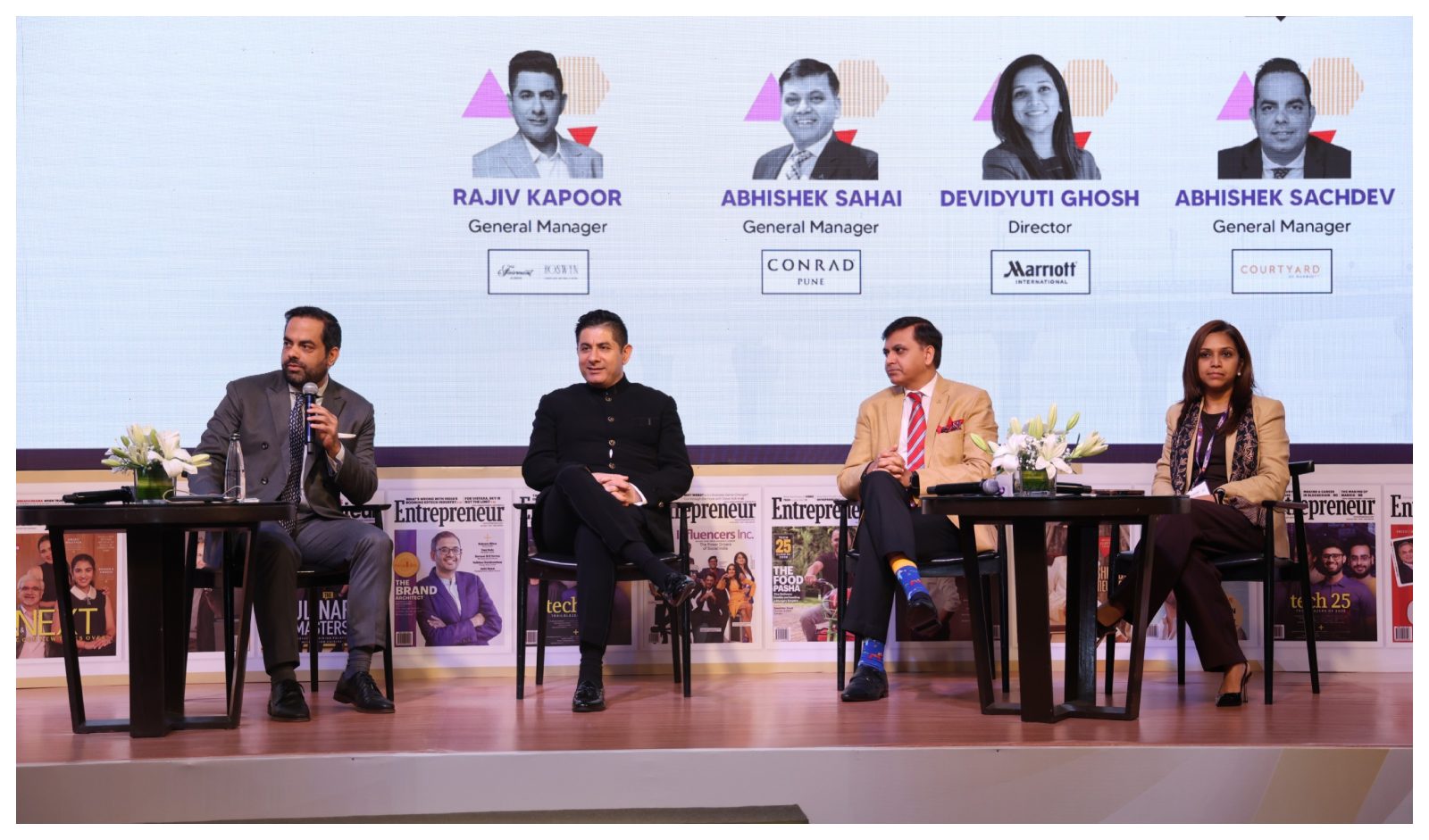
Luxury hospitality is evolving beyond grand interiors and impeccable service. Today's travellers seek personalised experiences. From business travellers extending work trips into leisure escapes to families and younger guests seeking immersive experiences, expectations have shifted towards flexibility, authenticity and meaningful engagement. The future of luxury lies not in extravagance, but in creating memorable, personalised experiences that leave a lasting impression.
Luxury is No Longer Defined by the Room
For decades, luxury hotels stood out through grand architecture, premium amenities and personalized service. Hotels are increasingly becoming destinations in themselves offering spaces to work, unwind, dine, socialize and engage with local culture.
Speaking about this changing mindset, Abhishek Sahai, General Manager, Conrad Pune explained that guests today value experiences over conventional luxury. "Today's luxury guest is looking for far more than a premium room. They want a destination where they can seamlessly combine work, leisure, wellness and social interaction within the same property,” said Sharma.
He noted that international research commissioned by Hilton indicates that modern travellers increasingly seek multifunctional destinations rather than simply accommodation. Many guests are even willing to pay a premium for hotels that offer thoughtfully curated experiences. This evolution has fundamentally changed how luxury hotels define success. Instead of measuring guest satisfaction solely through room occupancy, hotels are evaluating how effectively they engage visitors throughout their stay.
Curating Every Hour of the Guest Journey
Recognizing that every traveller has different schedules and interests, luxury hotels are introducing curated experiences based on the amount of time guests have available.
Sahai explained that personalization has become central to Conrad's hospitality philosophy."Our goal is to curate experiences around the time guests have available. Whether it's one hour, three hours or an extended journey into the destination, every experience is thoughtfully designed to create lasting memories."
Hotels are increasingly collaborating with local artists, historians, culinary experts and cultural ambassadors to ensure guests leave with authentic stories rather than just photographs. According to Sharma, these experiences have become one of the strongest drivers of guest loyalty."Luxury today is about adding value at every touchpoint. Guests remember how a hotel made them feel far longer than they remember the room they stayed in."
Global Concepts with a Local Soul
International hotel brands face an important challenge—maintaining global consistency while remaining relevant to local audiences. Luxury hospitality leaders agree that successful brands must respect regional tastes without compromising their international identity.
At Fairmont Mumbai and Morgan's Originals, this philosophy has been central to developing food and beverage concepts that feel both global and distinctly Indian.
Rajiv Kapoor, General Manager, Fairmont Mumbai & Morgan's Originals, explained that localization is essential for international concepts to succeed. "You cannot simply bring a restaurant from Miami or Dubai into Mumbai without understanding the local palate. Every global concept has to be thoughtfully adapted for Indian guests."
Kapoor believes that successful localization goes beyond menus. It also involves understanding customer expectations, cultural nuances and service styles that resonate with Indian diners.
Dining is the New Luxury Experience
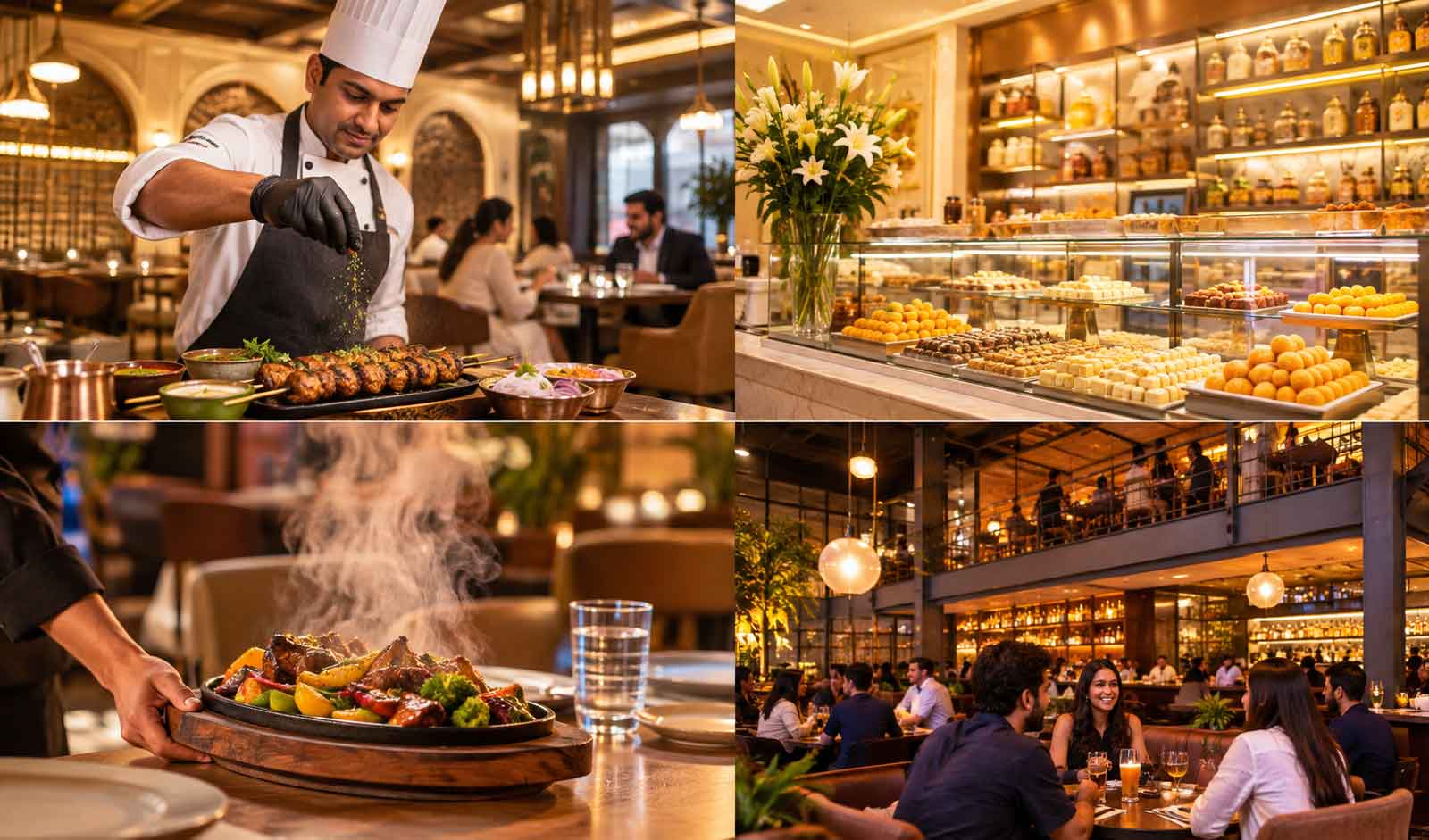
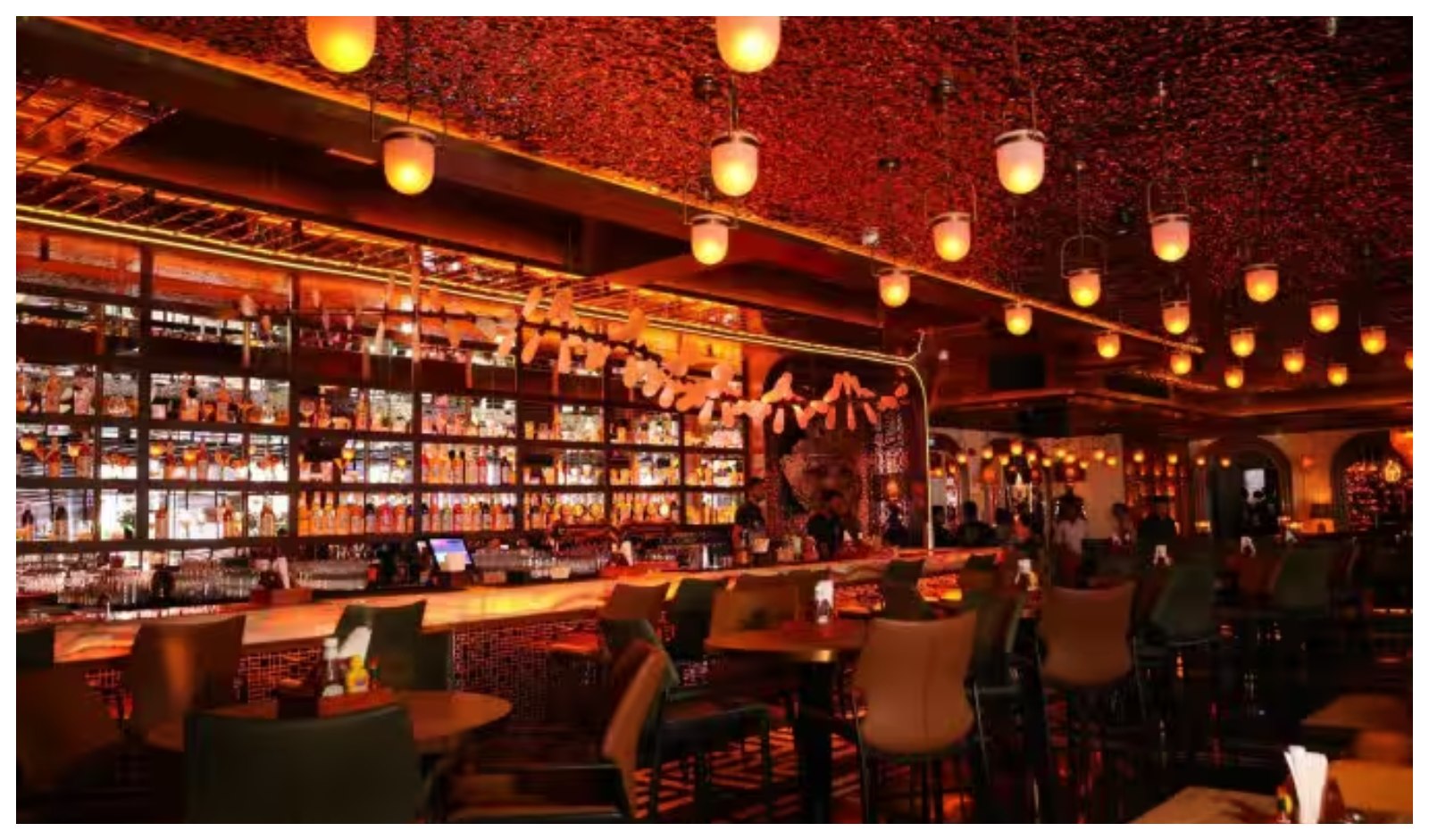
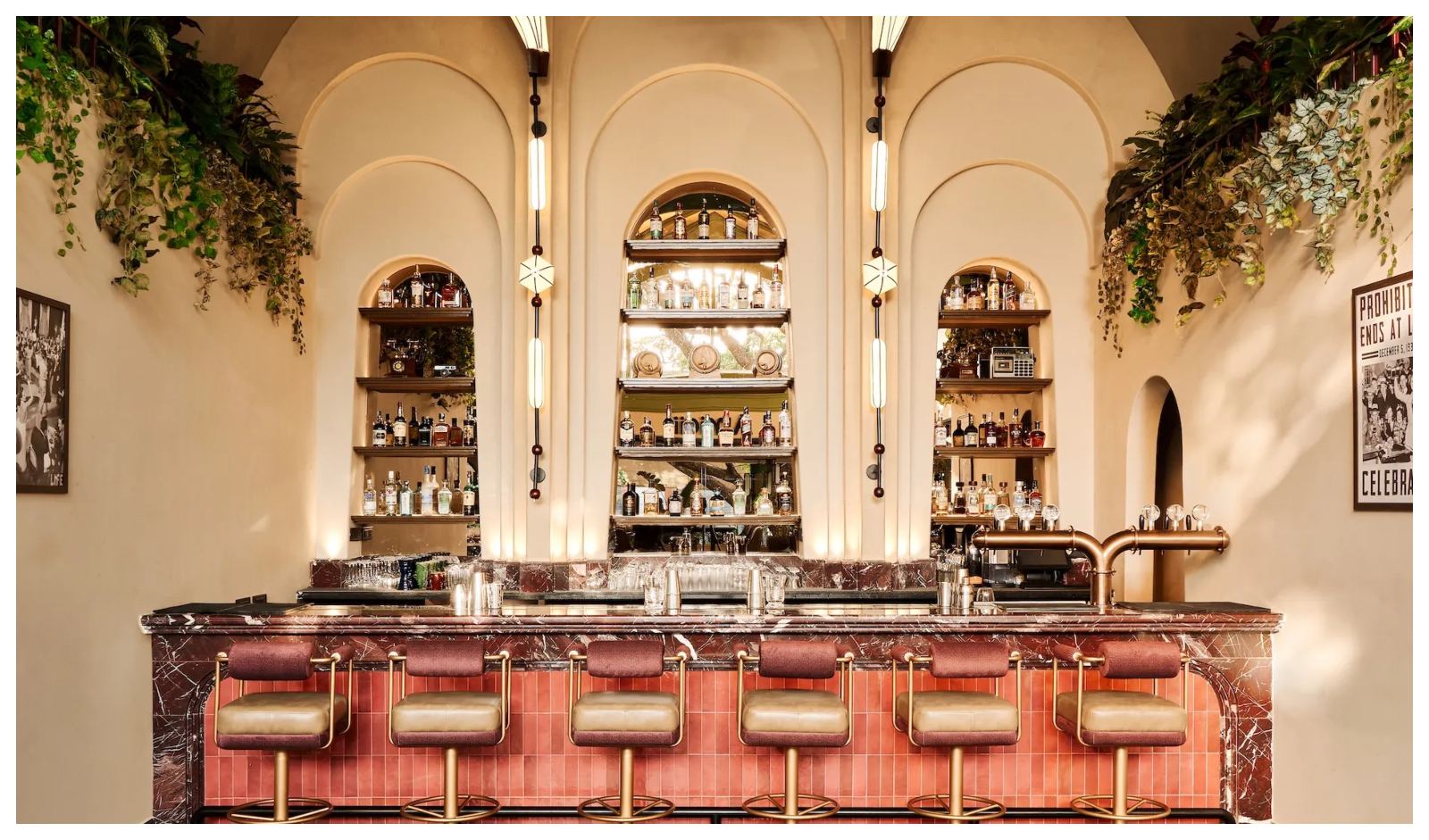
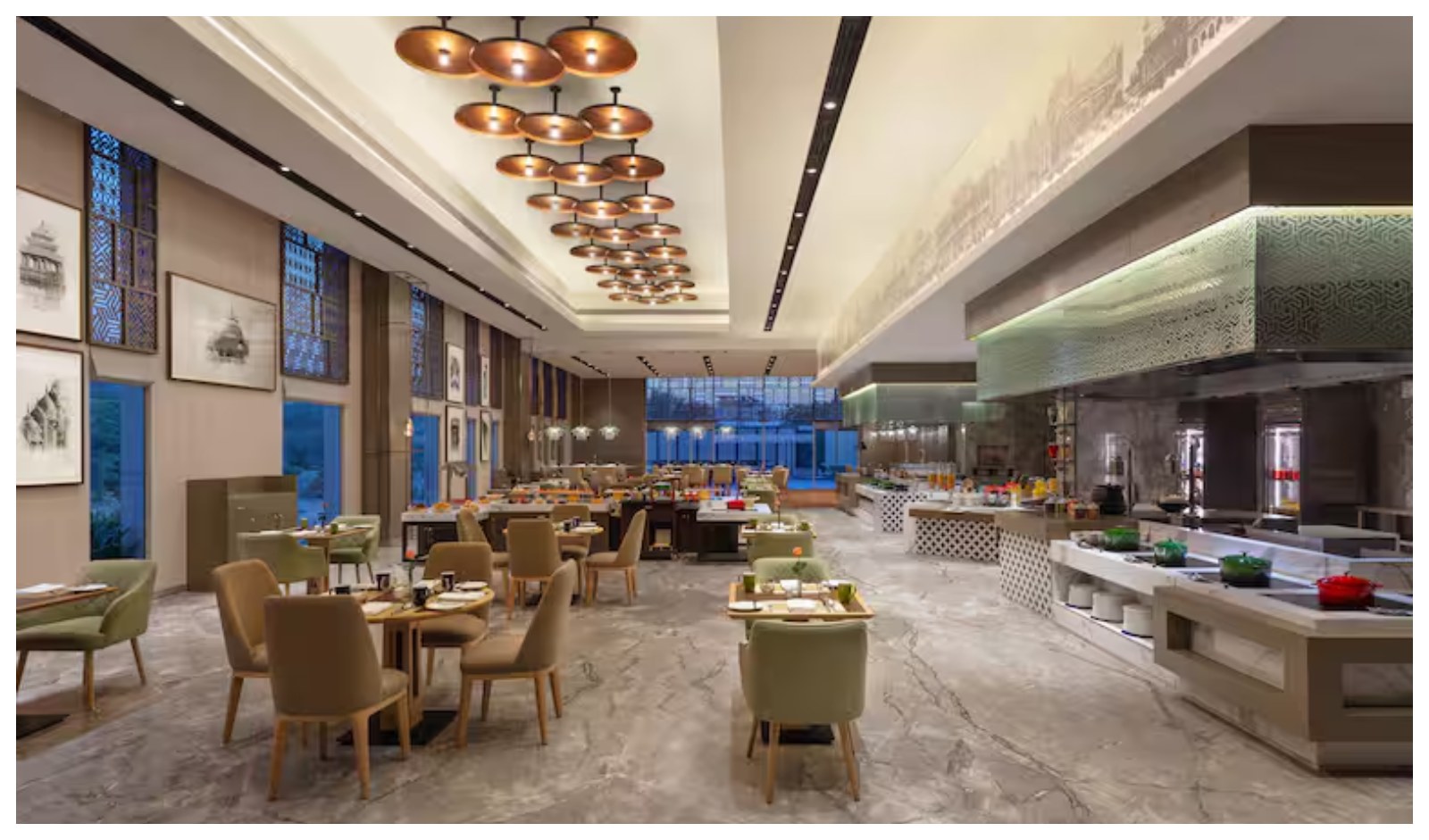
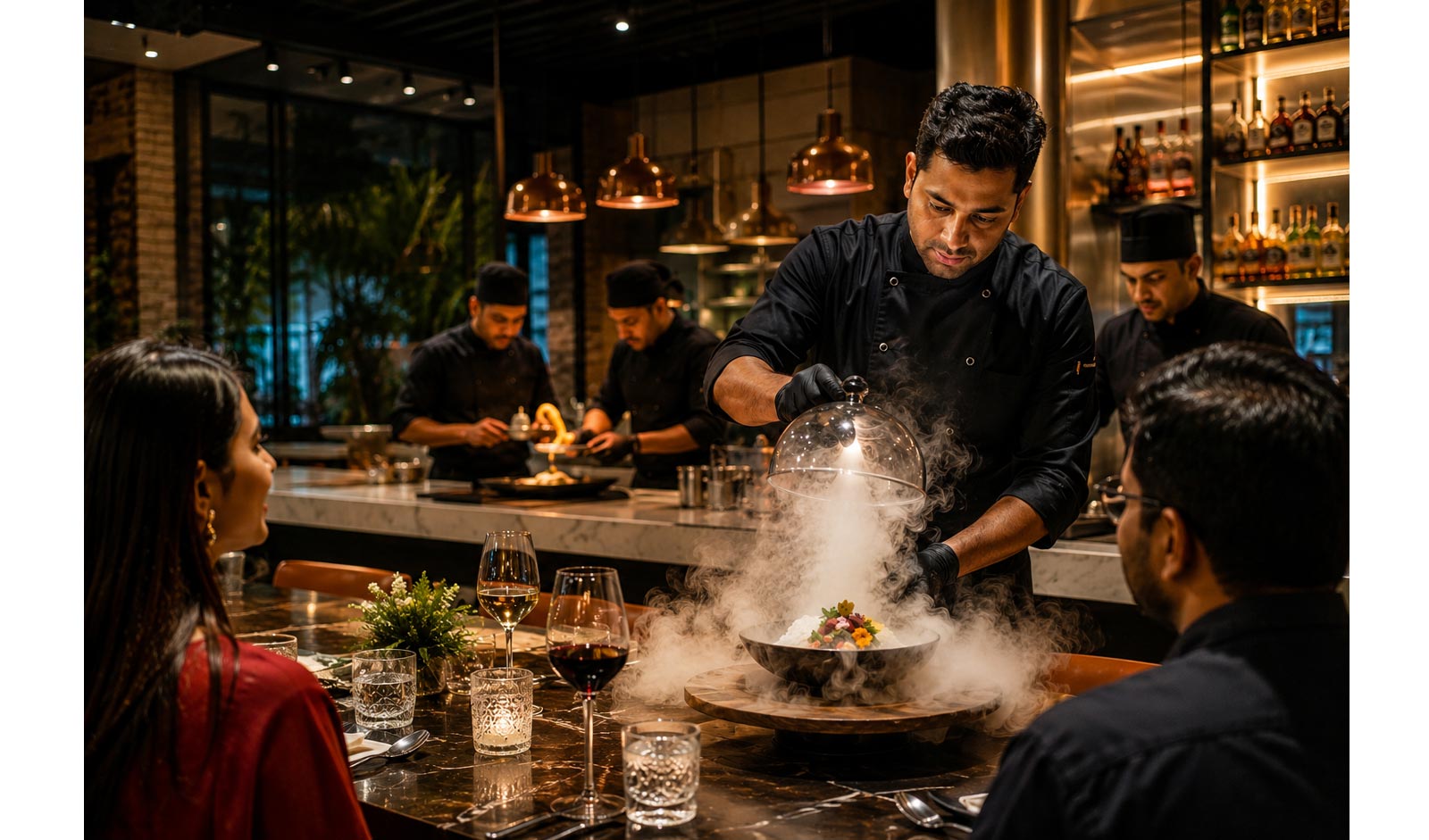
Luxury hotel restaurants are no longer just dining venues; they have evolved into standalone brands with distinct identities and loyal followings. Instead of conventional all-day dining, hotels are developing destination-led culinary concepts that blend global inspiration with local flavours.
Sharing how Conrad Pune approaches this philosophy, Sahai, explained that dining has become central to the property's business strategy. "Food and beverage contribute nearly 50 percent of our hotel's revenue. It is no longer just a service for resident guests; it has become one of the strongest reasons people visit us."
With seven restaurants under one roof, Conrad Pune has built a reputation for offering diverse culinary experiences that encourage repeat visits from both hotel guests and local residents. According to Sahai, these initiatives have helped create long-term guest loyalty. "People may first visit us for a meal, but they return to celebrate anniversaries, family occasions and even recommend us to friends because of the experience they had."
Restaurants Have Become Standalone Brands
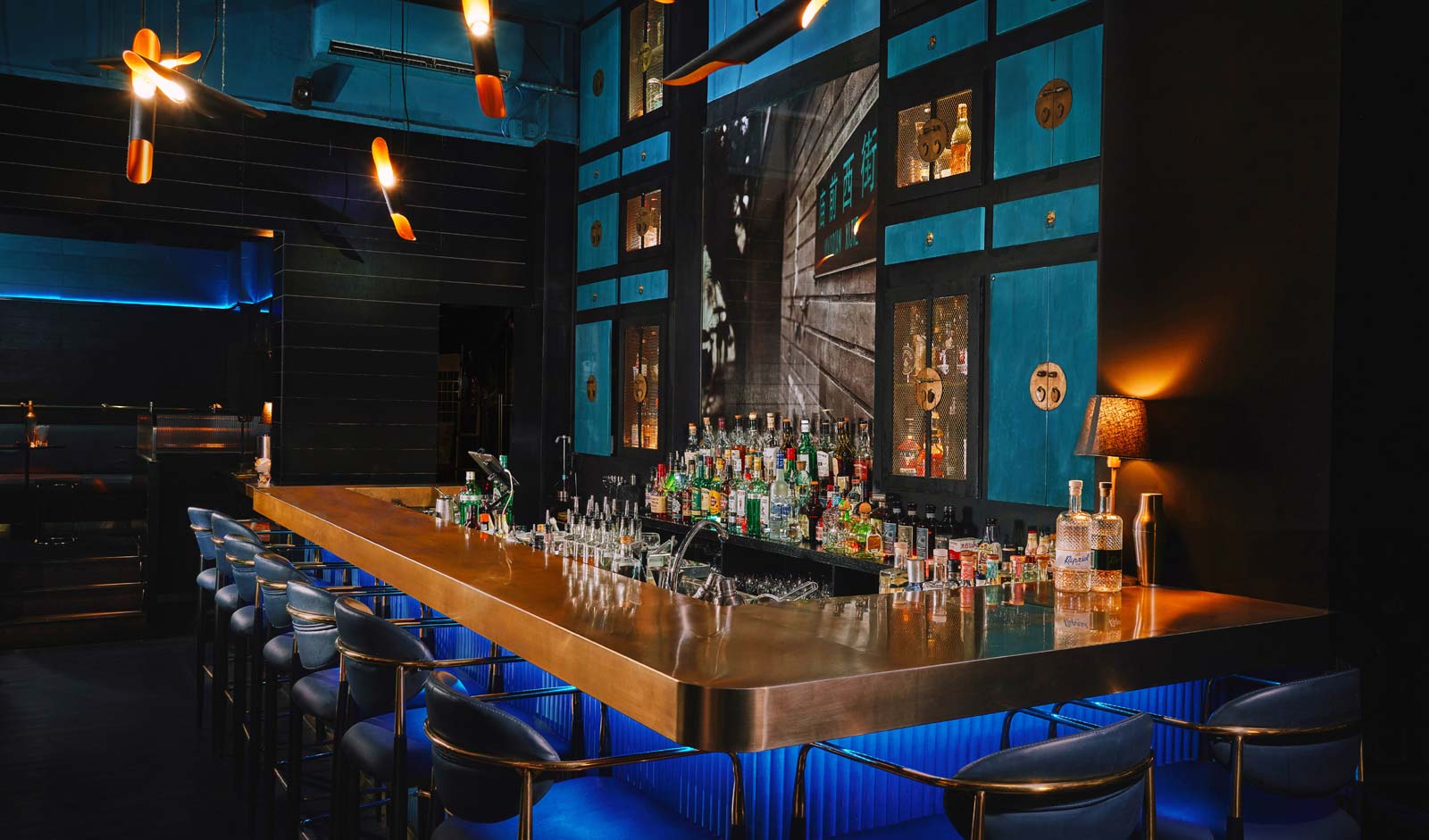
Luxury hotels are positioning their restaurants as standalone lifestyle brands with dedicated marketing, independent social media strategies and year-round promotions. This approach boosts visibility, attracts a wider audience and enables hotel restaurants to compete directly with standalone dining destinations
Sharing further, Kapoor said, "Every restaurant has its own digital strategy, marketing calendar and dedicated team. Food and beverage today deserve the same attention as any standalone hospitality brand."
The strategy is already delivering impressive results, with food and beverage contributing significantly to overall revenues and strengthening customer engagement beyond hotel stays.
Quiet Luxury Takes Centre Stage
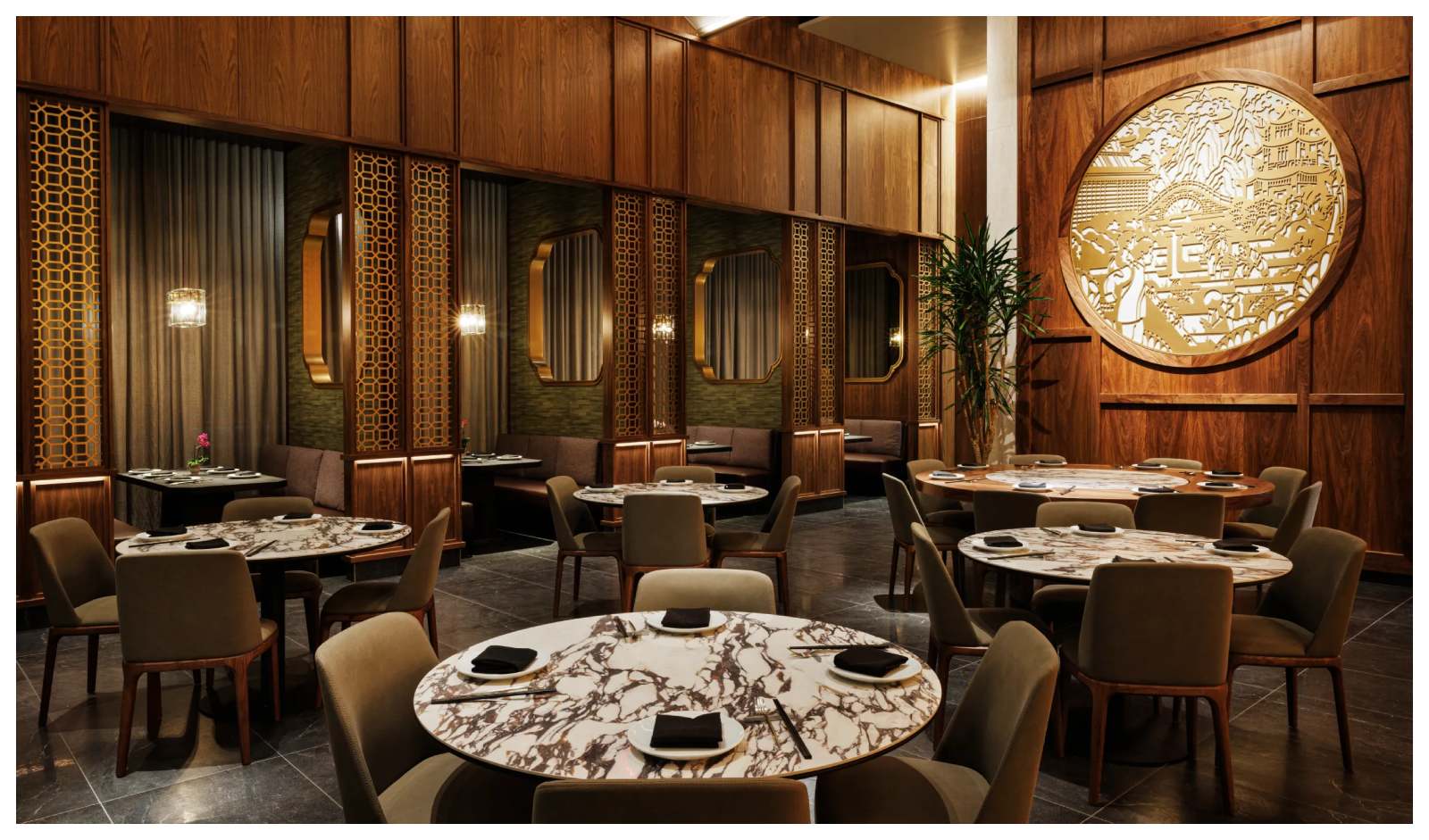
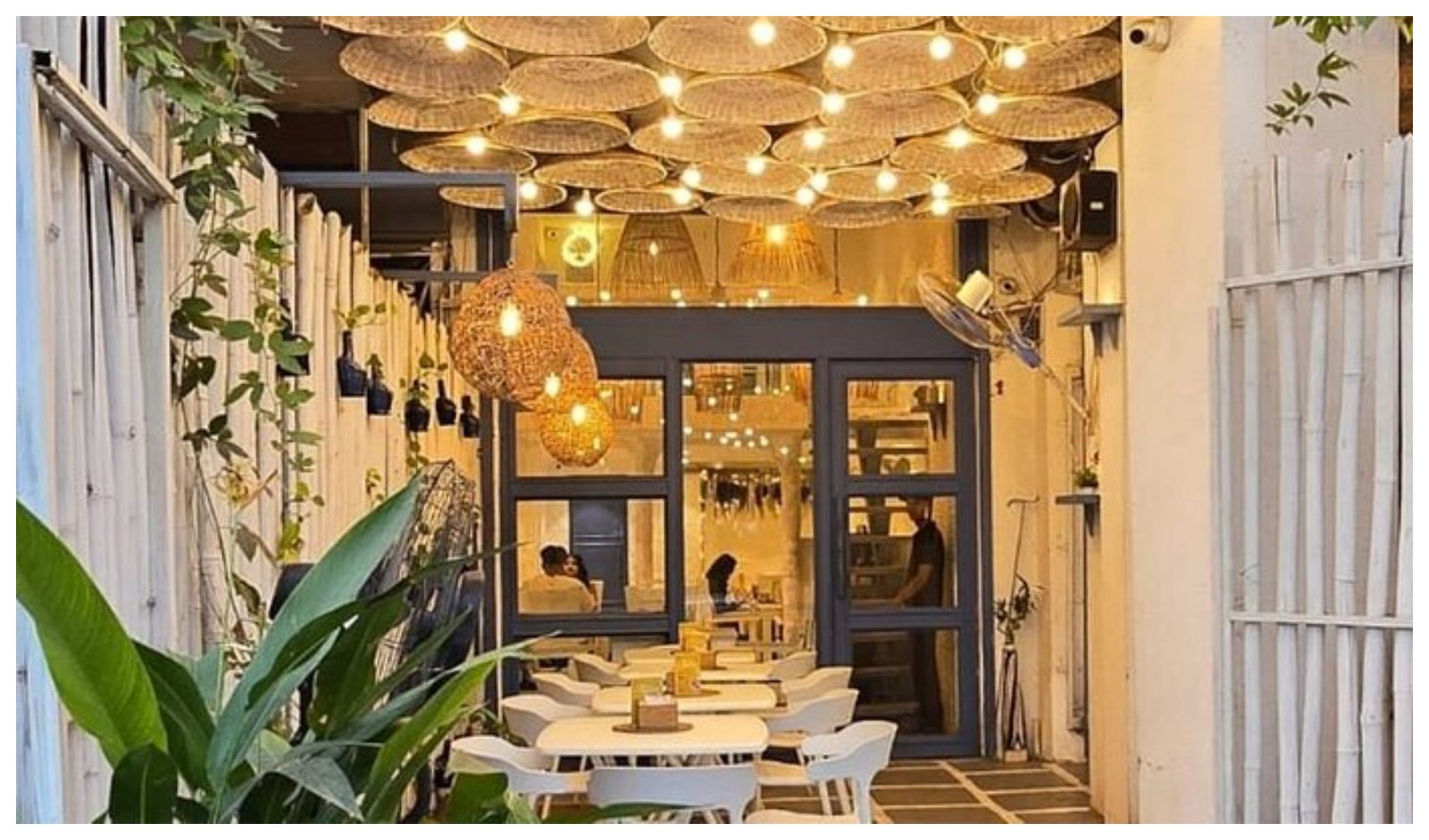
Luxury hotel design is shifting from opulence to understated elegance. Natural light, greenery, biophilic elements and locally inspired architecture are replacing ornate décor, creating calming spaces that prioritise wellbeing over extravagance. Devidyuti Ghosh, Director of Hotel Openings at Marriot International said, "Luxury has evolved from opulence to quiet sophistication."
Wellness is no longer an added amenity; it's a defining pillar of luxury hospitality. From spa therapies and fitness facilities to nutritious dining, sleep-focused rooms and holistic wellbeing programmes, hotels are embedding wellness into every aspect of the guest experience. "Wellness is no longer an optional offering—it is one of the defining pillars of luxury hospitality."
Environmental responsibility is another defining trend shaping the future of luxury hospitality. According to Ghosh, sustainability has become an essential part of luxury development. "For premium hospitality, sustainability is no longer optional. Every new luxury hotel must integrate environmentally responsible practices into its design and operations."
From energy-efficient infrastructure to organic waste management and water conservation, sustainability is becoming embedded in every stage of hotel development.
Technology is Enabling More Personalized Hospitality
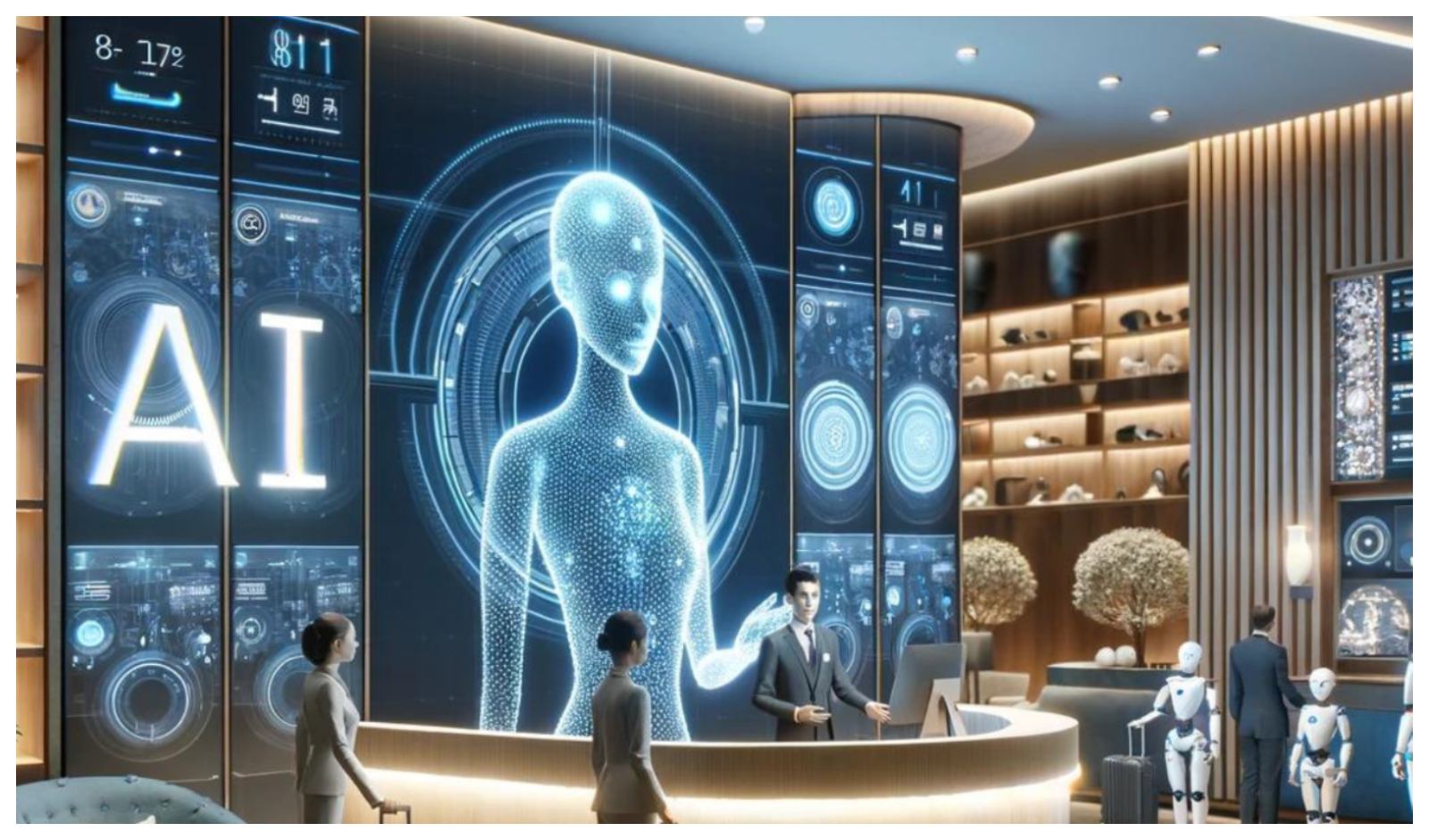
Today's guests expect seamless, personalized experiences. Luxury hotels are leveraging AI, smart rooms, mobile apps and guest data to simplify operations, anticipate preferences and deliver tailored experiences at every touchpoint.
For Kapoor, technology is playing an equally important role in transforming food and beverage. "Each of our restaurants has its own Instagram page, marketing strategy and annual calendar. We don't market food and beverage as part of the hotel; we market every restaurant as an independent lifestyle destination."
People Continue to Define Hospitality
Despite rapid technological advancement, every hospitality leader on the panel agreed on one fundamental truth—luxury remains a people business. Guests may remember the architecture, the food or the room design, but what truly creates loyalty is genuine service delivered by passionate employees. According to Ghosh, exceptional guest experiences begin with motivated associates."If we expect our teams to create unforgettable experiences for guests, we must first create exceptional experiences for our employees."
Sahai emphasized that memorable experiences are created by adding value at every stage of the guest journey.
As guest expectations continue to evolve, the hotels that succeed will be those capable of blending global sophistication with authentic local culture, innovative design with human warmth and advanced technology with meaningful hospitality.
Vijetha Iyer
Content Editor
Working as a Content Editor with Restaurant India. I have worked in various sectors like food and beverage sector, chemicals, pharma, nutraceuticals, now specially focusing on restaurant side. But my core knowledge was always on content. Be it writing poems to verses, I always loved writing and have been exploring my career on the same. In Restaurant India, I deliver insightful stories, take interviews of various brands and update the audiences about the newest happenings in the restaurant industry.