
Beyond the Kitchen: How Hotel Chefs are Redefining the Future of Hospitality
Chefs today have stepped into the spotlight as brand ambassadors, storytellers, guest relationship managers and business leaders.

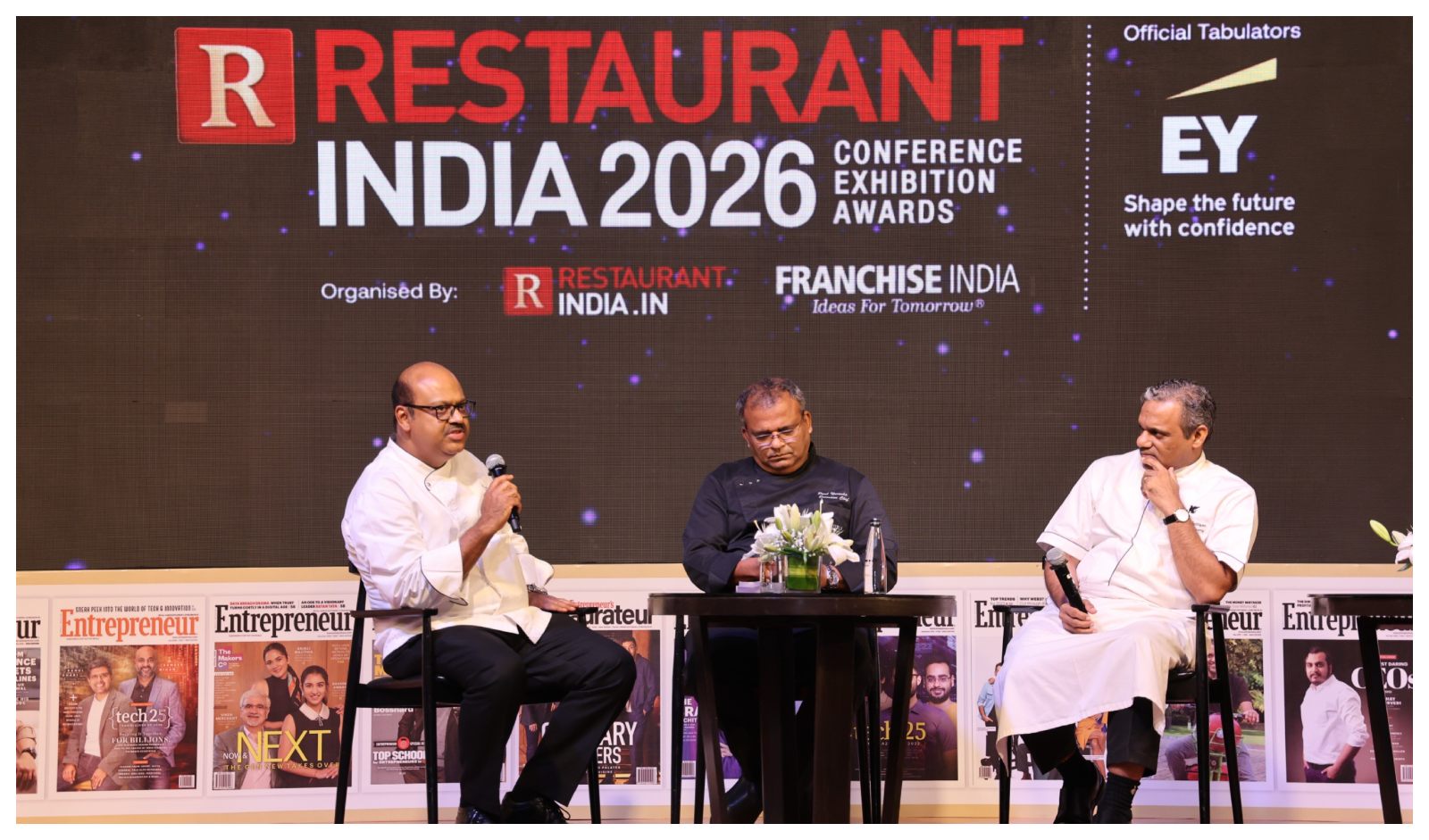
Luxury hospitality has undergone a remarkable transformation over the past decade, and nowhere is that more evident than in the evolving role of the hotel chef. Once confined to the back of the house, chefs today have stepped into the spotlight as brand ambassadors, storytellers, guest relationship managers and business leaders. Their influence now extends far beyond crafting menus, they shape guest experiences, drive restaurant revenues, build customer loyalty and often become the very reason guests choose a hotel.
From the Kitchen to the Limelight
For years, chefs remained largely behind the scenes, earning appreciation through their food while rarely interacting directly with guests. Today, that has changed dramatically. Diners increasingly seek personal connections with the people behind the meals they enjoy, transforming chefs into recognizable faces of luxury hospitality.
Chef Anshuman Chakraborty, Executive Chef, The Leela Mumbai believes guests now associate as much with chefs as they do with hotel brands. "Gone are the days when chefs were restricted to the kitchen. Guests now choose hotels not only for the rooms but for the chefs they know, trust and are comfortable with. Food has become a very conscious part of life, and chefs play a vital role in influencing that choice."
The relationship often extends well beyond a single visit. Guests develop trust over years of interactions, following chefs even when they move between hotels. "There have been times when I moved to another hotel and had to personally hand over my regular guests to the next chef. That's the kind of relationship and trust that gets built over the years."
"People come back to hotels because they connect with a chef. That's a proven fact. Chefs today are undoubtedly brands,” added Chef Prakash Chettiyar, Director of Culinary, JW Marriot Sahar. He also credited celebrity chefs for transforming public perception of the profession. "Chefs like Sanjeev Kapoor changed the perception of the industry. They elevated chefs to an entirely different level and showed the world the power of a chef as a brand."
Food has Become the Hotel's Biggest Attraction
While accommodation remains essential, dining experiences increasingly influence where travellers choose to stay.
Destination restaurants, signature menus and immersive culinary concepts have become key revenue drivers, attracting not only in-house guests but also local diners looking for memorable experiences.
Chakraborty observed that food and beverage operations are no longer viewed as supporting departments. "People now stay at hotels because of a restaurant attached to the property. Culinary is no longer a support function. Hotels are increasingly known by their restaurants."
Hospitality is Built on Human Connections
While culinary excellence remains fundamental, both chefs agreed that genuine hospitality is ultimately about people. Personalised service and thoughtful gestures often leave a stronger impression than elaborate menus.
"One of our guests always asks for prawn dumplings at breakfast. Now, whenever we see his name on the arrival list, we prepare it even before he asks. Those small gestures create comfort and confidence,” commented Chakraborty.
Such attention to detail not only delights guests but also builds long-term loyalty. Chettiyar believes that despite rapid technological advancements, authentic hospitality can never be automated. "We can connect digitally in many ways today, but unless we build a human connection, we cannot truly exceed guest expectations."
Maintaining Excellence at Scale
Running a luxury hotel's culinary operations often means catering to hundreds of guests simultaneously, particularly during weddings, conferences and large-scale events. Maintaining consistency under such circumstances requires careful planning, skilled teams and rigorous training.
Chettiyar explained that understanding client expectations is just as important as culinary execution."When you're catering to 500 or 600 people, the challenge is understands what the host wants while balancing it with your strengths. Finding that common ground is what ensures success."
He emphasized that success depends heavily on investing in people."Great talent and strong quality training are essential because during long events, maintaining consistency becomes the real challenge." Interestingly, despite changing dining trends and increasing experimentation, classic comfort dishes continue to resonate strongly with guests.
Innovation with Purpose, Not for the Sake of It
Innovation has become essential in today's hospitality landscape, with diners constantly looking for fresh concepts, unique presentations and new flavours. However, both chefs agreed that creativity should never come at the expense of authenticity or consistency.
Chakraborty believes successful restaurants strike the right balance between introducing new experiences and preserving signature dishes that guests return for. For him, innovation is critical because guests constantly look for new experiences, new concepts and new ways of dining. But signature dishes and consistency are just as important.
Summing up his culinary philosophy, he added, "A balance between classics and innovation is the key to success. Otherwise, fusion can become confusion." Chettiyar shared a similar perspective, pointing out that while guests often ask what's new on the menu, they also continue to seek the comfort of familiar favourites. "You cannot only innovate. Classics have a very high recall value, and guests keep coming back to them."
Competition That Inspires Excellence
The rise of standalone restaurants has significantly changed India's dining landscape, offering specialised concepts and immersive experiences. Rather than viewing these outlets as competitors, both chefs see them as catalysts that push hotels to continually improve.
"Standalone restaurants are doing exceptionally well across India and globally. But whether it's a hotel restaurant or a standalone outlet, success ultimately depends on maintaining standards, retaining the right people and investing in continuous training,” noted Chakraborty.
Chettiyar added, "Whenever a new standalone restaurant opens, it certainly makes us rethink our own offerings. They bring fresh ideas and new concepts, which encourages us to stay innovative and continuously improve." He added that his team constantly monitors emerging trends to understand evolving customer preferences.
While, the responsibilities of modern chefs now extend far beyond recipe development and kitchen management. They are expected to understand branding, operations, finance, guest engagement and commercial strategy. Chakraborty stressed that twenty-five years ago I would have said artists. Today, to succeed, chefs need to be both artists and businessmen.
However, Chettiyar believes creativity remains the soul of the profession. "I entered this profession because it allowed me to express creativity. For me, artistry remains at the heart of being a chef."
As luxury hospitality becomes increasingly experienced-driven, culinary excellence has emerged as one of the industry's strongest differentiators. Whether through personalised service, purposeful innovation or preserving India's rich culinary heritage, chefs are shaping the future of hospitality in ways that extend far beyond the kitchen.
Vijetha Iyer
Content Editor
Working as a Content Editor with Restaurant India. I have worked in various sectors like food and beverage sector, chemicals, pharma, nutraceuticals, now specially focusing on restaurant side. But my core knowledge was always on content. Be it writing poems to verses, I always loved writing and have been exploring my career on the same. In Restaurant India, I deliver insightful stories, take interviews of various brands and update the audiences about the newest happenings in the restaurant industry.









































