Beyond the Kitchen: 5 Essential Qualities Required to Start a Food Business
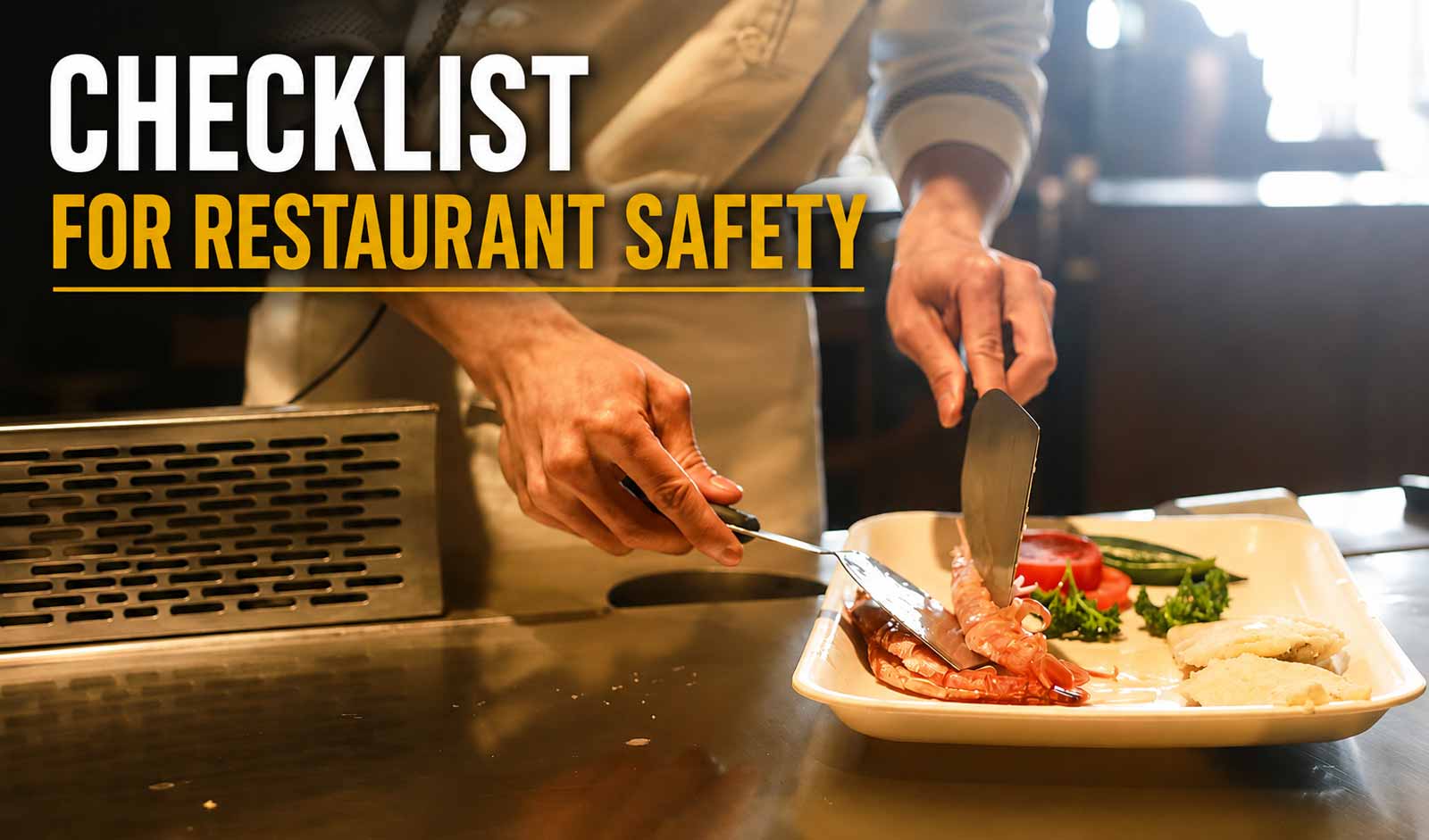
Excellence in the food business is often found in the details. From the crispness of a linen napkin to the precise plating of a dish, every tiny element contributes to the guest experience.


The world of food has always been more than just sustenance. I have seen it evolve, adapting to changing times—an unfolding narrative of cultures, ambitions, and human connection. As the landscape of dining transforms, from bustling market stalls to opulent hotel dining rooms and the invisible networks of cloud kitchens, one truth remains: food is never just food. It is an experience, a memory, a moment shared.
Over the years, I have watched those who dare to venture into this space begin with a singular focus—the quality of what is placed on the plate. But time has a way of revealing deeper truths. Success is not just about recipes or ingredients; it is woven into something more intangible. It lies in the precision of execution, the warmth of service, the courage to innovate, and the resilience to withstand storms.
Whether in the grand corridors of luxury hotels, the intimate corners of world-class restaurants, or the unseen yet powerful networks of cloud kitchens, I have come to recognize that the true architects of food businesses build on these unseen foundations. Here are five essential qualities that, time and again, I have seen shape the most remarkable food ventures—stories from India and across the globe.
It’s about Detailing
Excellence in the food business is often found in the details. From the crispness of a linen napkin to the precise plating of a dish, every tiny element contributes to the guest experience. A lack of attention to detail can mean the difference between a memorable meal and an average one. In high-end restaurants and hospitality chains, precision is not just preferred—it’s a non-negotiable standard.
Attention to detail in food businesses isn’t about perfection for the sake of perfection; it’s about making every customer feel valued. It signals a deep respect for the craft, a commitment to quality, and an unyielding desire to offer nothing but the best. When a restaurant or cloud kitchen masters the small things, it builds an invisible thread of trust with its patrons—one that turns a single visit into a lifelong relationship.
Service at the Top
The food industry, at its core, is a service-driven business. The intent to serve must go beyond transactions—it should be about making people feel welcomed, comforted, and cared for. The best food businesses don’t just focus on feeding people; they focus on nurturing them.
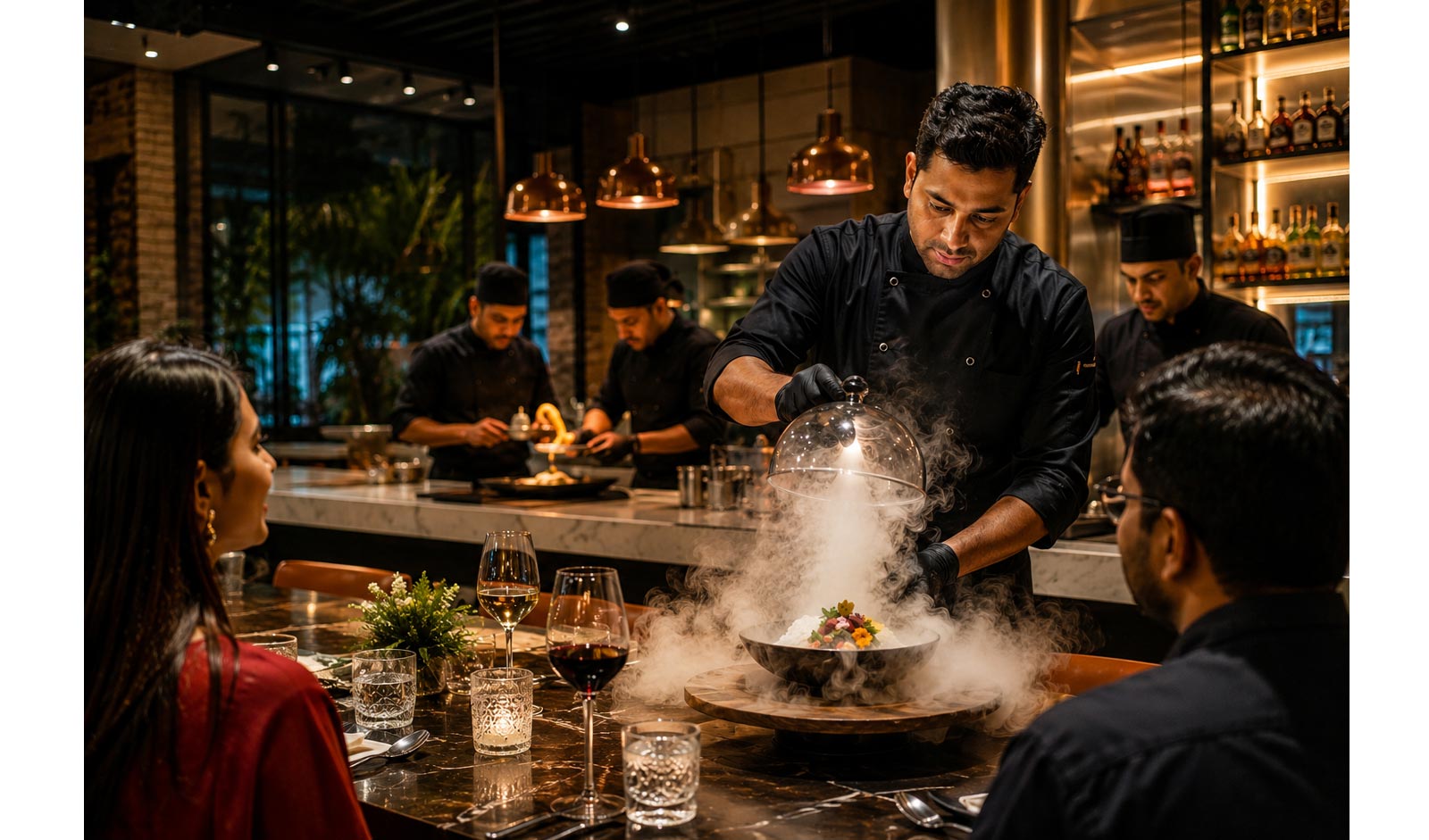
Eleven Madison Park, one of the most celebrated restaurants in the world, has redefined hospitality through a philosophy of deep personalization and generosity. Under the leadership of Chef Daniel Humm, the restaurant doesn’t just provide a fine dining experience—it creates moments that leave an indelible mark on guests. The team at Eleven Madison Park goes to great lengths to make every diner feel special, whether it’s crafting a dish inspired by a guest’s childhood memory or sending them home with a carefully selected parting gift that resonates with their experience.
Experience Drive Success
A food business with a strong intent to serve naturally creates an atmosphere of warmth and loyalty. Whether it’s a Michelin-starred fine dining establishment or a small cloud kitchen, the way customers feel about their experience will define its long-term success.
Innovation doesn’t always mean reinventing the wheel; sometimes, it’s about recognizing opportunities that others overlook. Whether through menu engineering, technology integration, or unique branding, an innovative mindset ensures that a food business stays relevant and competitive. El Bulli proved that the most groundbreaking ideas often come from a willingness to question everything—and that true innovation is about challenging the status quo.
El Bulli, the legendary restaurant led by Chef Ferran Adrià, revolutionized modern gastronomy through relentless innovation. More than just a restaurant, El Bulli became a laboratory of culinary experimentation, redefining what food could be. Adrià and his team closed the restaurant for six months each year to focus solely on research and development, pushing the boundaries of taste, texture, and presentation.
Resilience is Important
Resilience in the food business is about adapting without losing identity. Whether it’s dealing with supply chain disruptions, pandemic-related shutdowns, or shifting culinary trends, a strong food entrepreneur must possess the grit to rebuild, rethink, and reemerge stronger. Rebel Foods proved that resilience is not just about survival—it’s about thriving through reinvention.
Staff is the Backbone
A food business isn’t just about food—it’s about people. Those that make a lasting impact are the ones that integrate themselves into the community they serve. When customers feel a personal connection with a brand, they become lifelong advocates. Building a community connection doesn’t necessarily mean longevity alone; it’s about staying authentic to your mission and ensuring that customers feel like they’re part of something bigger. Whether it’s through local sourcing, sustainability efforts, or cultural storytelling, businesses that prioritize people over profits naturally cultivate deep loyalty.
The Indian Coffee House is not just a restaurant chain; it is a movement. Established in the early 20th century and later turned into a worker-owned cooperative, Indian Coffee House has been a silent witness to India’s changing social, cultural, and political landscape. What sets it apart is not just its affordable food or simple ambiance, but its deep-rooted connection with the community.
Involvement of Senses
A great meal may delight the senses, but a truly remarkable food business transcends the act of dining. It orchestrates moments that move beyond taste—moments that touch the heart, evoke nostalgia, and create bonds that last a lifetime. It is not just about the technical precision of a perfectly seared steak or the symmetry of a plated dessert; it is about the silent artistry of an experience carefully crafted, where every interaction leaves an imprint on the guest’s memory.
The precision of detail ensures excellence, the intent to serve builds warmth, innovation drives progress, resilience keeps the business standing, and community connection fosters belonging. The true masters of this industry understand that food is only the medium—the real magic lies in the stories it tells and the emotions it stirs.
What separates the truly exceptional from the ordinary is not found in a recipe but in a philosophy—a deep-rooted belief that hospitality is not a service, but a calling. A well-run food business does not merely satisfy hunger; it leaves behind an echo, a lasting presence in the hearts of those it serves. So, as you step into the world of food entrepreneurship, ask yourself: Are you creating meals, or are you creating meaning? Because the greatest food businesses do not just feed the body—they nourish the soul, one experience at a time.
Saurabh Wadkar
Founder, Rooted