Beyond Fusion: The Mizu Way
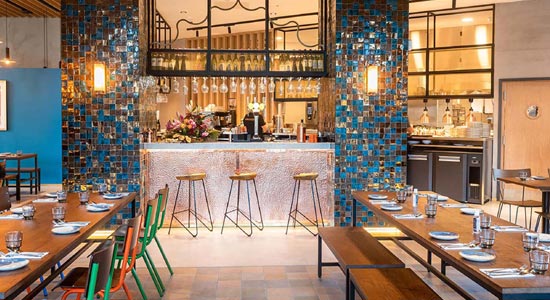
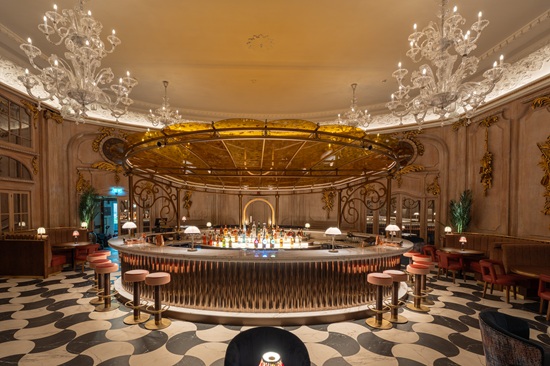
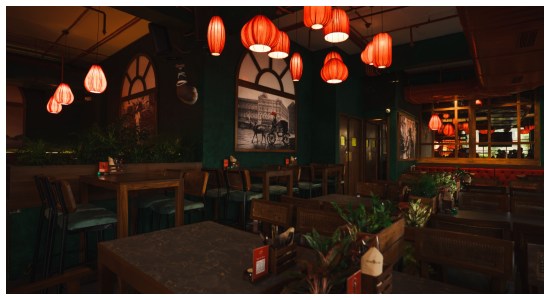
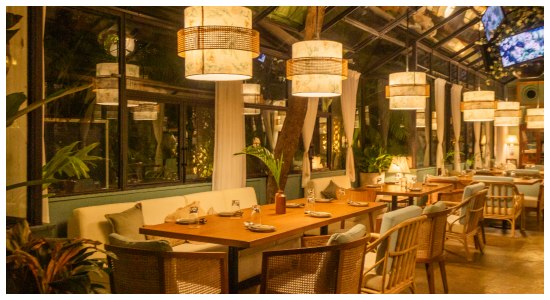
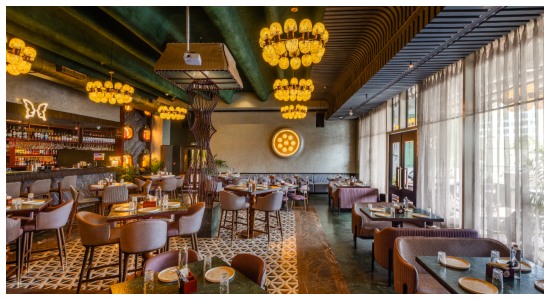
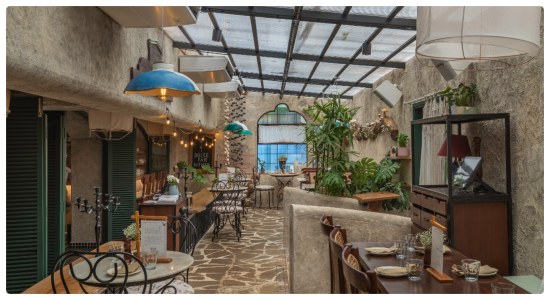
First launched in Worli in 2017, Mizu evolved through challenges, including the pandemic, before reopening stronger in Bandra in 2020, redefining Mumbai’s Izakaya culture with a uniquely local touch.

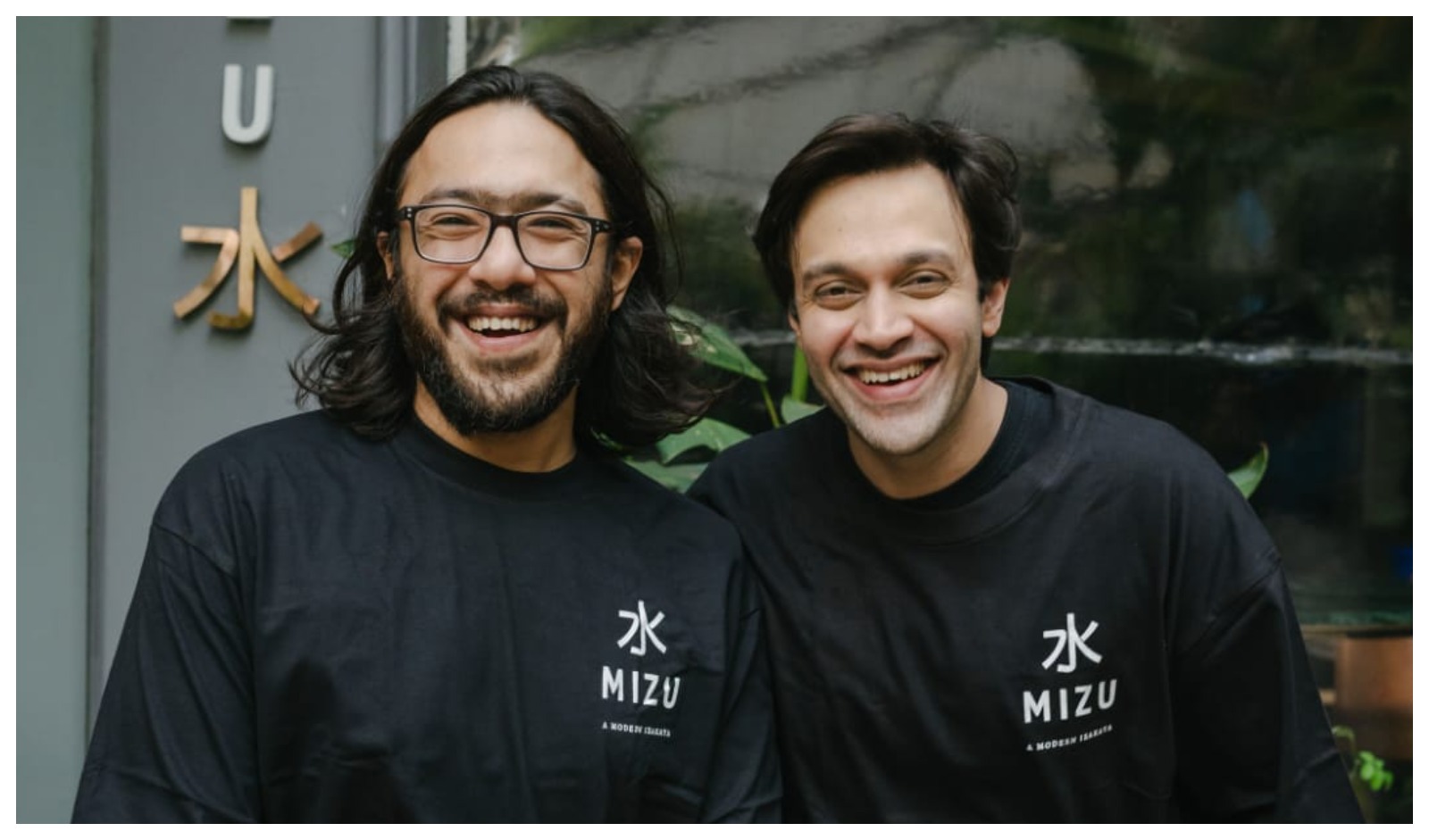
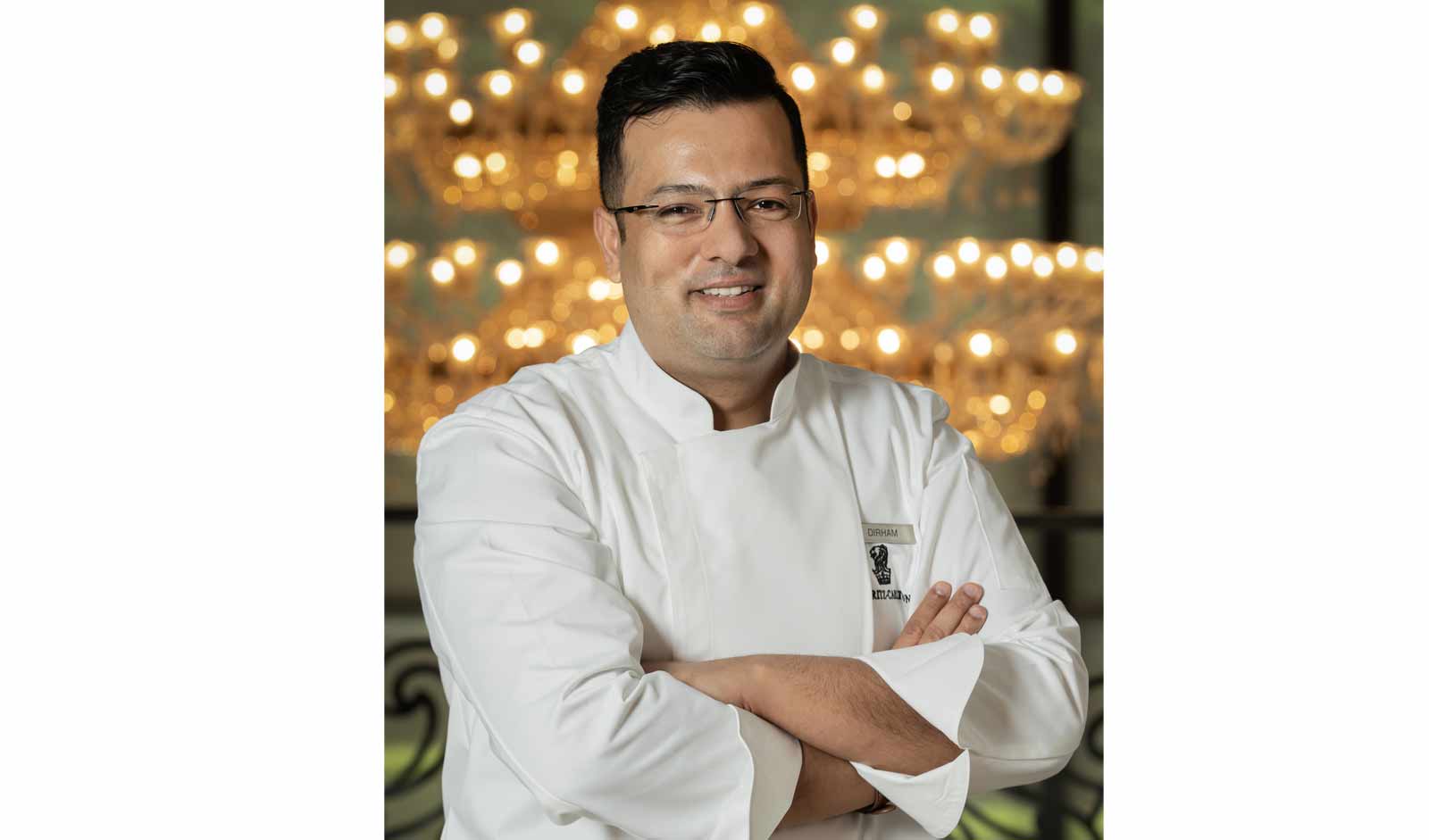
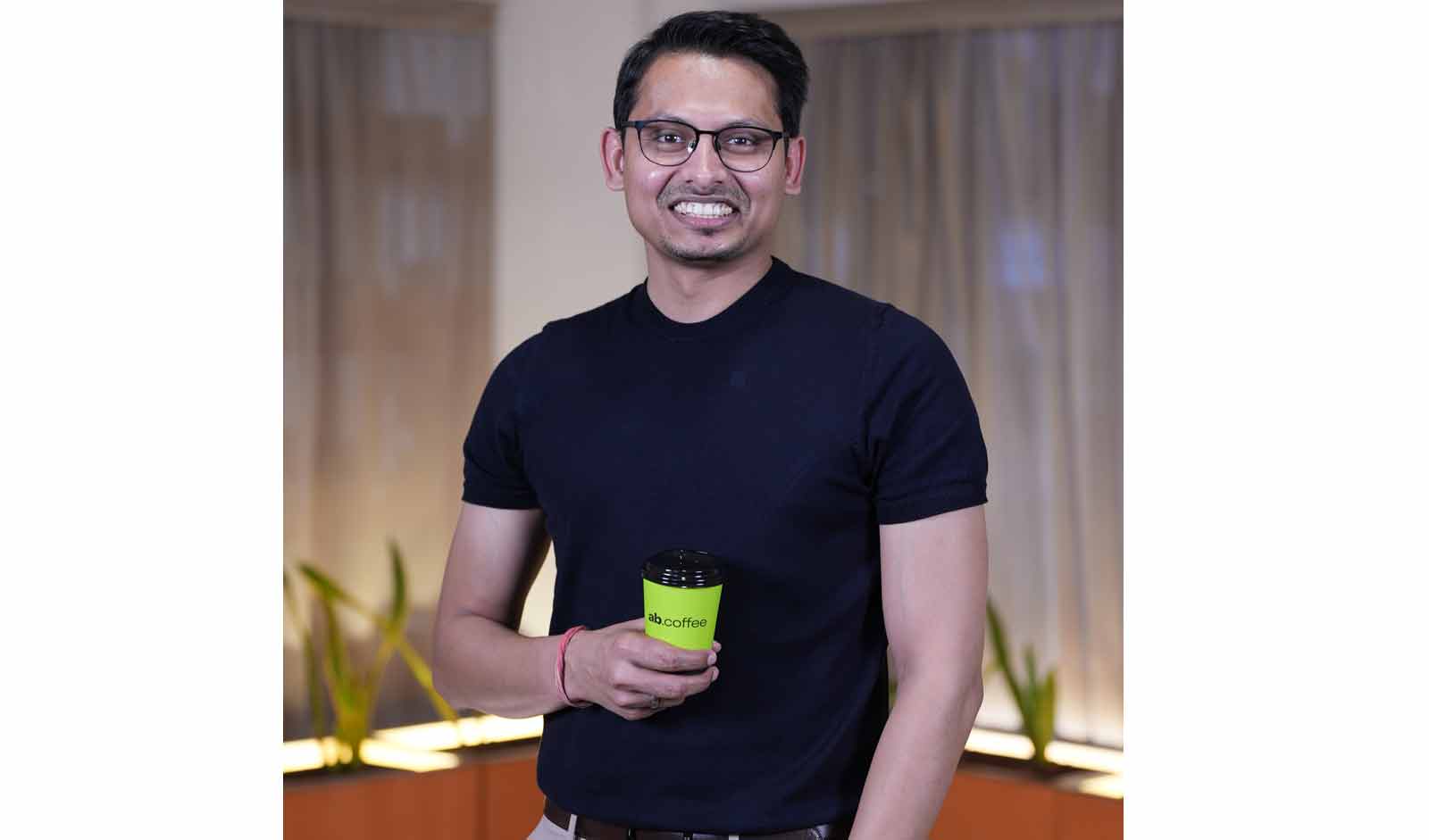
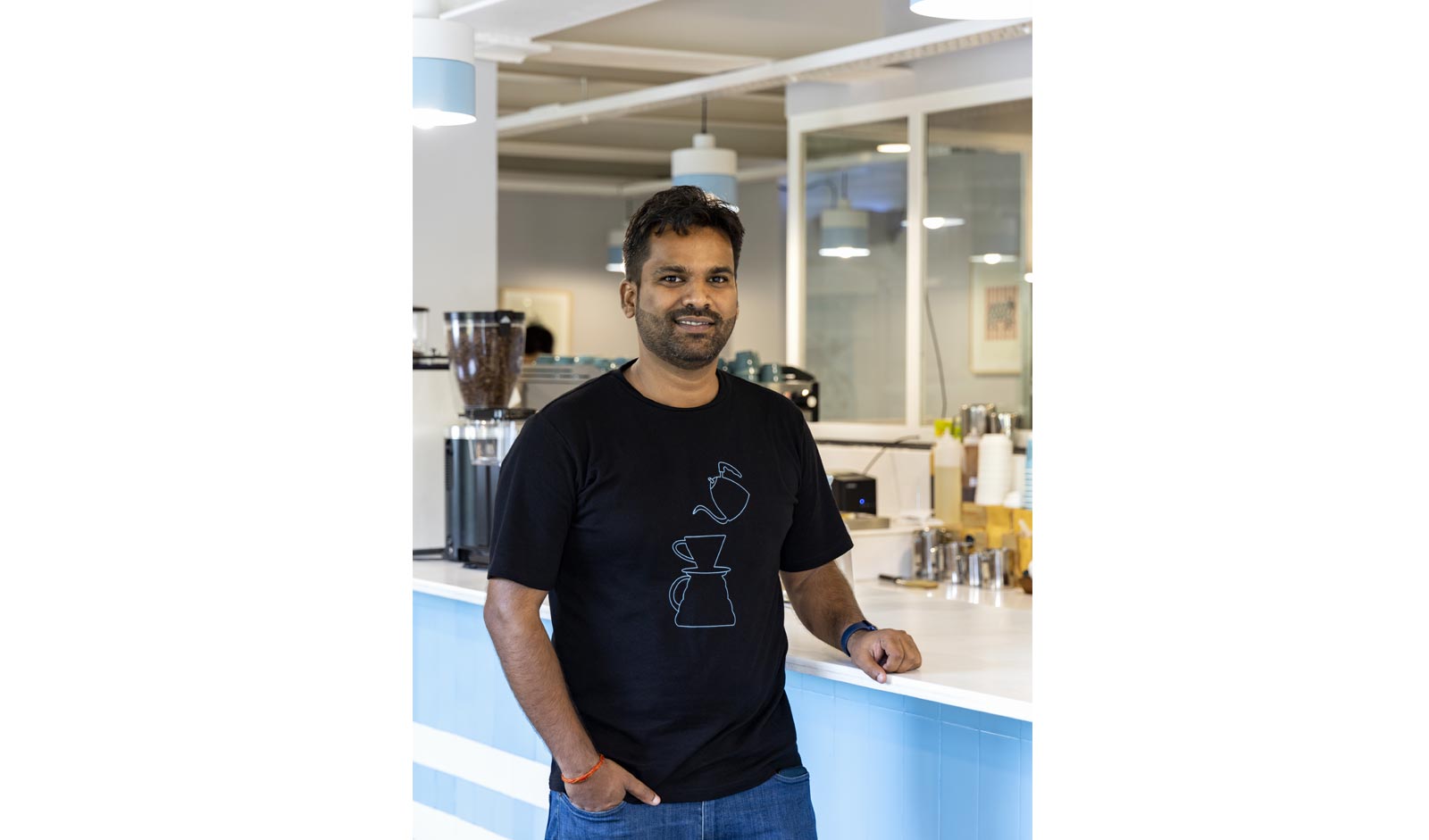
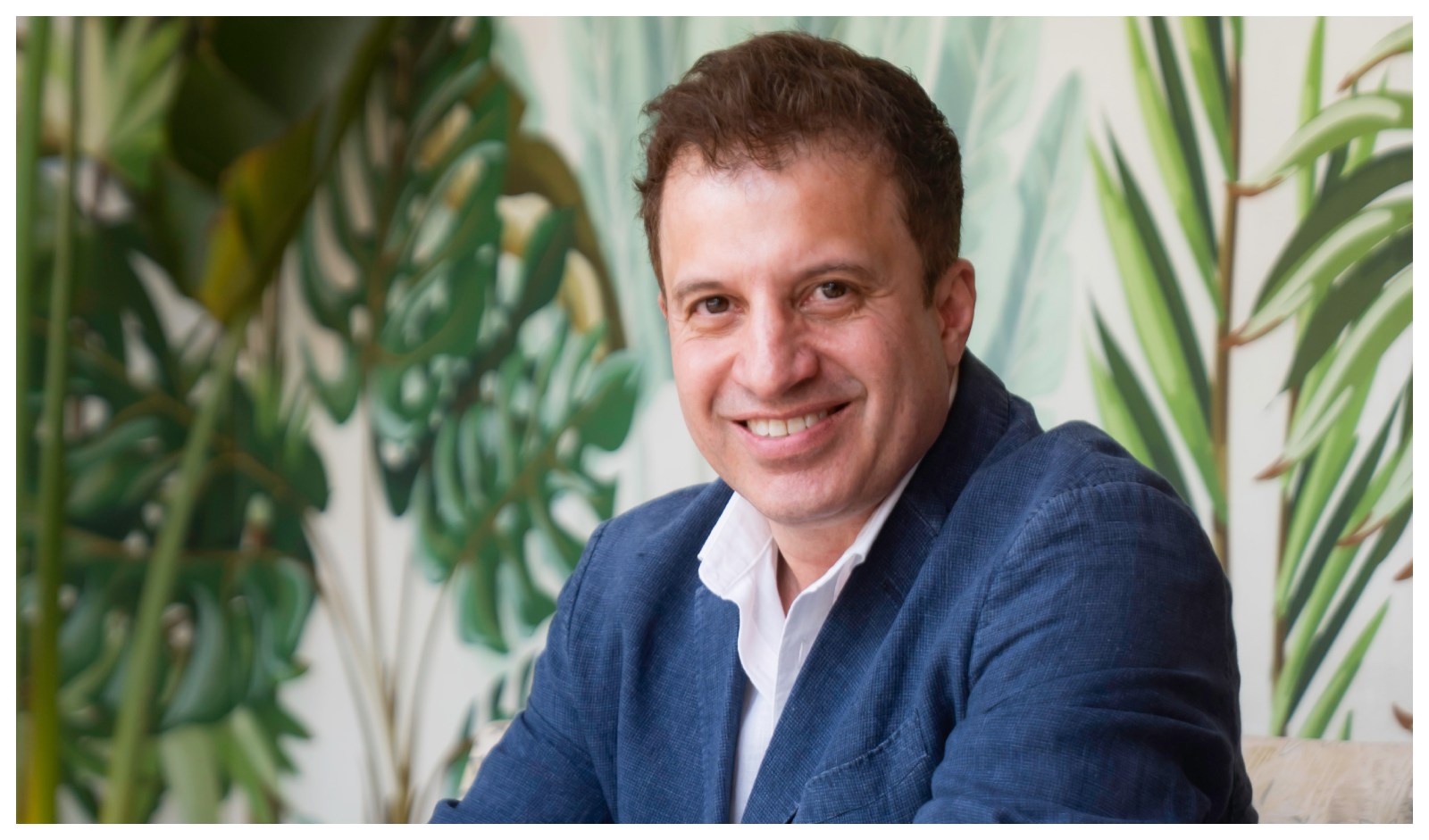
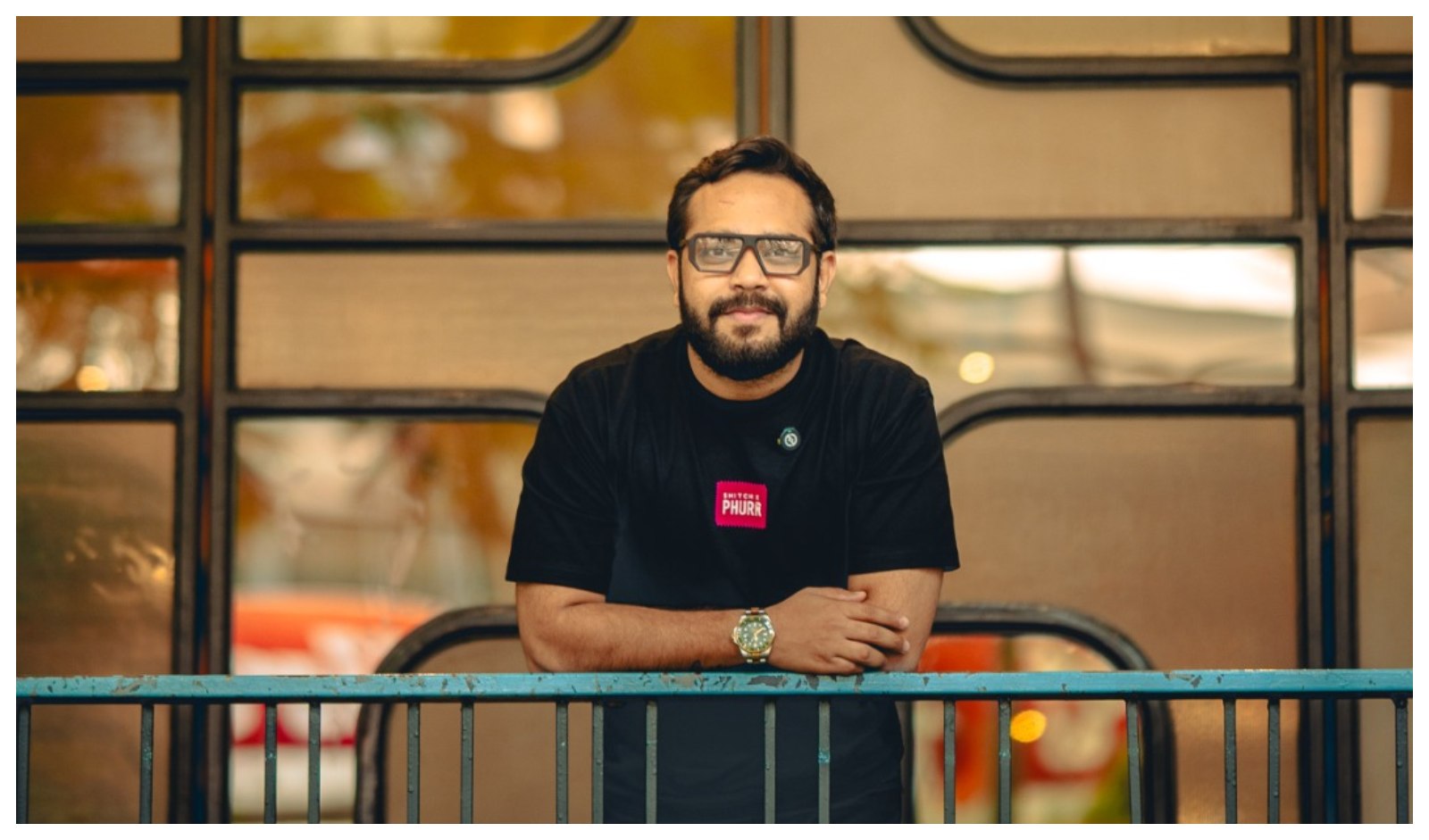
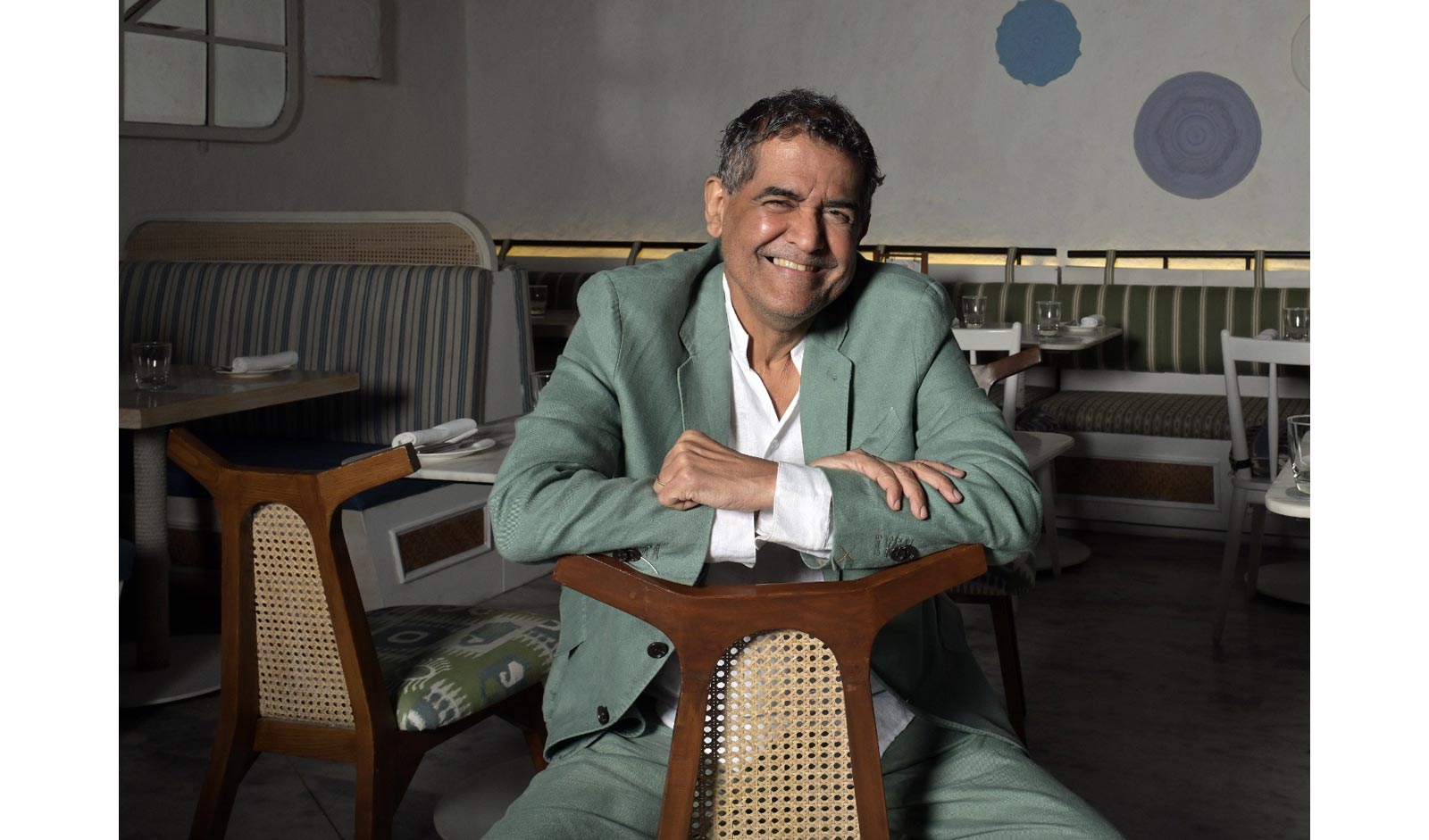
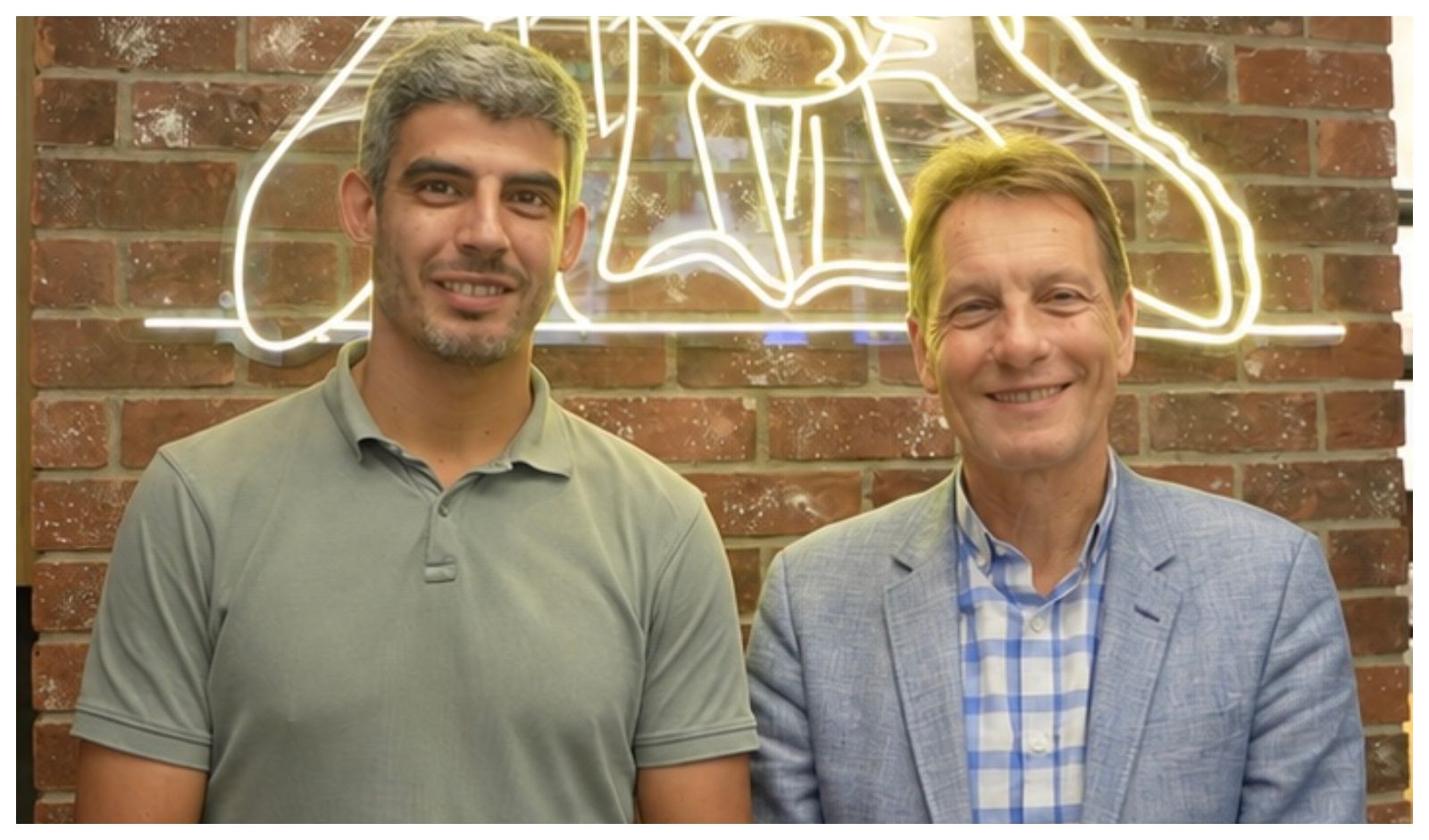
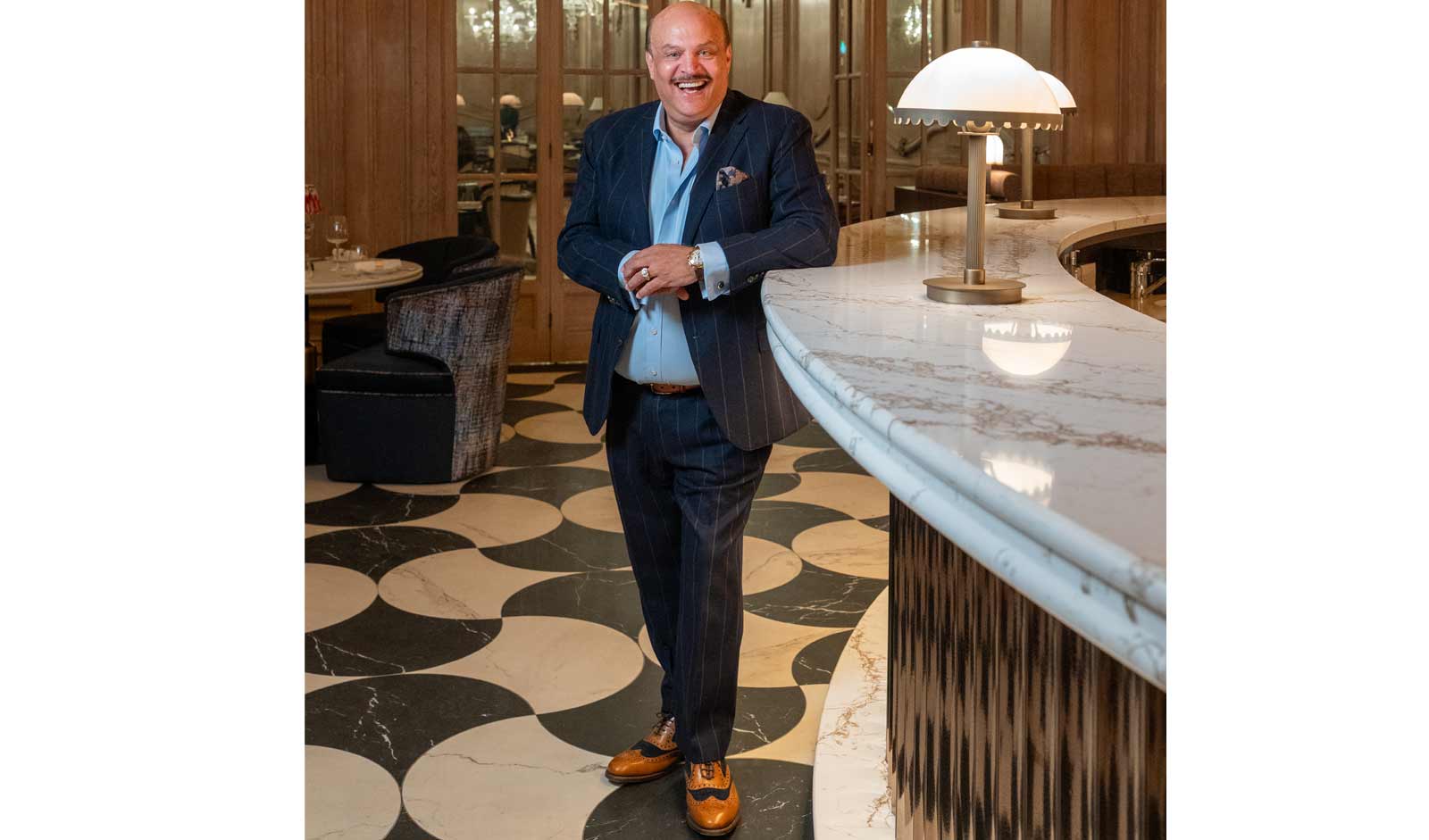
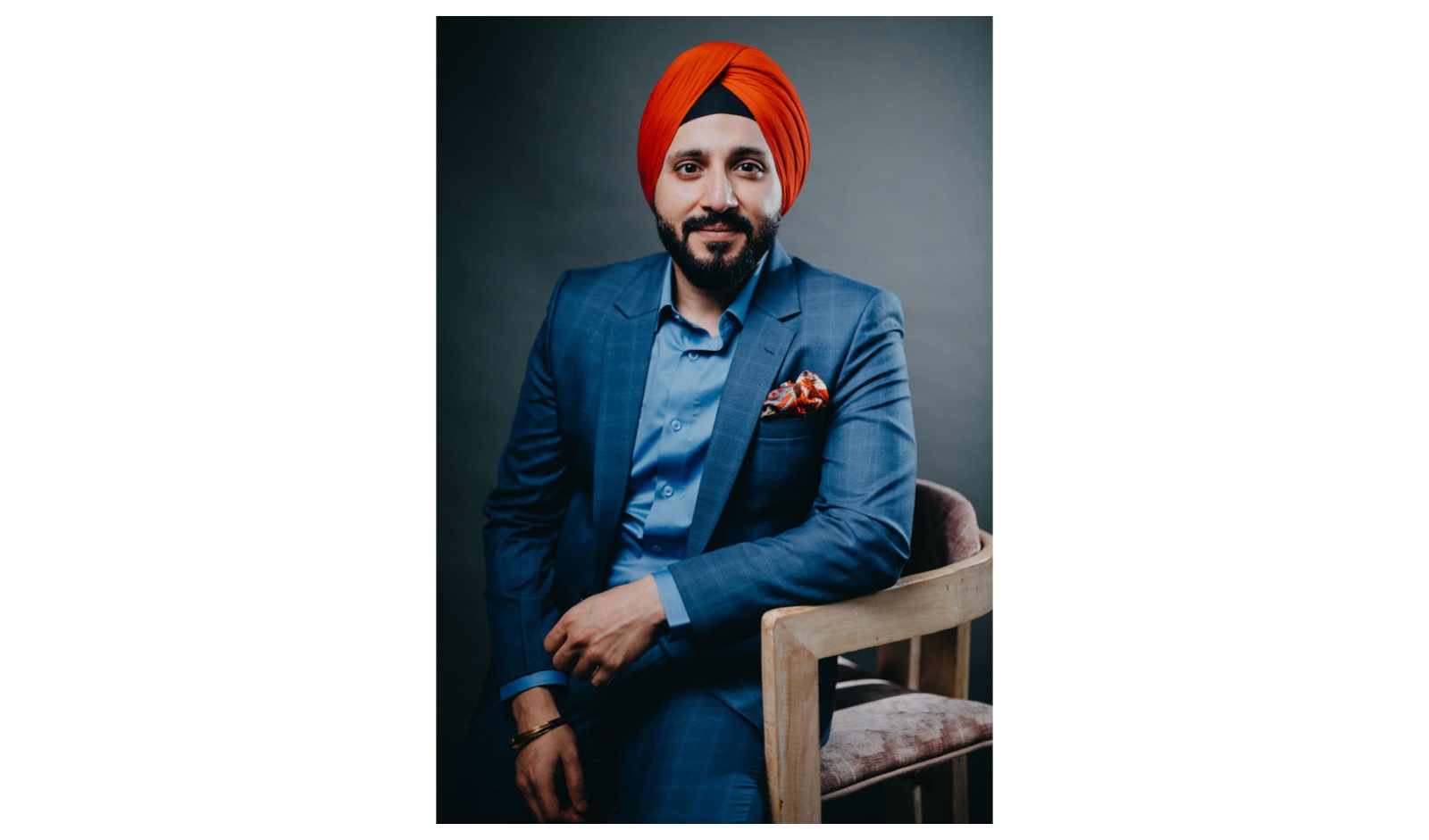
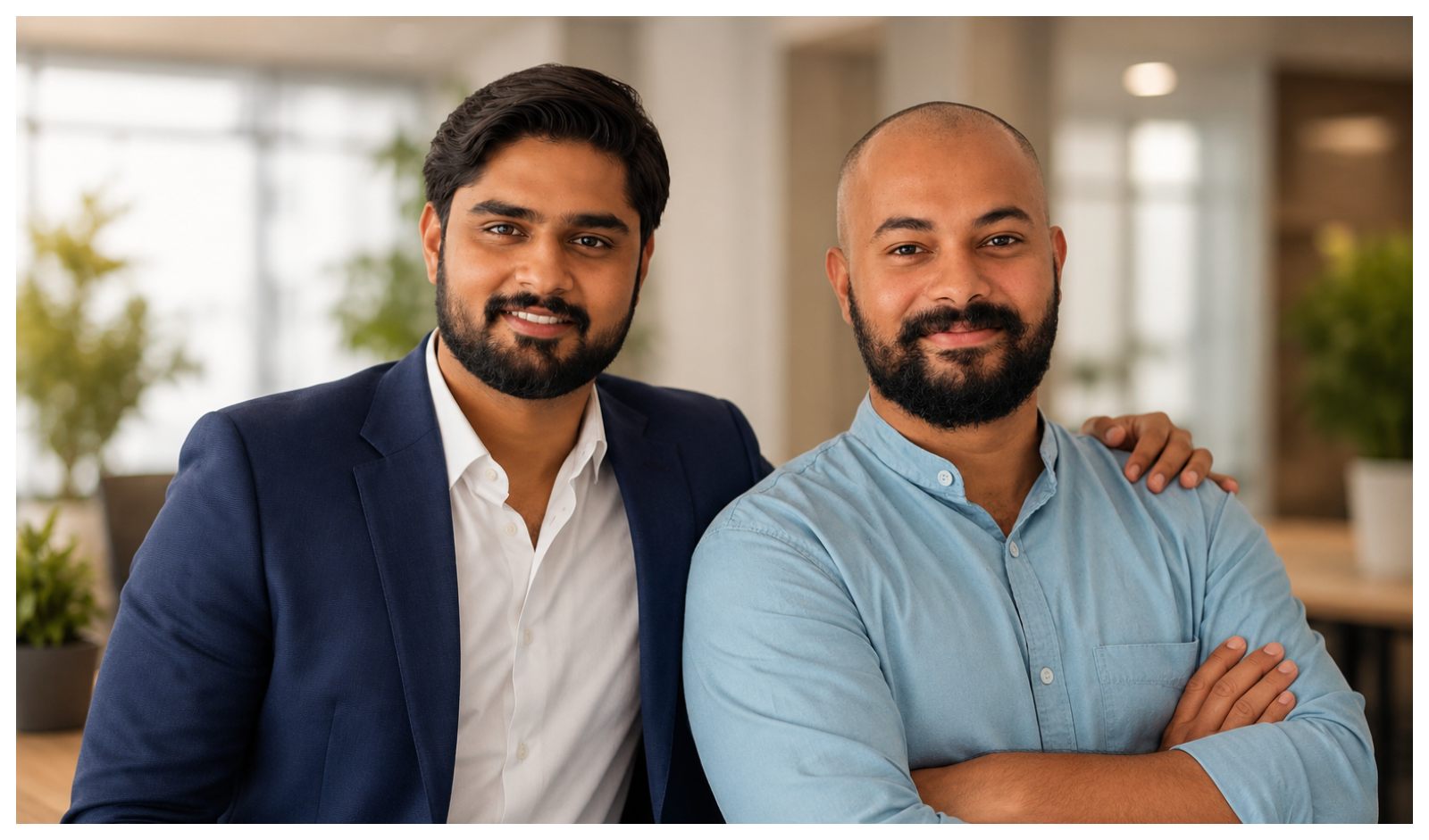
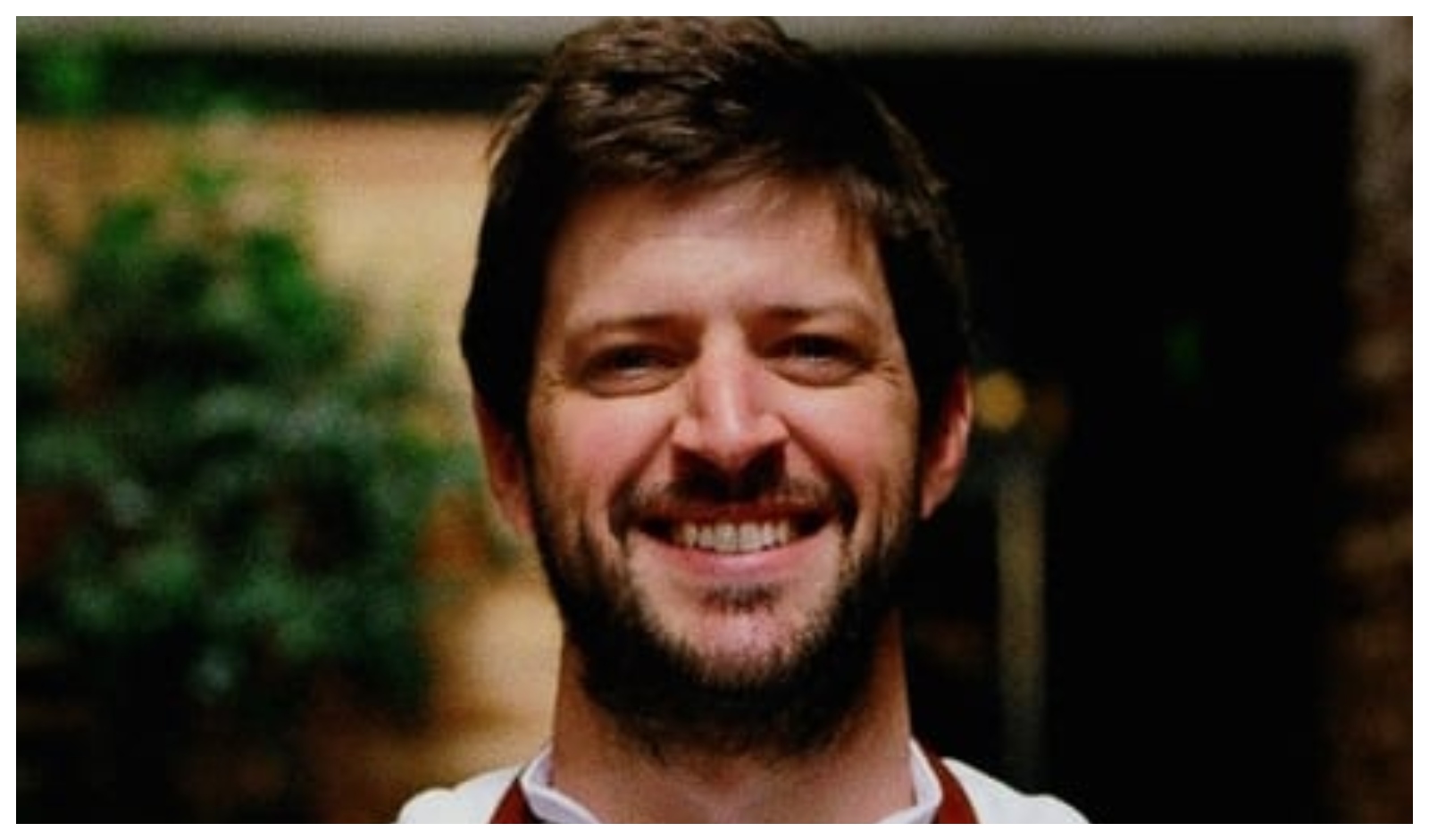
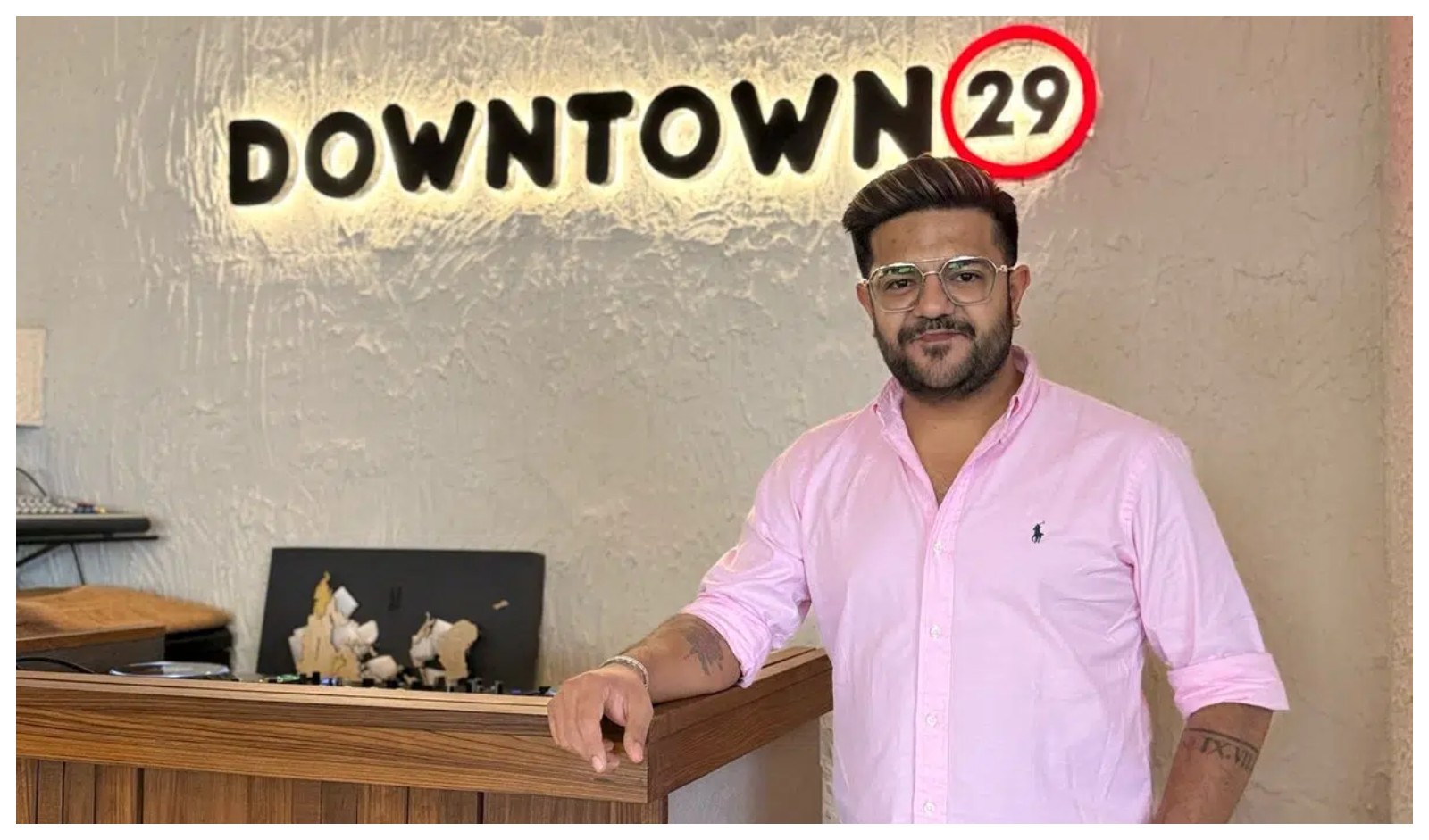
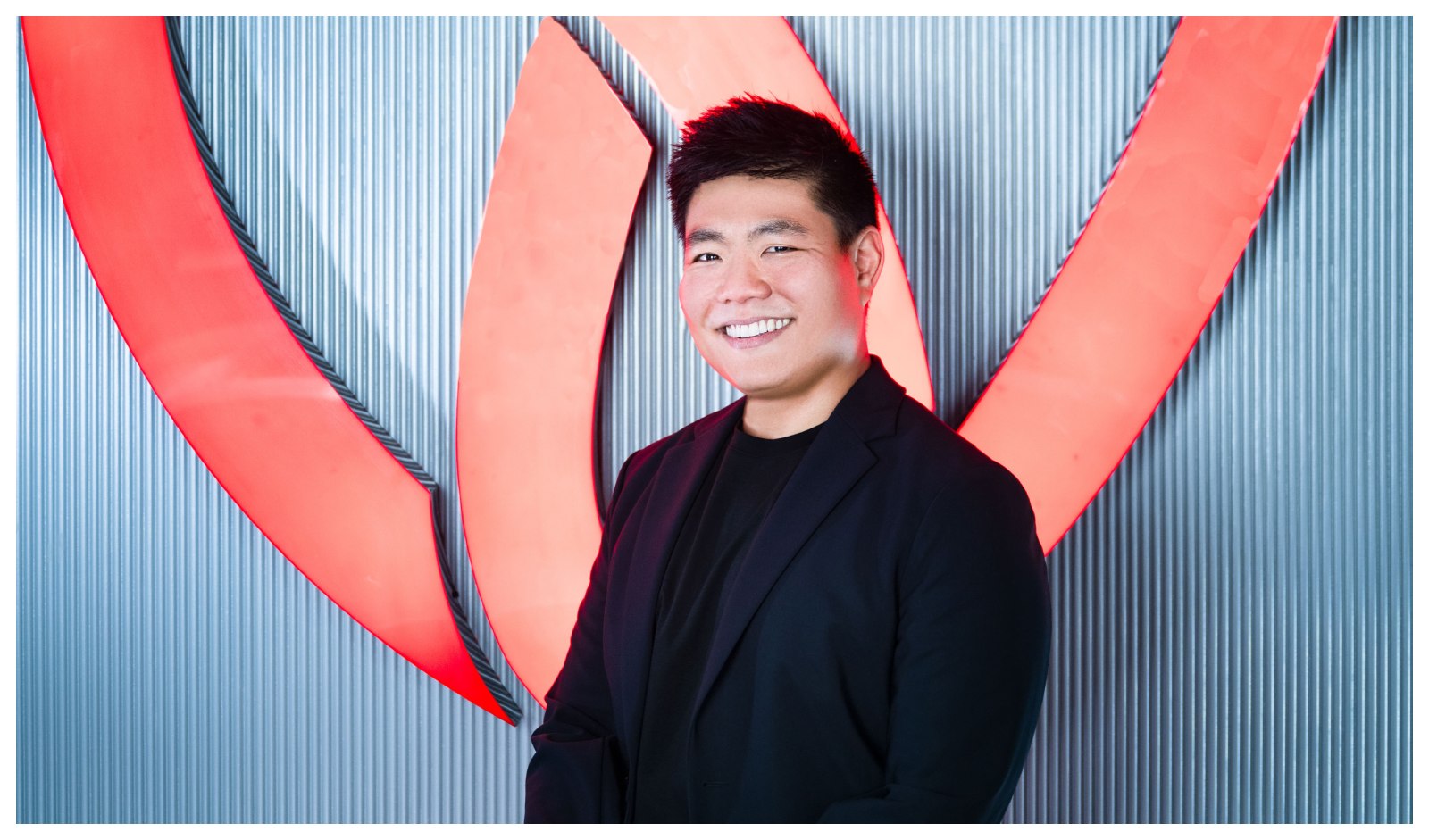
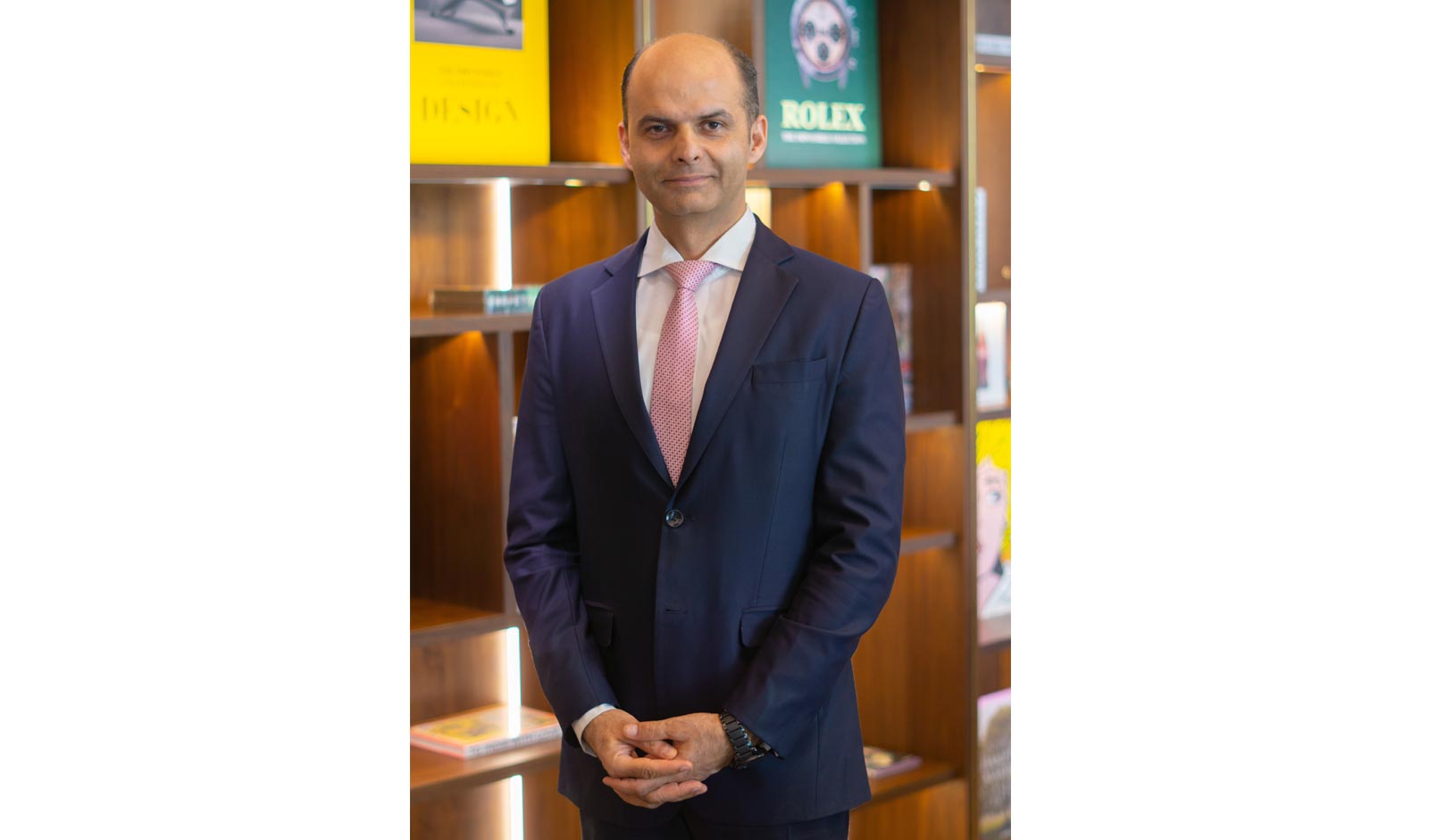
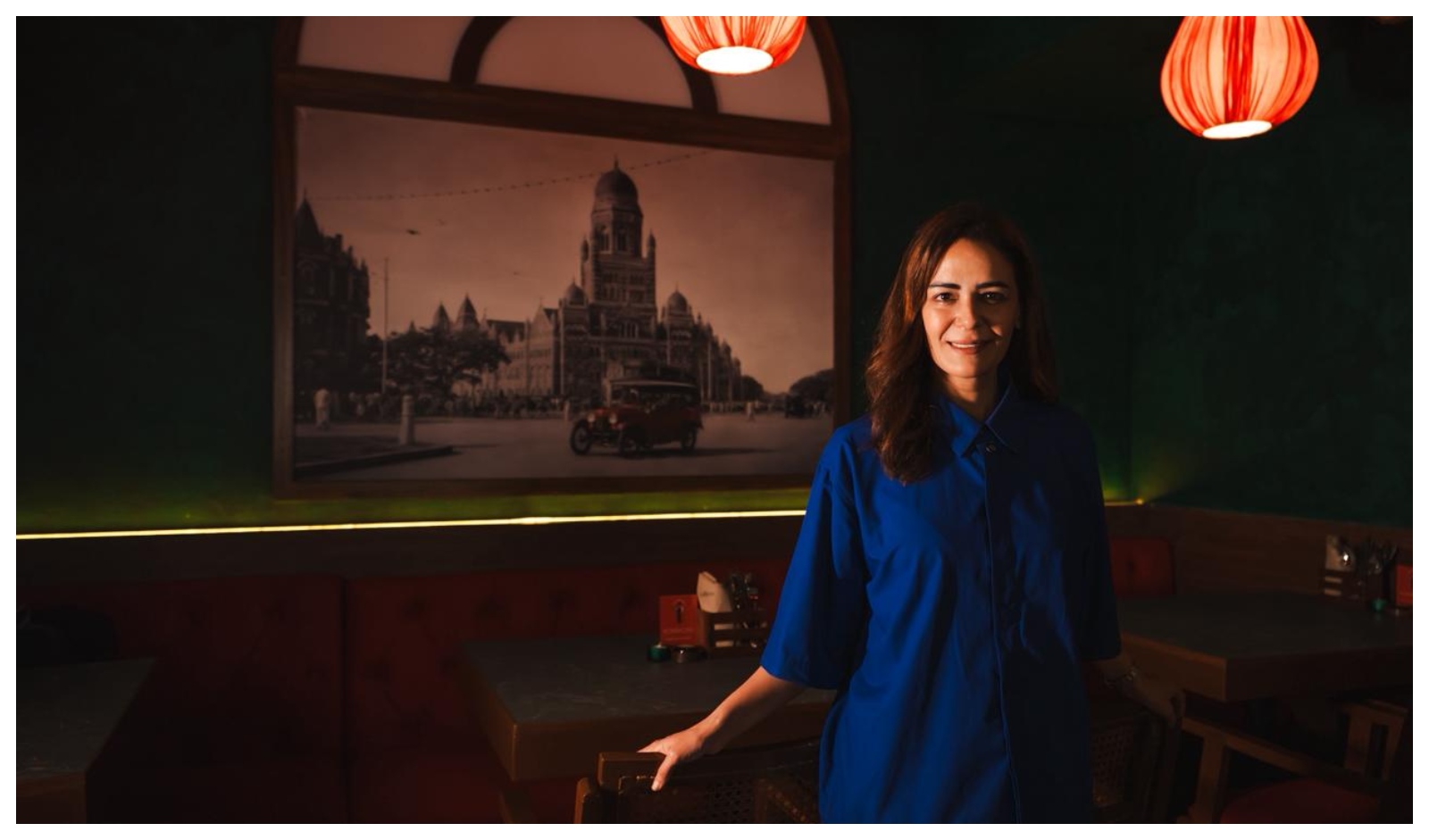
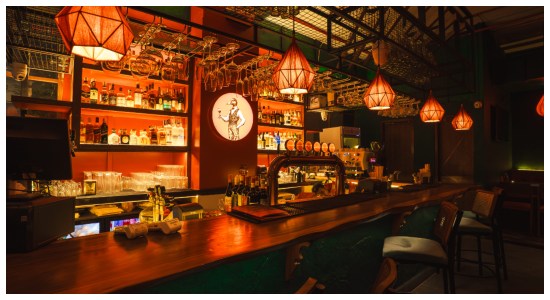
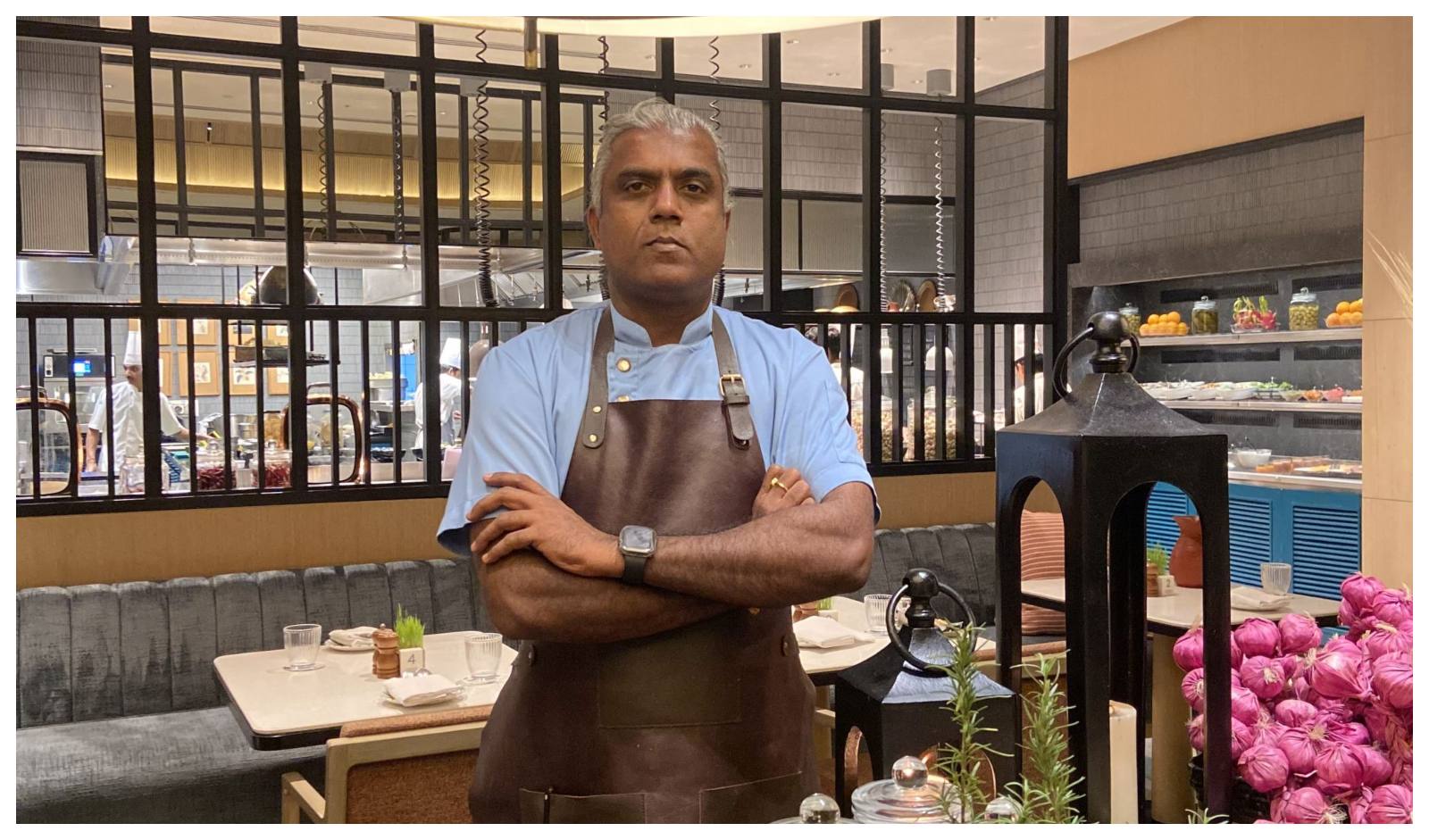
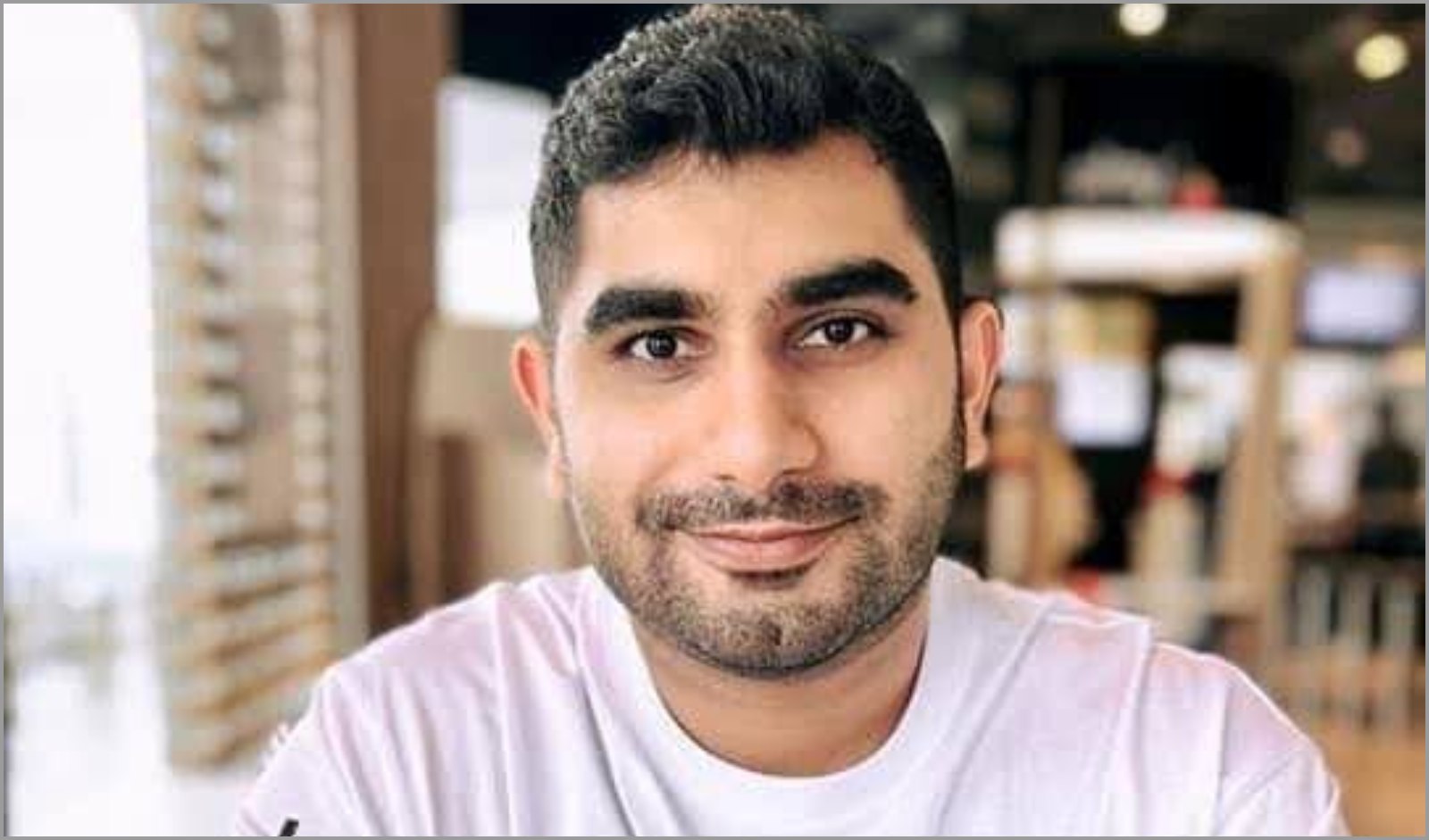
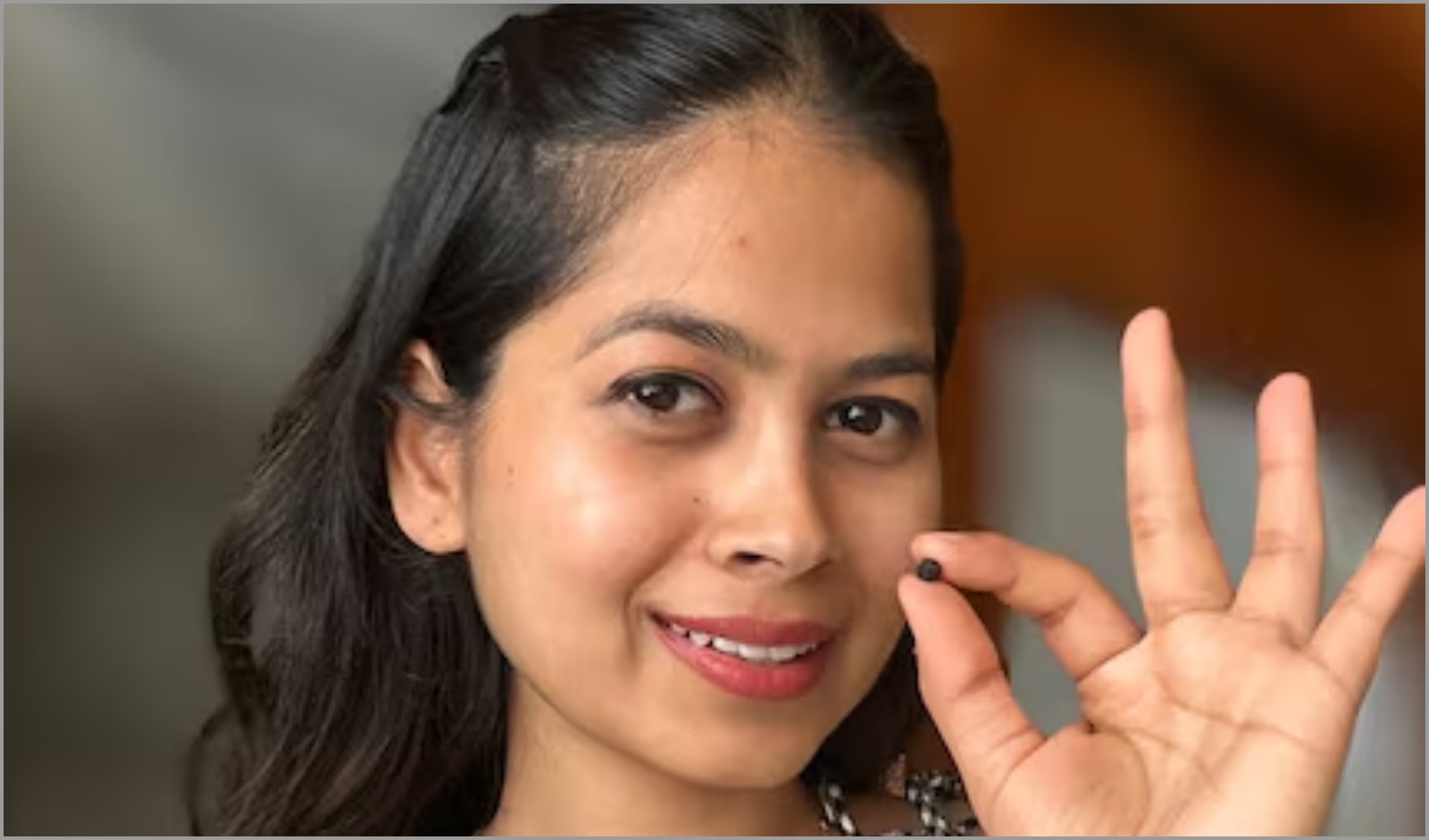
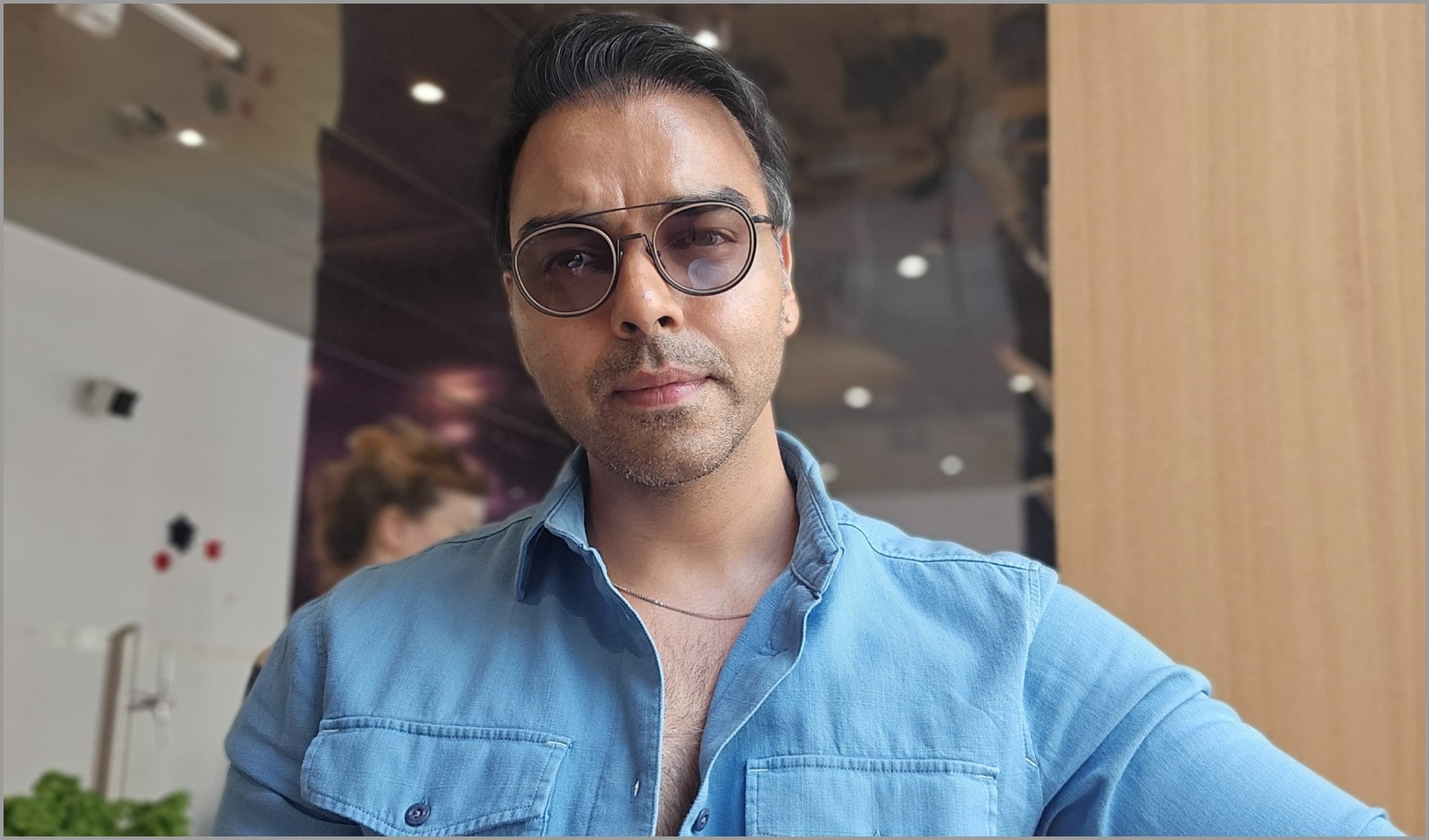
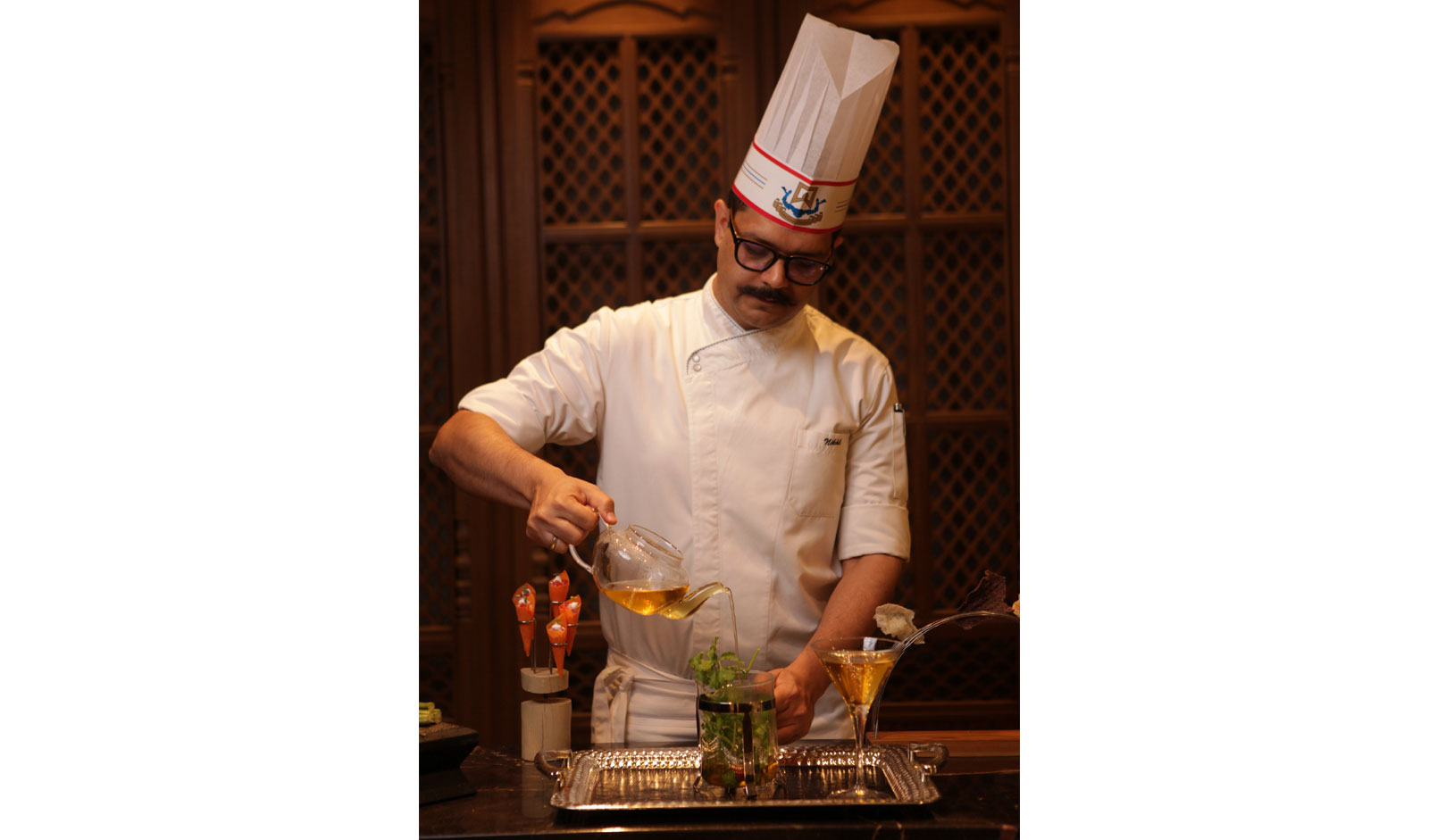
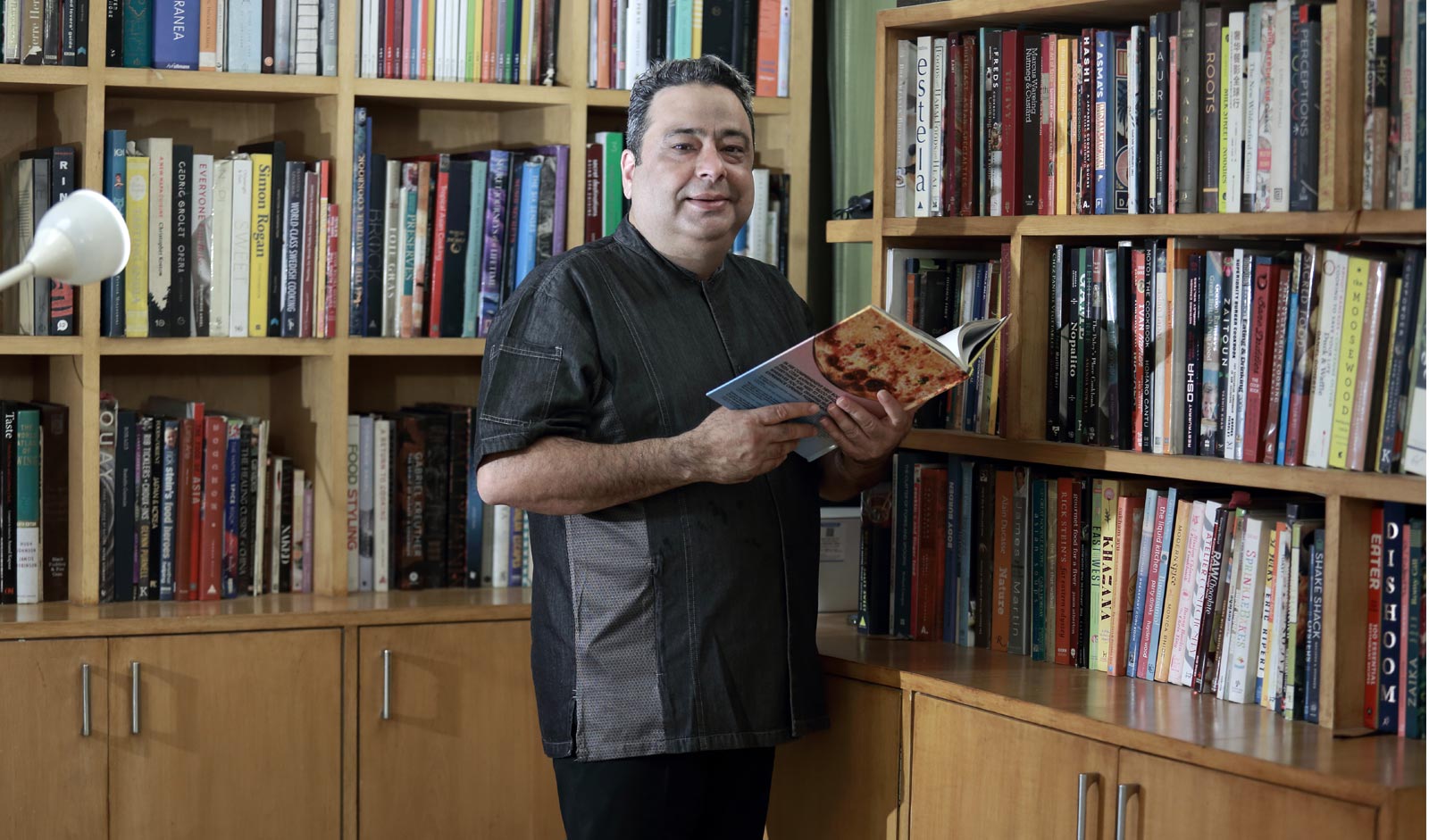
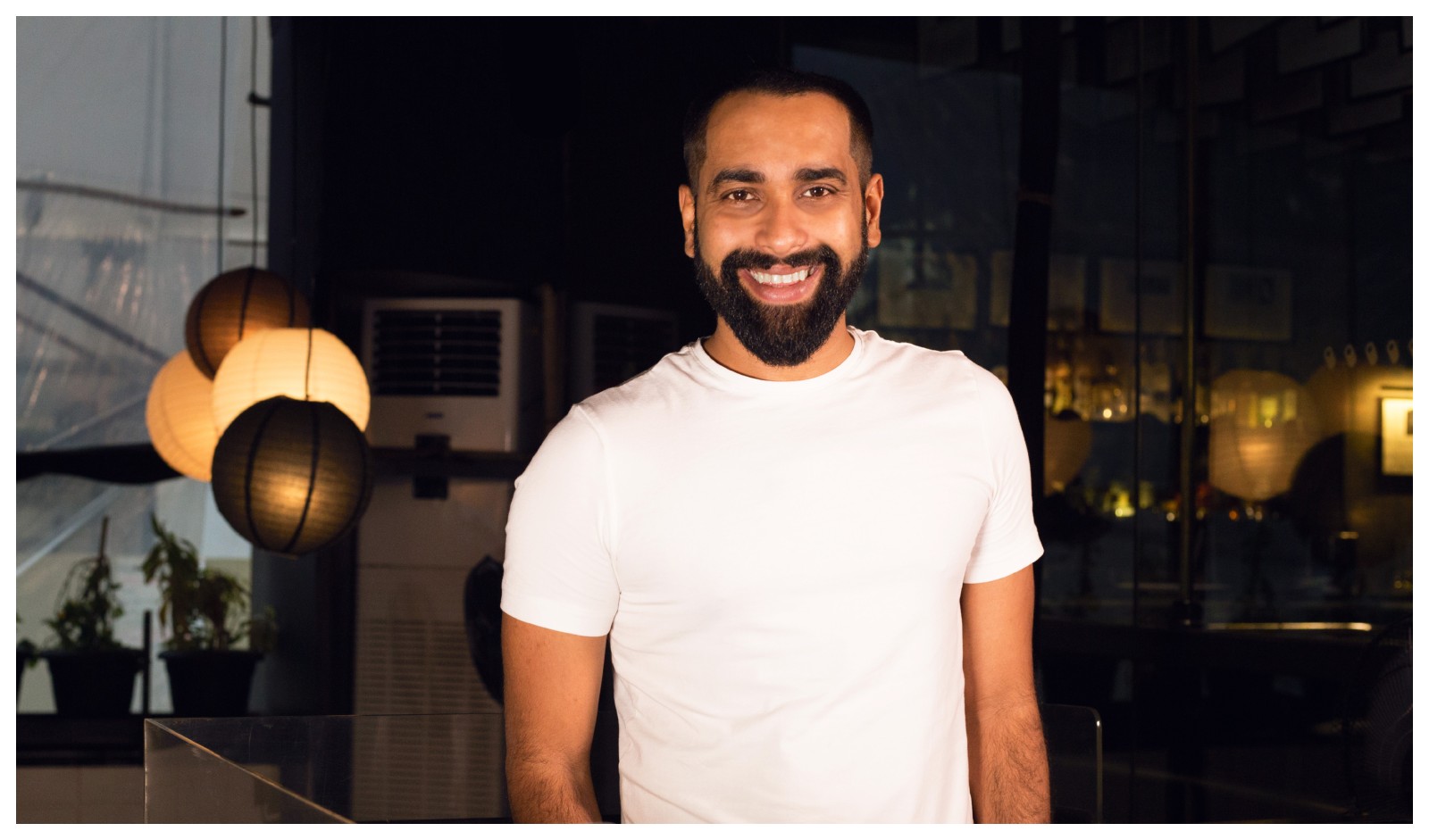
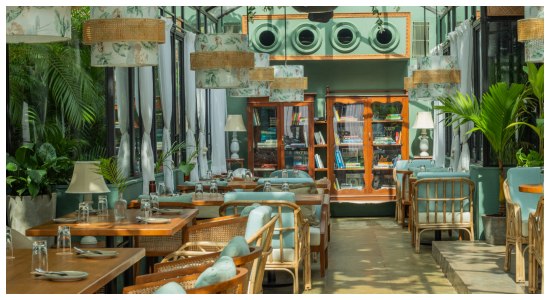
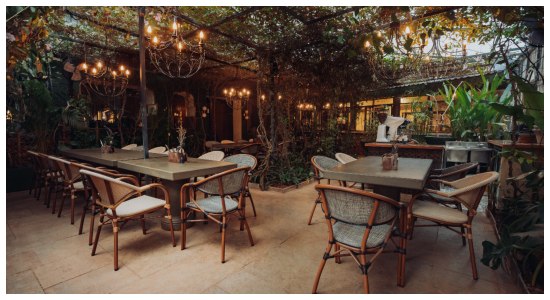
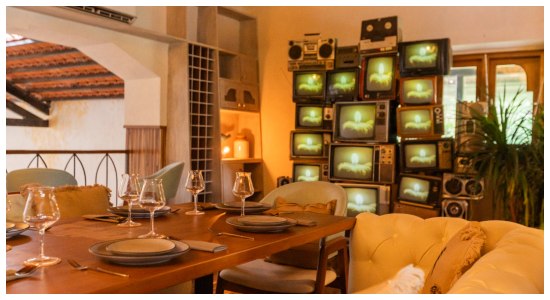
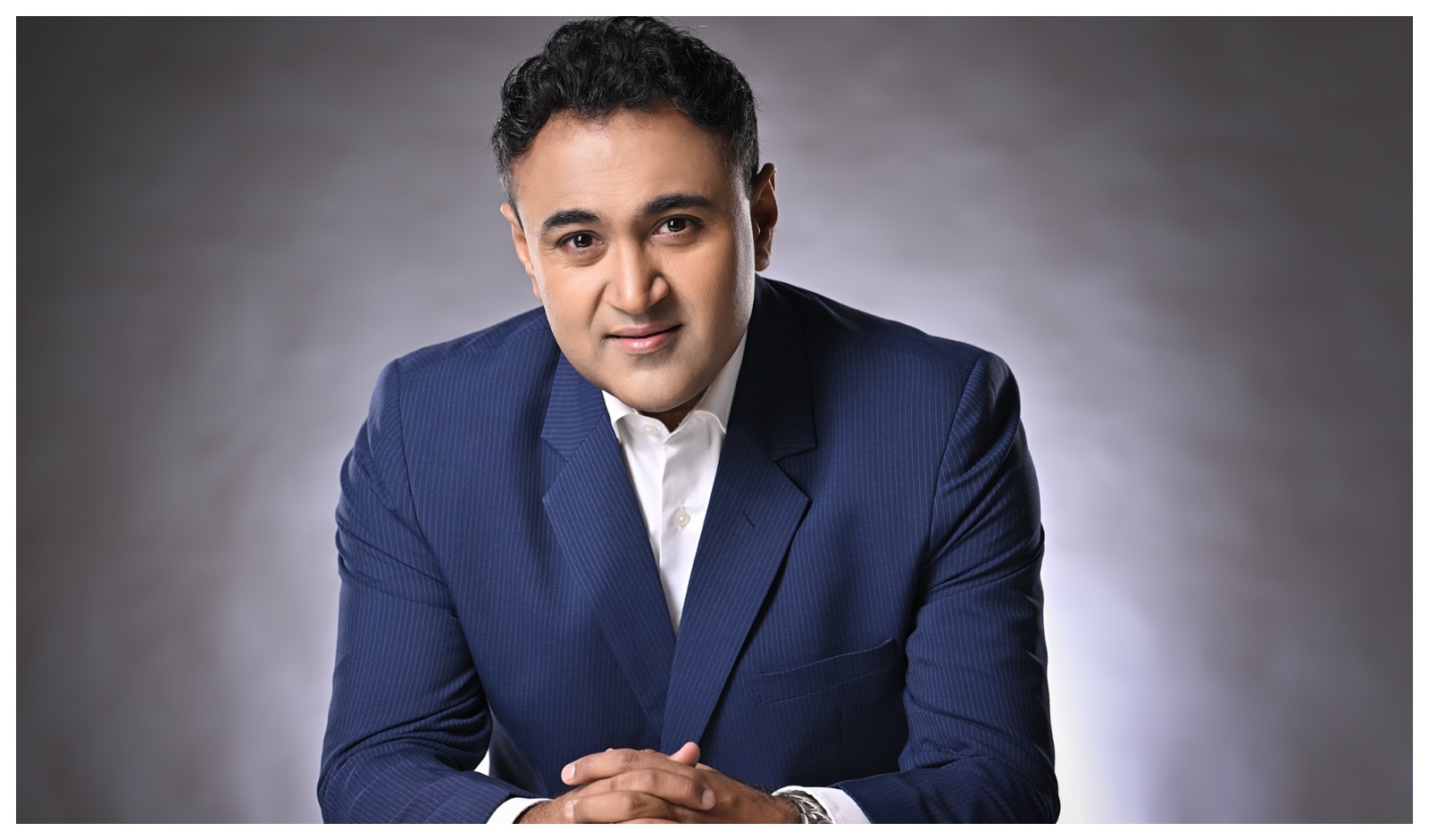
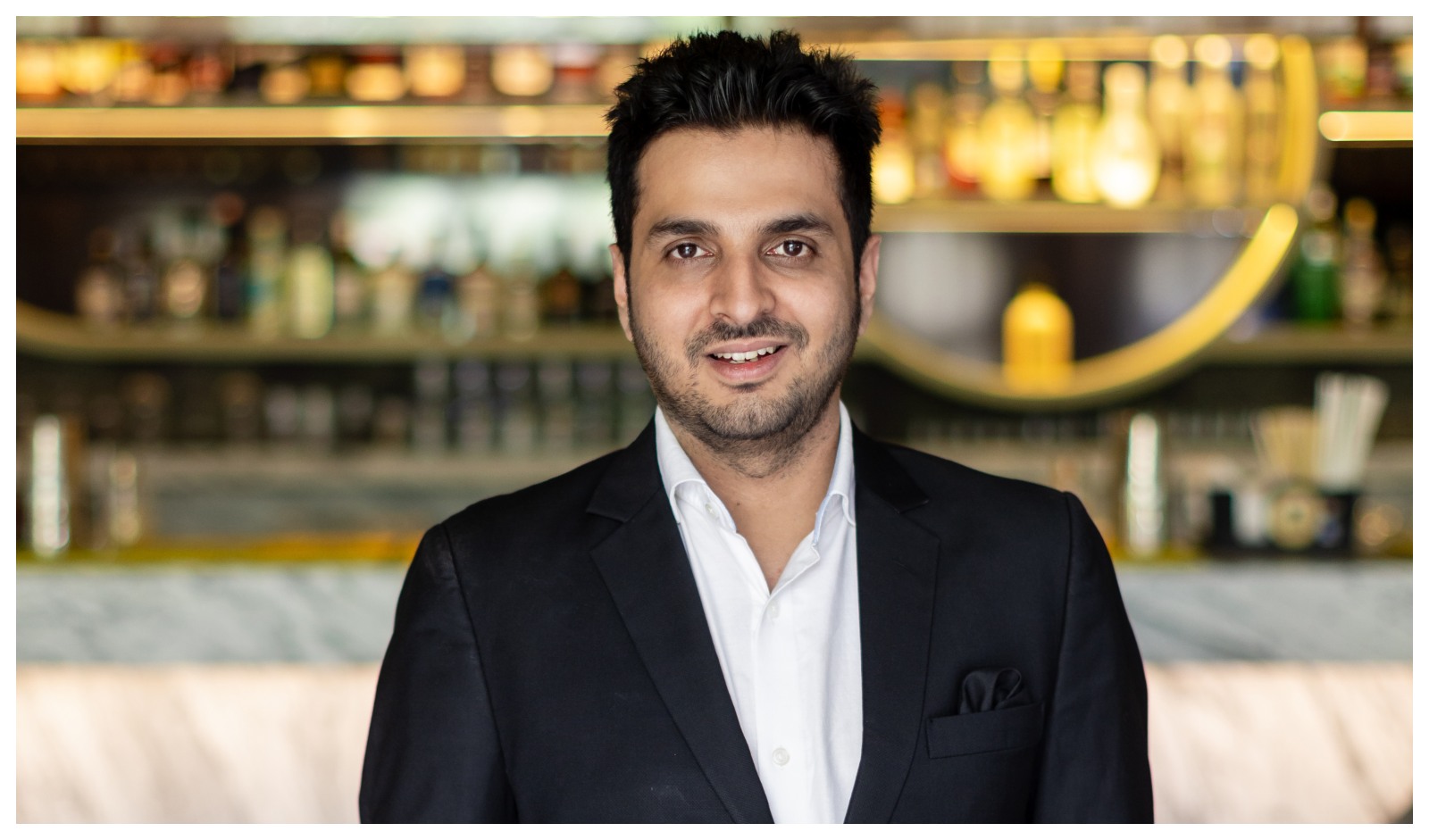
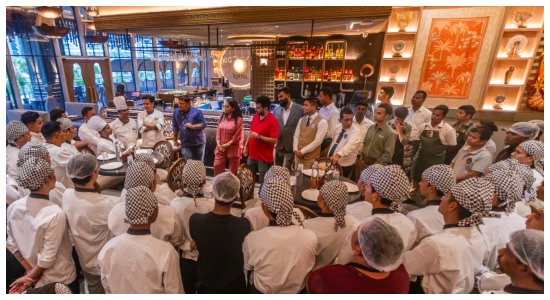
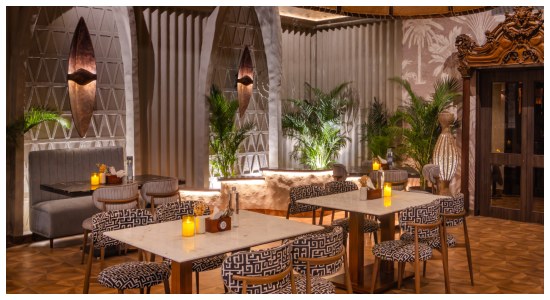
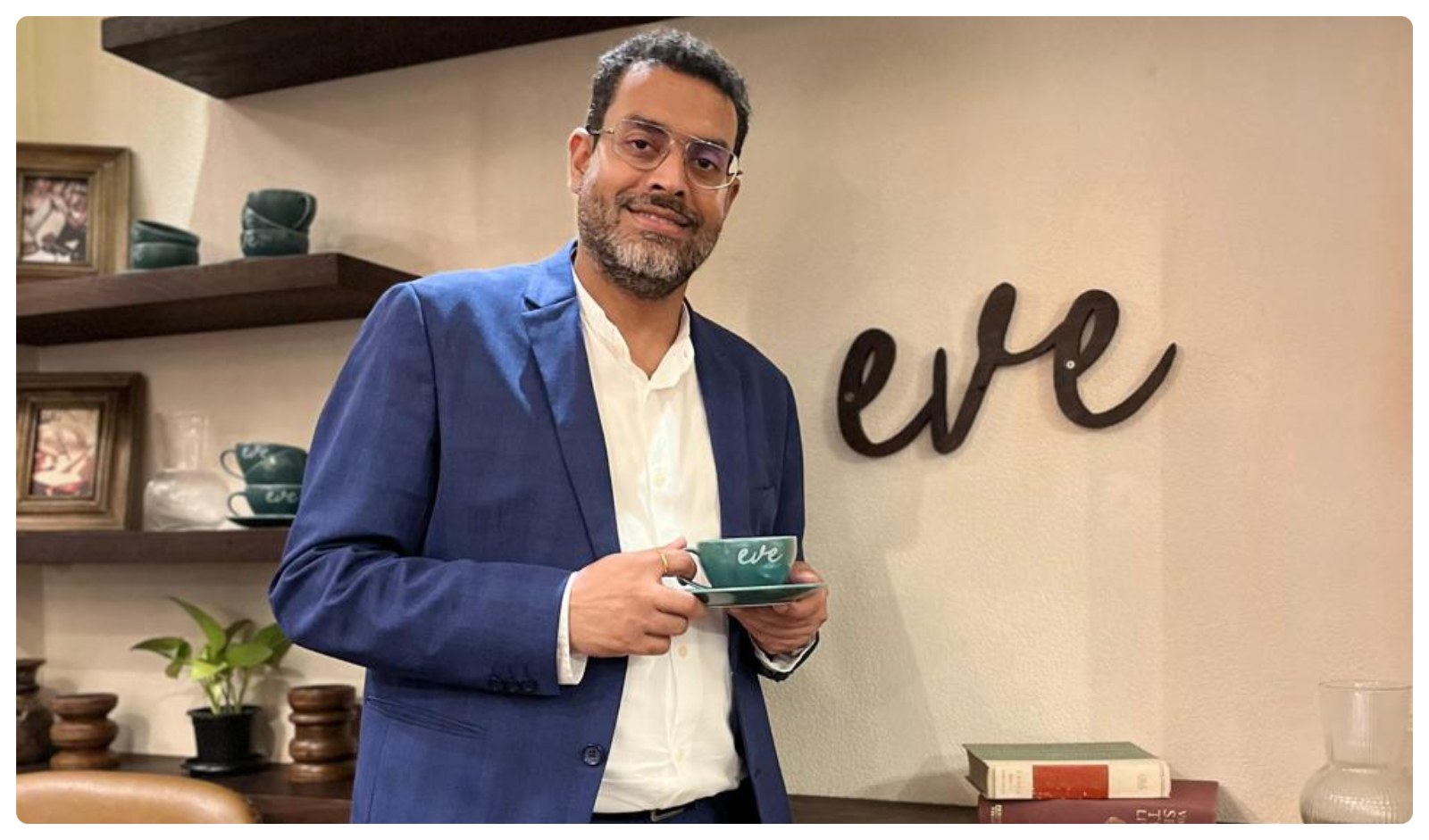
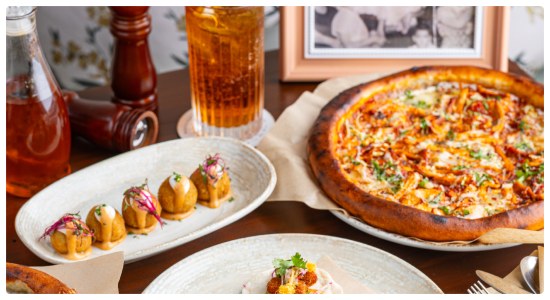
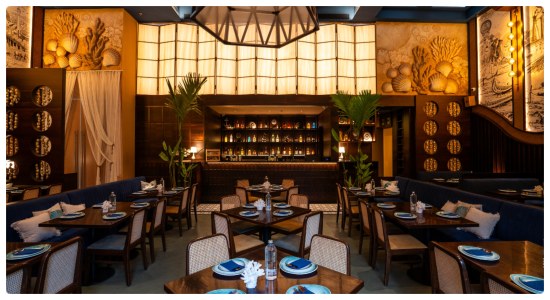
From a childhood dream at 12 to co-founding one of Mumbai’s most distinctive Japanese dining destinations, Chef Lakhan Jethani’s journey is rooted in passion, resilience, and creative vision. Alongside his childhood friend Vedant Malik, he transformed that early ambition into Mizu Izakaya—a brand inspired by Japanese aesthetics, thoughtful presentation, and warm hospitality. First launched in Worli in 2017, Mizu evolved through challenges, including the pandemic, before reopening stronger in Bandra in 2020, redefining Mumbai’s Izakaya culture with a uniquely local touch. In an interview with Vijetha Iyer, Chef Lakhan Jethani and Vedant Malik, Co-Founders of Mizu Izakaya shares about their journey, expansion plans, sustainability approach, and the core principles behind Mizu’s success.
What early lessons taught you that a great dining experience is about emotion, not just food?
Vedant Malik: We grew up saving our pocket money just to explore brunch spots every Sunday. Sometimes, we’d even stay up all night to make sure we didn’t miss it. It was never just about eating—it was about observing. We would study every detail: the dishes, the service, the plating, and the overall experience. That curiosity shaped not just our love for food, but our fascination with hospitality as a whole.
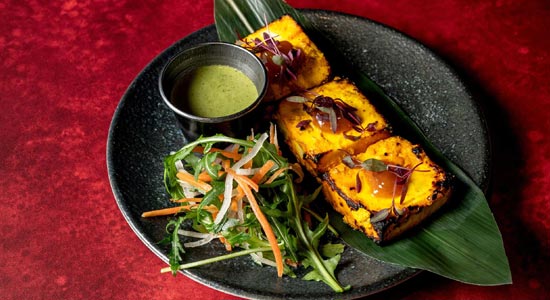
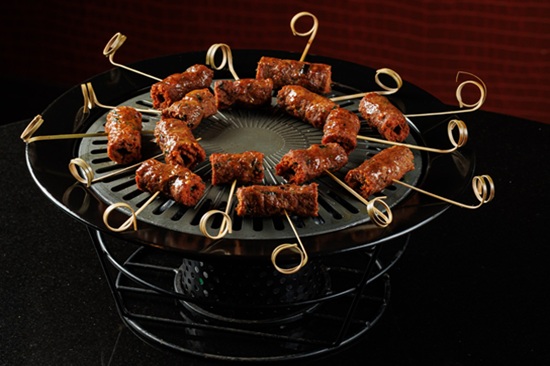
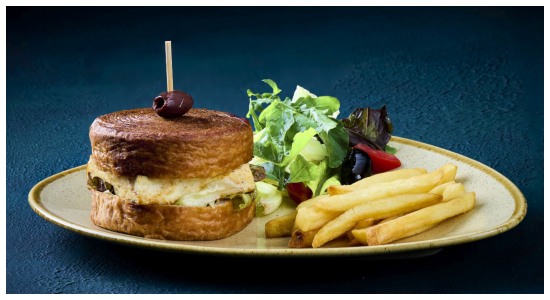
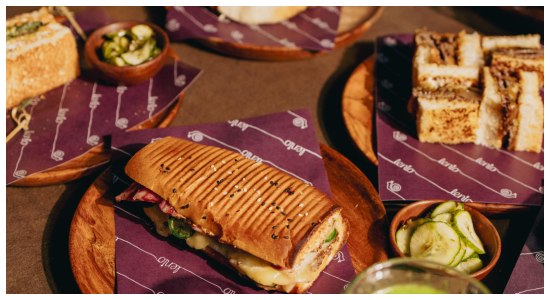
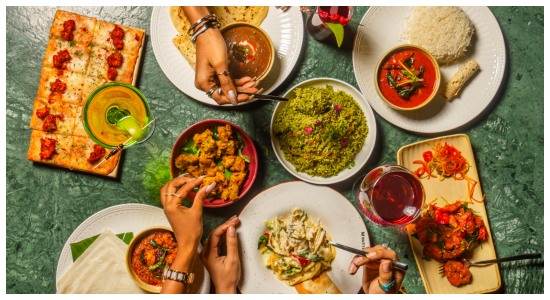
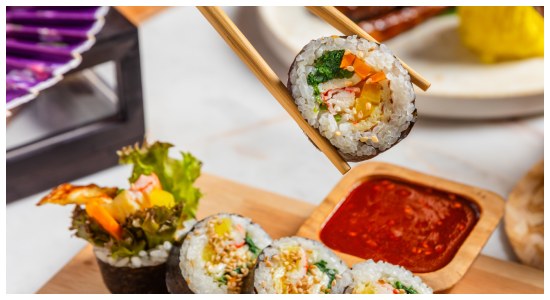
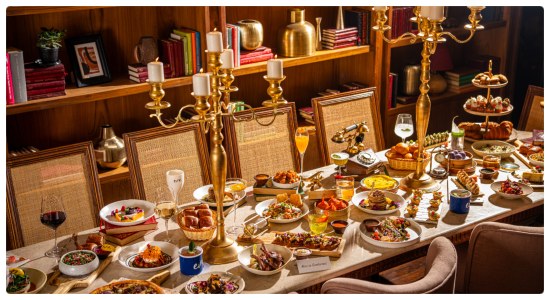
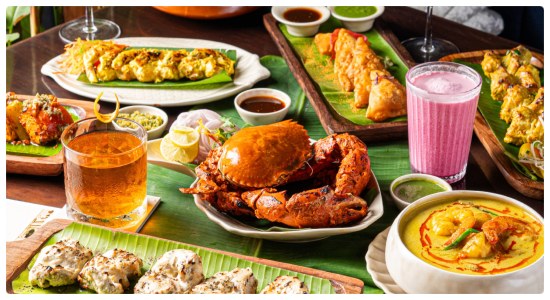
Chef Lakhan Jethani: Japanese cuisine has always fascinated me—its culture, precision, and deep respect for ingredients. As a chef, I wanted to work with a cuisine I genuinely connected with. Back then, there were only a handful of Japanese restaurants in India, and awareness was still limited. Instead of altering the cuisine, we focused on thoughtful menu curation. Dishes like Yakitori naturally appealed to Indian palates with their charcoal-grilled flavors, while Donburi resonated with our love for rice-based meals.
We never wanted to “Indianize” Japanese food; the goal was to create familiarity without compromising authenticity.
How do you balance authenticity with local preferences?
Chef Lakhan Jethani: It’s a very fine line, and we’re careful not to cross it. We don’t believe in forced fusion, our focus is on preserving Japanese techniques and flavors while choosing dishes that naturally resonate with Indian palates. The idea is to create familiarity without compromising authenticity.
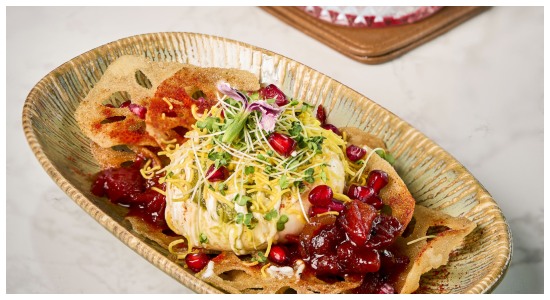
For instance, a dish like Hamachi with Ponzu remains rooted in tradition, but we may introduce a subtle smoked note using Indian spices to make the flavor profile feel more relatable. That said, there are clear boundaries as we would never do something like butter chicken sushi. Authenticity should always come first.
What are the core principles guiding your decisions?
Vedant Malik: Our decisions are guided by three core principles: first, respecting the ingredient—quality can never be compromised. Second, consistency over shortcuts, because every guest should have the same exceptional experience every single time. And third, service excellence as every guest matters. For us, hospitality goes far beyond just serving food. It’s about making every guest feel valued, comfortable, and remembered. That emotional connection is what truly defines a dining experience.
How do you balance seasonality and rising cost pressures while staying true to Japanese cuisine?
Chef Lakhan Jethani: It’s definitely challenging because we are a foreign cuisine restaurant, but the focus is always on adapting consciously without losing our identity. Instead of importing every seasonal ingredient from Japan, we work with high-quality Indian produce—like using mangoes for summer desserts or sourcing local seafood during its peak season. It helps us stay sustainable while keeping the cuisine authentic.
At the same time, rising operational costs have pushed us to be smarter with efficiency. We’ve increased the use of electric equipment, reduced dependency on gas, and optimized the menu—today, nearly 60% of our menu doesn’t require gas. Around 8–10% of menu items are currently affected by cost pressures, but we’ve tried not to pass the entire burden to customers. In the early stages, absorbing some of that cost is important to build trust and loyalty. Even today, our business remains strongly dine-in driven, with 85% dine-ins and only 15% deliveries.
How do you see Indian cuisine versus global cuisines evolving? Are you trend followers or trendsetters?
Chef Lakhan Jethani: Indian cuisine is finally receiving the global recognition it has always deserved. From international rankings to Michelin stars, Indian food is having its moment—and it’s long overdue. At the same time, global cuisines in India also hold immense potential, provided they are executed with authenticity and understanding.
We’ve always believed in creating trends rather than following them. When we started Mizu Izakaya, very few people even knew what an “izakaya” was. Today, the concept is widely recognized. That, for us, is proof that if you stay true to your vision, you can shape the market instead of simply adapting to it.
What are your expansion plans?
Vedant Malik: Expansion is definitely on the cards, but never at the cost of the experience. We don’t believe in blindly franchising Mizu Izakaya—every outlet must carry the same intent, quality, and personal involvement from us. For us, growth is not just about opening more locations; it’s about preserving the soul of the brand. Cities like Delhi and Bangalore are certainly on our radar, but only when we’re confident we can deliver the same standard and authenticity that define Mizu.
Vijetha Iyer
Content Editor
Working as a Content Editor with Restaurant India. I have worked in various sectors like food and beverage sector, chemicals, pharma, nutraceuticals, now specially focusing on restaurant side. But my core knowledge was always on content. Be it writing poems to verses, I always loved writing and have been exploring my career on the same. In Restaurant India, I deliver insightful stories, take interviews of various brands and update the audiences about the newest happenings in the restaurant industry.