
Beyond Free Water: Why Maharashtra FDA's Food Safety Order Matters for Restaurants
Beyond reducing reliance on bottled water, the move strengthens food safety, consumer rights, transparency, and operational accountability, while raising questions about restaurant revenues, customer awareness, and whether food safety is becoming a key competitive advantage.

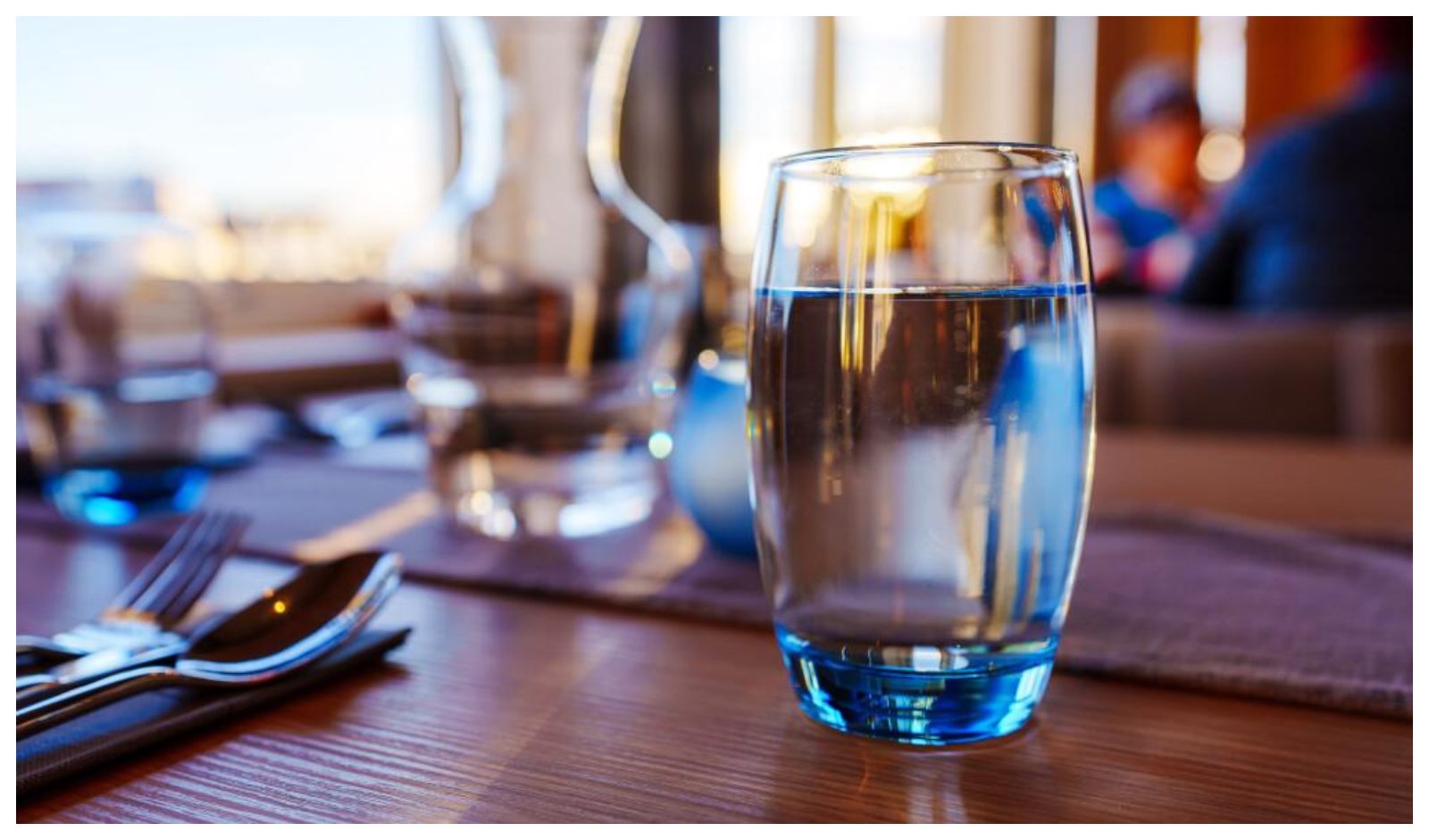
The Maharashtra Food and Drug Administration's (FDA) has ordered hotels and restaurants to provide free, safe drinking water which marks a significant shift in the hospitality industry. Beyond reducing reliance on bottled water, the move strengthens food safety, consumer rights, transparency, and operational accountability, while raising questions about restaurant revenues, customer awareness, and whether food safety is becoming a key competitive advantage.
Will Restaurants Lose Revenue from Bottled Water?
The FDA's order may reduce bottled water sales, particularly in casual dining restaurants where it is often served by default. However, the financial impact is expected to be limited. Bottled water typically contributes just 4–5 percent of restaurant revenue.
Pointing his views, Ashesh L Sajnani, Founder, The Passport Hotel said, “We have always believed that every guest should have access to clean RO drinking water, free of charge. Bottled water is available for those who prefer it, but it should always remain a choice not an obligation. For us, food safety has never been about ticking regulatory boxes, but about earning trust every single day. That's why we invest not only in hygiene and safe food handling, but also in being transparent with our guests.”
“Every guest is offered clean drinking water as a basic gesture of care before they even look at the menu. I don't believe restaurants should see this as a revenue loss. If bottled water sales significantly impact profitability, it presents an opportunity to rethink where value is truly being created,” shared Timanshu Mokal, Co-founder of Amelia, BKC.
Meanwhile, demand for imported, sparkling, natural spring and other premium bottled waters is likely to continue, as the directive offers customers a free choice rather than banning bottled water sales.
Why Bottled Water Remains a Restaurant Staple
Despite existing regulations requiring restaurants to provide safe drinking water, bottled water continues to be widely served for both operational and commercial reasons. Many consumers perceive sealed bottles as more hygienic, particularly at highway eateries, tourist destinations and transit hubs.
For restaurants, bottled water is easier to manage as it reduces the need for maintaining filtration systems, routine water quality checks and dispenser hygiene.
“While bottled water contributes to restaurant revenue, it is unlikely to have a significant financial impact because customers who specifically prefer packaged water for convenience, travel, or brand assurance will continue to purchase it by choice,” commented Suraj Shetty, Managing Director, Malgudi Foods Private Limited who also runs Banana leaf stated that the key is ensuring that the choice remains voluntary and informed.
“The continued sale of bottled water despite existing rules has largely been driven by inconsistent enforcement and limited consumer awareness. As both become stronger, we are likely to see greater compliance across the industry,” added Mokal. In premium dining, bottled and imported sparkling water also enhances the overall dining experience and supports a luxury image.
Closing the Consumer Awareness Gap
Awareness remains limited, with many diners assuming bottled water is mandatory or hesitating to request free drinking water. Some also perceive bottled water as the safer option, while others are simply unaware that restaurants are legally required to provide safe potable water at no cost.
The FDA's directive could help bridge this knowledge gap, particularly if restaurants clearly communicate customers' rights, improving transparency and reducing avoidable disputes.
Shetty added, “Food safety is increasingly becoming a key differentiator for restaurants. Consumers today evaluate brands not only on taste and service but also on hygiene, transparency, and compliance with food safety standards. Restaurants that consistently demonstrate these values will earn greater customer trust and loyalty.”
Restaurants must proactively ensure that the water they serve meets the highest standards of quality and hygiene, giving guests complete confidence in what is being offered.
While Sajnani mentioned, “Guests who prefer packaged water will continue to order it and that will never change. What this does is reinforce a culture of responsible hospitality. In the long run, restaurants that prioritize transparency, food safety and customer trust will always stand out.”
Today's diners pay close attention to hygiene, ingredient quality and operational transparency, and these factors influence trust long before the first dish reaches the table. While this order strengthens consumer protection, it also requires restaurants to invest in better water management. Establishments may need to upgrade purification systems, conduct regular water quality testing, maintain hygiene records, replace filters periodically, train staff, and improve water storage facilities.
Many consumers still don't know they are entitled to free drinking water. Increasing awareness alongside stronger implementation will help create a more transparent, guest-first hospitality culture.
Vijetha Iyer
Content Editor
Working as a Content Editor with Restaurant India. I have worked in various sectors like food and beverage sector, chemicals, pharma, nutraceuticals, now specially focusing on restaurant side. But my core knowledge was always on content. Be it writing poems to verses, I always loved writing and have been exploring my career on the same. In Restaurant India, I deliver insightful stories, take interviews of various brands and update the audiences about the newest happenings in the restaurant industry.









































