
Beyond Curry: How Indian Cuisine Found Its Global Voice
The discussion also highlighted another important factor behind Indian cuisine's global success: mentorship.

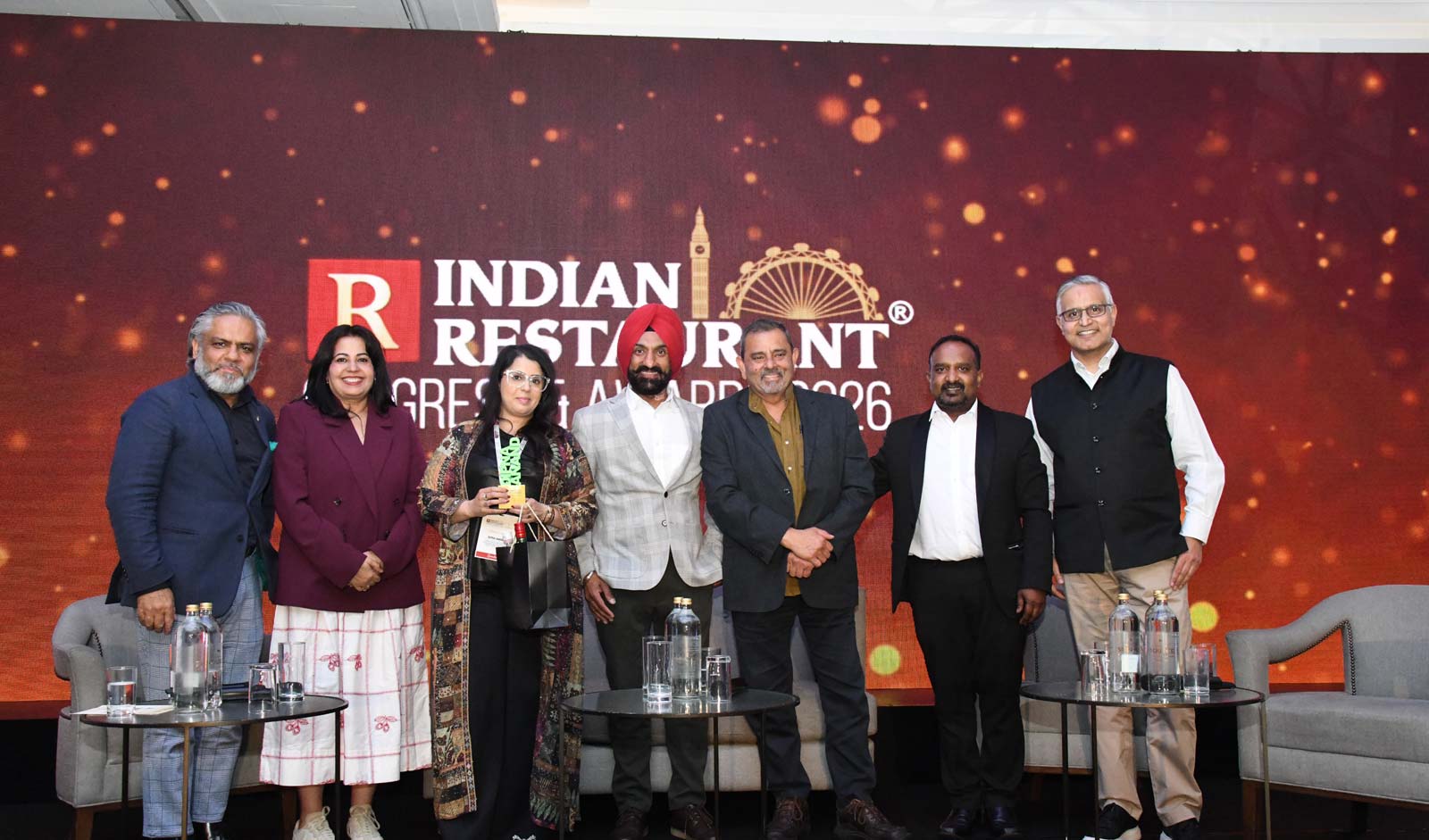
For decades, Indian food abroad was largely defined by a familiar set of dishes; curries, tandoori platters and a standardised restaurant experience. Today, however, Indian cuisine is enjoying a new moment on the global stage, one driven by regional storytelling, chef-led innovation and a deeper appreciation of the country's vast culinary diversity.
That transformation was at the heart of a recent discussion featuring some of the most influential names in Indian hospitality, including chefs Cyrus Todiwala, Atul Kochhar, Vivek Singh, Surjan Singh Jolly, Romy Gill, Peter Joseph and Dipna Anand at the recently held Global inaugural edition of Indian Restaurant Conference and Awards in London.
From One Menu Fits All to the Many Cuisines of India
"One of the biggest misconceptions globally is that there is a single Indian cuisine. I have always believed that what we should be talking about are the 'cuisines of India'—each region has its own ingredients, techniques, traditions and culinary identity. The real evolution over the past decade has been the growing recognition of this diversity, with diners becoming increasingly curious about the stories, flavours and cultures that exist beyond the familiar dishes,” shared Atul Kochhar, twice Michelin-starred chef & Restaurateur, as he begins the discussion on the future of Indian cuisine in UK and at the global stage in general.
Chef Cyrus Rustom Todiwala OBE DBA DL, Founder, Café Spice Namaste, believed the biggest shift has been moving away from the idea of a singular "Indian cuisine" towards recognising the many "cuisines of India."
"There are so many different sections of India which people are learning about now," he shared, adding that no one chef can truly claim mastery over Indian food because of its sheer scale and diversity.
Todiwala, who recently completed 50 years in the profession, recalled arriving in the UK at a time when Indian restaurant menus looked remarkably similar.
“When I first wanted to come, I asked my friend to send me as many restaurant menus as he could. Every single menu I read was the same damn thing. And I thought there was one printer in this country. And every restaurant had one signature- Tandoori Miss Grill,” he laughed as for him the success of pioneering establishments such as Bombay Brasserie helped change perceptions and introduce diners to a broader understanding of Indian food.
Today, with acclaimed Indian restaurants and Michelin-starred concepts flourishing across markets such as the US, UK and Europe, he believes the groundwork laid by earlier generations of chefs is finally paying off.
"The profile of our cuisine has been raised so much that people are now yearning for it," he added.
Chef Vivek Singh of the celebrated The Cinnamon Club, echoed that sentiment, reflecting on his arrival in London in 2000. At the time, Indian restaurants largely followed a formula of repetitive menus, low price points and predictable dining rituals. Through, The Cinnamon Club and subsequent ventures, Singh sought to challenge those conventions by combining Indian culinary traditions with high-quality British produce and constantly evolving menus.
His approach helped reposition Indian food within the fine-dining space, proving that diners were willing to engage with Indian cuisine in a more sophisticated and contemporary format.
"If Indian restaurants only catered to Indians, or only to British diners, their growth would always be limited. The real opportunity was to bring both worlds together—celebrating Indian spices, techniques and heritage while embracing the finest British produce,” he mentioned as he also going to launch a new model catering to the new age customers soon.
Commenting on the same, Chef Romy Gill, one of the first women chef in the UK added, "Indian cuisine in the UK has moved far beyond familiar favourites. People now seek authenticity, regional stories, and genuine connections to food. As someone who entered a male-dominated industry, it's incredibly rewarding to see both Indian cuisine and women chefs receiving the recognition they deserve."
Regional Stories, New Voices and the Future of Indian Cuisine
For Chef Surjan Singh Jolly, the evolution of Indian cuisine has been closely linked to the rise of regional and hyper-local storytelling. Drawing from a childhood spent across multiple Indian states, he highlighted how exposure to different food cultures shaped his understanding of Indian cuisine beyond stereotypes.
Today, his focus remains on showcasing hero dishes from different regions while maintaining authenticity and accessibility. Whether through flavours from the Malabar Coast, Goan-Portuguese traditions or regional specialties often overlooked internationally, the goal is to introduce diners to the diversity that exists beyond familiar favourites.
"Education is important, but so is familiarity. My goal has always been to introduce diners to regional and hyper-regional Indian cuisine through dishes they can connect with, using familiarity as a gateway to deeper culinary exploration,” he pointed as he is running multiple restaurants across Singapore, Middle East, London and other parts of the world.
That emphasis on regionality is something chef Peter Joseph of the Kahani fame believed has fundamentally reshaped Indian cuisine over the past two decades.
"For years, Indian cuisine abroad was largely synonymous with curry. Around the 2000s, chef-led restaurants began changing that narrative by showcasing the depth and diversity of regional Indian cuisines," he observed.
He pointed to growing conversations around regional oils, indigenous ingredients and traditional cooking methods as evidence of a more mature and nuanced understanding of Indian food, both internationally and within India itself.
For Dipna Anand, whose family legacy in hospitality stretches back nearly 80 years, the strength of Indian cuisine lies precisely in that diversity.
"My grandfather started the business in Kenya, my father carried it forward, and that's how I learned," she said. "Every region has its own ingredients, techniques and traditions, and there are countless ways to interpret and present these cuisines while staying true to their roots."
The discussion also highlighted another important factor behind Indian cuisine's global success: mentorship. Several speakers credited senior chefs for helping create opportunities for younger talent, while emphasising the need to inspire the next generation of hospitality professionals.
As Indian cuisine continues to expand globally, the conversation is no longer about convincing diners that Indian food deserves a place at the table. Instead, it is about showcasing the extraordinary breadth of culinary traditions that have existed for centuries.
The future of Indian cuisine, the panel agreed, lies not in a single dish or a single narrative, but in the countless regional stories that together make up the rich and evolving cuisines of India.
Nusra
Consultant Associate Editor
A seasoned journalist with more than a decade experience in restaurant and retail business. I eat, drink, breathe and sense food as a source of my living and lifestyle. A foodie by birth and a journalist by choice. I started my career with Hindustan Times doing hard news, moving into features and finally landing myself in a food coma. Love to talk, hear and publish all food stories that makes anyone happy and hearty for more than a decade now. Apart from food, I love reading fiction, helping others and finding joy in little things...









































