Best Ice Cream & Gelato Brands for Restaurants: 6 Options for Different F&B Needs
The best ice cream or gelato brand for a restaurant depends on the business model. A high-volume restaurant may prioritise availability, pack size and predictable costs.

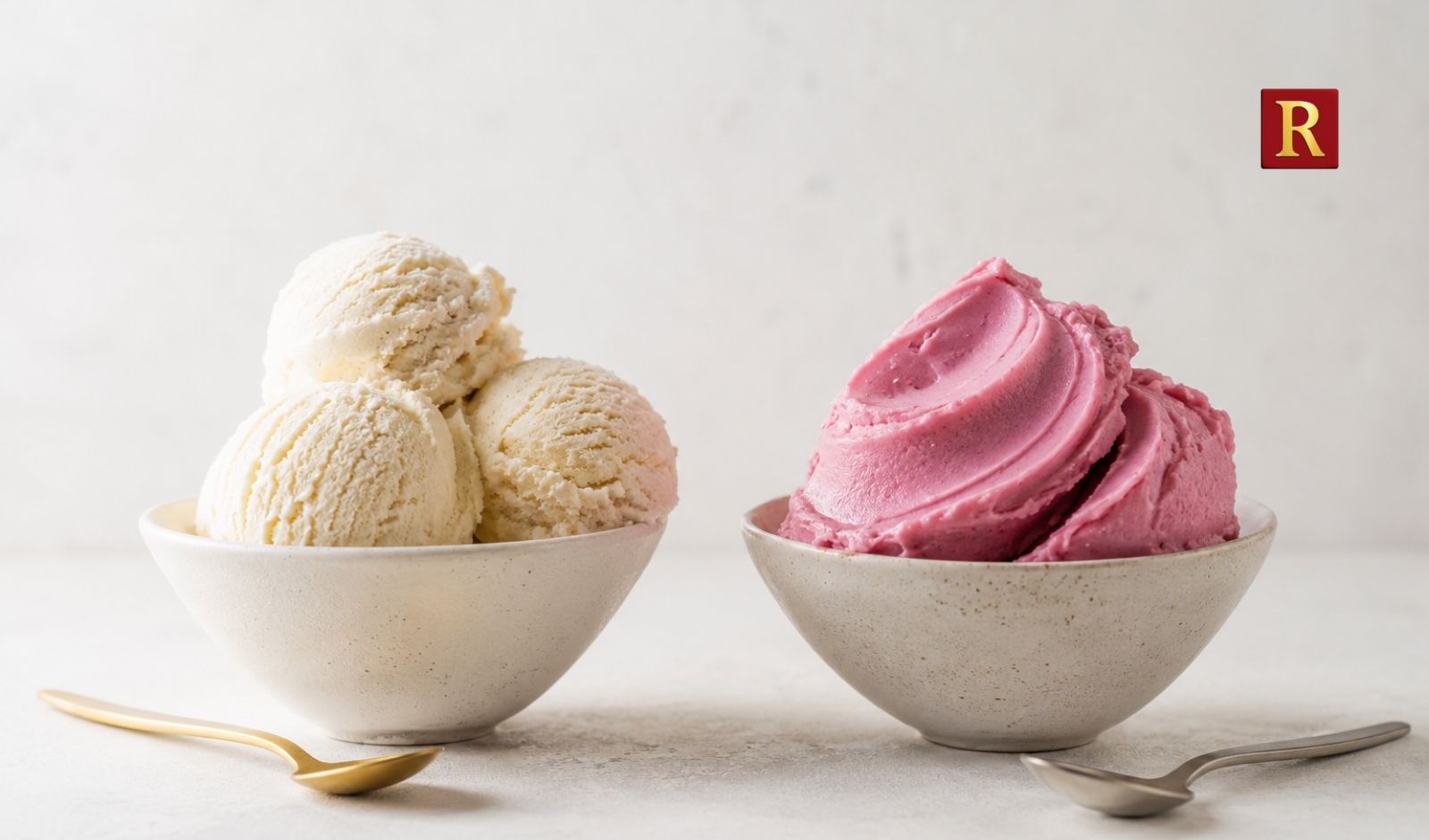
Ice cream and gelato can be more than a final course on a restaurant menu. They can become part of brownies, waffles, sundaes, shakes, affogatos and plated desserts. But choosing a brand for a restaurant requires more than picking a flavour that tastes good. Restaurant owners also need to consider pack sizes, consistency, storage, supply, serving temperature, flavour range and cost per portion. A premium product may work well for a boutique café, while a high-volume restaurant may need a brand with wider distribution and bulk packs. Here are 6 ice cream and gelato brands that restaurants in India can consider, along with the type of F&B business they may suit best.
What Restaurants Should Look For in Ice Cream
A consumer usually looks at taste and price. Restaurants have a longer checklist.
Storage: Frozen products need reliable freezer space and temperature control.
Pack size: A restaurant selling 100 scoops a day has different requirements from a café selling 15.
Consistency: Every scoop should have a similar texture and flavour.
Scoopability: A product that is too hard during service can slow down the kitchen.
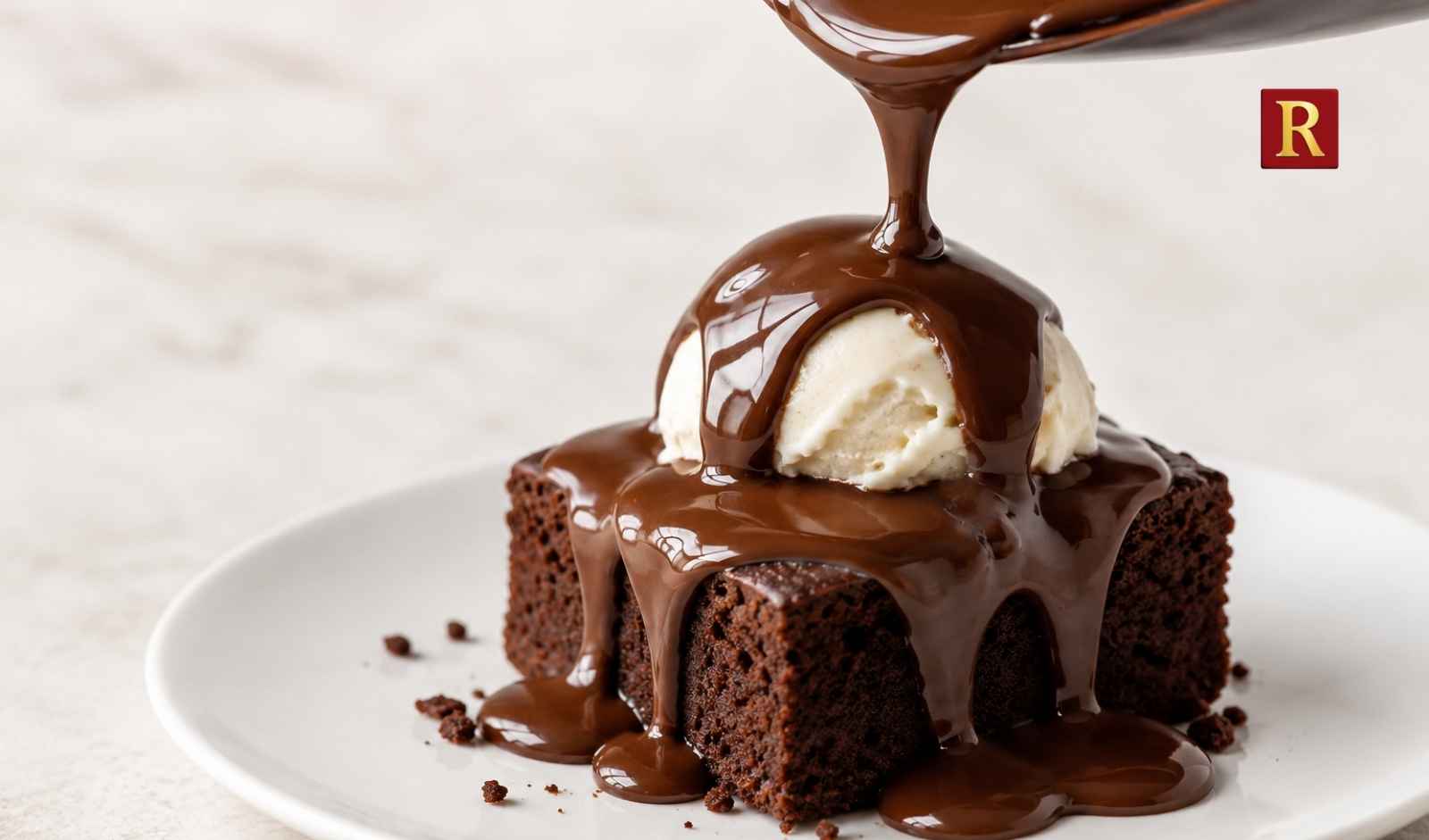
Melting behaviour: This matters when ice cream is served with hot desserts or kept on a plated dish.
Cost per serving: The tub price alone does not show profitability.
Restaurants should also check ingredient declarations, allergens, shelf life, batch information and FSSAI-related documentation before finalising a supplier.
Ice Cream vs Gelato: The Difference Matters
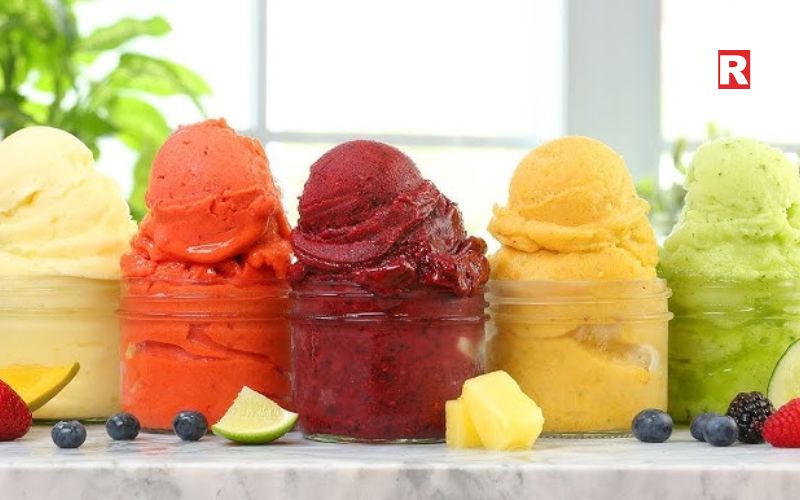
Ice cream and gelato are not interchangeable products. Gelato generally contains less fat and less incorporated air than conventional ice cream. It is also served at a somewhat warmer temperature. This gives it a denser texture and allows flavours to come through strongly. The amount of air incorporated during freezing is known as overrun. Higher overrun creates a lighter product with more volume. Lower overrun generally produces a denser product. This matters to restaurants because volume is not the same as yield by weight. Two products sold in containers of the same volume may contain different amounts of frozen mix.
| Factor | Ice Cream | Gelato | Restaurant Relevance |
| Fat content | Generally higher | Generally lower | Affects richness and mouthfeel |
| Overrun | Usually higher | Usually lower | Influences density, texture and serving yield |
| Texture | Creamy and lighter | Dense and smooth | Helps determine the right dessert pairing |
| Serving temperature | Colder | Relatively warmer | Affects scoopability and flavour perception |
| Flavour perception | Rich and creamy | Often more pronounced | Useful for premium or flavour-led desserts |
| Best applications | Shakes, sundaes, brownies | Affogato, plated desserts, premium scoops | Helps restaurants match the product to the menu |
For a restaurant, the better choice depends on the dessert. Gelato can work well in an affogato or premium plated dessert. Ice cream may be more practical for shakes, sundaes and high-volume service.
6 Ice Cream & Gelato Brands Restaurants Can Consider
1. Naturals Ice Cream
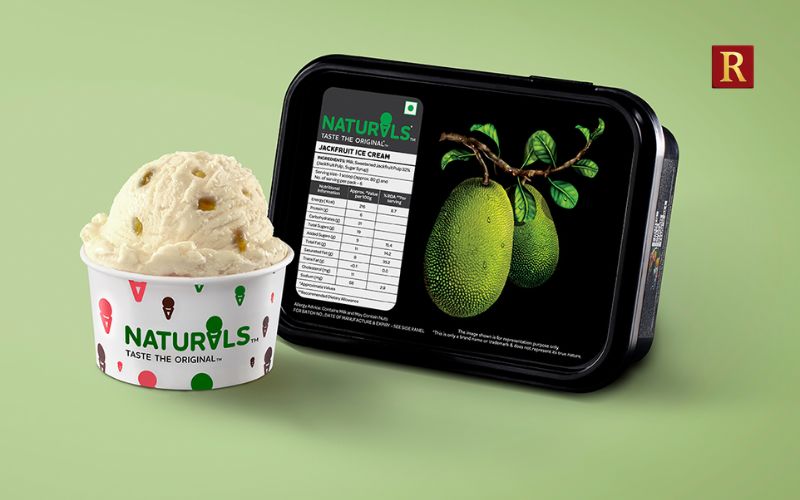
Naturals has built a strong identity around fruit-based and Indian flavours. Its range includes flavours such as Sitaphal, Mango and Tender Coconut, along with chocolate and dry-fruit options. The brand also accepts bulk-order and vendor enquiries. However, its official information highlights the importance of production and distribution limitations, including a relatively short shelf life.
- Best for: Modern Indian restaurants, premium cafés and restaurants looking for distinctive Indian flavours.
- Good menu applications: Fruit-based desserts, seasonal specials, sundaes and Indian-inspired plated desserts.
2. NIC Ice Creams
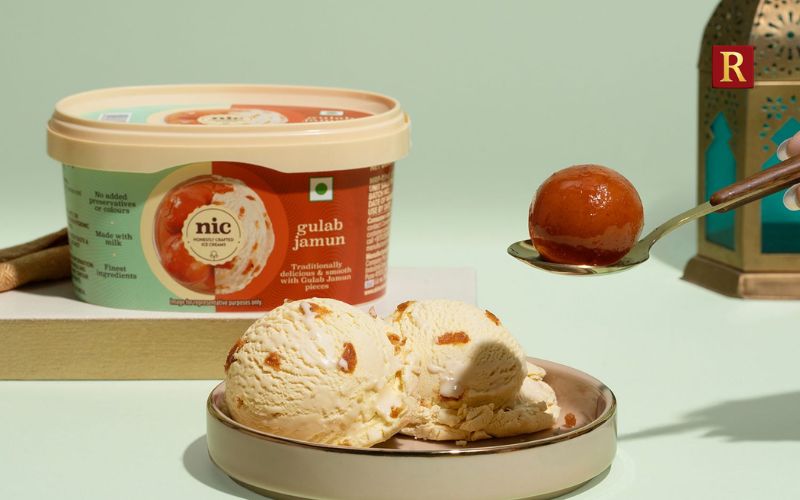
NIC has a more contemporary positioning and is well suited to restaurants that want familiar ice cream formats with a premium presentation. It can work particularly well in cafés where desserts are designed for visual appeal as well as taste. The restaurant can also use one or two flavours as signature pairings rather than offering a very large selection.
- Best for: Urban cafés, premium casual dining and dessert-led restaurants.
- Good menu applications: Waffles, brownies, dessert cups, pancakes and signature sundaes.
3. Baskin-Robbins
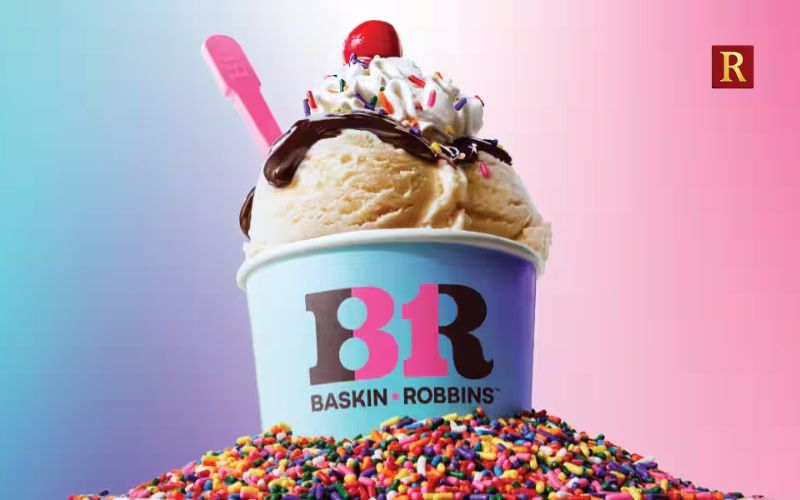
Baskin-Robbins brings strong international brand recognition and a wide flavour-led identity. That can be useful for restaurants targeting younger consumers or customers who already associate the brand with premium ice cream. Its strongest role in a restaurant may be as part of a branded or premium dessert experience rather than simply another scoop on the menu.
- Best for: Premium cafés, dessert outlets and youth-oriented F&B concepts.
- Good menu applications: Sundaes, waffles, brownies, shakes and customised dessert bowls.
4. Giani's
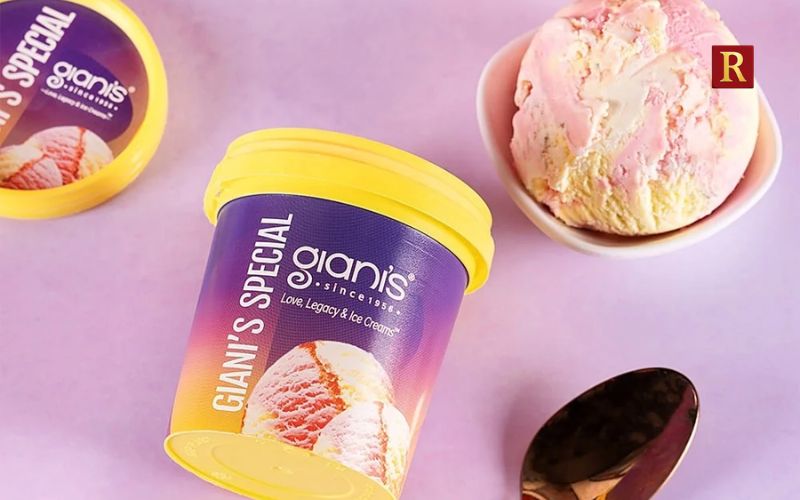
Giani's has a long history in India's dessert market. The brand traces its origins to 1956 and has expanded to more than 200 stores, according to its franchise material. Its wider dessert association also makes it relevant to restaurants serving Indian-style sweet dishes. This is particularly useful for restaurants that want to connect ice cream with familiar Indian dessert formats.
- Best for: Casual dining, family restaurants and North Indian food concepts.
- Good menu applications: Falooda, Indian desserts, sundaes and traditional-modern dessert combinations.
5. Gelato Vinto
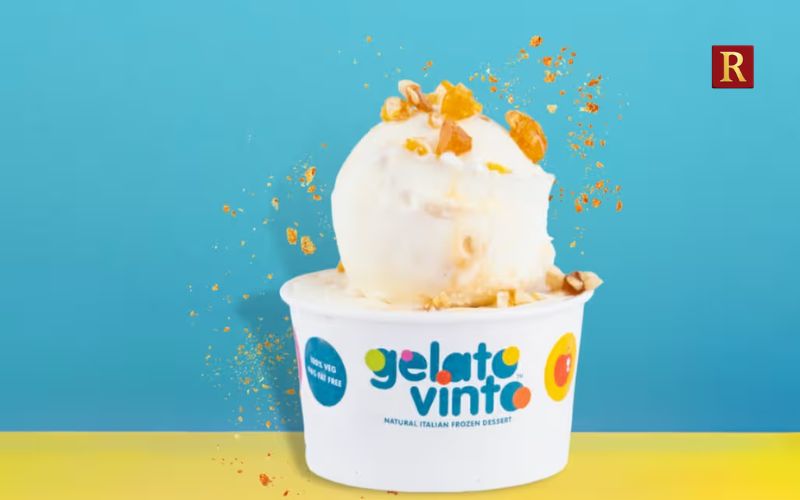
Gelato Vinto is a strong option for restaurants looking specifically for gelato. Its range includes flavours such as Alphonso Mango, Belgian Chocolate, Pistachio and Kulfi, along with vegan and sugar-free options. The brand also states that it supplies several hotels and restaurants, including properties from hospitality groups such as Hyatt, Taj and The Leela. Its combination of international and Indian-inspired flavours can also give chefs more flexibility.
- Best for: Hotels, premium cafés, Italian restaurants and fine-dining establishments.
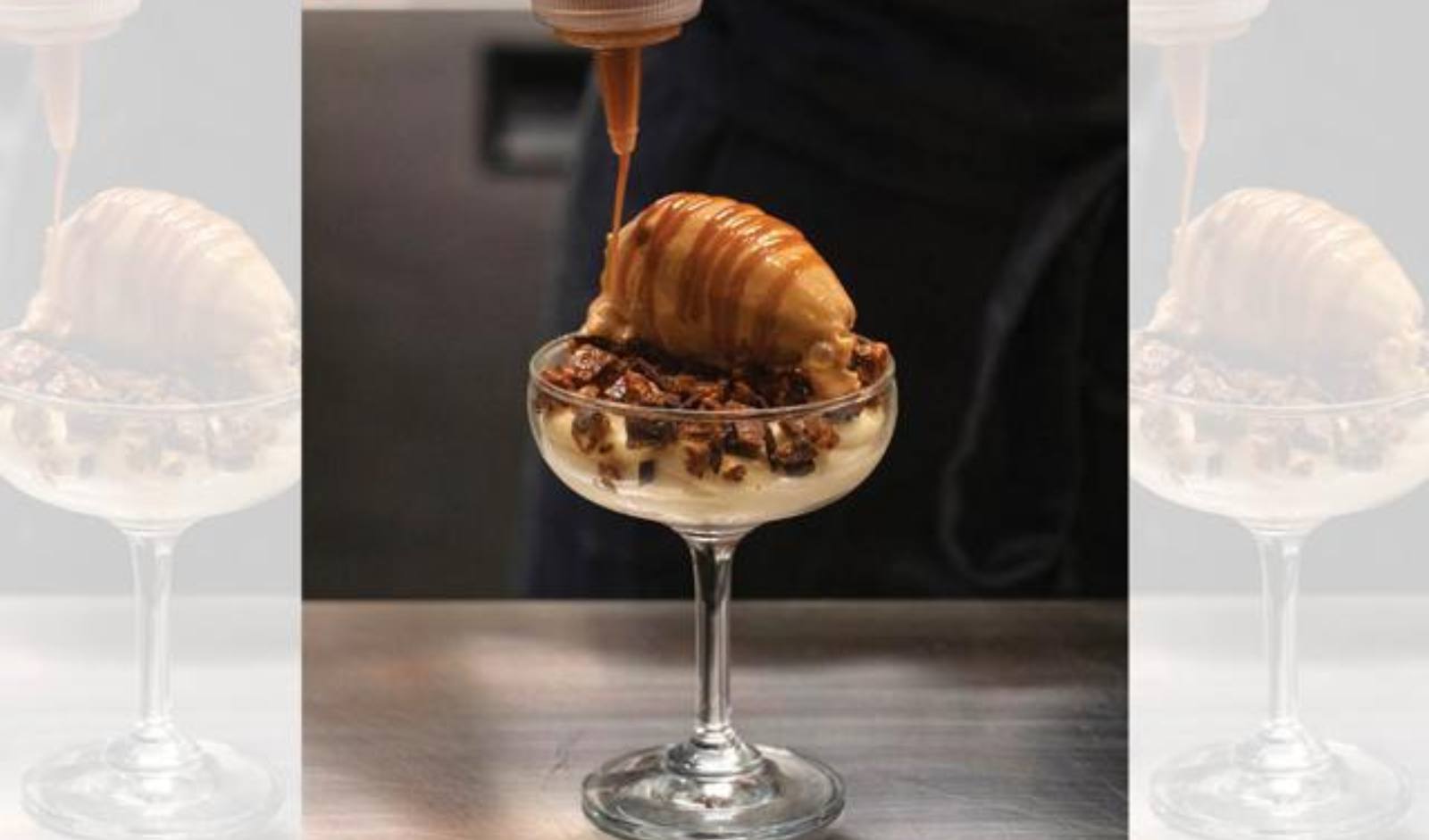
- Good menu applications: Gelato scoops, affogato, plated desserts and dessert pairings.
6. Gelato Italiano
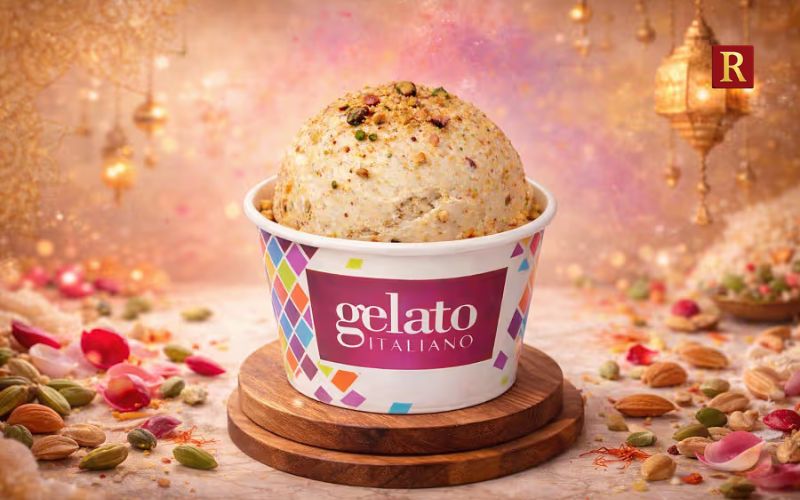
Italian-style gelato can give a restaurant a more specialised dessert identity. It is particularly relevant to Italian restaurants and cafés that want to use gelato as part of the cuisine rather than treating it as an independent dessert. Restaurants should check the actual formulation, storage instructions and foodservice availability instead of assuming that every product marketed as gelato performs in the same way.
- Best for: Italian restaurants, boutique cafés and dessert bars.
- Good menu applications: Affogato, gelato with tiramisu, fruit desserts and espresso pairings.
How to Calculate the Real Cost of a Scoop
A restaurant should not compare brands only by tub price.
- Use a simple formula: Cost per serving = Purchase cost ÷ Usable servings
- For example, suppose a restaurant buys a 5-litre pack for ₹2,500.
- If the restaurant serves 100 usable portions: ₹2,500 ÷ 100 = ₹25 per serving
But actual yield can change because of portion size, melt loss, wastage and staff handling. If the dessert sells for ₹180, the restaurant also needs to account for the brownie, sauce, garnish, cup or plate and other ingredients. This gives a more realistic picture of gross margin.
A Two-Brand Strategy Can Work
Restaurants do not always need one supplier for every dessert. A high-volume restaurant could use a mainstream brand for shakes, sundaes and everyday desserts while using a premium gelato for signature dishes. This creates two price points without forcing one product to serve every purpose.
For example:
- Everyday range: Brownie, shake, sundae
- Premium range: Affogato, gelato flight, plated dessert
This approach can also help restaurants manage inventory according to demand.
Final Word
The best ice cream or gelato brand for a restaurant depends on the business model. A high-volume restaurant may prioritise availability, pack size and predictable costs. A premium café may care more about flavour, texture and presentation. A regional restaurant may benefit from Indian-inspired flavours that complement its menu. Before signing a supply agreement, restaurants should test the product during actual service. Check its texture straight from the freezer. Measure portion yield. Track melting time. Calculate the real cost per serving. Confirm delivery schedules and storage requirements. The right choice is not simply the brand with the biggest name. It is the product that delivers consistent quality, reliable supply and sensible unit economics while fitting the restaurant's menu.
Saptopriya Ghosal
Feature Writer
I am a dedicated media professional with a bachelor's degree in mass communication from the State University of Calcutta and a postgraduate degree from Amity University. My academic journey has equipped me with a profound understanding of storytelling and communication. Passionate about the dynamic world of media, I continually strive to explore new ways to engage and inform through compelling narratives.