Bellona Hospitality Looks Beyond Malls in Its Push Towards 100 Restaurants
On the other hand, high streets have their own advantages, but there are also uncertainties. Roadwork, traffic restrictions and limited access during major events can affect sales.


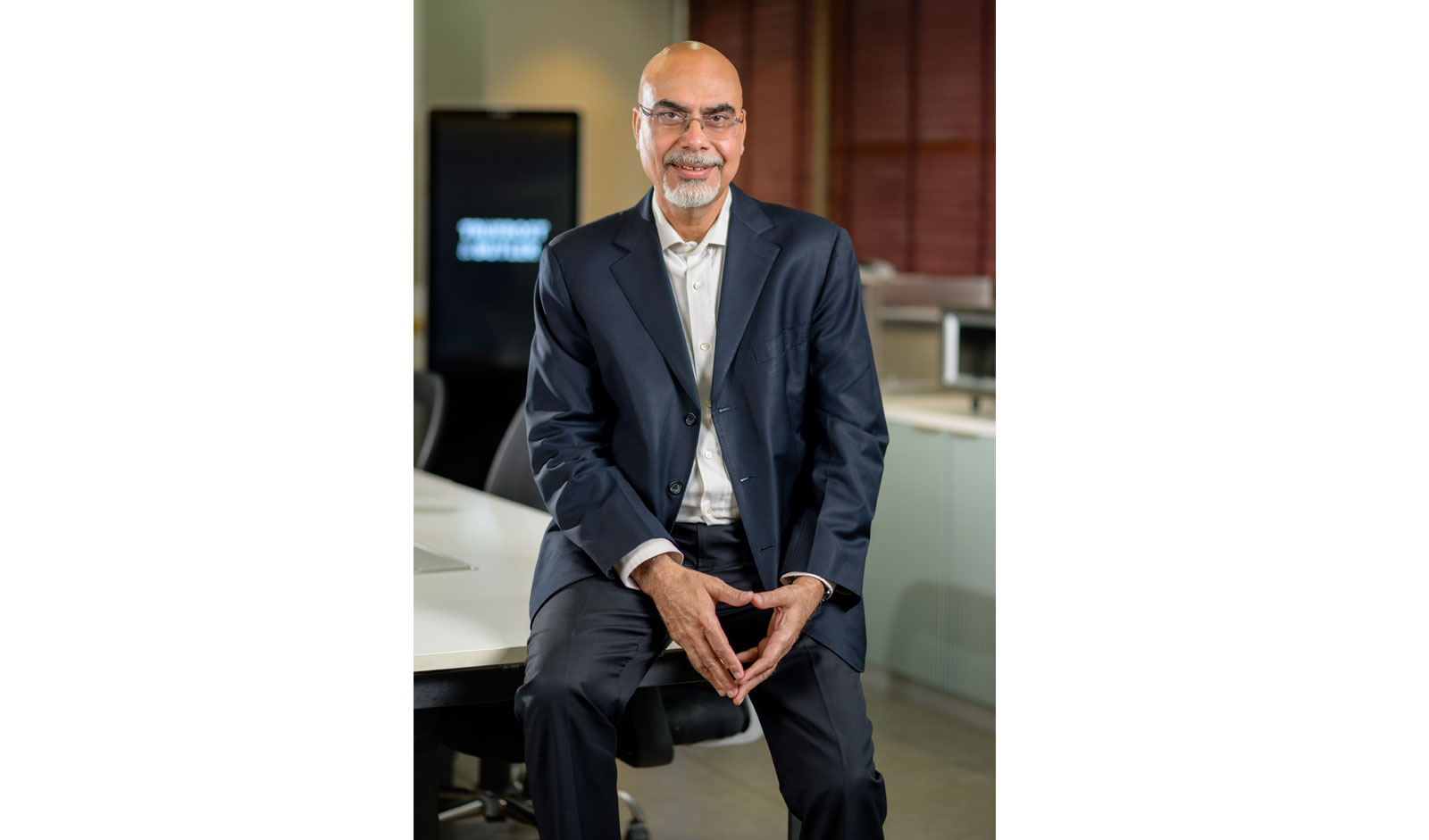
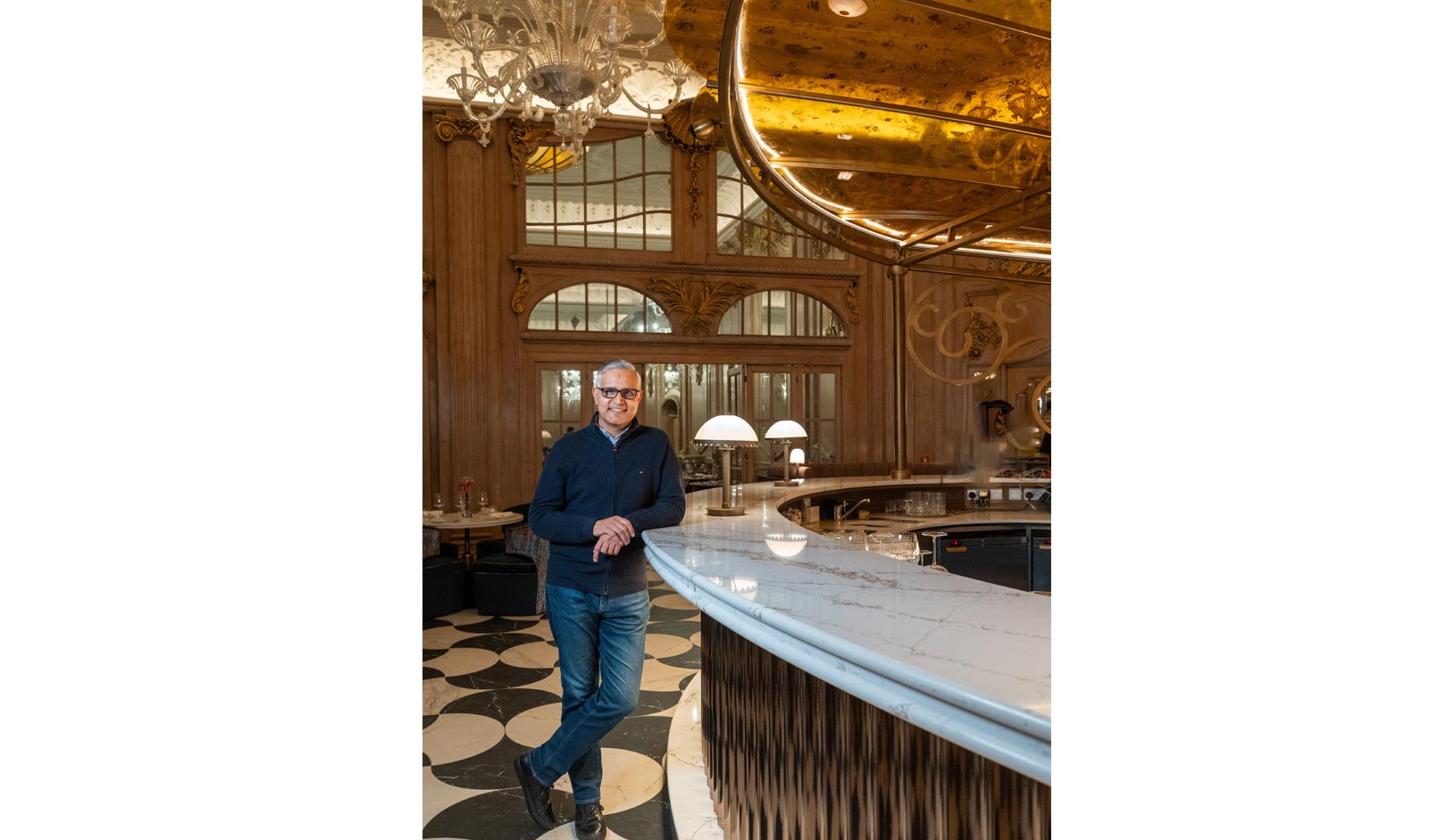
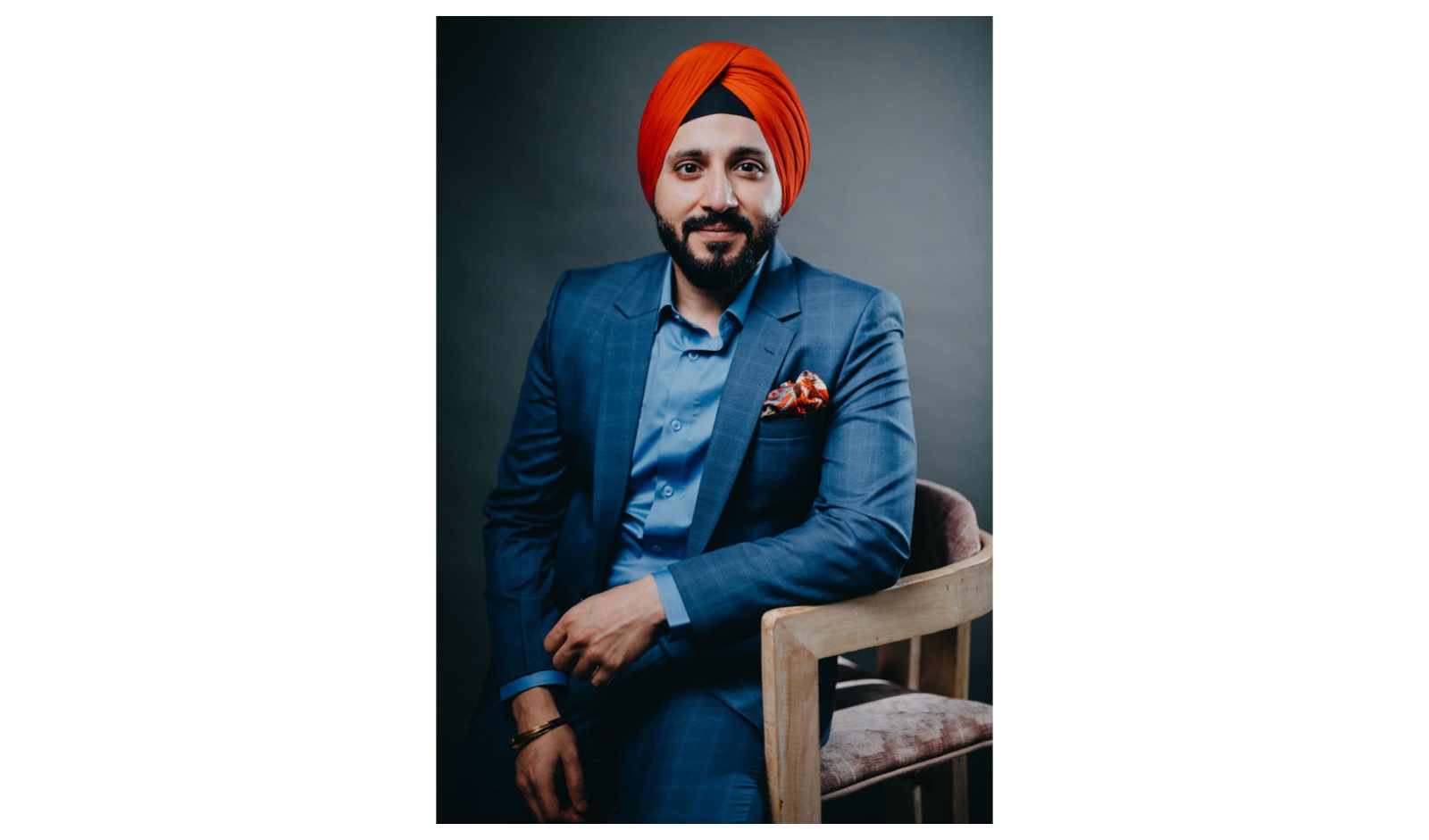
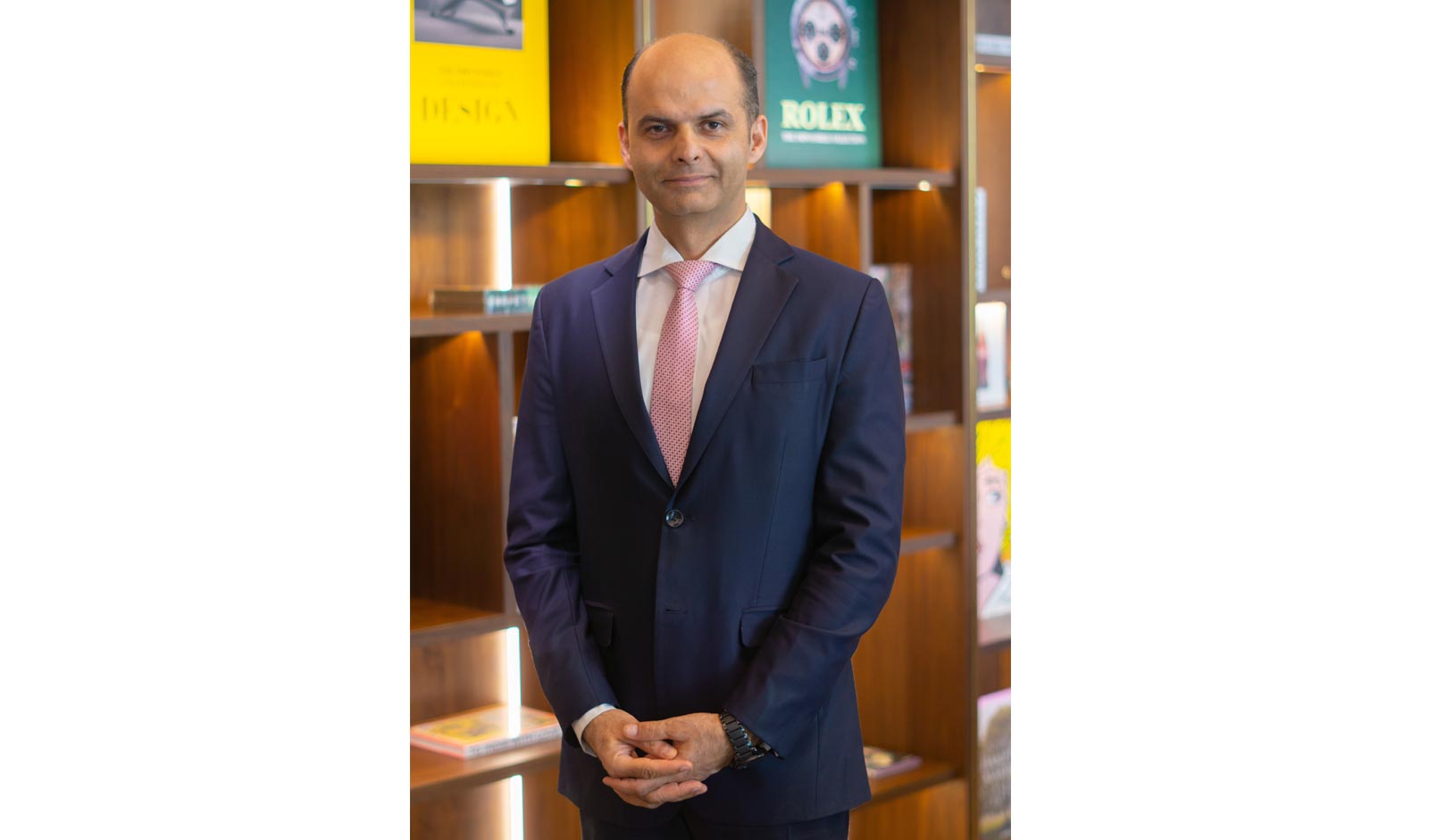
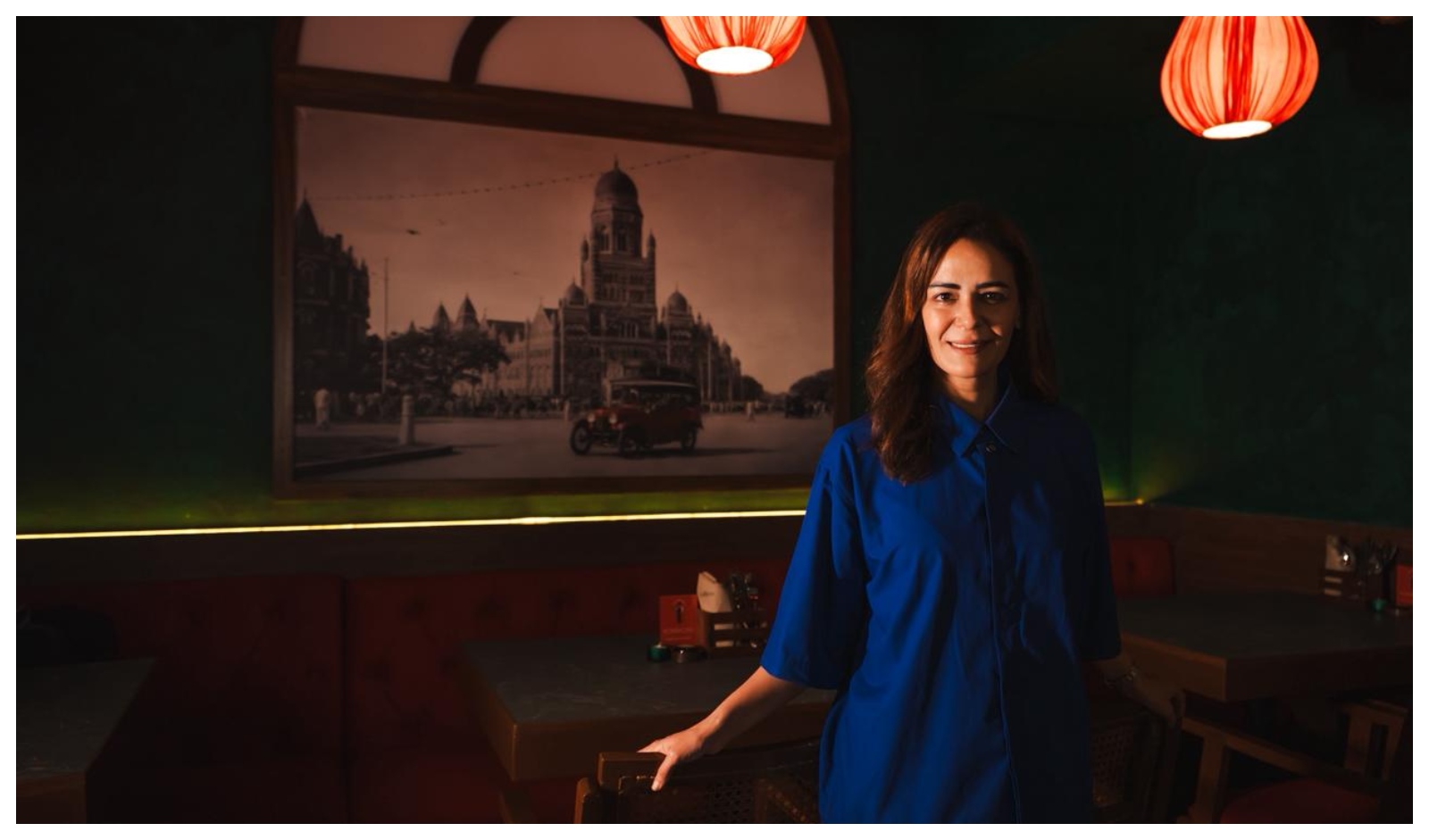
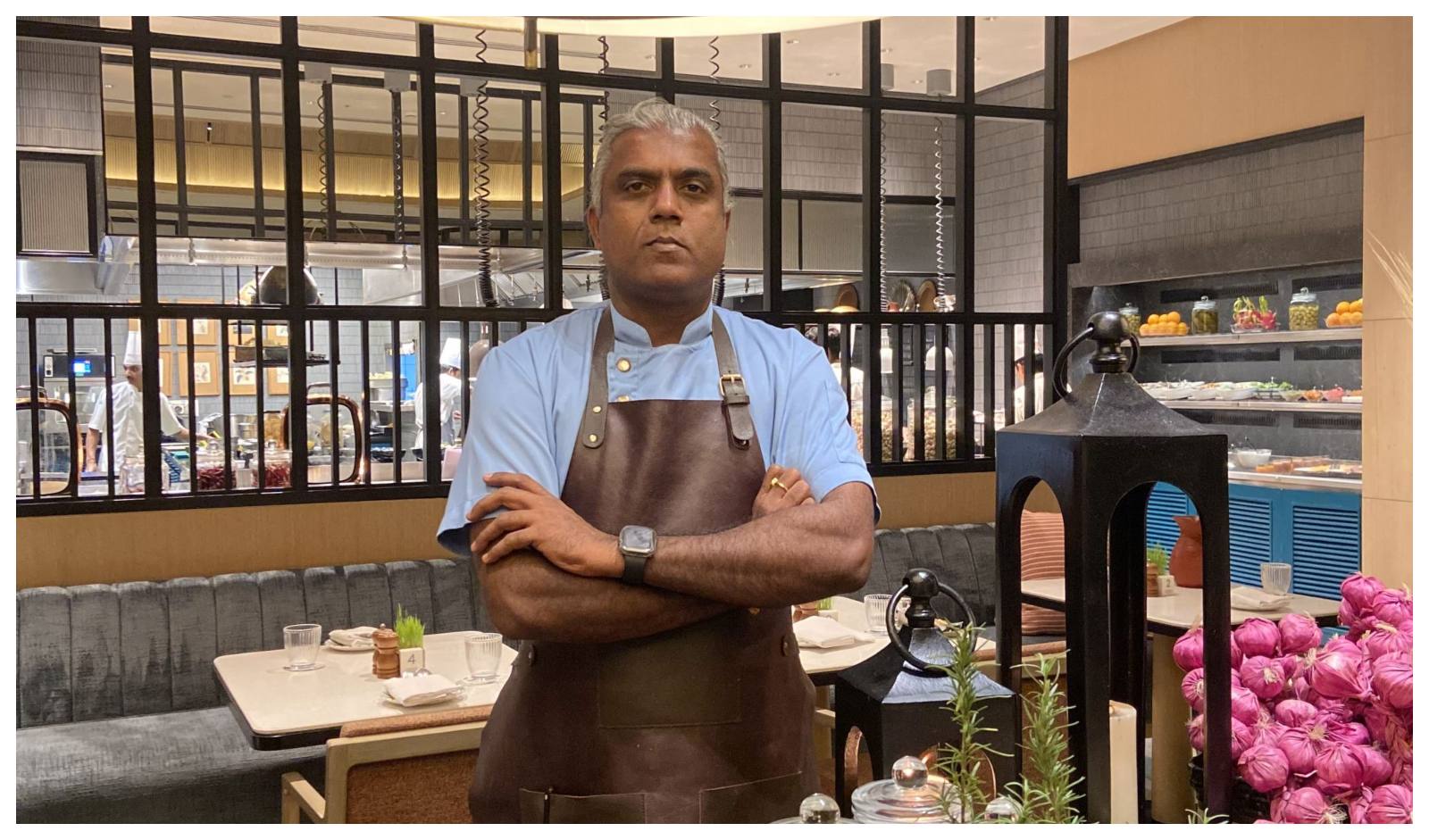
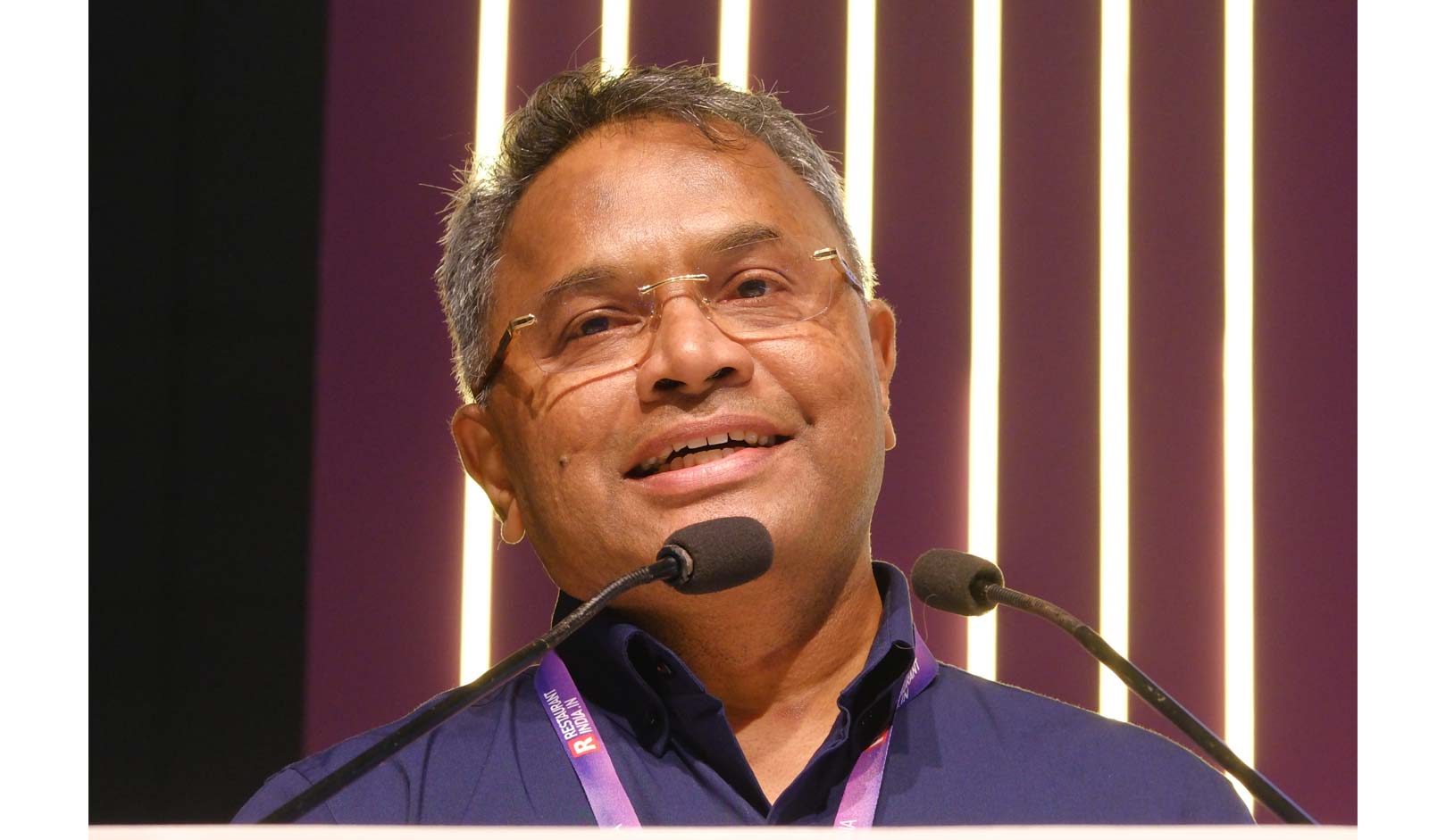
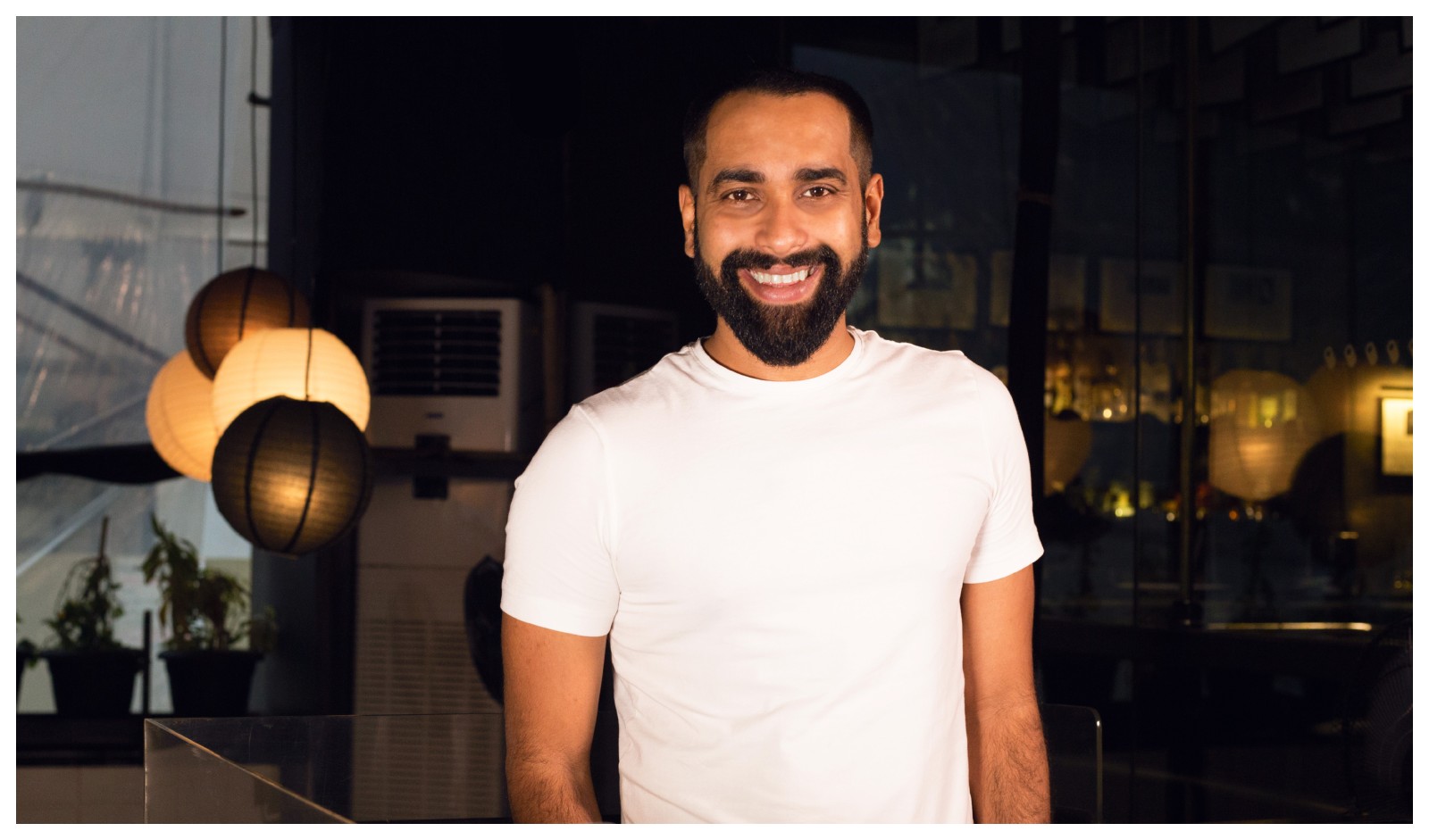
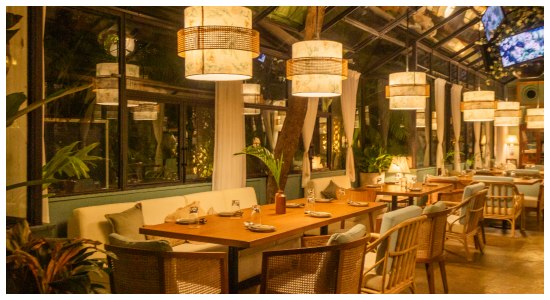
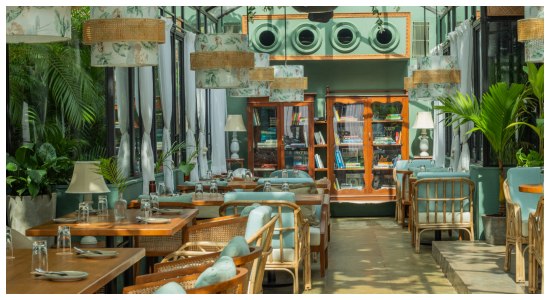
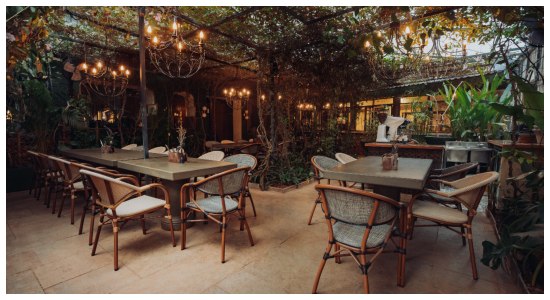
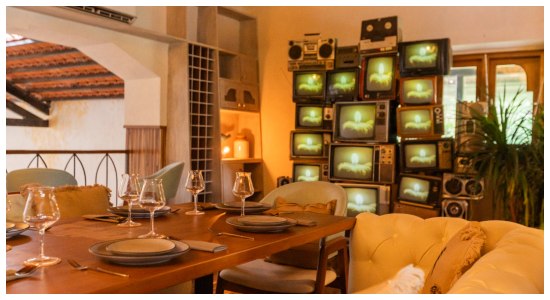
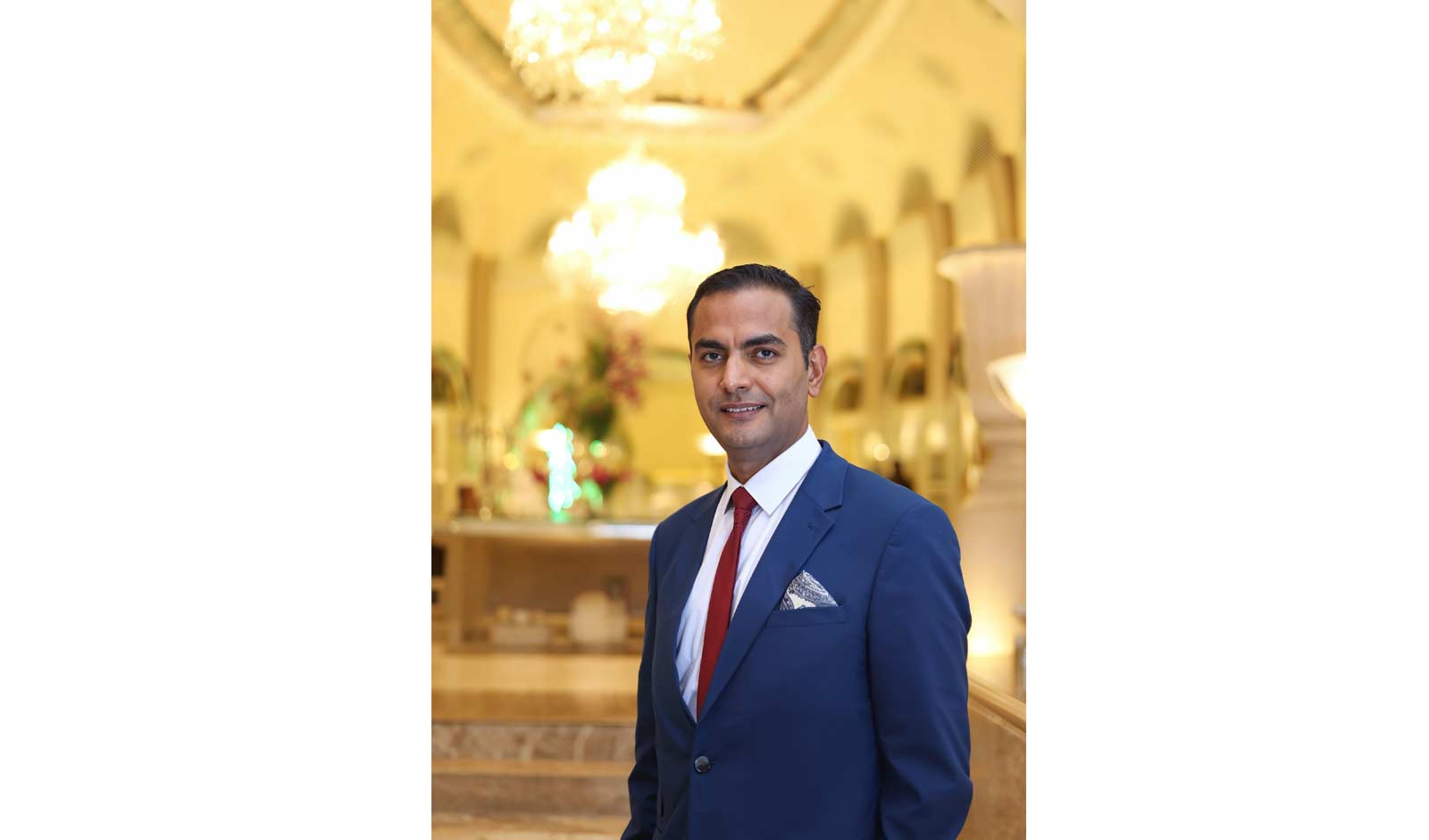
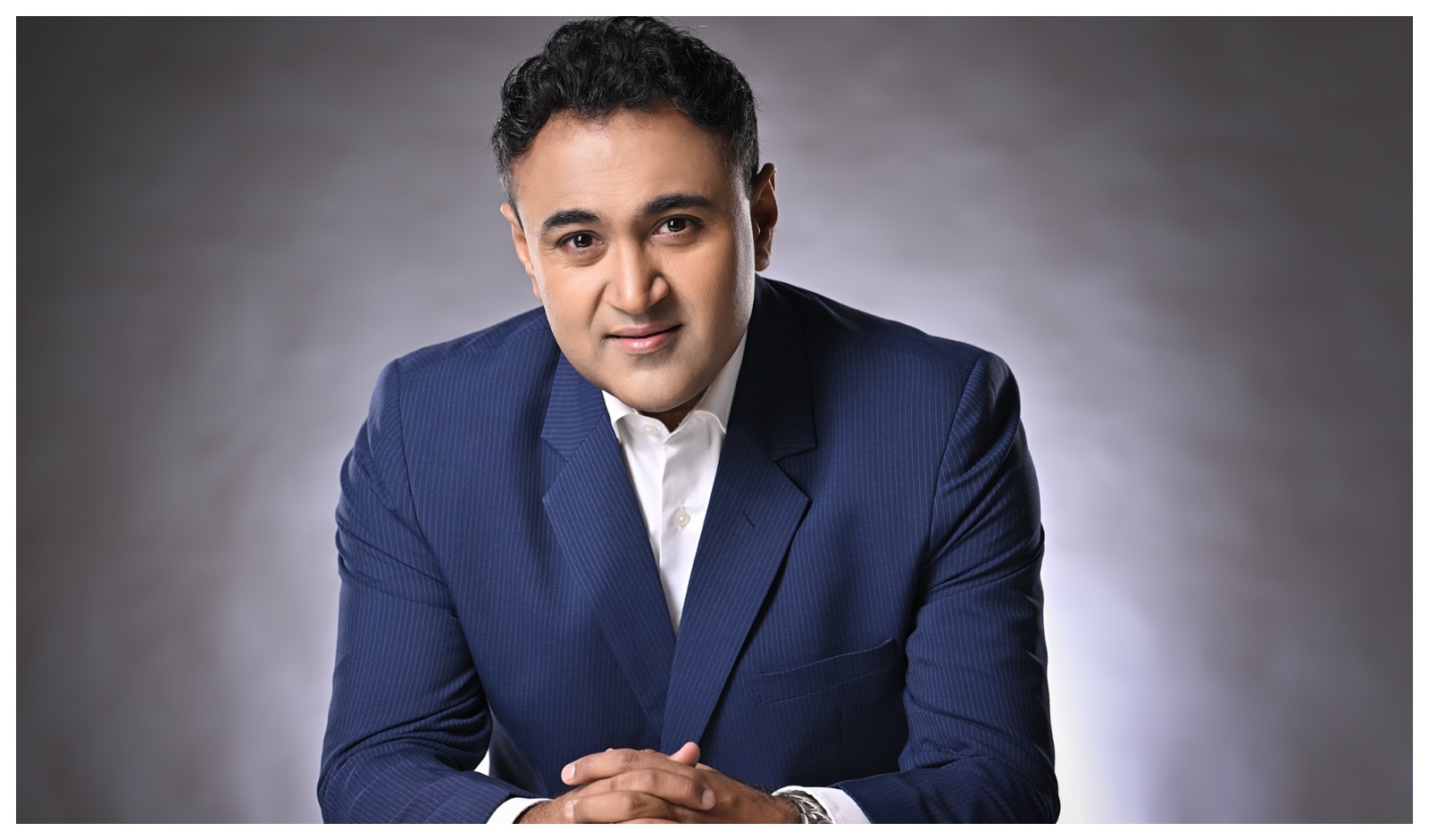
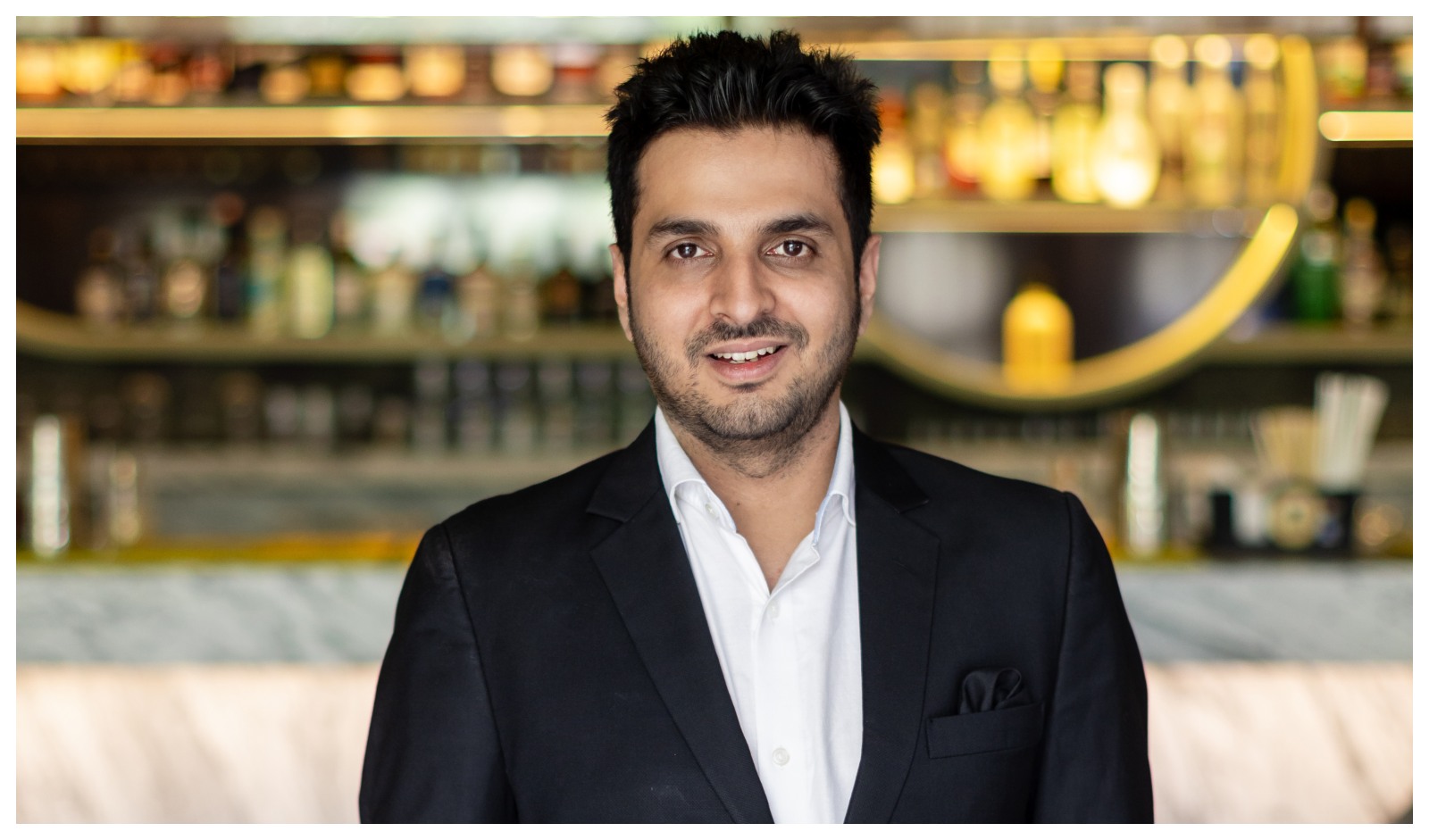
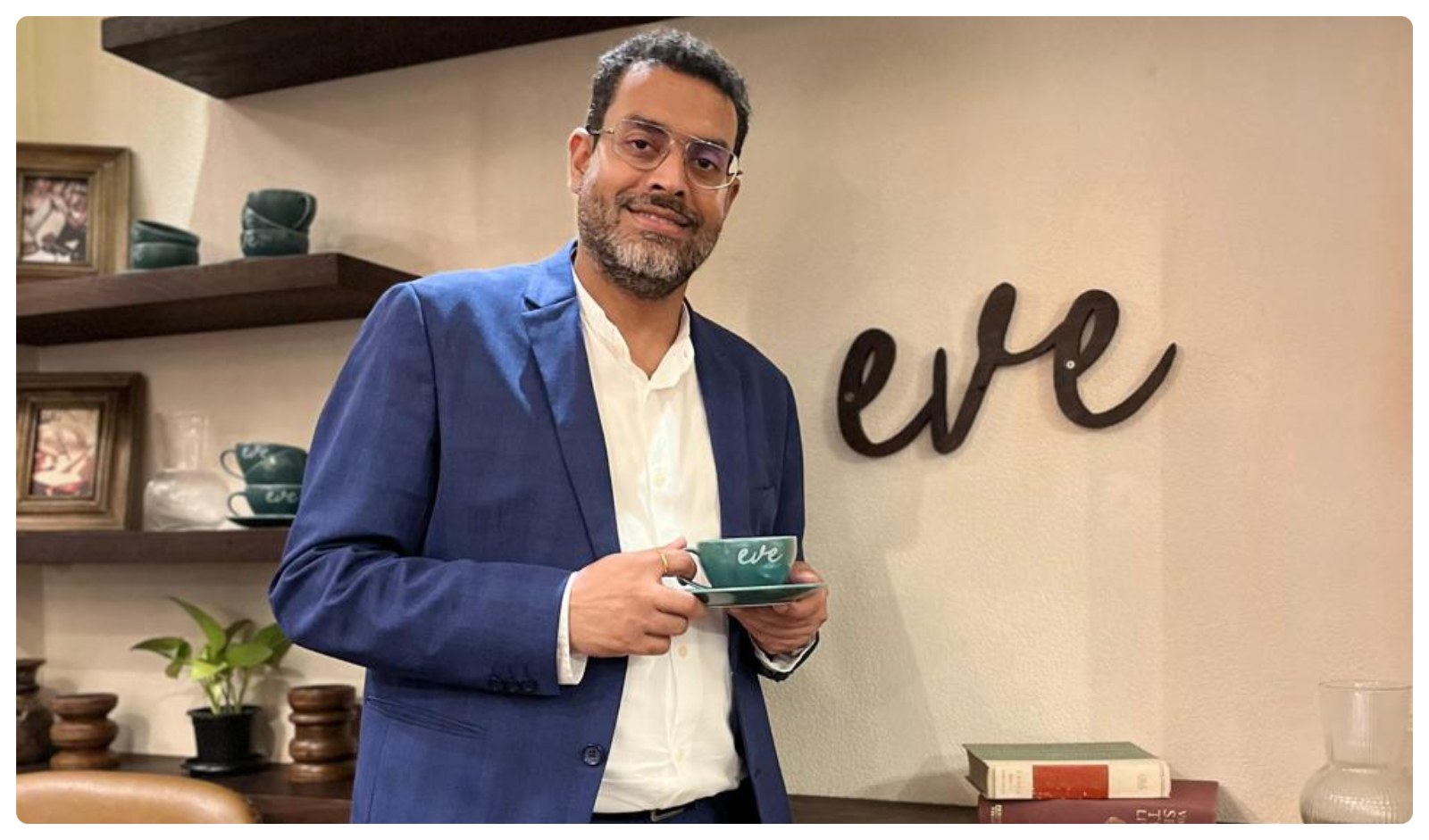
Bellona Hospitality is preparing for its next phase of expansion after building a presence across five cities with nine locations. The group is also eyeing 100 restaurants by FY30 looking to grow within malls and on high streets. In an exclusive interview with Restaurant India, Prashant Issar, Managing Director and CEO, Bellona Hospitality, talks about the company's expansion plans, the potential of tier-two cities, hiring challenges and the business factors that influence restaurant growth. Excerpts:
How has Bellona Hospitality evolved over the years and what are your priorities now?
Over the last four-and-a-half years, we have built different brands across five cities and nine locations. The first phase was about building, followed by a period of consolidation. We are now ready to enter the next phase and scale up again.
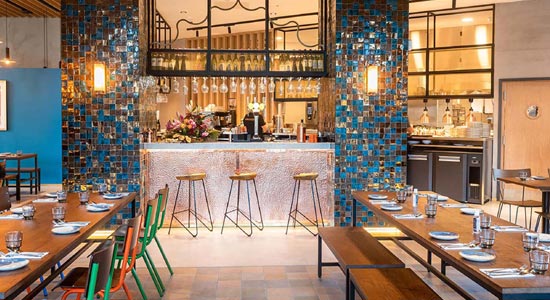
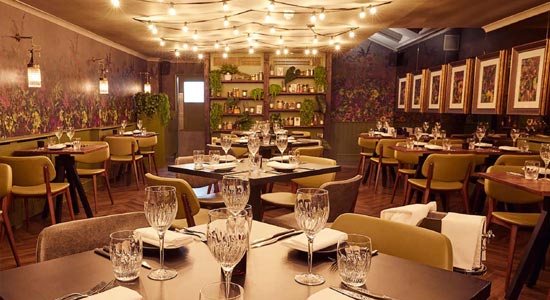
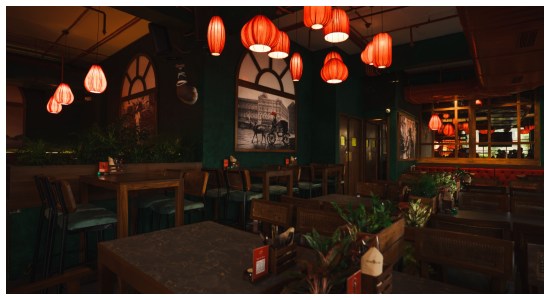
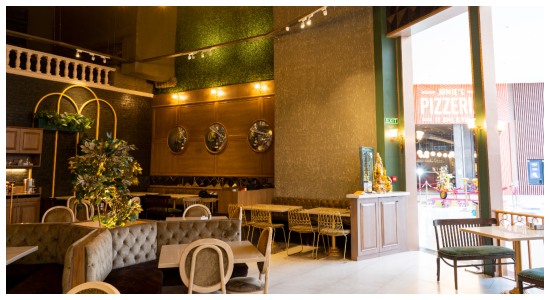
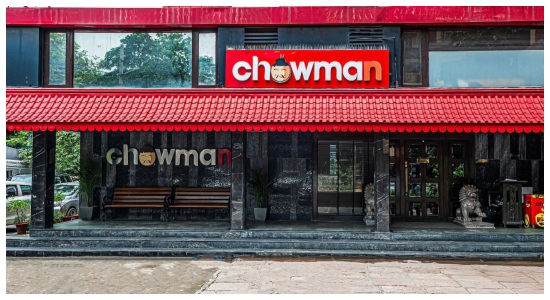
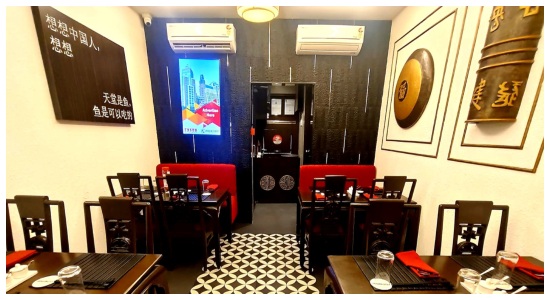
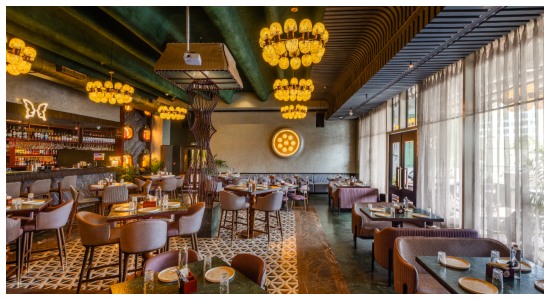
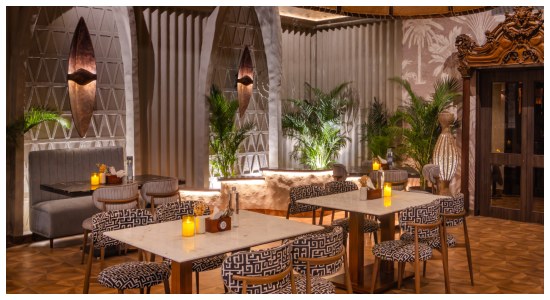
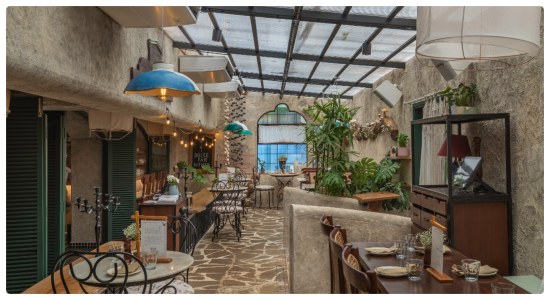
Recently, we have also opened our first two restaurants outside malls on Church Street in Bengaluru. Going forward, we will continue to open restaurants within Phoenix Malls while exploring opportunities on high streets and in other locations.
Why have malls been central to your restaurant expansion strategy?
Finding the right location is one of the biggest challenges in the restaurant business. Since our parent company owns malls, we have an advantage here. It makes sense to explore those locations first. On the other hand, high streets have their own advantages, but there are also uncertainties. Roadwork, traffic restrictions and limited access during major events can affect sales. Malls offer a more consistent flow of customers. That being said, our Church Street outlets show that we are open to high-street locations when we find the right opportunity.
What financial factors do you consider before opening a new restaurant?
Location and rental costs are among the first things we look at. We also study the businesses around the proposed site, the customer profile and the sales potential. Lunch business is particularly important because it can help cover fixed costs, including rent and ingredient expenses. If a location generates enough business during lunch, dinner sales can add to the overall performance.
For payback, we generally look at around 26 to 30 months for restaurants and 18 to 24 months for bars. However, we do not build restaurants simply to recover the investment within a set period. We invest in design, construction, training and talent because we want to build strong brands. Profit is a result of creating value, not the only reason for opening a restaurant.
What are the biggest challenges in running and expanding restaurant brands?
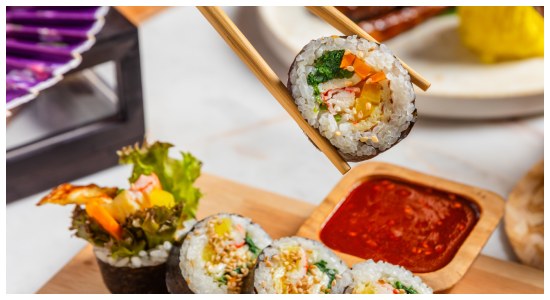
Finding the right talent is a major challenge. When a cuisine becomes popular, several restaurants want to enter the segment, increasing demand for experienced chefs and other skilled professionals. Supply chain is another concern, particularly for premium Asian restaurants. Ingredients such as specialised seafood and certain imported products are not always easy to source consistently or at the right price. Things have improved, but there is still room for progress. If Indian restaurants want to compete with international markets, access to quality ingredients needs to become more reliable.
How is Bellona addressing employee attrition?
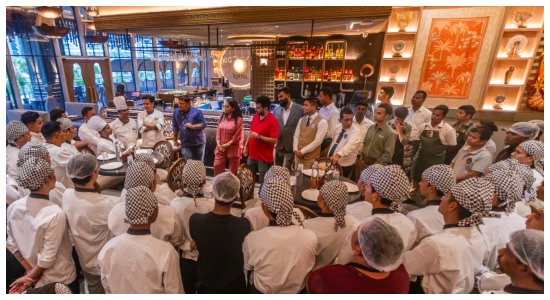
Attrition is a reality in the restaurant industry. Instead of constantly fighting it, we need to find ways to manage it better. We are exploring apprenticeship programmes that give young people an opportunity to learn from experienced professionals. We are also looking at flexible working arrangements for students who want to work on weekends or a few days a week. Clear policies, timely salary payments and structured processes are important to us. We have also seen employees leave, gain experience elsewhere and return to us later.
Cross-training is another area of focus. We want employees to understand different aspects of restaurant operations and take greater responsibility. Restaurant managers need to understand their profit and loss statements, while chefs must keep a close eye on kitchen costs.
How often do you update menus to keep up with changing customer preferences?
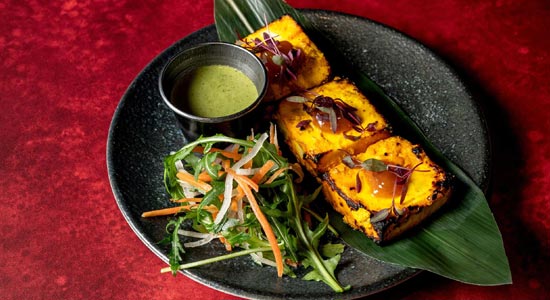
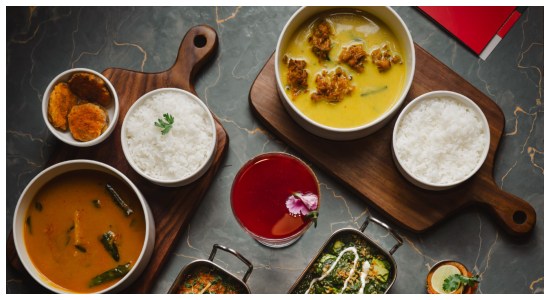
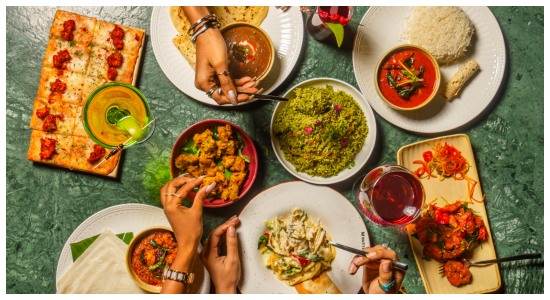
Our menus keep evolving, with seasonal changes introduced almost every quarter. We want to serve ingredients when they are fresh, good in quality and available at the right price. We also make changes to suit local tastes. Around 70% of the menu remains consistent, while 30% can vary depending on the market and customer preferences.
Tell us something about your growth.
Our year-on-year growth across the Bellona portfolio has been around 27% or higher, based on weekly comparisons. Performance varies across brands and locations, but the overall trend has been encouraging. October to December is generally a strong period for restaurants, although demand patterns can change from year to year. Malls tend to offer a more balanced business trajectory because customer traffic is spread across different periods.
Vijetha Iyer
Content Editor
Working as a Content Editor with Restaurant India. I have worked in various sectors like food and beverage sector, chemicals, pharma, nutraceuticals, now specially focusing on restaurant side. But my core knowledge was always on content. Be it writing poems to verses, I always loved writing and have been exploring my career on the same. In Restaurant India, I deliver insightful stories, take interviews of various brands and update the audiences about the newest happenings in the restaurant industry.