Bread is one of the oldest and most loved foods in the world. Almost every culture has its own version of bread, made with different ingredients and techniques. From soft white bread to crispy baguettes and fluffy naan, bread comes in many forms. Each type of bread has its own unique taste, texture, and health benefits.
In this article, we will explore different types of bread and how they can benefit your health. Whether you love classic white bread, whole wheat, or something more exotic like babka, this guide will help you understand what makes each type special.
Read more: Top 7 Bread Brands in India: India’s Bread Basket
What’s the Healthiest Bread for You?
Choosing the right bread depends on your dietary needs and preferences. Whole wheat, sourdough, and rye bread are excellent choices for fiber and digestion, promoting gut health. If you prefer a softer texture, pita and chapati are great alternatives. For those following a gluten-free diet, corn tortillas and certain rye breads provide nutritious options. Multigrain bread offers a mix of seeds and grains for added nutrients, while brioche and babka can be enjoyed as occasional treats. Select wisely for a balanced diet.
Know more: Boutique bakery industry gaining ground across tier-1 cities in India
1. Yeast Breads (Leavened Bread) – The Classics We Love

Yeast breads are made using yeast, which helps the dough rise and creates a soft and airy texture. These breads are popular worldwide and used for sandwiches, toast, and more.
-
White Bread – Easy to Digest but Lower in Fiber
White bread is made from refined wheat flour, giving it a soft, fluffy texture. It is one of the most commonly consumed breads globally. Due to the removal of the bran and germ during processing, white bread is lower in fiber and nutrients compared to whole wheat bread. However, it is easy to digest, making it a good option for people with sensitive stomachs or digestive issues. It also serves as a quick source of carbohydrates, providing instant energy. While it can be enjoyed in moderation, opting for whole wheat alternatives is generally a healthier choice.
-
Whole Wheat Bread – Rich in Fiber and Better for Digestion
Whole wheat bread is made from whole grain flour, meaning it retains the bran, germ, and endosperm of the wheat. This makes it higher in fiber, which is essential for good digestion and gut health. Fiber helps keep you full for longer, supports healthy bowel movements, and can aid in weight management. Whole wheat bread is also packed with essential vitamins and minerals, including iron, magnesium, and B vitamins. It is a healthier alternative to white bread and is recommended for those looking for a nutritious daily bread option.
-
Sourdough – Great for Gut Health Due to Its Natural Fermentation
Sourdough bread is made through a natural fermentation process using wild yeast and bacteria. This fermentation makes it easier to digest and improves nutrient absorption. The probiotics and prebiotics in sourdough promote gut health, making it a great choice for those with digestive sensitivities. Additionally, sourdough has a lower glycemic index compared to white bread, which means it has a milder impact on blood sugar levels. With its slightly tangy taste and chewy texture, it is both delicious and nutritious.
-
Baguette – Low in Fat and Perfect for Sandwiches
The French baguette is known for its long, crispy crust and chewy interior. It is typically made with simple ingredients—flour, water, yeast, and salt—without added fats or sugars. This makes it a low-fat option among breads. Baguettes are commonly used for sandwiches and pair well with cheese, butter, and spreads. While they are lower in fiber than whole wheat bread, they provide a good amount of carbohydrates, making them a good energy source.
-
Brioche – Soft, Buttery, and Energy-Packed
Brioche is a rich and buttery French bread, known for its soft and slightly sweet flavor. It is made with eggs and butter, which give it a tender texture and a high-energy content. While it is not the healthiest option due to its higher fat and calorie content, brioche provides essential nutrients such as protein and healthy fats. It is often used for making French toast, gourmet burgers, and desserts.
-
Ciabatta – High in Protein, Perfect for Paninis
Ciabatta is an Italian bread with a crispy crust and a light, airy inside. It is high in protein, making it a great choice for those looking to add more protein to their diet. This bread is commonly used for paninis and sandwiches because of its sturdy texture, which holds fillings well. Ciabatta is made with simple ingredients and pairs well with healthy toppings like avocado, lean meats, and fresh vegetables.
-
Challah – Contains Eggs, Making It a Rich Source of Protein
Challah is a traditional Jewish bread that is slightly sweet and beautifully braided. Unlike other breads, challah contains eggs, making it a good source of protein and healthy fats. It has a rich, soft texture, making it perfect for eating on its own or using in dishes like French toast. Although it contains more calories than plain bread, it is a nutritious option when eaten in moderation.
-
Focaccia – Infused with Olive Oil, a Heart-Healthy Fat
Focaccia is an Italian flatbread that is baked with olive oil and often topped with herbs and sea salt. The olive oil gives it a rich flavor while also making it a heart-healthy choice. Olive oil contains monounsaturated fats, which help reduce bad cholesterol levels and support heart health. Focaccia is a great bread to enjoy on its own or as a side to soups and salads.
2. Flatbreads – The Thin, Crispy, and Chewy Wonders

Flatbreads are either unleavened or made with very little yeast. They are popular in many countries and are often eaten with dips, curries, or fillings.
-
Naan – A soft, flavorful Indian bread.
Naan is one of the most popular Indian breads, known for its soft texture and rich flavor. It is traditionally made in a tandoor, which gives it a slightly smoky taste. Naan is usually prepared with all-purpose flour, yogurt, and sometimes butter or ghee, making it softer and more flavorful than other flatbreads. While it is delicious, naan is higher in calories compared to simpler breads like chapati. It is often served with curries, kebabs, and rich gravies, making it a staple in Indian cuisine. Adding garlic or whole wheat flour to naan can enhance its nutritional value.
-
Pita Bread – Low in fat and high in protein.
Pita bread is a Middle Eastern staple, recognized for its round shape and pocket-like interior. It is made with simple ingredients like flour, water, and yeast, making it a healthy and versatile bread. Pita bread is low in fat and high in protein, making it an excellent option for those looking to maintain a balanced diet. The pocket inside the bread makes it ideal for stuffing with vegetables, hummus, lean meats, or falafel, creating a nutritious and filling meal. Whole wheat pita is an even healthier choice, as it adds fiber and essential nutrients to the diet.
-
Tortilla – A healthy, fiber-rich base for wraps.
Tortilla is a thin, flat Mexican bread that serves as the base for many dishes like burritos, tacos, and wraps. It is available in both corn and wheat varieties. Corn tortillas are naturally gluten-free and high in fiber, making them a great option for digestive health. Wheat tortillas, on the other hand, are soft and more flexible, making them ideal for wraps and quesadillas. Because they are thin and lightweight, tortillas are a great alternative to heavier breads, providing a healthy and fiber-rich base for various meals.
-
Lavash – A low-calorie, crispy option for healthy snacks.
Lavash is a traditional Armenian flatbread that is thin and crispy when baked. It is a low-calorie bread that is often used as a wrap or a healthy snack. Because of its light texture, lavash is a great alternative to heavier breads, making it ideal for those looking to cut down on excess carbohydrates. It can be used to make roll-ups with lean meats and vegetables or simply enjoyed with dips like hummus or tzatziki. When baked until crispy, lavash becomes a great substitute for chips, making it a healthier snack option.
-
Chapati/Roti – Made with whole wheat, great for digestion.
Chapati, also known as roti, is an essential part of Indian cuisine. Made from whole wheat flour and water, it is one of the healthiest breads available. Since it does not contain yeast or added fats, it is a light and easily digestible bread. Whole wheat chapati is packed with fiber, which aids digestion and helps in maintaining steady blood sugar levels. It is commonly eaten with vegetables, lentils, and curries, making it a nutritious and well-balanced meal component.
-
Paratha – A flaky, rich bread, best when eaten in moderation.
Paratha is another Indian flatbread, but unlike chapati, it is made with ghee or butter, giving it a flaky and rich texture. Parathas are often stuffed with ingredients like potatoes, paneer, or radish, making them a filling meal. However, because of the added fat, parathas should be consumed in moderation. They provide a good amount of energy, making them a popular breakfast choice in India. Opting for less oil or using whole wheat flour can make parathas a healthier option.
-
Matzo – A simple, unleavened bread with religious significance.
Matzo is unleavened bread with deep religious significance, especially in Jewish traditions. It is made from flour and water and baked quickly to prevent fermentation. Since it lacks yeast, matzo is crisp and flat, resembling a cracker. It is often eaten during Passover as part of Jewish customs. Nutritionally, matzo is lower in fiber compared to whole wheat breads but serves as a simple and light option for those looking for a plain and easily digestible bread.
3. Quick Breads – No Yeast? No Problem!

Quick breads use baking soda or baking powder instead of yeast, making them easier to prepare.
-
Banana Bread – Packed with potassium and fiber.
Banana bread is a delicious and nutritious quick bread that is loved for its sweet taste and soft texture. It is made with ripe bananas, which are an excellent source of potassium, an essential mineral for heart health and muscle function. The natural sweetness of bananas reduces the need for added sugar, making banana bread a healthier dessert or snack option. Additionally, banana bread contains fiber, which helps in digestion and keeps you feeling full for longer. Adding nuts or whole wheat flour to banana bread further enhances its nutritional value, making it a great energy-boosting treat.
-
Zucchini Bread – A sneaky way to eat veggies!
Zucchini bread is a clever way to incorporate vegetables into a sweet and moist loaf. Zucchini is packed with vitamins, minerals, and antioxidants, making this bread a nutritious choice. It is high in water content, which helps keep the bread soft while also providing hydration to the body. Since zucchini is mild in flavor, it blends well into the bread, making it perfect for picky eaters who may not enjoy vegetables. This bread can be made healthier by using whole wheat flour and reducing sugar, making it a great option for breakfast or an afternoon snack.
-
Cornbread – Gluten-free and rich in antioxidants.
Cornbread is a staple in Southern cuisine and is naturally gluten-free, making it an excellent choice for those with gluten sensitivities. Made from cornmeal, this bread is rich in fiber and antioxidants like lutein and zeaxanthin, which support eye health. Cornbread has a slightly sweet and crumbly texture, making it perfect as a side dish for soups, stews, or barbecue meals. Because of its high carbohydrate content, cornbread provides a quick source of energy. Using less butter and sugar can make it a healthier version while still maintaining its delicious taste.
-
Soda Bread – Easy to make, great for digestion.
Soda bread is a simple and traditional Irish bread that uses baking soda as a leavening agent instead of yeast. This makes it quicker to prepare and easier to digest. Soda bread is typically made with basic ingredients like flour, baking soda, salt, and buttermilk. The buttermilk adds a tangy flavor while also helping to keep the bread soft. Since it does not require yeast, soda bread is a great option for those with yeast sensitivities. It is often enjoyed with butter, jam, or cheese and can be made even healthier by using whole wheat flour for added fiber and nutrients.
4. Specialty & Regional Breads – The Fun and Unique Ones

Specialty and regional breads offer unique flavors and textures, reflecting diverse cultures. From dense rye bread to sweet babka, these breads bring rich traditions and health benefits to every meal.
-
Rye Bread – A great source of iron and fiber.
Rye bread is a dense, flavorful bread made from rye flour, which gives it a distinct, slightly sour taste. It is an excellent source of iron, which is essential for oxygen transport in the body and preventing anemia. Rye bread is also packed with fiber, making it a great choice for digestion and gut health. Unlike white bread, which can cause blood sugar spikes, rye bread has a lower glycemic index, helping maintain steady energy levels. This bread is commonly used in European cuisine and pairs well with meats, cheeses, and spreads, making it a nutritious and filling option for sandwiches.
-
Multigrain Bread – Full of seeds, grains, and nutrients.
Multigrain bread is made from a combination of different grains and seeds, such as oats, flaxseeds, sunflower seeds, and barley. This variety makes it one of the most nutrient-dense bread options available. The combination of grains provides essential vitamins, minerals, and fiber, which support digestion and heart health. The seeds in multigrain bread add a crunch and provide healthy fats that are beneficial for overall well-being. Since it is rich in complex carbohydrates, it keeps you full for longer and provides sustained energy. Choosing whole-grain multigrain bread over refined versions ensures maximum health benefits.
-
Bagel – Dense, chewy, and high in protein.
Bagels are dense, chewy bread that originated in Jewish communities and have now become a popular breakfast staple worldwide. They are traditionally boiled before baking, which gives them their signature chewy texture. Bagels are high in protein, especially when made with whole wheat flour or combined with toppings like seeds. While they are more calorie-dense than regular bread due to their compact structure, they can be a great source of sustained energy. Pairing a bagel with cream cheese, smoked salmon, or nut butter adds extra protein and healthy fats, making it a balanced meal option.
-
Pretzel – A crunchy, satisfying snack.
Pretzels are a classic German snack known for their crunchy, salty exterior and soft interior in the case of soft pretzels. They are often enjoyed as a snack or appetizer and can be served with dips like mustard or cheese. While pretzels are primarily made from refined flour and do not offer as much fiber as whole grain bread, they are a satisfying and low-fat snack. Opting for whole wheat or sourdough-based pretzels can increase their nutritional value. Soft pretzels, when made with minimal salt and butter, can also be a hearty and flavorful treat.
-
Babka – A dessert bread filled with sweet swirls!
Babka is a rich, sweet bread with swirls of chocolate, cinnamon, or fruit fillings, making it more of a dessert bread than a traditional loaf. Originating from Eastern European Jewish communities, babka has gained worldwide popularity due to its soft, buttery texture and indulgent taste. Though babka is higher in sugar and fat than other breads, it can be enjoyed in moderation as a special treat. Homemade versions can be made healthier by reducing sugar and using whole wheat flour. Babka pairs well with coffee or tea, making it a delightful choice for breakfast or dessert.
Final Thoughts
Bread is a staple food enjoyed worldwide in many forms, from soft brioche to hearty rye. It provides essential nutrients like fiber, protein, and healthy carbohydrates, depending on the type. Whole wheat and multigrain breads support digestion, while sourdough promotes gut health. Rye bread is rich in iron, and bagels offer protein-packed energy. For those who prefer lighter options, pita and lavash are great choices. Even sweet breads like babka can be enjoyed in moderation. Choosing wisely allows bread to be a delicious and nutritious part of a balanced diet. Explore different varieties and enjoy their benefits.






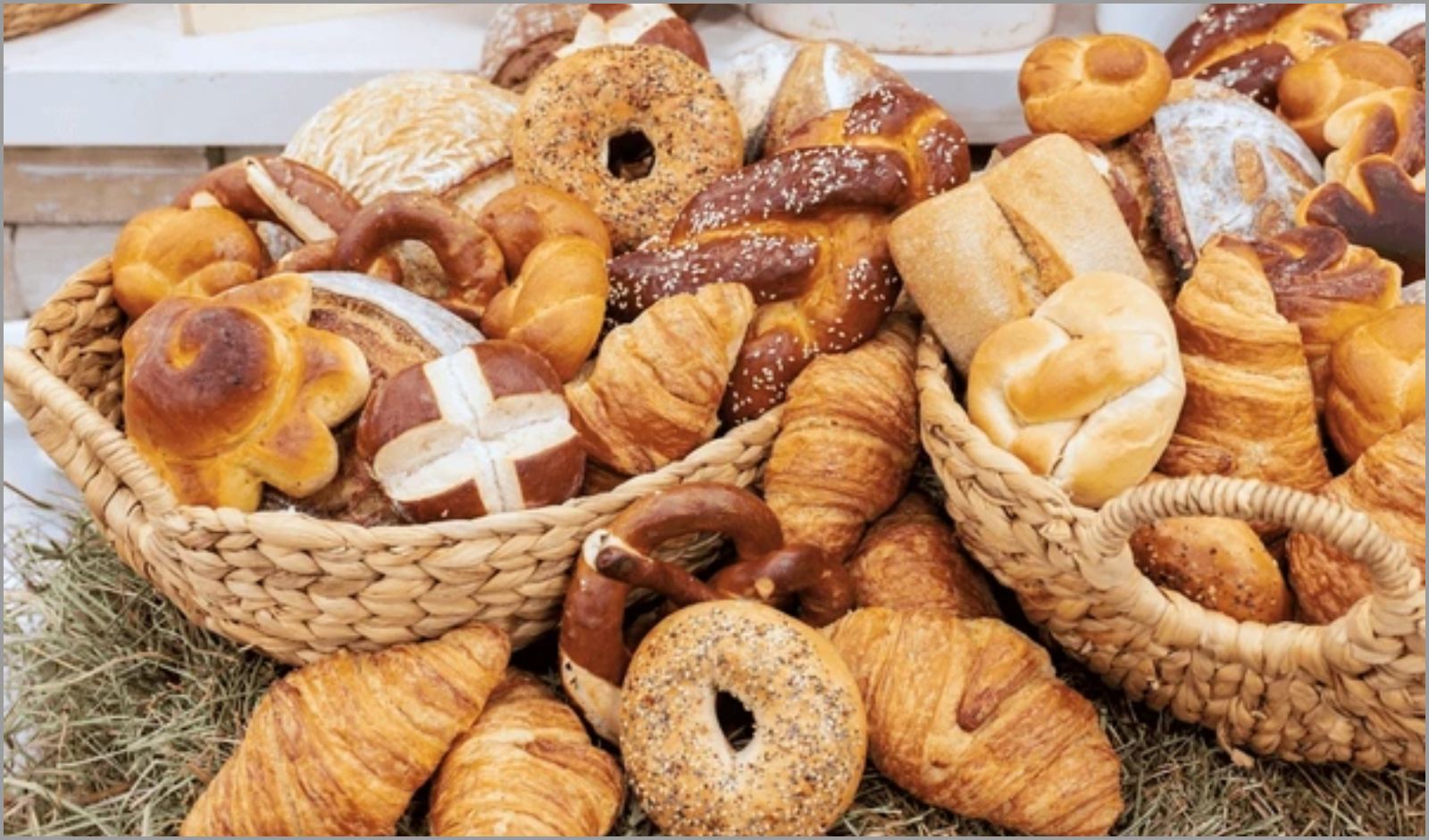

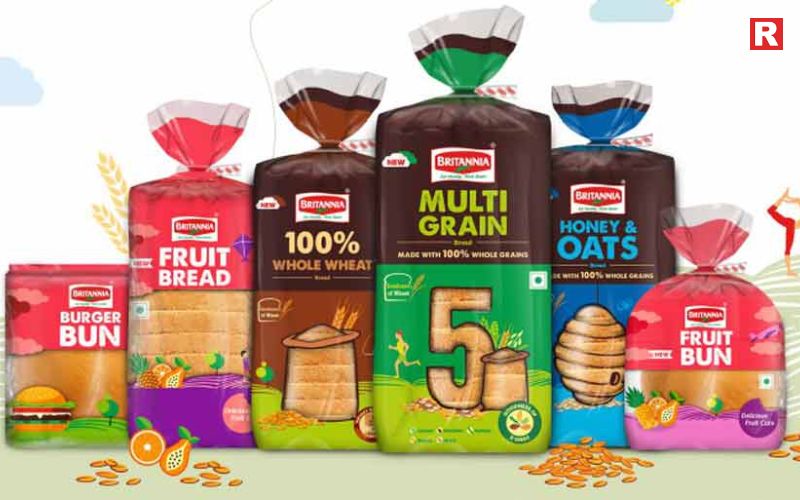

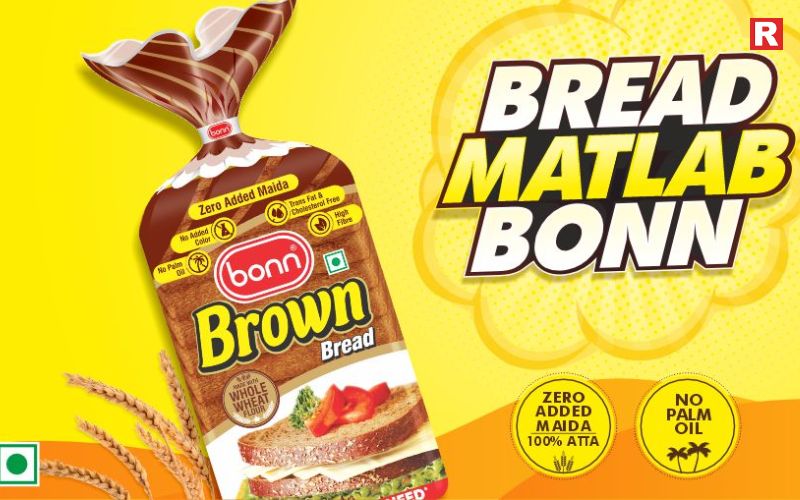
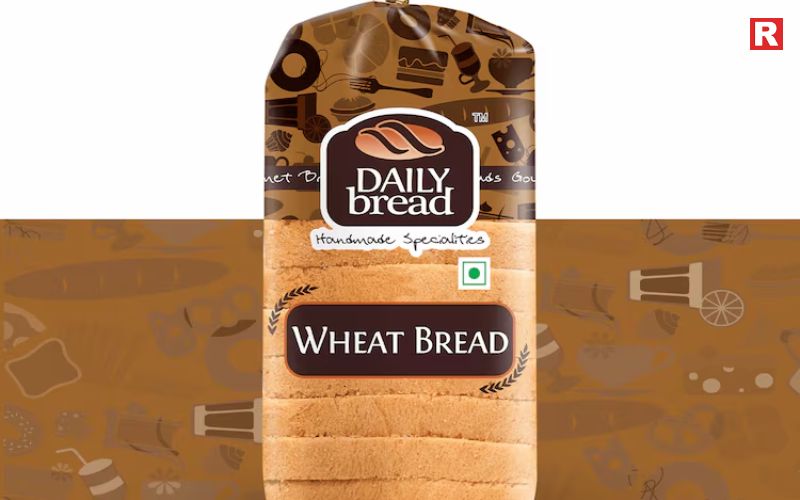











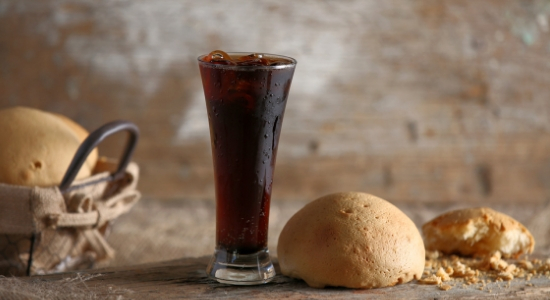
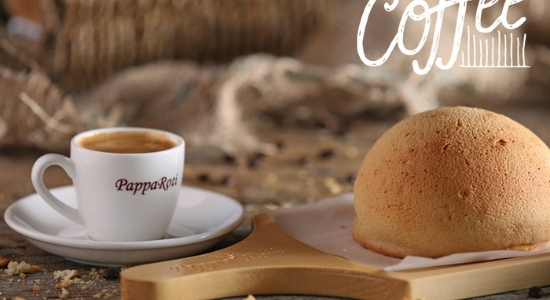
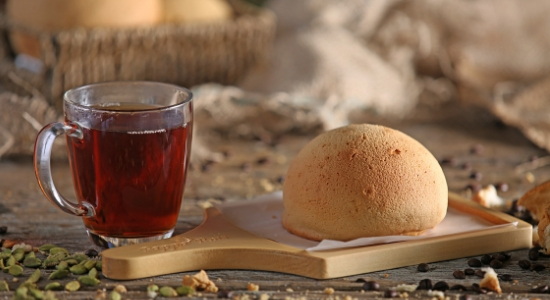
 (Representational images)