After the Marks & Spencer/TCS Cyber-Attack: What Restaurant Owners Must Know About Data Security and Customer Trust
The Marks & Spencer cyber-attack is a wake-up call for restaurants. Learn how Indian food businesses can protect customer data, prevent hacks, and rebuild trust after breaches.

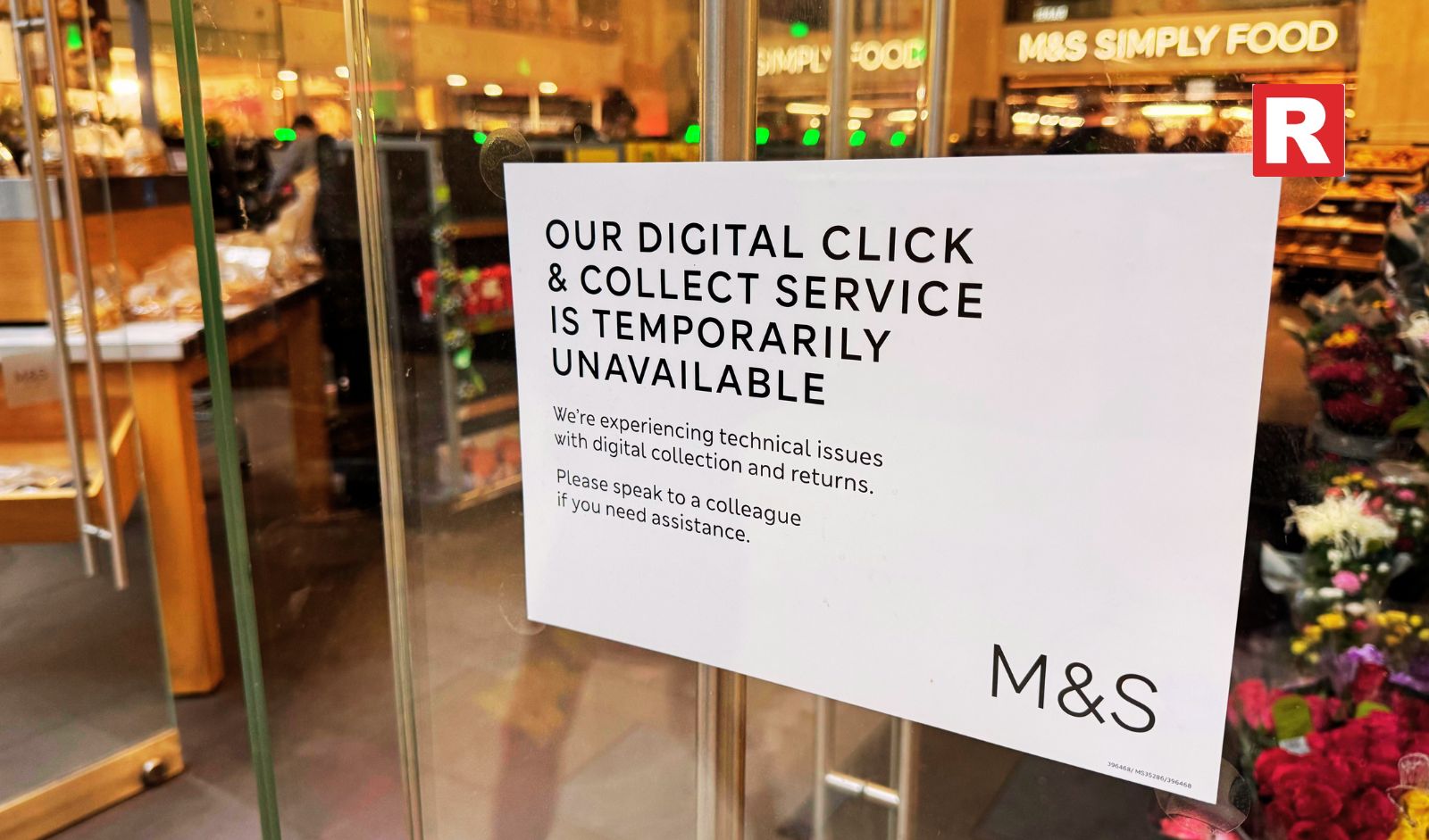
When a retail giant like Marks & Spencer faces a cyber-attack severe enough to halt online orders and disrupt store operations, the shockwaves are felt far beyond the UK. For restaurant owners in India, this isn’t just an international headline — it’s a wake-up call. The lessons are clear: data protection and customer trust are no longer optional; they are essential parts of running a modern food business.
Why This Story Matters to Restaurants
In April 2025, Marks & Spencer suffered a major cyber-attack that forced temporary shutdowns in online ordering, loyalty programmes, and in-store payments. The estimated financial hit ran into hundreds of millions of pounds, but the real loss was customer confidence.
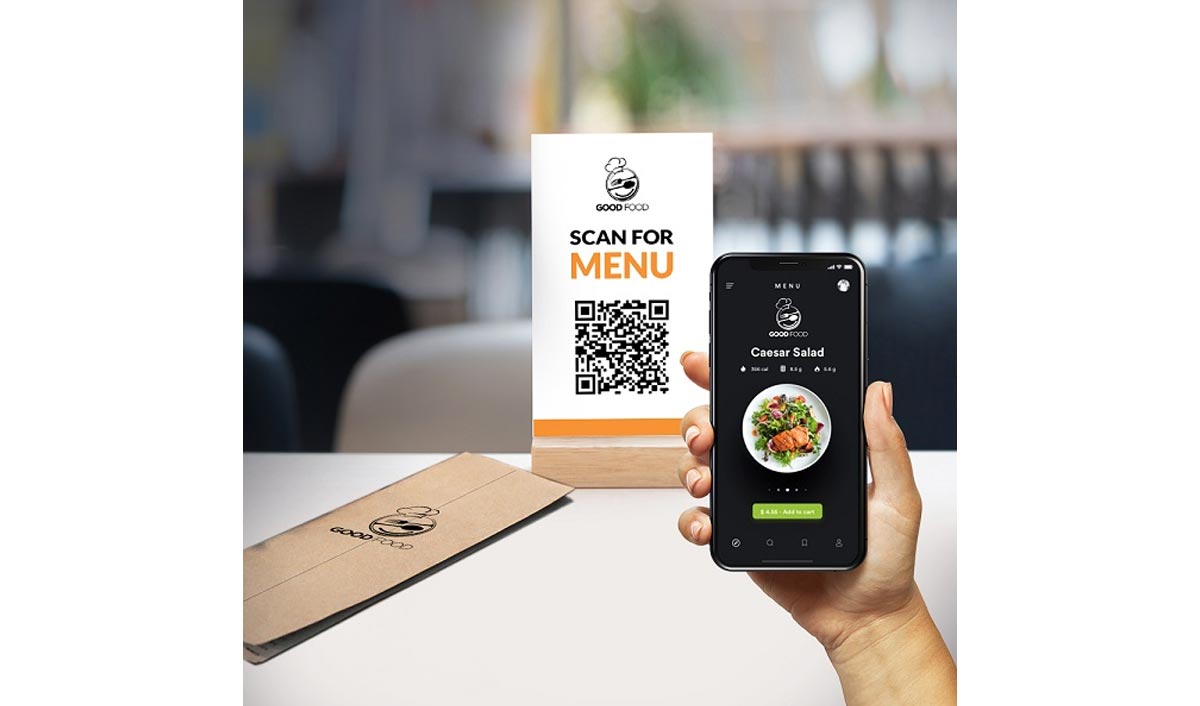
For restaurants, the parallels are obvious. You collect guest details every day — through delivery apps, loyalty cards, QR-code menus, reservation systems, and WhatsApp marketing lists. A single breach could mean not just downtime, but a permanent dent in your reputation.
The New Face of Cyber Threats: People, Not Just Technology
The M&S incident wasn’t caused by a technical flaw alone. It reportedly began with social engineering — attackers pretending to be senior staff and tricking IT helpdesks into granting access.
This is the modern hacker’s playbook: no brute-force break-in, just a well-timed phone call. Restaurants, often with smaller teams and shared logins, are especially vulnerable. The weakest point is rarely the software; it’s the human who resets a password or approves a login request without verifying the caller’s identity.
The Real Damage: When Trust Breaks
For any consumer brand, data breaches are trust breaches. Once customers suspect that their contact numbers, birthdays, or payment details are exposed, they hesitate to return. Imagine your POS going down during a busy dinner service, or your regulars getting scam messages pretending to be from your restaurant’s loyalty club.
The cost isn’t just in rupees — it’s in reputation, repeat business, and online reviews. One breach, one viral tweet, and years of goodwill can evaporate overnight.
8 Lessons Every Restaurant Owner Should Apply Now
1. Secure POS and Billing Systems
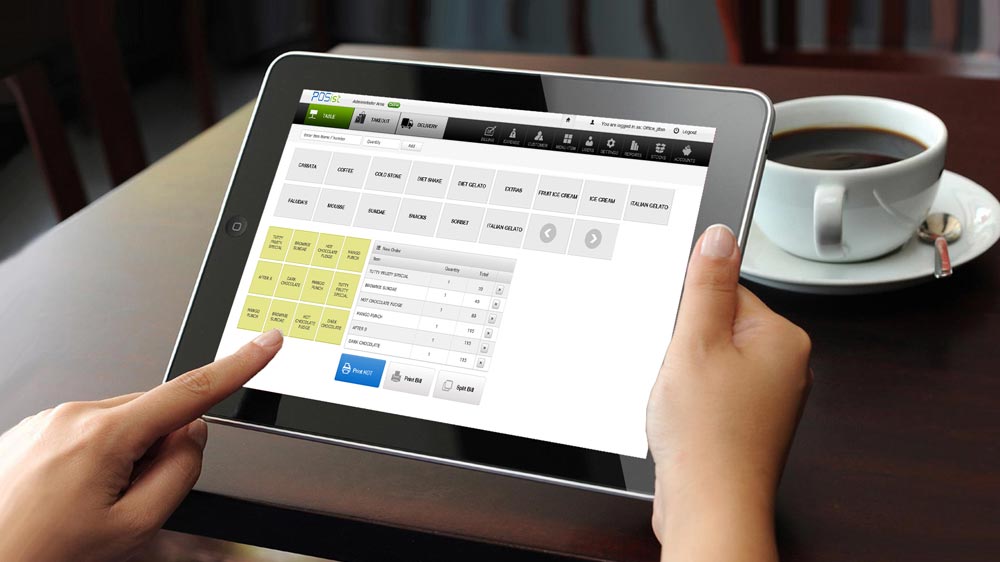
Stop using one common login for all staff. Assign individual IDs for every cashier or server, enforce strong passwords, and activate two-factor authentication for administrators. Rotate credentials every 60 days and disable logins for ex-employees immediately.
2. Train Staff to Recognise Social Engineering
Never reset passwords or share credentials based solely on a phone call or WhatsApp message. Verify identity through a second channel — like a known email or manager confirmation. Conduct short quarterly training sessions so that everyone knows what a phishing or impersonation attempt looks like.
3. Audit Your Third-Party Vendors
The M&S breach began with a service provider — a stark reminder that your partners can be your biggest risk. In restaurants, vendors include POS providers, loyalty platforms, delivery integrations, and payment gateways.
Ask them directly: “If you’re hacked, can that compromise my customer data?” Ensure your contracts demand quick disclosure of any breach and liability protection.
4. Minimise and Protect Loyalty Data
If you’re collecting customer birthdays, addresses, or email IDs, ask yourself whether you actually use them. Store only what’s necessary and encrypt it. The fewer details you keep, the smaller your exposure in case of a breach.
5. Clean Up Marketing Lists
Guest data often sits unprotected in Excel sheets or WhatsApp folders. These are gold mines for hackers. Centralise your data in one CRM with limited access. Delete old lists every few months and keep only verified, consent-based contacts.
6. Prepare for “Offline Mode”
Cyber-attacks can disable billing and payment systems. What’s your plan if that happens during a Saturday dinner rush?
Create a one-page Standard Operating Procedure (SOP):
- Use manual KOT slips.
- Keep a backup card machine or alternate payment option.
- Inform customers transparently through signage or social media.
Preparedness keeps chaos from turning into crisis.
7. Explore Cyber Insurance
Few restaurants think of insurance for digital risks, yet even a small breach can lead to lakhs in costs — refunds, downtime, and PR clean-up. Look for policies covering data loss, vendor failure, and business interruption. It’s not just for tech companies anymore.
8. Restrict Access for Former Employees
Always remove access immediately when someone leaves the organisation. That includes POS logins, delivery dashboards, CRM accounts, CCTV feeds, and social media business managers. Former employees are among the most common entry points for internal breaches.
How to Communicate If a Breach Happens
If your systems are ever compromised, honesty is your best defence. Tell customers clearly what happened, what data was affected, and what steps you’re taking. Avoid corporate jargon — use plain, direct language.
Offer guidance, not panic: “Your payment data remains secure. Please change your password and watch out for scam messages.”
Finally, show that you value their trust. Offer reassurance through transparency, not just discounts. People forgive mistakes; they don’t forgive silence.
The Legal Side: India’s Data Protection Law
India’s new Digital Personal Data Protection Act now defines customer information — names, phone numbers, order histories — as personal data. Mishandling or leaking it can invite penalties. Restaurants must maintain consent records, ensure secure storage, and delete data when it’s no longer needed.
Even if you’re a small or mid-size outlet, compliance matters. Regulators are beginning to treat all consumer-facing businesses equally, and F&B is firmly on their radar.
Final Takeaway: Hospitality Now Includes Data Care
The Marks & Spencer cyber-attack wasn’t a retail problem; it was a trust problem. And in the age of digital dining, that trust is the lifeblood of every restaurant brand.
Your guests don’t just expect delicious food — they expect that their contact number won’t end up in a scammer’s hands, and that their payment data stays safe.
In 2025 and beyond, protecting customer data is no longer the job of your IT person alone. It’s part of hospitality itself. Safeguard your systems, train your people, and earn your guests’ confidence — one secure transaction at a time.
sandeepsharma
Content Editor