Adapting to Uncertainty: The New Rules of Restaurant Resilience
In 2026, the most successful restaurants are not necessarily the largest, but the ones that are the most agile and adaptable.


The restaurant industry has always faced challenges, but recent years have made resilience a business necessity. Rising food costs, labor shortages, changing consumer behavior, economic uncertainty, and digital disruption are forcing operators to rethink traditional models.
Today, resilience is not just about surviving crises, it is about adapting quickly, managing uncertainty, and sustaining growth. In 2026, the most successful restaurants are not necessarily the largest, but the ones that are the most agile and adaptable.
Why Resilience Has Become a Strategic Imperative
India's restaurant industry, which contributes over ₹5.69 lakh crore to the economy and employs more than 8.5 million people, is facing unprecedented cost pressures from rising food prices, wages, energy, rentals, and supply chain disruptions.
In 2026, sharp increases in commercial LPG and other operating costs further squeezed already thin restaurant margins, limiting operators' ability to rely on price hikes alone. At the same time, recent disruptions highlighted the risks of depending heavily on a single revenue channel, supplier or customer segment.
Explaining this, Tejinder Singh Saini, Founder and CEO, Aauris Hotel, Kolkata said, “In today’s restaurant landscape, resilience is no longer just about surviving challenges—it is about building businesses that can adapt, evolve, and thrive amidst constant disruption. From changing consumer preferences and economic fluctuations to technology-led transformation, resilience has become a strategic priority for restaurant operators.”
The Pillars of Resilience
Restaurant resilience today is built on three core foundations: diversified revenue streams, operational agility, and data-driven decision-making. Resilient businesses are embracing flexible operating models through dynamic staffing, adaptable supplier partnerships, multi-purpose kitchen spaces, and seasonally responsive menus, enabling them to react quickly to shifting market conditions.
“One of the most significant shifts we are witnessing is the growing focus on wellness, particularly among younger consumers. Today’s guests, especially Millennials and Gen Z, are far more conscious about what they eat, where ingredients come from, and how food contributes to their overall well-being. Wellness is no longer a niche trend; it is becoming central to dining decisions,” shared Madhav Windlass, Co-founder of Kiara Soul Kitchen.
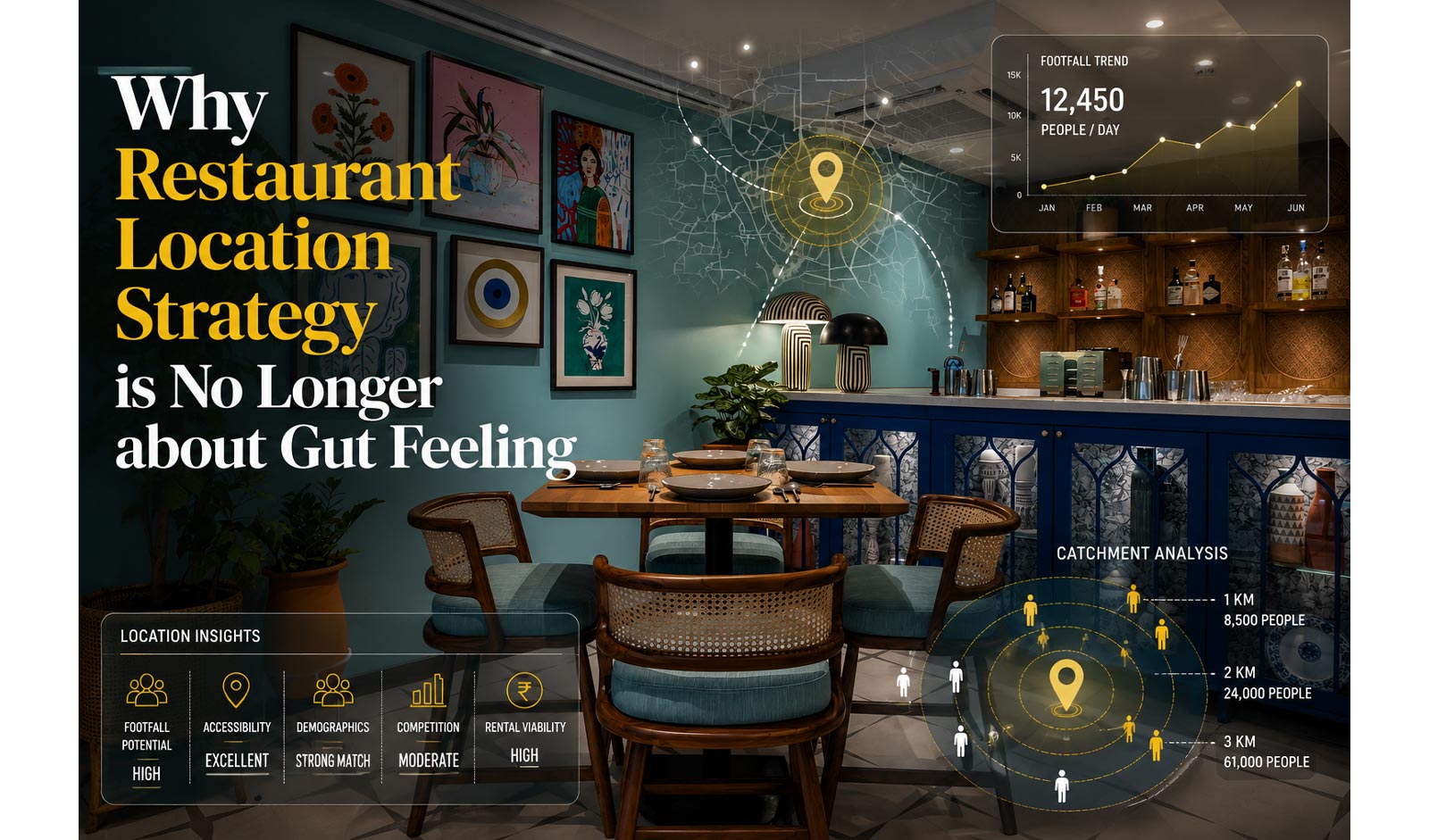
Complementing this agility is a growing reliance on technology and analytics, as operators increasingly replace instinct-based decisions with real-time data to optimize pricing, inventory, labor, and customer engagement.
Why Data is Replacing Instinct
In India, more than 40% of organized restaurant operators now use digital tools for sales, inventory, and operational planning. AI-powered forecasting platforms analyze historical sales, weather, festivals, local events, and customer behavior to predict demand more accurately, helping reduce waste and stock shortages.
Data is also transforming labor management. With employee costs typically accounting for 18–25% of restaurant revenue, technology-driven scheduling helps align staffing levels with demand, reducing labor costs by an estimated 10–15% while improving productivity.
For Ridhi Choudhary, Founder & CEO, Mann & Salwa saw this first-hand while building The Primo. She said, “Bringing together concepts like Sora, Sahtain, and Vyanj was a bit of a leap of faith because these weren't cuisines or formats that had traditionally been associated with Ahmedabad. What we've found instead is that consumers are genuinely excited to explore, provided the experience feels authentic and well thought through.”
Saini added, “Artificial Intelligence is further strengthening resilience by enhancing forecasting, personalization, inventory control, and operational efficiency. Equally important is workforce resilience i.e. investing in employee training, engagement, and well-being creates agile teams capable of delivering consistent guest experiences even during periods of uncertainty.”
Menu Resilience has a Competitive Advantage
Successful operators are designing menus that balance profitability, flexibility, and operational efficiency. Through menu engineering, restaurants regularly evaluate which dishes generate the highest profits, attract the most orders, and underperform. This helps improve margins without relying solely on price increases. Many brands are also introducing limited-time offerings to test emerging trends, capitalize on seasonal demand, and keep customers engaged while maintaining inventory control.
Windlass pointed, “We focus on ingredient-efficient, seasonally adaptable menus that balance nutrition, sustainability and profitability. Data now complements instinct, helping restaurants understand customer preferences, menu performance and changing consumption patterns more effectively.”
Another growing strategy is ingredient optimization. By using the same core ingredients across multiple dishes, restaurants can reduce waste, simplify kitchen operations, and strengthen purchasing power.
Customer Loyalty Strengthens Resilience
As customer acquisition costs continue to rise, brands are investing in loyalty programs, personalized promotions, CRM tools, membership initiatives, and community-driven engagement.
Reports suggests that even when consumers face financial pressure, they continue dining out but become more selective about the brands they choose. This makes customer loyalty one of the most valuable assets for long-term business stability.
Rather than focusing solely on revenue growth, resilient businesses make decisions based on sustainable unit economics. This disciplined approach helps restaurants protect margins, manage volatility, and navigate economic downturns more effectively.
For Choudhary, resilience isn't about constantly reinventing your business or chasing every trend. It's about paying attention, staying curious, and being willing to evolve as your consumers evolve.
The restaurants that will thrive in the future are those that successfully combine hospitality, wellness, technology and financial discipline while remaining deeply connected to the evolving needs of their guests.
Vijetha Iyer
Content Editor
Working as a Content Editor with Restaurant India. I have worked in various sectors like food and beverage sector, chemicals, pharma, nutraceuticals, now specially focusing on restaurant side. But my core knowledge was always on content. Be it writing poems to verses, I always loved writing and have been exploring my career on the same. In Restaurant India, I deliver insightful stories, take interviews of various brands and update the audiences about the newest happenings in the restaurant industry.